Zaytinya

Wine Spectator Award of Excellence
Our verdict
Zaytinya brings the eastern Mediterranean meze tradition to Palo Alto's Stanford Shopping Center, offering a format built around shared small plates rooted in Turkish, Greek, and Lebanese cooking. The format suits groups and works across price points, making it one of the more versatile options on El Camino Real for a region better known for Cal-cuisine and pan-Asian dining.

Pearl is the En Primeur Club membership app — saves, bookings, and concierge access live there. Same editors, same standards.
- Address
- 180 El Camino Real Suite EE1400, Palo Alto, CA 94304
- Phone
- (650) 203-2000
- Hours
- Mon–Tue 4–9 PMWed–Thu 11:30 AM–3 PM, 4–9 PMFri–Sat 11:30 AM–3 PM, 4–10 PMSun 11:30 AM–3 PM, 4–9 PM
- Website
- zaytinya.com
- Directions
- Get directions
The menu
What to order
- Octopus Santorini
- Hommus
- Baba Ghannouge
- Pide
Where the Eastern Mediterranean Meets the Peninsula
Walk into the Stanford Shopping Center along El Camino Real and most of what you pass reads as expected: retail anchors, fast-casual counters, the occasional chain sit-down. Zaytinya interrupts that rhythm. The dining room operates on the logic of the eastern Mediterranean meze table, a format in which no single dish is the point and arrival order is more suggestion than rule. That structural difference is felt before you read the menu.
Meze culture, shared across Turkey, Greece, Lebanon, and the Levant more broadly, is one of the older communal dining traditions in the world. The table fills incrementally, conversation fills the gaps between plates, and the meal's shape is negotiated rather than prescribed. In cities with deep Middle Eastern or Greek communities, restaurants that work this format tend to draw regulars who understand its rhythm. In Palo Alto, a city whose restaurant scene tilts heavily toward Japanese, Californian, and New American formats, Zaytinya represents a less common offering, which makes understanding what it is and how to use it more useful than simply knowing it exists.
The Cuisine and Its Roots
Eastern Mediterranean cooking occupies a distinct position in the broader canon of global cuisines: it is simultaneously ancient and deeply practical. Olive oil, legumes, yogurt, flatbread, preserved vegetables, and grilled proteins are the structural vocabulary. What varies by country and subregion is proportion, spice profile, and technique. Turkish cuisine leans on charcoal and slow braises; Lebanese cooking builds around acid and fresh herb; Greek preparations tend toward restraint and quality of ingredient over complexity of method.
Meze as a format evolved from this plurality. It is a way of eating that allows multiple culinary traditions to share a table without hierarchy. A spread might move from a tahini-based dip to a grilled halloumi, through a lamb kofte, and toward something involving phyllo, without any single plate claiming dominance. For diners accustomed to the appetizer-entree-dessert sequence, this requires a small recalibration. For those who have eaten this way before, it is the most natural format there is.
In the American restaurant context, the eastern Mediterranean has historically received less critical attention than French, Japanese, or Italian cooking, despite the depth of its traditions. That gap has narrowed noticeably in the past decade, partly through the visibility of chefs like José Andrés, whose Zaytinya concept originated in Washington, D.C. in 2002 and helped position Levantine and Hellenic meze as a serious dining category rather than a niche ethnic subcategory. The Palo Alto location carries that lineage into a market where the format is less established.
Format, Pacing, and How to Approach the Table
The meze format rewards groups of three or more. With two diners, the table can feel constrained because the logic of the format is abundance and variety, not austerity. Four to six people allows the menu to be covered more fully, plates to rotate, and the meal to develop its own momentum. This is worth knowing before you book, particularly if you are deciding between this and a more conventional format restaurant like Tai Pan nearby.
Ordering across cold mezedes, warm mezedes, and larger format plates in sequence reflects how the menu is designed to be read. Cold preparations tend to arrive faster and set a baseline; warm dishes and proteins follow. The pacing is typically less rigid than a tasting menu, which suits the format. Compare this to the structured progression at somewhere like Lazy Bear in San Francisco or the precision coursing at Alinea in Chicago: those are experiences built around a fixed sequence. Zaytinya is not that, and the informality is a feature rather than a deficit.
Zaytinya in the Palo Alto Context
Palo Alto's dining scene is strongest in Japanese and Cal-cuisine registers, with serious high-end options skewing toward either the tasting-menu format or the chef-driven New American model. Venues operating at the upper end of the price spectrum elsewhere in California, such as The French Laundry in Napa, Single Thread Farm in Healdsburg, or Providence in Los Angeles, represent a different tier and format entirely. Zaytinya sits outside that register, operating as an accessible mid-range option where the price of entry is lower and the format more flexible.
That accessibility matters in a market like Palo Alto, where the gap between fast casual and high-end tasting rooms can feel wide. Eastern Mediterranean meze occupies a middle ground that the city does not have in abundance. It is a format that works for a business dinner where conversation takes priority, for a family meal with varying appetites, or for a group navigating mixed dietary preferences, since the cuisine's vegetable-forward tradition means non-meat eaters are rarely an afterthought.
For those building a broader picture of the Peninsula's dining options, our full Palo Alto restaurants guide covers the competitive set in more detail. Those extending a trip across the Bay Area should also consider Le Bernardin in New York City for the benchmark in formal French seafood or Atomix in New York City for a tasting-menu format at the upper end of the Korean dining canon, as reference points for what serious cooking looks like in other formats and cities.
Planning Your Visit
Zaytinya is located at 180 El Camino Real, Suite EE1400, within the Stanford Shopping Center. The shopping center setting means parking is direct by Bay Area standards, and the venue is accessible from Caltrain's Palo Alto station. For evening visits, the Stanford Shopping Center draws a mix of post-work and post-retail diners, so the room tends to be active on weeknights as well as weekends. Groups planning to cover a wide range of the menu should allow at least ninety minutes; the format does not reward rushing. Those extending their time in Palo Alto can cross-reference our full Palo Alto hotels guide, our full Palo Alto bars guide, our full Palo Alto wineries guide, and our full Palo Alto experiences guide to build a fuller itinerary around the area.
For context across the broader American fine-dining map, Blue Hill at Stone Barns in Tarrytown, The Inn at Little Washington, Addison in San Diego, and Emeril's in New Orleans represent the range of serious American restaurant ambition, from farm-to-table to classically anchored regional cooking. 8 1/2 Otto e Mezzo Bombana in Hong Kong extends that comparative frame globally. Zaytinya is not competing in that tier; knowing what that tier looks like helps place it correctly.
Frequently asked questions
Does Zaytinya work for a family meal?
The meze format at Zaytinya is well-suited to family tables, particularly when the group is three or more. Shared plates spread across the table let different preferences coexist without everyone committing to a single dish. The Stanford Shopping Center location at 180 El Camino Real also means parking is straightforward, which removes one of the common friction points for families dining out in Palo Alto.
How would you describe the vibe at Zaytinya?
Zaytinya sits inside the Stanford Shopping Center, which gives it a retail-adjacent setting that reads casual on arrival but shifts once you are at the table. The meze format introduces a communal rhythm, with plates arriving incrementally and the table filling over time. It occupies a middle register in Palo Alto's dining scene, more animated than a tasting-menu room, less transactional than the fast-casual options nearby.
Is Zaytinya in Palo Alto connected to the original Zaytinya concept in Washington D.C.?
Zaytinya has its origins in Washington D.C. where the Eastern Mediterranean format first established its reputation. The Palo Alto location at 180 El Camino Real brings that same meze-driven approach to the Bay Area, placing it within the Stanford Shopping Center. For diners familiar with the D.C. original, the California location extends the same cuisine tradition — Turkish, Greek, and Lebanese-influenced small plates — into a distinctly different dining market.
What's the best thing to order at Zaytinya?
The meze format is designed around ordering broadly rather than committing to one centerpiece dish. At a table of three or more, the stronger approach is to build across categories — dips, vegetable preparations, and protein-led plates — so the table reflects the spread that Eastern Mediterranean cooking is built on. Arriving with a fixed idea of one dish to order works against the format's logic.
A Pricing-First Comparison
Comparable venues nearby, for context on price, style, and recognition.
| Venue | Cuisine | Price | Awards | Notes |
|---|---|---|---|---|
| ZaytinyaThis venue — the venue you are viewing | Modern Mediterranean Mezze (Turkish, Greek, Lebanese) | $50–100 | Wine Spectator Award of Excellence | Not listed |
| Meyhouse | Authentic Turkish Meyhane | $50–100 | Wine Spectator Award of Excellence | Downtown, Authentic Turkish Meyhane |
| Patxi's Pizza | Chicago Deep Dish Pizza | Not listed | Not listed | Downtown Palo Alto, Chicago Deep Dish Pizza |
| Local Union 271 | Modern American Farm-to-Table | Not listed | Not listed | Downtown Palo Alto, Modern American Farm-to-Table |
| Khazana by Chef Sanjeev Kapoor | Modern Indian Fine Dining | $50–100 | Not listed | Downtown Palo Alto, Modern Indian Fine Dining |
| Bar Underdog | Cocktail Bar with Chef-Driven American Small Plates | $30–50 | Not listed | Evergreen Park, Cocktail bar with chef-driven American small plates |
Recognition history
Dated appearances from independent guides and award organizations, with the underlying list record or original source where available.
Wine Spectator Award of Excellence
Wine Spectator
Continue exploring
More in Palo Alto
Restaurants in Palo Alto
Browse all →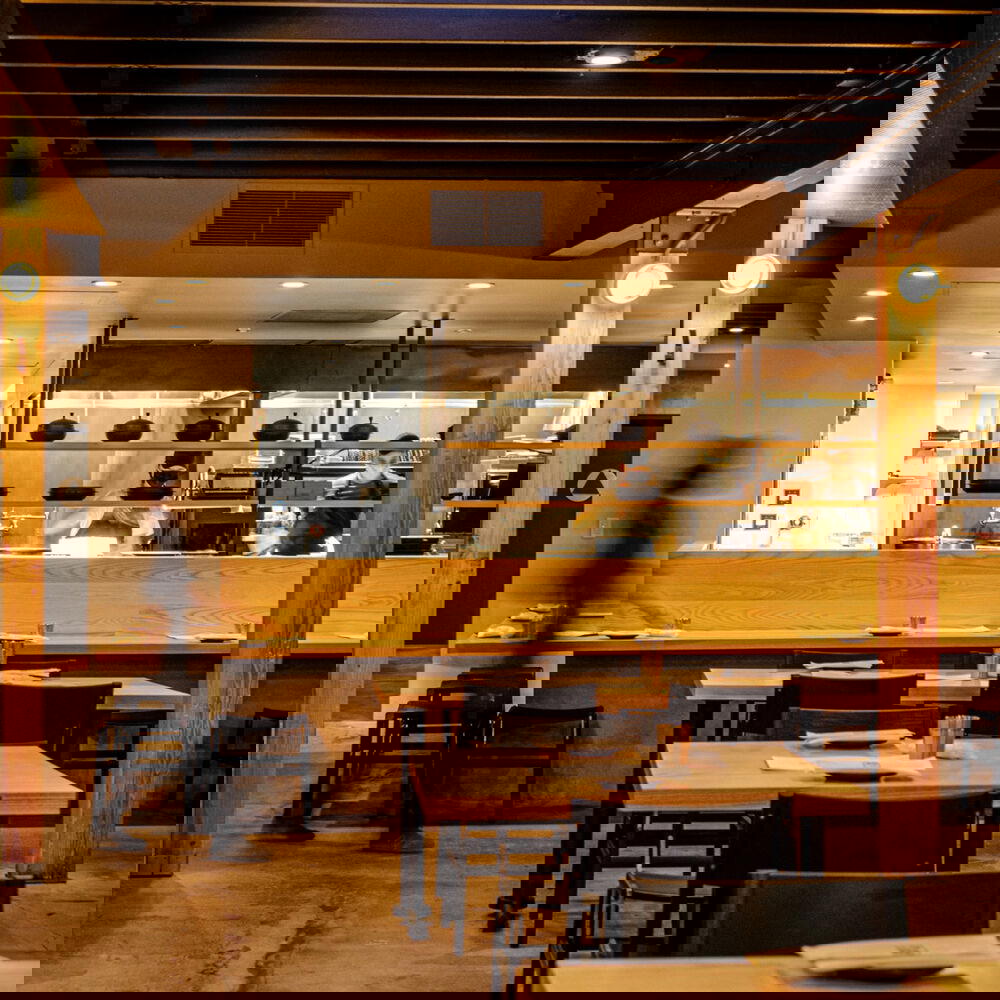
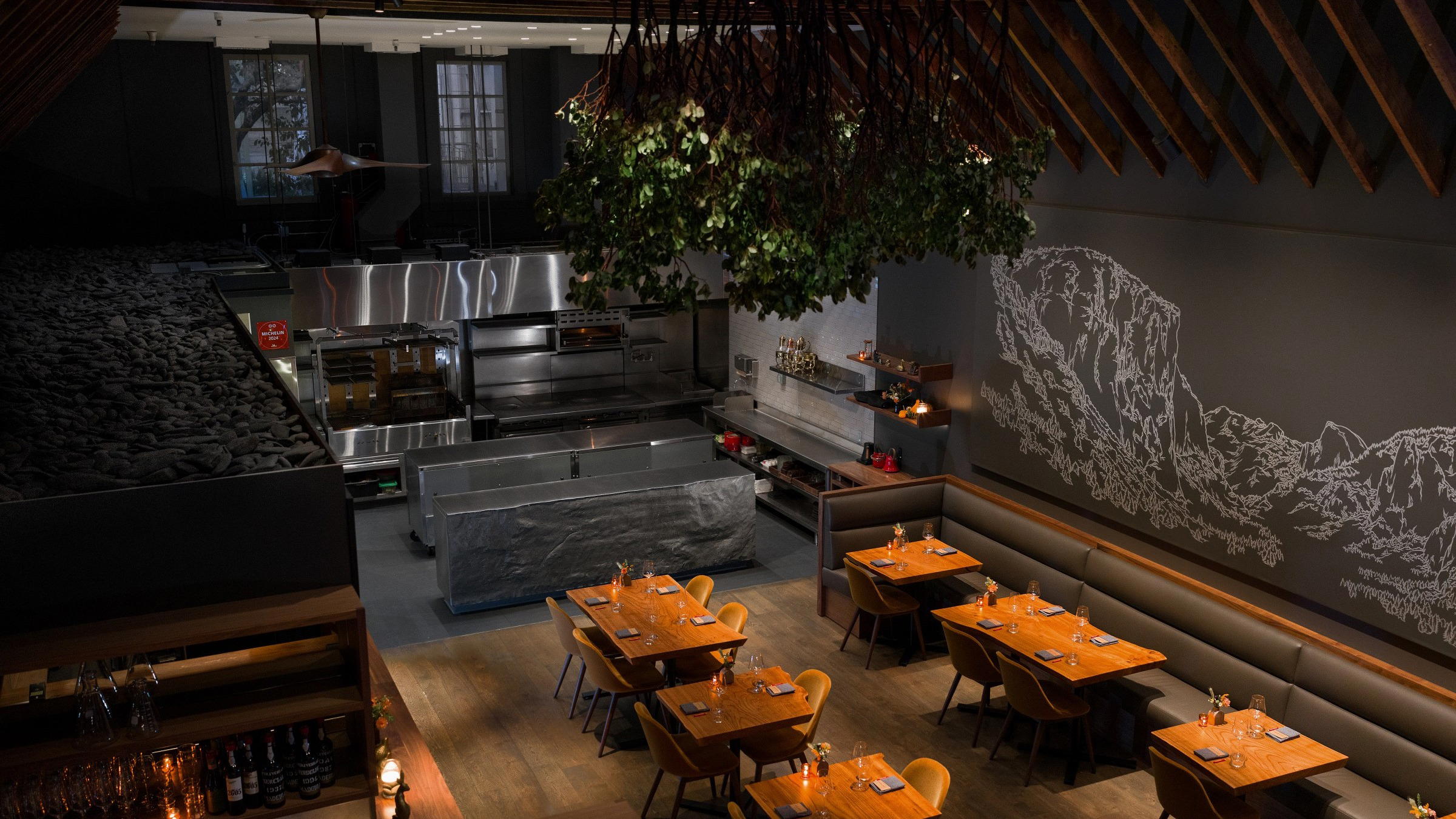
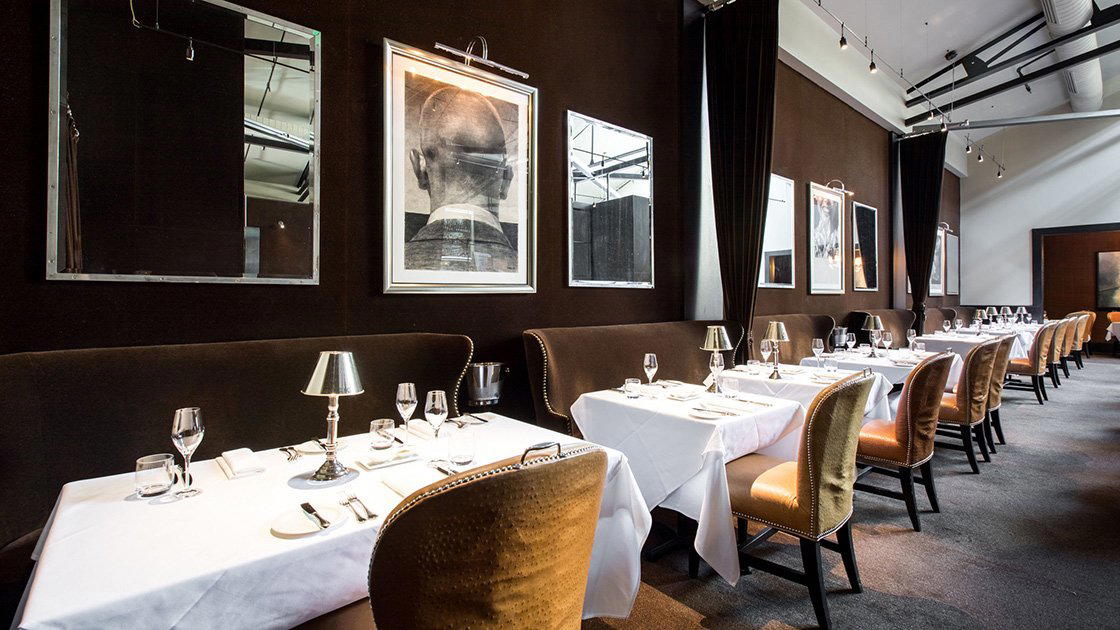
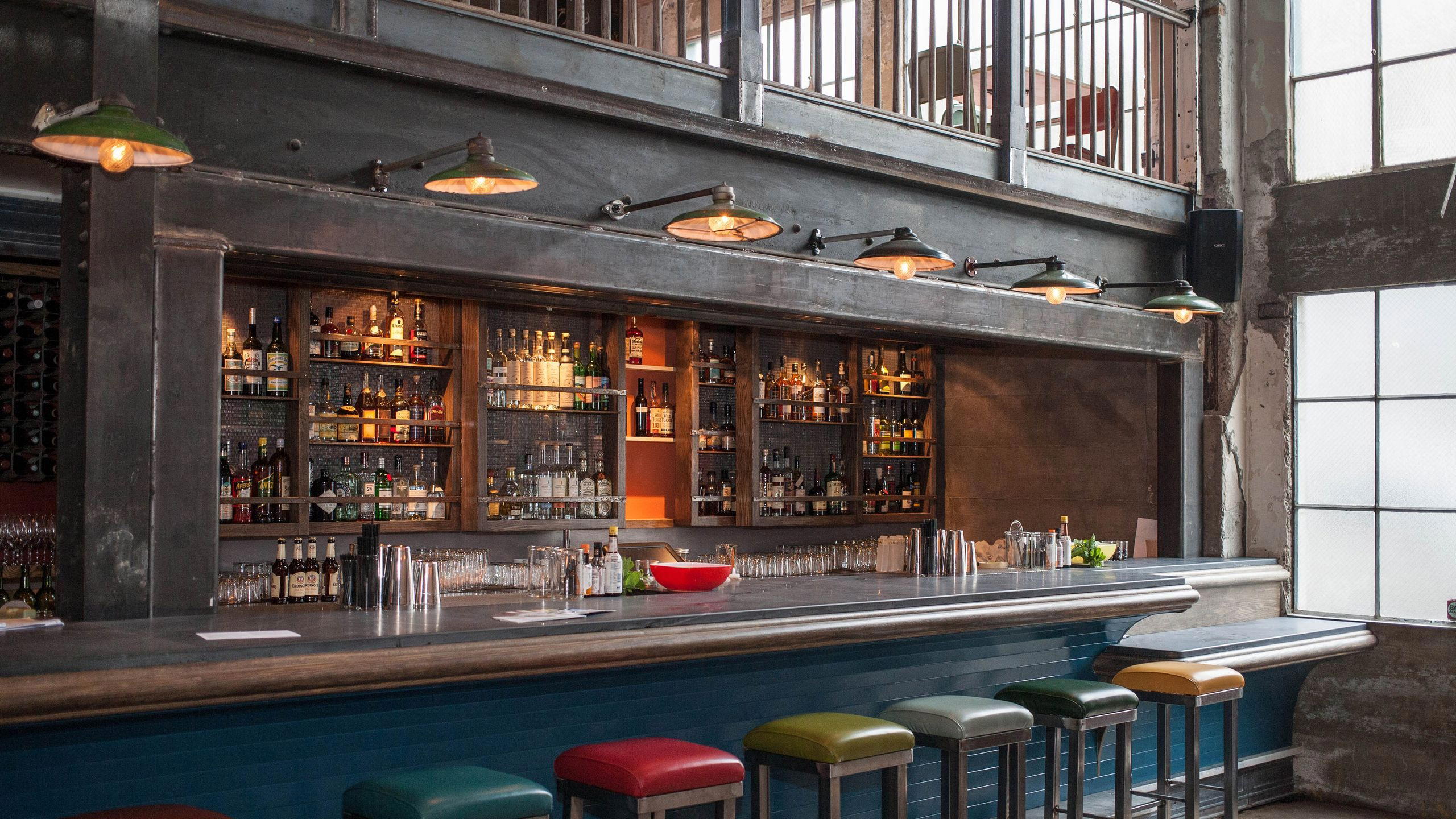
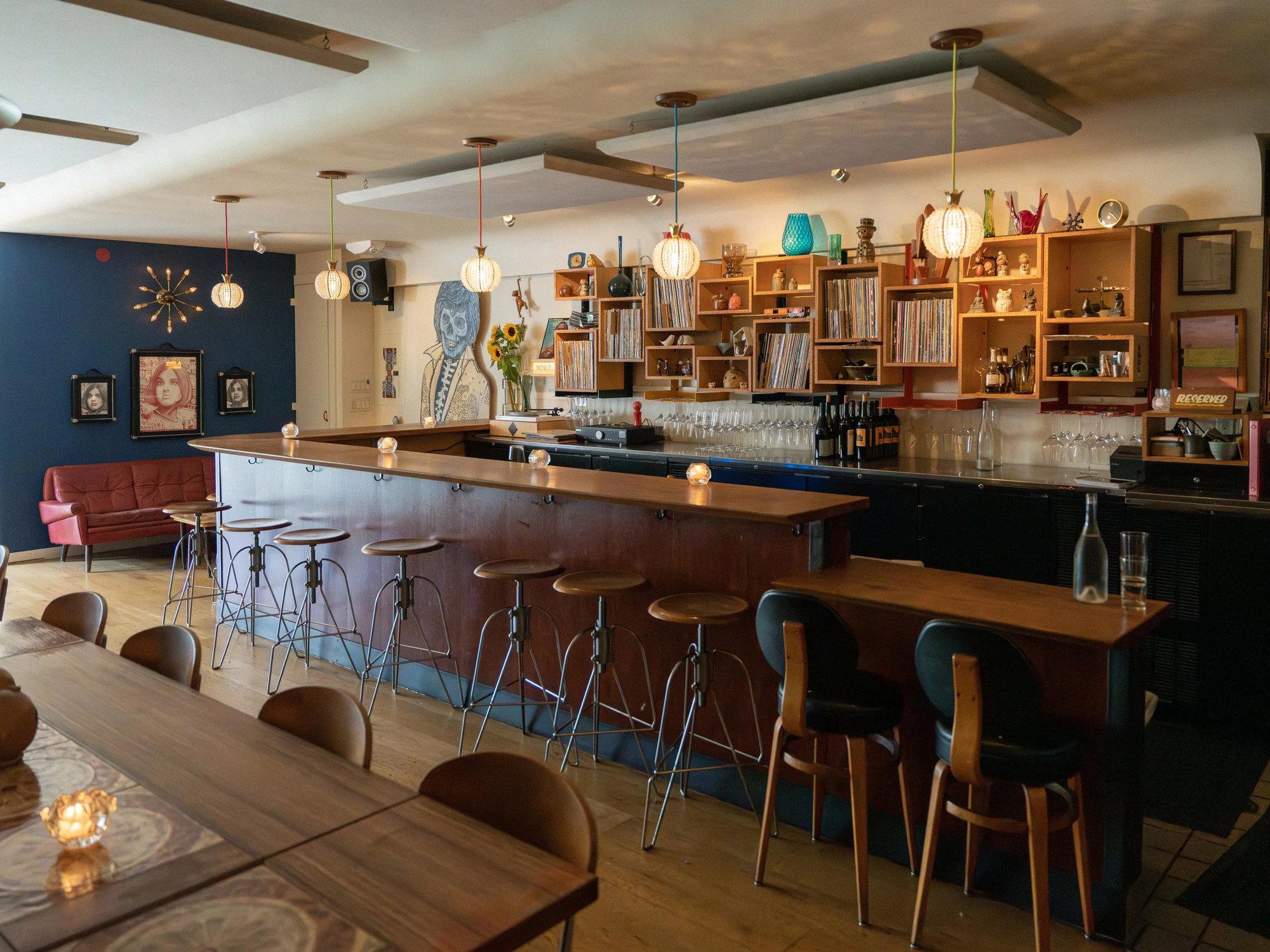
Bars in Palo Alto
Browse all →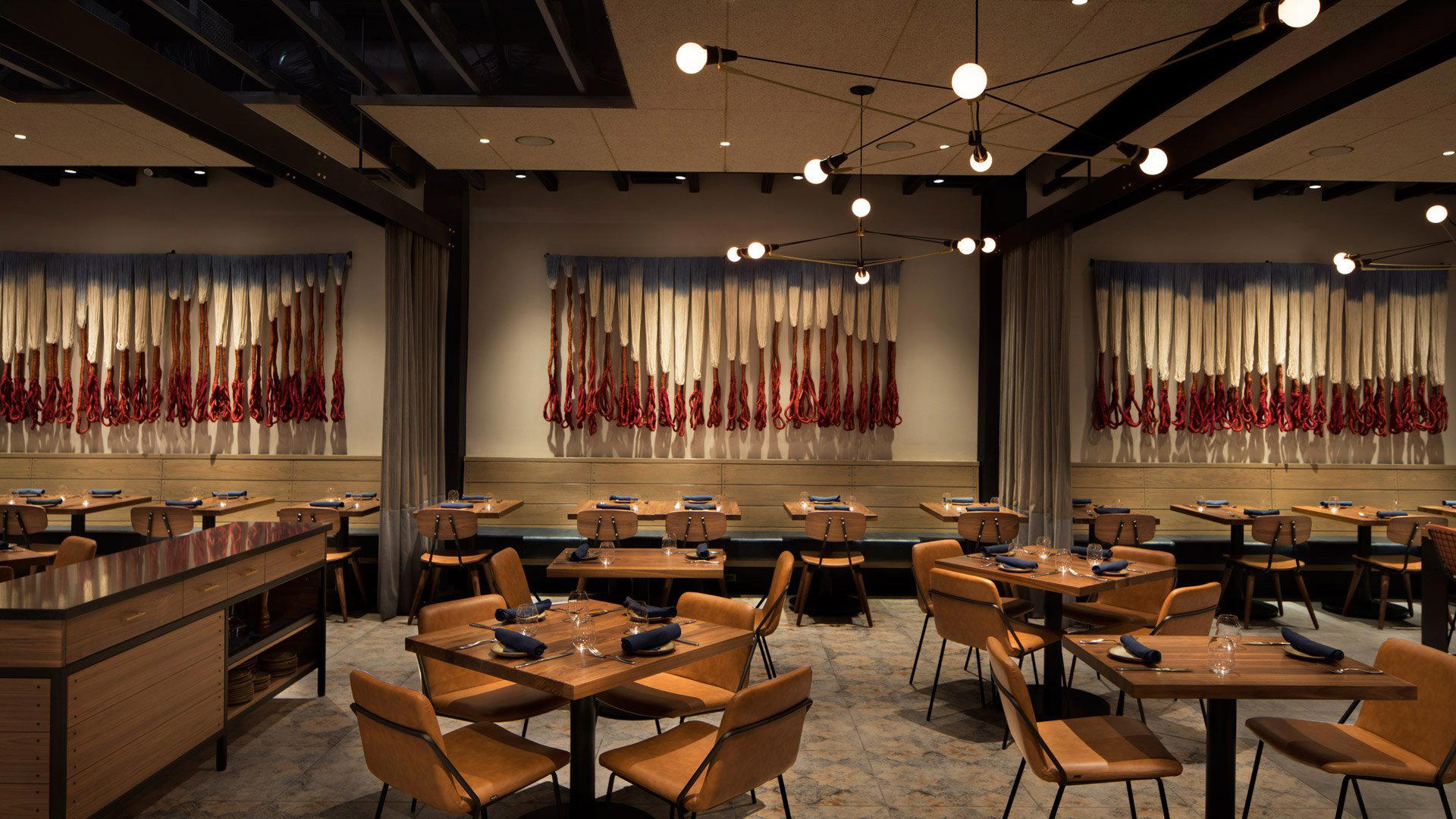
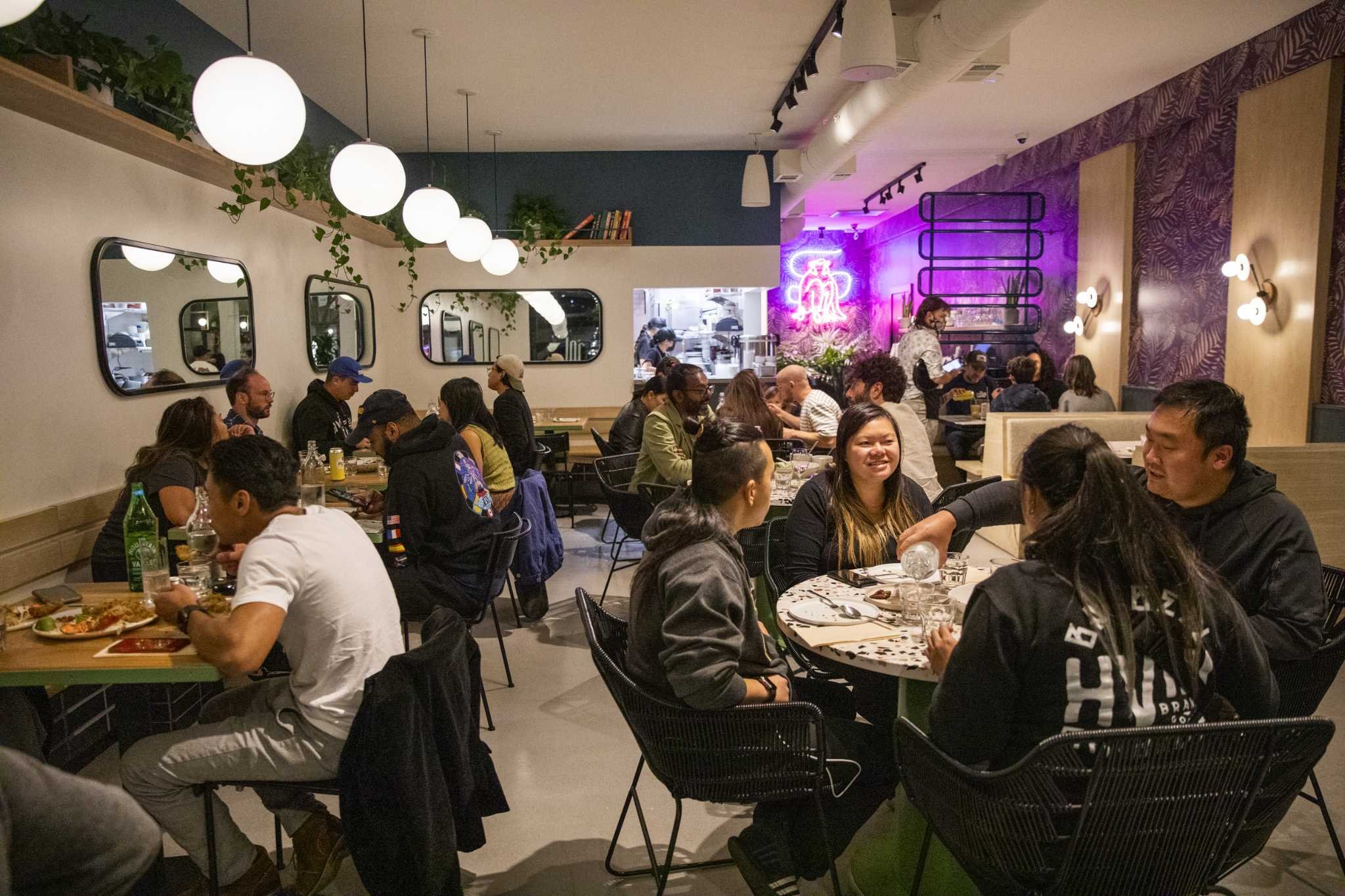
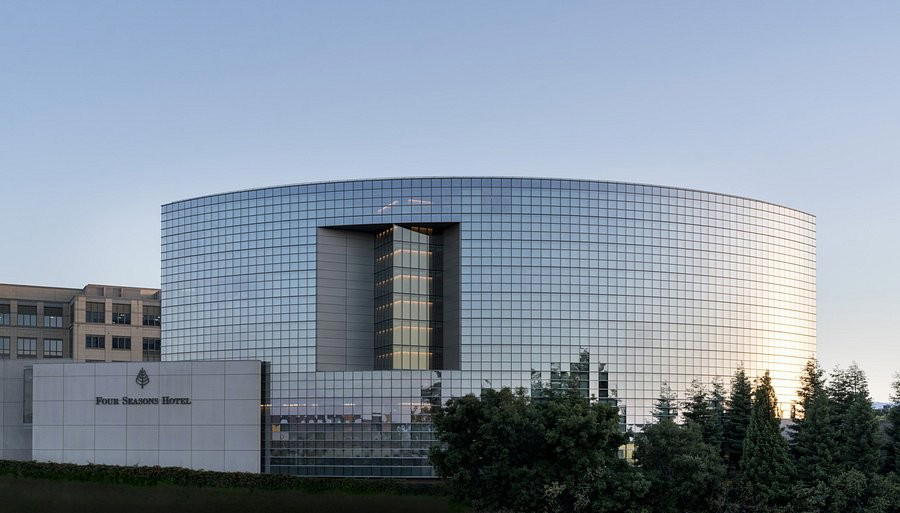
Hotels in Palo Alto
Browse all →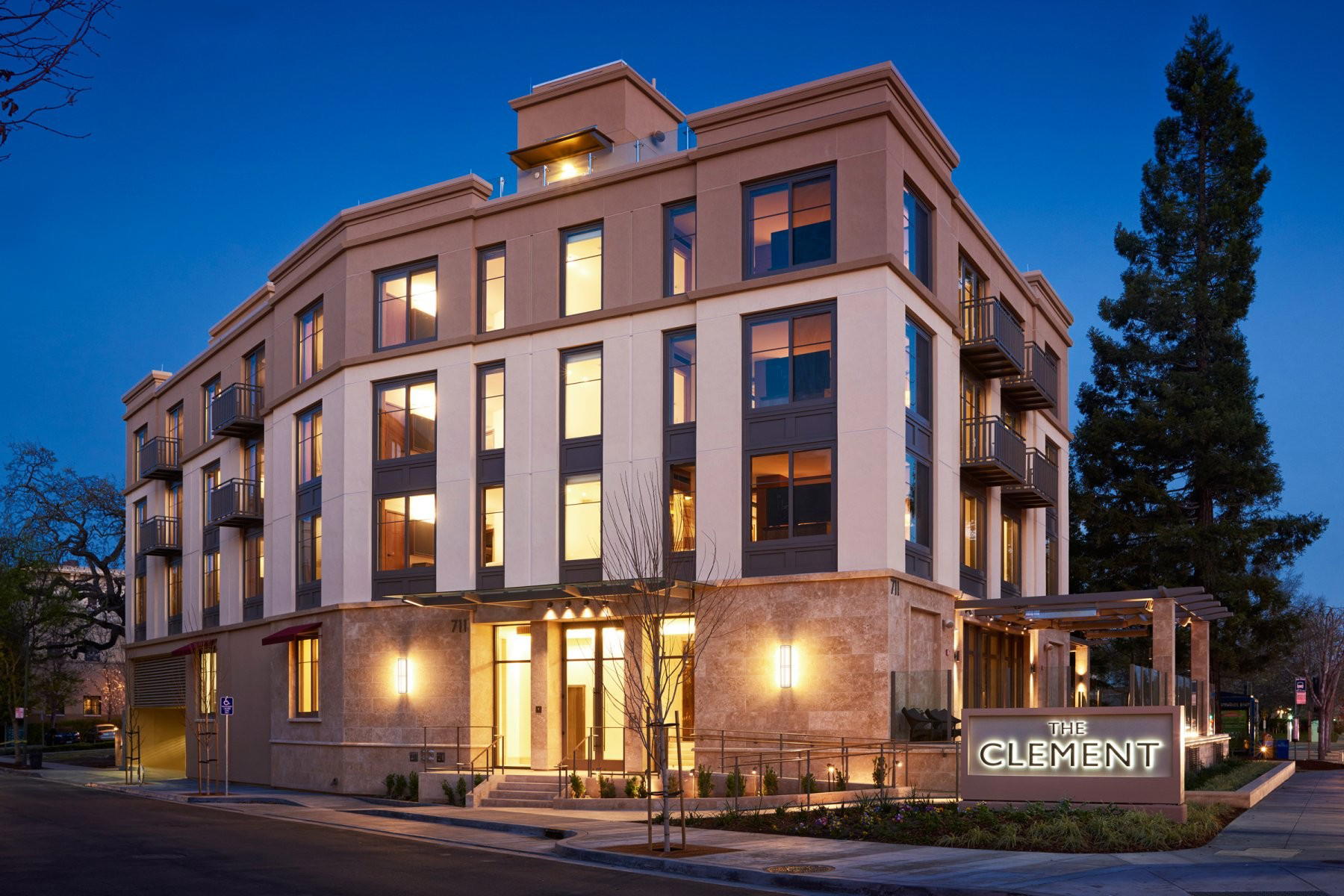
Details
- Modern
- Elegant
- Lively
- Sophisticated
- Group Dining
- Special Occasion
- Celebration
- Open Kitchen
- Craft Cocktails
- Small Plates
- A La Carte
- Tasting Menu
- Craft Cocktails
- Vegetarian Friendly
Current opening hours
- Monday
- 4–9 PM
- Tuesday
- 4–9 PM
- Wednesday
- 11:30 AM–3 PM, 4–9 PM
- Thursday
- 11:30 AM–3 PM, 4–9 PM
- Friday
- 11:30 AM–3 PM, 4–10 PM
- Saturday
- 11:30 AM–3 PM, 4–10 PM
- Sunday
- 11:30 AM–3 PM, 4–9 PM
Hours can change for holidays and private events. Last verified .
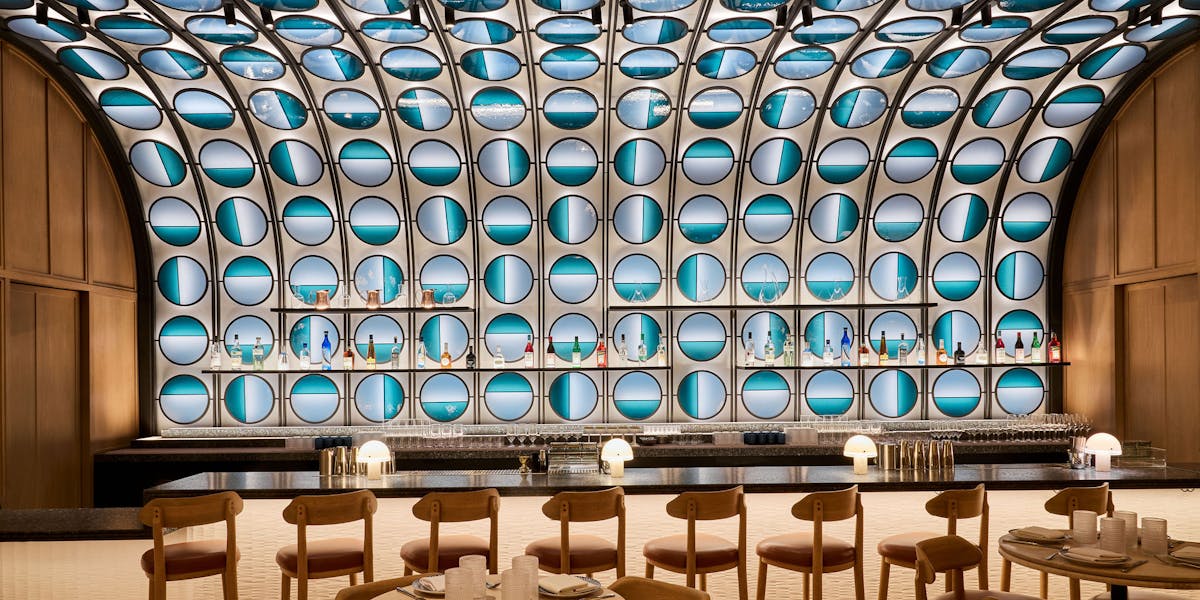
Sleek and modern setting with visually striking décor featuring nautical blues, midcentury wood tones, whimsically decorated ceiling lights, and a splashy bar creating an elegant yet upbeat atmosphere.