Tai Pan
Our verdict
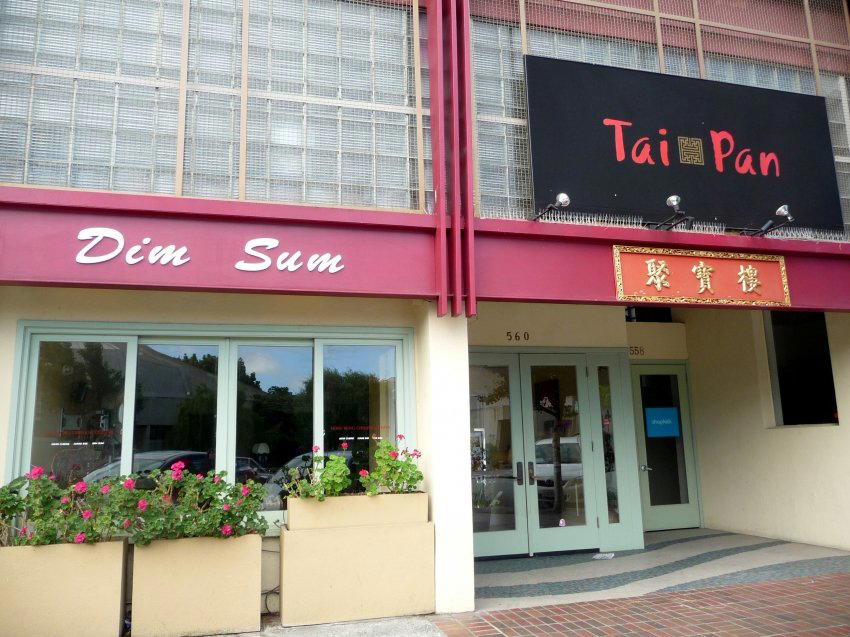
Tai Pan occupies a quiet stretch of Waverley Street in downtown Palo Alto, where the Peninsula's appetite for ingredient-driven dining meets the specificity that separates a serious kitchen from a capable one. With the Bay Area's farm network within close reach, the kitchen has the raw material to do something worth sitting down for. A focused choice on a block that rewards those who look past the obvious names.

Pearl is the En Primeur Club membership app — saves, bookings, and concierge access live there. Same editors, same standards.
- Address
- 560 Waverley St, Palo Alto, CA 94301
- Phone
- (650) 329-9168
- Hours
- Mon–Fri 11 AM–2:30 PM, 5–9 PMSat–Sun 11 AM–3 PM, 5–9 PM
- Website
- taipanpaloalto.com
- Directions
- Get directions
- Booking
- Book on OpenTable
The menu
What to order
- Shrimp dumplings
- Siu mai
- Char siu bao
- Peking duck
A Street-Level Reading of Downtown Palo Alto's Dining Scene
Downtown Palo Alto operates on a narrower register than San Francisco, twenty-five miles to the north, but it is not without ambition. The blocks around University Avenue and its side streets have, over the past decade, attracted kitchens that draw on the same Northern California produce networks as restaurants with far larger reputations. The ingredient sourcing logic that made places like Single Thread Farm in Healdsburg and Blue Hill at Stone Barns in Tarrytown into reference points for farm-to-table seriousness is also available, in scaled-down form, to any Peninsula kitchen willing to use it. Waverley Street, one block east of the main commercial corridor, sits at the quieter edge of that ecosystem.
Tai Pan occupies 560 Waverley St, a Palo Alto address that places it away from the loudest foot traffic and closer to the kind of neighbourhood block where regulars find things before critics do. That positioning matters in the Bay Area, where the geography of good eating has always been distributed rather than concentrated.
What Ingredient Sourcing Actually Means in the Bay Area Context
The phrase "farm-to-table" has been so thoroughly adopted by mid-range American dining that it has nearly lost descriptive power. What it originally pointed to, and what it still means at its most serious, is a kitchen that structures its menu around what growers can actually deliver rather than around what a static recipe demands. The Bay Area's proximity to the Central Valley, the Sonoma-Marin coast, and the organic farm networks of the Santa Cruz mountains gives restaurants in this corridor a sourcing advantage that coastal kitchens in other parts of the country spend considerably more effort and money trying to replicate.
For context, the sourcing discipline visible at places like The French Laundry in Napa or Lazy Bear in San Francisco does not require that level of investment or ceremony to express itself meaningfully at the table. A kitchen that simply commits to seasonal produce sourced from named regional growers and adjusts the menu accordingly will outperform a kitchen twice its size running imported or commodity ingredients. The Peninsula has seen a steady growth of that more focused approach over the past several years, and Tai Pan's Waverley Street location places it within that movement.
Northern California's serious dining tier is well-documented but not monolithic. At one end, destination restaurants like The French Laundry command multi-month advance bookings and operate as events rather than meals. At the other, a generation of focused neighbourhood kitchens has built loyal audiences by doing a smaller number of things with greater precision. The mid-Peninsula sits structurally between San Francisco's density of ambitious restaurants and the wine-country formats of Napa and Sonoma.
Restaurants in Palo Alto have historically served a clientele with high expectations and limited patience for theatre. The tech-adjacent demographic that anchors the area's restaurant economy tends to reward execution over spectacle, which has made the Peninsula a reasonable environment for kitchens that invest in product quality rather than elaborate presentation. That is a different pressure from what shapes a restaurant in, say, the format-driven environment of Alinea in Chicago or the seafood-specialist precision of Le Bernardin in New York City, but it is a pressure that can produce genuinely good food when the kitchen responds to it correctly.
For readers who have tracked the sourcing-led format at venues like Providence in Los Angeles or the tightly managed regional programs at Addison in San Diego, the logic at work in Palo Alto's better kitchens will be familiar. The geography is different; the underlying discipline is the same.
Planning Your Visit
Tai Pan is located at 560 Waverley St, Palo Alto, CA 94301, within walking distance of the Palo Alto Caltrain station, which makes it accessible from both San Francisco and San Jose without a car. Waverley Street has limited street parking on evenings but is manageable outside peak Friday and Saturday windows.
For accommodation in the area, see our full Palo Alto hotels guide. If you are building a broader evening, our Palo Alto bars guide covers the post-dinner options nearby, and our Palo Alto experiences guide maps the wider cultural programming in the area. For wine-focused visits to the broader region, our Palo Alto wineries guide extends the picture further.
Palo Alto's dining scene as a whole is covered in depth in our full Palo Alto restaurants guide, which places Tai Pan in its wider neighbourhood context alongside other addresses worth knowing, including Zaytinya.
Frequently asked questions
Where exactly is Tai Pan?
Tai Pan is located at 560 Waverley St, Palo Alto, CA 94301, Palo Alto.
Is Tai Pan in Palo Alto easy to reach without a car?
Yes. Tai Pan is located at 560 Waverley St, Palo Alto, CA 94301, within walking distance of the Palo Alto Caltrain station, which runs regular service connecting San Francisco to San Jose. That makes it one of the more accessible downtown Palo Alto dining options for visitors travelling from either city without a vehicle.
What should I eat at Tai Pan?
The restaurant sits within downtown Palo Alto's dining corridor at 560 Waverley St, where kitchens in this tier typically reflect Northern California's ingredient-driven sensibility. Ask staff about daily specials, which in this region often respond to seasonal availability from nearby Central Valley and coastal suppliers.
What's the best way to book Tai Pan?
Phone and website details for Tai Pan are not currently on record through EP Club. The restaurant is located at 560 Waverley St, Palo Alto, CA 94301, close to the Palo Alto Caltrain station, so a direct walk-in inquiry is practical if you are arriving by train from San Francisco or San Jose. Third-party reservation platforms covering downtown Palo Alto may also list availability.
What has Tai Pan built its reputation on?
Its address on Waverley Street places it in the active core of downtown Palo Alto, a block set that draws both the local professional population and visitors from across the Peninsula. Reputation in this dining corridor tends to accumulate through word-of-mouth among Caltrain commuters and Stanford-adjacent regulars rather than through destination-dining circuits.
Can Tai Pan handle vegetarian requests?
Restaurants operating in downtown Palo Alto generally accommodate vegetarian preferences as a baseline, given the composition of the local dining population. Contacting the venue directly before visiting is the most reliable way to confirm options; the restaurant is at 560 Waverley St, Palo Alto, CA 94301.
A Quick Peer Check
Comparable venues nearby, for context on price, style, and recognition.
| Venue | Cuisine | Price | Notes |
|---|---|---|---|
| Tai PanThis venue — the venue you are viewing | Hong Kong-style Cantonese Dim Sum | Not listed | Not listed |
| Steam | Authentic Cantonese Dim Sum & Noodles | $20–30 | Downtown Palo Alto |
| Whole Foods Market | Organic Grocery Market with Prepared Foods & Deli | $10–20 | Downtown Palo Alto |
| Cool Cafe | American Café | Not listed | Stanford |
| Peninsula Fountain Grill | Classic American Diner | $20–30 | Downtown Palo Alto |
| Café Soleil | Fresh California American | $20–30 | Downtown Palo Alto |
Continue exploring
More in Palo Alto
Restaurants in Palo Alto
Browse all →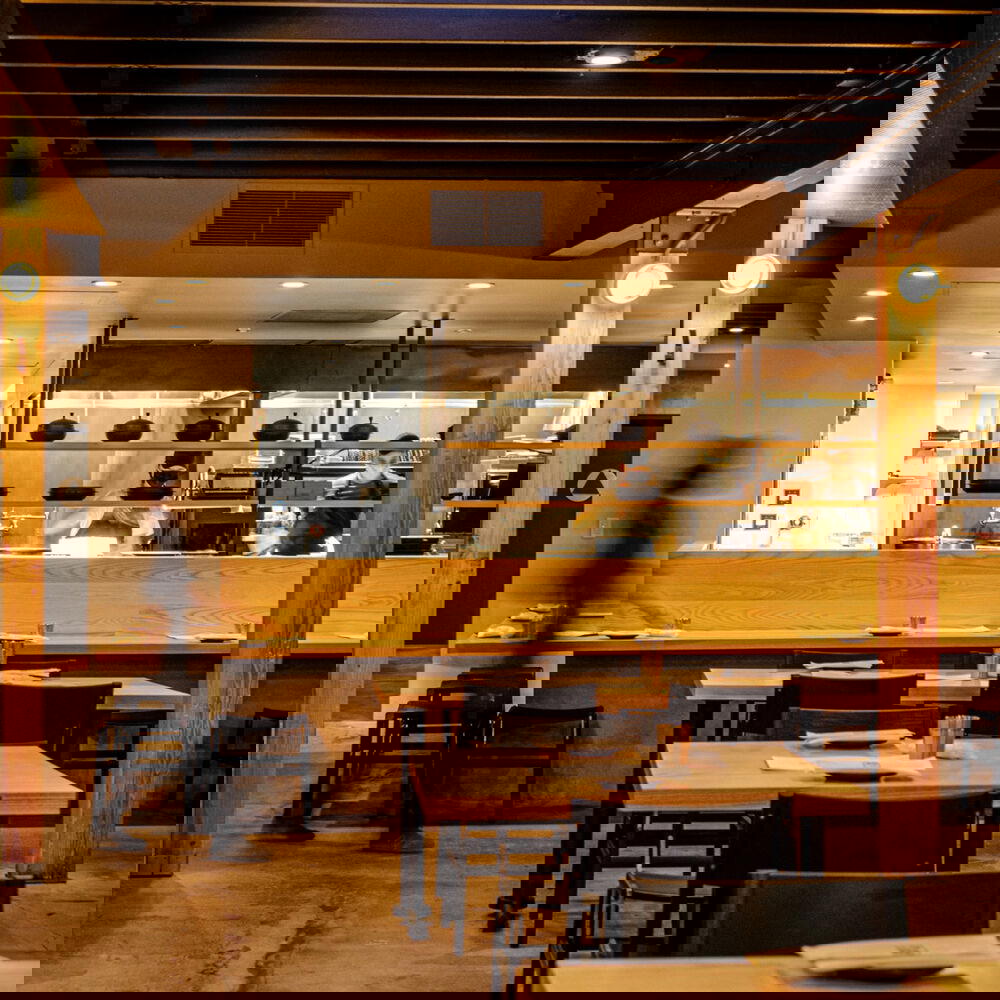
Bars in Palo Alto
Browse all →
Hotels in Palo Alto
Browse all →

Details
- Elegant
- Cozy
- Sophisticated
- Group Dining
- Special Occasion
- Private Dining
- Sake Program
- A La Carte
- Small Plates
- Vegetarian Friendly
Current opening hours
- Monday
- 11 AM–2:30 PM, 5–9 PM
- Tuesday
- 11 AM–2:30 PM, 5–9 PM
- Wednesday
- 11 AM–2:30 PM, 5–9 PM
- Thursday
- 11 AM–2:30 PM, 5–9 PM
- Friday
- 11 AM–2:30 PM, 5–9 PM
- Saturday
- 11 AM–3 PM, 5–9 PM
- Sunday
- 11 AM–3 PM, 5–9 PM
Hours can change for holidays and private events. Last verified .
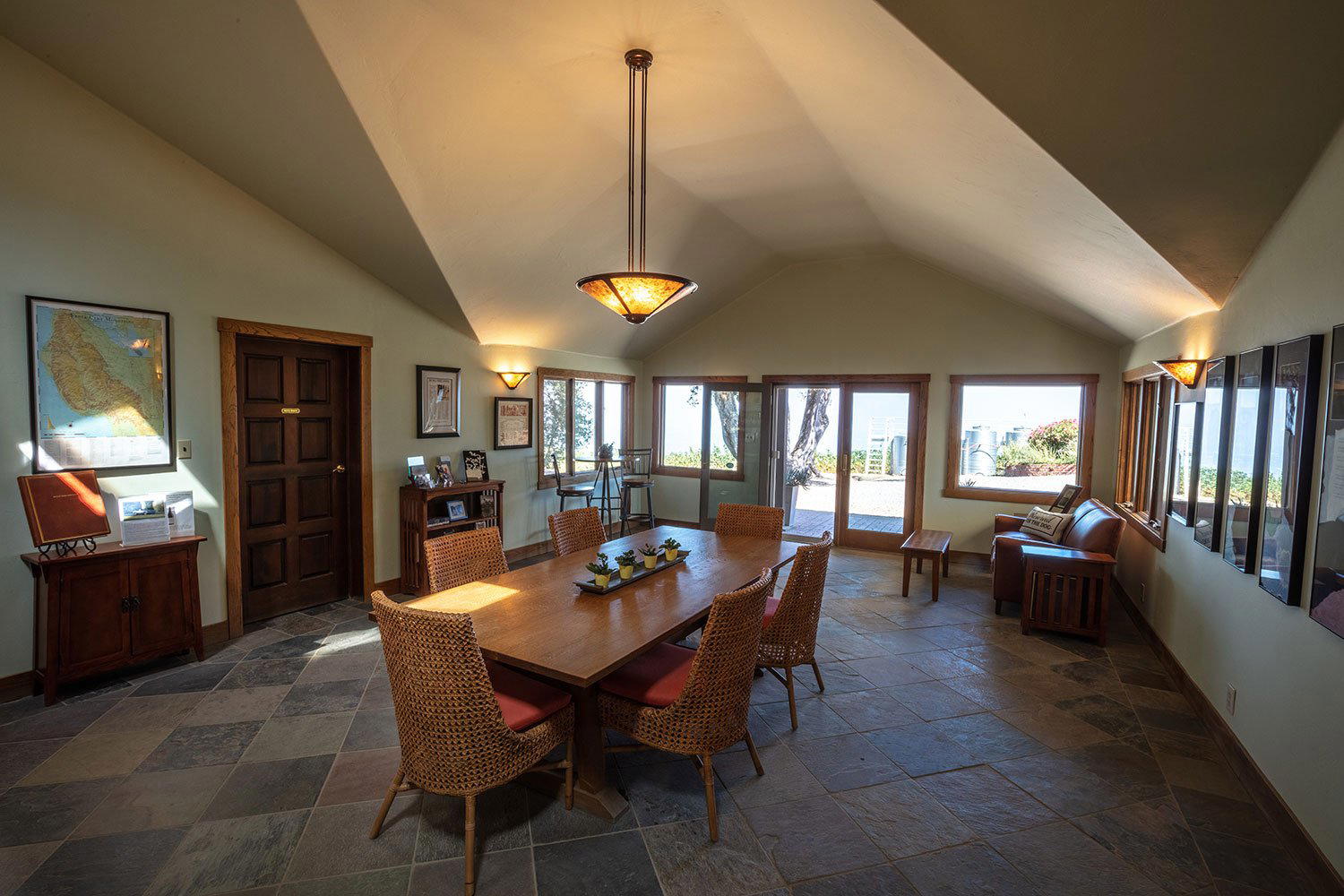
Upscale and elegant with beautiful Chinese decor, comfortable seating, tablecloths, and a quiet, pleasant atmosphere.