Zara's Lil' Giant Supermarket & Po-boys
Our verdict
A Uptown New Orleans neighborhood food store on Prytania Street, Zara's sits within a corridor of independent retailers and local eateries that define the residential character of the Garden District fringe. The store occupies a different register from the city's celebrated restaurant circuit, functioning as a community anchor in a part of town where daily errands and quality provisions intersect.

Pearl is the En Primeur Club membership app — saves, bookings, and concierge access live there. Same editors, same standards.
- Address
- 4838 Prytania St, New Orleans, LA 70115
- Phone
- (504) 895-0581
- Hours
- Mon–Sat 7 AM–8:30 PMSun 7:30 AM–8 PM
- Website
- sites.google.com
- Directions
- Get directions
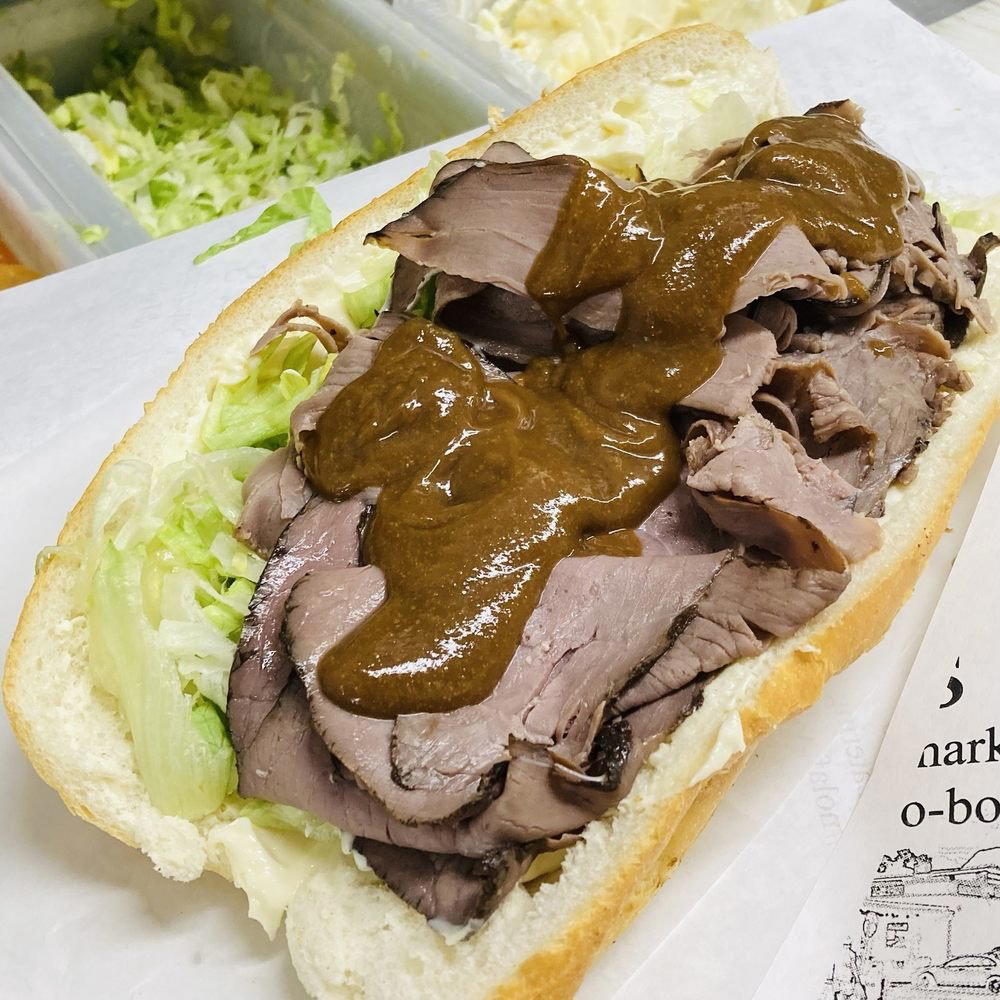
The menu
What to order
- Shrimp Po'boy
- Muffaletta
- Roast Beef Po'boy
Prytania Street moves at a different pace than the French Quarter or the Warehouse District. The stretch running through Uptown and into the Garden District fringe is residential in texture: oak-canopied sidewalks, shotgun houses set close to the street, and a retail layer that serves the people who actually live here rather than the people passing through. Zara's Food Store at 4838 Prytania sits inside that pattern. Its address alone signals something about its function: this is provisioning territory, the kind of block where locals build habits rather than make reservations.
Uptown's Daytime Economy and the Food Store Format
New Orleans has a well-documented split between its destination dining circuit and its neighborhood infrastructure. The destination tier draws from the whole city and beyond: Emeril's in the Warehouse District, Bayona in the French Quarter, Saint-Germain in its own quieter corner. The neighborhood tier serves the zip code. Zara's operates in the latter category, which in New Orleans carries more weight than it might elsewhere. The city's food culture distributes downward with unusual consistency: the corner store, the po-boy counter, and the neighborhood grocery often deliver the most specific, place-rooted eating experiences available.
The food store format functions differently at lunch than it does across the rest of the day. Morning trade is transactional: coffee, provisions, the quick errand before work. Midday shifts the dynamic. Uptown's lunch crowd includes students from nearby Tulane and Loyola, residents from the surrounding blocks, and the service-industry workers whose evening shifts start later. That midday window is where a neighborhood food store either earns its position or doesn't. The lunch offer, whatever form it takes at Zara's, competes not against the white-tablecloth room but against the bodega counter, the food truck on Magazine Street, and the habit of eating at home.
The Garden District Fringe as a Dining Context
The blocks around Prytania between Napoleon and Jena have a particular residential density that shapes what food businesses can sustain. Unlike Magazine Street a block or two away, which has developed a more curated retail and restaurant identity over the past decade, Prytania in this stretch remains functional rather than aspirational. Businesses here serve need as much as desire.
Comparison venues along the Uptown corridor illuminate the tier structure. Zasu on Magazine operates at a different register, with a composed menu and the kind of evening-focused service that requires planning. Re Santi e Leoni works a Contemporary format that places it outside the neighborhood-infrastructure category entirely. Zara's, by contrast, appears to serve the quotidian rather than the ceremonial. In a city where the quotidian can be genuinely good, that is not a diminishment.
What the Lunch-Dinner Divide Means Here
Across New Orleans, the lunch-versus-dinner divide carries particular cultural weight. Commander's Palace built an entire reputation around its jazz brunch; many of the city's Creole institutions do their most characterful service at midday, when the pace allows for something closer to leisure than the evening rush permits. For a food store format, the divide maps differently. Evening trade at a store like Zara's skews toward provisions: the prepared item, the ready-to-heat option, the ingredient that completes what someone is cooking at home. Lunch, by contrast, is consumed on-site or nearby, eaten on the sidewalk or in a car, governed by a thirty-minute window rather than a two-hour one.
This distinction shapes value perception more than price does. A composed plate from a neighborhood counter at midday, priced at the level of a casual lunch, often delivers more character per dollar than the same dollar amount applied to an evening restaurant. New Orleans understands this instinctively. The po-boy economy, the plate-lunch tradition, and the corner-store prepared-food counter all operate on the premise that lunch is where the city's food culture is most democratic and most itself.
Placing Zara's in the Broader New Orleans Picture
For visitors oriented toward the city's recognized dining tier, the Prytania Street food store circuit is often invisible. The standard itinerary runs through the French Quarter for history, the Warehouse District for contemporary cooking, and the Garden District proper for the white-linen experience. Uptown's residential blocks rarely appear on that map. That omission represents a navigational gap rather than a quality judgment. The neighborhood infrastructure of a city like New Orleans is where the food culture reproduces itself daily, outside the pressures of Michelin consideration or national press attention.
For context on what New Orleans sits alongside nationally: the American fine dining circuit includes rooms like Le Bernardin in New York City, Alinea in Chicago, The French Laundry in Napa, Providence in Los Angeles, Addison in San Diego, Atomix in New York City, Lazy Bear in San Francisco, Single Thread Farm in Healdsburg, Blue Hill at Stone Barns in Tarrytown, Bacchanalia in Atlanta, The Inn at Little Washington in Washington, and internationally 8½ Otto e Mezzo Bombana in Hong Kong. Zara's operates several tiers below that conversation, in the register where cities actually feed themselves. Both registers matter; they are not in competition.
For a full picture of where to eat across the city, our full New Orleans restaurants guide maps the tiers from neighborhood counter to destination dining room.
Is Zara's Food Store a good option for visitors staying in the Garden District?
For visitors based in the Garden District or Uptown, Prytania Street is within walking distance of many of the area's guesthouses and short-term rentals, making Zara's a practical provisioning point. New Orleans's neighborhood food stores tend to stock a mix of local products and prepared items that reflect the surrounding community's tastes, which gives them a different character from chain alternatives. If your priority is eating in the rhythm of the neighborhood rather than on the tourist circuit, a stop on Prytania is consistent with that approach.
A Minimal comparable set
Comparable venues nearby, for context on price, style, and recognition.
| Venue | Cuisine | Price | Awards | Notes |
|---|---|---|---|---|
| Zara's Food StoreThis venue — the venue you are viewing | New Orleans Po'boys & Deli | $10–20 | Not listed | Not listed |
| Creole Creamery | Uptown, New Orleans Ice Cream Parlor | $1–10 | Diners, Drive-Ins and Dives Featured Restaurant | Not listed |
| Dat Dog | Gourmet Hot Dogs & Sausages | $10–20 | Not listed | East Riverside, Gourmet Hot Dogs & Sausages |
| Cafe Beignet, Royal Street | Not listed | $10–20 | Not listed | French Quarter, New Orleans Cafe - Beignets & Cajun Creole |
| Stein's Market & Deli | New York-Style Deli | $10–20 | Not listed | Lower Garden District, New York-Style Deli |
| Coop's Place | Authentic Cajun & Creole | $10–20 | Not listed | French Quarter, Authentic Cajun & Creole |
Continue exploring
More in New Orleans
Restaurants in New Orleans
Browse all →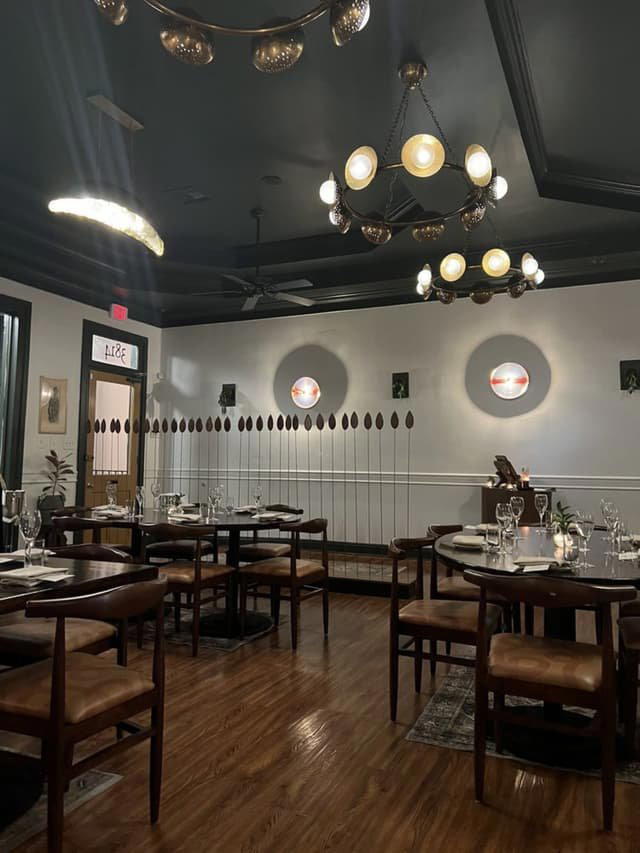
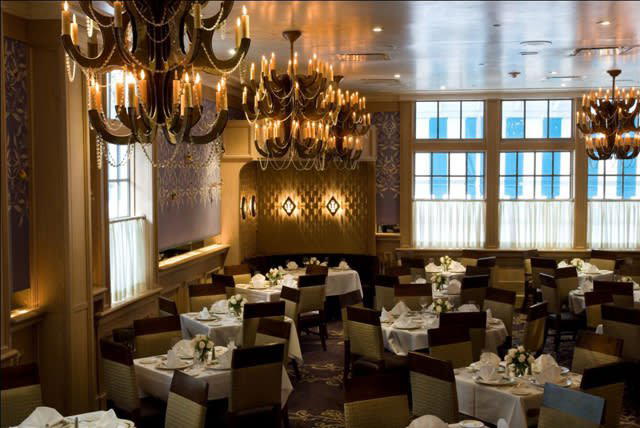
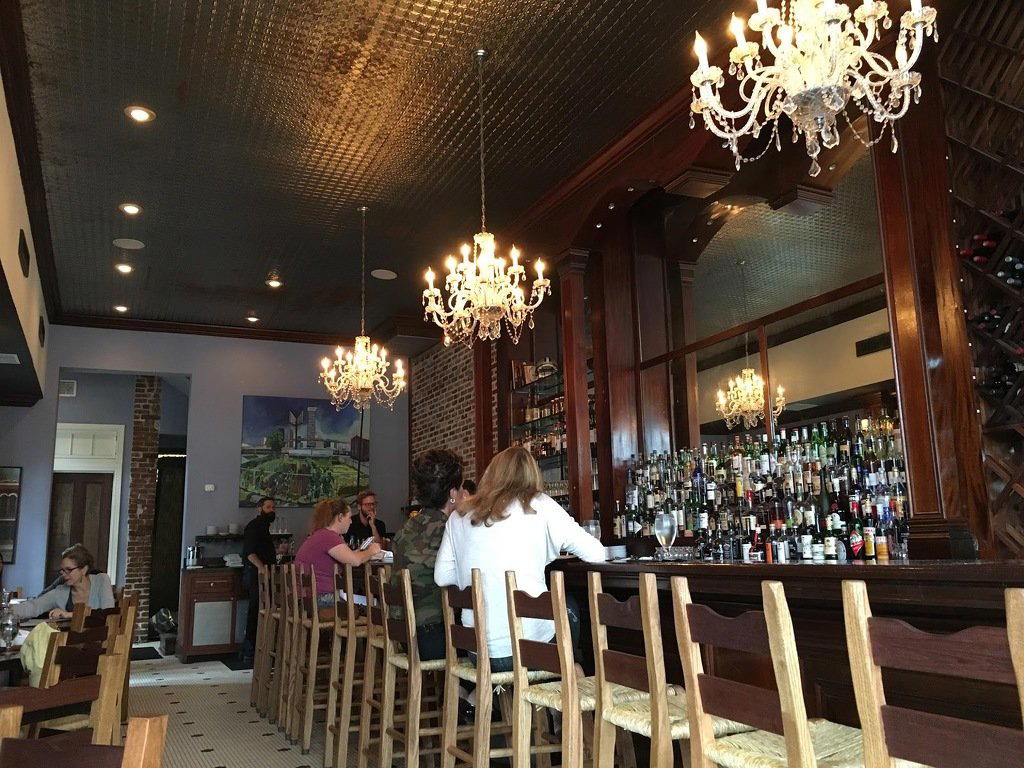
Bars in New Orleans
Browse all →


Details
- Cozy
- Rustic
- Casual Hangout
- Brunch
- Local Sourcing
- A La Carte
Current opening hours
- Monday
- 7 AM–8:30 PM
- Tuesday
- 7 AM–8:30 PM
- Wednesday
- 7 AM–8:30 PM
- Thursday
- 7 AM–8:30 PM
- Friday
- 7 AM–8:30 PM
- Saturday
- 7 AM–8:30 PM
- Sunday
- 7:30 AM–8 PM
Hours can change for holidays and private events. Last verified .
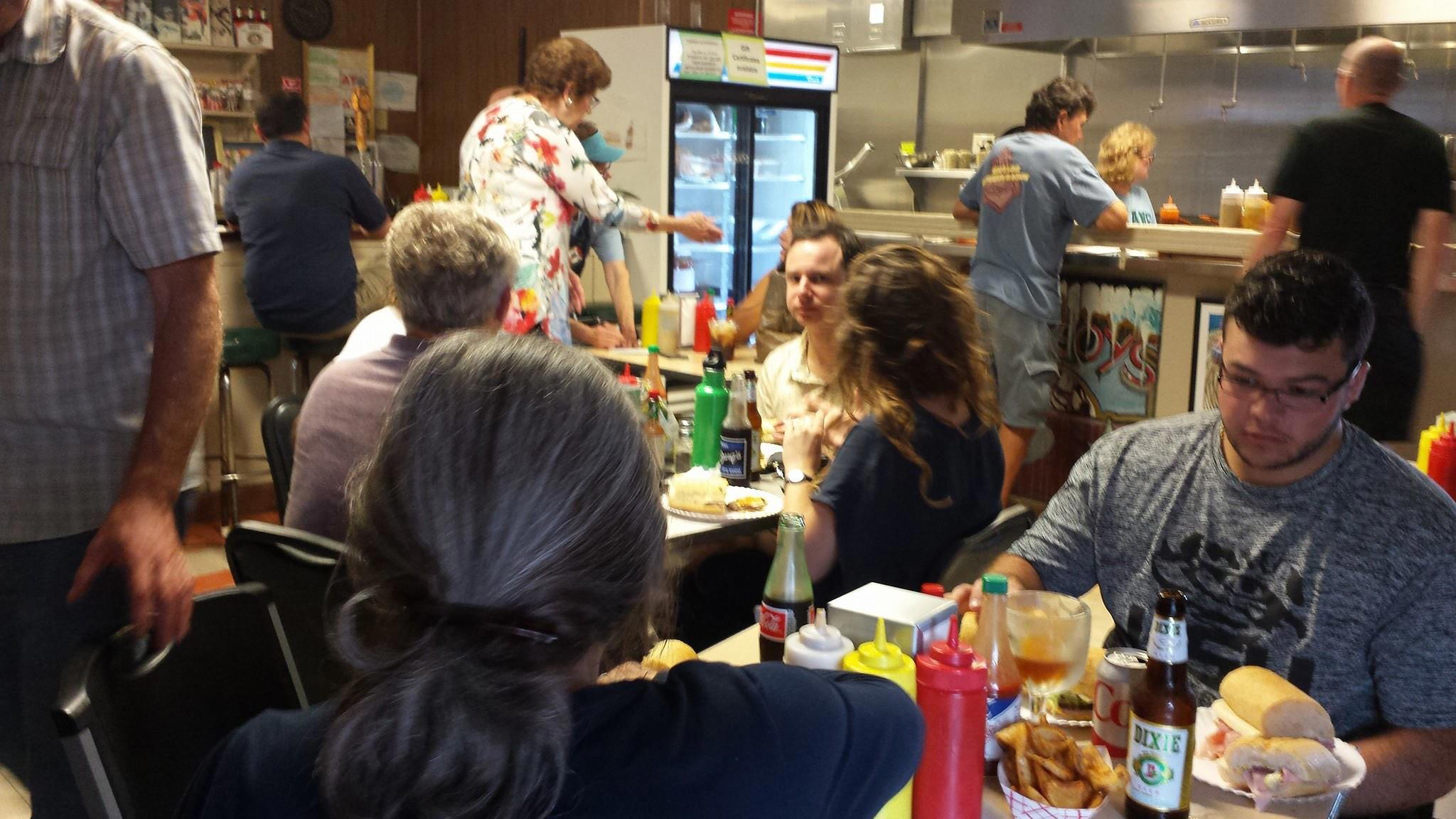
Casual, friendly neighborhood market atmosphere with outdoor patio seating.