

Michelin Plate
Our verdict
On a quiet canal in Santa Croce, Zanze XVI sits at the point where the bàcaro tradition and creative contemporary cooking meet. Chef Giovanni Regoni draws ingredients from lagoon producers and the best local markets, producing dishes that hold Venetian culinary identity up to the light rather than simply reproducing it. A Michelin Plate holder in 2024 and 2025, and ranked #460 in the Opinionated About Dining Europe list for 2025.

Pearl is the En Primeur Club membership app, where members save venues, book tables and use the concierge.
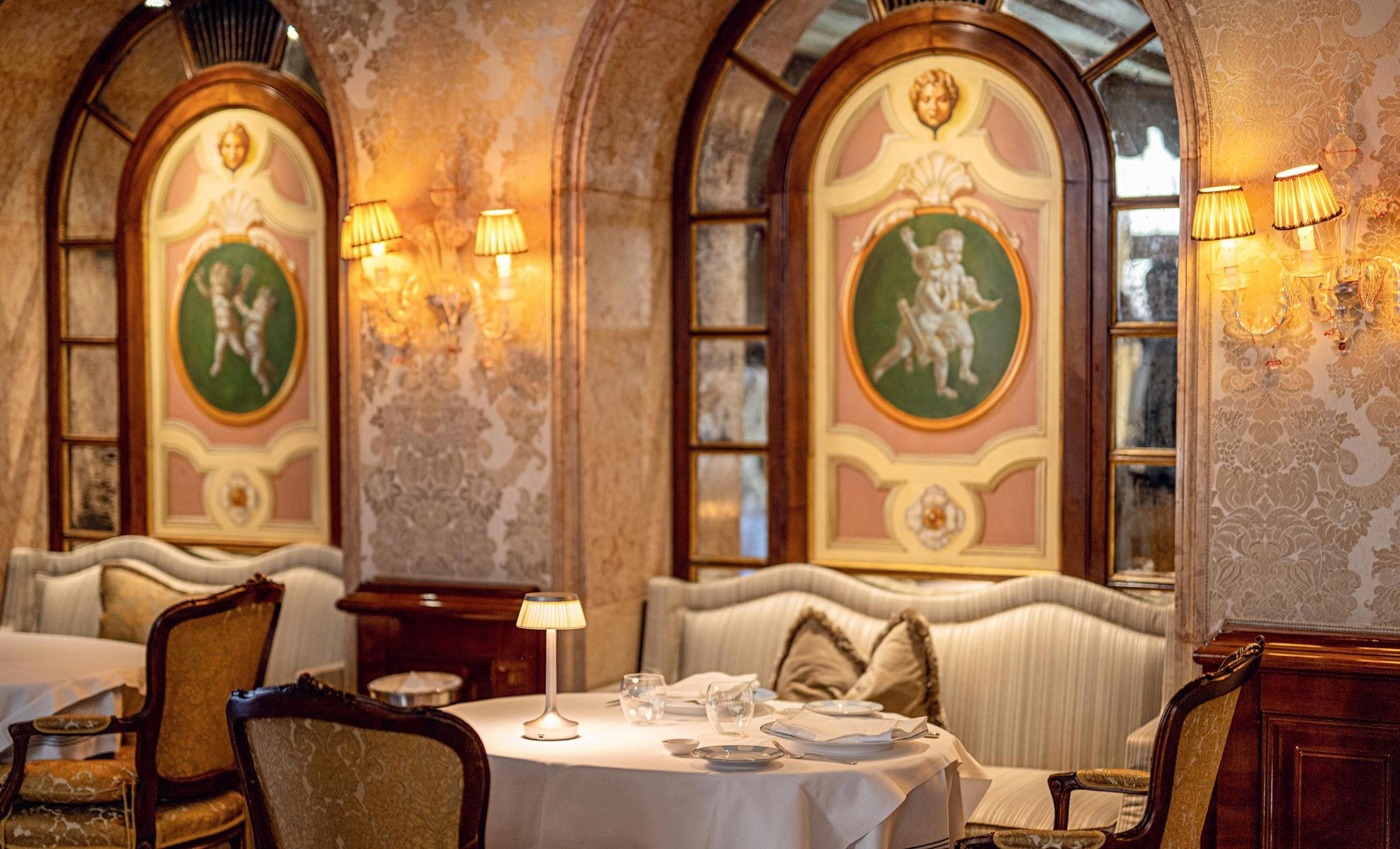
The menu
What to order
- Saffron risotto
- Grilled squid with lemony tapenade
- Fish with spinach and beetroot sauce
- Chicken pasta with bouillon
- Lemon custard with granola crumble
Where the Bàcaro Form Meets a Different Kind of Ambition
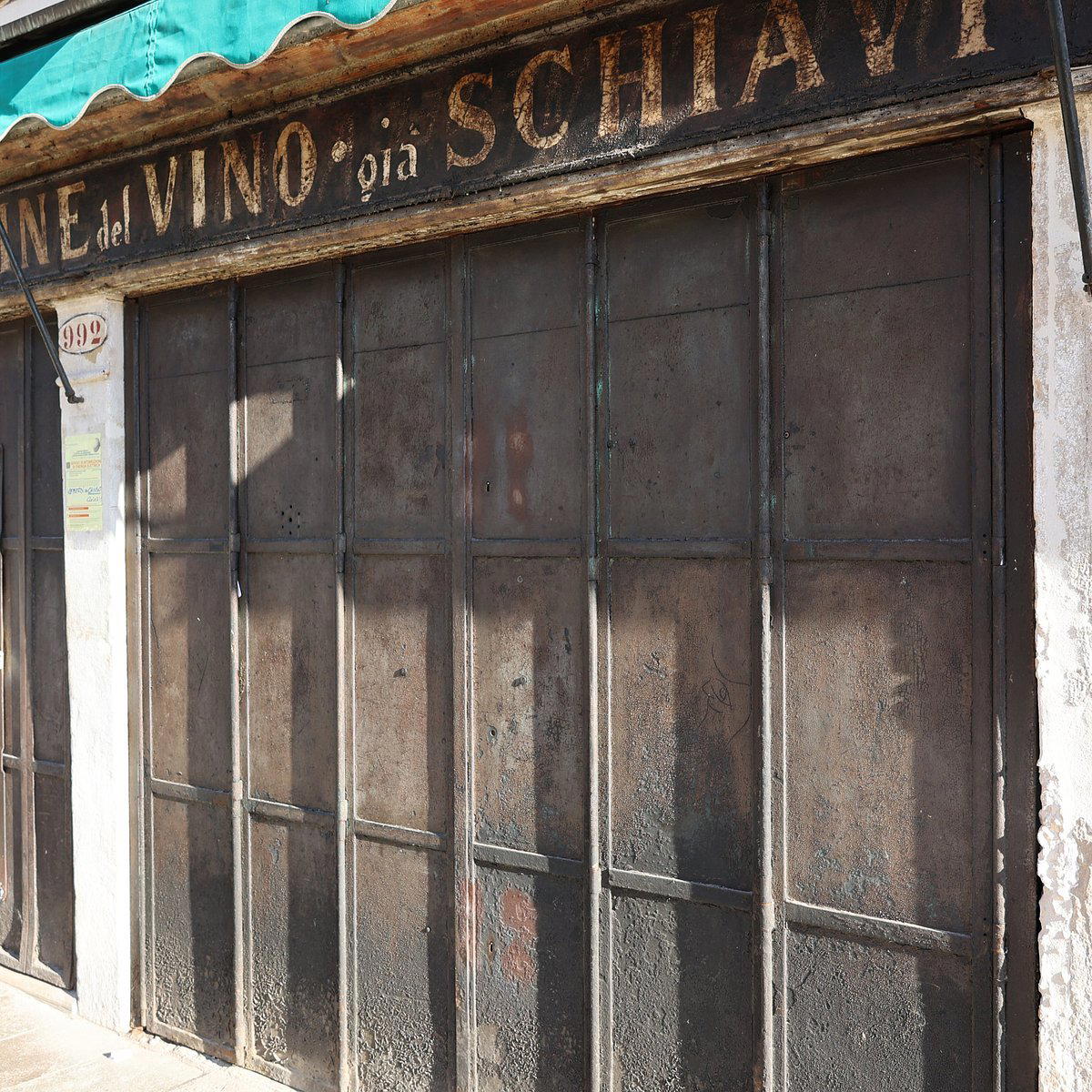
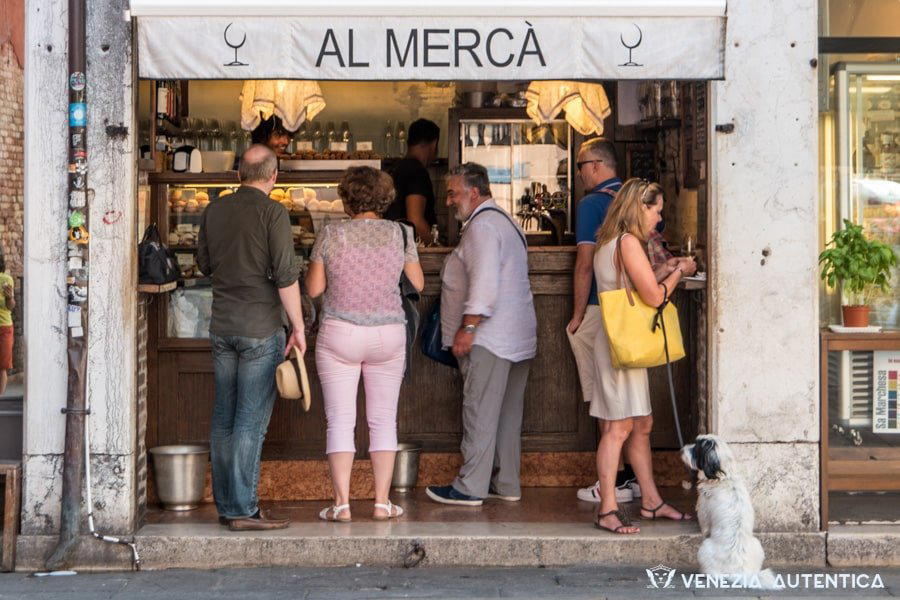
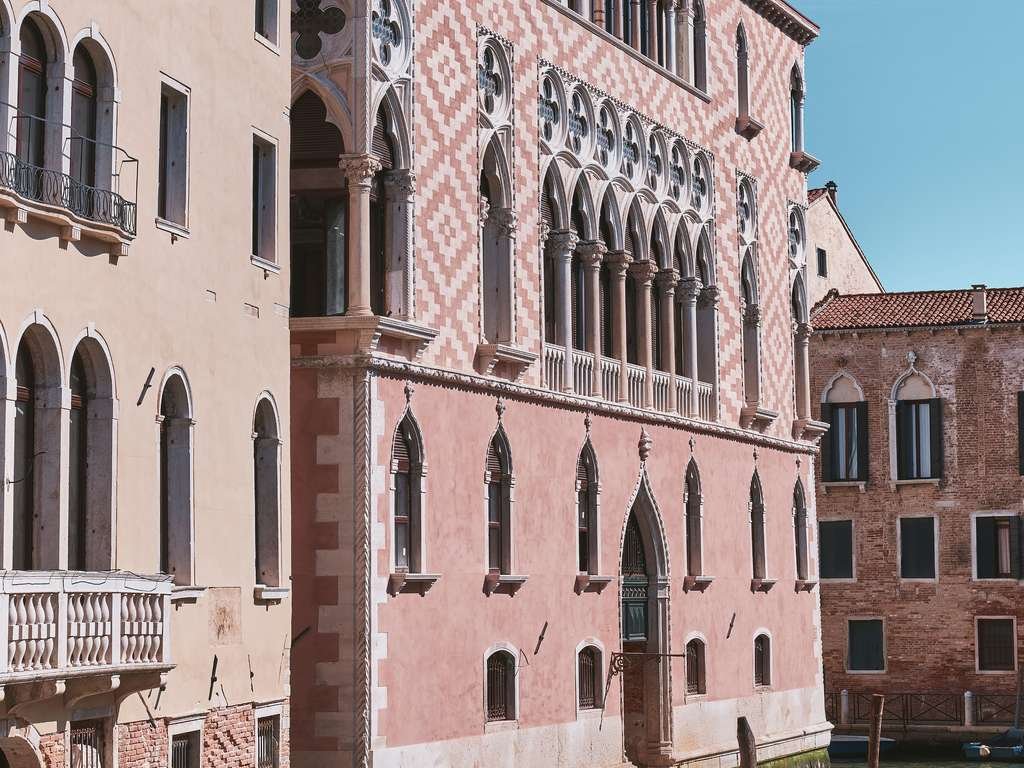
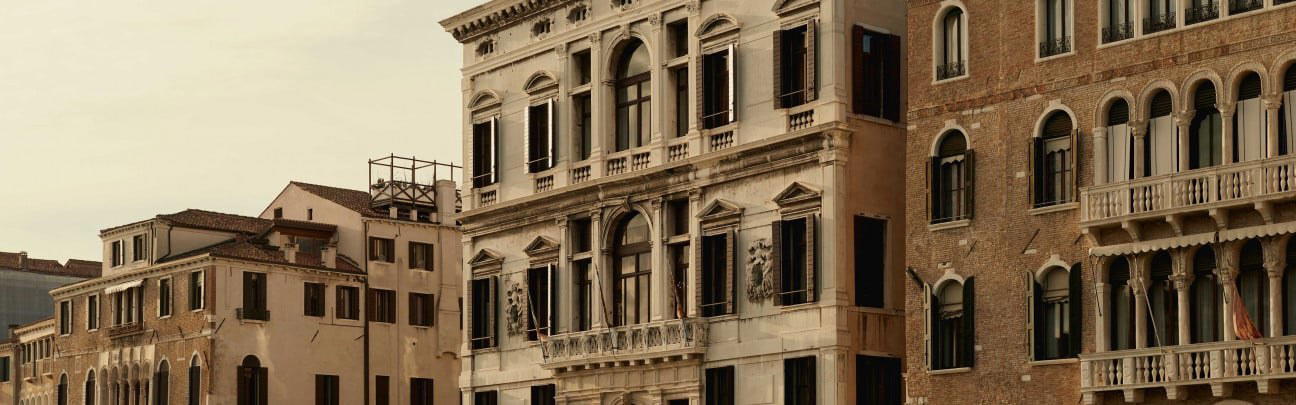
Approach Fondamenta dei Tolentini in Santa Croce on a still evening and the scene reads as classically Venetian: a narrow canal, stone-paved fondamenta, the faint slap of water against moored boats. The few tables placed outdoors carry the easy conviviality of a neighbourhood gathering rather than the formal staging of a destination restaurant. That atmospheric continuity with the bàcaro tradition, Venice's characteristic wine-and-small-plates institution, dense with locals, running on cicchetti and poured house wines, is deliberate. What happens at the table, however, belongs to a different register entirely.
Zanze XVI, under chef Giovanni Regoni, holds on to the social warmth of the bàcaro format while moving the cooking into creative territory rooted in the ingredients of the Venetian lagoon and its surrounding region. The service is professional but avoids the stiffness that can settle over restaurants operating at this price tier, which itself signals something about how the restaurant wants to be understood: not as a special-occasion showcase separate from the city's rhythms, but as a serious kitchen operating within them.
The Bàcaro and What It Actually Means
The bàcaro is not simply a Venetian wine bar. It is a civic institution, tied to the particular geography of a city without cars, where walking between neighbourhoods and stopping at a counter for a glass of Soave and a few bites has been the basic social infrastructure for centuries. The format is horizontal and egalitarian: standing at a counter, ordering by pointing, paying by the glass. What distinguishes Venice's bacaro culture from aperitivo culture elsewhere in northern Italy is the specificity of the cicchetti, small preparations that often encode the whole of the lagoon's larder in a few bites: sardines in saor, baccalà mantecato, schie (tiny lagoon shrimp) on white polenta.
Zanze XVI draws from that same larder but works it differently. Ingredients sourced from the leading local markets and regional producers form the material, but the treatments reflect contemporary creative cooking rather than preserved tradition. That tension, between rootedness in place and freedom in technique, is precisely what defines Venice's more interesting restaurants right now. The city's dining scene has long been divided between the heritage-preservation end (the trattorias and osterie that cook as they always have) and the international luxury end (hotel dining rooms and grand-canal showpieces operating at a remove from local life). The more pointed development in recent years has been a middle path: kitchens that are genuinely Venetian in their ingredients and cultural reference but creative in their method.
Where Zanze XVI Sits in Venice's Creative Tier
At the €€€€ price level in Venice, the comparison set includes restaurants operating with significantly higher production overhead and international profiles. Ristorante Quadri on Piazza San Marco and Oro Restaurant at the Belmond Hotel Cipriani represent the grand-hotel and historic-location end of the market. Glam Restaurant by Enrico Bartolini, which holds two Michelin stars, sits at the formal fine-dining apex. Local and Agli Amici Dopolavoro occupy the contemporary Italian space with their own distinct angles.
Zanze XVI occupies a different position in that set. Its Michelin Plate recognition in both 2024 and 2025 signals cooking that meets the guide's quality threshold without yet ascending to star level, and its ranking at #460 in the 2025 Opinionated About Dining Europe list, a peer-reviewed ranking that skews toward food-first, hospitality-forward restaurants rather than trophy venues, indicates the kind of audience that has found it: informed, return-prone, and interested in what the kitchen is actually doing rather than in the address or the room.
For context on what creative cooking rooted in regional Italian identity looks like at higher recognition levels, Osteria Francescana in Modena and Dal Pescatore in Runate both demonstrate how regional specificity and creative ambition can coexist. Atelier Moessmer Norbert Niederkofler in Brunico offers a parallel example from the Alpine end of northern Italy. The comparison is instructive: at Zanze XVI, the same orientation toward local sourcing and a defined regional identity is present, but the scale and setting remain intimate and canal-side rather than architecturally theatrical.
The Lagoon's Larder as a Creative Constraint
The Venice lagoon produces an ingredient palette that is genuinely distinct: bivalves, crustaceans, and fish species that exist in concentrations specific to the lagoon's brackish shallows, vegetables from the island of Sant'Erasmo whose soil conditions produce cultivars, notably artichokes and radicchio variants, that differ measurably from mainland versions, and a fishing calendar calibrated to seasonal availability rather than year-round supply chains. Cooking seriously from this larder is not a marketing position; it imposes real constraints on what appears on the menu and when.
That seasonal discipline aligns Zanze XVI with a wider tendency among Italy's more considered restaurants to treat geography and season as the primary creative structure. The leading markets and local producers form the sourcing backbone described in the restaurant's Michelin citation, which frames the dishes as reflecting the culinary traditions of the lagoon and its surrounding area. That phrase is doing real work: it places the cooking in a tradition without claiming it is merely reproducing that tradition.
Planning a Visit
Fondamenta dei Tolentini sits in Santa Croce, one of the less tourist-saturated sestieri and the one that contains the main bus terminal at Piazzale Roma. The address is reachable on foot from the train station at Santa Lucia in roughly ten to fifteen minutes, or from Piazzale Roma in a similar time. There is no vaporetto stop immediately adjacent. Arriving by foot through Santa Croce's quieter calli is the appropriate approach: the neighbourhood's relative calm is part of what makes the canal-side setting function.
For reservations, advance booking is advisable, particularly for the outdoor tables that face the canal. The restaurant operates at €€€€ pricing, placing it in the higher bracket of Venice dining. Readers building a full Venice itinerary should consult our full Venice restaurants guide for broader coverage across price points, as well as our full Venice hotels guide, our full Venice bars guide, our full Venice wineries guide, and our full Venice experiences guide.
For reference on creative restaurants operating in comparable idioms elsewhere in Europe, Alléno Paris au Pavillon Ledoyen and JAN in Munich provide useful calibration points, as do Enoteca Pinchiorri in Florence, Enrico Bartolini in Milan, and Quattro Passi in Marina del Cantone for the range of what creative Italian cooking looks like across different regional contexts.
Frequently asked questions
What's the signature dish at Zanze XVI?
What the Michelin citation does confirm is that the cuisine draws on ingredients from the leading local markets and regional producers to produce dishes reflecting the culinary traditions of the Venetian lagoon and surrounding area. Given chef Giovanni Regoni's creative approach, the menu changes with the season and with what the lagoon and the local markets make available. The practical consequence is that visitors should expect the menu to shift rather than anchor around fixed preparations, which is consistent with the sourcing philosophy the restaurant has described publicly.
How hard is it to get a table at Zanze XVI?
Zanze XVI operates at €€€€ pricing in a city where serious restaurants at that level draw visitors from across Europe alongside a local and regional following. The OAD Europe ranking (#460, 2025) and consecutive Michelin Plate recognition have raised its profile among the kind of diners who plan ahead. Outdoor canal-side tables carry premium demand in the warmer months. The practical position is that advance booking is sensible, with more lead time required for weekend evenings and summer. It does not operate at the booking-difficulty level of Venice's two-Michelin-star restaurants, but neither is it a walk-in venue at the price point it occupies.
At-a-Glance Comparison
A small set of peers for context, based on recorded venue fields.
| Venue | Cuisine | Price | Awards | Notes |
|---|---|---|---|---|
| Zanze XVIThis venue (the venue you are viewing) | Modern Venetian Fine Dining | $50–100 | Michelin Plate | Not listed |
| Local | Modern Italian Fine Dining | $50–100 | 1 Michelin Star · Falstaff Restaurant - 93 Falstaff Points | Modern Italian, Contemporary |
| Ristorante Quadri | Modern Venetian Fine Dining | $200–300 | 1 Michelin Star · La Liste Top Restaurants | Modern Cuisine |
| Osteria alle Testiere | Traditional Venetian Seafood | $50–100 | Michelin Plate · World's 50 Best #24 | Venetian |
| Al Covo | Authentic Venetian Seafood | $100–150 | Michelin Plate | Trattoria, Venetian |
| Corte Sconta | Traditional Venetian Seafood | $100–150 | Michelin Plate · Star Wine List | Trattoria, Seafood |
Recognition history
Dated appearances from independent guides and award organizations, with the underlying list record or original source where available.
Michelin Plate
Michelin
Opinionated About Dining Top Restaurants in Europe Recommended
Opinionated About Dining
Full recognition history (5 entries)
Michelin Plate
Michelin
Opinionated About Dining Top Restaurants in Europe Ranked #460
Opinionated About Dining
Michelin Plate
Michelin
Continue exploring
More in Venice
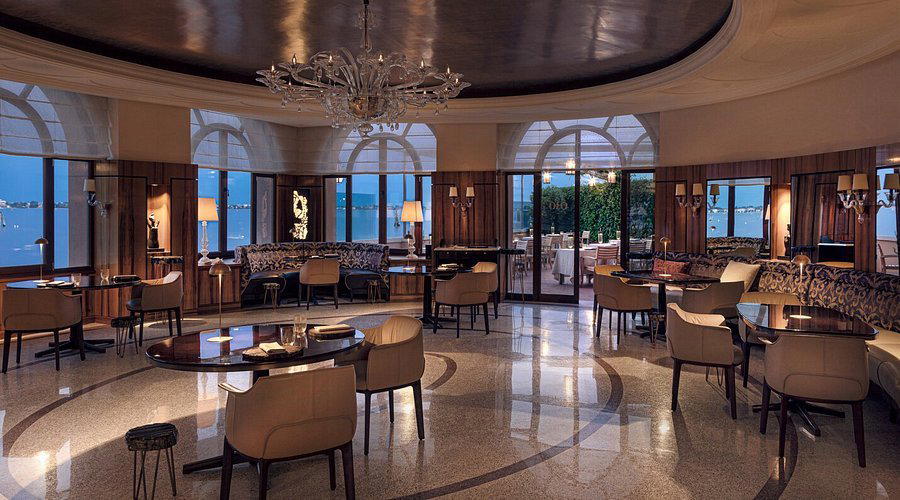
Restaurants in Venice
All restaurants in Venice →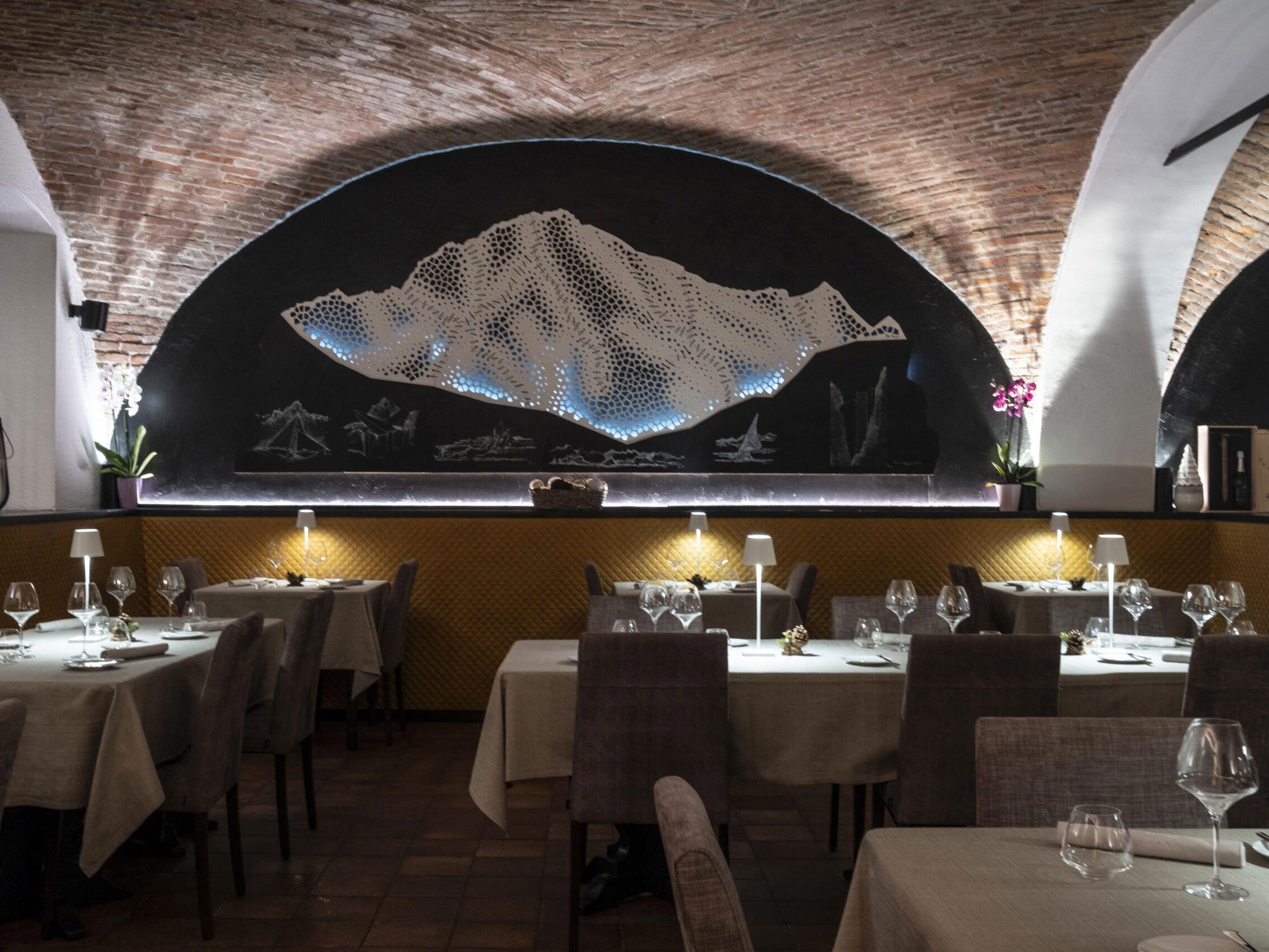
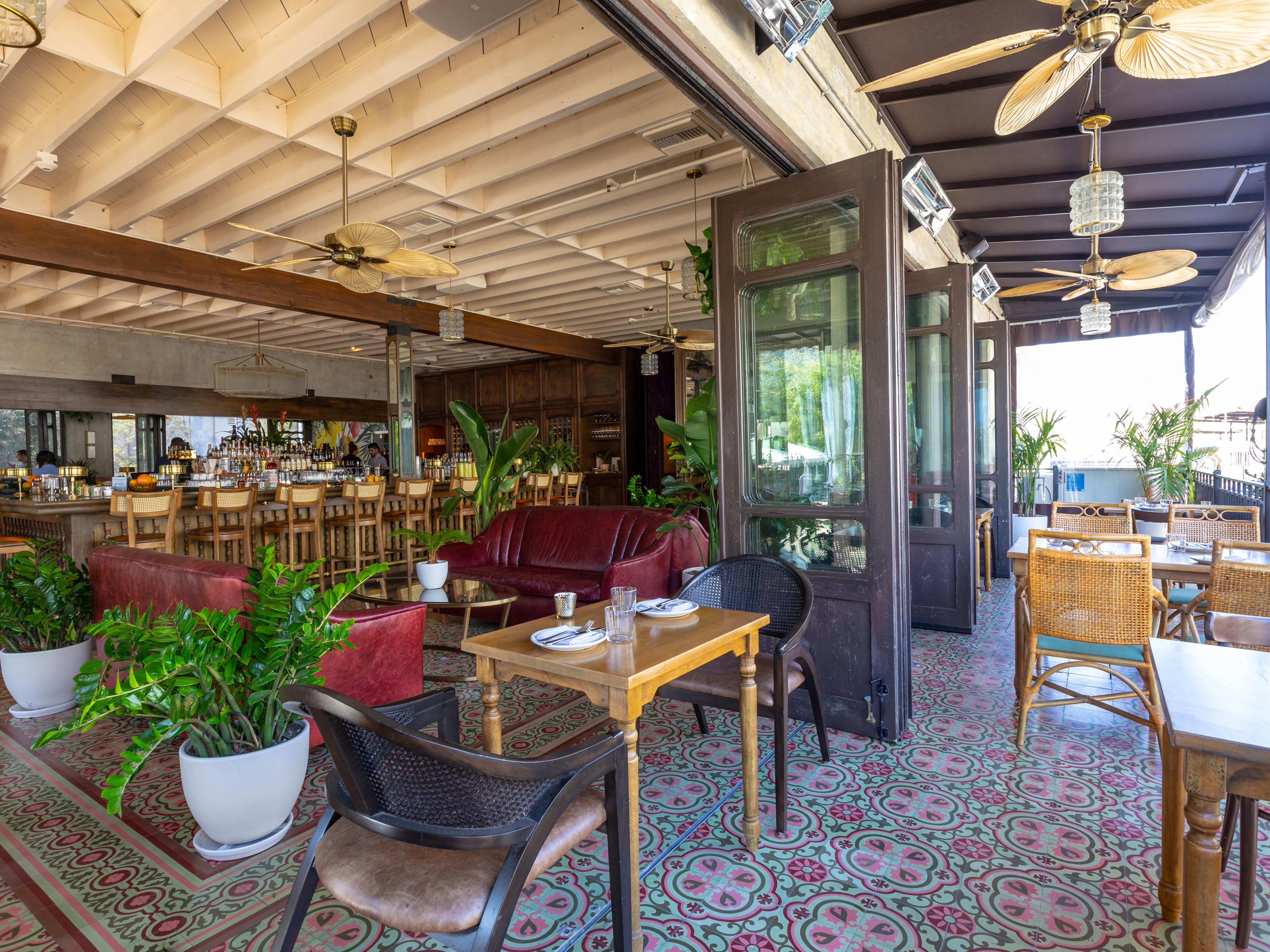
Bars in Venice
All bars in Venice →
Zanze XVI
The wine
- Wine program
- Deep wine list
- Extensive wine list
- Sommelier-led
- Natural wine
Details
- Elegant
- Intimate
- Sophisticated
- Date Night
- Special Occasion
- Celebration
- Open Kitchen
- Waterfront
- Standalone
- Extensive Wine List
- Natural Wine
- Sommelier Led
- Local Sourcing
- Farm To Table
- Waterfront
- Tasting Menu
- Prix Fixe
- Natural Wine
- Regional Italian Wines
- Vegetarian Friendly
- Pescatarian Friendly
- Allergy Accommodating
Current opening hours
- Monday
- Closed
- Tuesday
- Closed
- Wednesday
- 12:30–2 PM, 7:30–10 PM
- Thursday
- 12:30–2 PM, 7:30–10 PM
- Friday
- 12:30–2 PM, 7:30–10 PM
- Saturday
- 12:30–2 PM, 7:30–10 PM
- Sunday
- 12:30–2 PM, 7:30–10 PM
Hours can change for holidays and private events. Hours as of .
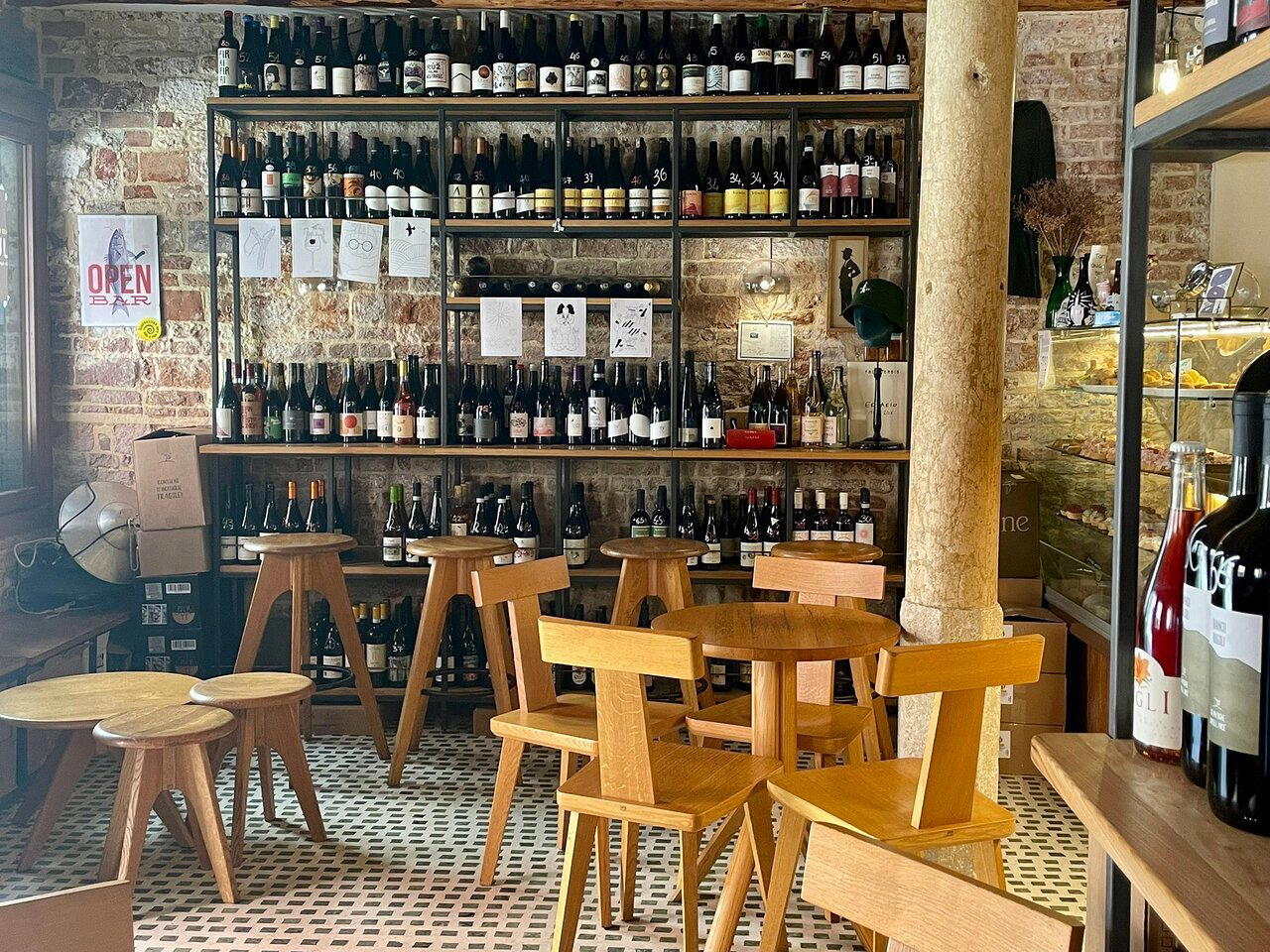
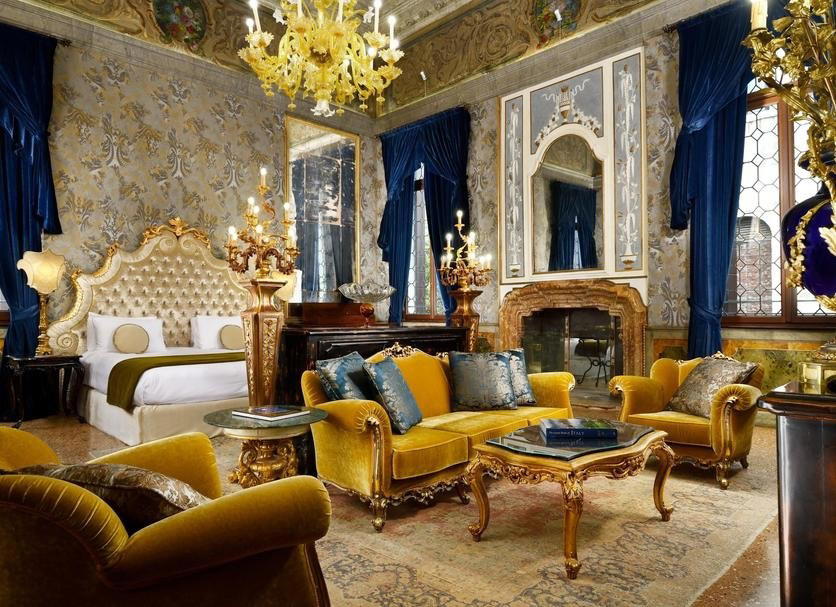
Warm and welcoming with elegant simplicity; the setting recalls a traditional Venetian bàcaro but with polished, well-cared-for details and an open kitchen that showcases the chef's work.