Zé Bota occupies a narrow lane off the Carmo district in Porto, placing it in a neighbourhood where the city's older tavern culture and its newer generation of ingredient-led kitchens exist side by side. Where Porto's higher-tier dining rooms tend toward architectural ambition and tasting-menu formality, Zé Bota reads as the kind of address that earns its following through consistency and proximity to source rather than ceremony.
Pearl is the En Primeur Club membership app — saves, bookings, and concierge access live there. Same editors, same standards.
- Address
- Tv. do Carmo 16, 4050-165 Porto, Portugal
- Phone
- +351222054697
- Directions
- Get directions
 Saves & bookings on Pearl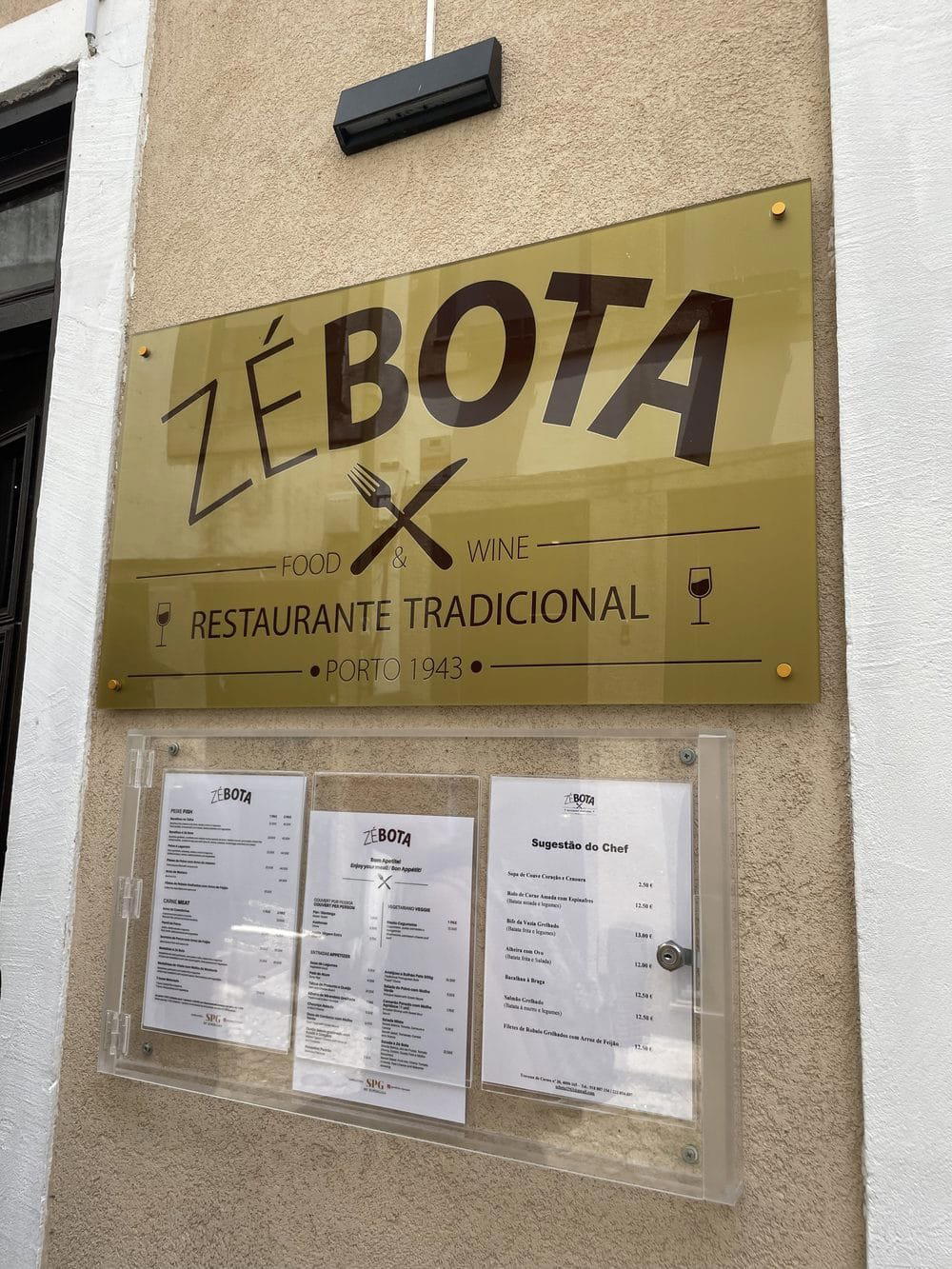
The Carmo District and What It Says About Porto's Dining Divide
Travessa do Carmo is a short, cobbled passage running off one of Porto's most recognisable squares. The street itself carries little of the tourist foot traffic that funnels through the Livraria Lello corridor nearby, which is partly why addresses along it tend to attract a more deliberately sought-out clientele. Porto's dining culture has long sorted itself into two parallel tracks: the table-cloth formalism of rooms like Antiqvvm and Le Monument at one end, and the unreconstructed taverns of Bonfim and Cedofeita at the other. Zé Bota at Tv. do Carmo 16 is a restaurant in Porto serving traditional Portuguese seafood at an accessible price point.
The broader Porto restaurant scene has seen significant upward movement since the mid-2010s. Euskalduna Studio and Vila Foz now represent the city's tasting-menu tier alongside Blind, each occupying a price point and format that positions them against Lisbon's Belcanto and the Algarve's Ocean rather than against the neighbourhood. What this upward drift has produced is a mid-tier gap: addresses where produce quality and kitchen seriousness are high but the format remains accessible. That gap is where Zé Bota operates.
Sustainability as Operating Logic, Not Branding
Across northern Portugal's most serious kitchens, the conversation around sourcing has shifted from optional talking point to operating constraint. The supply infrastructure that connects Porto's restaurants to the fishing quays at Matosinhos, the market gardens of the Douro margins, and the small-scale livestock farms of Trás-os-Montes is older and more embedded than the sustainability marketing language that now surrounds it. What distinguishes addresses that genuinely work within this system from those that invoke it is specificity: which supplier, which season, what changes on the plate when supply shifts.
Zé Bota's address in the Carmo district places it within walking distance of the Bolhão Market, Porto's covered municipal market which reopened after a lengthy restoration in 2022. Proximity to Bolhão has historically shaped how smaller Porto kitchens source, because the market aggregates regional producers, including fishmongers with direct Matosinhos connections and greengrocers whose stock reflects what is genuinely in season rather than what the wholesale distribution chain has available. For kitchens that choose to use it, Bolhão functions as an ethical sourcing shortcut: the verification work is done at the market level rather than requiring individual supplier relationships for every ingredient category.
The broader northern Portuguese kitchen tradition is also structurally low-waste by inheritance. Dishes built around bread-thickened broths (açordas), offal preparations, dried salt cod (bacalhau) in its many forms, and slow-cooked tougher cuts are not expressions of contemporary sustainability philosophy. They are the product of a coastal and agricultural economy where nothing useful was discarded. Kitchens that draw on these traditions honestly are practising a kind of embedded sustainability that predates the term. Across Portugal, you see versions of this at A Cozinha in Guimarães and at Casa de Chá da Boa Nova just outside Porto itself, where the Atlantic catch dictates the menu rather than the other way around.
What the Room Communicates
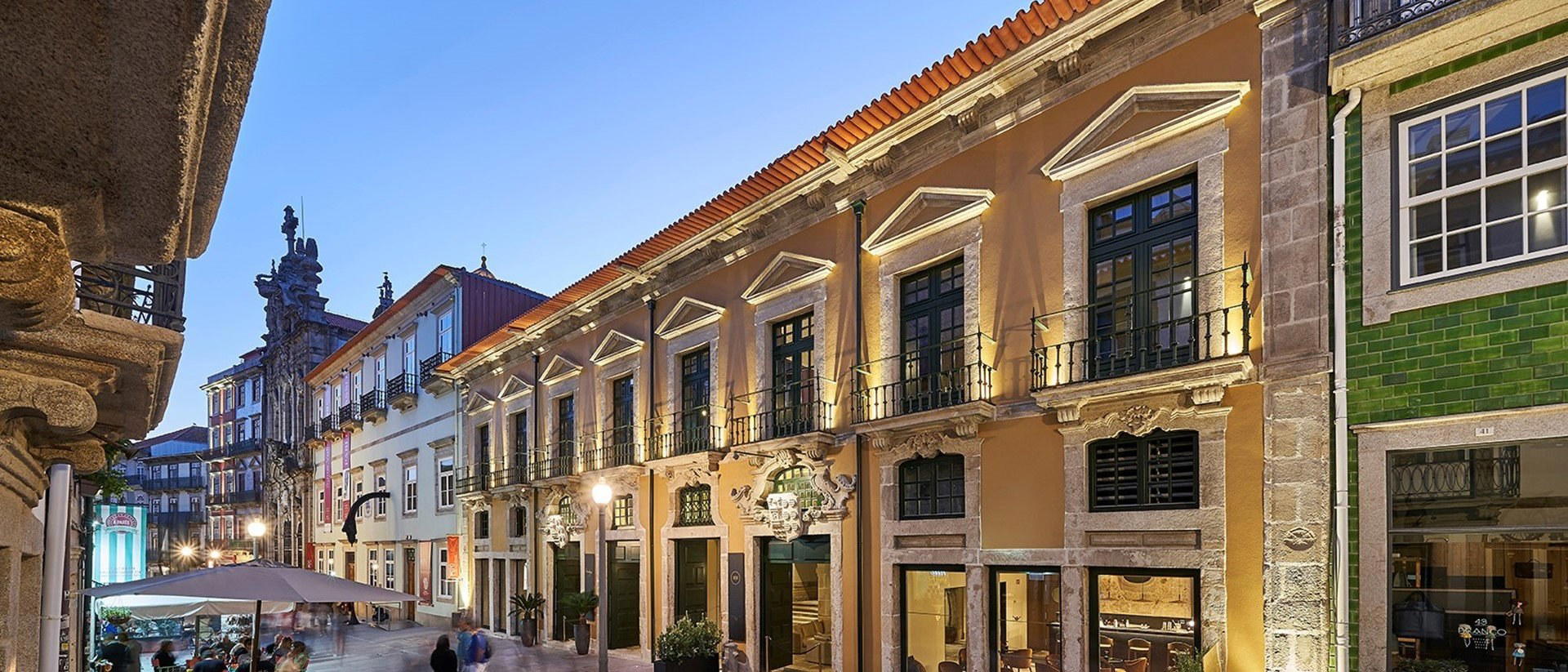
Approaching the restaurant along Travessa do Carmo, the street narrows enough that the building line is immediately present. The Carmo neighbourhood has the compressed verticality of Porto's older urban fabric: tile-fronted buildings, iron balconies, the visual density of a city that grew upward rather than outward. Interiors in this district tend toward the same compression, and rooms that work with rather than against this tend to produce a specific kind of dining register: close, direct, where the gap between kitchen and table is short in every sense.
Porto's mid-tier dining room, and the restaurant reads in this category relative to the higher-ticket rooms at Antiqvvm or The Yeatman across the river in Vila Nova de Gaia, typically runs without the architectural theatre that Michelin-starred rooms deploy. The trade is intimacy and directness for spectacle and ceremony. For a certain kind of Porto visit, that trade is the right one.
Placing Zé Bota in the Portugal Dining Picture
Portugal's Michelin-starred tier is distributed unevenly across the country. The Algarve holds a disproportionate concentration given its size, with Vila Joya, Bon Bon, and Al Sud in the south, while Il Gallo d'Oro in Funchal represents the Madeiran tier. Porto's starred addresses, while growing, remain fewer than Lisbon's. Below the starred tier, Porto has a substantial middle register of addresses that draw serious local trade without operating at fine-dining price points. The restaurant is part of that register, and for visitors oriented toward eating well rather than eating expensively, this is often the more instructive part of any city's food culture to engage with.
The comparison that frames the restaurant's position most clearly is probably against A Ver Tavira in the south: both are regional addresses operating in the mid-market with strong local sourcing commitments, sitting adjacent to but outside the starred tier. The appetite for this category of restaurant, serious enough to require a reservation, informal enough to accommodate spontaneity, has grown in Portugal's secondary dining cities as the starred tier has pulled attention and spend upward.
Planning a Visit
The restaurant sits on Travessa do Carmo 16, in walking distance from the Carmo and Carmelitas churches and the São Bento railway station, making it accessible from most central Porto accommodation without requiring transport. For those building a broader Porto itinerary, our full Porto restaurants guide maps the city's dining options across price tiers and neighbourhoods.
A Lean Comparison
Comparable venues nearby, for context on price, style, and recognition.
| Venue | Cuisine | Price | Notes |
|---|---|---|---|
| Zé BotaThis venue — the venue you are viewing | Vitória, Traditional Portuguese Seafood | $$ | Not listed |
| Honest Greens | Not listed | $$ | Santo Ildefonso, Healthy Mediterranean Bowls |
| Restaurante Cantina 32 | Sé, Mediterranean Portuguese Petiscos | $$ | Not listed |
| ODE Porto Wine House | Not listed | $$$ | S Nicolau, Traditional Portuguese Fine Dining |
| Café Restaurante O Afonso | Massarelos, Portuguese Francesinha | $$ | Not listed |
| Eatery 119 ӏ food, desserts & specialty coffee | Not listed | $$ | Santo Ildefonso, Ukrainian-Inspired Brunch Café |
Continue exploring
More in Porto
Restaurants in Porto
Browse all →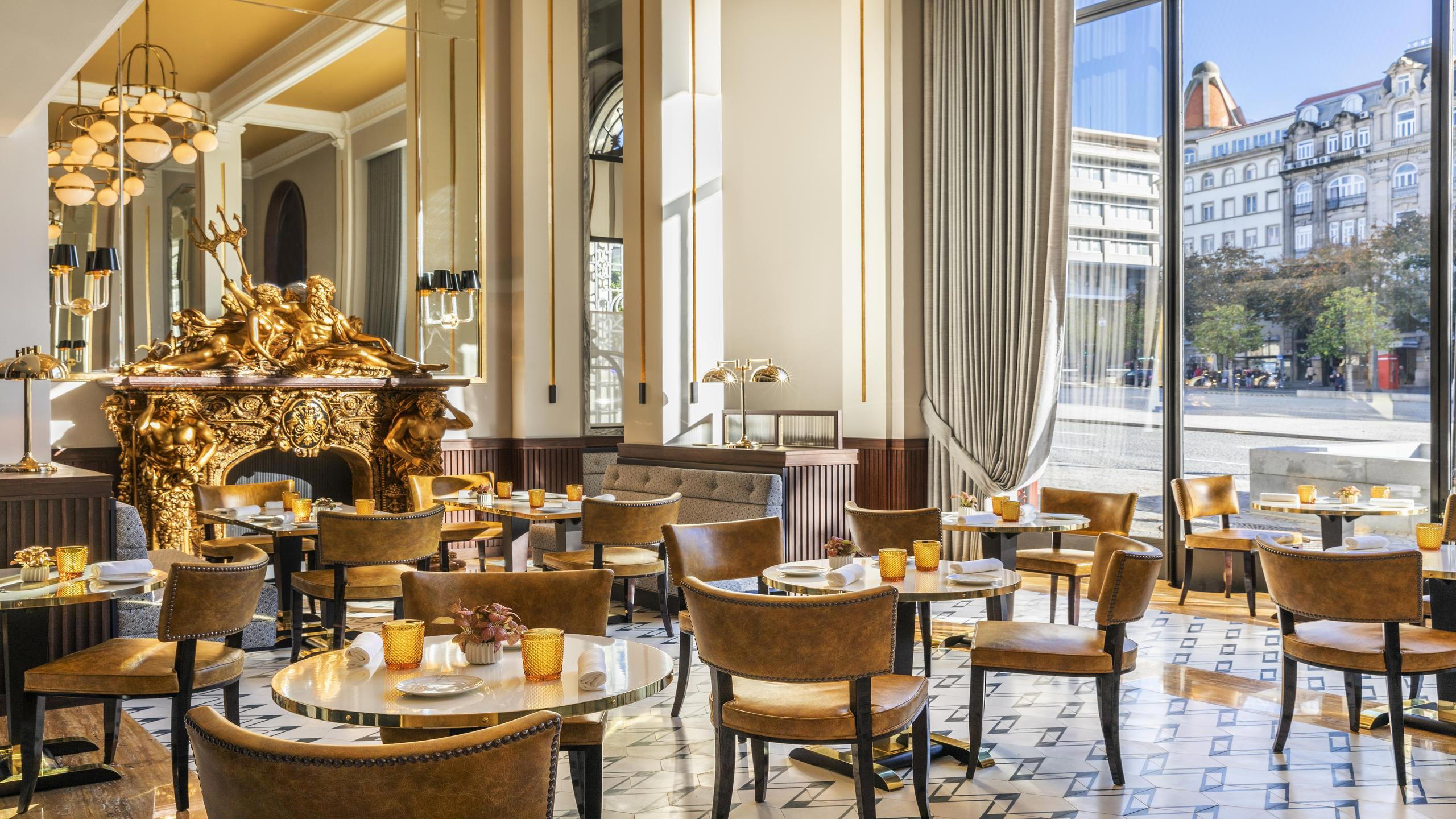
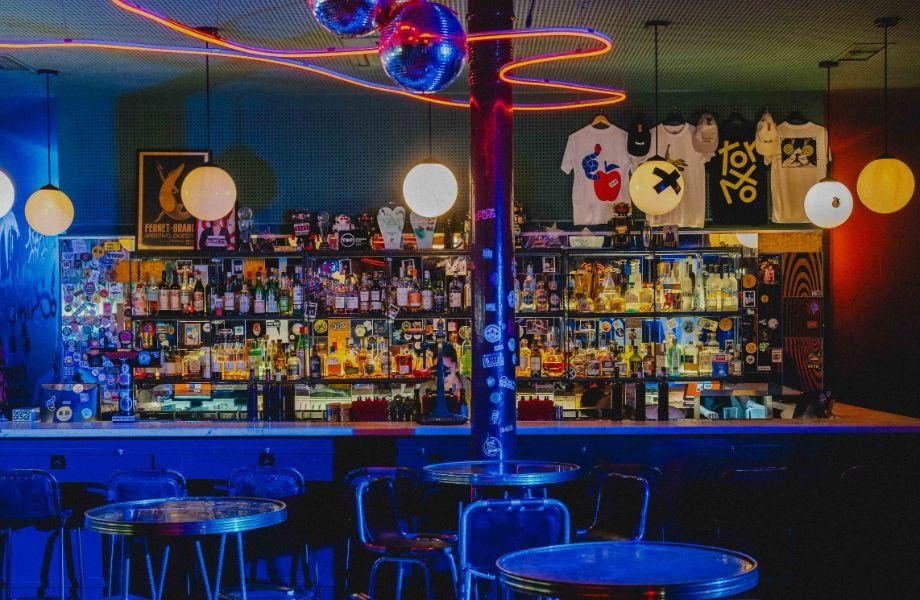
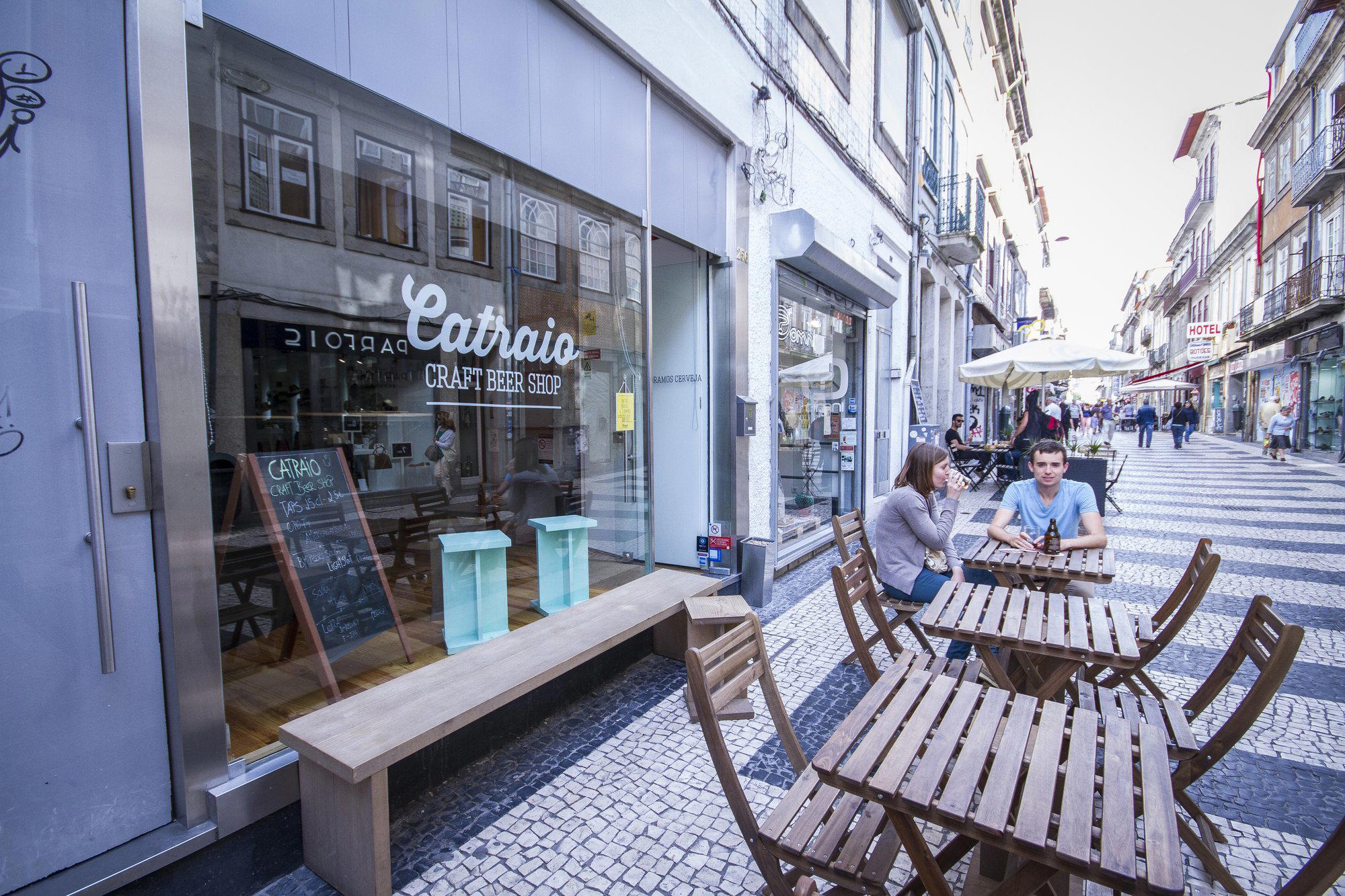
Bars in Porto
Browse all →
Hotels in Porto
Browse all →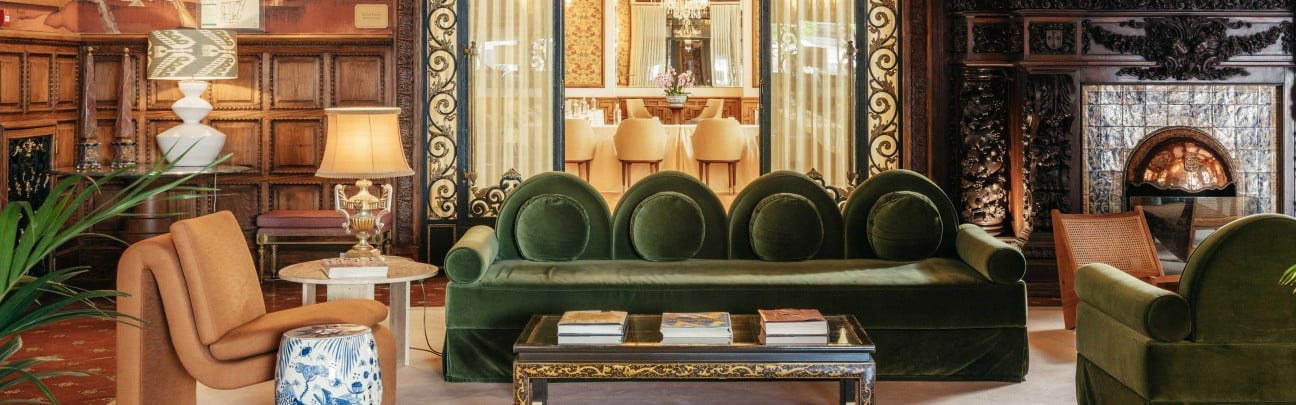
At a Glance
- Cozy
- Intimate
- Rustic
- Date Night
- Family
- Casual Hangout
- Historic Building
- Extensive Wine List
- Local Sourcing
- Garden
Current opening hours
- Monday
- 12–10:30 PM
- Tuesday
- Closed
- Wednesday
- 12–10 PM
- Thursday
- 12–10 PM
- Friday
- 12–10 PM
- Saturday
- 12–10 PM
- Sunday
- 12–10 PM
Hours can change for holidays and private events. Last verified .
Warm, welcoming, and cozy with walls lined in wine crates, blending authenticity and intimacy.