
Set within Largo do Terreiro, steps from the historic riverside and the port wine cellars of Vila Nova de Gaia, ODE Porto Wine House draws on the layered traditions of Portuguese table culture. The setting places traditional cuisine and regional wine in direct conversation with one of Porto's most historically dense neighbourhoods. A grounded choice for those who want Porto's culinary identity without the filter of a modernist kitchen.
Pearl is the En Primeur Club membership app — saves, bookings, and concierge access live there. Same editors, same standards.
- Address
- Largo do Terreiro 7, 4050-269 Porto, Portugal
- Phone
- +351 913 200 010
- Website
- linktr.ee
- Directions
- Get directions
 Saves & bookings on Pearl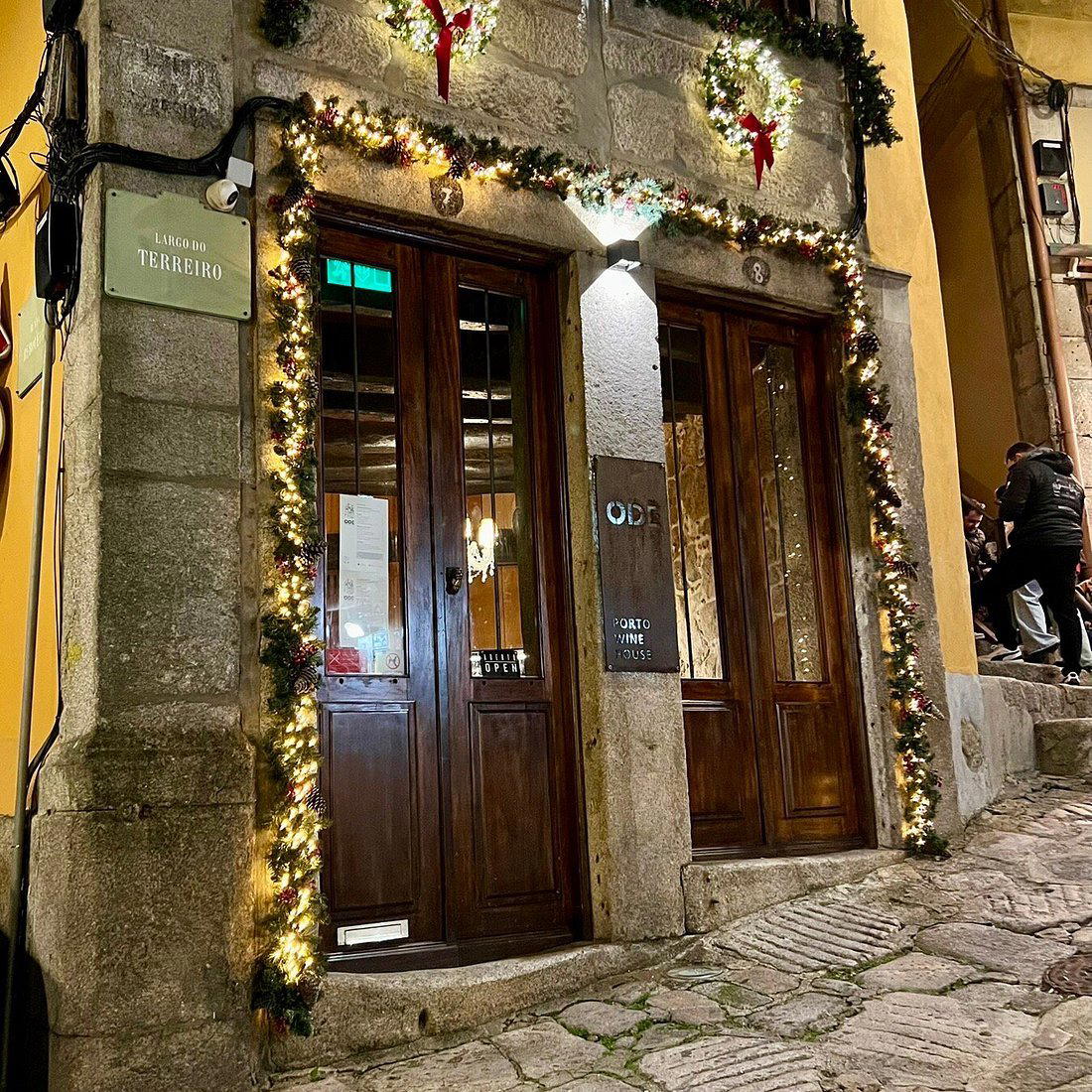
Where the Douro's Wine Culture Meets the Table
Porto's dining identity is inseparable from the river. The Douro, which carries port wine from the Duoro Valley vineyards down to the lodges of Vila Nova de Gaia, has always shaped what the city eats and drinks. The restaurants that cluster near the riverfront and the old merchant quarters are not simply playing at heritage, many exist in buildings and streets that were central to the port wine trade for centuries. Largo do Terreiro, where ODE Porto Wine House is located, sits inside this geography. The square is close enough to the Dom Luís I Bridge that you feel the weight of Gaia's port cellars across the water without needing to cross it.
That proximity matters editorially. Porto's most culturally grounded restaurants tend to occupy this corridor, the Ribeira and its adjacent streets, where the architecture, the trade history, and the cuisine form a coherent argument. ODE positions itself at this intersection, framing traditional Portuguese cuisine as a product of a specific wine and river culture rather than as a national abstraction.
Traditional Portuguese Cuisine in Context
Portugal's culinary tradition is one of the least distorted in Western Europe, in the sense that its foundational ingredients, salt cod, olive oil, cured meats, dried legumes, stone-fruit-forward wines, have remained central across centuries of use rather than being periodically rediscovered. Porto, specifically, carries a more austere version of this tradition than Lisbon. The city's eating culture was shaped by its merchant and working-class history: generous portions, wine-forward tables, dishes built for people who worked the water or the warehouses. The tripe dish that gave Portuenses their nickname, tripeiros, is the clearest emblem of that sensibility.
Contemporary Porto dining has split into two distinct tiers. The upper register includes restaurants such as Antiqvvm, which brings a creative lens to Portuguese ingredients, and Euskalduna Studio, which operates at the progressive end of modern Portuguese cuisine at a €€€€ price point. Alongside these, Blind and Le Monument occupy the contemporary bracket with similarly serious kitchen programs. ODE's framing, traditional cuisine with deliberate twists, places it in a different register: not avant-garde, but not unreconstructed either. It reads as a restaurant that takes the source material seriously and intervenes selectively.
This positioning is neither comfortable nor uncommitted. The restaurants that work hardest in Porto are those that have a clear argument about what Portuguese food is and who it is for. ODE, by foregrounding wine culture and the Gaia cellars in its identity, makes a specific geographical claim: that Porto's table is inseparable from the wine that flows through it.
Port Wine as Structural Logic
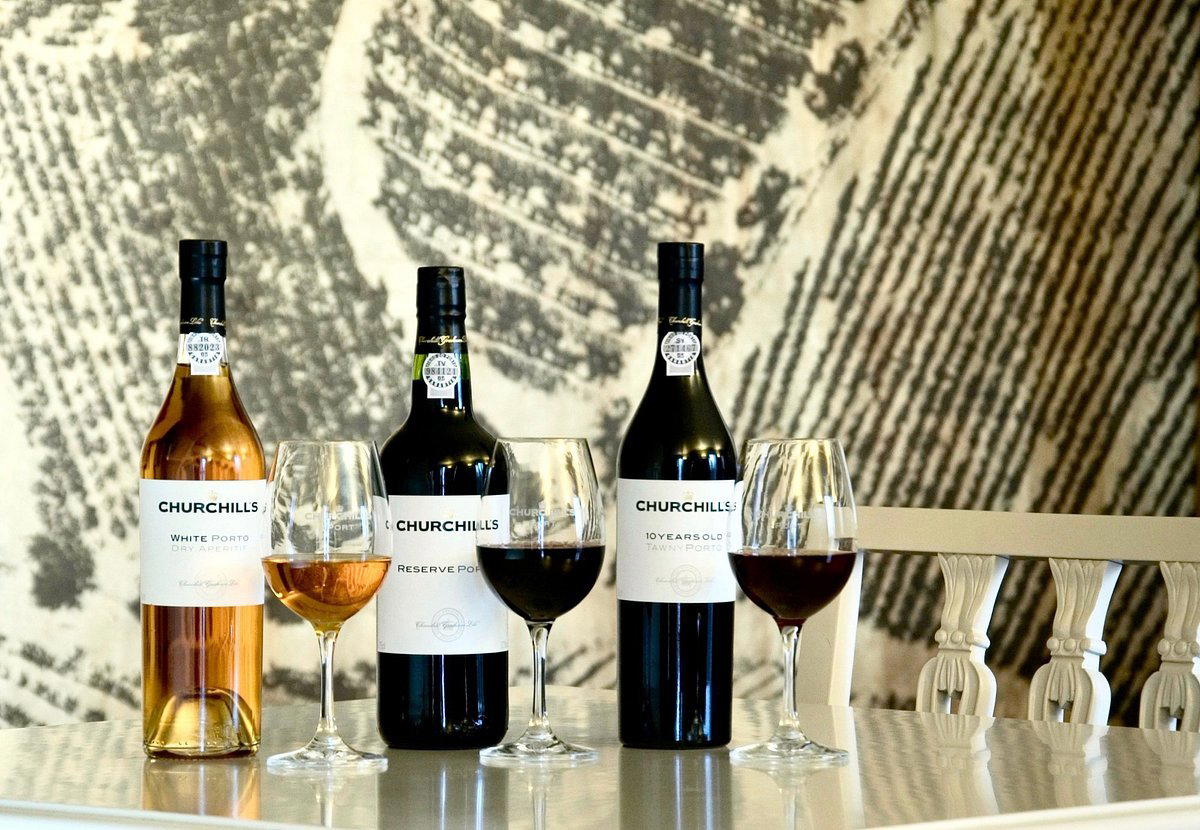
The presence of port wine on the Portuguese table is not merely decorative. In the Douro tradition, wine structures the meal from aperitif through dessert, white port with olives and cheese before eating, aged tawny alongside slow-cooked dishes or petiscos, vintage port where the occasion demands it. A restaurant that describes itself as a wine house, positioned within walking distance of Gaia's lodges, is invoking this logic directly.
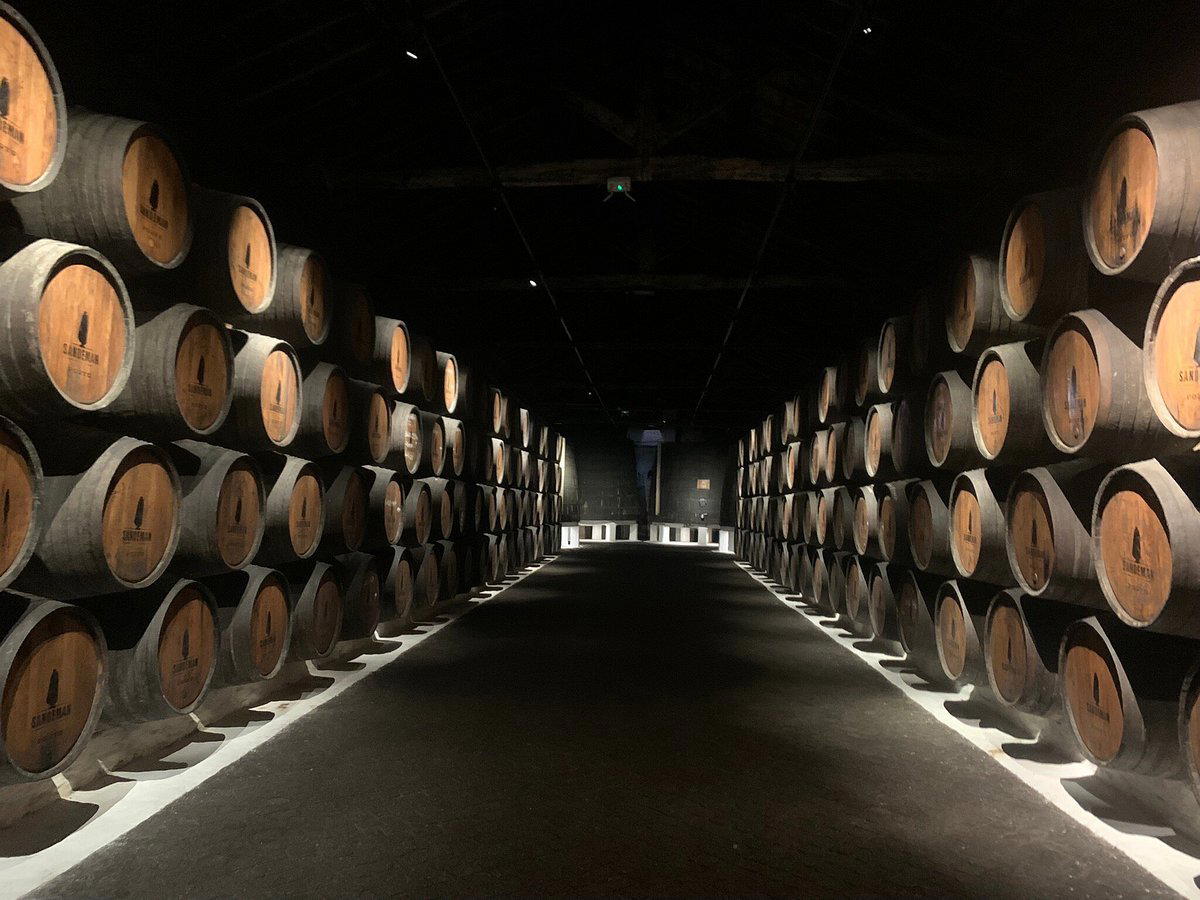
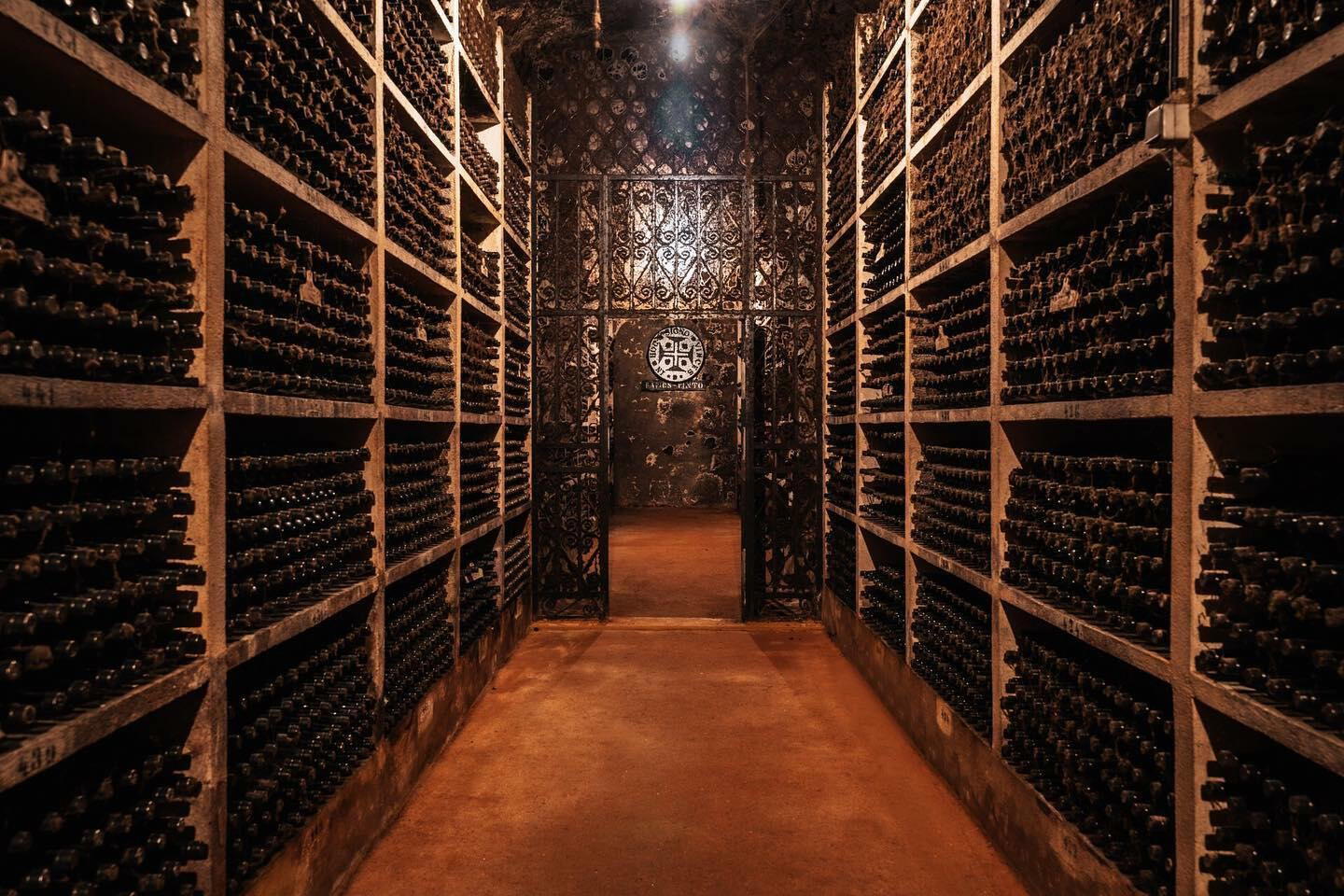
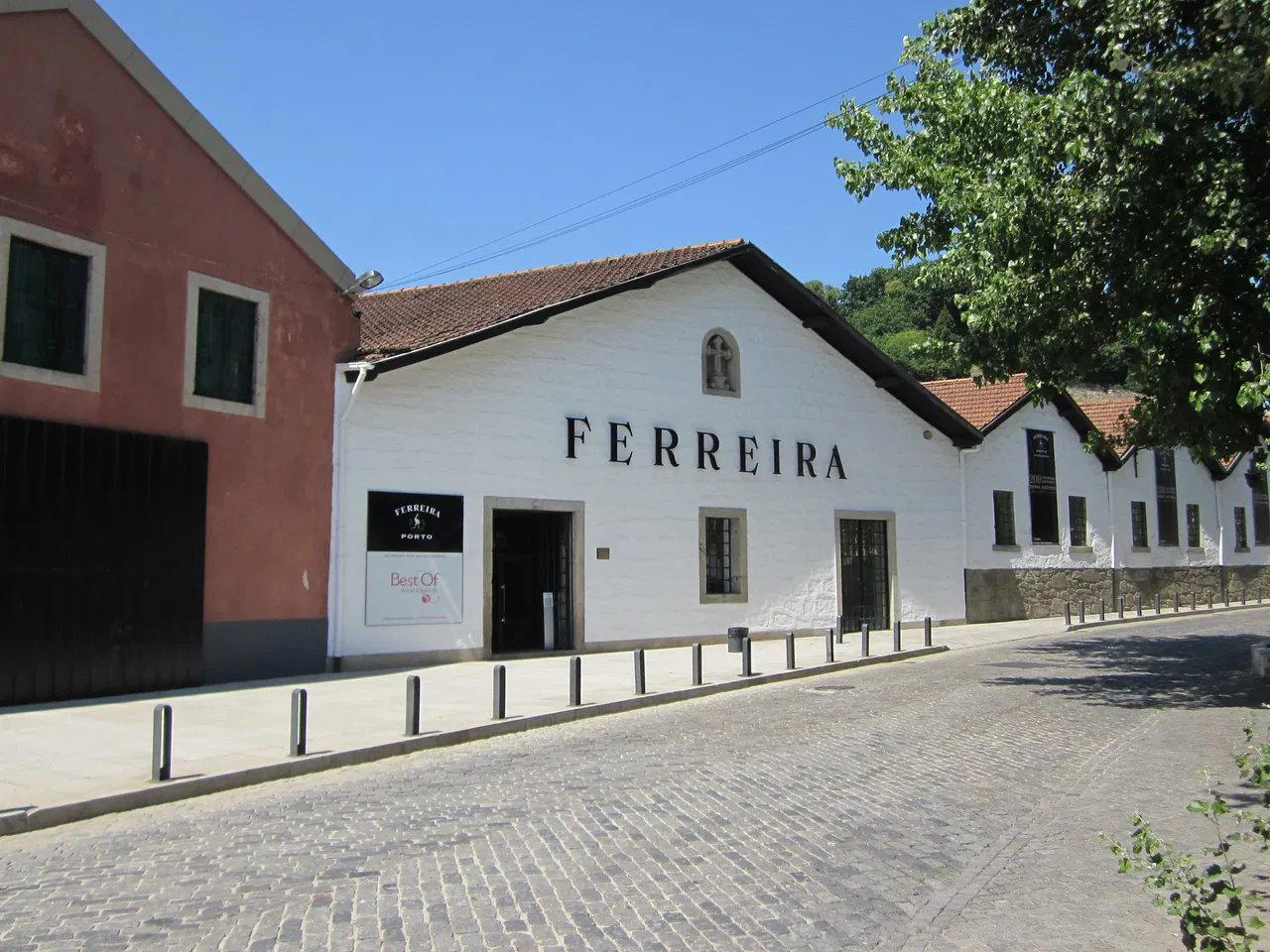
Vila Nova de Gaia, visible across the Dom Luís I Bridge, holds the ageing lodges of nearly every major port shipper, Graham's, Taylor's, Sandeman, Ramos Pinto and others. The cellars there maintain hundreds of thousands of litres of ageing wine in conditions that have changed little in their essentials over two centuries. For a restaurant in Largo do Terreiro to align itself with this tradition is not nostalgia; it is a statement about what serious Portuguese dining looks like when it is rooted in place.
Across Portugal, restaurants that place wine culture at the centre of their identity tend to attract a guest who comes as much to drink intelligently as to eat. The Yeatman in Vila Nova de Gaia has built its entire reputation around this proposition, with a wine list that references the lodges outside its windows. ODE operates at a different scale and formality level, but the underlying argument, that Porto's food culture and its wine culture are the same argument, is shared.
Porto's Fine Dining Tier: Where ODE Sits
Portugal has produced a generation of Michelin-recognised kitchens that have raised the ceiling on what visitors expect. Belcanto in Lisbon and Vila Joya in Albufeira anchor the country's highest formal tier. In the north, Casa de Chá da Boa Nova in Leça da Palmeira, Rui Paula's two-Michelin-star property on the Atlantic coast, is the reference point for serious contemporary northern Portuguese cooking. ODE does not compete in that formal tier. Its identity is closer to a wine house with serious food than a destination kitchen with a wine list. That distinction is worth preserving: the experience is built around conviviality and the intersection of table and cellar, not around chef-led tasting sequences.
For those building a Porto itinerary that spans registers, Vila Foz offers a contemporary option at the formal end of the city's dining.
Planning Your Visit
ODE Porto Wine House is addressed at Largo do Terreiro 7, in the historic core of the city. The square sits within walking distance of the Ribeira waterfront and the São Bento railway station, making it accessible from most central Porto accommodation without requiring transport. The neighbourhood rewards arriving early enough to walk the surrounding streets before sitting down, the stone facades, the azulejo panels on neighbouring buildings, and the sightlines toward the river give the location its particular character.
Booking ahead is essential, particularly for weekend evenings.
Frequently Asked Questions
Does ODE Porto Wine House work for a family meal?
Porto's traditional restaurant culture has always been family-oriented in structure, generous portions, wine at the centre of the table, unhurried pacing. ODE's positioning within that tradition suggests it operates with the informality that makes family dining workable. The Largo do Terreiro address is in a historically dense neighbourhood, and the surrounding area is walkable and well-suited to guests arriving in groups.
What should I expect atmosphere-wise at ODE Porto Wine House?
The address puts you in one of Porto's most historically layered corners, stone streets, the visual and conceptual proximity of the Douro, and the port wine lodges of Gaia visible across the river. Restaurants in this zone tend to carry the texture of the neighbourhood into the room: a warmth that comes from old buildings and serious wine lists rather than from designed atmosphere. ODE's self-description as a wine house points toward a convivial rather than formal register, a place where the rhythm of the meal is set by the glass as much as the plate. For a sense of how the broader Porto dining scene compares across registers, the venues at Euskalduna Studio and Antiqvvm offer useful contrast at the more structured end of the city's kitchen programs.
What do people recommend at ODE Porto Wine House?
The restaurant's own framing points to traditional Portuguese cuisine with selective modern twists and a strong wine focus rooted in the port wine culture of the Douro. In the Portuguese tradition, that typically means dishes built around salt cod, slow-cooked meats, and regional produce, alongside a wine selection that takes both port and Douro table wines seriously. Current menu details are best confirmed directly with the restaurant.
Booking and Cost Snapshot
Comparable venues nearby, for context on price, style, and recognition.
| Venue | Cuisine | Price | Notes |
|---|---|---|---|
| ODE Porto Wine HouseThis venue — the venue you are viewing | Not listed | $$$ | Not listed |
| Semea by Euskalduna | Not listed | $$$ | Massarelos, Modern Portuguese Wood-Fired Sharing Plates |
| Restaurante Cantina 32 | Sé, Mediterranean Portuguese Petiscos | $$ | Not listed |
| Em Carne Viva | Not listed | $$$ | Cedofeita, Modern Vegan Portuguese Fine Dining |
| Terra | Nevogilde, Japanese-Portuguese Fusion | $$$ | Not listed |
| Adega São Nicolau | S Nicolau, Authentic Portuguese | $$ | Not listed |
Recognition history
Dated appearances from independent guides and award organizations, with the underlying list record or original source where available.
Star Wine List
Star Wine List
Continue exploring
More in Porto
Restaurants in Porto
Browse all →
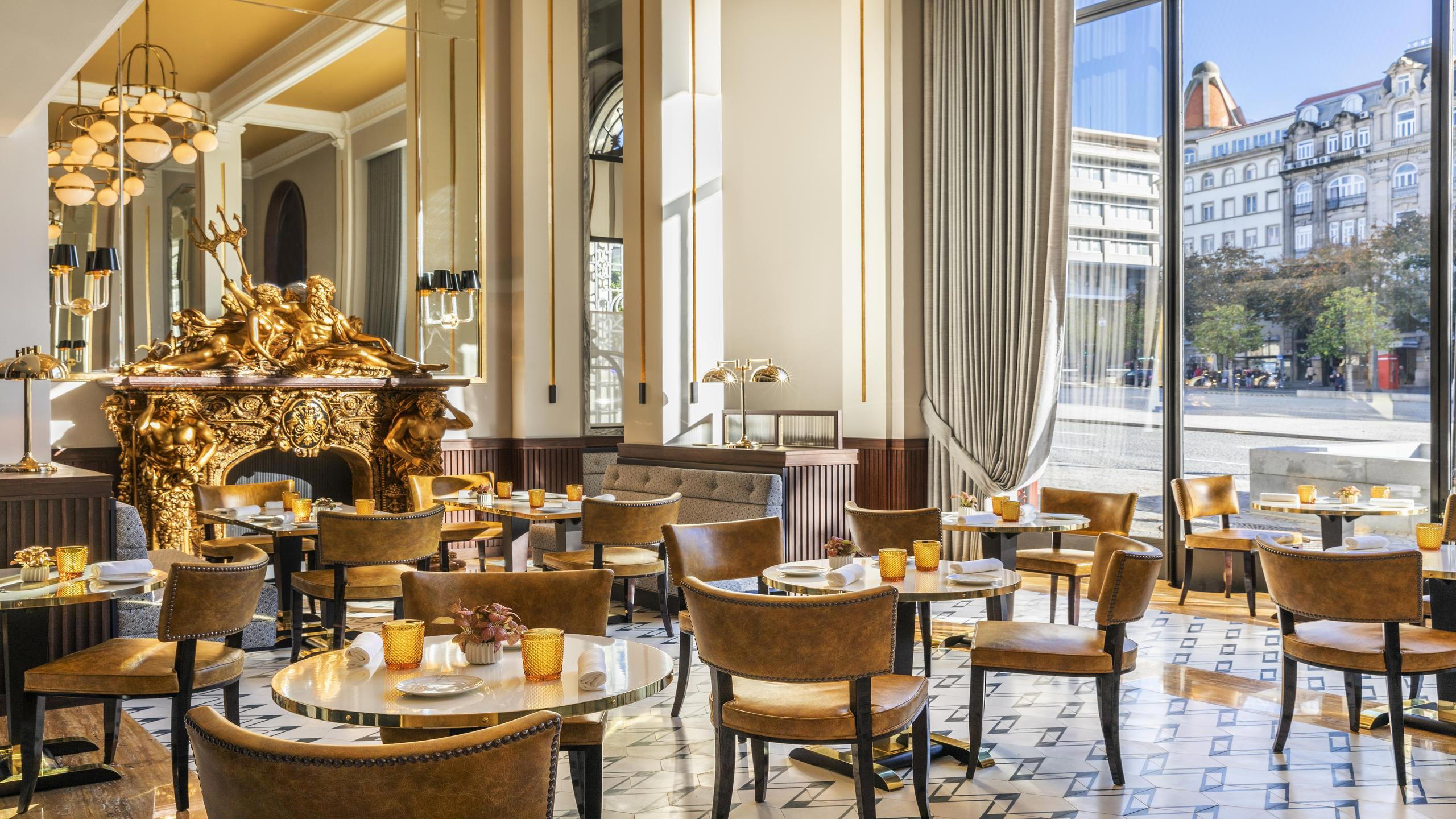
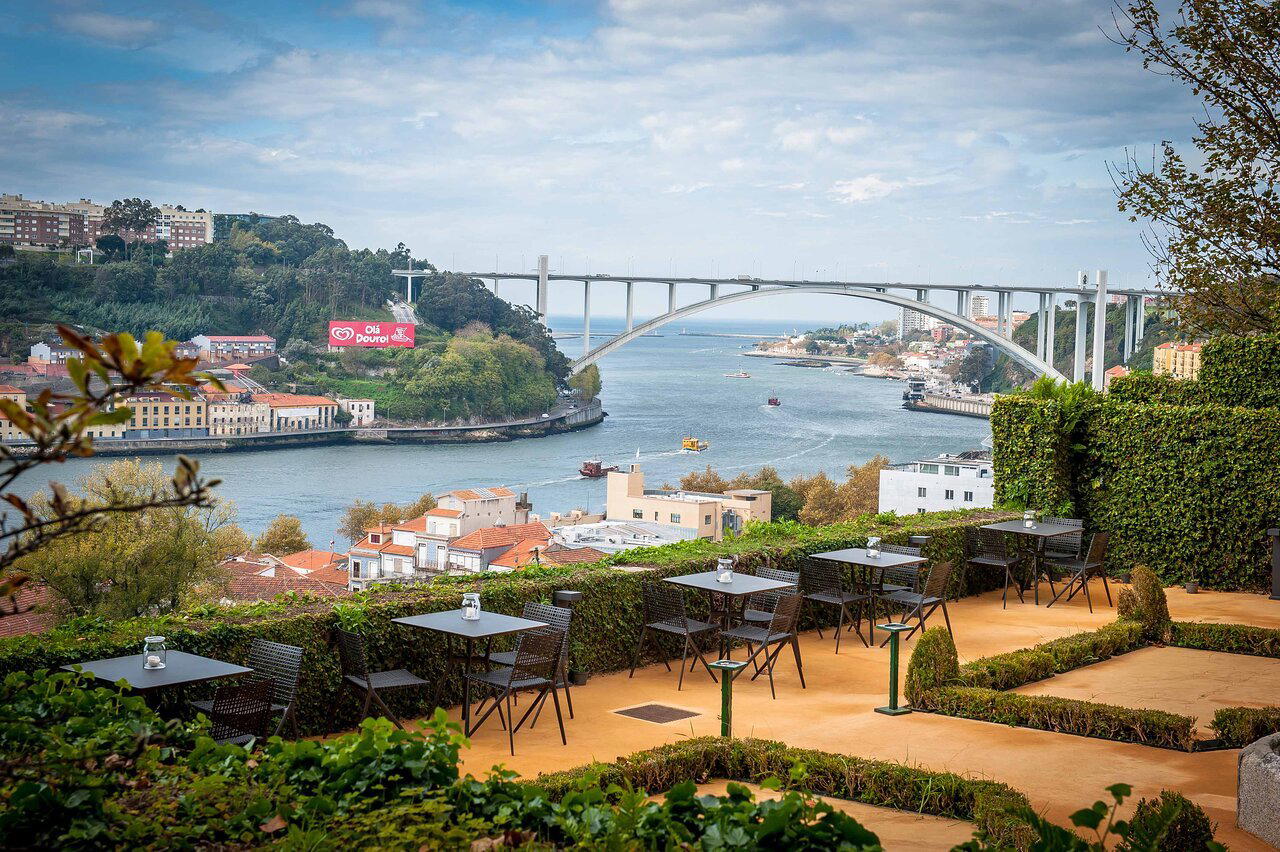
Bars in Porto
Browse all →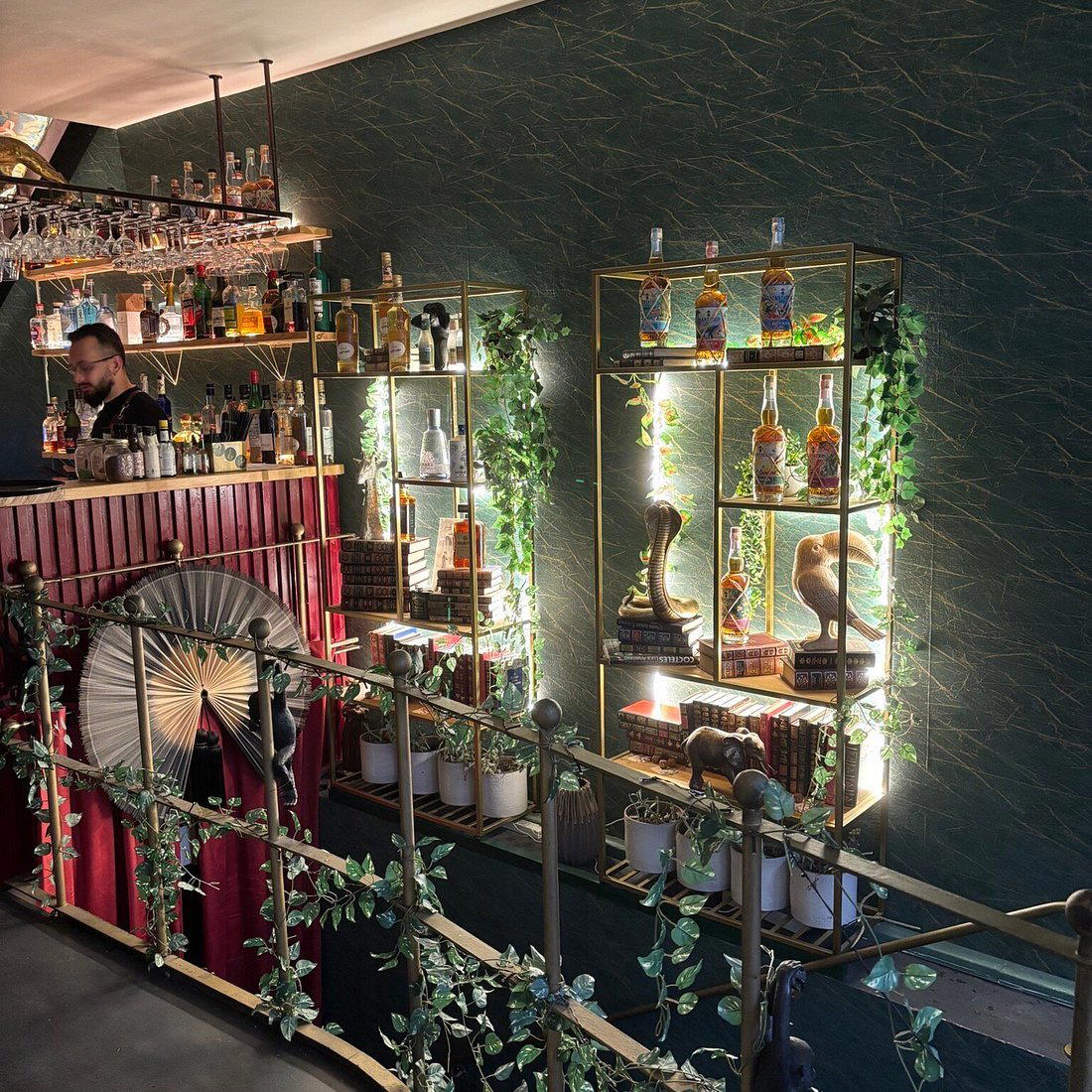
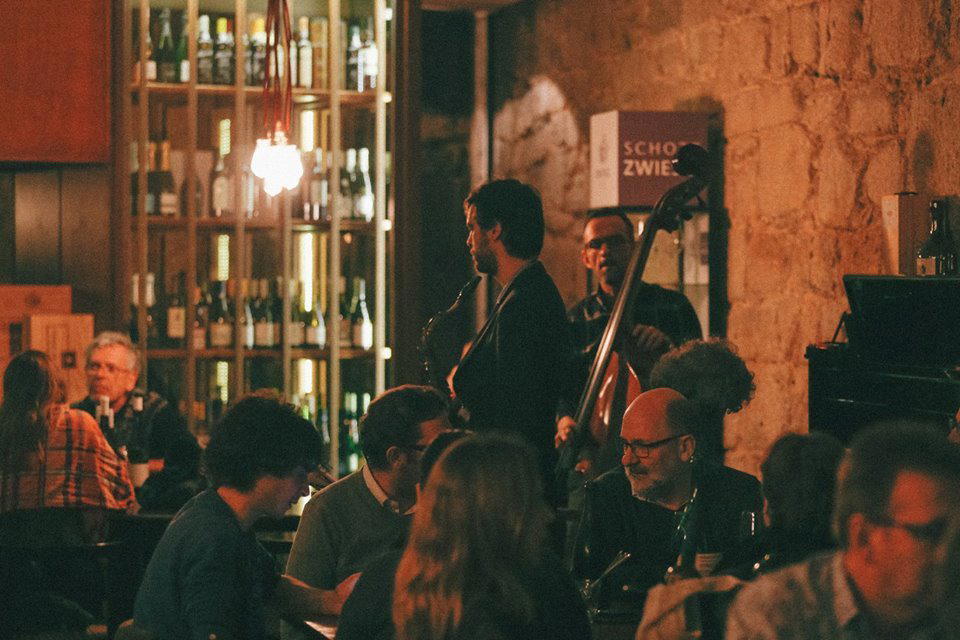
Hotels in Porto
Browse all →
At a Glance
- Romantic
- Intimate
- Cozy
- Elegant
- Rustic
- Date Night
- Special Occasion
- Celebration
- Open Kitchen
- Private Dining
- Historic Building
- Standalone
- Extensive Wine List
- Sommelier Led
- Byob
- Local Sourcing
- Organic
- Waterfront
Current opening hours
- Monday
- Closed
- Tuesday
- 6:30–11 PM
- Wednesday
- 6:30–11 PM
- Thursday
- 6:30–11 PM
- Friday
- 6:30–11 PM
- Saturday
- 6:30–11 PM
- Sunday
- Closed
Hours can change for holidays and private events. Last verified .
Warm, intimate, and welcoming with rustic charm; candlelit and romantic with historic stone architecture; feels like being invited into someone's home.