Google: 4.3 · 306 reviews
Glitretind Restaurant


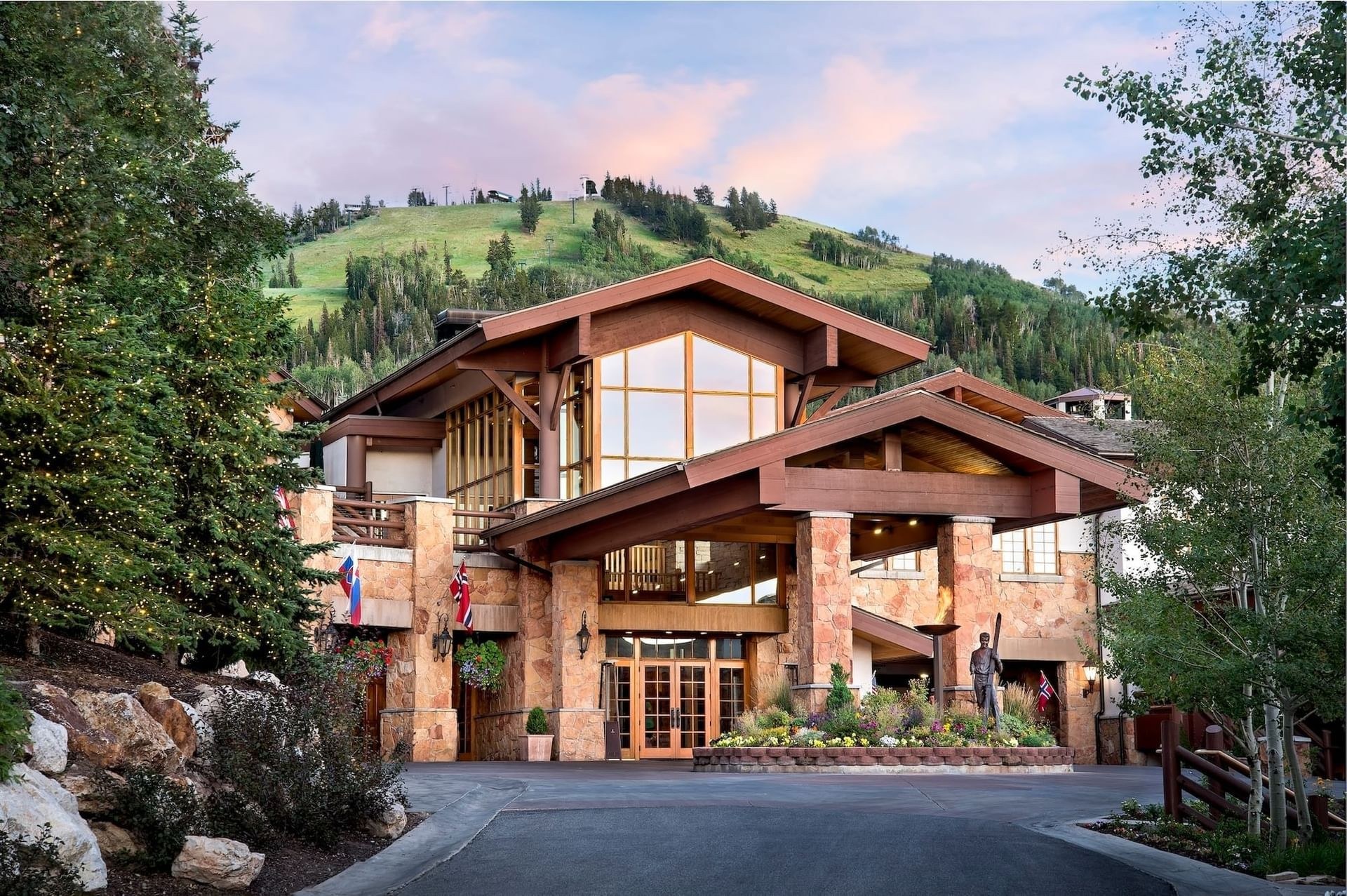
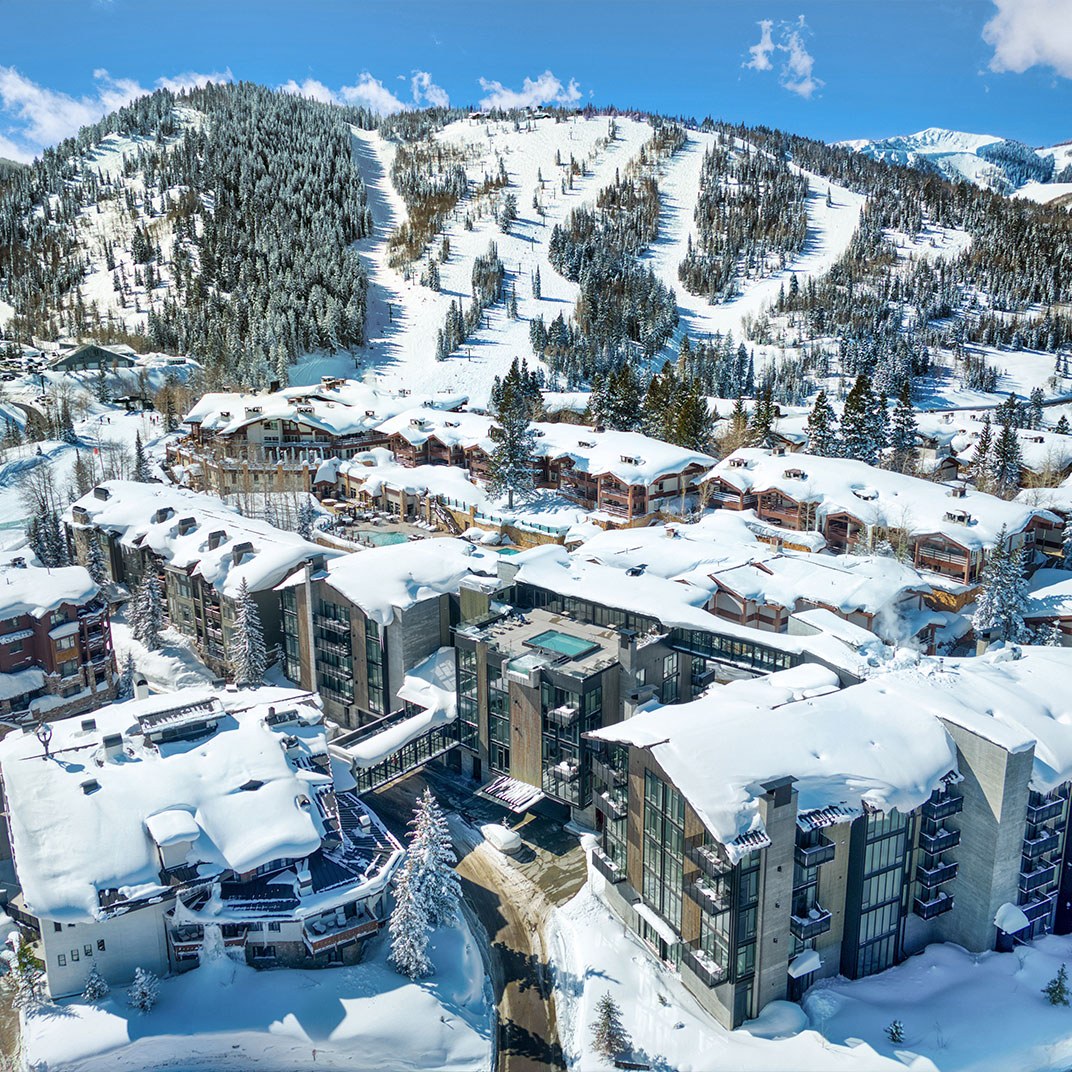
Inside the Forbes Travel Guide Five-Star Stein Eriksen Lodge on Deer Valley's slopes, Glitretind Restaurant anchors Park City's case for serious mountain dining. The menu rotates twice yearly around regionally sourced meat and seafood, backed by a cellar of 20,000 bottles across California, Burgundy, Bordeaux, and beyond. Window tables face the Wasatch range directly — skiers in winter, open mountain air in summer.
 Discover on Pearl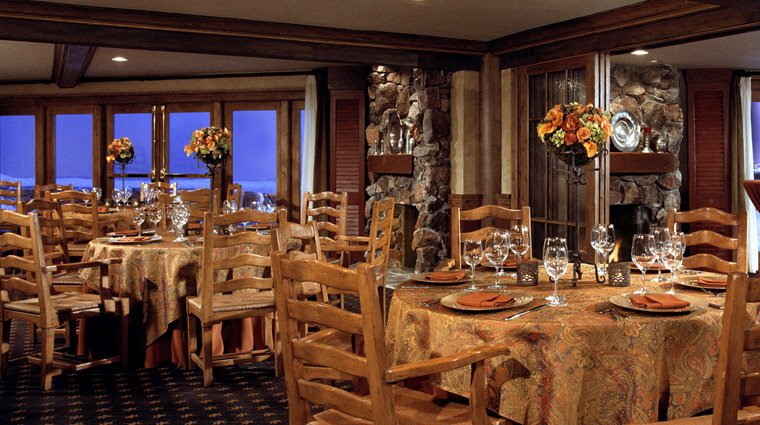
Where the Wasatch Range Sets the Table
At altitude, the relationship between what a kitchen cooks and where its ingredients come from tends to feel more honest than in city dining rooms. Mountain restaurants either lean into that proximity — sourcing from nearby ranches, fishing regional waters, timing their menus to local harvests — or they ignore it entirely and serve a generic luxury menu that could have been flown in from anywhere. Glitretind Restaurant, inside the Forbes Travel Guide Five-Star Stein Eriksen Lodge at 7700 Stein Way, belongs firmly to the first category. The dining room faces the Wasatch Mountains directly, and on a clear day the view from a window seat frames Deer Valley's runs with the kind of compositional clarity that most restaurants spend considerable money trying to fabricate artificially.
The name itself is Norwegian for "shimmering mountain" , a nod to the lodge's Scandinavian heritage and a surprisingly accurate description of what you see through the glass in mid-winter, when the slopes catch afternoon light across the snowpack. Arriving for dinner in ski season means passing through one of Utah's more considered alpine interiors: the kind of space where the fireplaces are structural rather than decorative, and where the architecture earns its warmth rather than performing it.
Sourcing as Structure: How the Menu Is Built
American Mountain cuisine as a category sits at an interesting intersection in the broader farm-to-table conversation. The movement's original premise , that proximity to the source should determine what ends up on the plate , translates differently in mountain contexts than it does in, say, Northern California's produce-dense wine country, where Single Thread Farm in Healdsburg can source hyperlocally across dozens of ingredient categories year-round. In Utah, the seasonal reality is sharper. Winter limits fresh produce windows dramatically, which places greater emphasis on protein sourcing, preserved and fermented elements, and the kitchen's ability to work intelligently within those constraints.
Glitretind's response to this is a menu that changes completely twice a year, structured around meat and fresh seafood, with locally sourced ingredients framing both. Rocky Mountain elk tenderloin is the kind of dish that situates a menu geographically in a way that imported proteins cannot. Paired with Tuscan kale, cranberry chutney, and potato purée, it draws on the wider American farm-to-table vocabulary while keeping its protein identity rooted in the region. Seafood arrives from further afield by necessity , Pacific black cod with parsnip purée, fennel, and citrus oil reads as a considered coastline-to-mountain translation rather than a compromise.
This twice-yearly full rotation is a stronger editorial commitment than the partial seasonal adjustments most comparable resort restaurants offer. It signals a kitchen that is actually rethinking its sourcing relationships across seasons rather than swapping out a few specials. Among mountain dining peers , including Blackberry Mountain in Walland and Granite Lodge's Main Dining Room in Philipsburg , this kind of structured seasonal discipline is more the exception than the rule.
The Cellar in Context
A 20,000-bottle inventory is a meaningful number for any restaurant, and at a resort property in Utah it represents a particular kind of institutional commitment. The list's strengths run across California, Burgundy, Bordeaux, the Rhône, Italy, Champagne, and Oregon , a range that positions it comfortably alongside the cellar programs at well-regarded American destination restaurants, if not at the specialized depth of something like Le Bernardin in New York City or The French Laundry in Napa. Wine Director Jim Dahlgren oversees a list that runs to 2,340 selections, priced at the $$$ tier, meaning many bottles clear the $100 threshold. The corkage fee is $25 for those who bring their own.
For comparison, Park City's dining scene spans a wide range of beverage programs. High West Distillery & Saloon anchors the spirits-forward end of the market, while Yuta operates within the American steakhouse tier where wine lists tend to be narrower and more protein-focused. Glitretind's cellar depth puts it in a different competitive bracket entirely, closer in ambition to what you'd expect from an urban fine-dining room than a ski lodge dining room.
Service and Format
Forbes Travel Guide's Five-Star designation for the Stein Eriksen Lodge , which Glitretind operates within , is not distributed loosely. The lodge holds the rating, and the restaurant's service standards align with it: staff introduce ingredients and preparation at the table before stepping back, substitutions are accommodated particularly around dietary restrictions, and the pace is calibrated to the kind of guest who is not rushing to a next meeting. This is the type of service model that the farm-to-table movement's finer rooms have adopted as table stakes , the belief that knowing what's on the plate extends to who delivers it and how.
The dress code is described as casual and mountain-inspired, which in practice means that the formality ceiling is lower here than at urban peers like Alinea in Chicago or Emeril's in New Orleans, but the room itself carries enough visual weight that truly underdressed guests tend to self-correct. The Google rating sits at 4.4 across 290 reviews , a number that holds up well given the resort-dining context, where expectations arrive inflated and opinions often split on value relative to price.
Park City's Wider Table
Glitretind occupies the upper tier of Park City's restaurant market, but it is not the only serious option on the mountain. Powder and RIME Seafood & Steak each represent distinct approaches to upscale dining in the area, and Riverhorse Cafe has held its position in the market for long enough to anchor the Main Street end of the conversation. For a fuller picture of what the area offers, our Park City restaurants guide maps the field across price tiers and cuisine types. If you are planning a broader trip, the Park City hotels guide, bars guide, wineries guide, and experiences guide cover the supporting cast.
Planning Your Visit
Glitretind serves all-day, opening for breakfast from 7 a.m. through 11 a.m., lunch from 11 a.m. to 3 p.m., light snacks from 3 to 6 p.m., and dinner from 6 to 9 p.m. The restaurant is inside the Stein Eriksen Lodge at 7700 Stein Way , accessible from the Deer Valley slopes in ski season, which means proximity to the mountain is a practical asset rather than just a scenic one. Reservations are recommended, particularly for dinner, given the lodge's profile and the relatively contained dining room scale. The cuisine pricing sits at the $$$ tier (two courses above $66, excluding beverages), which places it in line with the higher end of what Park City's resort dining commands.
At-a-Glance Comparison
Comparable venues for orientation, based on our database fields.
| Venue | Cuisine | Price | Awards | Notes |
|---|---|---|---|---|
| Glitretind Restaurant | American Mountain | The celebrated Forbes Travel Guide Five-Star Stein Eriksen Lodge claims not only… | This venue | |
| Riverhorse Cafe | American | American | ||
| Yuta | American Steakhouse | American Steakhouse | ||
| High West Distillery & Saloon | Gastropub | Gastropub | ||
| Powder | American | American | ||
| RIME Seafood & Steak | Seafood Steak | Seafood Steak |
Continue exploring
More in Park City
Restaurants in Park City
Browse all →
Bars in Park City
Browse all →
Hotels in Park City
Browse all →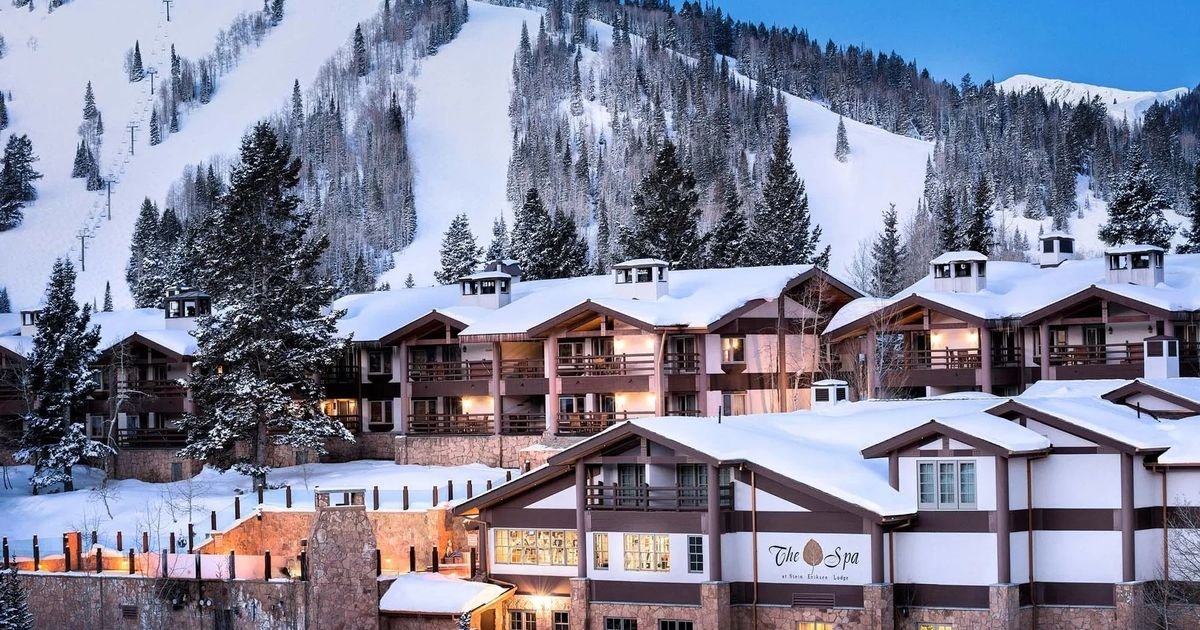
Wineries in Park City
Browse all →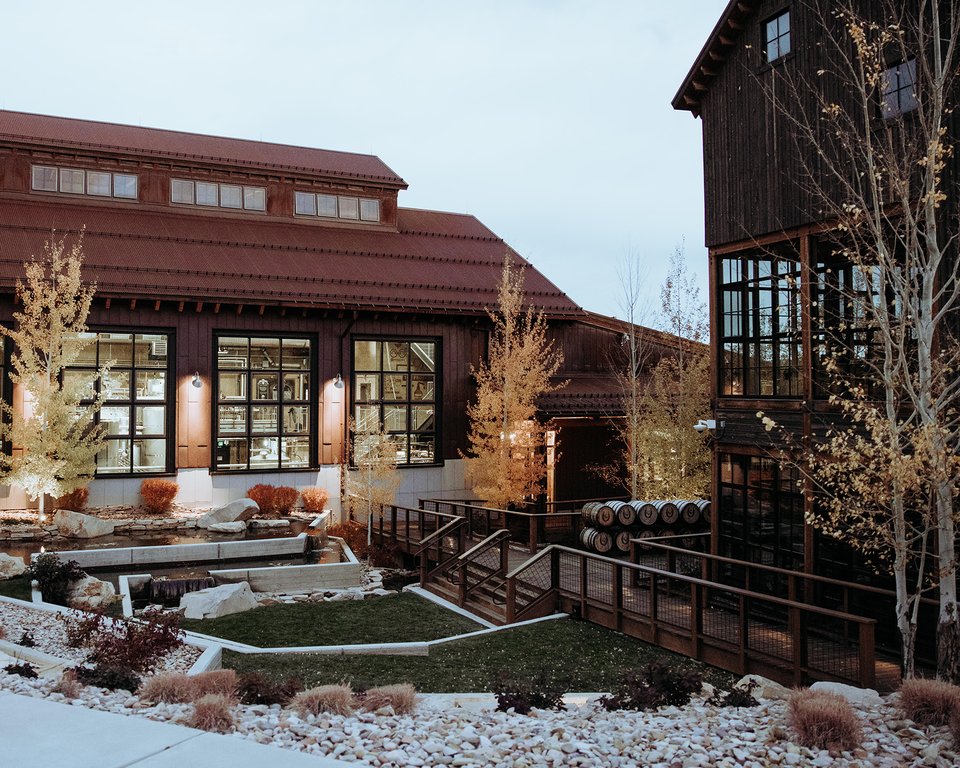
At a Glance
- Elegant
- Romantic
- Scenic
- Sophisticated
- Special Occasion
- Date Night
- Celebration
- Hotel Restaurant
- Open Kitchen
- Extensive Wine List
- Sommelier Led
- Local Sourcing
- Sustainable Seafood
- Mountain
Warm and elegant alpine setting with upscale rustic décor, impeccable service, and picturesque aspen surroundings.