RIME Seafood & Steak


The signature restaurant at The St. Regis Deer Valley, RIME Seafood & Steak places cold-water Atlantic and Pacific sourcing alongside dry-aged land cuts at 7,452 feet elevation. A 10,000-bottle wine collection, a fossil-wall entry, and mountain terrace raw bar position it above Park City's mid-mountain dining tier. Chef Matthew Harris's menu runs from crab cake Benedict at breakfast through lobster pan roast at dinner.
Pearl is the En Primeur Club membership app — saves, bookings, and concierge access live there. Same editors, same standards.
- Address
- 2300 Deer Valley Dr E, Park City, UT 84060
- Phone
- (435) 940-5760
- Website
- srdvdining.com
- Directions
- Get directions
 Saves & bookings on Pearl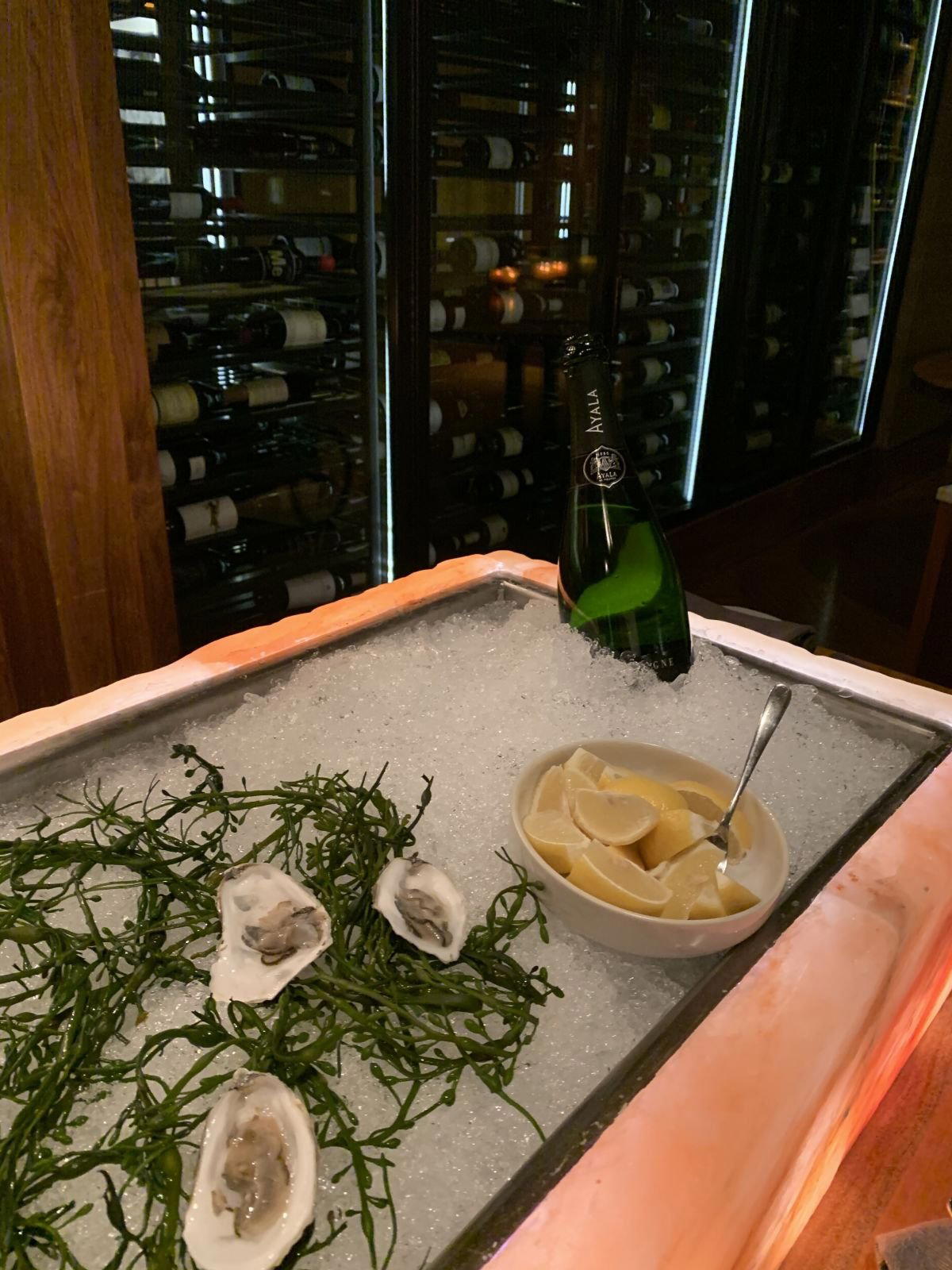
Where the Mountain Meets the Water
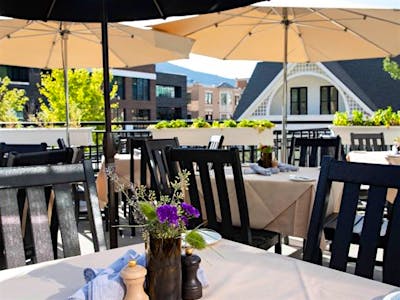
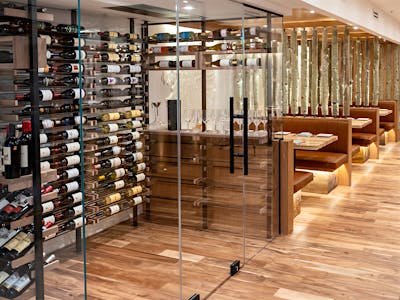
RIME Seafood & Steak is a Park City restaurant at The St. Regis Deer Valley in Park City, Utah, with a $100 per person price point. Oversized windows frame snow-laden aspen groves and the Wasatch ridgeline, and a dual-sided stone fireplace divides the dining room from the morning crowd heading to the lifts. A Fossil Wall greets guests at the entrance, a geological detail that grounds the room in the deep geological history of the region rather than the expected ski-lodge aesthetic. The setting reads as modern rustic without the usual clichés: crescent-shaped light-grey banquettes in the Wine Vault, an exhibition kitchen lined with counter seats, and a terrace that opens to an alfresco raw bar when temperatures allow.
Coastal restaurants from Le Bernardin in New York City to Emeril's in New Orleans build their identity on proximity to water and the supply chains that proximity enables. RIME operates on a different premise: that air freight, cold-chain logistics, and a kitchen disciplined enough to handle highly perishable product can bring Atlantic and Pacific sourcing into the Rockies without compromise. That premise carries real risk, and when it works, it repositions Park City dining in a tier that has little local competition.
The Provenance Argument: Cold Water, High Altitude
Cold-water species, Atlantic oysters and Maine lobster in particular, tolerate transit better than warm-water alternatives and arrive with the briny intensity that makes them worth ordering in the first place. RIME's menu reflects this logic. Roasted oysters are served with sourdough, hot sauce, and fried ham, a preparation that sits between the raw bar tradition of the East Coast and the embellished oyster dishes more common in resort kitchens. Beet-cured salmon crackers with dill, crispy capers, cream cheese, and roe signal a Nordic-influenced curing approach that suits the mountain setting more than a strictly coastal frame.
The lobster pan roast with chorizo, aged sherry, fennel, and saffron draws from the Iberian-Mediterranean tradition of crustacean-based rice and stew dishes, where the lobster's sweetness is offset by fermented and smoked elements. A Maine lobster roll at lunch, dressed with lemon and served alongside Old Bay fries, keeps one foot in the New England source while acknowledging the resort context. These aren't arbitrary menu decisions: they're a coherent argument that lobster from the Gulf of Maine, handled correctly, reads as well at 7,452 feet as it does dockside in Portland.
On the land side, short rib rigatoni bourguignon with local mushrooms and smoked Parmesan points to Park City's proximity to high-elevation producers, where foraged and cultivated fungi are available across the ski season. The Desert Mountain Ranch cheeseburger with truffle mayo and white cheddar, available at lunch, grounds the menu in the regional ranch tradition that runs through Utah and Wyoming.
Breakfast and the Mountain Rhythm
RIME's breakfast menu centres on the grilled avocado toast with optional smoked salmon or egg additions, and a crab cake Benedict that places the kitchen's seafood sourcing commitment at the start of the day rather than reserving it for dinner service. This matters because it sets expectations: guests eating at the counter before a ski day are already encountering the same sourcing standards as the evening menu.
This two-speed approach keeps RIME accessible across the day without softening the evening experience.
The Wine Vault and the Raw Bar Terrace
The wine program includes a 10,000-bottle collection. Wine storage at altitude requires careful humidity and temperature management, and a collection of this depth signals investment beyond the usual hotel-restaurant formula. Dinner in the Wine Vault, seated in the crescent banquettes and selecting from the full list, offers a different experience from the main dining room, and one that rewards guests who ask for it specifically.
The Mountain Terrace raw bar operates on a weather-dependent seasonal basis, offering caviar service and à la carte raw bar selections alongside the alfresco setting and the Fire Garden. This format, caviar and raw shellfish outdoors after a ski afternoon, places RIME in a specific après-ski tier that is rare outside of Alpine Europe. Park City's comparable après-ski options, including the St. Regis Bar & Lounge downstairs with its mining-history murals and the signature 7452 Bloody Mary, operate at a different register. The raw bar terrace is the more serious food offering within the same property.
RIME in the Park City Dining Context
Park City's dining tier has broadened in recent years. Yuta holds the American steakhouse position; Glitretind Restaurant at Stein Eriksen Lodge defines the mountain-American fine dining category; High West Distillery & Saloon anchors the gastropub and spirits end of the market; Powder and Riverhorse Cafe each occupy the American bistro register in the Old Town corridor. RIME sits in a different category from all of them: a dual-concept seafood-and-steak format inside a St. Regis property, with a price point and wine program calibrated to hotel guests and serious food visitors rather than the après-ski crowd moving between Main Street bars.
For context on how serious destination restaurants at comparable properties are positioned nationally, the comparison set runs toward places like Single Thread Farm in Healdsburg, The French Laundry in Napa, or Lazy Bear in San Francisco, all operating within premium hospitality contexts where sourcing and format are as much the identity as the individual dishes. RIME is not in that tier by tasting-menu metrics, but it shares the underlying premise: that where ingredients come from shapes what the food means. That argument, made consistently from breakfast through dinner in a mountain resort, is harder to sustain than it sounds. When the kitchen delivers on it, RIME provides the strongest seafood case in Park City.
Planning Your Visit
RIME Seafood & Steak is located at 2300 Deer Valley Drive East, inside The St. Regis Deer Valley at the base of Deer Valley Resort. The restaurant serves breakfast, lunch, and dinner daily. Exhibition kitchen counter seats are one instructive position for watching service, and the Wine Vault is the right request for a dinner centred on the wine list. The Mountain Terrace raw bar operates seasonally when conditions allow, so confirming availability before an après-ski visit is worth doing.
A Tight Comparison
Comparable venues nearby, for context on price, style, and recognition.
| Venue | Cuisine | Price | Notes |
|---|---|---|---|
| RIME Seafood & SteakThis venue — the venue you are viewing | Deer Valley, Seafood & Steak | $$$$ | Not listed |
| Seafood Dining | Deer Valley, Seafood Dining with Grill | $$$$ | Not listed |
| Powder | Canyons Village, Contemporary American | $$$$ | Not listed |
| Tupelo Park City | Not listed | $$$ | Off Main, Southern-Influenced Farm-to-Table American |
| Bangkok Thai on Main | Main Street, Authentic Thai | $$$ | Not listed |
| High West Distillery & Saloon | Not listed | $$$ | Old Town Park City, Nouveau Western Gastropub |
Recognition history
Dated appearances from independent guides and award organizations, with the underlying list record or original source where available.
Forbes 4-Star
Forbes
Wine Spectator Best of Award of Excellence
Wine Spectator
Forbes 4-Star
Forbes
Continue exploring
More in Park City
Restaurants in Park City
Browse all →
Bars in Park City
Browse all →
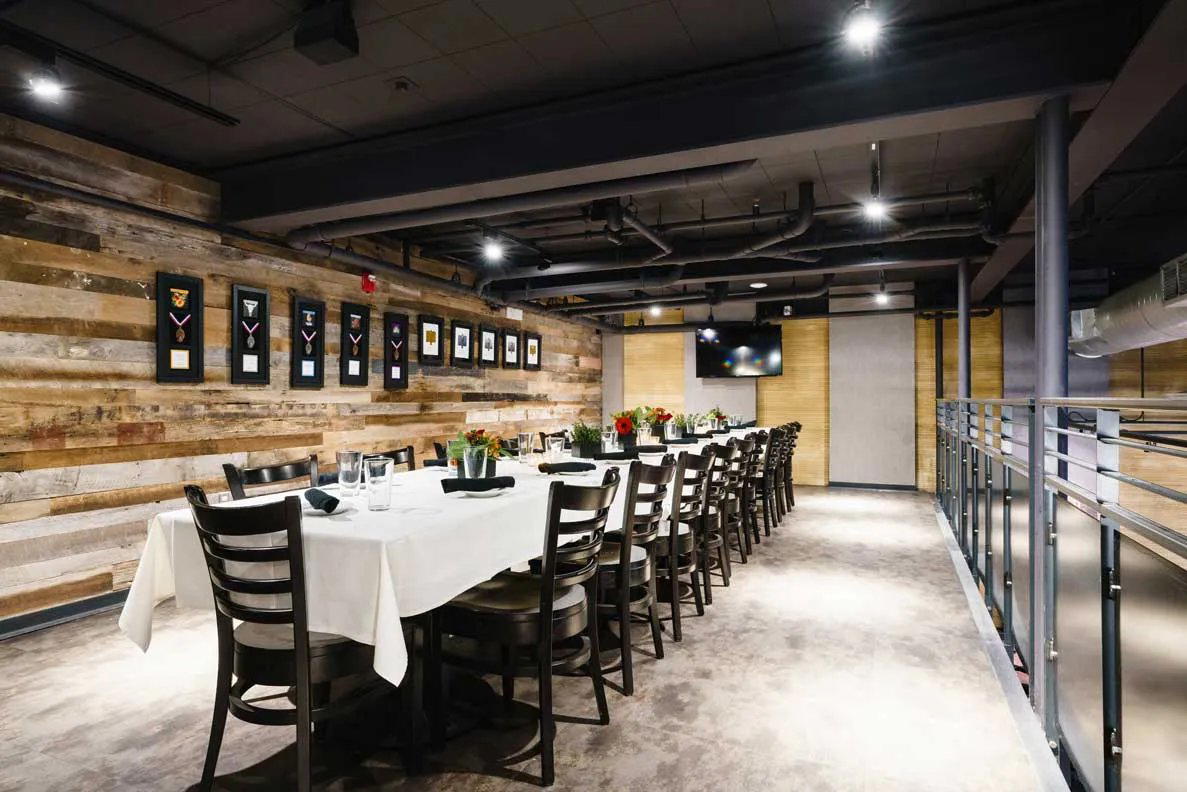
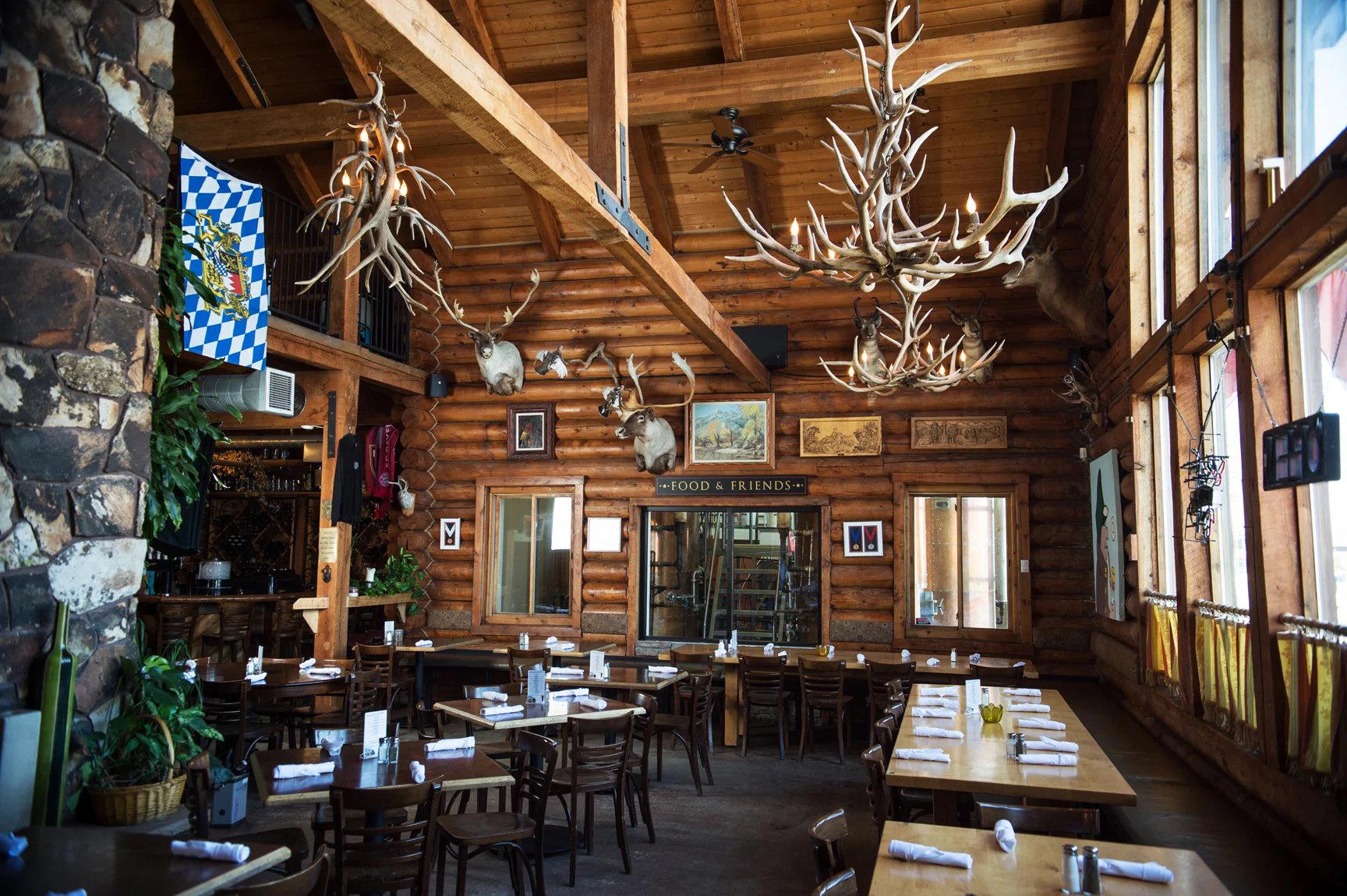
Hotels in Park City
Browse all →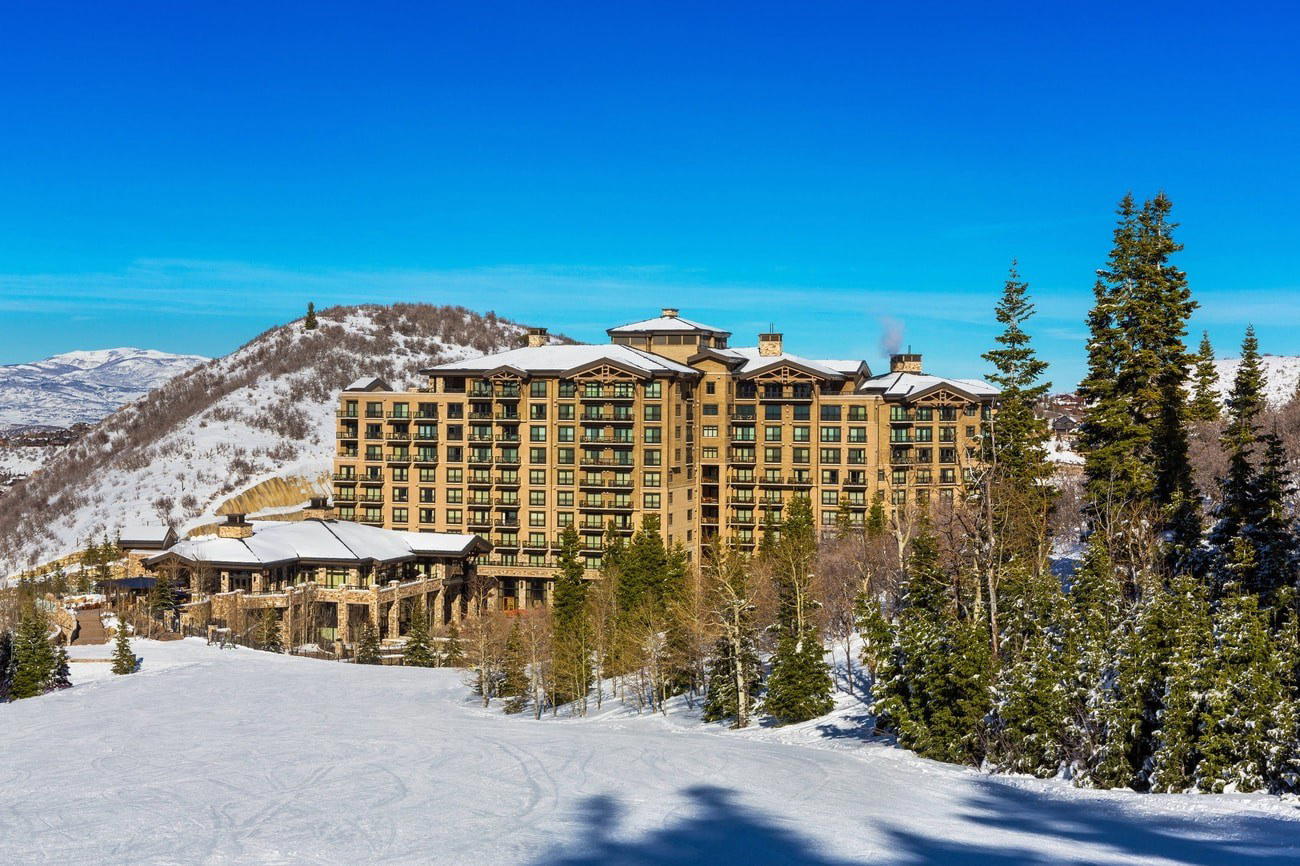

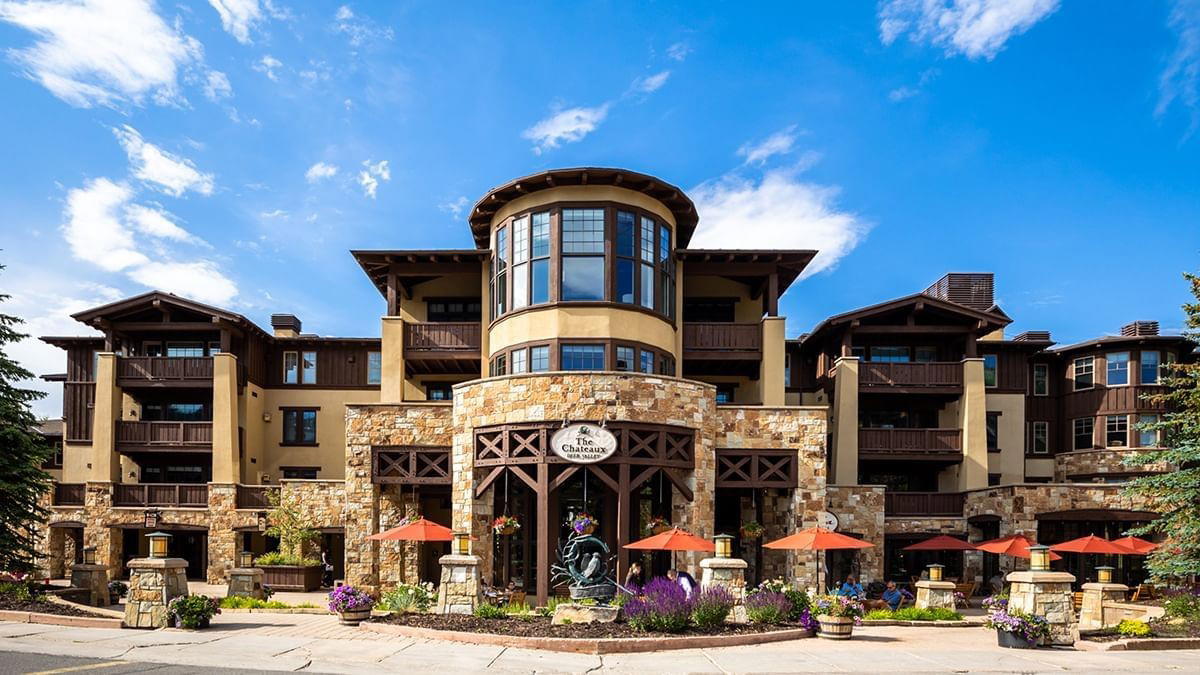
Wineries in Park City
Browse all →
At a Glance
- Elegant
- Sophisticated
- Modern
- Rustic
- Date Night
- Special Occasion
- Celebration
- Open Kitchen
- Hotel Restaurant
- Private Dining
- Extensive Wine List
- Sustainable Seafood
- Local Sourcing
- Mountain
Current opening hours
- Monday
- 7–11 AM, 5:30–9 PM
- Tuesday
- 7–11 AM, 5:30–9 PM
- Wednesday
- 7–11 AM, 5:30–9 PM
- Thursday
- 7–11 AM, 5:30–9 PM
- Friday
- 7–11 AM, 5:30–9 PM
- Saturday
- 7–11 AM, 5:30–9 PM
- Sunday
- 7–11 AM, 5:30–9 PM
Hours can change for holidays and private events. Last verified .
Modern rustic setting with dramatic floor-to-ceiling windows, lively open-air kitchen, double-sided fireplace, and cozy table seating; indoor area can be loud lacking intimacy per some reviews.