
Yuan sits on Dadun 12th Street in Taichung's West District, drawing on Taiwan's banquet heritage through a compact, single-menu format with three main course options. The chef-owner spent formative years in Japan before opening in 2013, and the 2024 move brought a gracefully decorated dining room where house-grown herbs and edible flowers frame reinterpreted classics like eel rolls with salted egg yolk and ham.
Pearl is the En Primeur Club membership app — saves, bookings, and concierge access live there. Same editors, same standards.
- Address
- 35 Dadun 12th Street, West District
- Phone
- +886 966 667 067
- Website
- yuanrestaurant.weebly.com
- Directions
- Get directions
 Saves & bookings on Pearl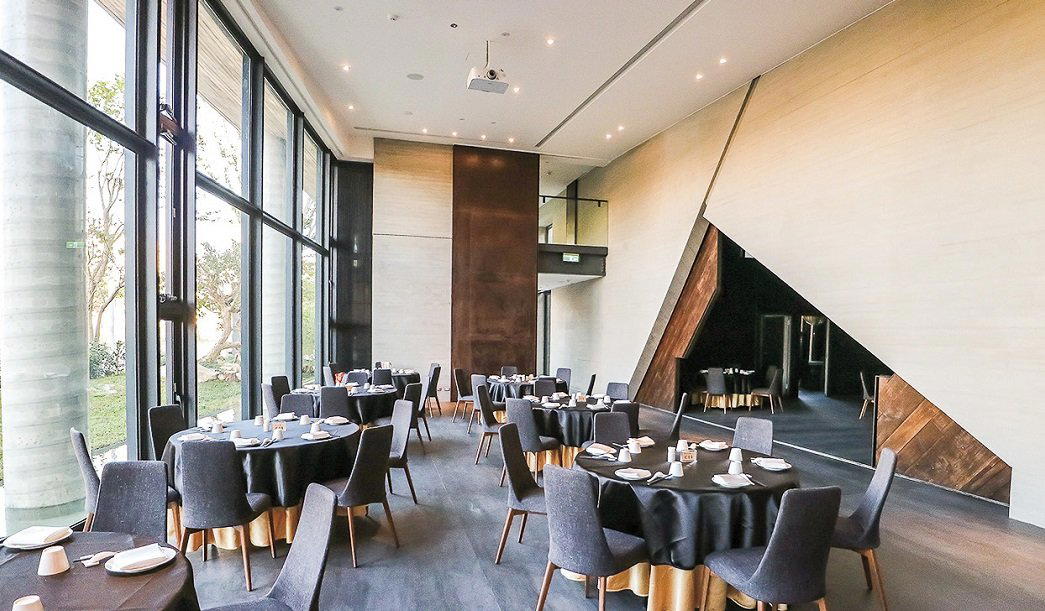
West District, Taichung: Where Neighbourhood Texture Meets Considered Dining
Taichung's West District occupies a particular position in the city's dining geography. Quieter than the commercial density of the Zhongqu or the flash of Xitun's hotel corridors, it draws a mix of design studios, independent cafes, and the kind of mid-scale residential streets that tend to attract serious, owner-operated restaurants rather than franchise outposts. A dining room on Dadun 12th Street operates in this register: close enough to central Taichung to be convenient, far enough from the tourist circuit to suggest a kitchen cooking primarily for locals and returning visitors.
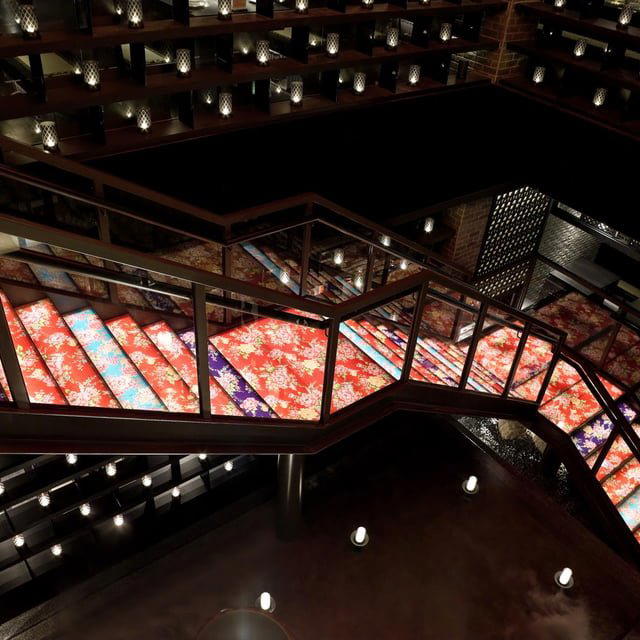
Yuan sits in this context. Since its 2013 opening, the restaurant has cultivated a following built around a format that runs counter to the sprawling à la carte menus typical of Taiwanese banquet-adjacent dining. The 2024 move to its current address brought a compact room with floral arrangements that are decorative but restrained, consistent with an operation that applies similar discipline to its food.
Taiwan's Banquet Tradition, Reformatted
Taiwanese banquet cooking is a specific culinary inheritance. The format, rooted in ceremonial feasting traditions that stretch from Hokkien and Hakka immigration patterns through Japanese colonial influence and mid-century mainland Chinese arrivals, produced a canon of dishes with a particular logic: richness layered through braising, preserved ingredients, and preparations that hold well for large tables and long evenings. Eel rolls with salted egg yolk and ham are a textbook banquet-register dish, one that requires technique but has historically been assessed on execution fidelity rather than invention.
What Yuan does with this tradition is worth noting for what it does and does not change. The banquet classics appear, but the kitchen applies a fresh spin, with house-grown herbs and edible flowers entering the plating. This is not reinvention for its own sake. The approach places Yuan in a broader category of Taiwanese restaurants that treat the culinary archive as a living reference rather than a museum. Across Taiwan, kitchens from Sur- in Taichung to Zhu Xin Ju in Tainan have been working through this same question: how much of the source material to preserve, and where to introduce a contemporary register without losing the point of the original.
The chef-owner's formative period in Japan is relevant here. Japanese fine dining training instils a particular sensitivity to plating geometry, ingredient provenance, and the idea that cultivated ingredients (in this case, herbs and flowers grown in-house) are not decorative additions but active components of a dish's logic. That framework applies directly to what the kitchen is attempting with Taiwan's banquet canon.
The Single-Menu Format and What It Signals
Yuan operates on a single menu with three main course options. This is a meaningful structural choice. In Taichung's fine dining tier, restaurants like JL Studio operate at the prestige end of the fixed-format spectrum, where omakase or tasting menu logic removes choice almost entirely. Yuan's format sits between that and full à la carte: a defined frame with a small degree of personalisation at the main course. The effect is that the kitchen controls the sequence and the story of the meal while giving the diner one meaningful decision.
This format also has practical implications for the room's scale. A compact dining space with a set menu structure can run with more precision than a large restaurant managing hundreds of individual orders. The floral arrangements in the current space reinforce this: they signal curation over capacity, a dining room where the details have been considered rather than filled by default.
Within Taichung's broader dining scene, this positions Yuan differently from L'Atelier par Yao (French Contemporary), MINIMAL, and Oretachi No Nikuya. Yuan's specific angle, a Taiwanese culinary history lens applied through Japanese-trained technique and a structured menu, occupies a niche that does not map directly onto any of those alternatives.
Taichung in a Wider Taiwanese Context
Taichung has spent the past decade building a fine dining tier that competes with Taipei's without simply replicating it. Logy in Taipei and GEN in Kaohsiung represent the kind of recognition-tier restaurants that anchor their respective cities' reputations internationally. Taichung's version of that conversation includes JL Studio at the high end, alongside smaller operations that work in more specific registers. Yuan belongs to the latter group, focused on a single culinary argument rather than broad prestige positioning.
Diners travelling across Taiwan who have visited Akame in Wutai Township for its indigenous Taiwanese focus or Volando Urai Spring Spa and Resort in Wulai District will find Yuan working in a complementary register: local culinary identity rendered through a trained, disciplined kitchen rather than a broad international idiom. The reference points are different, but the underlying ambition, to make Taiwanese culinary history legible and compelling on the plate, is shared.
Planning a Visit
Yuan is located at 35 Dadun 12th Street in Taichung's West District. The restaurant opened in 2013 and relocated to this address in 2024. Given the compact dining room format and structured menu, the kitchen operates at limited capacity by design, which means advance booking is advisable. Phone and online booking details are not listed publicly, so prospective diners should check current reservation options directly. Yuan sits in the considered mid-to-upper range of Taichung's independent dining scene.
A Tight Comparison
Comparable venues nearby, for context on price, style, and recognition.
| Venue | Cuisine | Price | Notes |
|---|---|---|---|
| YuanThis venue — the venue you are viewing | Not listed | $$$ | Not listed |
| Moment in Beijing | Shengping, Northern Chinese Classics | $$ | Not listed |
| VARMT (West) | Zhongxing, Modern Sichuan Noodles | $$ | Not listed |
| huist | Shuanglong, Modern Taiwanese Fine Dining | $$$ | Not listed |
| Ming Juan Lou | Not listed | $$$ | Zhongxing, Contemporary Cantonese with Taiwanese Terroir |
| Gubami | Not listed | $$$ | West District, Gourmet Taiwanese Beef Noodle |
Recognition history
Dated appearances from independent guides and award organizations, with the underlying list record or original source where available.
Michelin Plate
Michelin
At a Glance
- Intimate
- Cozy
- Elegant
- Modern
- Date Night
- Special Occasion
- Garden
- Private Dining
- Farm To Table
- Local Sourcing
- Organic
Current opening hours
- Monday
- Closed
- Tuesday
- 6:30–10 PM
- Wednesday
- 6:30–10 PM
- Thursday
- 6:30–10 PM
- Friday
- 6:30–10 PM
- Saturday
- 12–2:30 PM, 6:30–10 PM
- Sunday
- Closed
Hours can change for holidays and private events. Last verified .
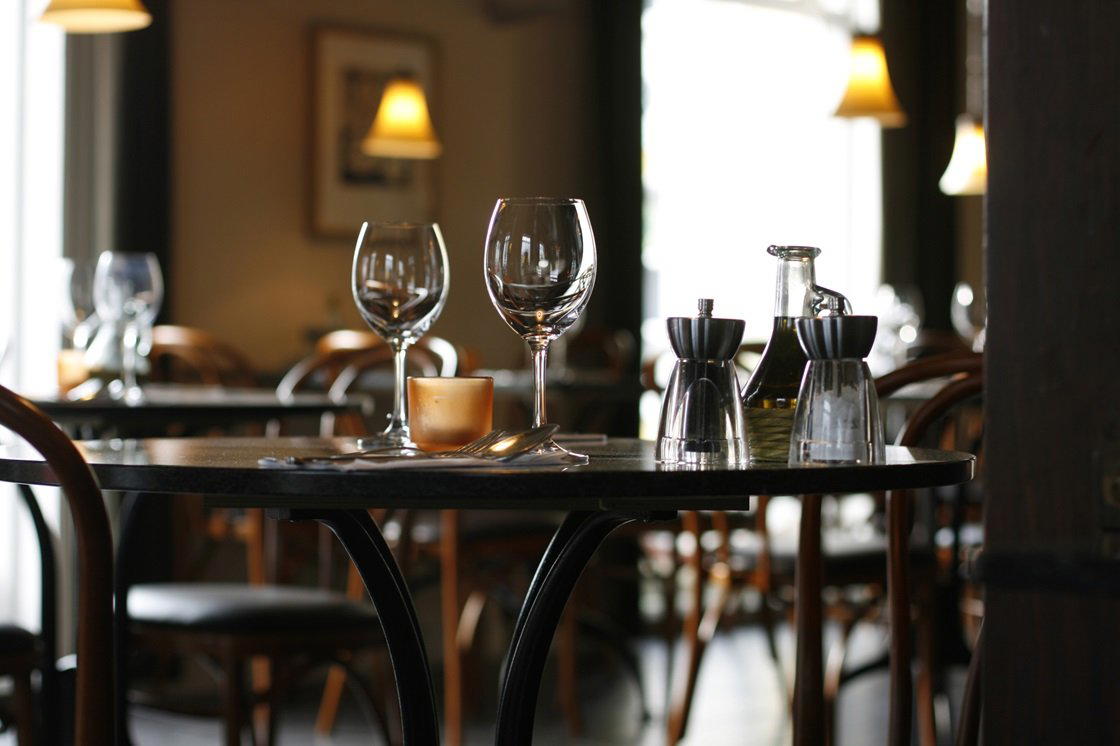
Cozy and sun-drenched space adorned with lively floral arrangements, creating a warm and intimate dining environment.