
Tabelog 100 #85
Our verdict
Yoshoku Wine Fritz sits in Koishikawa’s quieter dining orbit, where Tokyo’s Japanese-style Western cooking feels less like nostalgia and more like a disciplined regulars’ habit. The draw is a compact 14-seat room, wine-minded yoshoku, Tabelog 100 Yoshoku selections in 2022, 2023, and 2025, and pricing that keeps it grounded beside the city’s louder destination counters.

Pearl is the En Primeur Club membership app, where members save venues, book tables and use the concierge.
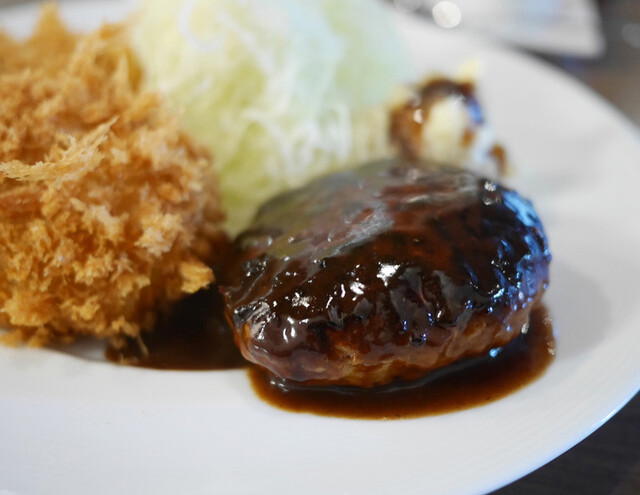
Tokyo changes the tempo before the meal begins. In the city’s quieter restaurant mood, there is less station-front glare, fewer performance cues, and more compact-feeling dining rooms where the rhythm can matter as much as the menu. Yoshoku has a natural home here: Western cooking filtered through Japanese kitchens, in serious versions rather than retro costume. Repetition, sauce work, frying technique, rice, vegetables, fish, and comfort earn loyalty without ceremony.
Yoshoku Wine Fritz belongs to a distinct Tokyo category: a yoshoku restaurant with enough recognition to matter and enough restraint to avoid spectacle. Its selection for the Tabelog Hyakumeiten yoshoku list in 2025 places it in a field where consistency outweighs novelty. A Tabelog score of 3.74 is not a Michelin-style declaration, but in this genre it signals durable approval from diners returning for execution rather than theatre.
Tokyo yoshoku for diners who already know the genre
Tokyo’s yoshoku culture splits two ways. One side is lunch-counter democratic: curry rice, omurice, cutlets, and sauces served quickly with little explanation. The other tightens the format into restaurants where familiar cooking behaves more like a composed meal. Yoshoku Wine Fritz works in the second lane, closer to a Tokyo appointment than a grand tasting-menu occasion.
That positioning matters. In a city where premium dining often means counter ritual, omakase timing, or multilingual luxury service, a yoshoku restaurant asks for a different reading. Diners value the unwritten parts: how the kitchen handles the fundamentals, how the meal is paced, and how familiar food can feel composed without becoming formal. The listed category, yoshoku, gives the place a clearer register than the fried-cutlet shorthand often attached to the genre.
The restaurant’s category position is best understood through the cooking rather than biography. Tokyo diners need to know whether the room belongs with casual nostalgia shops or disciplined yoshoku specialists. Yoshoku Wine Fritz reads as the latter: a restaurant where Japanese-style Western cuisine is treated with care, steadiness, and enough polish to justify its recognition.
Compared with citywide peers, the restaurant occupies a useful middle tier. Watabe represents a single-specialty Tokyo tradition through unagi. Centre Bakery turns a bakery-café format into a destination built around bread and daytime habits. Sicilia Ya and Avranches Guesnay point to other ways Tokyo diners use familiar formats at different moments. Yoshoku Wine Fritz differs by treating Japanese-style Western cooking as a full restaurant language rather than only a quick comfort stop.
The regulars' logic: modest prices, serious repetition
Regulars return to yoshoku for reliability, not sameness. The genre rewards kitchens that repeat a sauce, hold texture, and make modest ingredients feel deliberate. That makes the price band part of the story. Listed lunch pricing is JPY 2,000 to JPY 2,999, with dinner at JPY 3,000 to JPY 3,999. For Tokyo, the range sits well below high-ceremony counters while still above casual lunch-room territory.
The restaurant’s format is just as important. Yoshoku has always been hybrid, and a restaurant setting changes how the meal reads. It nudges the cooking away from quick nostalgia and toward pacing: smaller decisions around texture, sauces, and balance become part of the draw. The result is not foreign dining under another name, but a Tokyo format in which Western references have been absorbed, softened, and made local.
The Tokyo location reinforces that reading. It lacks the need for global restaurant shorthand, which helps the room. The city is full of habitual dining, and Yoshoku Wine Fritz is better suited to a restaurant that rewards repeat use than to one built only for a checklist. For visitors building a Tokyo food itinerary, this is not the obvious first booking after sushi or tempura. It makes sense once the city’s dining hierarchy starts to look too narrow.
Public details support a straightforward reading of the restaurant rather than a grand one. The appeal is not spectacle, but the balance between modesty and seriousness. Tokyo has many acclaimed restaurants that demand behavioural precision. Here, the form is more flexible while remaining serious about the food.
How to place it inside a Tokyo itinerary
For a Tokyo dining plan, Yoshoku Wine Fritz is strongest as a counterweight to more codified meals. Pair it with sushi, yakitori, tempura, or kaiseki elsewhere in the trip and it fills another gap: the city’s long habit of absorbing foreign food forms and making them domestic. Yoshoku deserves attention from travellers who understand Tokyo beyond trophy reservations. It shows how the city eats on return visits, not only how it performs for international rankings.
Those mapping the wider city can place it alongside other Tokyo formats rather than treating it as isolated. For seafood, grill, skewers, café culture, curry, and other Tokyo dining rooms, keep the comparison broad rather than forcing it into a single genre. Broader planning sits in Our full Tokyo restaurants guide, Our full Tokyo hotels guide, Our full Tokyo bars guide, Our full Tokyo wineries guide, and Our full Tokyo experiences guide.
For readers comparing Japanese comfort formats beyond central Tokyo, the wider network includes unnamed dining rooms across Japan and abroad where Japanese drinking and comfort-food cues travel in different directions. The Tokyo original is more precise: a Tokyo restaurant where yoshoku remains local, repeatable, and quietly serious.
Frequently asked questions
Where do I go for Yoshoku Wine Fritz?
Tokyo.
What does dinner at Yoshoku Wine Fritz typically cost?
Pricing at Yoshoku Wine Fritz is listed as dinner JPY 3,000 - JPY 3,999 and lunch JPY 2,000 - JPY 2,999.
Do they take walk-ins at Yoshoku Wine Fritz?
For current availability, calling +81-3-3830-0235 before heading over is the sensible move.
What is Yoshoku Wine Fritz known for?
Yoshoku Wine Fritz is known for yoshoku, Japanese-style Western cuisine, in Tokyo, with Tabelog Hyakumeiten recognition in 2025 and a listed score of 3.74.
A Pricing-First Comparison
Comparable options at the same price tier.
| Venue | Cuisine | Price | Awards | Notes |
|---|---|---|---|---|
| Yoshoku Wine FritzThis venue (the venue you are viewing) | Yoshoku & wine (Japanese-style Western cuisine) | Not listed | Tabelog 100 #85 | Not listed |
| Nakiryu | Michelin-Starred Tantanmen Ramen | $10–20 | Michelin Bib Gourmand · Tabelog 100 #92 | Toshima, Michelin-Starred Tantanmen Ramen |
| Yakiniku Hiromiya Shin honten | Yakiniku (Japanese BBQ) Omakase | $50–100 | Tabelog 100 #62 | Shinjuku, Yakiniku (Japanese BBQ) Omakase |
| Ginza Hachigo | Modern French-inspired Ramen | $10–20 | Michelin Bib Gourmand · Tabelog 100 #74 | Chūō, Modern French-inspired Ramen |
| Fujiya Honten Nihonbashi hamacho | Modern Izakaya with French Influence | $30–50 | Tabelog 100 #11 | Chūō, Modern Izakaya with French Influence |
| Chosei An | Tsukiji soba-ya izakaya with seafood donburi | $20–30 | Tabelog 100 #49 | Chūō, Tsukiji soba-ya izakaya with seafood donburi |
Recognition history
Dated appearances from independent guides and award organizations, with the underlying list record or original source where available.
Tabelog 100 #85 · No. 85
Tabelog · Tabelog 100 - Yoshoku - EAST - 2025
Continue exploring
More in Tokyo
Restaurants in Tokyo
All restaurants in Tokyo →



Bars in Tokyo
All bars in Tokyo →



Details
- Cozy
- Classic
- Intimate
- Date Night
- Casual Hangout
- Solo
- After Work
- Standalone
- Extensive Wine List
- A La Carte
- Wine
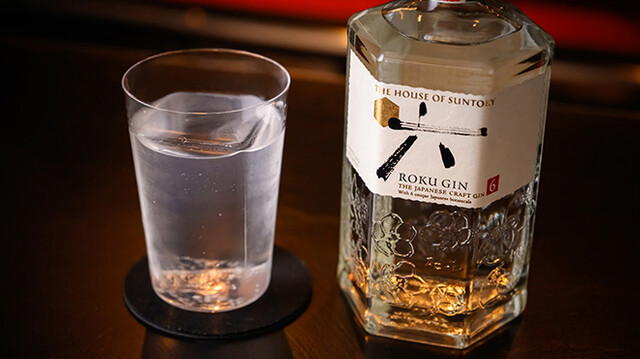
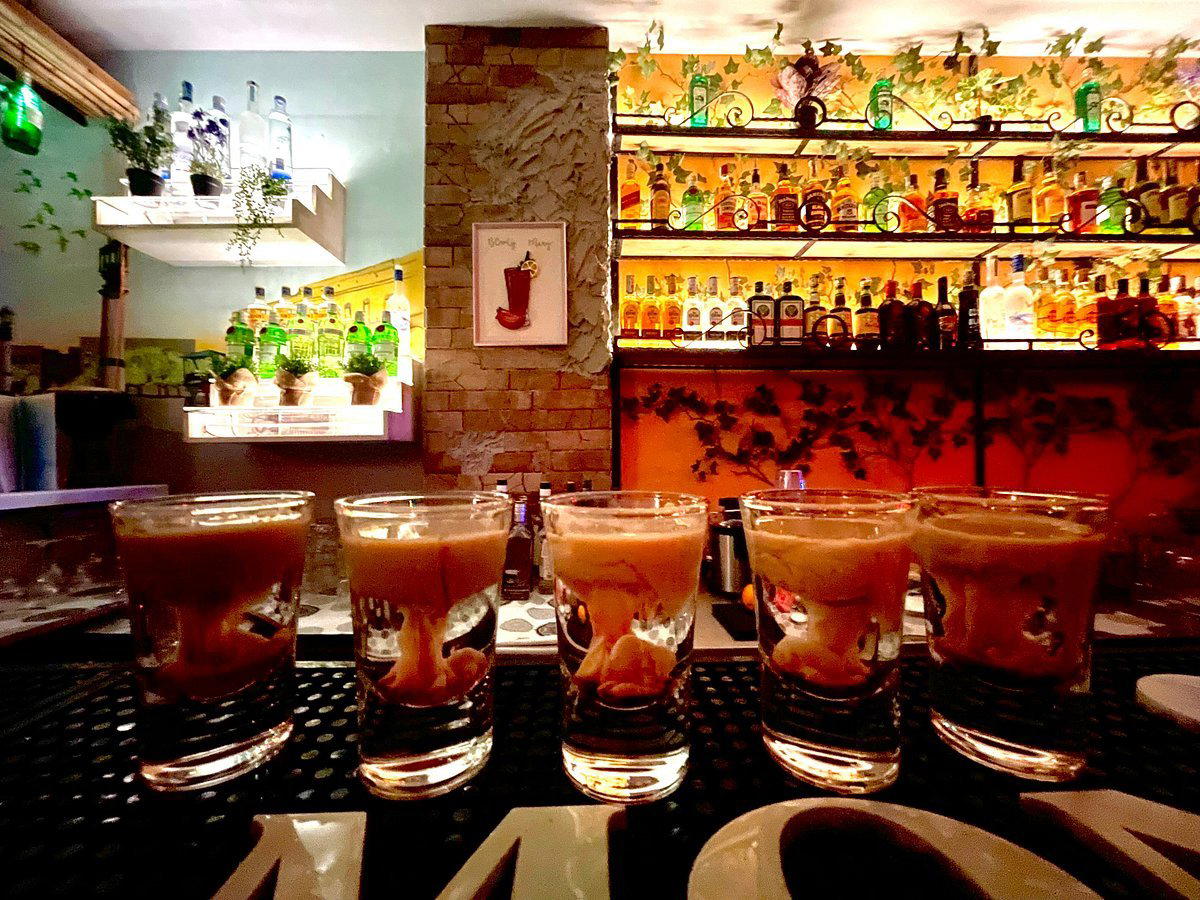
Small, relaxed neighborhood spot with a classic yoshoku feel, intimate seating, and a wine bar atmosphere suited to quiet, conversational meals rather than loud gatherings.