Yoshoku to Wine no Omise Tsukushien

Tabelog 100 #43
Our verdict
Yoshoku to Wine no Omise Tsukushien is a yoshoku and kissa address with a wine emphasis, selected for Tabelog 100 - Yoshoku - WEST - 2025. Its appeal sits in a familiar Japanese dining ritual: Western-derived dishes treated as everyday comfort rather than ceremony, with lunch priced below dinner and a room built for counter and table dining.

Pearl is the En Primeur Club membership app, where members save venues, book tables and use the concierge.
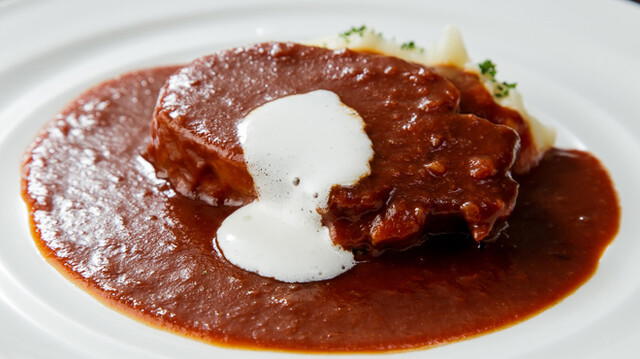
The first cue is habit, not formality: a Japanese Western-style dining room where the meal has rhythm before the menu opens. Yoshoku works because it feels both imported and domesticated, a cuisine of sauces, rice plates and coffee-shop cadence absorbed into daily life over generations. At Yoshoku to Wine no Omise Tsukushien, that tradition is framed through a format that points toward wine rather than the quick turnover of many casual rooms.
That distinction matters in western Japan, where yoshoku ranges from inexpensive everyday plates to slower, dinner-appropriate restaurants treating the category with unusual seriousness. This Takamatsu venue belongs in the latter conversation. Its selection for Tabelog 100 - Yoshoku - WEST - 2025 gives it a credential in a category that rarely travels well in English-language dining coverage, though it is central to how Japan eats outside washoku.
Yoshoku as ritual, not nostalgia
Yoshoku is often misread as retro comfort food. The stronger reading is technical: Japan’s long negotiation with Western sauces, frying, stewing, dairy, breading and café culture, filtered through rice, portioning and everyday service. The ritual is less spectacle than pacing. Lunch usually favors efficiency and a narrower spend; dinner can let the room behave more like a restaurant built around a full evening.
Tsukushien’s signals show that split. The price band runs from JPY 2,000 - JPY 2,999 at lunch to JPY 5,000 - JPY 5,999 at dinner, placing the evening closer to a composed restaurant meal than a casual coffee-shop stop. For travelers comparing yoshoku with udon, ramen or okonomiyaki, where value often rests on speed and repetition, the category asks for a slower read.
The wine emphasis changes etiquette. In a standard yoshoku room, the plate often leads and the drink follows. In a wine-focused setting, sauces, frying and richer Western-style preparations carry more weight because they can support a glass rather than simply accompany rice. No single dish needs mythologizing: the format tells diners to treat yoshoku as evening cuisine, not only lunchtime convenience.
That makes the restaurant useful in a wider Kagawa or Setouchi itinerary. Takamatsu travel rightly defaults to Sanuki udon; the city’s food identity is inseparable from wheat, broth and self-serve counters. Yoshoku occupies a different tempo: seated, sauce-led and more compatible with wine than a morning noodle crawl.
A WEST 2025 selection with everyday bones
The Tabelog 100 - Yoshoku - WEST - 2025 selection is the key trust signal, but read it with category literacy. This is not Michelin tasting-menu or chef-counter omakase grammar. Tabelog’s Hyakumeiten lists tend to reward durable category specialists, and yoshoku is a field where regulars, family meals and repeatable craft carry weight. A score of 3.53 places the restaurant in a competitive user-review environment where small differences matter, especially outside international fine-dining circuits.
The room supports that middle ground in spirit: practical enough for everyday use, but with the pricing and wine cue to make pacing matter. Its listed categories, Yoshoku and Kissa, help explain the overlap between Japanese Western-style cooking and coffee-shop culture without reducing the restaurant to a quick café stop. The appeal is less about spectacle than about category confidence.
In the provided comparison set, Yoshoku Musha Musha in Takamatsu gives another way to think about the same broad genre, while Yakitori Ryu moves the itinerary into a different grilled format. Those contrasts define the lane: not budget-only yoshoku, not luxury counter dining, but a wine-capable version of the genre with enough structure to plan around.
For a broader regional edit, pair this meal with contrasting formats, not similar ones. Takamatsu has enough casual dining to build a day around speed, repetition and local habit, then shift into a slower dinner here. The point is not to force every meal into the same category, but to let Yoshoku to Wine no Omise Tsukushien show another register of the city’s dining culture.
How to fit it into a serious Japan itinerary
The strongest use case is as a corrective to the idea that Japanese dining excellence begins and ends with sushi, kaiseki and ramen. Yoshoku is a separate literacy, rewarding attention to sauce, texture, service rhythm and the naturalization of Western forms inside Japanese restaurant culture. A wine-forward yoshoku room sharpens that literacy by asking the diner to slow down and treat familiar-looking dishes as part of a developed cuisine.
That makes Tsukushien relevant beyond one meal. Travelers can read it against other specialist formats in Takamatsu, from ramen at Men Sho Kuukai to pastry at Patissier Eiji Nitta and the focused dining of Akash. The value of the comparison is not similarity; it is learning how different Japanese restaurant categories set their own pace, expectations and forms of comfort.
The practical decision is simple: choose this for a seated yoshoku meal with wine in mind, not a fast regional checklist stop. It suits diners who want category depth after noodle counters and grill rooms, and those preferring a shared dining room over a hushed counter. For trip planning beyond the table, use the meal as one anchor in a wider Takamatsu route, with other dining in the city filling in the faster, more casual parts of the day.
Frequently asked questions
What part of town is Yoshoku to Wine no Omise Tsukushien in?
Takamatsu.
What does dinner at Yoshoku to Wine no Omise Tsukushien typically cost?
Pricing at Yoshoku to Wine no Omise Tsukushien is listed as Dinner: JPY 5,000 - JPY 5,999; Lunch: JPY 2,000 - JPY 2,999.
What time does Yoshoku to Wine no Omise Tsukushien open and close?
Published hours are not provided here. Check the venue's official channels for the latest details.
What makes Yoshoku to Wine no Omise Tsukushien worth seeking out?
Its strongest credential is the Tabelog 100 Yoshoku WEST 2025 selection, which places it in a selective category rather than a casual neighborhood list. The menu sits in the JPY 2,000–2,999 lunch range and JPY 5,000–5,999 at dinner, with a listed Tabelog score of 3.53.
Is Yoshoku to Wine no Omise Tsukushien allergy-friendly?
Those details are not published here. Guests with allergies should use the listed phone number, +81-798-65-3366, and discuss ingredients before ordering. Check the venue's official channels for the latest details.
Is Yoshoku to Wine no Omise Tsukushien child-friendly?
Child-friendly details are not published here. Guests planning a family meal should check the venue's official channels for the latest details.
Cuisine and Awards Snapshot
Side-by-side context: comparable cuisine and price.
| Venue | Cuisine | Price | Awards | Notes |
|---|---|---|---|---|
| Yoshoku to Wine no Omise TsukushienThis venue (the venue you are viewing) | Yoshoku (Japanese‑style Western) & Wine | $20–30 | Tabelog 100 #43 | Not listed |
| Teuchi Udon Santoku | Sanuki hand-made udon | $1–10 | Tabelog 100 #94 | Takamatsu |
| Sushi Nakagawa | Traditional Sushi Omakase | $200–300 | Tabelog 100 #38 | Takamatsu |
| Udon Sakaeda | Sanuki Udon | $1–10 | Tabelog 100 #42 | Takamatsu |
| 創作とんかつ ケ晴レ | 創作とんかつ | Not listed | Not listed | 高松駅周辺 |
| Teuchi Menya Oshima | Self-service Sanuki udon & soba shop | $1–10 | Tabelog 100 #27 | Takamatsu |
Recognition history
Dated appearances from independent guides and award organizations, with the underlying list record or original source where available.
Tabelog 100 #43 · No. 43
Tabelog · Tabelog 100 - Yoshoku - WEST - 2025
Continue exploring
More in Nishinomiya
Restaurants in Nishinomiya
All restaurants in Nishinomiya →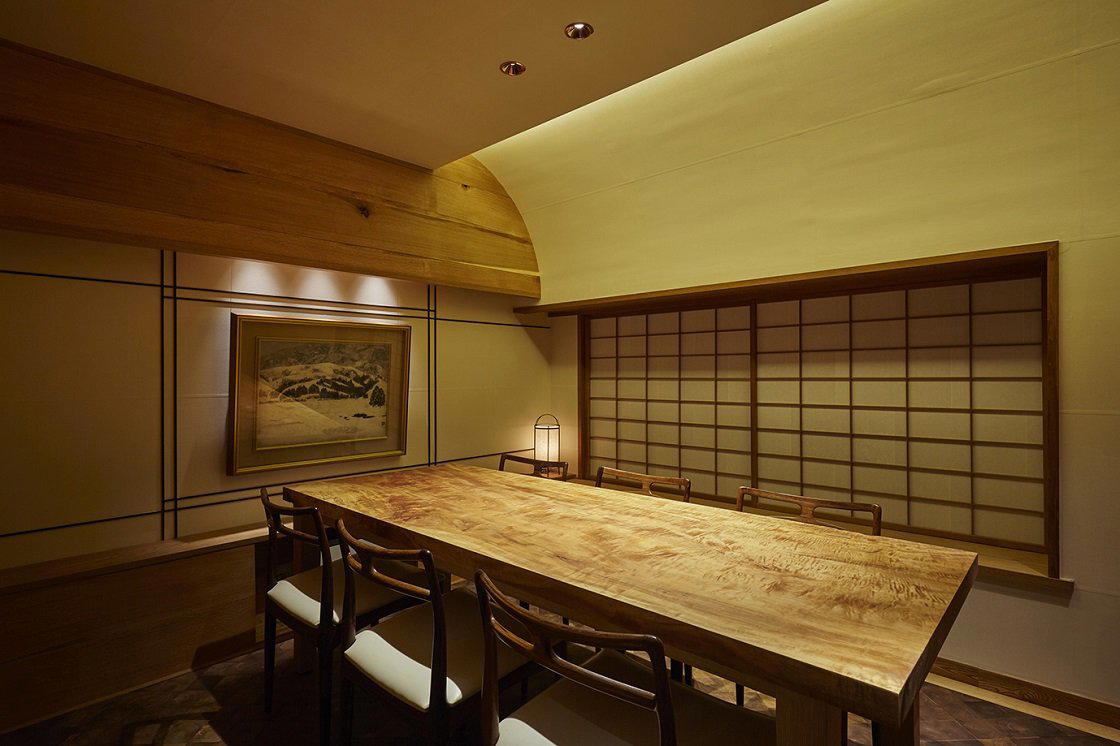




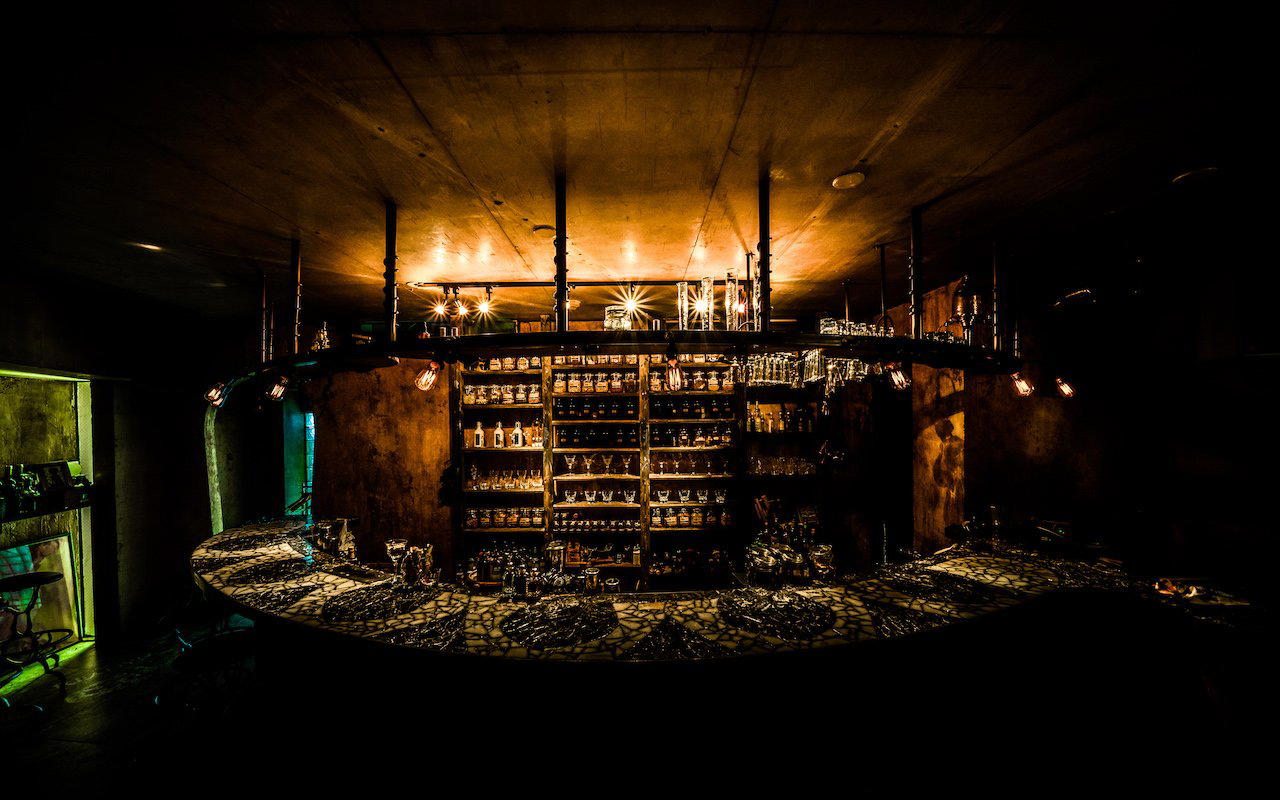
Bars in Nishinomiya
Browse all →



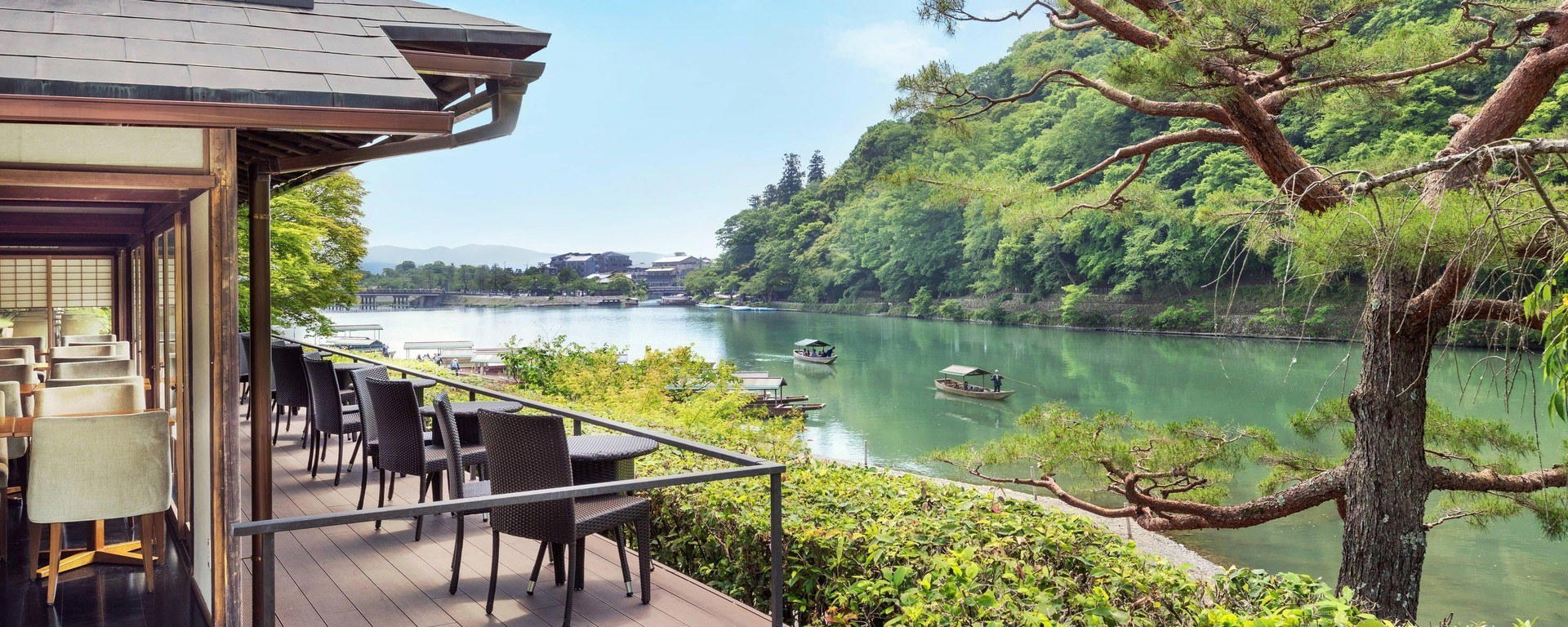
Hotels in Nishinomiya
Browse all →



Wineries in Nishinomiya
Browse all →
Yoshoku to Wine no Omise Tsukushien
The wine
- Extensive wine list
Details
- Classic
- Cozy
- Intimate
- Well Known
- Date Night
- Family
- Casual Hangout
- After Work
- Group Dining
- Celebration
- Standalone
- Historic Building
- Extensive Wine List
- Local Sourcing
- A La Carte
- Set Menu
- Wine
Current opening hours
- Monday
- Closed
- Tuesday
- Closed
- Wednesday
- 11 AM–2:30 PM, 5–10 PM
- Thursday
- 11 AM–2:30 PM, 5–10 PM
- Friday
- 11 AM–2:30 PM, 5–10 PM
- Saturday
- 11 AM–3 PM, 5–10 PM
- Sunday
- 11 AM–3 PM, 5–10 PM
Hours can change for holidays and private events. Hours as of .
The interior is described as heavy and classic yet warmly lit, with a nostalgic, slightly formal yoshoku house feel that has aged into a comfortable, relaxing space over more than 50 years.