
Tabelog 100 #41
Our verdict
Yoshina brings creative Japanese cooking into Gifu’s quieter residential dining circuit rather than the city’s station-front restaurant strip. Its selection for Tabelog’s Innovative / Creative Cuisine 100 in 2025 places it in a national conversation about small-format Japanese restaurants using local rhythm, technique, and restraint without leaning on luxury-city theatrics.

Pearl is the En Primeur Club membership app, where members save venues, book tables and use the concierge.
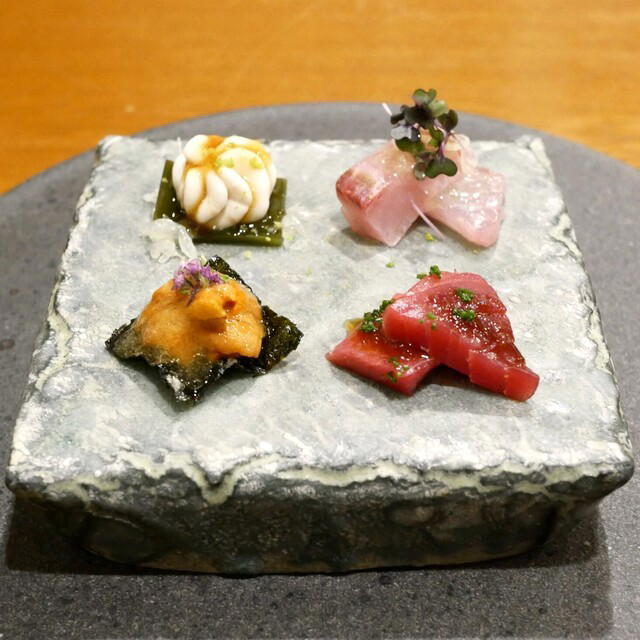
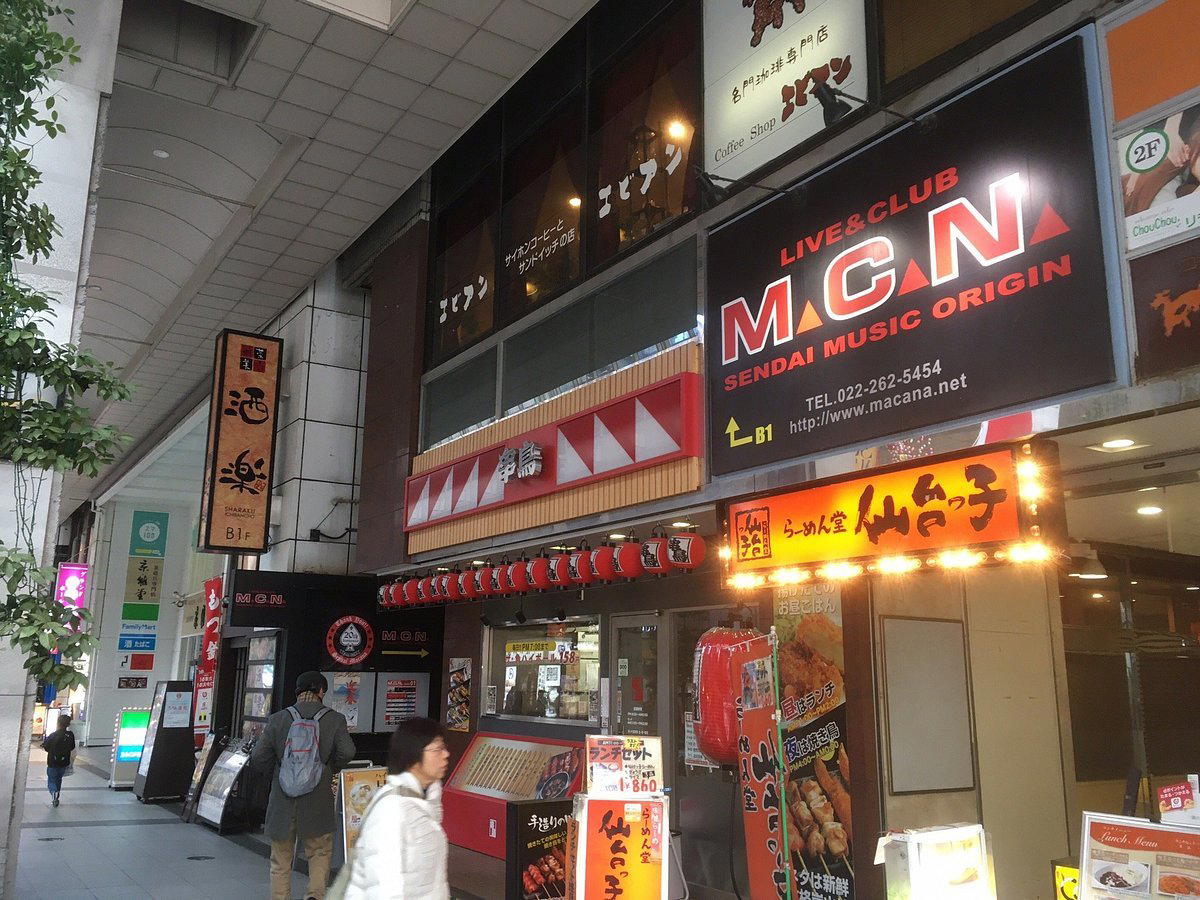
Gifu is not a place that has to announce dinner with neon or hotel-lobby polish. The approach around Yoshina is quieter: everyday city rhythm, local diners, and a restaurant experience that is not staged as a capital-city spectacle. That context matters. Creative Japanese cooking in regional Japan often reads differently from the same category in Tokyo or Kyoto, less performance-led and more rooted in how local diners use restaurants for serious meals without turning the room into a temple.
Yoshina belongs to that regional strain. Its Tabelog Hyakumeiten recognition for 2025 gives it a national marker, but the interest is not the badge alone. Gifu has a deep food identity, yet its ambitious dining rooms are spread more thinly compared with larger cities. A creative Japanese restaurant here has to speak to local expectations while also meeting the standards implied by national recognition.
Creative Japanese cooking, measured against Gifu rather than Tokyo
Japan’s creative-cuisine category can be slippery. At one end, it absorbs French technique, counter tasting-menu structure, and international plating language. At the other, it remains close to kappo and washoku, using seasonal sequence and Japanese ingredients while allowing more freedom than a formal kaiseki room. Yoshina sits in the latter conversation: categorized as Creative and Japanese Cuisine, with the kind of recognition that signals ambition without turning the meal into a luxury-city import.
That distinction is useful in Gifu. A visitor planning meals through our full Gifu restaurants guide will see a city with strong everyday dining and a smaller layer of destination-level rooms. Compared with the casual price tier around Sake no Tori, DA ACHIU, or Men Kiiro, this is a more deliberate meal. Compared with Hida Gyu Ittouya Bakuro Ichidai Gifu kanda, where beef defines the decision, or Yakiniku Shun Yasai Fanbogi, where the format is more clearly meat-led, Yoshina asks a different question: how much structure and creative authorship does a diner want from a Gifu dinner?
The answer is partly cultural. Regional Japanese restaurants with creative ambitions often work by compression rather than display. They do not need to announce every influence. A meal can carry signals from Japanese tradition and contemporary plating without becoming a manifesto. That is why the Tabelog Hyakumeiten recognition matters as a trust signal: it places the restaurant among Japanese venues being judged for craft and distinction, not merely for local popularity.
A focused setting for a slower regional meal
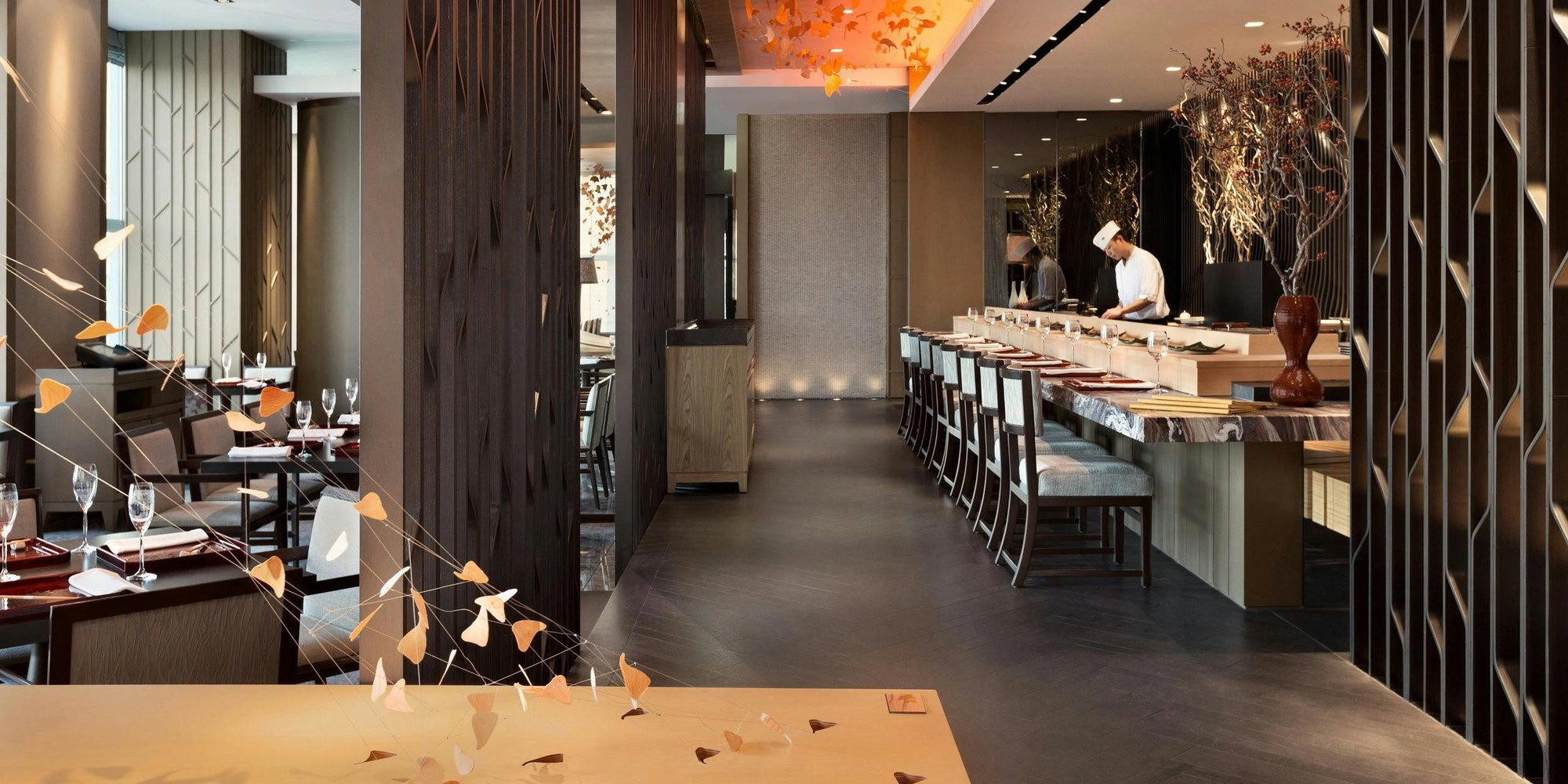
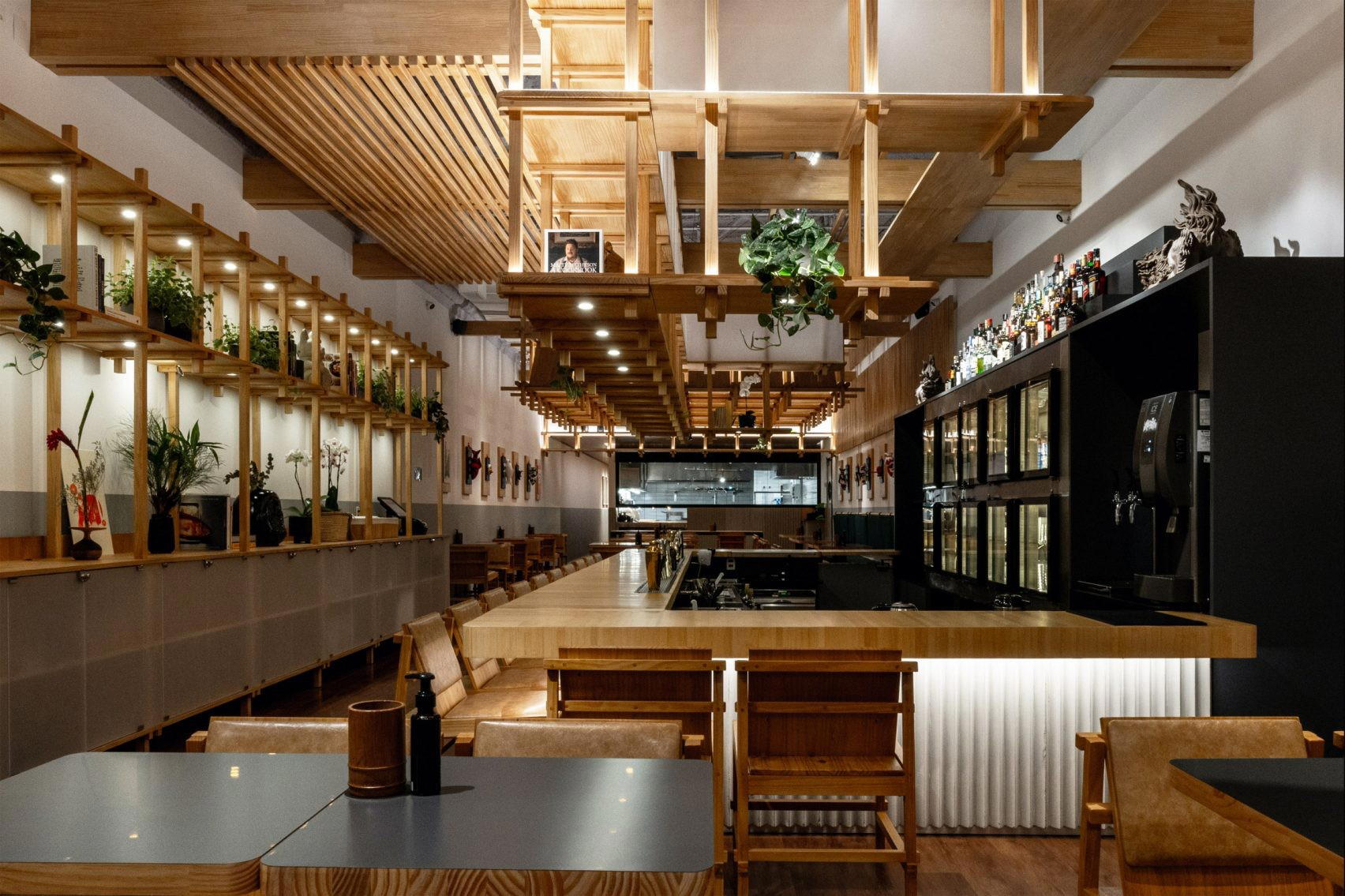
The setting reinforces the style of eating. Yoshina reads as a place for a considered meal rather than a quick stop, with enough focus to make the occasion feel personal without forcing the austerity of a high-ceremony room. In regional Japan, that balance can be appealing: formal enough for a planned lunch or dinner, relaxed enough to avoid the pressure of a destination built only for display.
For travellers, the practical read is simple even without over-planning the evening. This is a restaurant to approach as a composed lunch or dinner in Gifu, with pricing listed at Dinner: JPY 10,000 - JPY 14,999 and Lunch: JPY 5,000 - JPY 5,999. That budget changes the experience more than dress codes or slogans do; arrive expecting a deliberate meal, and the evening can remain focused on the cooking.
Gifu’s broader hospitality map is useful here because Yoshina is not in the same mental category as a quick drop-in. Travellers building a weekend should pair restaurant planning with where they sleep, drink, and spend the following day: our full Gifu hotels guide, our full Gifu bars guide, our full Gifu wineries guide, and our full Gifu experiences guide help frame the meal as part of a regional itinerary rather than a single reservation.
How to place it in a Gifu itinerary
The strongest case for Yoshina is for diners who want Gifu to feel specific, not merely convenient. This is not the city’s easiest category for first-time visitors, because creative Japanese cooking demands more attention than ramen, izakaya dining, or a beef-focused meal. But that is also the point. In a city where many travellers default to familiar local signatures and straightforward comfort meals, a creative Japanese table adds another register: contemporary regional cooking that is serious without borrowing the scale or noise of a capital-city dining scene.
Readers comparing Gifu options can use local editorial references as calibration rather than substitutes. Other Gifu dining rooms and drinking spots map different parts of the local circuit, from casual meals to more planned evenings. Wider Japan comparisons can also sharpen the decision in a general sense: beef-driven tradition, urban seafood-and-grill dining, casual city cafés, regional cooking, international casual formats, and specialist comfort food all answer different cravings. In Gifu, the appeal is seeing creative Japanese cuisine used at home, with regional restraint.
The editorial verdict is narrow and clear. Choose this meal when the aim is a composed Japanese lunch or dinner in Gifu with Tabelog Hyakumeiten recognition and a quieter regional setting. For a spontaneous, low-cost, or child-led meal, the city has easier answers. For diners who want Gifu’s contemporary Japanese cooking to be part of the trip rather than an afterthought, Yoshina earns its place.
Frequently asked questions
Would Yoshina be comfortable with kids?
Yoshina is a restaurant in Gifu with lunch and dinner pricing listed, which suits families that can handle a quieter, more focused dining room. The Tabelog Hyakumeiten recognition for 2025 points to a more serious dining setting than a casual family spot.
What should I expect atmosphere-wise at Yoshina?
Expect a focused restaurant experience in Gifu. The format and its Tabelog Hyakumeiten recognition suggest a considered meal rather than a loose drop-in setting.
Is Yoshina expensive?
Pricing at Yoshina is listed as Dinner: JPY 10,000 - JPY 14,999; Lunch: JPY 5,000 - JPY 5,999.
What is Yoshina known for?
Yoshina is known as a Creative and Japanese Cuisine restaurant in Gifu, with Tabelog Hyakumeiten recognition for 2025 and a listed score of 3.91.
Cost and Credentials
Nearby venues at a similar price tier for orientation.
| Venue | Cuisine | Price | Awards | Notes |
|---|---|---|---|---|
| YoshinaThis venue (the venue you are viewing) | Creative Japanese course dining | Not listed | Tabelog 100 #41 | Not listed |
| Soba Kura Tomi | Traditional Japanese Soba | $20–30 | Tabelog 100 #55 | Yanagase area, Traditional Japanese Soba |
| Kikyo En Honten | Traditional Yakiniku & Wagyu Grill | $50–100 | Tabelog 100 #87 | Not listed |
| Tsubameya Yanagase honten | Japanese Confectionery | $1–10 | Tabelog 100 #86 | Yanagase, Japanese Confectionery |
| Kobanzushi | Traditional Japanese Sushi Omakase | Not listed | Tabelog Bronze #189 | Gifu City, Traditional Japanese Sushi Omakase |
| Akane Ya | Yakiniku & Chinese Grill | $50–100 | Tabelog 100 #5 | Mitonocho, Yakiniku & Chinese Grill |
Recognition history
Dated appearances from independent guides and award organizations, with the underlying list record or original source where available.
Tabelog 100 #41 · No. 41
Tabelog · Tabelog 100 - Innovative / Creative cuisine - 2025
Continue exploring
More in Gifu
Restaurants in Gifu
All restaurants in Gifu →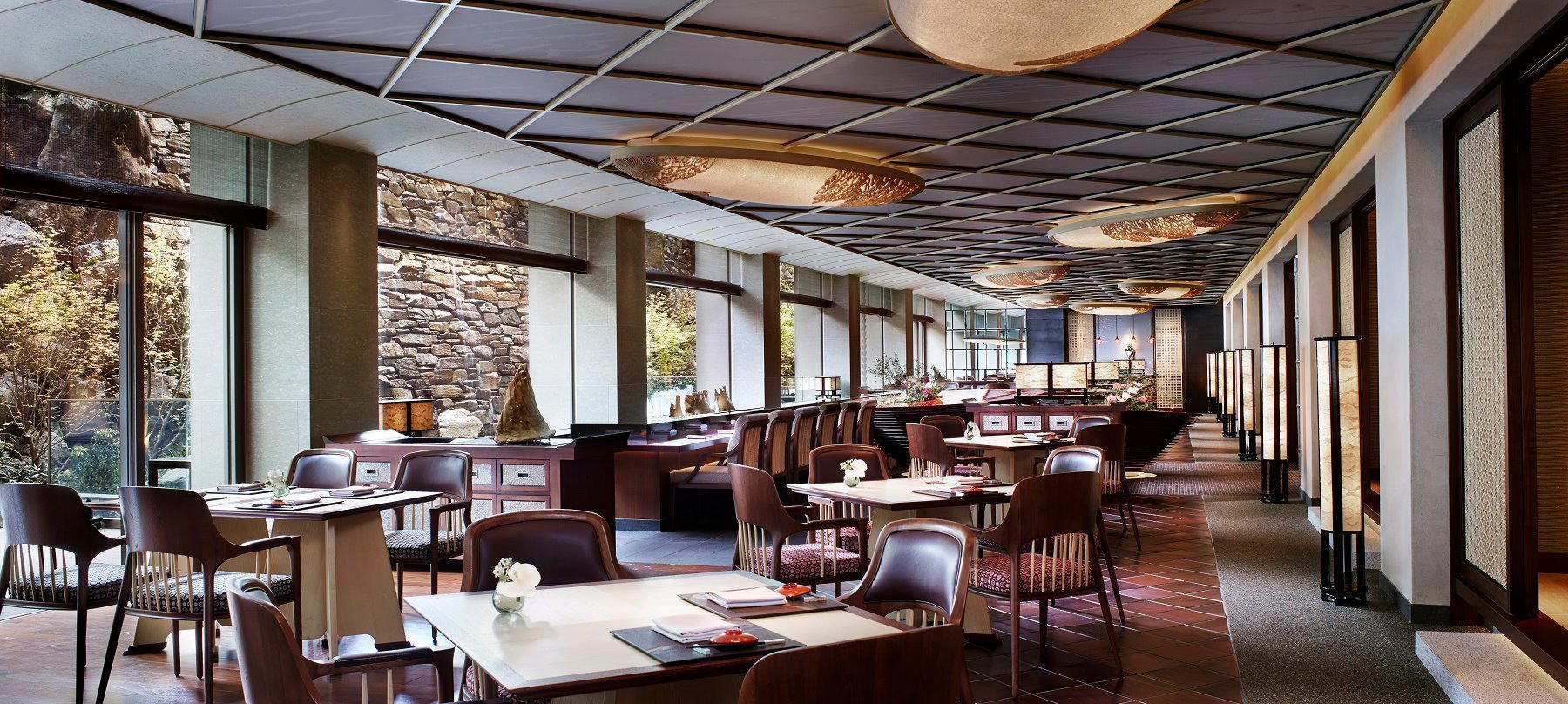



Details
- Cozy
- Modern
- Date Night
- Special Occasion
- Celebration
- Group Dining
- Standalone
- Design Destination
- Local Sourcing
- Tasting Menu
- Set Menu
Current opening hours
- Monday
- 11:30 AM–2:30 PM, 6–9:30 PM
- Tuesday
- Closed
- Wednesday
- 11:30 AM–2:30 PM, 6–9:30 PM
- Thursday
- 11:30 AM–2:30 PM, 6–9:30 PM
- Friday
- 11:30 AM–2:30 PM, 6–9:30 PM
- Saturday
- 11:30 AM–2:30 PM, 6–9:30 PM
- Sunday
- 11:30 AM–2:30 PM, 6–9:30 PM
Hours can change for holidays and private events. Hours as of .
A small, modern Japanese dining room with a relaxed, cozy atmosphere focused on leisurely enjoyment of seasonal courses rather than a fast meal.