
Tabelog 100 #86
Our verdict
Tsubameya Yanagase honten places Gifu’s wagashi culture in a take-out format rather than a sit-down dessert salon. Its Tabelog 100 selection for Japanese traditional sweets and sweets cafés in EAST 2023, plus a focus on warabi mochi, make it a useful stop for understanding how regional Japanese sweets travel from maker to gift box.

Pearl is the En Primeur Club membership app, where members save venues, book tables and use the concierge.
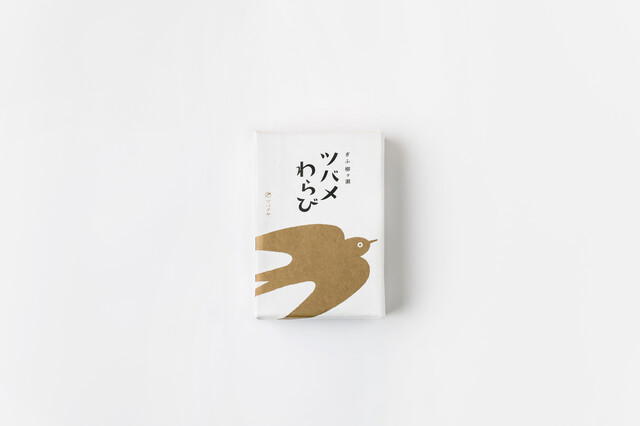
Gifu has the feel of a city where everyday food errands can matter as much as grand dining theatre: storefronts close to the pavement, regular local routines, and sweets shops serving customers who know exactly what they came to collect. In that setting, wagashi is not simply a dessert course after a long meal. It is a purchase with timing, texture and gifting etiquette built into the decision.
Gifu is often read through river fish, cormorant fishing, Hida beef and mountain produce, but its sweets culture deserves the same attention. Japanese confectionery depends on small calibrations: powders ground fine enough to cling, sweetness held below Western pastry levels, and textures that shift quickly after purchase. Tsubameya Yanagase honten sits inside that tradition as a Japanese traditional sweets address, where ingredient handling matters more than decoration.
Texture as a test of ingredient discipline
Japanese traditional sweets can look simple until they are judged beside weaker versions. The appeal comes from texture, aroma, balance and the way supporting ingredients change the perception of sweetness. At a shop like this, the important question is not visual flourish but whether the sweet feels balanced, aromatic and carefully handled from first bite to finish.
The stronger editorial point is that Gifu’s serious wagashi shops operate in a different rhythm from tasting-menu restaurants. A counter for boxed sweets has to deliver consistency across packaging, short dwell time and customers buying for home or gifts. The format leaves little room for tableside drama. Recognition comes from execution, repeatability and local trust rather than an extended service arc.
Tsubameya Yanagase honten was selected for Tabelog Hyakumeiten recognition in 2023, with a Tabelog score listed at 3.67. For a regional sweets shop, that signal is useful: it places the shop within a curated Japanese traditional sweets field rather than merely within Gifu’s everyday retail scene.
Compared with Gifu’s higher-spend dining rooms such as Akane Ya or Takumi Hirano, wagashi here belongs to a more accessible category, but not a less exacting one. The judgement criteria change. Instead of wine pairings, counter pacing or grill technique, the relevant questions are freshness, sweetness control, texture and whether the sweets can survive the journey from shop to table without losing their point.
Gifu gives the sweets their proper context
The Gifu setting is part of the read. This is not a temple-adjacent tea pause or a department-store basement sweets hall. It is best understood as a targeted sweets stop within the city, where the attraction is focused craft rather than a long, staged meal.
That distinction helps visitors plan the day. Gifu rewards short, specific food stops stitched between meals: sweets in Gifu, coffee or drinks elsewhere, then a more formal dinner if the itinerary calls for it. For a broader city map, our full Gifu restaurants guide gives the dining frame, while our full Gifu bars guide, our full Gifu hotels guide, our full Gifu wineries guide and our full Gifu experiences guide place the stop inside a fuller travel day.
The surrounding Gifu scene is broad rather than single-note. A visitor could read the city through other dining rooms, drinks stops or more formal meals, then use wagashi as a quieter but revealing layer. It shows how the city handles craft when there is no long menu to explain it.
How to use it in a Gifu itinerary
The practical appeal is direct. This is a Japanese traditional sweets stop with a listed budget of Dinner: JPY 1,000 - JPY 1,999; Lunch: JPY 1,000 - JPY 1,999. The better plan is to approach it deliberately, with the same attention you would give to a restaurant reservation, but with expectations shaped around sweets rather than a full meal.
For travellers moving across Japan, this kind of address also sharpens comparison. A Gifu wagashi run sits apart from the broader casual-dining spectrum found in larger cities and from meat-focused, curry-focused or bar-led itineraries elsewhere. It asks for a different appetite: smaller in scale, but still dependent on precision, freshness and texture.
The recommendation is to treat Tsubameya Yanagase honten as a precision stop, not a meal replacement. Its value is in showing how a regional Japanese sweets shop can compress ingredient handling, texture work and local habit into a box. In a city where many visitors chase the larger meal, the wagashi counter may say more about everyday taste than another reservation.
Frequently asked questions
Does Tsubameya Yanagase honten work for a family meal?
It suits a dessert-focused stop rather than a full meal. The listed budget is Dinner: JPY 1,000 - JPY 1,999; Lunch: JPY 1,000 - JPY 1,999, and its 2023 Tabelog Hyakumeiten recognition gives it extra weight for sweets-focused visits in Gifu.
What's the overall feel of Tsubameya Yanagase honten?
The mood is compact and practical in editorial terms: a focused Japanese traditional sweets address rather than a long restaurant experience. The emphasis is on the craft of wagashi and the pleasure of a targeted stop in Gifu.
Is Tsubameya Yanagase honten expensive?
Pricing at Tsubameya Yanagase honten is listed as JPY 1,000 - JPY 1,999 JPY 1,000 - JPY 1,999.
What time does Tsubameya Yanagase honten open and close?
Specific opening and closing hours are not provided here. Check directly with Tsubameya Yanagase honten before making a special trip.
Where is Tsubameya Yanagase honten in Gifu?
Gifu.
Snapshot
Comparable venues by cuisine and price in the same metro.
| Venue | Cuisine | Price | Awards | Notes |
|---|---|---|---|---|
| Tsubameya Yanagase hontenThis venue (the venue you are viewing) | Japanese Confectionery | $1–10 | Tabelog 100 #86 | Not listed |
| Benten Do | Traditional Japanese Wagashi & Western Sweets Shop | $1–10 | Tabelog 100 #48 | Kandamachi |
| Sake no Tori | Traditional Yakitori & Sake Bar | $10–20 | Tabelog 100 #32 | Jūnoecho / central Gifu |
| Rikidou | Ramen & tsukemen shop | Not listed | Tabelog 100 #49 | Gifu |
| Soba Kura Tomi | Traditional Japanese Soba | $20–30 | Tabelog 100 #55 | Yanagase area |
| Yoshina | Creative Japanese course dining | Not listed | Tabelog 100 #41 | Gifu City |
Recognition history
Dated appearances from independent guides and award organizations, with the underlying list record or original source where available.
Tabelog 100 #86 · No. 86
Tabelog · Tabelog 100 - Japanese traditional sweets / Japanese sweets cafe - EAST - 2023
Continue exploring
More in Gifu
Restaurants in Gifu
All restaurants in Gifu →





Details
- Classic
- Cozy
- Solo
- Family
- Casual Hangout
- Historic Building
- Standalone
- Local Sourcing
- Street Scene
- A La Carte
- Vegetarian Friendly
Current opening hours
- Monday
- Closed
- Tuesday
- 9 AM–6 PM
- Wednesday
- 9 AM–6 PM
- Thursday
- 9 AM–6 PM
- Friday
- 9 AM–6 PM
- Saturday
- 9 AM–6 PM
- Sunday
- 9 AM–6 PM
Hours can change for holidays and private events. Hours as of .
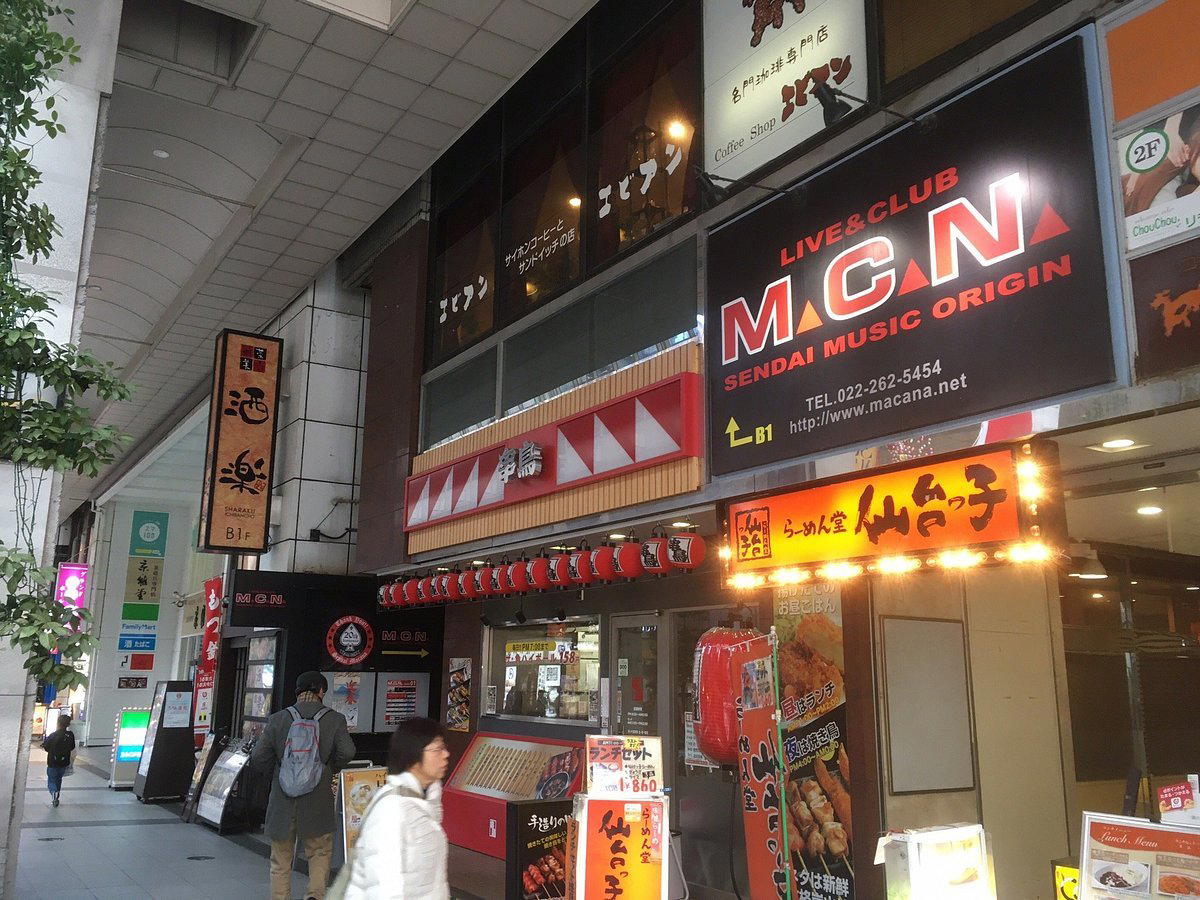
A calm, old-fashioned sweets shop in a Shōwa-era shopping street, with a warm neighborhood feel and a takeaway-focused atmosphere.