
Yonezawa Gyuu Tokiwa is a serious address for Yonezawa beef in its home city, with sukiyaki, steak and yakiniku formats gathered under one roof. Its 2024 Tabelog 100 Hot Pot selection places it in a national conversation about Japanese beef cookery, while the local context matters just as much: this is cattle country, not a Tokyo import fantasy.
Pearl is the En Primeur Club membership app — saves, bookings, and concierge access live there. Same editors, same standards.
- Address
- Japan, 〒992-0045 Yamagata, Yonezawa, Central, 7 Chome−2−3 2階
- Phone
- +81 238-23-5400
- Website
- yonezawabeef.co.jp
- Directions
- Get directions
 Saves & bookings on Pearl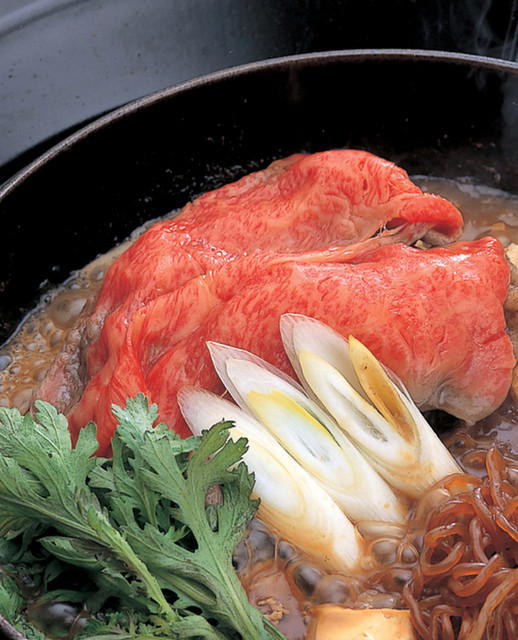
Arriving in central Yonezawa, the dining logic is visible before the meal begins: this is a beef town first, and restaurant choices often turn on how directly they handle the local cattle tradition. Yonezawa beef belongs to the same broad premium wagyu conversation as Kobe and Matsusaka, but the city’s restaurants tend to read less like luxury theatre and more like regional infrastructure. The point is not abstraction. It is hot pot, grill, steak, family tables, private rooms, and the confidence of a place where the ingredient has long been part of civic identity.
That makes Yonezawa Gyuu Tokiwa useful to understand as a regional beef house rather than as a single-format destination. Sukiyaki sits at the center of its reputation, supported by steak and yakiniku, which means the kitchen addresses Yonezawa beef through sweetness, heat, fat, and cut selection rather than through one tasting-menu script. Its selection for Tabelog 100 Hot Pot 2024 gives the restaurant a national recognition point, but the more interesting signal is how a Yamagata beef address enters a category often dominated in travelers’ minds by Tokyo and Kansai dining rooms.
Yonezawa beef makes the format matter
In Japanese beef cookery, format is not a cosmetic choice. Sukiyaki frames marbling through soy, sugar, and controlled simmering; yakiniku puts more responsibility on cut, grill timing, and the diner’s hand; steak strips the meal closer to doneness and fat management. A restaurant that works across these categories is making a practical argument about local beef: different diners want different expressions of the same regional product.
That is why this room belongs in a wider Yonezawa itinerary rather than in a generic wagyu checklist. Nearby meat-focused addresses such as Yonezawa Gyuu Yakiniku Sakano, Yonezawa Gyutei Good, Torikatsu Gyuniku Ten, Yakiniku Miyoshi, and Meatopia cover different price bands and dining moods, from everyday beef meals to more deliberate meat dinners. Against that local set, Yonezawa Gyuu Tokiwa prices in a higher band and carries a hot-pot award signal, which makes it better suited to a meal built around the region’s beef identity than to a quick refuel between trains.
The drink list categories also fit the brief: sake, shochu, and wine are all listed, which reflects how beef restaurants in Japan now sit between old-style banquet dining and contemporary pairing habits. Wine with wagyu is no longer a Western affectation; it is a practical answer to fat, sweetness, and char. Sake and shochu keep the meal closer to regional Japanese patterns, especially when sukiyaki is the anchor.
A regional beef house, not a hushed counter
The room configuration says as much about the restaurant as the award does. A 106-seat setup, with table seating, raised tatami seating, private rooms, and a banquet hall, places the experience closer to a full civic restaurant than to the eight-seat counter model that defines much of Japan’s luxury dining coverage. That scale changes expectations. This is where families, groups, and visitors can engage the Yonezawa beef canon without pretending the meal is a chef’s private performance.
For travelers comparing Japan’s beef cities, that distinction matters. Tokyo often turns wagyu into scarcity, ceremony, and international signaling. Yonezawa keeps the discussion closer to origin: cattle region, local pride, multiple formats, and restaurants equipped for groups. The reward is not theatrical intimacy; it is context. A meal here helps explain why Yamagata’s beef culture has its own gravity, and why a hot pot recognition attached to a Yonezawa address carries more meaning than another luxury beef room in a larger city.
There is also a practical social advantage to the format. Children are welcome, private rooms are available for small parties, and the restaurant lists no special dress code. That combination is increasingly rare in Japan’s higher-recognition dining tier, where awards often coincide with counter seating, rigid pacing, or adult-only atmospheres. Here, the signal is different: serious beef can remain compatible with family meals, group dinners, and travelers who want regional specificity without formal choreography.
How it fits into a Yonezawa food day
A strong Yonezawa plan should not treat beef as a single booking and move on. The city’s dining value comes from comparison: sukiyaki versus yakiniku, lunch pricing versus dinner pricing, large-room tradition versus smaller grill houses. For a broader scan, use our full Yonezawa restaurants guide to place the meat houses beside the rest of the city’s dining options, then build the day around appetite rather than checklist logic.
Travelers staying overnight should also think beyond the table. Our full Yonezawa hotels guide helps set the base, while our full Yonezawa bars guide, our full Yonezawa wineries guide, and our full Yonezawa experiences guide are useful for reading the city as more than a beef stop. The stronger itinerary is slow and regional: one meal for sukiyaki, another for grill, and enough time to notice how local restaurants talk to residents as much as visitors.
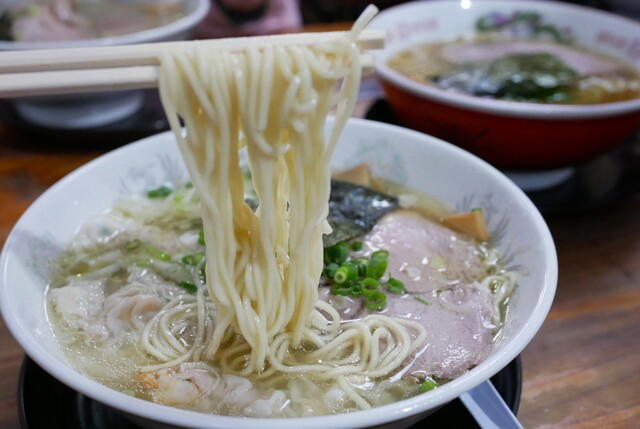
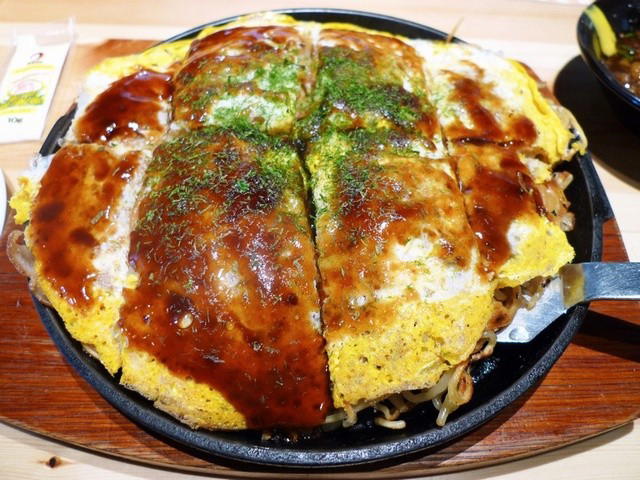
For readers comparing beef and comfort-food traditions elsewhere in Japan, the contrast is instructive. -Grilled beef Sukiyaki- KAMAKURA TANUKIAN 鎌倉 たぬき庵 in Kamakura frames sukiyaki through a different coastal tourist city rhythm, while Tokyo, Osaka, Kumamoto, Kawasaki, and Sapporo show how regional dining categories shift by setting:. 鮪と炭火焼き うお炭 秋葉原店 in Tokyo.cafe in Osaka.know in Kumamoto, (Shoku) Vietnam in Kawasaki, and [Curry Senmon Ten] Maruyama Kyoju. in Sapporo. Outside Japan, Jōdo Saké Bar in Los Angeles and Onigiri Time in Pasadena show how Japanese food categories change again when filtered through diaspora dining. Yonezawa’s advantage is more direct: the beef is not a theme. It is the reason the city is on the map for many diners.
Comparable Spots, Quickly
Comparable venues by cuisine and price in the same metro.
| Venue | Cuisine | Price | Notes |
|---|---|---|---|
| Yonezawa Gyuu Tokiwa | Traditional Yonezawa Beef Restaurant | $$$ | Chuo |
| Yonezawa Gyuu Yakiniku Sakano | Yonezawa beef yakiniku, sukiyaki & steak | $$ | Chuo, Yonezawa |
| Yonezawa Gyutei Good | Yonezawa beef steak, sukiyaki & shabu-shabu | $$ | / Shimohanazawa |
| Torikatsu Gyuniku Ten | Japanese Beef Hotpot / Sukiyaki | $$ | Yonezawa |
| Yakiniku Miyoshi | Traditional Yonezawa Beef Yakiniku | $$$ | Ekimae |
| Meatopia | Yonezawa beef steak, sukiyaki & shabu‑shabu | $$ | Chuo, Yonezawa |
Recognition history
Dated appearances from independent guides and award organizations, with the underlying list record or original source where available.
Tabelog 100 #18 · No. 18
Tabelog · Tabelog 100 - Hot Pot - 2024
Continue exploring
More in Yonezawa
Restaurants in Yonezawa
Browse all →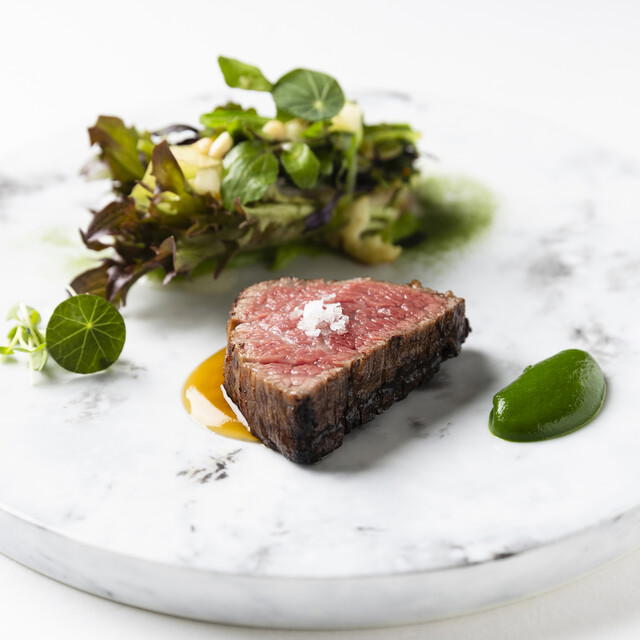
At a Glance
- Classic
- Cozy
- Well Known
- Family
- Group Dining
- Special Occasion
- Casual Hangout
- Celebration
- Business Dinner
- Historic Building
- Standalone
- Sake Program
- Beer Program
- Local Sourcing
Current opening hours
- Monday
- 11 AM–9 PM
- Tuesday
- 11 AM–9 PM
- Wednesday
- 11 AM–9 PM
- Thursday
- 11 AM–9 PM
- Friday
- 11 AM–9 PM
- Saturday
- 11 AM–9 PM
- Sunday
- 11 AM–9 PM
Hours can change for holidays and private events. Last verified .
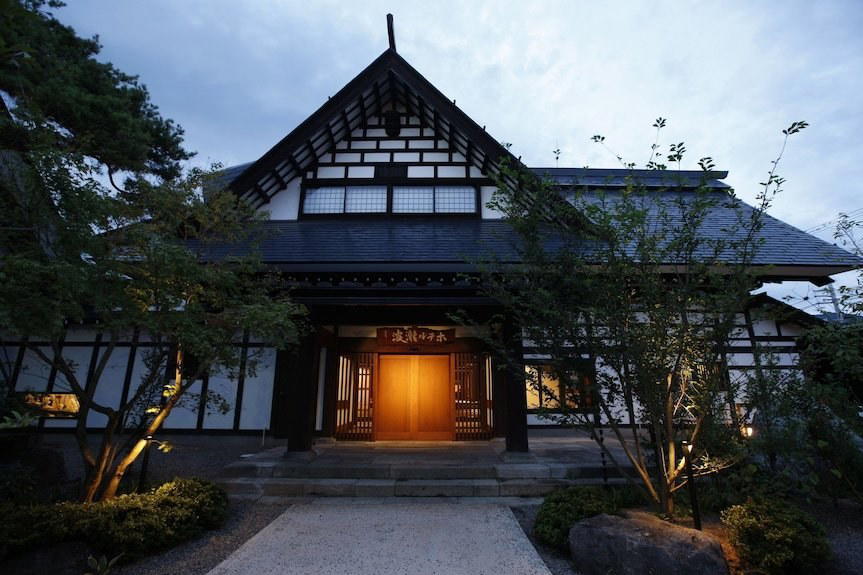
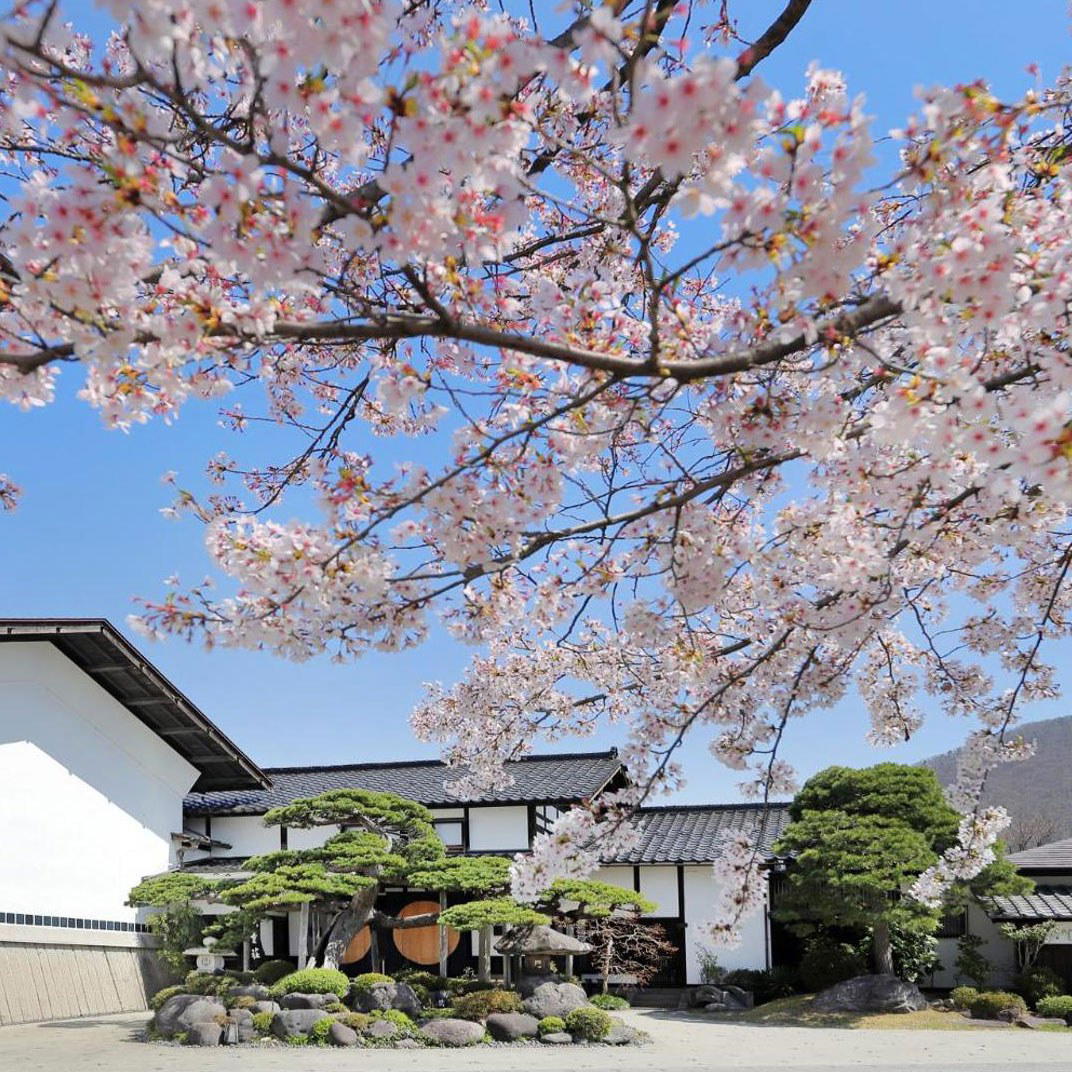
Warm, traditional Japanese beef restaurant above a historic butcher shop, with a cozy, relaxed atmosphere focused on showcasing premium marbled Yonezawa beef rather than design theatrics.