Kacchan

Tabelog 100 #25
Our verdict
Kacchan places Fukushima inside Japan’s okonomiyaki conversation rather than treating the dish as a Kansai-only ritual. Its Tabelog 100 Okonomiyaki selections in 2023, 2024, and 2025 give it a credible national signal, while the compact 30-seat format keeps the meal grounded in the everyday rhythm of griddle cooking, sharing, and steady pacing.

Pearl is the En Primeur Club membership app, where members save venues, book tables and use the concierge.
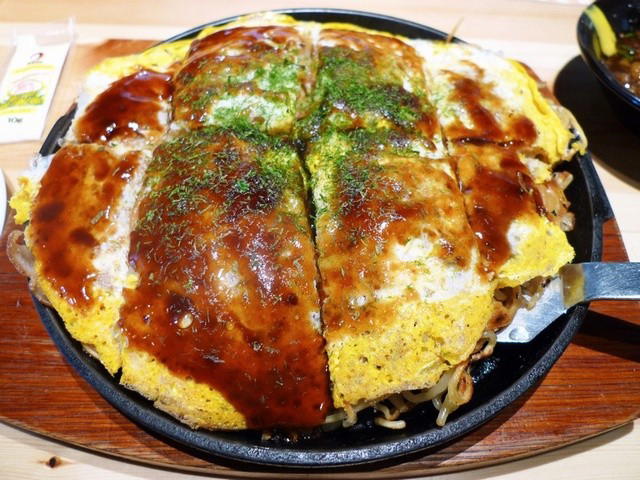
Approaching an okonomiyaki room, the first cue is usually not decoration but rhythm: batter hitting iron, spatulas moving in short strokes, tables settling into the unhurried pace of a dish that asks for heat, patience, and a little attention. In Fukushima, that ritual carries a different charge than it does in Osaka or Hiroshima. It is not a tourist shorthand for regional cuisine; it is a local meal format, casual enough for everyday use and exacting enough to be judged nationally.
Kacchan sits in that space with unusual clarity. The restaurant has been selected for Tabelog 100 Okonomiyaki in 2025, a recognition that matters because okonomiyaki is a category with deep regional loyalties and a long bench of specialists. A Fukushima address on that list tells the reader something about the spread of serious griddle cooking beyond the usual Kansai frame. The point is not that the city is copying elsewhere. It is that the dish has enough range to support local interpretation, neighborhood regularity, and national scrutiny at the same time.
Okonomiyaki as a shared table ritual, not a chef's stage
Okonomiyaki rewards a different kind of attention from sushi, kaiseki, or counter tempura. The meal is built around heat management and timing rather than a procession of rare ingredients. The diner is close to the cooking surface, the table moves at a collective pace, and the pleasure comes from watching a simple format hold together under pressure. That is why the category can be democratic without being careless. A good okonomiyaki specialist has to make repetition feel controlled, not mechanical.
That distinction matters in Fukushima, where the broader dining scene stretches from low-cost noodle counters to higher-spend specialist rooms. Among local comparison points, Jikaseimen Urota, Tori Ken, Tempura Hirai, Cow Burgers, and Bistro Mikasa show how varied the local map can be. Kacchan’s position belongs to the middle ground where a meal can be planned, shared, and repeated. That tier is often where Japanese regional dining is easiest to understand because it shows how residents actually use restaurants, not only how visitors collect them.
The Tabelog 100 Okonomiyaki signal also places the restaurant in a narrower competitive set than price alone would suggest. Recognition in the 2025 edition points to credibility inside a category where small lapses are easy to notice: batter texture, timing on the iron, table turnover, and the pacing between lunch and dinner service. None of those require theatrical presentation. They require discipline in a room designed for repeat meals.
Fukushima's casual dining range, seen through the griddle
Fukushima is not a single-note food city. Its restaurant map includes bistro cooking, coffee culture, noodle shops, grilled meat, and family-friendly Japanese formats. For a reader planning across categories, that range is visible through nearby editorial anchors such as Bistro Mikasa and other Fukushima dining rooms. Read together, they show a city where everyday formats carry as much practical value as special-occasion dining.
Okonomiyaki’s role in that mix is particular. It is social without requiring ceremony, filling without turning into a long tasting format, and flexible enough for lunch or dinner. The room can feel like a neighborhood place while keeping the cooking rhythm visible. The useful context is not a checklist of amenities, but the way the format works in practice: a griddle restaurant built for actual use, including casual meals, group ordering, and repeat visits, rather than a nostalgic set piece.
For travelers, the etiquette is simple but worth respecting. Okonomiyaki is not a dish to rush through between trains. The pace belongs to the iron. Let the room set the tempo, order with the table in mind, and treat the meal as shared rather than individually plated. That custom is part of the point: the format turns cooking into a visible, communal sequence without asking the diner to perform expertise.
How to place it in a Fukushima itinerary
The practical appeal is that Kacchan can sit comfortably inside a broader Fukushima day rather than consume it. It works for travelers who want a rooted local meal between city plans, and it gives groups a clearer path than many counter-led formats. The griddle format keeps the meal informal enough for friends, families, or repeat visitors.
Within Fukushima’s dining range, the sharper choice is not whether okonomiyaki is grand enough for an itinerary. It is whether the traveler wants a meal that explains local dining habits without translating them into luxury signals. On that measure, the restaurant’s Tabelog 100 Okonomiyaki selection carries weight. It marks a modestly priced, everyday category receiving national attention, and it makes the case for looking beyond the familiar restaurant hierarchy of omakase counters, tasting menus, and high-budget kappo rooms.
Readers building a wider plan can use Our full Fukushima restaurants guide alongside Our full Fukushima hotels guide, Our full Fukushima bars guide, Our full Fukushima wineries guide, and Our full Fukushima experiences guide. For broader Japan and Japanese-diaspora context, compare casual-specialist formats in other cities generically rather than treating Kacchan as part of a single cuisine lane. The connecting thread is not cuisine type alone, but the way focused formats can carry cultural meaning without formal dining architecture.
Frequently asked questions
What's the price range at Kacchan?
Pricing at Kacchan is listed as JPY 2,000 - JPY 2,999 JPY 2,000 - JPY 2,999 View spending breakdown.
What's Kacchan's location?
Fukushima.
When is Kacchan open?
Current opening hours for Kacchan are not specified in the provided venue facts.
What's the signature at Kacchan?
Kacchan is listed for okonomiyaki, so the house focus is the griddle-cooked savory pancake rather than a named signature dish. Its Tabelog 100 Okonomiyaki selection for 2025 gives the clearest trust signal, and the meal sits in the JPY 2,000–JPY 2,999 range.
Style and Standing
Side-by-side context: comparable cuisine and price.
| Venue | Cuisine | Price | Awards | Notes |
|---|---|---|---|---|
| KacchanThis venue (the venue you are viewing) | 本場広島お好み焼き・広島ラーメン | Not listed | Tabelog 100 #25 | Not listed |
| Hachi no Ki | Japanese ginger pork set-meal diner | $10–20 | Tabelog 100 #8 | Fukushima |
| Bistro Mikasa | Yoshoku (Japanese-style Western) Bistro | $10–20 | Tabelog 100 #2 | Fukushima |
| Cow Burgers | Burger Restaurant | Not listed | Tabelog 100 #1 | Fukushima |
| Shioya | Edo-style Tempura Omakase | $50–100 | Tabelog 100 #89 | Fukushima |
| Tempura Sakuma | Traditional Japanese Tempura | $50–100 | Tabelog 100 #74 | Koriyama Tomita |
Recognition history
Dated appearances from independent guides and award organizations, with the underlying list record or original source where available.
Tabelog 100 #25 · No. 25
Tabelog · Tabelog 100 - Okonomiyaki - 2025
Continue exploring
More in Fukushima City
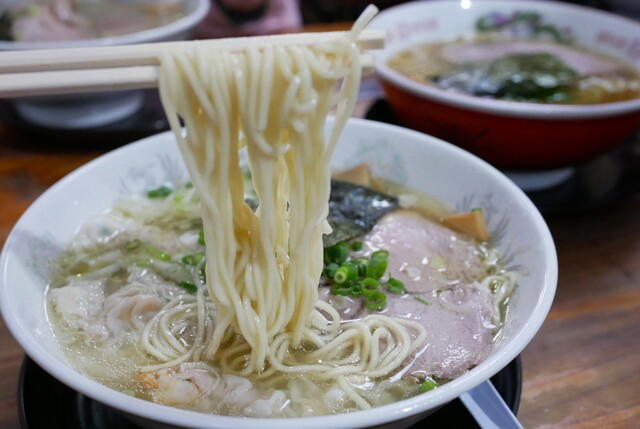
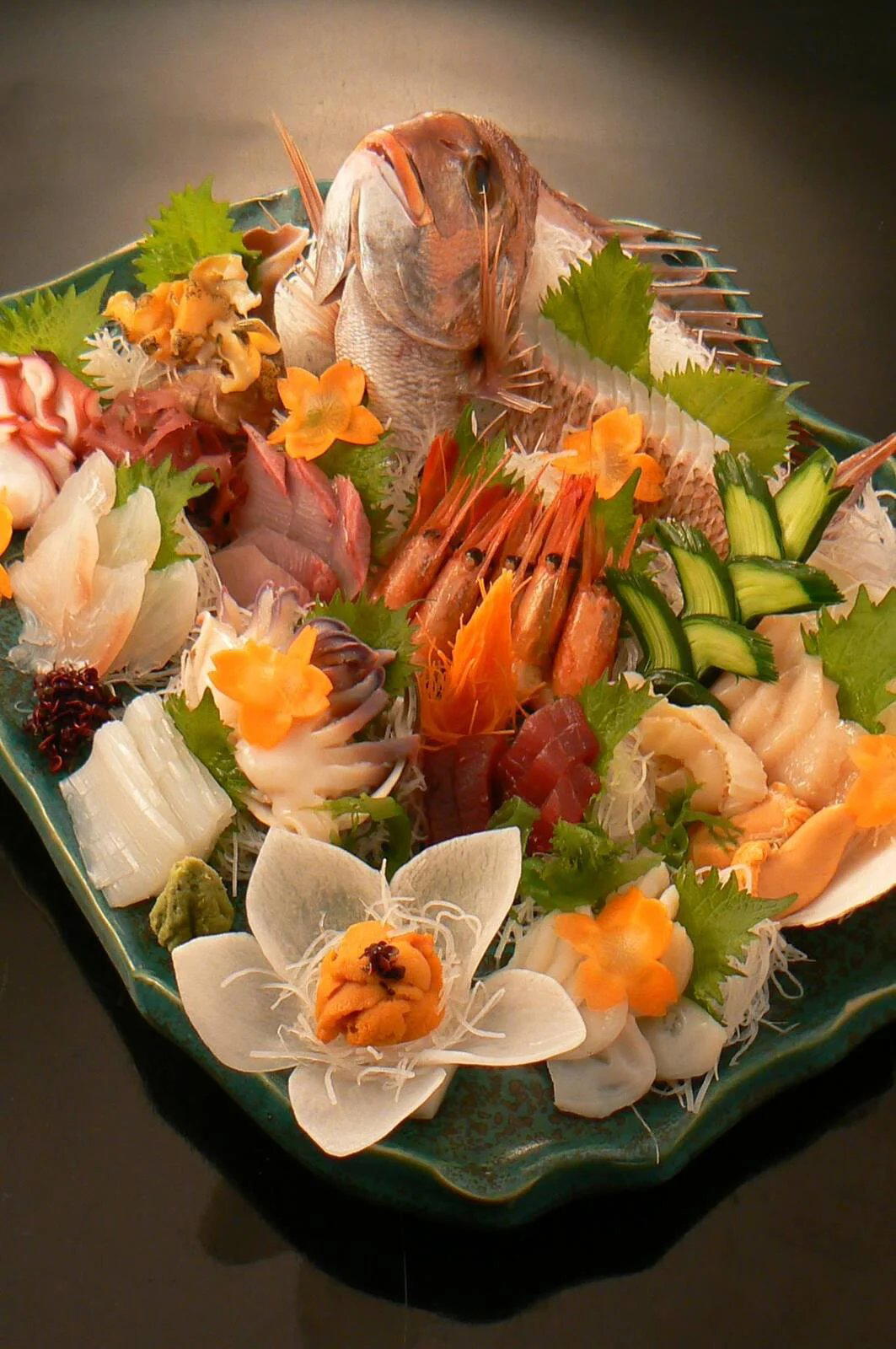
Restaurants in Fukushima City
All restaurants in Fukushima City →
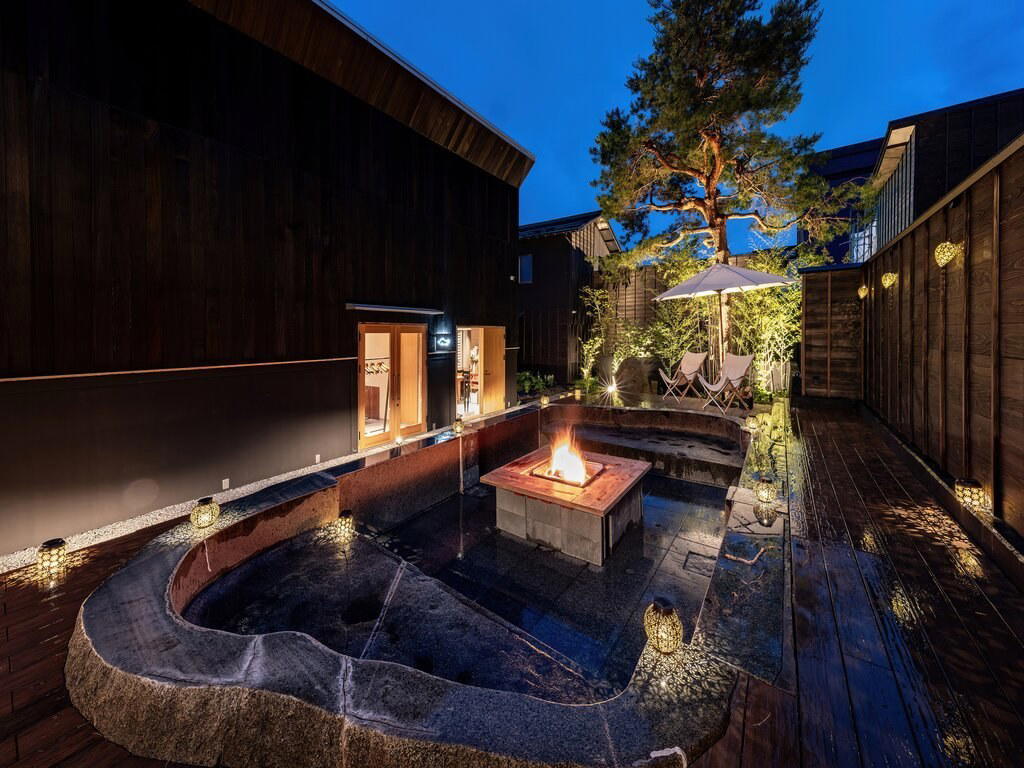
Hotels in Fukushima City
Browse all →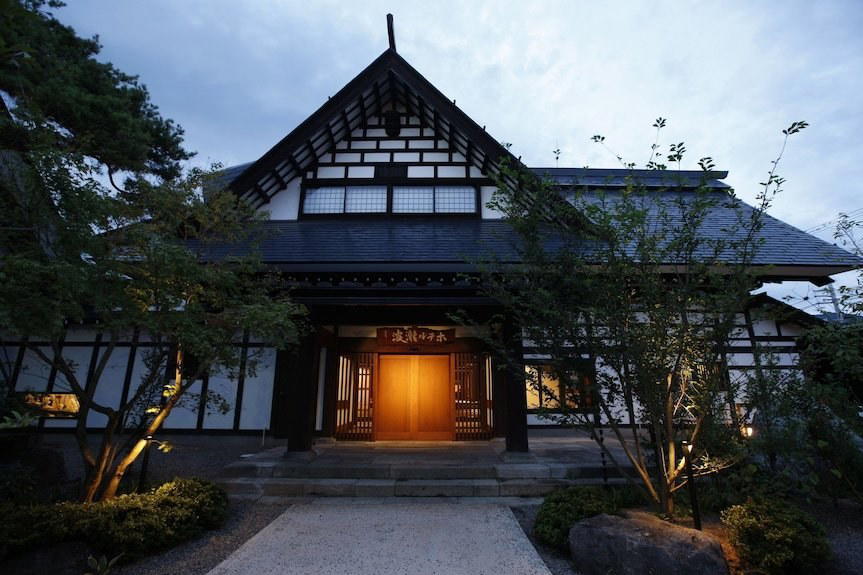
Details
- Cozy
- Classic
- Family
- Casual Hangout
- Group Dining
- Solo
- Private Dining
- Standalone
- Local Sourcing
- A La Carte
Current opening hours
- Monday
- 11 AM–2 PM, 5–9 PM
- Tuesday
- Closed
- Wednesday
- 11 AM–2 PM, 5–9 PM
- Thursday
- 11 AM–2 PM, 5–9 PM
- Friday
- 11 AM–2 PM, 5–9 PM
- Saturday
- 11 AM–2:30 PM, 5–9 PM
- Sunday
- 11 AM–2:30 PM, 5–9 PM
Hours can change for holidays and private events. Last verified .
アットホームで温かい雰囲気の店内にテーブル席と子連れ専用個室があり、庶民的ながら清潔感のある明るい空間。