Dateya

Tabelog 100 #65
Our verdict
Dateya places Fukushima ramen in the serious regional conversation: modest in price, small in scale, and repeatedly selected for Tabelog Ramen EAST “Tabelog 100” from 2017 through 2025. Its value lies less in spectacle than in the local ramen grammar of broth, noodles, and everyday access, the kind of shop that explains why Japan’s ramen culture is strongest outside the obvious city circuits.

Pearl is the En Primeur Club membership app, where members save venues, book tables and use the concierge.
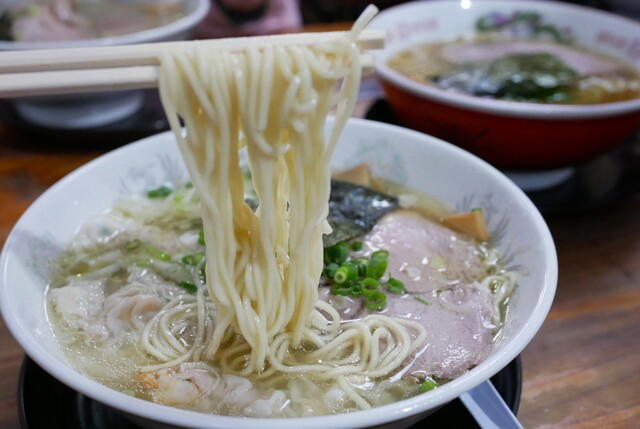
The menu
What to order
- Chuukasoba (soy-sauce ramen)
- Shio ramen
- Miso ramen
Approach a serious provincial ramen shop in Japan and the signals are rarely theatrical. The room is typically compact, the meal is built around speed and concentration, and the decision-making happens before the bowl arrives: broth style, noodle weight, seasoning, fat, toppings. Dateya belongs to that grammar. In Fukushima, ramen is not a late-night novelty or a tourist performance; it is a lunch culture with local regulars, small rooms, and a tight relationship between price, sourcing, and repetition.
That matters because ramen’s reputation is often flattened by the big-city queue. Tokyo turns ramen into taxonomy, with micro-genres, ticket-machine precision, and chefs competing through refinement. Regional shops work differently. They carry the habits of their prefecture: local appetite, local suppliers where available, and a rhythm shaped by weekday lunch rather than destination dining. Dateya’s 2025 recognition in Tabelog’s Hyakumeiten ramen coverage places it in a category where consistency counts more than novelty.
Fukushima ramen rewards restraint, sourcing, and repeatability
Ingredient sourcing in ramen is rarely visible in the way it is at sushi counters or farm-driven tasting rooms, but it is just as decisive. A bowl depends on extraction, balance, and supply discipline: bones or seafood, soy or salt seasoning, rendered fat, noodles made to hold texture, and toppings that do not blur the broth. In a regional city such as Fukushima, the strongest shops tend to win loyalty by keeping that equation stable over time, not by adding complications.
Dateya’s case is useful because its recognition sits in the ramen field rather than a general restaurant list. That narrows the comparison to specialists, not to restaurants with broader service models or higher check averages. The Tabelog score of 3.75 and its 2025 Hyakumeiten ramen recognition point to a shop that has been judged within the ramen field, where small differences in broth clarity, noodle handling, and portion economics carry weight. This is not luxury dining language; it is craft measured through repetition.
Fukushima’s broader dining scene gives that reading more context. The city supports casual specialist counters, coffee rooms, bistros, and other formats without forcing them into the same lane. A ramen lunch here sits in a different price register from Tempura Hirai and from places such as Kacchan, while Cow Burgers, Lincoln, and Bistro Mikasa occupy different casual categories. The point is not that ramen is cheaper by default; it is that a low-ticket bowl can still belong to a serious competitive set when recognition comes from a ramen-specific award list.
A small-room format built for focused eating
The physical format reinforces the category. Dateya fits the focused rhythm associated with ramen’s short service arc: order, eat while the noodles are at their intended texture, then make room for the next party. That keeps the experience closer to the everyday ramen tradition than to appointment dining. In a genre where attention can swing quickly toward new openings, recognition tied to a specialist list is a meaningful signal.
For travelers, the editorial value is not only the bowl but the setting. Fukushima is not usually treated as a first-stop dining city for international visitors, yet that is exactly why its ramen scene is instructive. Away from the capital’s hype cycle, a shop must speak to local repeat custom as much as to list-chasing diners. That gives the meal a different kind of credibility: not anonymity, but durability.
Dateya is also a useful counterpoint to how Japan’s restaurant coverage often over-indexes on formal dining. A city’s food culture is not explained only by tasting menus and hotel dining rooms. It is also explained by where people eat on a normal day, how much a meal costs, and which formats can sustain attention. The strongest reading here is as a benchmark Fukushima ramen stop, not as a luxury detour.
How to place it in a Fukushima itinerary
Build the meal into a food-led day rather than treating it as a stand-alone pilgrimage. The better comparison is with other Fukushima dining rooms that show different registers of the city, from casual counters to cafés, bistros, and specialist restaurants. For the wider city edit, use Our full Fukushima restaurants guide, then pair the meal with Our full Fukushima hotels guide, Our full Fukushima bars guide, Our full Fukushima wineries guide, or Our full Fukushima experiences guide depending on how much time is in the prefecture.
Readers mapping Japanese casual dining beyond Fukushima can also compare the format more generally across the country: compact counters, regional noodle shops, casual grilled-meat rooms, cafés, and other everyday dining formats all show how price, pace, and local appetite shape a meal. Outside Japan, Japanese dining formats often change again when transplanted abroad, which makes Dateya’s Fukushima setting part of the point rather than a detail to overlook.
The recommendation is clear: treat Dateya as a concise lesson in Fukushima ramen culture. It does not need ceremony to make its case. The evidence is in the specialist recognition, the focused ramen format, the Tabelog score, and the way a modestly priced bowl can carry enough local identity to justify attention from serious travelers.
Frequently asked questions
Is Dateya good for families?
Yes, if the family is comfortable with a compact ramen shop. Dateya is best approached as a focused ramen stop in Fukushima rather than a long, leisurely dining room.
Is Dateya better for a quiet night or a lively one?
Dateya is better understood as a focused ramen meal than a lively evening scene. The appeal is the bowl, the pace, and its place in Fukushima’s everyday dining culture.
What price level is Dateya?
Pricing at Dateya is listed as - JPY 999.
What are Dateya's hours?
Check current hours before visiting Dateya, as specific opening times are not provided here.
Where do I go for Dateya?
Fukushima.
A Quick Peer Check
Comparable venues by cuisine and price in the same metro.
| Venue | Cuisine | Price | Awards | Notes |
|---|---|---|---|---|
| DateyaThis venue (the venue you are viewing) | Traditional Fukushima ramen shop | $10–20 | Tabelog 100 #65 | Not listed |
| Bistro Mikasa | Yoshoku (Japanese-style Western) Bistro | $10–20 | Tabelog 100 #2 | Fukushima |
| Rantei Vivian | Seasonal Kaiseki Omakase | $100–150 | Tabelog Bronze #354 | Koriyama |
| Hachi no Ki | Japanese ginger pork set-meal diner | $10–20 | Tabelog 100 #8 | Fukushima |
| Lincoln | Dining | Not listed | Tabelog 100 #55 | Fukushima |
| Cow Burgers | Burger Restaurant | Not listed | Tabelog 100 #1 | Fukushima |
Recognition history
Dated appearances from independent guides and award organizations, with the underlying list record or original source where available.
Tabelog 100 #65 · No. 65
Tabelog · Tabelog 100 - Ramen - EAST - 2025
Continue exploring
More in Fukushima City
Restaurants in Fukushima City
All restaurants in Fukushima City →
Hotels in Fukushima City
Browse all →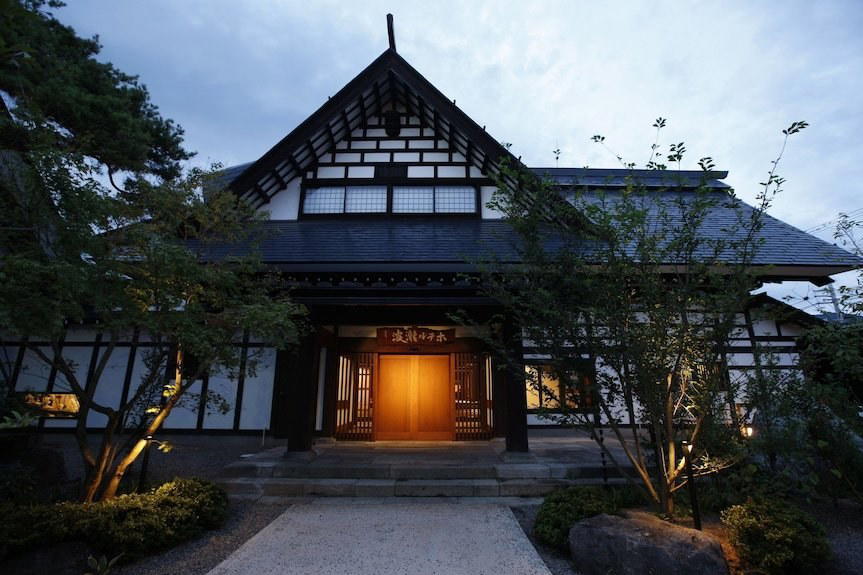
Details
- Cozy
- Classic
- Intimate
- Solo
- Casual Hangout
- After Work
- Family
- Chefs Counter
- Standalone
- A La Carte
- Counter Dining
Current opening hours
- Monday
- 11 AM–2:30 PM
- Tuesday
- 11 AM–2:30 PM
- Wednesday
- Closed
- Thursday
- 11 AM–2:30 PM
- Friday
- 11 AM–2:30 PM
- Saturday
- 11 AM–2:30 PM
- Sunday
- 11 AM–2:30 PM
Hours can change for holidays and private events. Last verified .