Taishan Cuisine

When San Francisco's Top 100 gala wrapped last year, the chef honorees chose Taishan Cuisine as their after-party destination, a telling endorsement from the city's own hospitality crowd. This no-frills Chinatown spot at 781 Broadway stays open until 3 a.m. daily, drawing a mix of international students, industry workers, and solo diners who know exactly what they came for.
Pearl is the En Primeur Club membership app — saves, bookings, and concierge access live there. Same editors, same standards.
- Address
- 781 Broadway, San Francisco, CA 94133
- Phone
- 415-788-2288
- Website
- taishancuisinesf.com
- Directions
- Get directions
 Saves & bookings on Pearl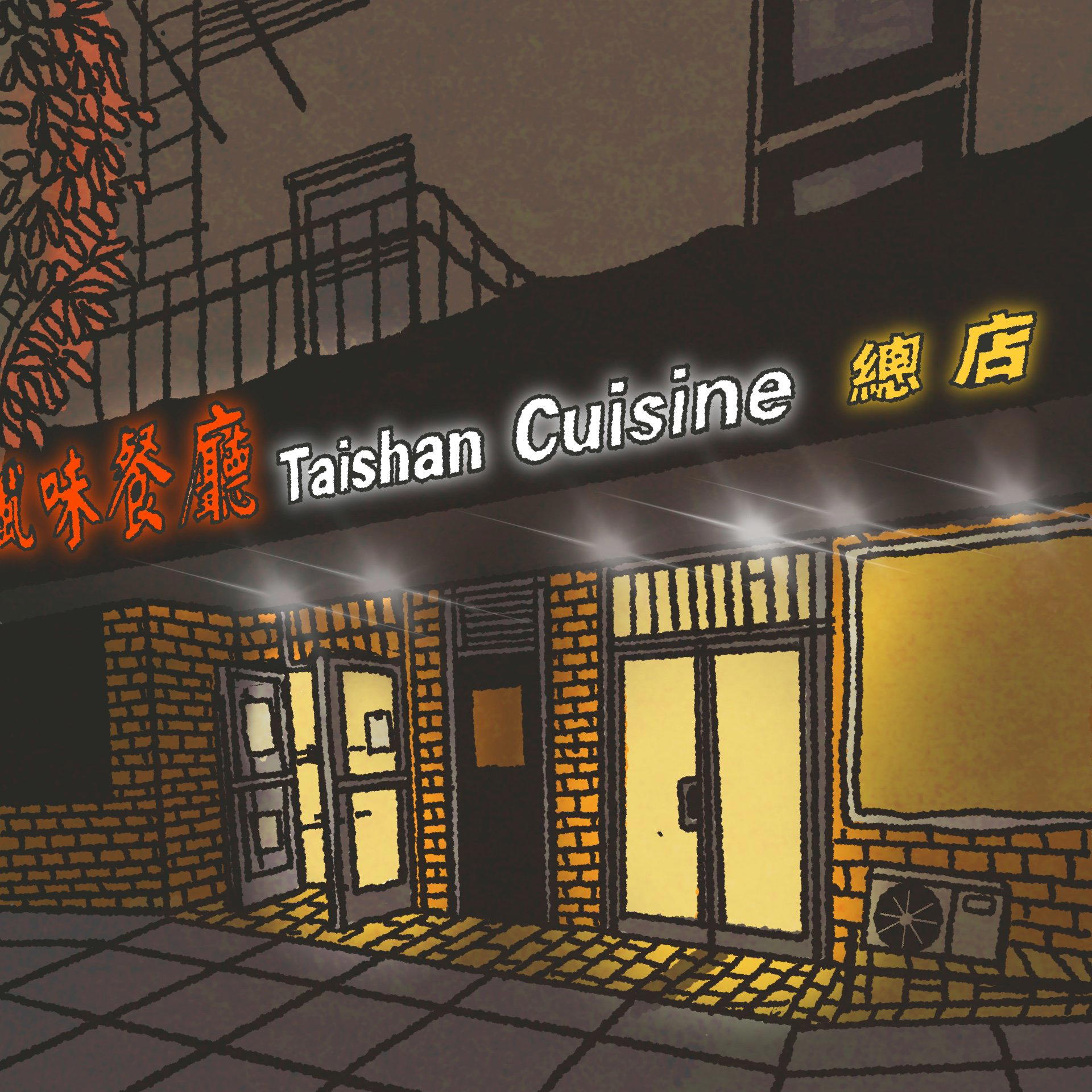
The Late-Night Logic of San Francisco's Chinatown
Taishan Cuisine is a casual, walk-in-friendly Cantonese restaurant in San Francisco's Chinatown at 781 Broadway, known for late-night service until 3 a.m. But after a long service at Lazy Bear, Atelier Crenn, or Quince, the cooks and servers who ran those rooms end up somewhere honest, somewhere that keeps the lights on after midnight and does not ask anything of you except that you sit down and eat. In San Francisco, that somewhere is increasingly Taishan Cuisine, on Broadway in the heart of Chinatown.
The room at 781 Broadway makes no effort to signal ambition in the architectural sense. The telling detail is not what you see so much as when you see it: at 1 a.m. on a Tuesday, the place fills with the sort of crowd that rarely appears in restaurant photography, hospitality workers still in their work shoes, international students hunched over phones and bowls, solo diners who have clearly been here before. The city's polished dining tier, represented by the likes of Benu and Saison, winds down at ten. Taishan is getting started.
Taishan as a Region, Not a Menu Category
The name is geography before it is cuisine. Taishan, sometimes romanised as Toisan, is a county-level city in Guangdong Province, and its culinary tradition sits within the broader Cantonese family while maintaining its own distinct register. The Taishanese diaspora is historically significant in California: in the nineteenth and early twentieth centuries, Taishanese immigrants made up a large share of the Chinese population in the American West, and their cooking shaped the Cantonese-American tradition that still defines Chinatown menus across the country. What that means in practical terms is that Taishan food carries a lineage that pre-dates the contemporary farm-to-table conversation by more than a century, a point worth holding onto when thinking about what ingredient sourcing actually looks like in a tradition this old.
Cantonese cooking, and Taishanese cooking within it, is built on the assumption that the ingredient is the argument. The seasoning vocabulary is deliberately restrained: soy, ginger, scallion, fermented black bean, and rice wine appear not to transform the ingredient but to frame it. This stands in contrast to the intervention-heavy logic of, say, Blue Hill at Stone Barns or Single Thread Farm in Healdsburg, where sourcing narrative is front and centre. At a restaurant like Taishan Cuisine, sourcing has always been the silent architecture, the quality of a clay pot dish or a steamed preparation is immediately exposed if the base ingredient is poor, with nowhere for technique to hide.
Who Eats Here, and What That Signals
The restaurant has. That crowd, people who spend their professional lives calibrating quality at places like The French Laundry in Napa, Le Bernardin in New York City, and Providence in Los Angeles, did not end up here by accident. The hospitality industry's late-night choices are a form of peer review that does not get written down, and the restaurant has earned that review consistently enough to become the default.
The crowd composition at any given late-night sitting reflects a cross-section of the city that is difficult to stage. International Chinese students bring a calibration for what the food should taste like at the source. Hospitality workers bring a professional palate and zero tolerance for poor execution when they are paying out of their own pocket. Solo diners at the far end of a long evening bring a different kind of attention, focused, unsentimental. A restaurant that satisfies all three constituencies simultaneously is doing something right in its kitchen.
The 3 A.M. Format as a Distinct Category
In cities like Hong Kong and Guangzhou, the late-night Cantonese format has deep structural roots: juk (congee) shops, dai pai dong stalls, and roast-meat counters that bridge dinner service and early breakfast have been running continuously for generations. San Francisco's Chinatown carries a version of that tradition, though compressed and adapted. The restaurants that anchor the late-night tier here are not trying to replicate the fine-dining experience of a New York tasting counter or the ingredient-provenance focus of a European kitchen with a defined sourcing philosophy. They are providing something those formats cannot: food at 2 a.m. that is cooked to order, priced accessibly, and competent enough to draw the people who cook the city's most expensive food when they clock out.
The restaurant operates every day until 3 a.m. which suits the late-night crowd it serves. Addison in San Diego, Smyth in Chicago, or Frasca Food and Wine in Boulder, restaurants where the entire experience is engineered around a specific time window. The restaurant's value proposition is the inverse: come when the other options have closed, and the kitchen will still be running.
Planning Your Visit
The restaurant sits at 781 Broadway, San Francisco, CA 94133, in the Broadway corridor where Chinatown meets North Beach. The restaurant is open every day until 3 a.m. and walk-ins are welcome. The Chinatown-Rose Pak Muni Metro station puts the area within reach from much of the city. comparable destination formats for contrast, though the two ends of the dining spectrum rarely compete for the same occasion. Emeril's in New Orleans represents another point of reference for understanding how a city's hospitality culture generates its own after-hours institution over time.
Quick Comparison
Comparable venues nearby, for context on price, style, and recognition.
| Venue | Cuisine | Price | Notes |
|---|---|---|---|
| Taishan CuisineThis venue — the venue you are viewing | Authentic Taishanese Cantonese | $$ | Not listed |
| FUSION DUMPLING | Shanghai Fusion Dumplings | $$ | Chinatown |
| Dragon Beaux | Modern Dim Sum & Hot Pot | $$ | Outer Richmond |
| Yuet Lee | Cantonese Seafood | $$ | Chinatown |
| Ton Kiang | Hakka Dim Sum | $$ | Richmond |
| IPOT | All-You-Can-Eat Hotpot & Korean BBQ | $$ | Inner Sunset |
Recognition history
Dated appearances from independent guides and award organizations, with the underlying list record or original source where available.
San Francisco Chronicle Top 100 Bay Area Restaurants #11
San Francisco Chronicle
Continue exploring
More in San Francisco
Restaurants in San Francisco
Browse all →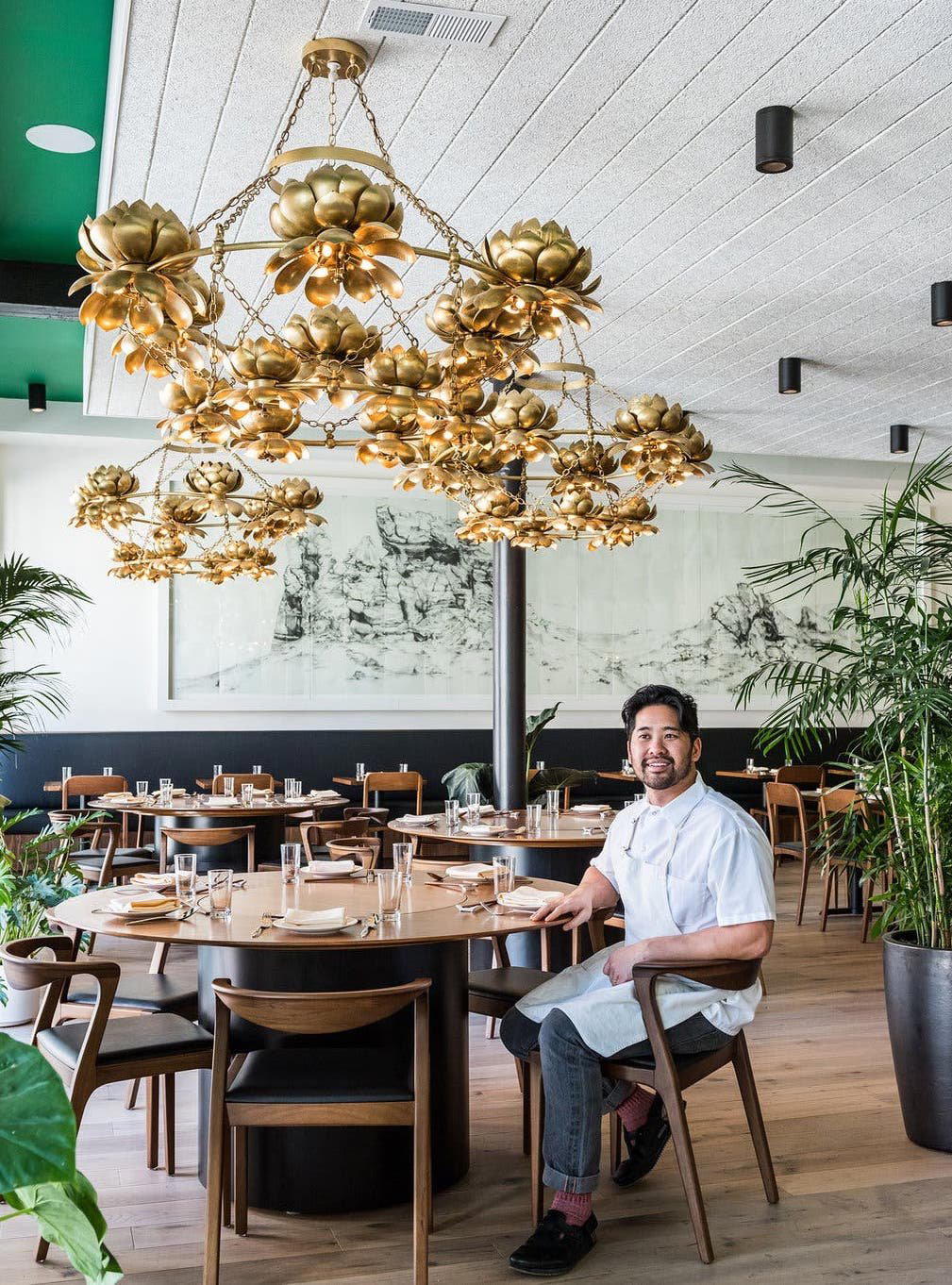
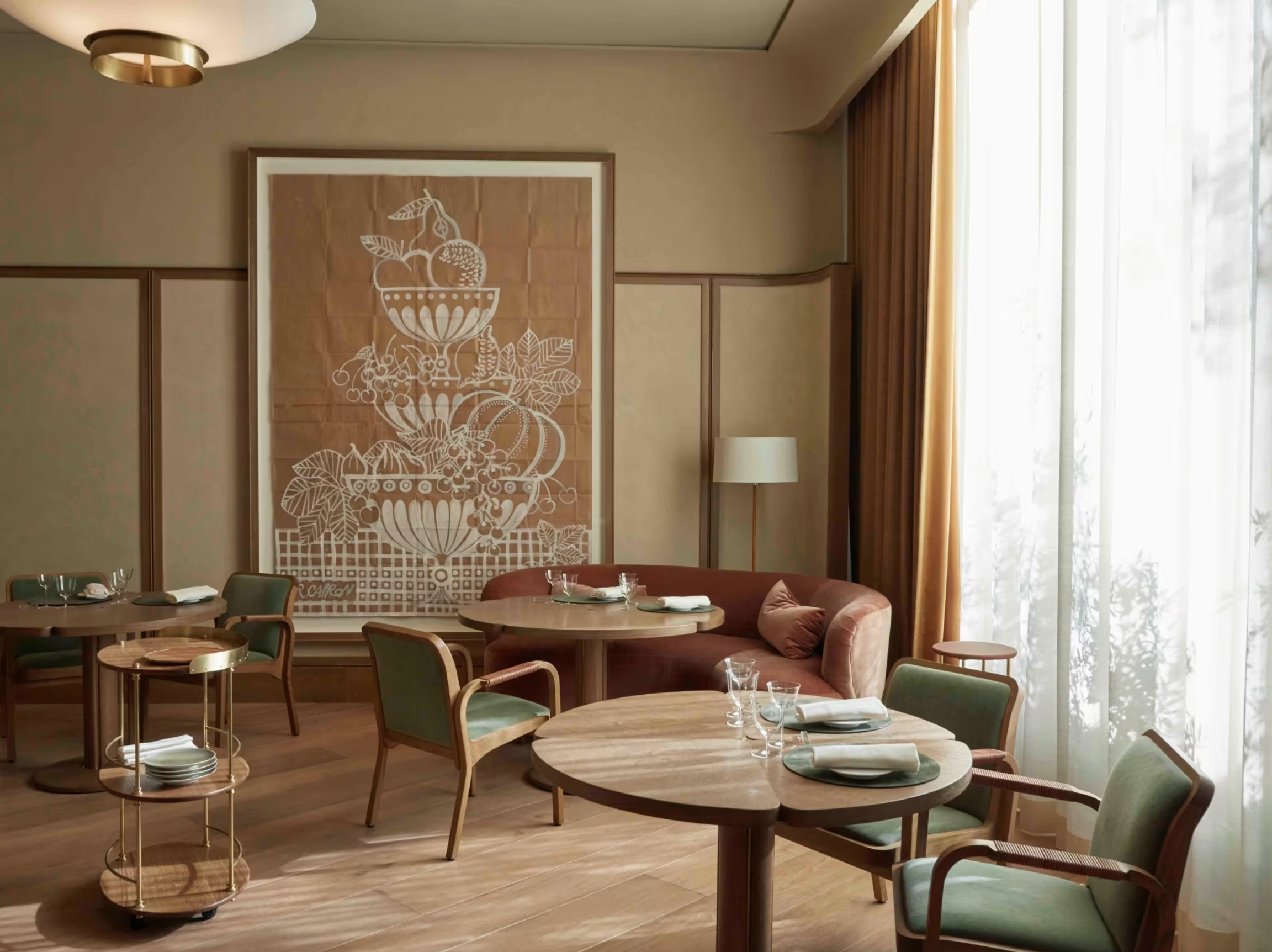
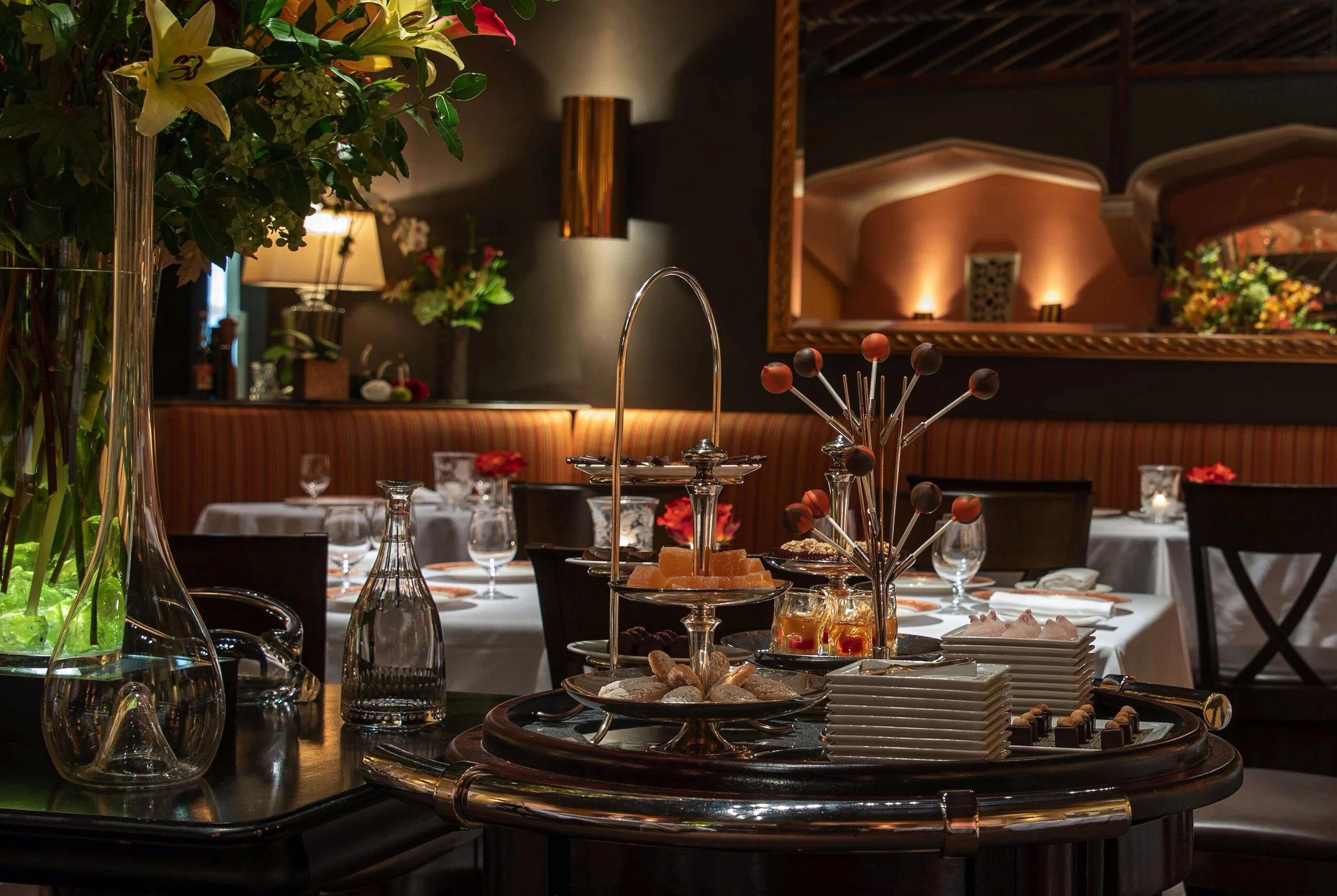
Bars in San Francisco
Browse all →
Hotels in San Francisco
Browse all →

At a Glance
- Cozy
- Late Night
- Casual Hangout
Current opening hours
- Monday
- 11 AM–3 PM, 5 PM–3 AM
- Tuesday
- 11 AM–3 PM, 5 PM–3 AM
- Wednesday
- 11 AM–3 PM, 5 PM–3 AM
- Thursday
- 11 AM–3 PM, 5 PM–3 AM
- Friday
- 11 AM–3 PM, 5 PM–3 AM
- Saturday
- 11 AM–3 PM, 5 PM–3 AM
- Sunday
- 11 AM–3 PM, 5 PM–3 AM
Hours can change for holidays and private events. Last verified .