
Michelin Bib Gourmand
Our verdict
Ye Long Jing occupies a corner of Hangzhou's Longjing tea-growing valley, where spring-fed hills and centuries-old terraces provide both setting and ingredient base. The kitchen builds its menu around the leaves and mountain produce grown within sight of the dining room, anchoring the meal to a single agricultural watershed.

Pearl is the En Primeur Club membership app, where members save venues, book tables and use the concierge.
The menu
What to order
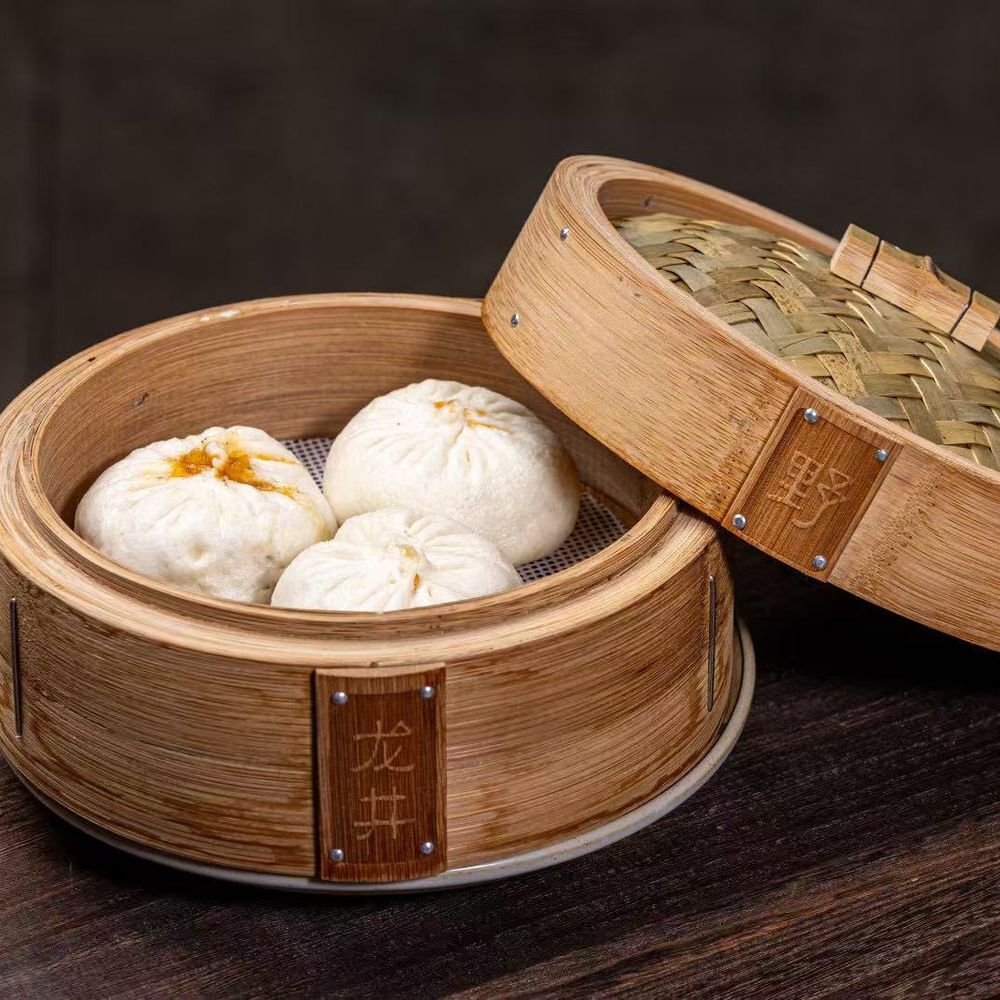
- Fried river shrimps with Sichuan pepper and chilli sauce
- Fried mochi coated in sugar and ground peanuts
- Freshwater fish and shellfish dishes
- Hangzhou classic specialities
The approach to Ye Long Jing follows 98 Longjing Road as it climbs past terraced tea plots and stone-walled farms, where the city's noise fades and the air smells of turned earth and drying leaves. This stretch of the Xihu district has supplied Hangzhou's kitchens for centuries, and a handful of restaurants now anchor themselves directly to the landscape, using the tea fields not just as backdrop but as larder. Ye Long Jing takes that ingredient-first logic further than most, running a menu that mirrors the agricultural calendar of the valley and treating Longjing tea as a culinary raw material rather than a beverage footnote.
Hangzhou's dining identity hinges on Zhejiang tradition, where restraint and seasonality define the plate. The city's premium tables, 1913 (Hang Zhou), 28 Hubin Road (Zhejiang), and Amanfayun (Chinese), all share that philosophy, but few embed themselves as literally in the production chain. Ye Long Jing sits inside the Longjing Protected Origin zone, where spring-harvest Dragon Well tea commands premium prices and the microclimate dictates what grows when. That geographic specificity shapes the kitchen's rhythm: spring brings tender tea shoots and bamboo; summer yields lotus root and river fish; autumn delivers chestnuts and wild mushrooms. The restaurant does not chase novelty or fusion; it documents the valley's output, plate by plate.
Tea as Ingredient, Not Ornament
Longjing tea appears in multiple courses, treated as a fresh vegetable when young and as a flavoring agent when aged. The kitchen works with farmers who cultivate tea within a two-kilometer radius, and harvest timing determines menu composition. Pre-Qingming leaves, picked before April 5, command the highest prices and the softest texture; the restaurant reserves these for lightly dressed salads and delicate broths. Post-rain leaves, firmer and more astringent, go into marinades and rubs for pork and river eel. The tea's grassy bitterness balances the region's love of sugar and Shaoxing wine, and the kitchen leans into that tension rather than masking it.
This approach aligns Ye Long Jing more closely with ingredient-driven programs in rural Japan, where a single farm or fishery dictates the menu, than with Hangzhou's hotel restaurants, which source across the province. The trade-off is obvious: the menu narrows, and diners looking for variety or spectacle may find the pace slow. But for those interested in terroir expressed through vegetables and tea rather than wine, the focus delivers clarity that broader menus dilute.
Room, Service, and Pacing
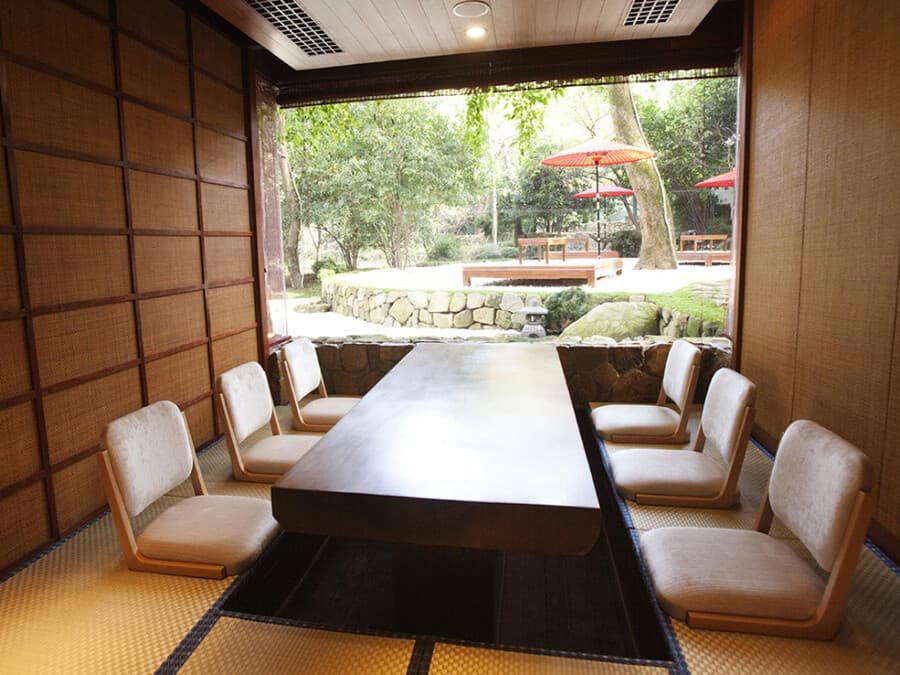
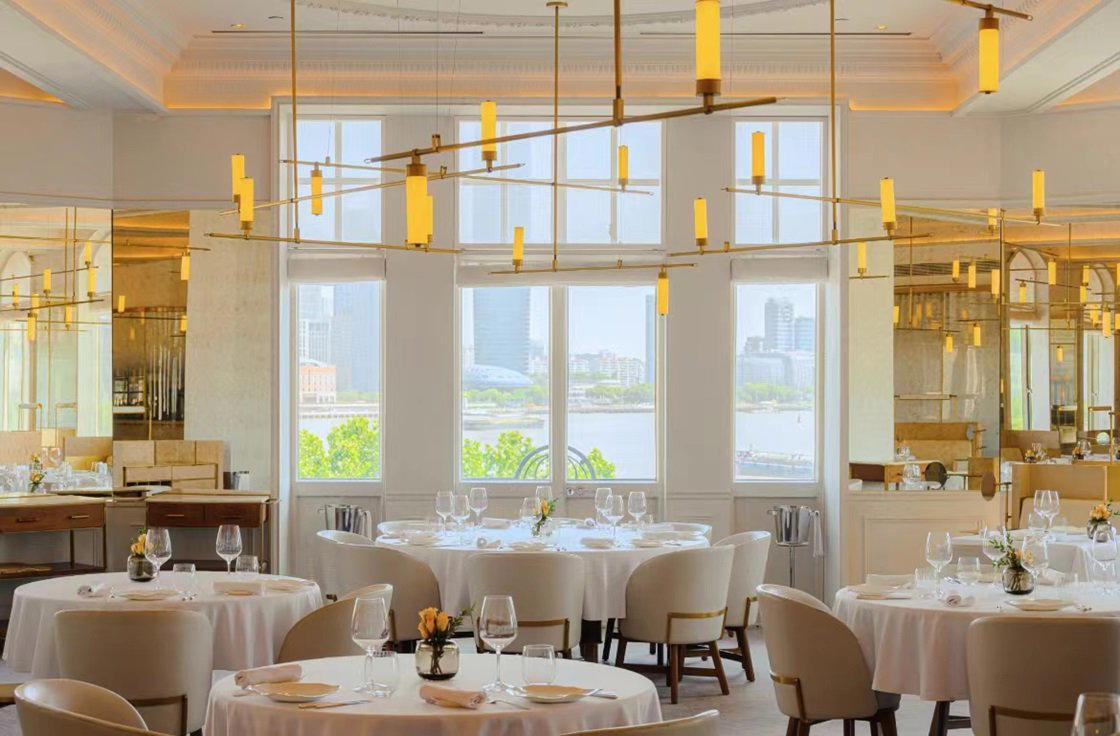
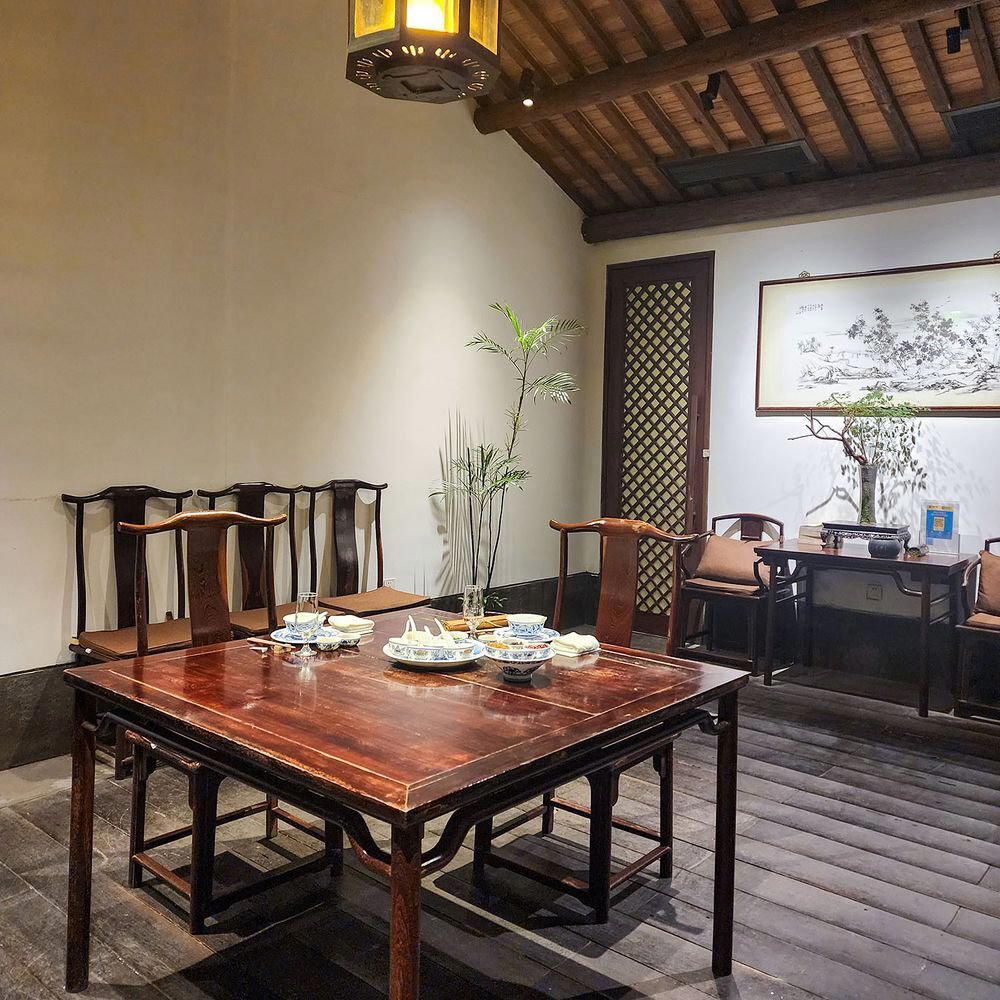
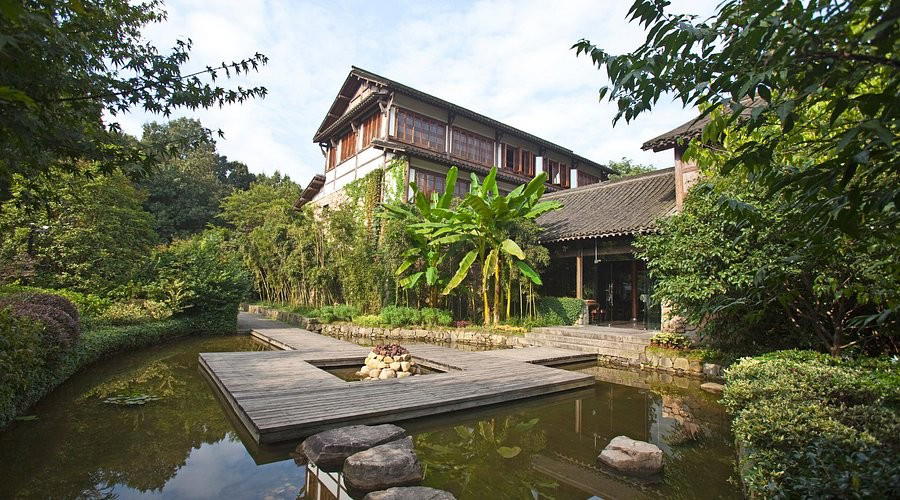
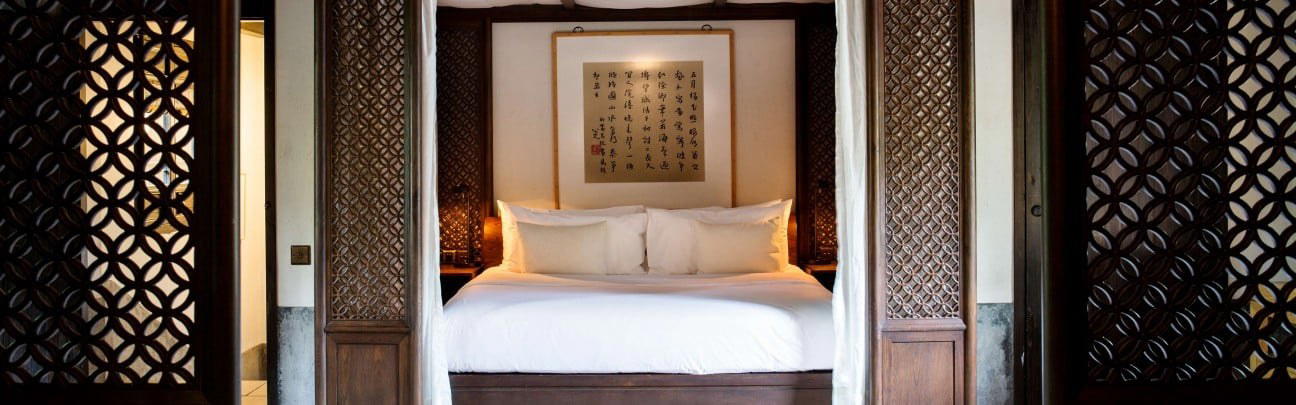
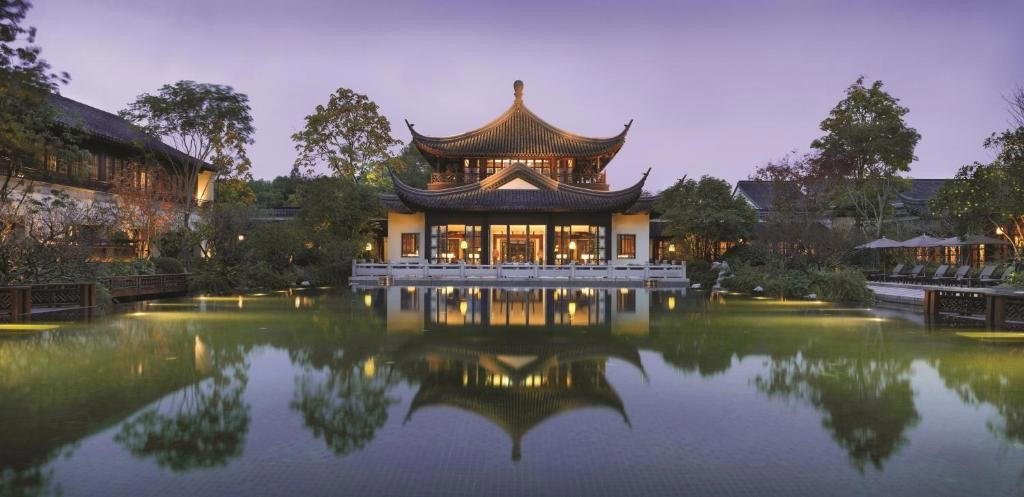
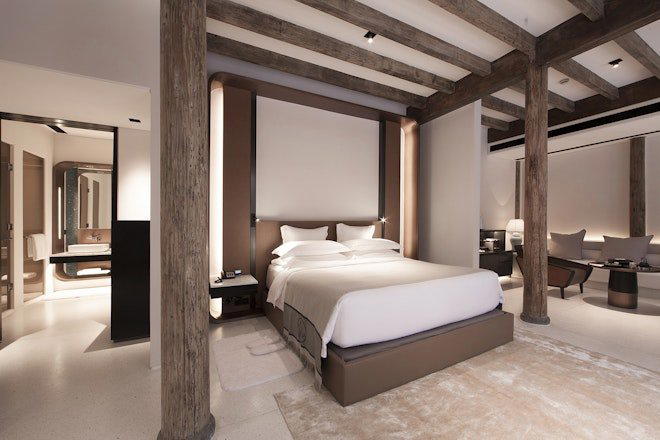
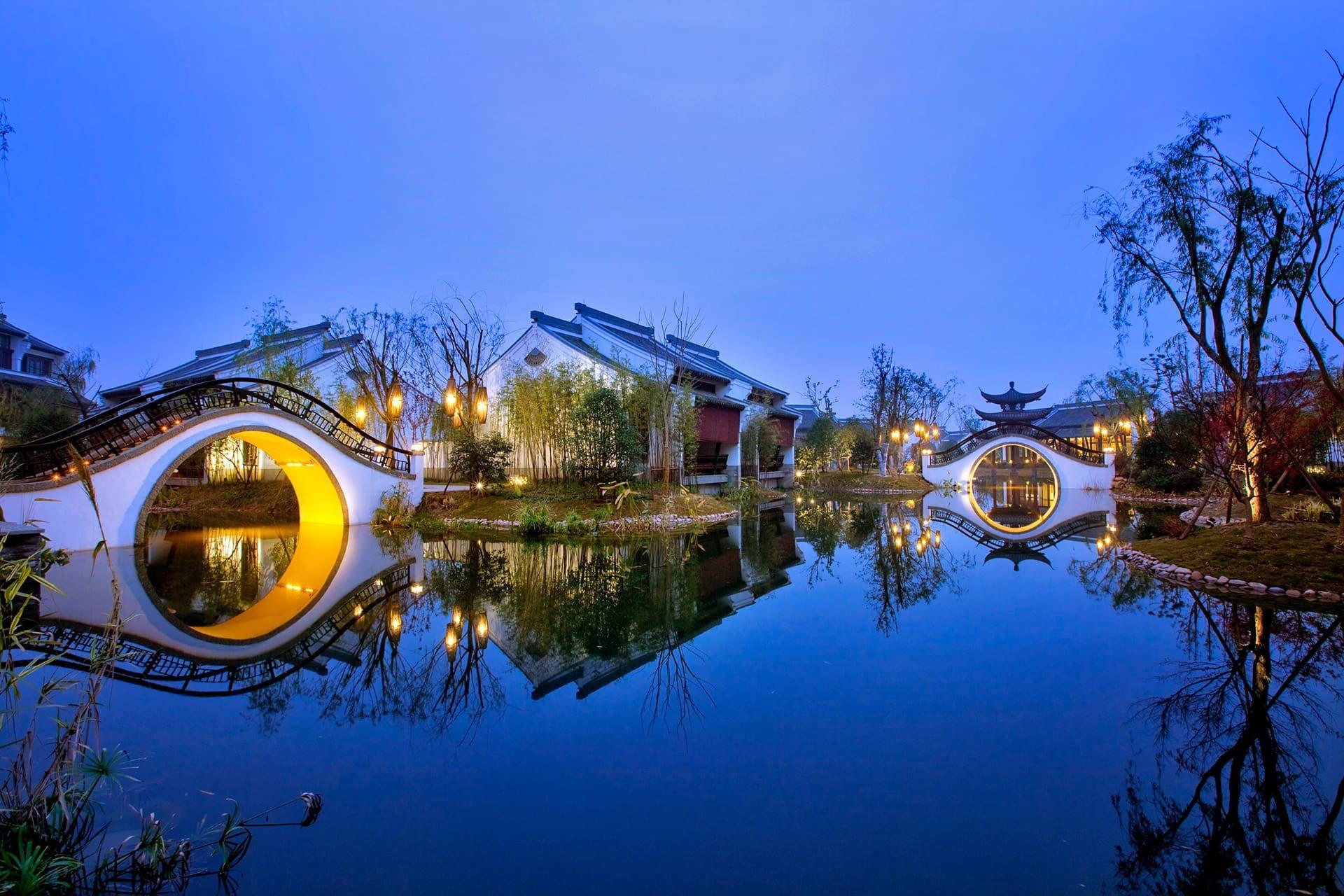
The dining space occupies a low-slung building with wide windows that frame the tea terraces and West Lake's distant shimmer. Tables are spaced generously, and the interior favors pale wood, white walls, and minimal decoration, a neutral stage for the food. Service is attentive but not verbose; staff explain the provenance of each ingredient and suggest pacing, but they do not narrate the chef's biography or the restaurant's philosophy. Meals unfold over ten to twelve courses, with intervals long enough to reset the palate but not so stretched that momentum stalls.
The wine list is short and skews toward light whites and orange wines that mirror the tea's tannin structure. There is no sommelier on the floor, and the program does not chase acclaim, bottles are chosen for compatibility with bitter greens and fermented flavors, not for rarity. Diners who prefer beer or tea will find more depth in those categories than in the wine selection.
Ye Long Jing does not hold Michelin recognition, nor does it appear on the Asia's 50 Best list. Its reputation remains local and word-of-mouth, supported by repeat visits from Hangzhou residents and travelers who prioritize ingredient sourcing over service polish. The restaurant does not court international press, and its lack of English signage or multilingual menus signals a kitchen more interested in dialogue with local suppliers than with global dining trends. That insularity can frustrate first-time visitors unfamiliar with Zhejiang cooking, but it also means the menu remains uncommonly consistent across seasons, anchored to a single agricultural system rather than chasing imported luxury.
For context within Hangzhou's broader dining landscape, our full Hangzhou restaurants guide maps the city's premium tables, while Ambré Ciel (Innovative) and Bai Yun offer higher-altitude perspectives on regional ingredients. Travelers planning longer stays may also reference our full Hangzhou hotels guide and our full Hangzhou bars guide for evening options beyond the meal itself.
Frequently asked questions
Is Ye Long Jing okay with children?
The restaurant accommodates families, though the multi-course format and tea-centric menu are geared toward adult palates. Tables are spaced generously in the low-slung building at 98 Longjing Road, which reduces noise concerns. The tea-terrace views and pacing suit quieter dining.
What should I expect atmosphere-wise at Ye Long Jing?
Wide windows frame tea terraces and distant West Lake shimmer from the low-slung building. Tables are spaced generously, and the pace follows the tea-harvest calendar rather than rushed service. The setting is understated, letting the Longjing slopes and lake do the visual work.
Does Ye Long Jing have a Michelin star or similar recognition?
Ye Long Jing has received recognition including: Nestled in a scenic spot, famous....
How do I find Ye Long Jing?
Ye Long Jing is located at 98 Longjing Road, Xihu, Hangzhou, Zhejiang, CHN, Hangzhou.
A Quick Peer Check
Comparable venues by cuisine and price in the same metro.
| Venue | Cuisine | Price | Awards | Notes |
|---|---|---|---|---|
| Ye Long JingThis venue (the venue you are viewing) | Traditional Jiangzhe and Hangzhou cuisine in a rustic-chic tea-farm mansion | Not listed | Michelin Bib Gourmand | Not listed |
| Longjing Manor | Zhejiang | Not listed | Not listed | Not listed |
| Xi Xi Liang Chen | Chaozhou Fine Dining | Not listed | Michelin Plate | Chao Zhou |
| Xiu Cai Yang Rou Mian | Chinese Lamb Noodles | Not listed | Michelin Bib Gourmand | Noodles |
| Jiexianglou at Seven Villas | Modern Jiangnan Cuisine | $100–150 | La Liste Top Restaurants | Not listed |
| La Villa Restaurant (LVR) | Modern Jiangnan Fine Dining | $100–150 | Relais Chateaux Award | Creative cooking |
Recognition history
Dated appearances from independent guides and award organizations, with the underlying list record or original source where available.
Michelin Bib Gourmand
Michelin
Continue exploring
More in Hangzhou
Restaurants in Hangzhou
All restaurants in Hangzhou →
Bars in Hangzhou
All bars in Hangzhou →
Details
- Rustic
- Elegant
- Scenic
- Cozy
- Family
- Group Dining
- Date Night
- Special Occasion
- Garden
- Design Destination
- Standalone
- Local Sourcing
- Garden
- A La Carte
The restaurant sits in a quaint old-style mansion surrounded by Longjing tea farms and winding creeks, with an interior that balances rustic touches and refined elegance for a cozy yet polished feel.