Yank Sing



Michelin Bib Gourmand · James Beard Award America's Classics
Our verdict
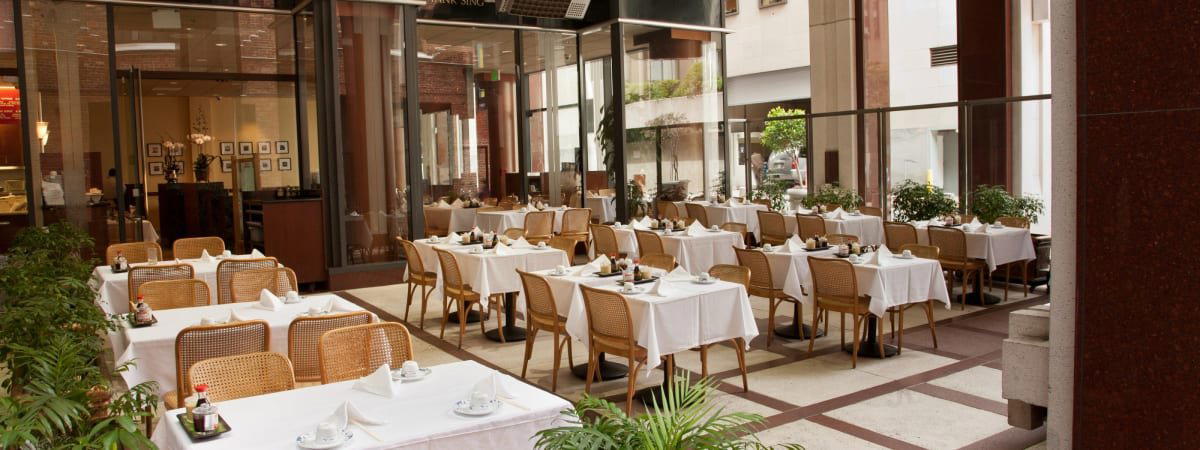
Yank Sing has anchored San Francisco's Financial District dim sum tradition for decades, earning consecutive Michelin Bib Gourmand recognition through 2024 and 2025 alongside placement on Opinionated About Dining's North America Casual list. The lunch-only format, running Tuesday through Sunday at 101 Spear Street, positions it squarely in the city's mid-price bracket while drawing a mixed crowd of office workers, families, and out-of-town visitors in search of a reliable Cantonese cart service.

Pearl is the En Primeur Club membership app, where members save venues, book tables and use the concierge.
The menu
What to order
- Shanghai Kurobuta pork dumpling
- Shrimp dumpling
- Savory vegetable dumpling
- Mango pudding
- Egg custard tart
The Ritual of the Cart: Dim Sum as a Dining Framework
Dim sum is not a cuisine in the conventional sense. It is a format, a social contract between kitchen and table that predates the modern restaurant concept by centuries. The Cantonese tradition of yum cha, literally "drink tea," built an entire hospitality culture around small shared plates, a rotating cast of dumplings, buns, and rice rolls delivered in bamboo steamers to tables that rarely see a menu in the Western sense. Understanding that tradition is the entry point for evaluating any dim sum house operating outside Hong Kong or Guangdong, because the format carries specific obligations: freshness, timing, and sourcing matter in ways that are invisible at first glance but immediately apparent at the table.
San Francisco has one of the oldest and most continuous Cantonese communities in the United States, and the city's relationship with dim sum reflects that history. The Financial District and Rincon Hill locations of Yank Sing sit a deliberate distance from the concentrated density of Chinatown, occupying a different market segment: the lunch-hour crowd from the surrounding office towers, weekend families, and visitors oriented toward the Embarcadero waterfront. That positioning shapes what the kitchen needs to produce and at what pace.
What the Awards Signal About the Tier
Yank Sing has held consecutive Michelin Bib Gourmand recognition in 2024 and 2025, a designation that sits below the starred levels but carries specific meaning in the Michelin framework: it identifies restaurants offering quality cooking at a price point the guide considers accessible. In Michelin's own language, it marks "good food at moderate prices." That framing is precise for Yank Sing's $$-price range, which places it below the city's multi-course tasting-menu tier occupied by venues like Benu, Atelier Crenn, Quince, Lazy Bear, and Saison.
The Opinionated About Dining Casual North America list provides additional calibration. OAD rankings are driven by voter panels of serious eaters rather than anonymous inspectors, and Yank Sing appeared as Highly Recommended in 2023, climbed to #362 in 2024, then adjusted to #556 in 2025 on a list where positioning shifts with the size and composition of the voter pool. The presence across three consecutive annual editions confirms sustained recognition rather than a single strong year.
For a San Francisco visitor already familiar with the tasting-menu circuit, those credentials answer a different question: where does reliable, well-executed Cantonese food fit into a trip that might otherwise be anchored around The French Laundry in Napa, SingleThread Farm in Healdsburg, or a high-end evening at Le Bernardin in New York City on a broader itinerary.
Sourcing and the Dim Sum Kitchen Logic
The editorial angle here is worth dwelling on, because dim sum kitchens operate under sourcing pressures that are structurally different from those of a conventional restaurant kitchen. A single dim sum service involves dozens of distinct items, each with its own filling, wrapper, cooking method, and timing requirement. Shrimp har gow requires fresh, snappy prawns; the rice noodle rolls need a delicate, slightly slippery sheet; the char siu bao depends on the quality and fat content of the barbecued pork inside. At volume, maintaining those standards means disciplined supply chains, not a single flagship ingredient from a marquee farm.
The Cantonese tradition that informs this format developed in southern China around the Pearl River Delta, a region with direct access to seafood, pork, and a repertoire of fermented and preserved condiments. That geography encoded specific ingredient assumptions into the recipes: shrimp should taste clean and sweet, pork should have enough fat to stay moist through steaming, and the dipping sauces should provide acidic and savory counterpoints rather than mask the filling. Transplanting that format to San Francisco's Financial District means sourcing proteins and produce from California supply chains while maintaining those taste benchmarks, a logistical challenge that separates consistently performing houses from those that slip toward frozen or prefabricated components.
Yank Sing's sustained recognition across the Bib Gourmand and OAD frameworks suggests the kitchen is meeting that standard at a meaningful level. Neither award program rewards spectacle; both function as quality filters for consistent execution at price.
The Lunch Window and When to Go
Dim sum is, by tradition and economic logic, a daylight meal. The format emerged from teahouse culture designed around morning and midday service, and most serious dim sum operations in the United States mirror that structure. Yank Sing operates Tuesday through Friday, 11 am to 3 pm, and extends the window on weekends with a 10 am opening on both Saturday and Sunday. Mondays are closed.
The weekend morning service carries a different energy from the weekday lunch. On a Saturday or Sunday at opening, the room fills with families running multigenerational tables, orders arrive quickly, and the pace of the kitchen is tuned to moving a high volume of plates in a short window. Weekday lunch, by contrast, skews toward the Financial District professional crowd, with quicker individual turnover and a more transactional atmosphere. Neither is objectively preferable; they serve different intentions.
For visitors with a full San Francisco itinerary, consult the experiences guide for broader coverage. Those building a West Coast circuit might also look at Providence in Los Angeles or, for a different register of Chinese-influenced fine dining, Atomix in New York City and 8½ Otto e Mezzo Bombana in Hong Kong for a direct Hong Kong Cantonese reference point. For American regional comparison at a different price tier, Emeril's in New Orleans and Alinea in Chicago sit in entirely different culinary categories but serve as useful anchors for understanding the Bib Gourmand tier against the broader American dining spectrum.
Practical Planning
Address: 101 Spear St, San Francisco, CA 94105. Hours: Tuesday through Friday 11 am to 3 pm; Saturday and Sunday 10 am to 3 pm; closed Monday. Budget: $$ price range, consistent with Michelin Bib Gourmand positioning.
What to Order at Yank Sing
Yank Sing operates a cart and tray service format standard to Cantonese dim sum, meaning the menu rotates through the room rather than arriving as a printed list. The Cantonese canon that underpins this style covers a well-established range: shrimp dumplings (har gow), steamed pork and shrimp dumplings (siu mai), barbecue pork buns (char siu bao) in both baked and steamed versions, rice noodle rolls (cheung fun) with various fillings, turnip cake (lo bak go), and egg tarts as a dessert closer. These are the structural pillars of any serious dim sum kitchen, and their execution quality is the most direct measure of a kitchen's sourcing and technique. Beyond the classics, seasonal and rotating items typically move through the cart cycle, rewarding repeat visits over a single survey lunch. The Benu team's approach to Chinese-influenced technique at the fine-dining tier offers a useful counterpoint for understanding how the same ingredient traditions translate across price tiers in the same city.
Frequently asked questions
How do I find Yank Sing?
Yank Sing is located at 101 Spear St, San Francisco, CA 94105.
Is Yank Sing focused on a specific cuisine style?
Yank Sing is a Chinese dim sum restaurant.
What should I eat at Yank Sing?
Yank Sing runs a cart and tray service format standard to Cantonese dim sum, so ordering follows what circulates through the room rather than a fixed printed menu. The kitchen has earned back-to-back Michelin Bib Gourmand recognition in 2024 and 2025, with Opinionated About Dining placing it at #362 in North America in 2024, which points to consistent execution across the core repertoire. Focus on the dumplings and steamed items when carts pass early in the service window, as they come out freshest from the kitchen. Saturday and Sunday service opens at 10 am, giving you the widest selection before the room fills.
What should I budget for a meal at Yank Sing?
Pricing at Yank Sing is listed as $$.
Same-City Peers
A quick look at comparable venues.
| Venue | Cuisine | Price | Awards | Notes |
|---|---|---|---|---|
| Yank SingThis venue (the venue you are viewing) | Traditional and Contemporary Chinese Dim Sum | $30–50 | Michelin Bib Gourmand · James Beard Award America's Classics | Not listed |
| Lazy Bear | Modern American Tasting Menu | Not listed | 2 Michelin Stars · World's 50 Best #25 | Progressive American, Contemporary |
| Benu | Modern Asian Fusion Fine Dining | $150–200 | 3 Michelin Stars · World's 50 Best #33 | French - Chinese, Asian |
| Atelier Crenn | Contemporary French Fine Dining | $300–500 | 3 Michelin Stars · World's 50 Best #44 | Modern French, Contemporary |
| Quince | Modern French Fine Dining | $300–500 | 3 Michelin Stars · World's 50 Best #48 | Italian, Contemporary |
| Saison | Modern French-Italian | Not listed | Michelin Plate | Progressive American, Californian |
Recognition history
Dated appearances from independent guides and award organizations, with the underlying list record or original source where available.
Michelin Bib Gourmand
Michelin
James Beard Award America's Classics
James Beard Award
Opinionated About Dining Casual in North America Recommended
Opinionated About Dining
Full recognition history (8 entries)
Michelin Bib Gourmand
Michelin
Opinionated About Dining Casual in North America Ranked #556
Opinionated About Dining
Michelin Bib Gourmand
Michelin
Opinionated About Dining Casual in North America Ranked #362
Opinionated About Dining
Opinionated About Dining Casual in North America Highly Recommended
Opinionated About Dining
Continue exploring
More in San Francisco
Restaurants in San Francisco
All restaurants in San Francisco →
Bars in San Francisco
All bars in San Francisco →


Details
- Well Known
- Lively
- Classic
- Modern
- Group Dining
- Business Dinner
- Family
- Casual Hangout
- Private Dining
- Standalone
- Small Plates
- A La Carte
- Family Style
- Vegetarian Friendly
Current opening hours
- Monday
- Closed
- Tuesday
- 11 AM–3 PM
- Wednesday
- 11 AM–3 PM
- Thursday
- 11 AM–3 PM
- Friday
- 11 AM–3 PM
- Saturday
- 10 AM–3 PM
- Sunday
- 10 AM–3 PM
Hours can change for holidays and private events. Hours as of .
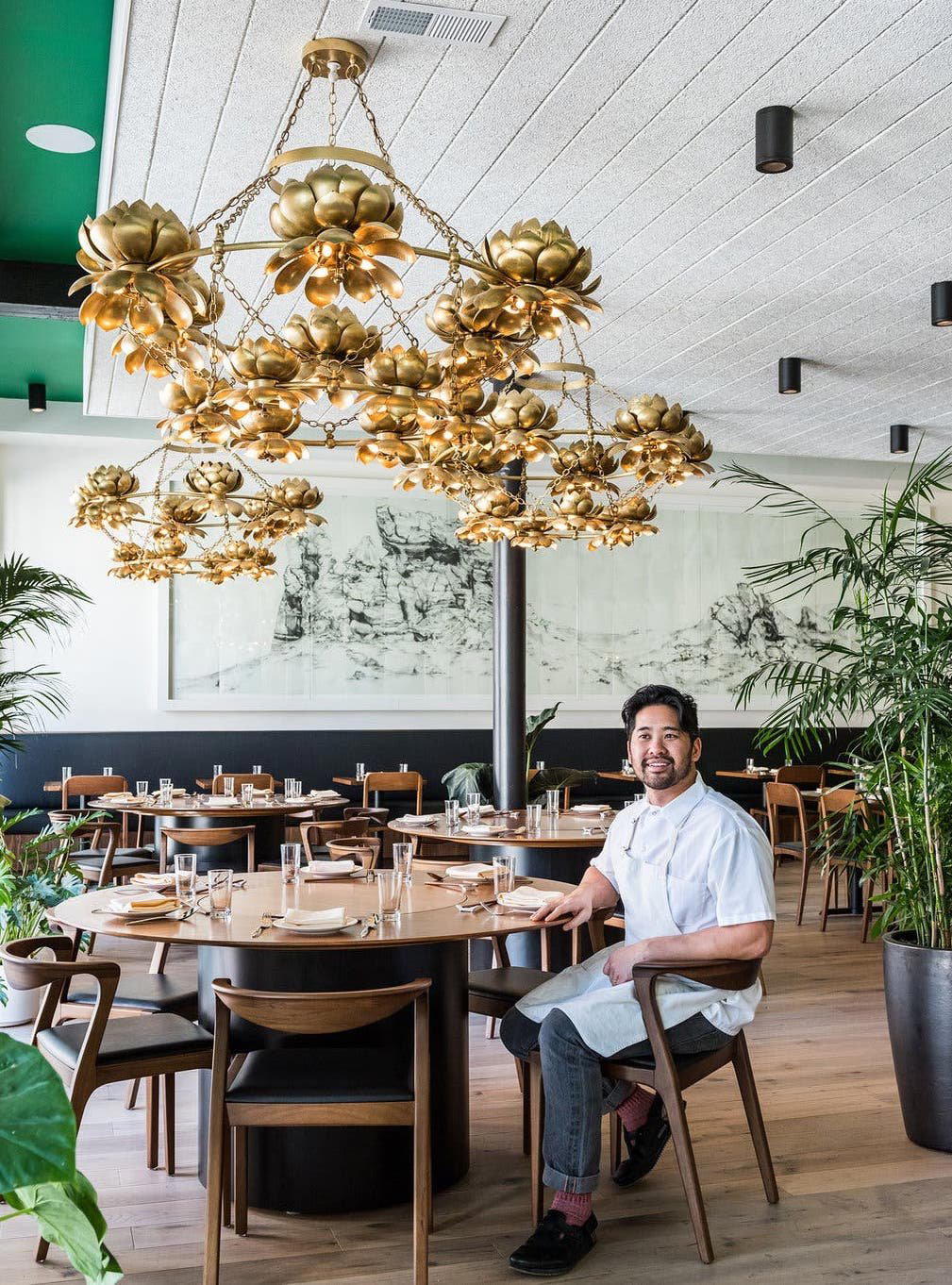
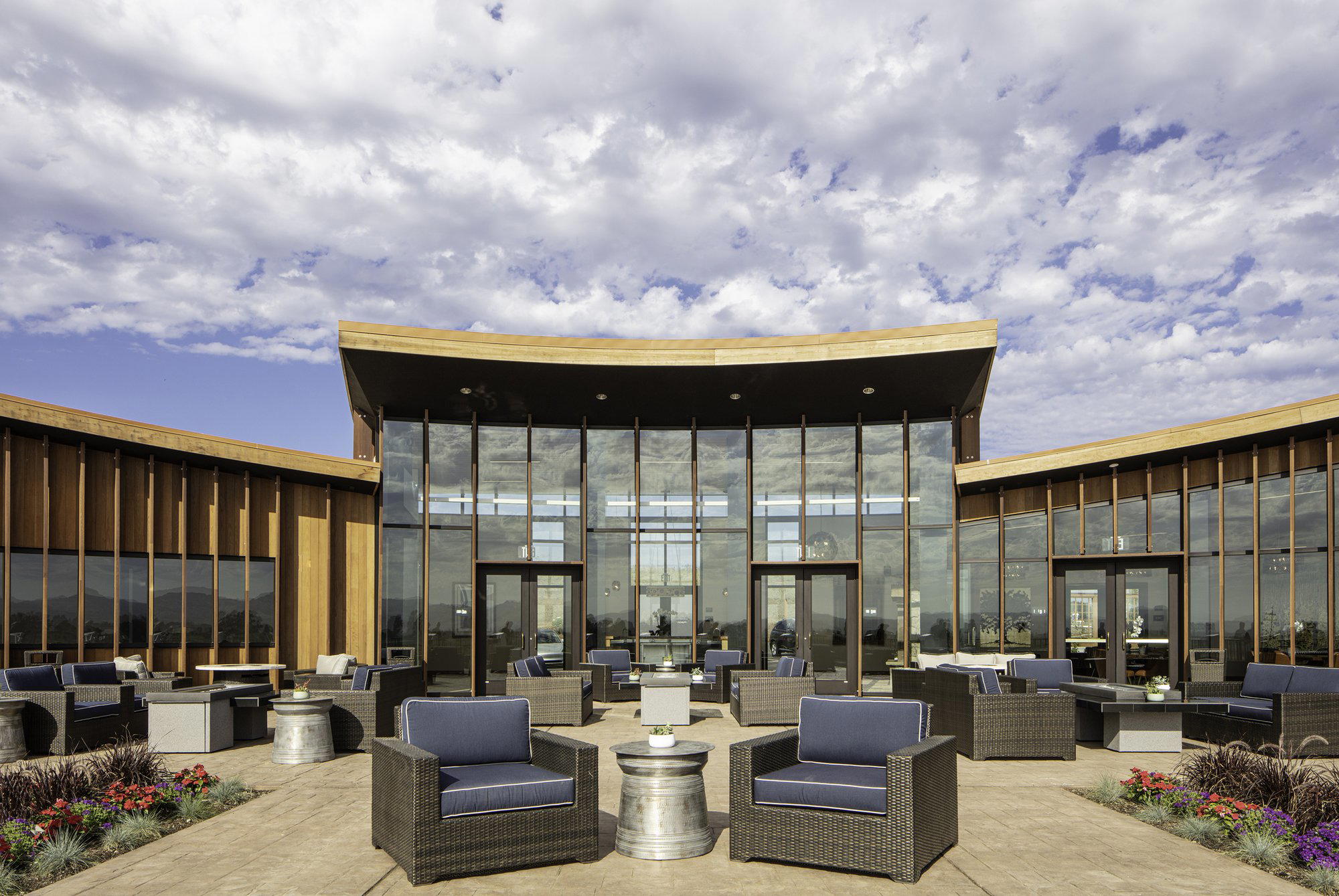
Contemporary dining room with a lively, classic dim sum cart-service atmosphere.