Yangzi Jiang

Michelin Plate
Our verdict
A Hong Kong-trained chef brings clean Cantonese technique to Nimmanahaeminda inside a contemporary Lanna house. House-made dim sum and a crispy pork belly that earns repeat visits sit alongside precise stir-fry work, all backed by back-to-back Michelin Plate recognition in 2024 and 2025. Advance booking is strongly advised.

Pearl is the En Primeur Club membership app, where members save venues, book tables and use the concierge.
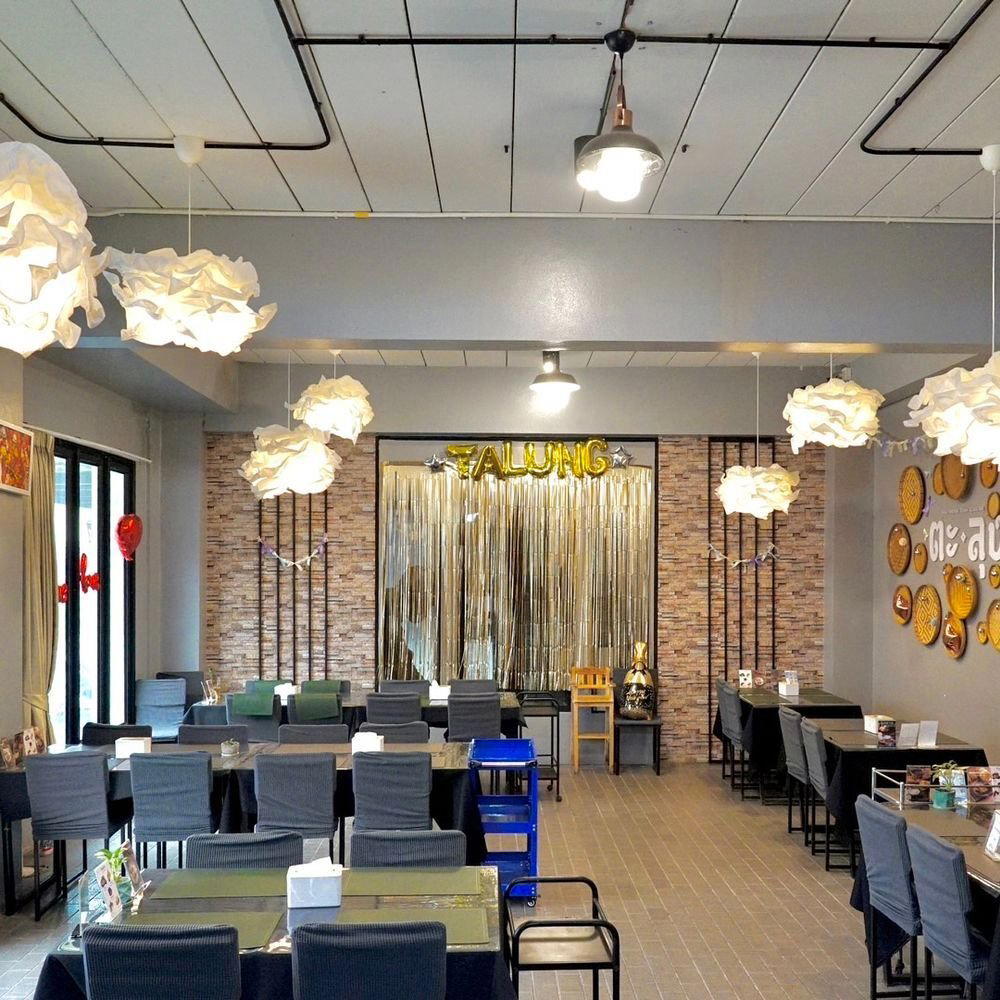
The menu
What to order
- Peking duck
- Har gow
- Dim sum
- Crispy pork
- Xiaolongbao
A Cantonese Counter in Lanna Territory
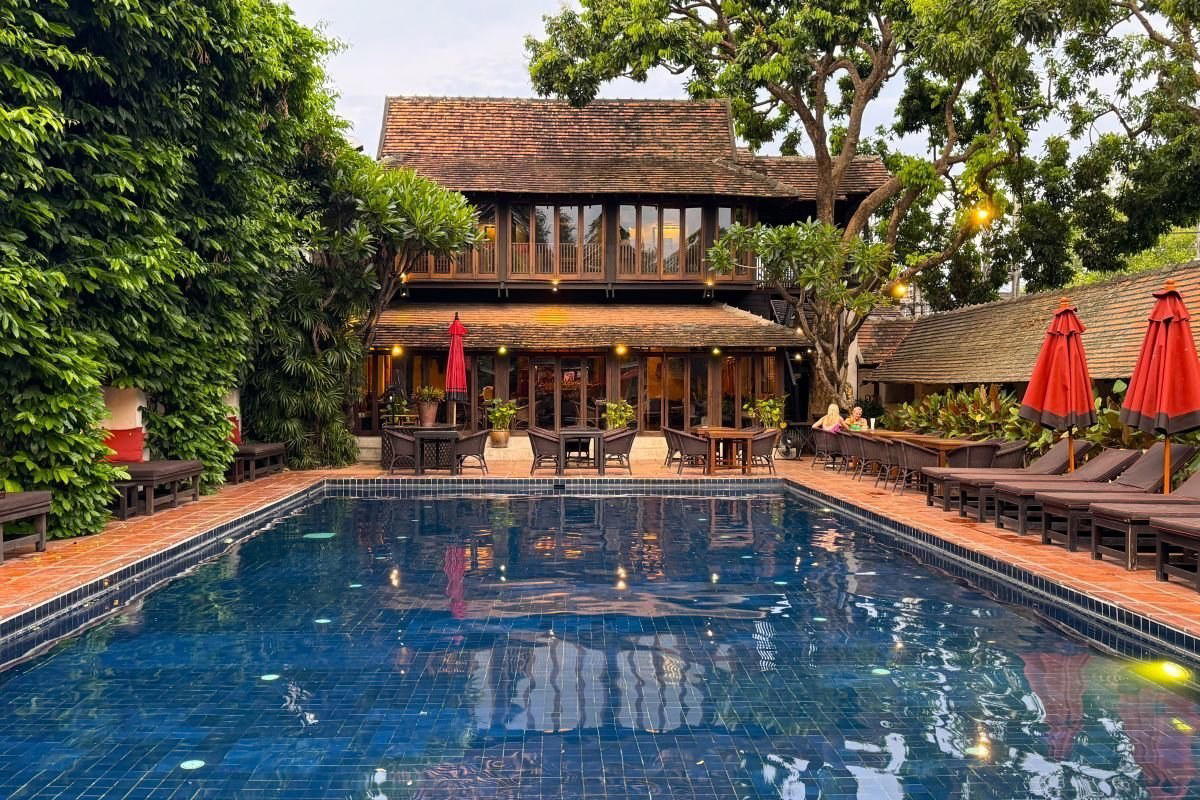
Nimmanahaeminda has spent the last decade resolving its identity. The tree-lined road and its sois have cycled through coffee shops, concept stores, and restaurant openings at a pace that makes long-term survival meaningful. Against that backdrop, a quietly decorated Chinese restaurant holding two consecutive Michelin Plate recognitions, 2024 and 2025, carries its own argument. Yangzi Jiang, set inside a contemporary Lanna house on Soi 5, is one of the more specific dining propositions the neighbourhood offers: Cantonese cooking rooted in Hong Kong, executed in northern Thailand, at a price point (฿฿฿) that places it among Chiang Mai's upper-mid tier rather than its street-level majority.
The Lanna-house format matters here because it shapes expectations in both directions. The exterior signals local character; the interior keeps things spare. That restraint is a consistent feature of the cooking too, this is not the maximalist, soy-dark-sauce register of mainland Chinese banquet food, nor is it chasing the ma-la heat spectrum that dominates much of the Thai-Chinese culinary conversation right now. Chef Chan's frame of reference is Hong Kong Cantonese: clean stocks, controlled seasoning, technique-led results rather than spice-led ones.
Where This Kitchen Sits on the Chilli Spectrum
The editorial angle on Chinese cooking in Southeast Asia often defaults to Sichuan's numbing heat, the ma-la pairing of Sichuan peppercorn and dried chilli that has become the dominant export flavour of Chinese restaurant culture globally. Yangzi Jiang operates in a different register entirely. Cantonese cooking prizes clarity over heat, and a menu built around house-made dim sum and stir-fried prawns is making a deliberate statement about where on that spectrum the kitchen plants its flag. The crispy pork belly, listed among the standout dishes, is a Cantonese preparation that relies on precise skin-scoring, controlled roasting temperature, and resting time rather than on aromatics or chilli. It is the kind of dish where a kitchen either gets the execution right or it doesn't, with no spice to obscure the result.
This places Yangzi Jiang in a niche that is less crowded in Chiang Mai than the broader Thai-Chinese street food tier. The city has plenty of Yunnanese and northern Chinese influence given its proximity to the border, and the surrounding region's cooking absorbs Sichuan heat freely. A Hong Kong-trained chef choosing restraint and clean technique in this context is a meaningful editorial position, not just a stylistic preference. It also explains why the Michelin Plate designation makes sense here: the guide's assessors are looking for cooking that is correct within its tradition, and Cantonese technique rewards that kind of disciplined assessment.
The Dim Sum Question in a Non-Dim-Sum City
House-made dim sum is a commitment. In Cantonese tradition, dim sum preparation is a separate specialisation from the main kitchen brigade, requiring specific skills for pleating, steaming, and timing. In cities like Hong Kong, Guangzhou, or even Bangkok, the dim sum ecosystem is supported by decades of specialist training and customer expectation. Chiang Mai has no such ecosystem, which makes the decision to anchor a menu around house-made dim sum both ambitious and informative. It signals a kitchen with genuine technical depth, and it differentiates Yangzi Jiang from Chinese-Thai hybrid restaurants that might list dumplings as an afterthought.
For context on what Michelin-level Chinese cooking looks like in Asia more broadly, the spectrum runs from the hyper-technical tasting-menu format at places like Restaurant Tim Raue in Berlin to the rooted neighbourhood Cantonese approach at Mister Jiu's in San Francisco. Yangzi Jiang sits closer to the latter model: a chef with a clear point of origin, a menu that doesn't overreach, and cooking that is designed to be recognisably correct rather than experimental.
Chiang Mai's dining scene has diversified considerably, and Nimmanahaeminda is where much of the international and contemporary restaurant activity concentrates. The area draws residents, long-stay visitors, and a food-literate crowd that can sustain restaurants operating above street-food price points. Yangzi Jiang's ฿฿฿ positioning places it in the same bracket as other neighbourhood-specific destinations across the city: not the high-end resort dining circuit, but not the single-dish canteen tier either. It occupies a middle ground that benefits from the area's appetite for specific, well-executed cooking.
The neighbourhood also supports a range of alternatives that read the city differently. Aeeen represents the vegetarian end of Chiang Mai's more considered cooking; Aquila is the Italian anchor. For Thai cooking with depth, Baan Landai and Aunt Aoy Kitchen are both worth attention, as is Baan Suan Mae Rim for a garden-setting Thai experience further out. For broader orientation across Thailand's Michelin-tracked restaurants, Sorn in Bangkok and PRU in Phuket sit in the starred tier, while AKKEE in Pak Kret and Angeum in Phra Nakhon Si Ayutthaya offer regional points of comparison. The full Chiang Mai restaurants guide maps the city's dining tiers in full.
Higher-end restaurants routinely attract more polarised ratings: guests who expected casual pricing leave lower scores; regulars who return specifically for the cooking sustain the average. Combined with back-to-back Michelin Plate recognition, the picture is of a restaurant that has earned its audience without chasing it.
Planning Your Visit
Yangzi Jiang is at 10 Nimmanahaeminda Soi 5, Mueang Chiang Mai District. The advance booking recommendation is explicit and worth taking seriously at a small Soi 5 address with this level of recognition, walk-in availability is not reliable, particularly in high season (November to February) when Chiang Mai's restaurant traffic increases significantly. The ฿฿฿ price point implies a moderate spend by Thai restaurant standards; budget accordingly for a multi-course meal if you're ordering across the dim sum, a main, and a signature dish like the crispy pork belly. For everything else in the city, the Chiang Mai hotels guide, bars guide, wineries guide, and experiences guide cover the broader picture. For a secondary restaurant option nearby at a lower price point, Agave in Ubon Ratchathani and The Spa in Lamai Beach show the range of the EP Club network across Thailand.
Frequently asked questions
What should I order at Yangzi Jiang?
The kitchen's two reference points are the house-made dim sum program and the crispy pork belly, both documented in the Michelin assessment as the kitchen's clearest strengths. The dim sum covers a range of preparations made in-house rather than sourced, which is the relevant distinction at this price point. The crispy pork belly is the kind of Cantonese preparation where the kitchen's technical control is most visible: the quality of the crackling and the balance between fat and meat are direct evidence of execution. Chinese stir-fried prawns round out the savoury picture with the clean, wok-heat flavour that characterises the Cantonese register Chef Chan trained in. Given the advance booking recommendation, come with an appetite for the full spread rather than treating it as a quick stop.
Cuisine-First Comparison
| Venue | Cuisine | Price | Awards | Notes |
|---|---|---|---|---|
| Yangzi JiangThis venue (the venue you are viewing) | Cantonese Chinese | Not listed | Michelin Plate | Not listed |
| Busarin Cuisine | Northern Thai | $10–20 | Michelin Plate | ฿฿ |
| Chai | Authentic South Indian & North Indian Cuisine | $1–10 | Michelin Bib Gourmand | Street Food, ฿฿ |
| Dan Chicken Rice (San Sai) | Thai Hainanese-Style Chicken Rice | $1–10 | Michelin Bib Gourmand | Small eats, ฿ |
| Ekachan | Regional Thai Cuisine | $10–20 | Michelin Plate | Thai, ฿฿ |
| Khao Soi Mae Manee | Northern Thai Khao Soi | $1–10 | Not listed | Noodle Shop |
Recognition history
Dated appearances from independent guides and award organizations, with the underlying list record or original source where available.
Michelin Plate
Michelin
Full recognition history (3 entries)
Michelin Plate
Michelin
Michelin Plate
Michelin
Continue exploring
More in Chiang Mai
Restaurants in Chiang Mai
All restaurants in Chiang Mai →
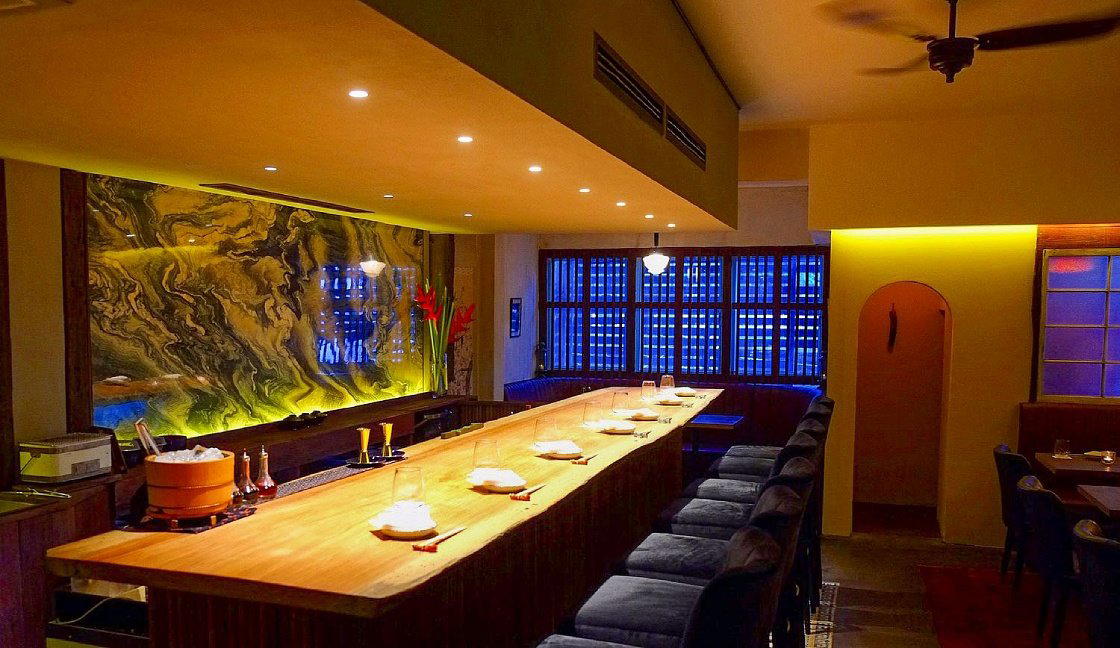
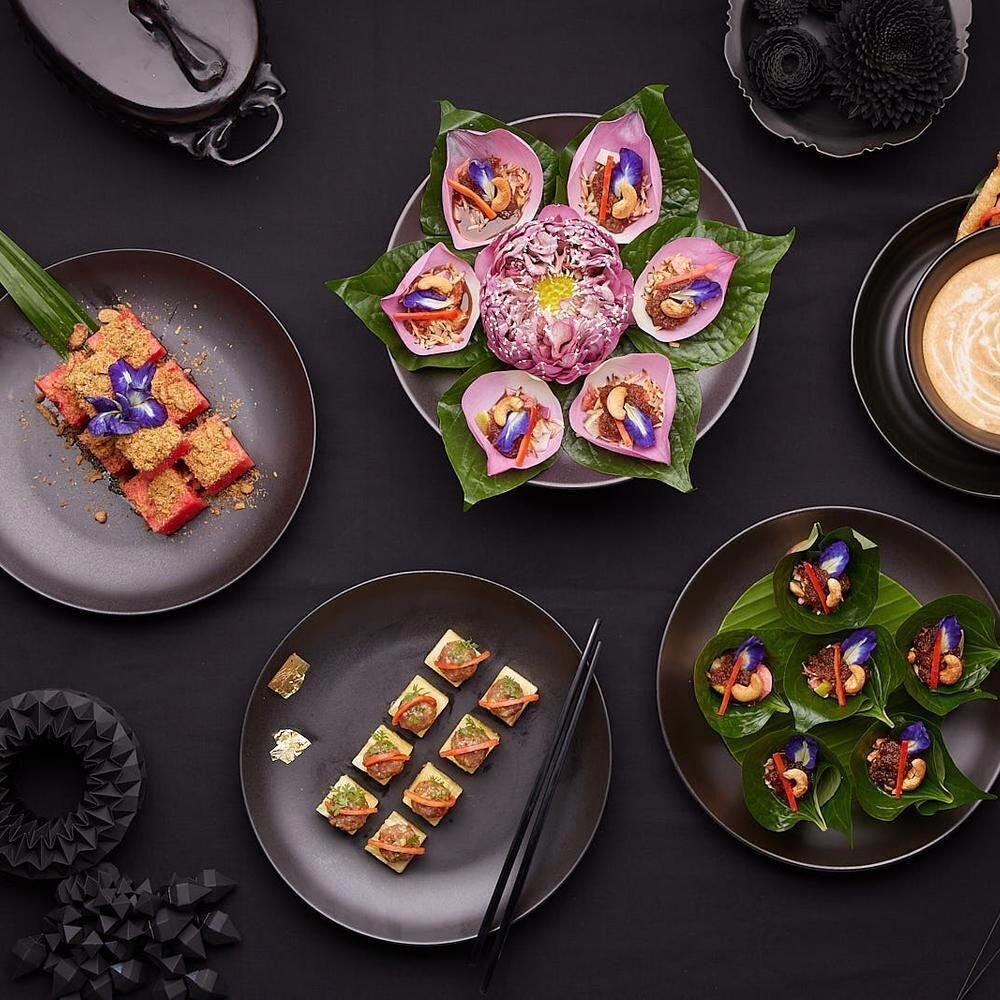
Bars in Chiang Mai
All bars in Chiang Mai →
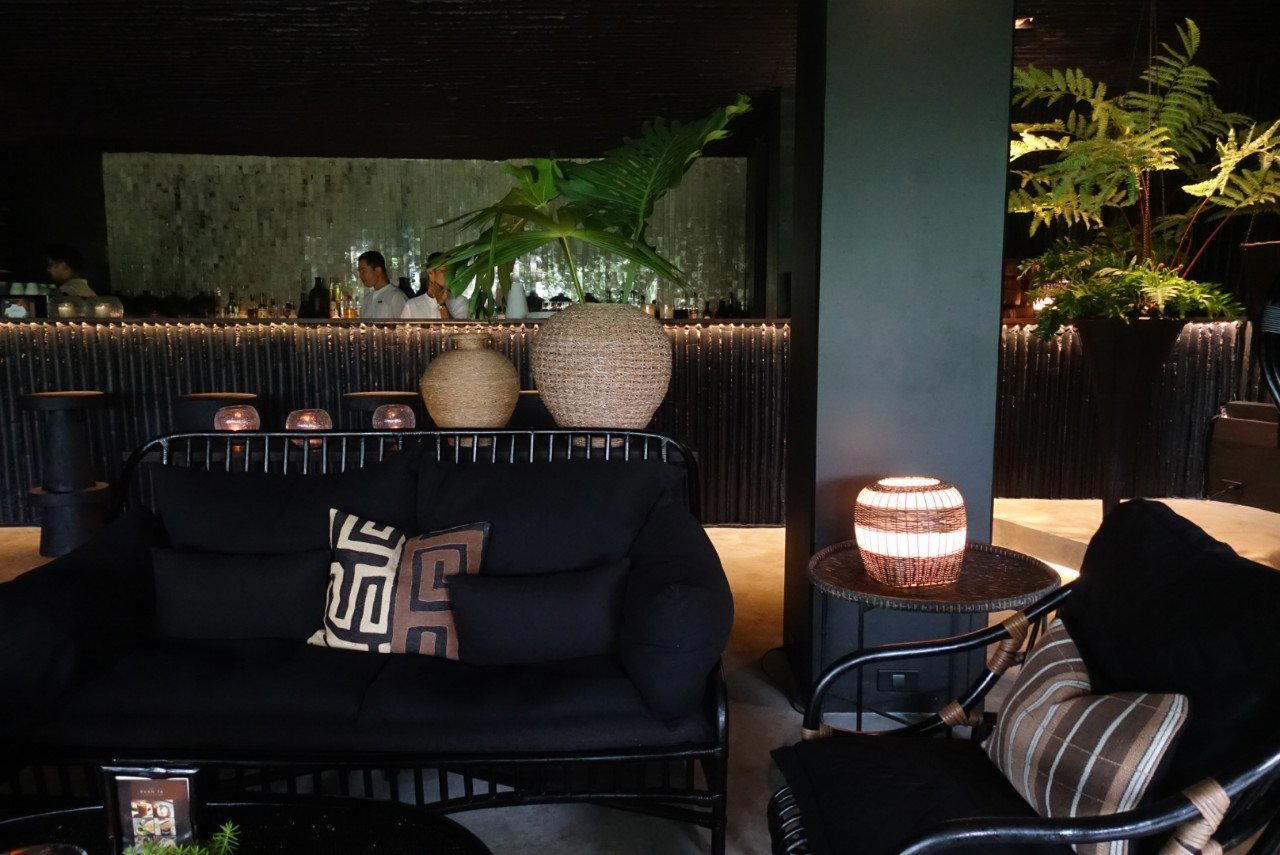
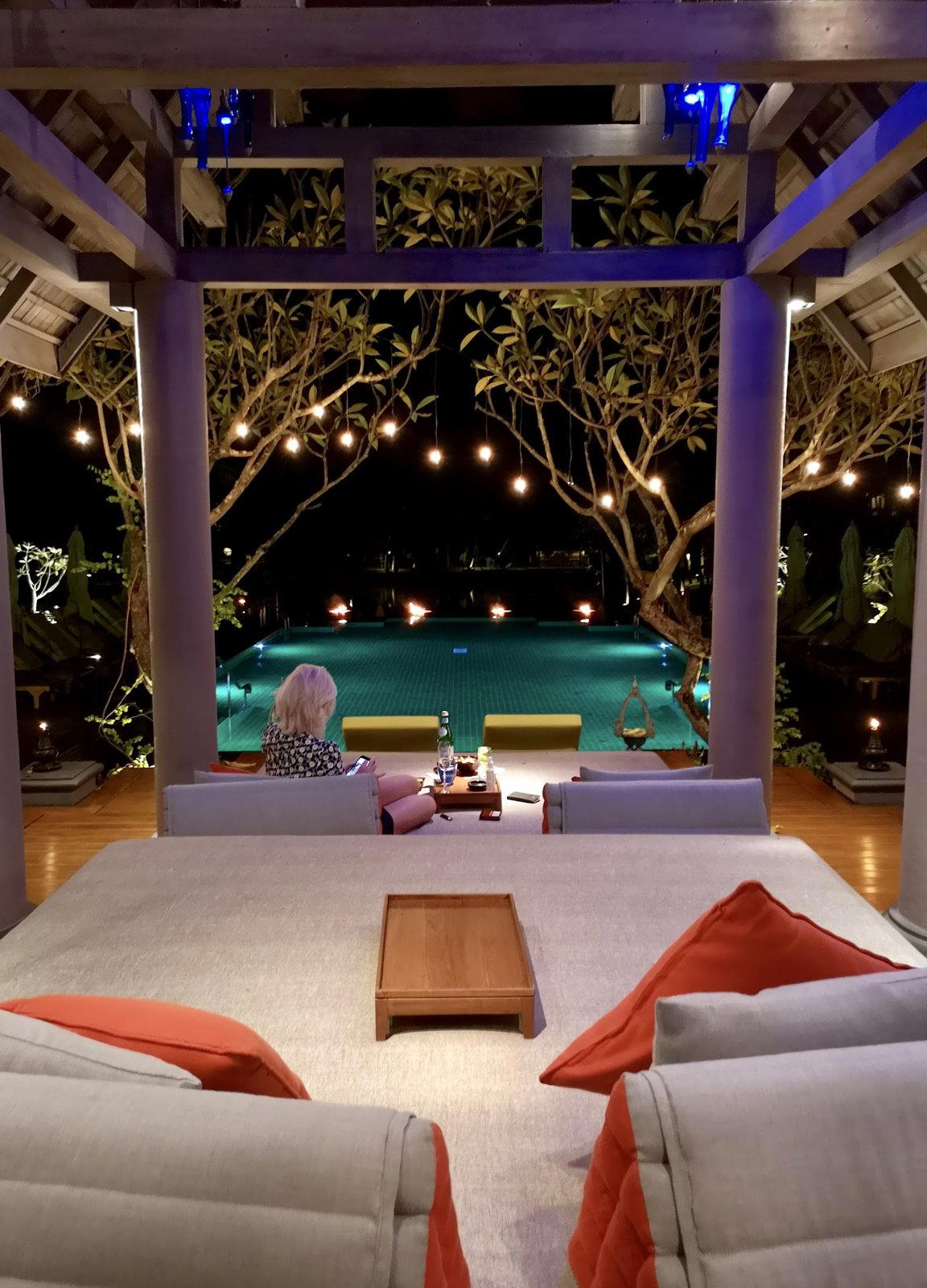


Details
- Classic
- Cozy
- Family
- Group Dining
- Business Dinner
- Celebration
- Standalone
- A La Carte
- Family Style
- Set Menu
Current opening hours
- Monday
- 11:30 AM–2:30 PM, 5:30–9:30 PM
- Tuesday
- 11:30 AM–2:30 PM, 5:30–9:30 PM
- Wednesday
- 11:30 AM–2:30 PM, 5:30–9:30 PM
- Thursday
- 11:30 AM–2:30 PM, 5:30–9:30 PM
- Friday
- 11:30 AM–2:30 PM, 5:30–9:30 PM
- Saturday
- 11:30 AM–2:30 PM, 5:30–9:30 PM
- Sunday
- 11:30 AM–2:30 PM, 5:30–9:30 PM
Hours can change for holidays and private events. Hours as of .
Simple, clean, and unpretentious, with a charming house-like setting and a calm, welcoming feel.