RatiLanna Riverside Spa Resort

Michelin Selected
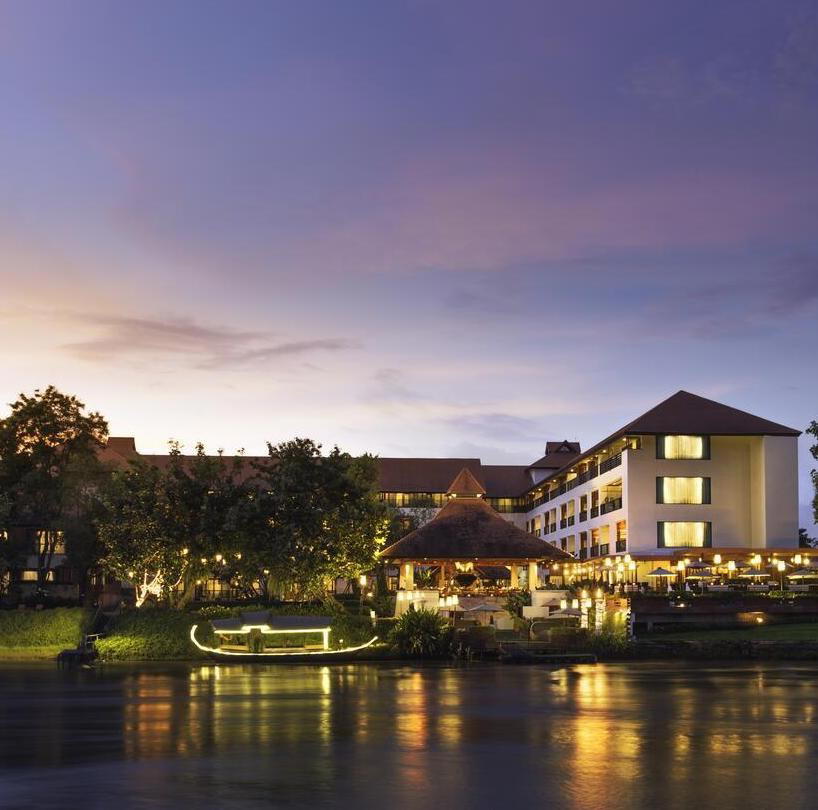
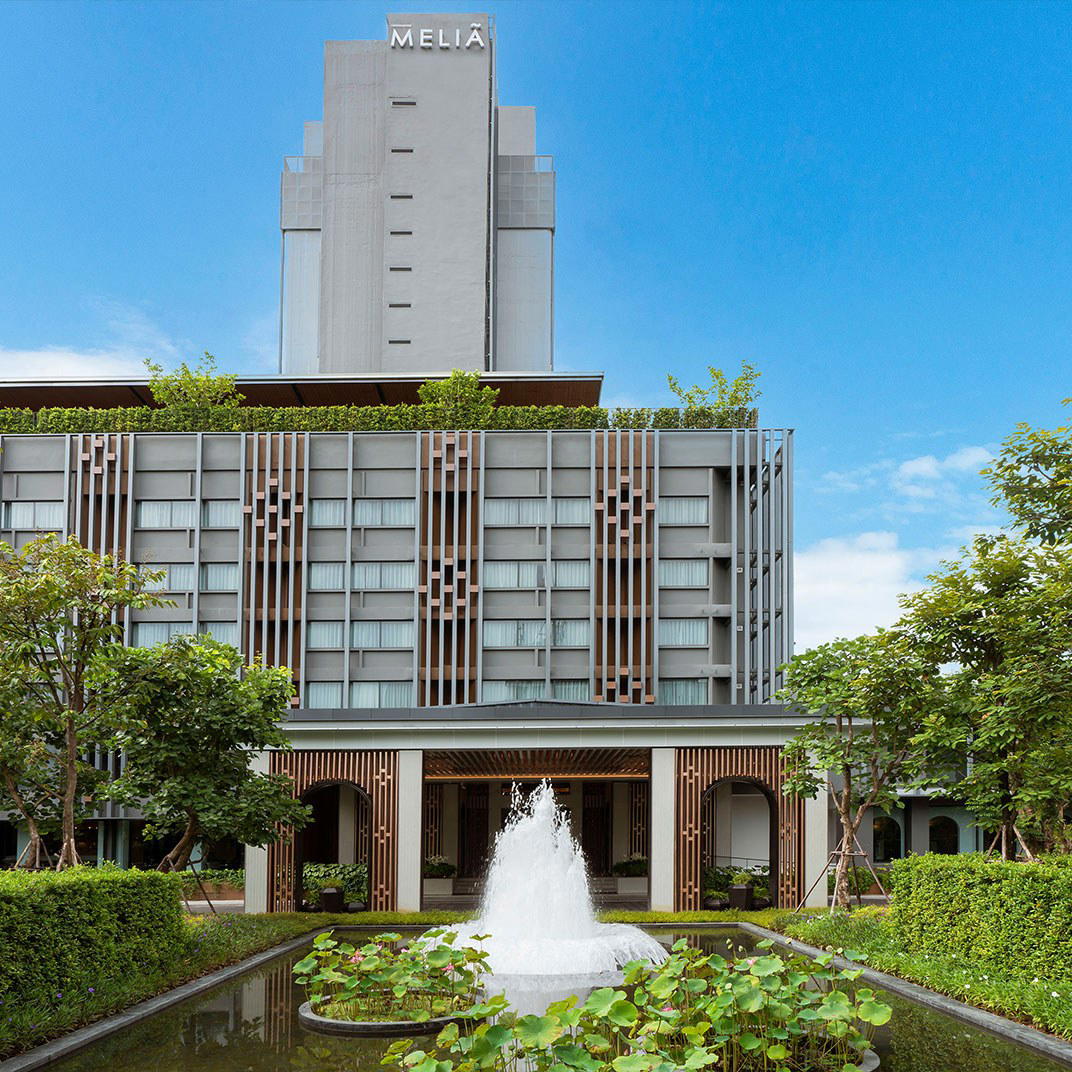
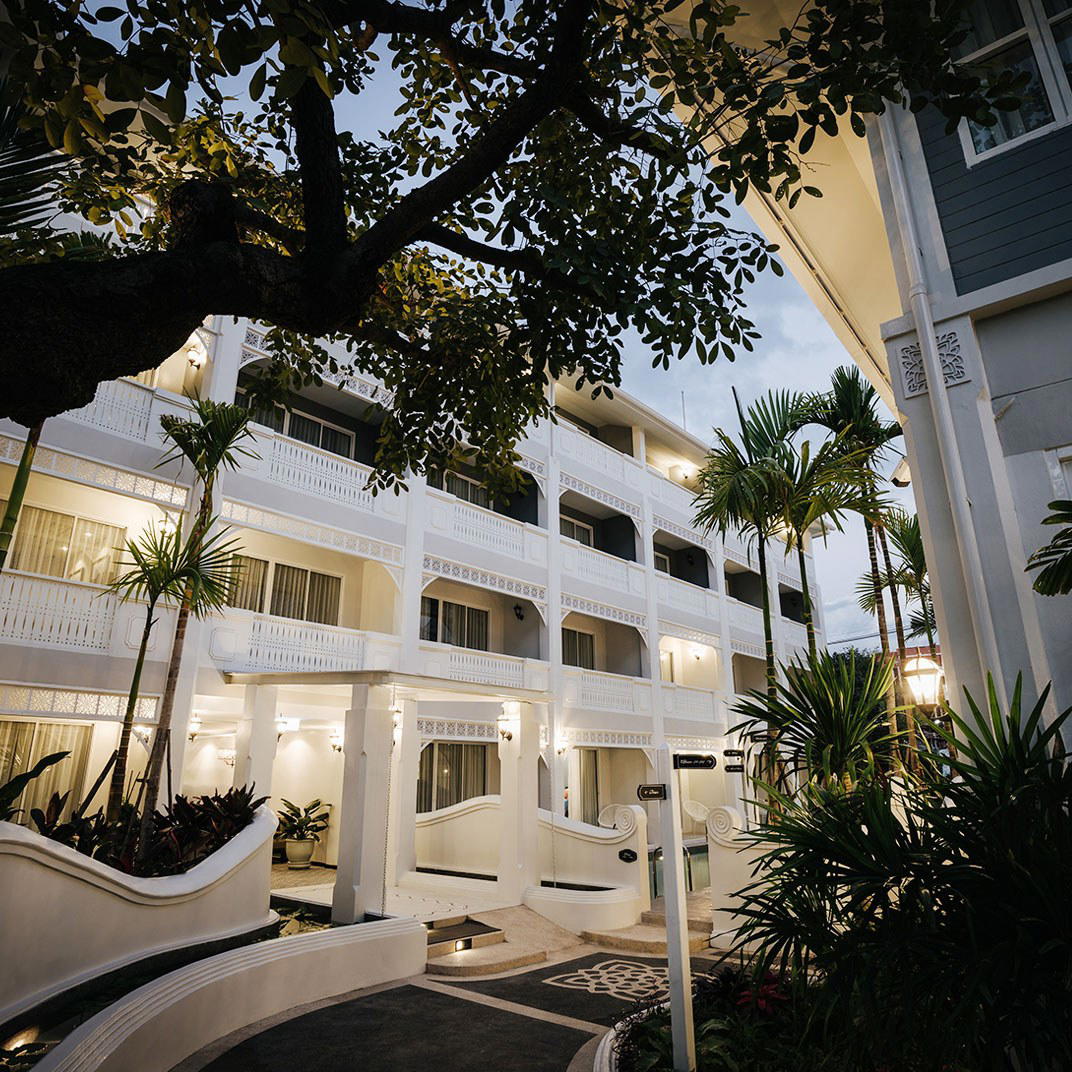
A Michelin Selected riverside property on the Ping River in Chiang Mai's Pa Daet district, RatiLanna Riverside Spa Resort translates northern Thai architectural tradition into a mid-scale luxury format. The resort's setting along Changklan Road positions it close to the Night Bazaar while maintaining a quieter, water-facing orientation that separates it from the city's denser hotel corridor.

Pearl is the En Primeur Club membership app — saves, bookings, and concierge access live there. Same editors, same standards.
- Address
- 33 Changklan Road, Pa Daet, Mueang Chiang Mai, Chiang Mai, Thailand
- Phone
- +66(0) 53 999 333
- Directions
- Get directions
Where the Ping River Shapes the Stay
Chiang Mai's hotel market has sorted itself into recognisable tiers over the past decade. At the upper end, large international flags like the Four Seasons Resort Chiang Mai and the Anantara Chiang Mai Resort have anchored the luxury conversation. Beneath them sits a smaller cohort of properties that compete on character rather than brand weight: design-led boutiques like Rachamankha and 137 Pillars House, and riverine resorts that draw on the Ping's geography to create separation from the city's busier corridors. RatiLanna Riverside Spa Resort occupies the riverine category, positioned on Changklan Road in Pa Daet with its primary orientation facing the water. Approaching from the road, the transition from traffic to a shaded, water-proximate compound makes the separation feel immediate.
Lanna Architecture as Environmental Commitment
Northern Thailand's Lanna architectural tradition, defined by steeply pitched rooflines, dark teak detailing, and covered walkways designed to manage heat and rainfall, has become something of a shorthand for Thai luxury hospitality. The more considered properties use it as a functional framework rather than a decorative overlay. Building in low profiles that follow the riverbank rather than rising above it, using natural materials that respond to Chiang Mai's tropical-highland climate, and orienting public spaces toward cross-ventilation rather than centralised air conditioning are choices with real environmental consequences. Properties that take this approach seriously reduce mechanical cooling loads and create a thermal environment that changes with the time of day, which is a different experience from the sealed, uniform-temperature interiors of urban business hotels.
At RatiLanna, the Lanna-referencing design is consistent with this functional reading. The riverside location itself contributes: properties on moving water tend to run cooler than equivalent inland sites, and the Ping's corridor brings reliable afternoon breeze. For guests arriving from Bangkok, where the Mandarin Oriental Bangkok represents the Chao Phraya's long history of waterfront luxury, the Ping's quieter scale offers a different register entirely: less ceremonial, more village-adjacent.
The Spa as the Property's Organising Logic
Chiang Mai has built a credible reputation as a wellness destination, in part because traditional Thai massage and herbal treatment traditions are embedded in everyday urban life here rather than imported for tourist consumption. The city's spa market splits between temple-adjacent traditional practitioners, mid-market day spas concentrated around Nimman and the Old City, and resort-integrated programs that attempt to contextualise treatments within a broader stay structure. RatiLanna's classification as a spa resort, rather than simply a resort with spa facilities, places it in the latter group, where the treatment program is part of the property's core pitch rather than an ancillary amenity.
This distinction matters for trip planning. Guests choosing between RatiLanna and a property like Aleenta Retreat Chiang Mai or Away Chiang Mai Thapae Resort are effectively choosing between different wellness philosophies: Aleenta positions itself as a holistic retreat, Away as an explicitly plant-based format, and RatiLanna as a traditional spa resort with a setting that reinforces the wellness pitch through its river geography. None of these is interchangeable. The right choice depends on how central the treatment program is to the itinerary versus how much the property functions as a base for city exploration.
Responsible Luxury in a Northern Thai Context
The sustainability conversation in Thai luxury hospitality has moved beyond solar panels and linen reuse cards. Properties genuinely committed to environmental and community responsibility now show it through sourcing decisions, community employment patterns, and the degree to which the physical property has been designed to work with its climate rather than against it. Chiang Mai's premium properties occupy a range of positions on this spectrum. The AMANOR Hotel Chiang Mai and the Art Mai Gallery Hotel each represent design-led approaches to the city's creative identity; Anantara Golden Triangle Elephant Camp and Resort in Chiang Rai, within driving distance, has made conservation its principal narrative.
For RatiLanna, the responsible luxury case rests on the intersection of three factors: a riverfront setting that creates natural thermal advantage, an architectural language rooted in regional craft traditions, and a spa program that draws on indigenous herbal and treatment knowledge. These are not marketing claims unique to this property; they describe a model that several Chiang Mai river resorts have pursued.
How RatiLanna Sits Within Thailand's Broader Hotel Map
Placing RatiLanna in the wider Thai hotel context clarifies the decision logic for visitors building a multi-destination itinerary. The resort's riverine, spa-focused format puts it in productive conversation with coastal properties like The Sarojin in Phang Nga or Samujana Villas in Koh Samui, which also prioritise setting and wellness over brand scale. It contrasts with the large-resort format of InterContinental Hua Hin Resort or the villa-led privacy of Soneva Kiri in Trat. For travellers considering RatiLanna as a northern Thailand anchor, it pairs naturally with an onward stop at properties in Chiang Rai, where the landscape shifts and the cultural references change, before returning south through Bangkok.
Those comparing Chiang Mai river options against the city's heritage boutiques should note the practical trade-off: riverside properties offer natural setting and thermal comfort, while inner-city boutiques like Rachamankha give faster access to the Old City's temples and markets on foot. The Changklan Road address puts RatiLanna within practical distance of the Night Bazaar, which is a useful consideration for guests who want both the river and the city within a single stay.
Planning Your Stay
RatiLanna Riverside Spa Resort sits at 33 Changklan Road in Pa Daet, on the eastern bank of the Ping River. The property carries a Michelin Selected designation for 2025, placing it in the guide's recognised-but-not-starred hotel tier, a category that reflects consistent quality and character rather than the systematic luxury of the guide's highest-rated properties. For the Chiang Mai market, this positioning is accurate: RatiLanna competes on setting and spa depth, not on the full-service formality of the international flagships. Booking direct or through a reputable channel is advisable for riverside-facing rooms, where the Ping views are the primary experiential differentiator. Chiang Mai's high season runs from November through February, when temperatures drop to their most comfortable range and air quality is at its finest before the March-April burning season. Guests arriving during shoulder months should factor in higher humidity and, from late October, the possibility of residual monsoon rain, which has its own appeal on a covered riverside terrace. For a full picture of where RatiLanna sits within Chiang Mai's hotel and dining options, see our full Chiang Mai restaurants and hotels guide.
Cost and Credentials
Comparable venues nearby, for context on price, style, and recognition.
| Venue | Price | Awards | Notes |
|---|---|---|---|
| RatiLanna Riverside Spa ResortThis venue — the venue you are viewing | $100–200 | Michelin Selected | Not listed |
| Sala Lanna Chiang Mai Hotel | $1–100 | Michelin Selected | Mueang Chiang Mai, Contemporary luxury boutique with Lanna cultural influences and riverside positioning, avoiding colonial kitsch through modern design sensibilities. |
| Away Chiang Mai Thapae Resort - A Vegan Retreat | $100–200 | Michelin Selected | Mueang Chiang Mai, Colonial-style resort with Lanna cultural influences, featuring dark wooden floors and white balustraded balconies. |
| The Chiang Mai Riverside Hotel | $300–500 | Not listed | Mueang Chiang Mai, Luxury all-suite boutique hotel residence emphasizing personalized service and intimate atmosphere over mass amenities |
| Villa Mahabhirom | Not listed | 1 Michelin Key | Su Thep, Restored heritage Thai village complex blending 100+ year old traditional architecture with contemporary luxury amenities and eclectic art curation. |
| Veranda High Resort Chiang Mai - MGallery | $100–200 | Michelin Selected | Hang Dong, Hillside luxury resort blending Thai heritage and contemporary architecture |
Recognition history
Dated appearances from independent guides and award organizations, with the underlying list record or original source where available.
Michelin Selected
Michelin


Details
- Romantic
- Elegant
- Quiet
- Scenic
- Romantic Getaway
- Wellness Retreat
- Family Vacation
- Anniversary
- Infinity Pool
- Destination Spa
- Waterfront
- Garden
- Terrace
- Wi Fi
- Pool
- Spa
- Fitness Center
- Room Service
- Concierge
- Business Center
- Restaurant
- Bar
- Waterfront
- Garden
- Wheelchair Accessible
- Elevator
- Accessible Restroom
- Accessible Parking
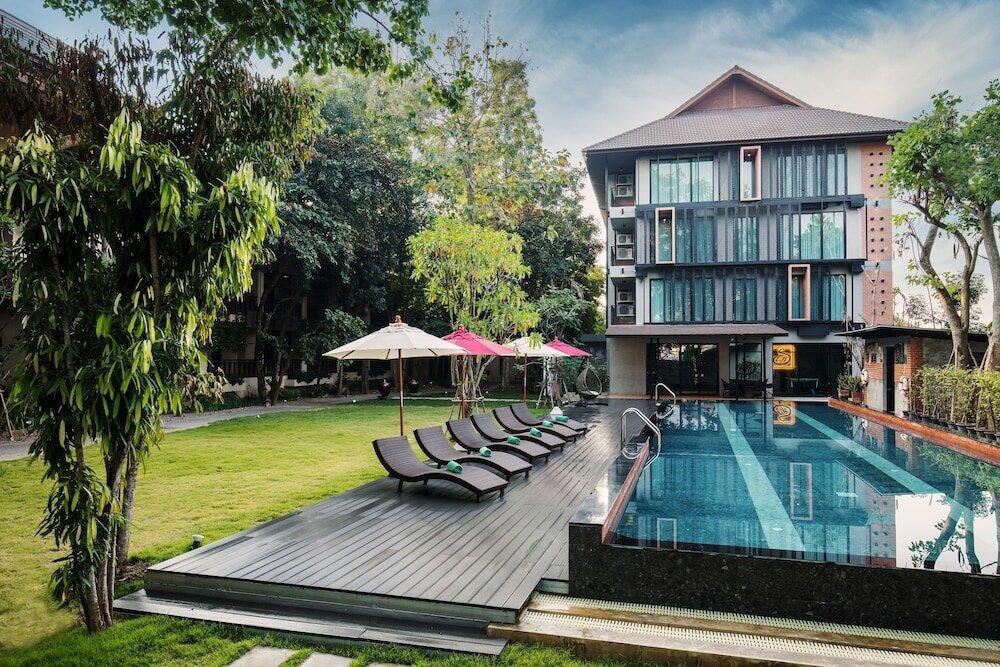
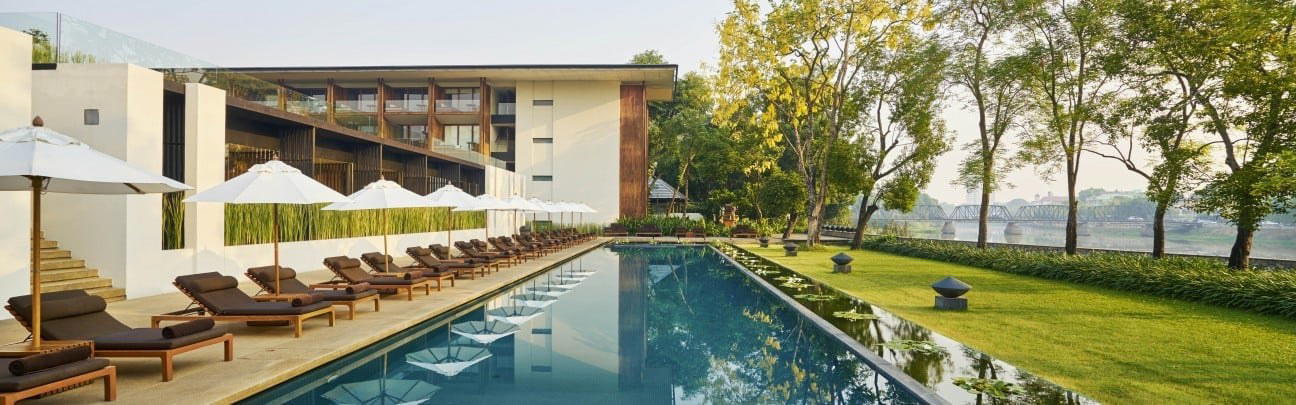
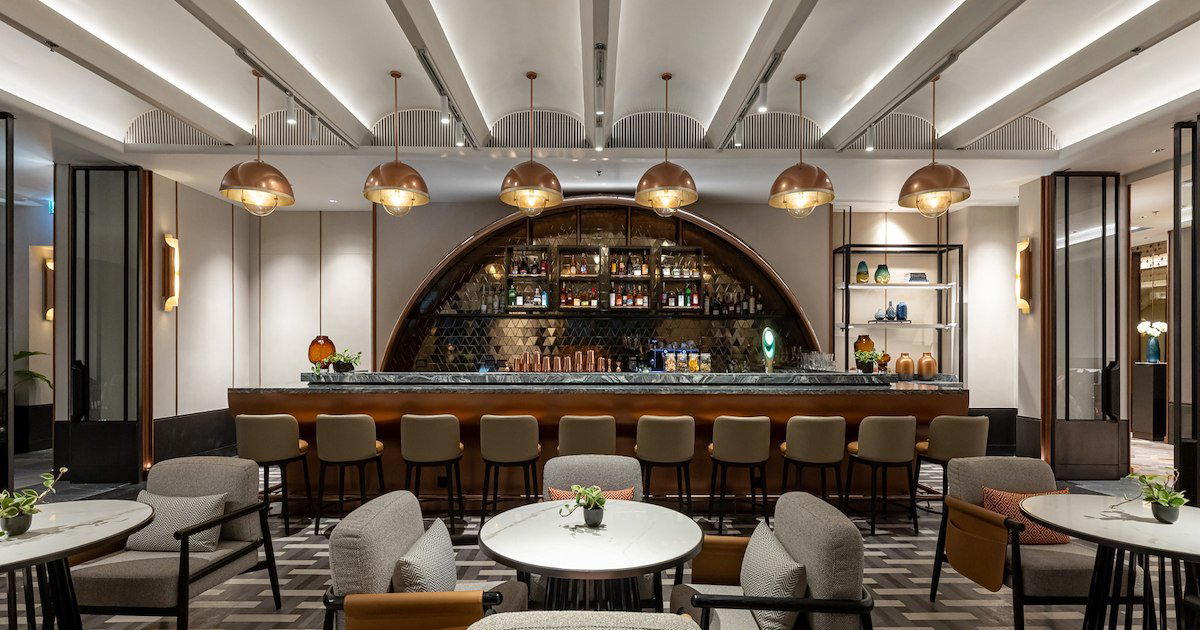
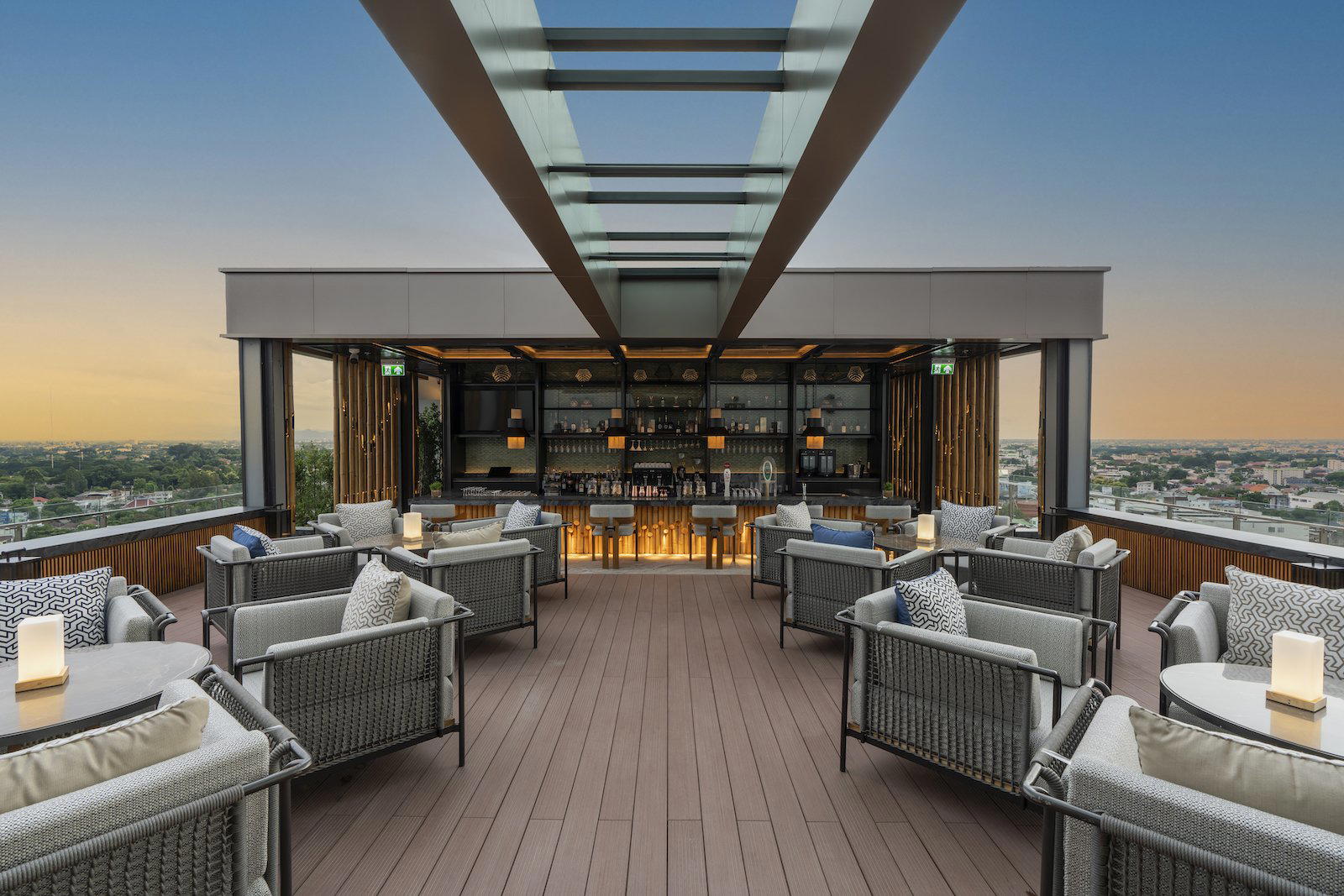
Serene and tranquil with lush tropical gardens, traditional Thai woodwork, and peaceful riverside setting creating an oasis-like atmosphere ideal for relaxation and rejuvenation.