
Yang Mei Tu Chi in Tainan's Nanxi District traces its identity directly to the plum farm the owner's family once worked on the same land. Since the 1990s, the kitchen has woven that sour stone fruit through pork, tofu, and offal dishes that regulars return for specifically. Weekend bookings are advised, and the Meiling Scenic Area next door makes this a natural stop during winter plum blossom season.
Pearl is the En Primeur Club membership app — saves, bookings, and concierge access live there. Same editors, same standards.
- Address
- 1-5, Wanqiu, Nanxi District
- Phone
- +886 6 575 1617
- Website
- plumchang.com
- Directions
- Get directions
 Saves & bookings on Pearl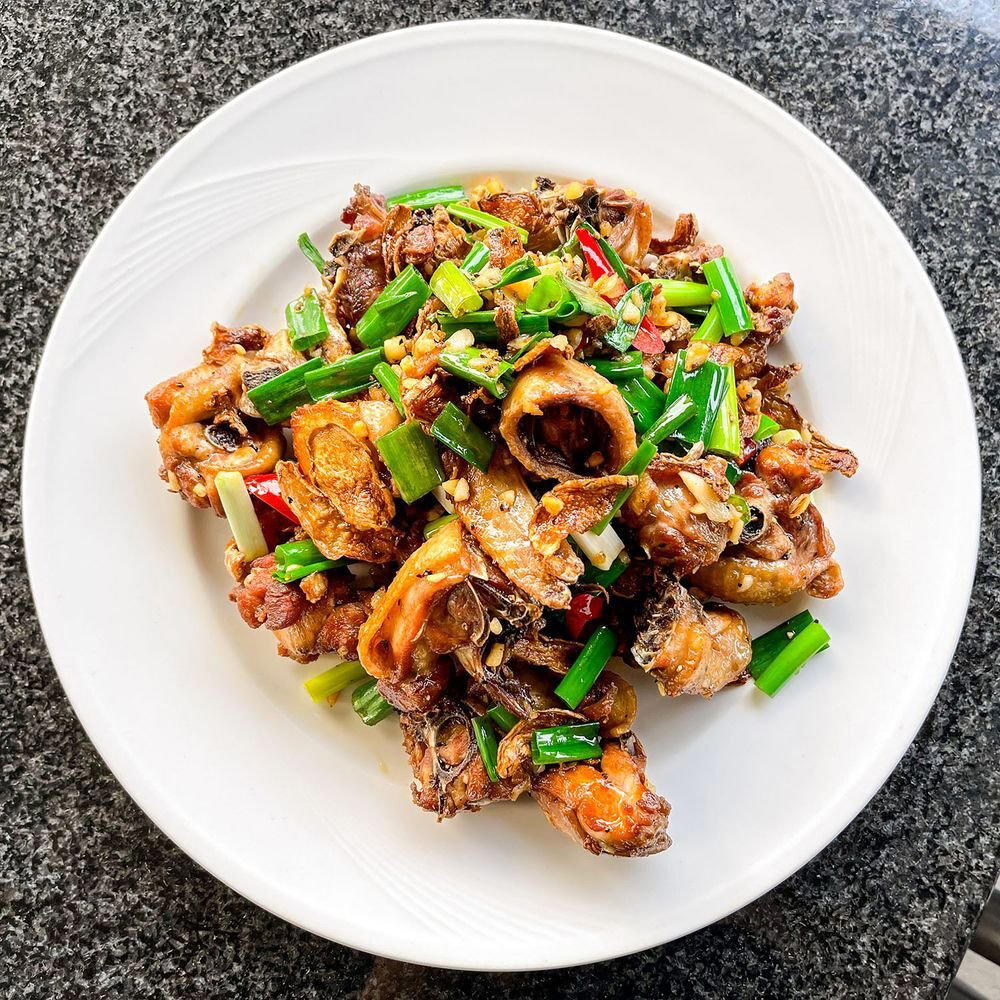
Where the Ingredient Comes Before the Recipe
In Taiwan's broader food culture, the distance between a raw ingredient and the plate is often remarkably short, market vendors buy direct from farmers, family kitchens maintain supplier relationships across generations, and menus shift with harvests rather than trends. Yang Mei Tu Chi is a Taiwanese restaurant in Tainan's Nanxi District. The plum farm the owner's family once operated in this neighbourhood is not a marketing backstory but the literal origin of the kitchen's defining ingredient. The tangy, high-acid stone fruit that runs through the menu arrived here before the restaurant did.
That kind of provenance is rarer than it sounds. Most restaurants with a stated ingredient focus source from third parties and describe the connection in atmospheric terms. Here, the relationship is structural: the family farmed the land, the fruit shaped the cooking, and the shop selling plums that still sits next door is not a retail add-on but a continuation of the same enterprise. The cooking follows from the sourcing, rather than the other way around.
The Setting and What It Signals
Nanxi District sits at the southern edge of Tainan, and the approach to this part of the city already hints at the terrain that makes plum cultivation viable here: hillier, cooler in winter, less urban in texture than the dense temple-lined lanes of central Tainan. The Meiling Scenic Area nearby is a documented winter destination for plum blossom viewing, drawing visitors from across the island when the trees are in flower, typically between late January and February. Yang Mei Tu Chi sits inside that seasonal geography, which means the restaurant and the agricultural calendar it grew from are aligned in a way that shapes both the menu and the timing of visits.
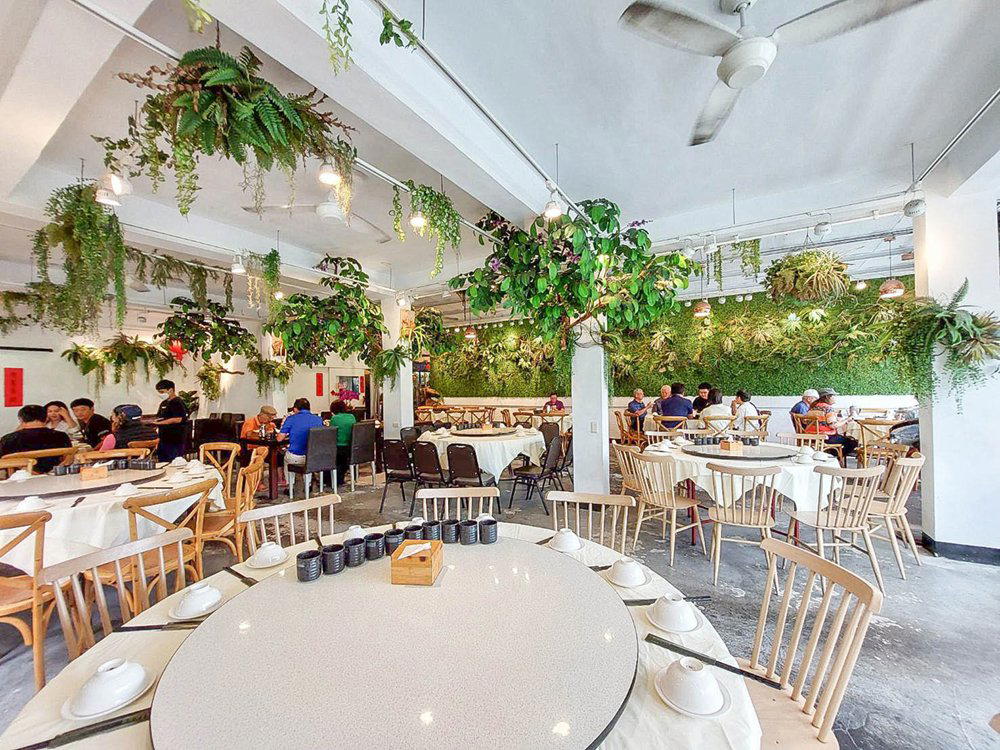
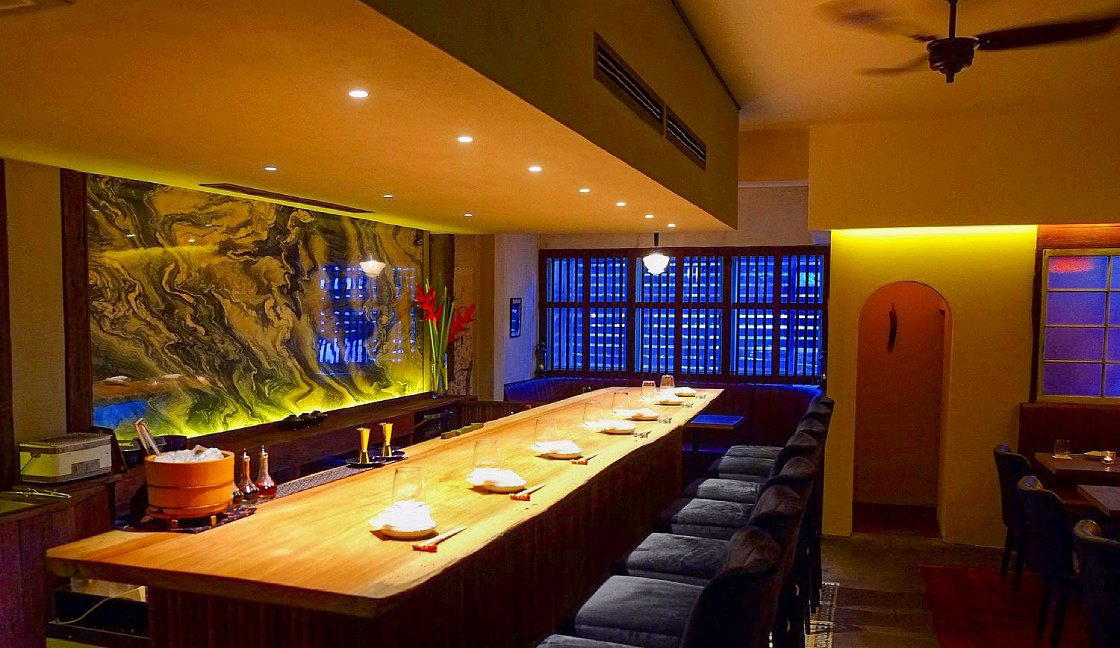
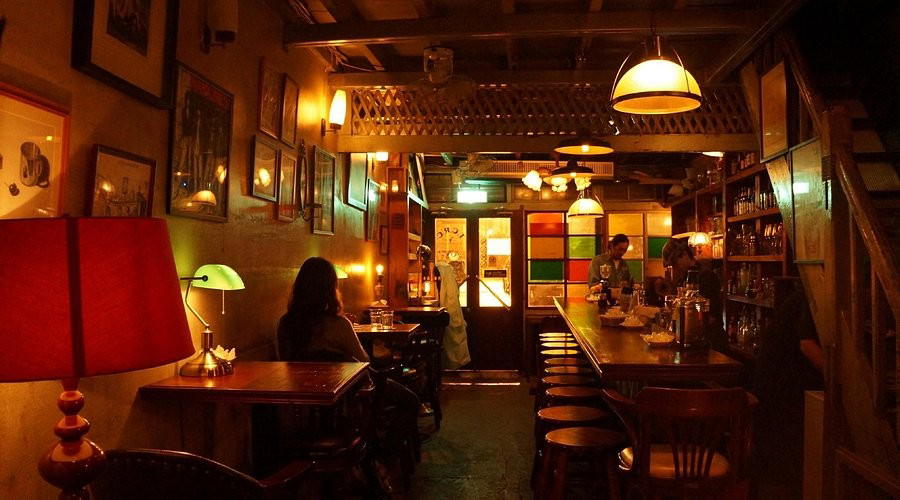
The physical environment reads as a working family operation rather than a designed dining space. Dishes that require ingredient confidence, offal preparations, long-cooked pork, housemade tofu, are served in a register that prioritises flavour over presentation formality. This is the category of Taiwanese restaurant that rewards familiarity: knowing what to order matters more than reading the menu fresh.
The Plum as a Cooking Variable
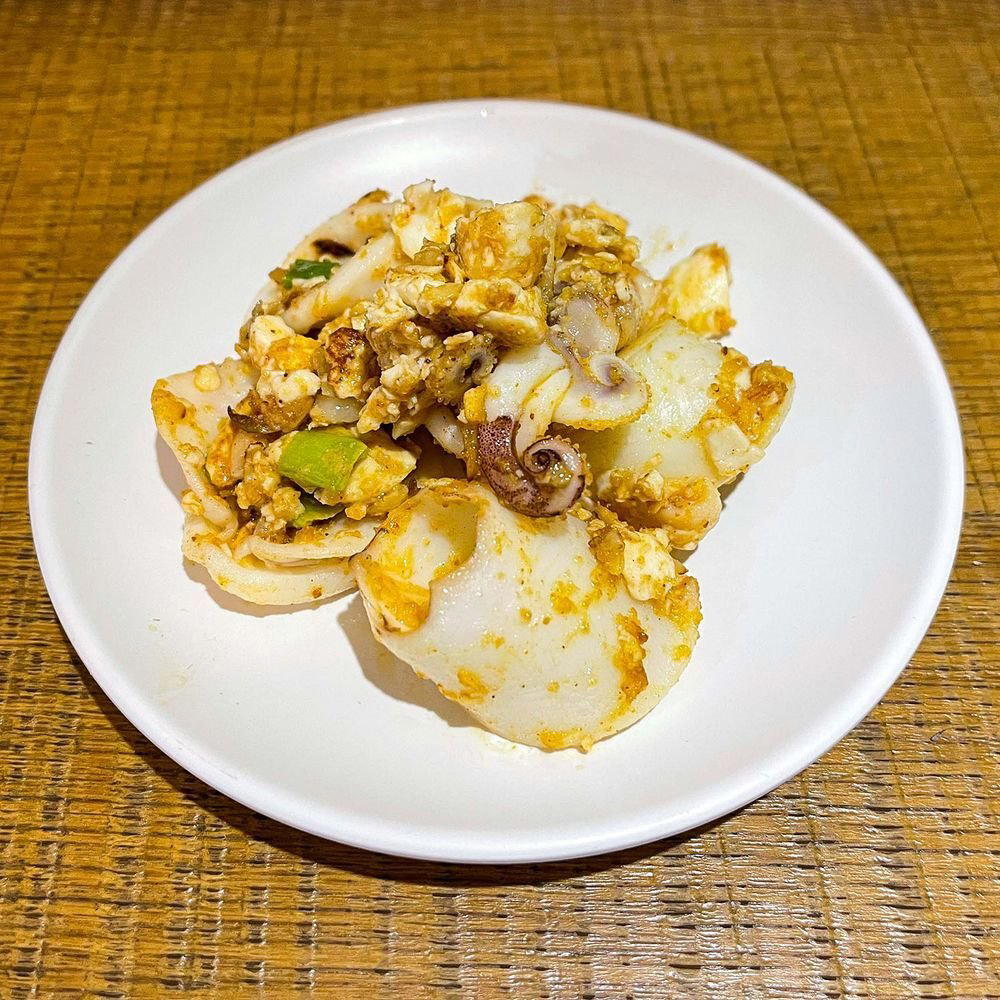
Across Taiwanese cooking, plum appears in several registers: as a dipping condiment, as a pickling agent in cold preparations, and, in southern-style cooking especially, as an acidic foil to fatty or heavily seasoned proteins. Yang Mei Tu Chi works across all three uses, but the kitchen's handling of plum-scented pork and stir-fried pork intestines with sour plums reflects the more technically demanding end of that tradition. Cooking intestines well requires careful preparation to neutralise off-notes without stripping the dish of its textural interest; the sour plum here functions as both a flavour anchor and a counterweight to the richness of the offal. It is a pairing that requires a confident hand and a supply of plum with consistent acidity, exactly the kind of consistency that comes from a single known source rather than a rotating supplier.
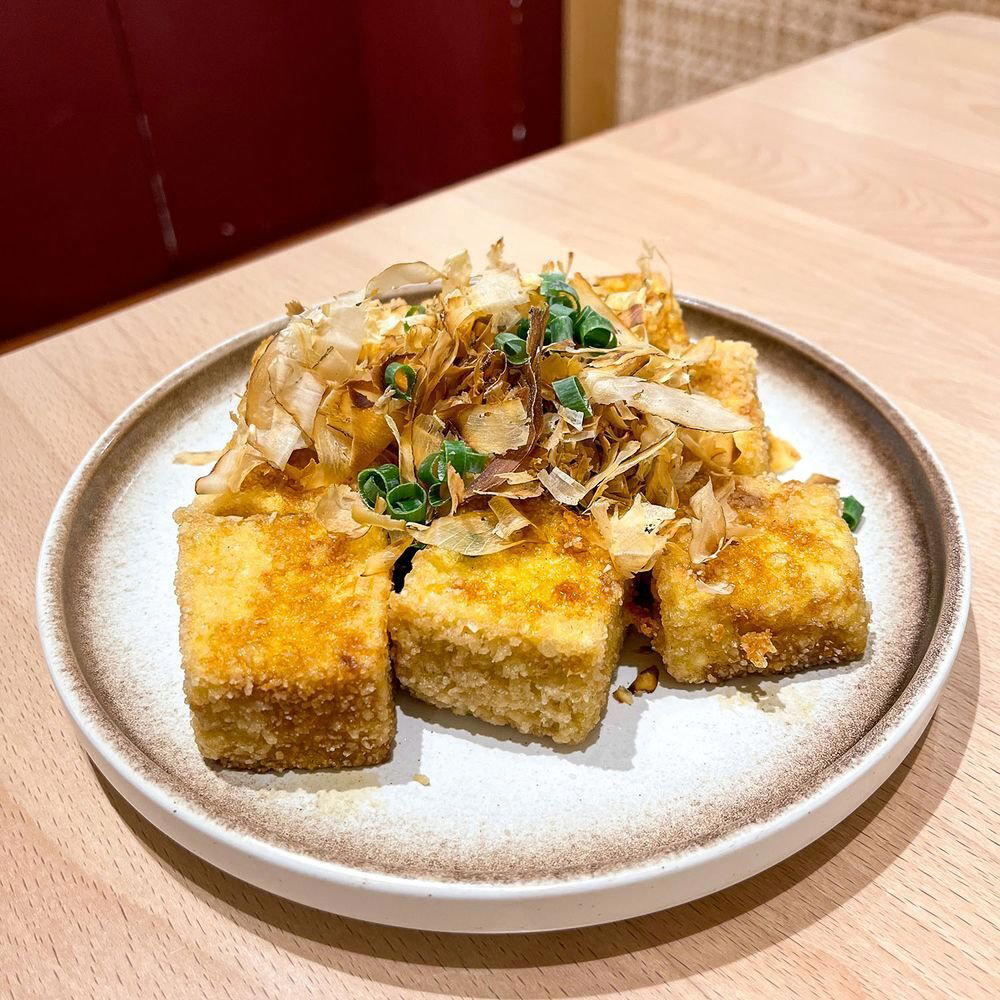
The egg tofu in plum sauce represents a softer reading of the same ingredient logic: silken, mild, and dependent on the sauce for its character. Tofu dishes of this kind are a useful test of how well a kitchen understands the plum it is using, since there is no fat or smoke to balance against, the fruit has to carry the dish on its own terms.
These three dishes, the ones regulars return for, illustrate how a single sourced ingredient can operate across different parts of a menu without becoming repetitive. That range is harder to achieve than menus built around a single technique or protein.
Tainan as a Context for This Kind of Restaurant
Tainan's food reputation within Taiwan rests on a specific kind of density: small operations, long histories, dishes that are effectively unmoveable because they depend on neighbourhood suppliers, local technique, and decades of repeat customers calibrating the kitchen's output. The city produces a different type of dining gravity than Taipei's more internationally oriented restaurant culture, where places like logy in Taipei operate at the fine-dining end of Taiwanese-inflected contemporary cooking. Tainan's register is more direct, and Yang Mei Tu Chi sits comfortably within that. It is not competing with the kind of ingredient-narrative fine dining seen at JL Studio in Taichung or the indigenous-ingredient focus of Akame in Wutai Township. The sourcing story here is told through a working family business and a family of dishes, not through a tasting menu format.
Within Tainan's own small-eats culture, the comparison set is useful for understanding what the restaurant is and is not. Operations like A Cun Beef Soup (Baoan Road), A Hai Taiwanese Oden, A Wen Rice Cake, A Ming Zhu Xing (Baoan Road), and A Hsing Congee each anchor around a single product or preparation type. The restaurant shares that structural logic but adds the agricultural backstory that most single-focus operations lack. The plum is not just the flavour theme; it is the reason the restaurant exists in this location.
Planning a Visit
The practical case for timing a visit around the winter months is stronger here than at most Tainan restaurants. The Meiling Scenic Area's plum blossom season, which draws large numbers of domestic visitors, runs roughly from late January through mid-February. Combining a visit to the scenic area with a meal at the restaurant makes geographic sense given their proximity, but it also means the restaurant will be busiest precisely when the area is most visited. Weekend bookings are recommended as a baseline; during the blossom period, planning ahead is more pressing still.
The address is 1-5, Wanqiu, Nanxi District, a reminder that this is a destination rather than a walk-in during a Tainan city-centre itinerary. Getting here requires deliberate travel, which in practice means it fits most naturally as an anchor for a half-day in the Nanxi area rather than a quick addition to a downtown route. The plum shop next door extends the visit beyond the meal itself, and the scenic area provides the kind of natural setting that the restaurant's agricultural history already implies.
Comparable Spots, Quickly
Comparable venues nearby, for context on price, style, and recognition.
| Venue | Cuisine | Price | Awards | Notes |
|---|---|---|---|---|
| Yang Mei Tu ChiThis venue — the venue you are viewing | Taiwanese | $$ | Michelin Plate | Not listed |
| Hsin Hsin | Traditional Taiwanese | $$ | Michelin Plate | West Central District |
| Eastern Castle Noodles | Traditional Taiwanese Stir-Fried Eel Noodles | $$ | Michelin Plate | East District |
| Gyu Go Zou | Taiwanese Beef Hot Pot | $$ | Michelin Plate | Anping District |
| Mao Su | Modern Asian Vegetarian | $$$ | Michelin Plate | East District |
| Plum Chang | Plum-Inspired Taiwanese | $$$ | Michelin Plate | Nanxi District |
Recognition history
Dated appearances from independent guides and award organizations, with the underlying list record or original source where available.
Michelin Plate
Michelin




At a Glance
- Special Occasion
- Standalone
Current opening hours
- Monday
- 9 AM–7 PM
- Tuesday
- 9 AM–7 PM
- Wednesday
- 9 AM–7 PM
- Thursday
- 9 AM–7 PM
- Friday
- 9 AM–7 PM
- Saturday
- 8 AM–7 PM
- Sunday
- 8 AM–7 PM
Hours can change for holidays and private events. Last verified .
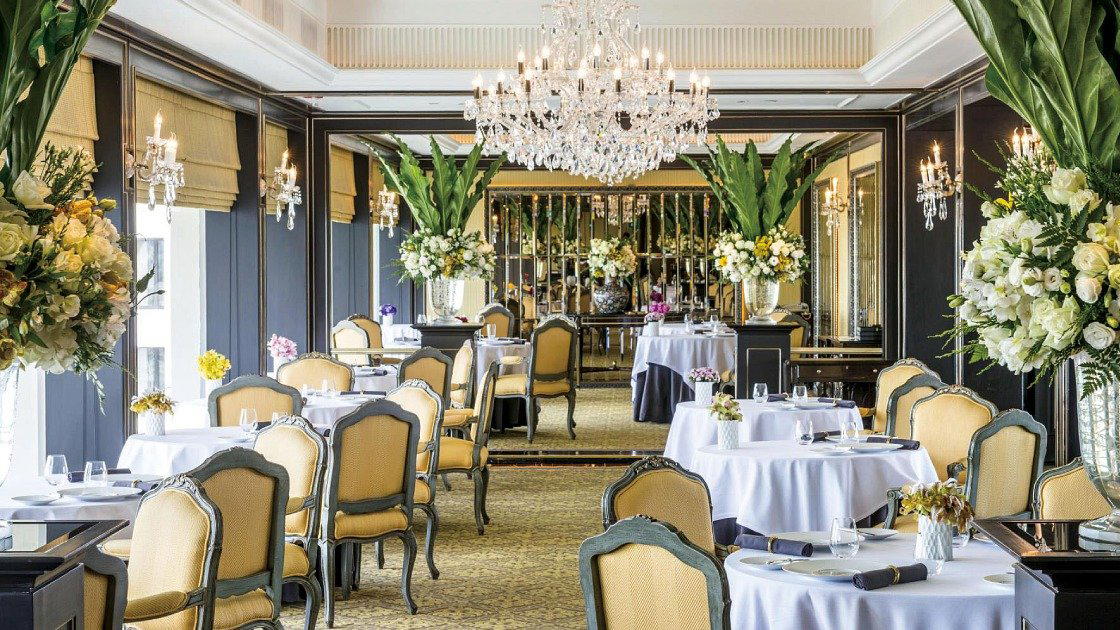
Elegant and sophisticated dining room.