
Tabelog 100 #20
Our verdict
Yanagimachi puts Fukuchiyama’s slower, northern-Kyoto rhythm into a chicken-focused format rather than the temple-district dining circuit many visitors associate with the city. Recognition in Tabelog’s 2025 Chicken Cuisine 100 places it in a defined specialist category, with duck hot pot, chicken dishes and oyako-don anchoring a restaurant that reads as regional Kyoto rather than central Kyoto performance.

Pearl is the En Primeur Club membership app — saves, bookings, and concierge access live there. Same editors, same standards.
- Address
- 京都府福知山市下柳町21
- Phone
- +81773221809
- Website
- yanagimachi.kyoto.jp
- Directions
- Get directions
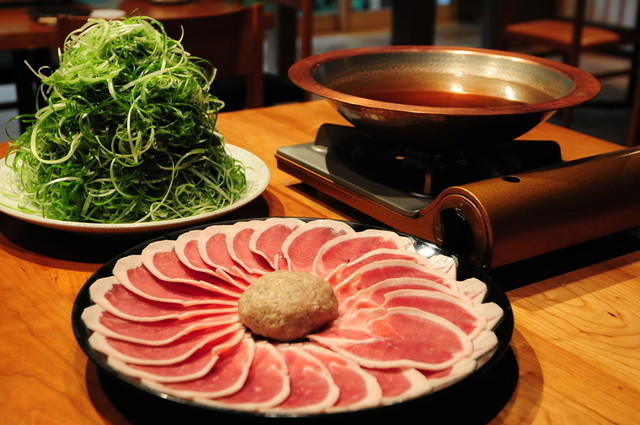
The menu
What to order
- Kamosuki
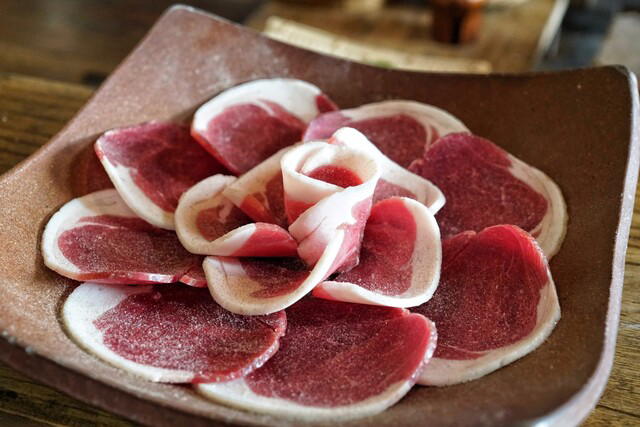
- Duck hot pot
- Oyakodon
- Fried chicken set meal
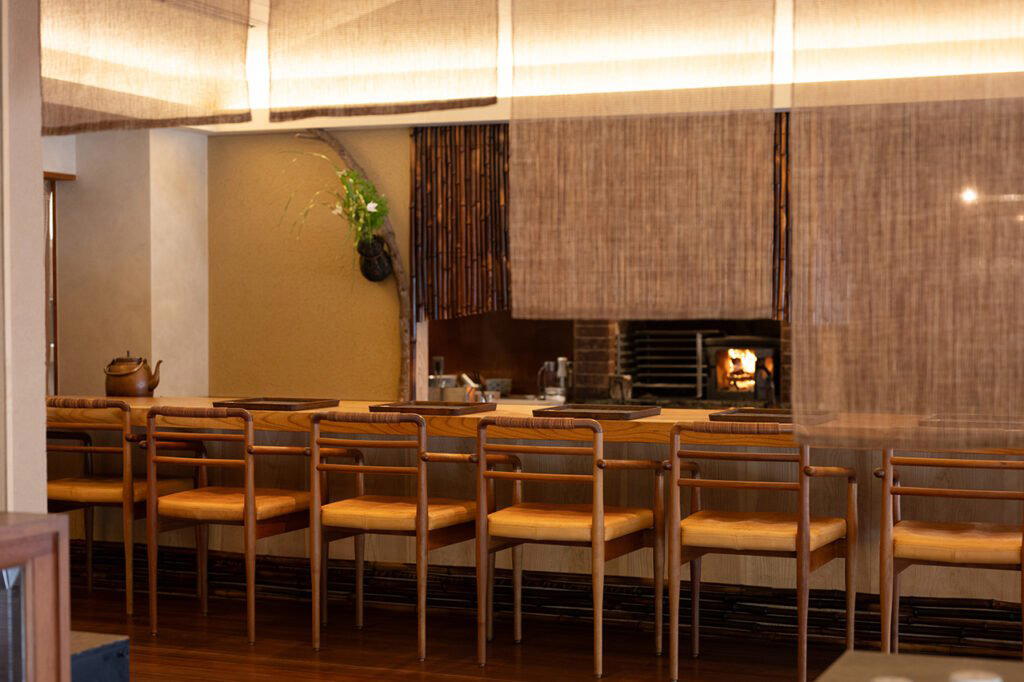
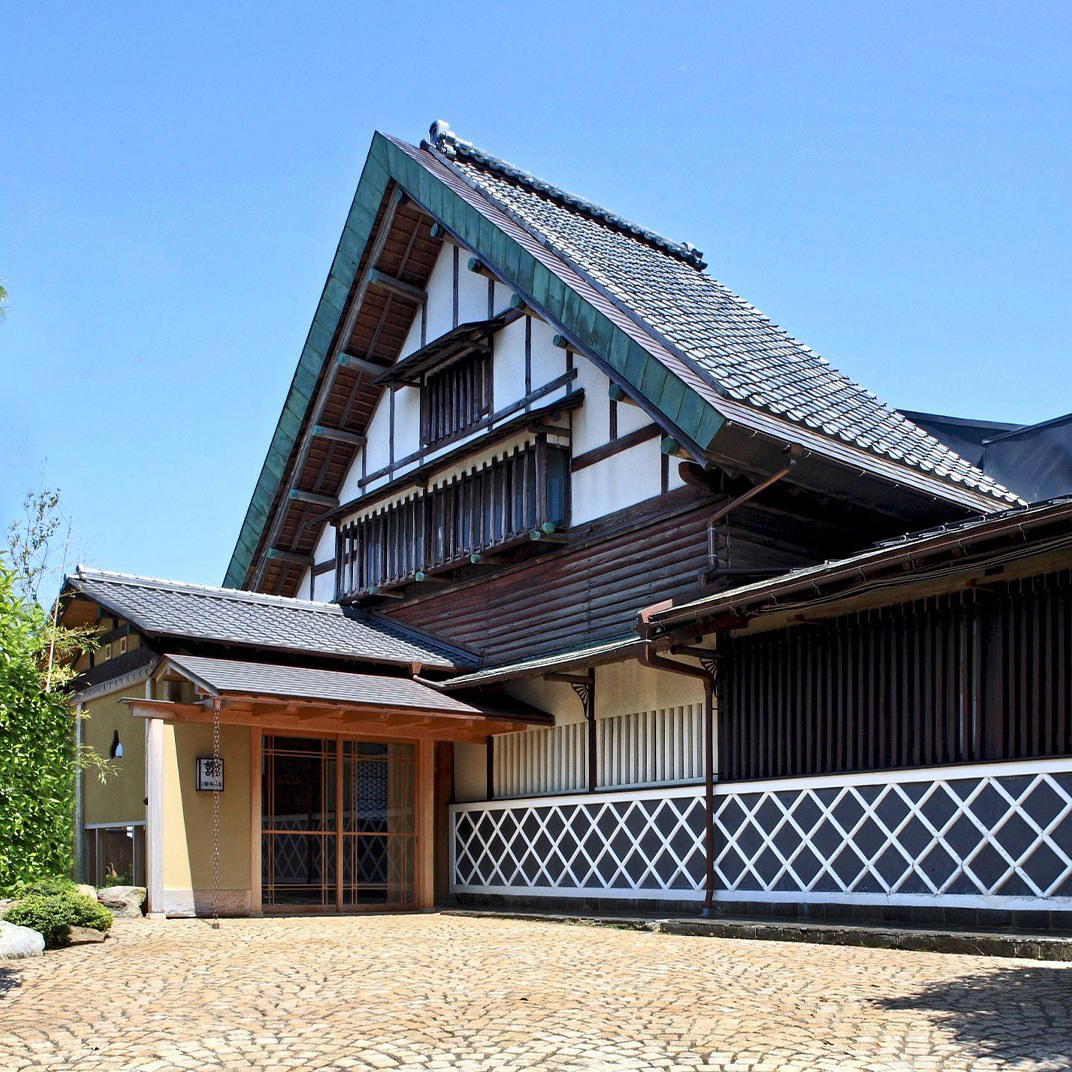
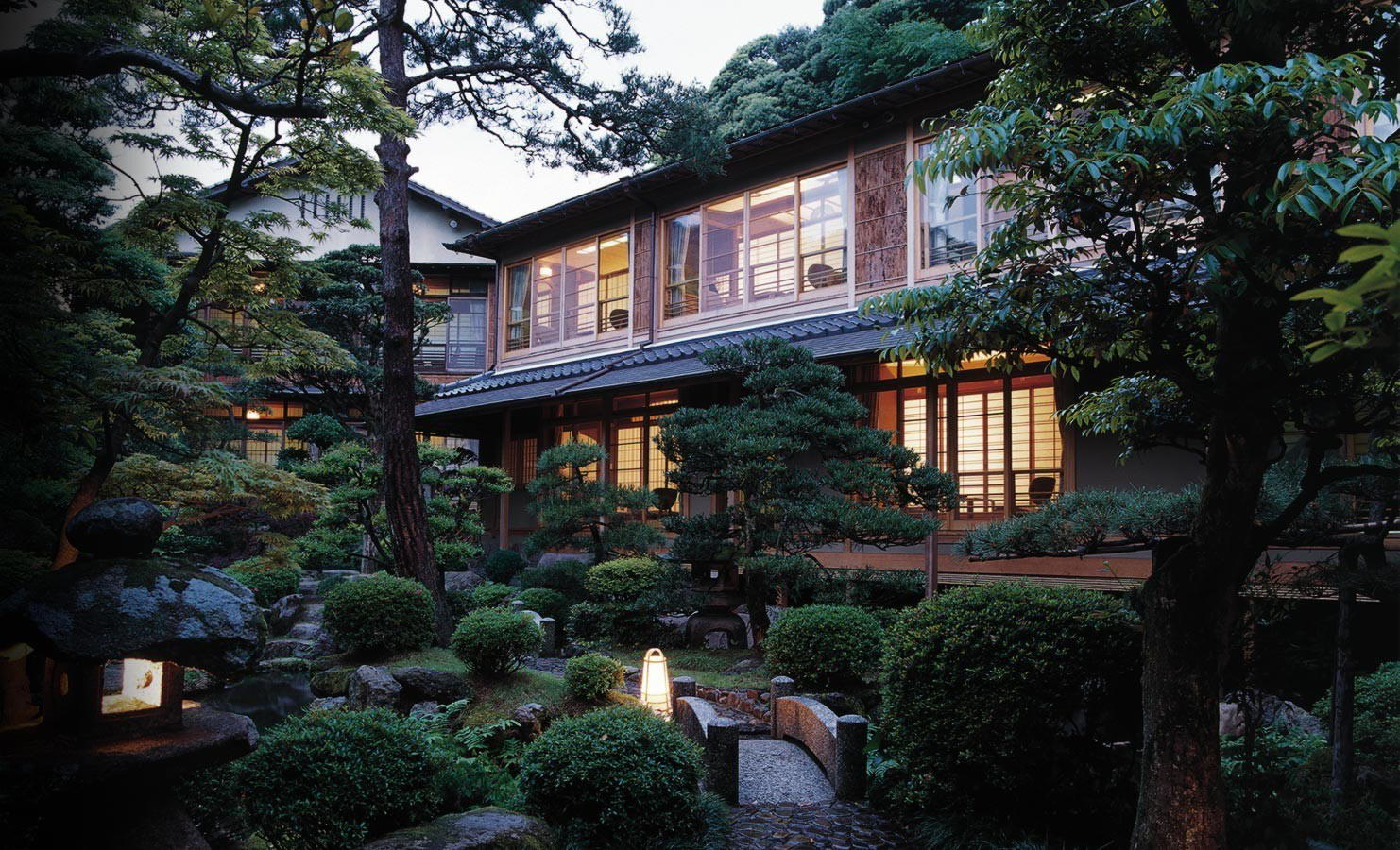
Approaching Yanagimachi in Kyoto changes the register of a Kyoto meal before the menu appears. The setting suggests a quieter, more local rhythm, where the point is not procession or ceremony but comfort built around chicken, hot pot and rice-bowl cooking. Yanagimachi belongs to that Kyoto mood: less polished theatre, more category confidence.
That matters because Kyoto dining is often flattened into kaiseki shorthand, while the city’s food culture is broader. Chicken cuisine, nabe and oyako-don sit in an everyday tradition, but specialist recognition can push them into a sharper bracket. Yanagimachi’s inclusion in Tabelog’s 2025 Chicken Cuisine 100 gives the restaurant a clear reference point: not a generic washoku stop, but part of a judged category where poultry technique, stock, rice, egg and sake compatibility carry the argument.
Kyoto gives the meal its frame
Location is not incidental. Kyoto can reward reservation discipline and aesthetic literacy, but it can also ask for a more local reading of place. A meal at Yanagimachi feels closer to a grounded gathering room than to the polished export version of Kyoto cuisine.
The restaurant’s appeal sits in that split. Rather than presenting itself only through a counter-led premium format, Yanagimachi is better understood through the categories it is recognized for: chicken dishes, nabe and oyako-don. That practical distinction is also cultural. Nabe is social architecture as much as food.
For travellers mapping Kyoto beyond the expected circuit, Yanagimachi fits beside other category-specific addresses rather than against luxury tasting-menu rooms. Within the comparison set, Torinago occupies a related Kyoto poultry-and-hot-pot lane, while Menya Somie’s shows how a focused specialist can draw attention through clarity rather than breadth. At the other end, NOMI RESTAURANT sits in a different innovative-Japanese bracket, making the contrast useful: Yanagimachi’s chicken cooking is not trying to win the same contest.
Chicken cuisine, hot pot and the discipline of limits
The menu structure is more revealing than a long dish list. Chicken dishes, nabe and oyako-don define the core categories. That focus gives the restaurant its shape: the meal is less about breadth than about the ways poultry, stock, rice and egg can carry a table.
That division is common in Japan but often misunderstood by visitors. Lunch can be a value-led expression of a restaurant’s identity, while dinner creates space for a fuller meal. Yanagimachi’s price bands underline the point: lunch sits at JPY 1,000 to JPY 1,999, while dinner is listed at JPY 5,000 to JPY 5,999. The gap is not just cost; it signals a different meal.
Planning still matters. Category-recognized restaurants can attract demand even when the format feels relaxed, and Yanagimachi should be treated with appropriate care when arranging a visit. The useful practical anchor is straightforward: confirm current service details directly with the restaurant before building a Kyoto itinerary around it.
Drink context also helps place the meal. The pairing logic suits poultry and hot pot: stock, fat, egg and rice reward drinks with texture and temperature flexibility rather than loud aromatics. That makes Yanagimachi feel like a specialist restaurant with a local rhythm, recognized in a category without needing to imitate a formal tasting-menu room.
How to place it in a Kyoto itinerary
Yanagimachi is strongest for travellers who understand that Kyoto’s food culture extends beyond the most familiar visitor circuit. It is more convincing as a planned Kyoto meal than as a casual afterthought between sightseeing stops. The address should be treated simply as Kyoto, with access and timing checked before visiting.
The room also changes the audience. Rather than reading it only through a romantic or ceremonial lens, approach Yanagimachi as a chicken-cuisine specialist whose categories naturally suit shared ordering and a more grounded kind of meal. For a couple, the appeal is less seclusion than watching a local chicken-cuisine format operate with enough consistency to earn category recognition.
For contrast, consider other Kyoto dining rooms generically rather than treating Yanagimachi as part of a single luxury circuit. Broader planning can sit in a full Kyoto restaurants guide, with parallel city context in Kyoto hotels, bars, wineries and experiences guides.
For readers comparing regional Japanese formats outside Kyoto, the useful move is to think by category rather than by name: poultry specialists, hot-pot rooms, rice-bowl counters and other tightly focused dining rooms can all show how a limited format becomes a serious meal.
The editorial case is precise: this is Kyoto by food culture, not postcard shorthand. Yanagimachi works when the reader wants a poultry specialist with category recognition and a Kyoto setting that reshapes the meal before the first order is placed.
Frequently asked questions
Can I bring kids to Yanagimachi?
Yanagimachi’s listed lunch range is JPY 1,000 - JPY 1,999. For children, seating or menu suitability should be confirmed directly with the restaurant before visiting.
How would you describe the vibe at Yanagimachi?
It reads as a Kyoto restaurant focused on chicken dishes, nabe and oyako-don rather than a formal luxury dining room. The 2025 Tabelog 100 selection in chicken cuisine places it in a serious specialist category.
What does dinner at Yanagimachi typically cost?
Dinner at Yanagimachi is listed at JPY 5,000 - JPY 5,999, with lunch listed at JPY 1,000 - JPY 1,999.
What is Yanagimachi known for?
Yanagimachi is known for chicken dishes, nabe and oyako-don in Kyoto, with recognition in Tabelog’s 2025 Chicken Cuisine 100.
A Minimal
Nearby venues at a similar price tier for orientation.
| Venue | Cuisine | Price | Awards | Notes |
|---|---|---|---|---|
| YanagimachiThis venue — the venue you are viewing | Kyoto Duck Hot Pot / Japanese Regional Cuisine | $20–30 | Tabelog 100 #20 | Not listed |
| Torinago | Traditional Japanese chicken & Kyoto duck izakaya | $20–30 | Tabelog 100 #72 | JPY 5,000 - JPY 5,999 View spending breakdown |
| Menya Somie's | Creative ramen | $10–20 | Tabelog 100 #6 | JPY 999 - JPY 999 |
| Soban Chi | Not listed | Not listed | Not listed | JPY 4,000 - JPY 4,999 JPY 2,000 - JPY 2,999 |
| NOMI RESTAURANT | Seasonal Japanese Kaiseki | $200–300 | Tabelog Silver #93 | Japanese Cuisine, Innovative, JPY 30,000 - JPY 39,999 JPY 30,000 - JPY 39,999 |
Recognition history
Dated appearances from independent guides and award organizations, with the underlying list record or original source where available.
Tabelog 100 #20 · No. 20
Tabelog · Tabelog 100 - Chicken cuisine - 2025
Continue exploring
More in Kyoto
Restaurants in Kyoto
Browse all →
Details
- Classic
- Cozy
- Rustic
- Group Dining
- Casual Hangout
- Business Dinner
- Standalone
- Historic Building
- Sake Program
- Beer Program
- Local Sourcing
- Street Scene
- A La Carte
- Set Menu
- Sake
- Beer
- Wine
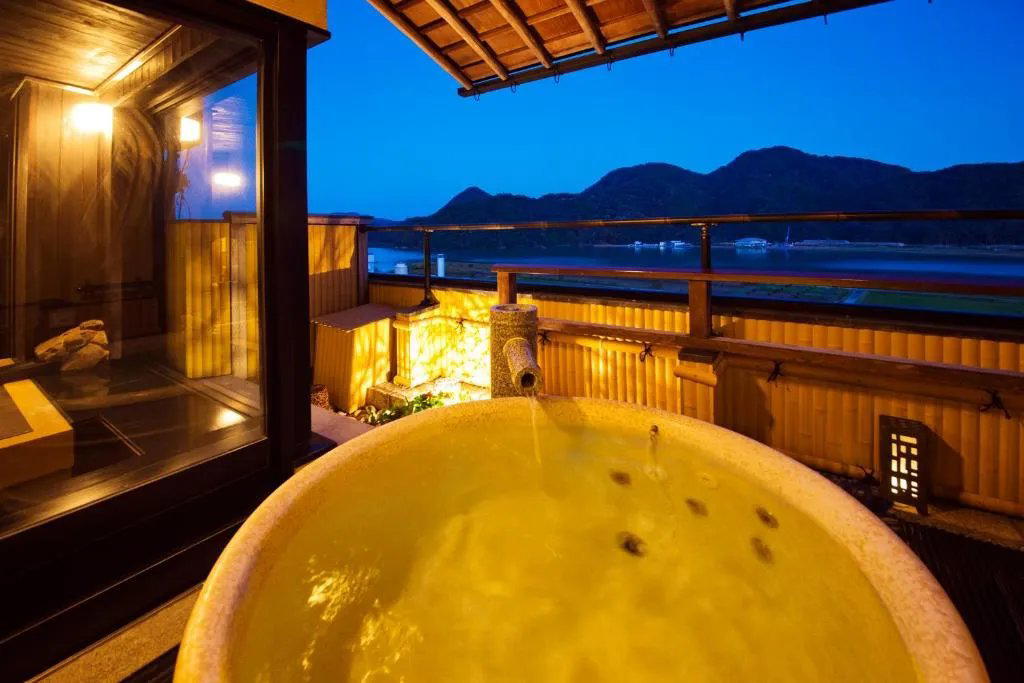
Historic and understated, with a traditional machiya setting that feels local and quietly atmospheric rather than flashy.