
Tabelog 100 #72
Our verdict
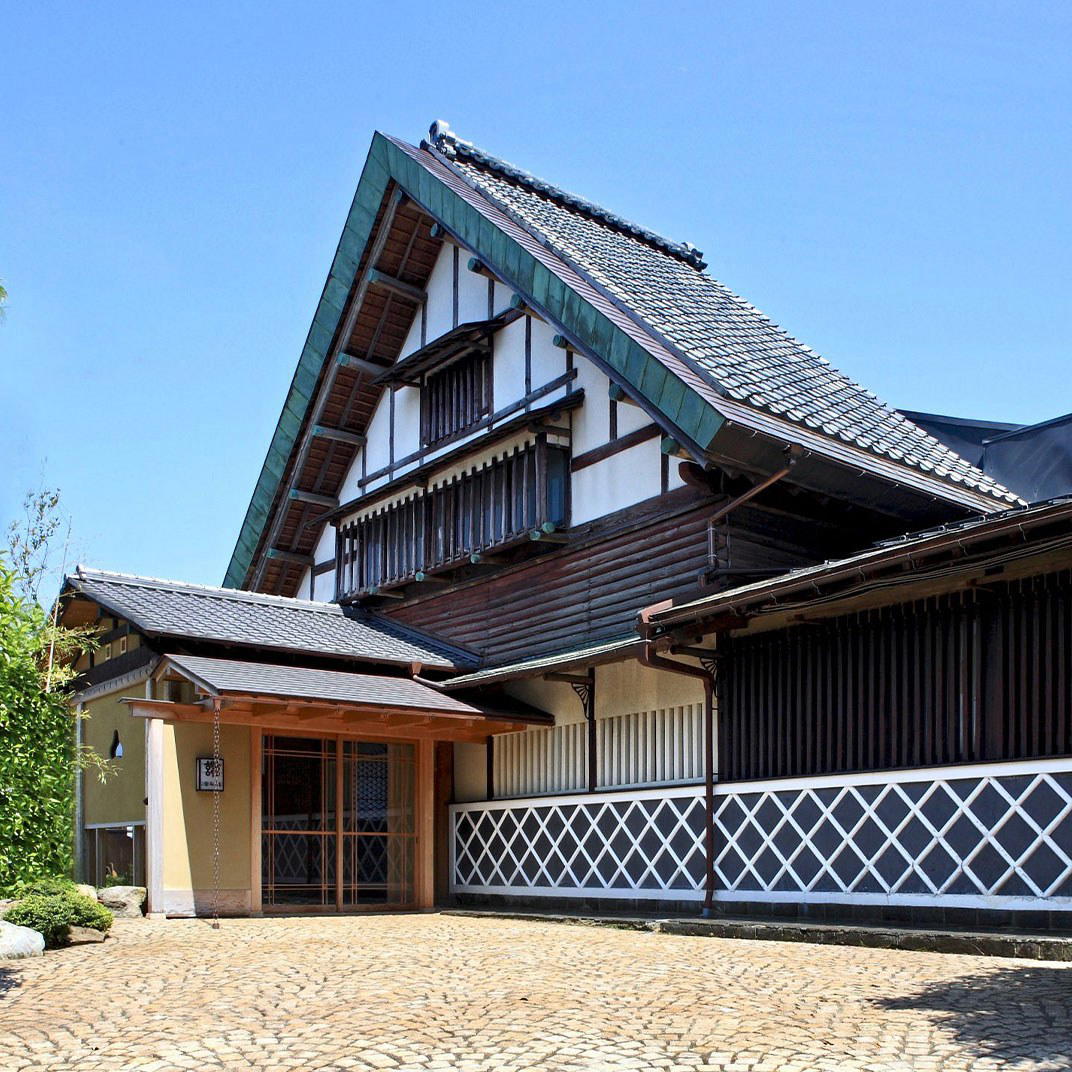
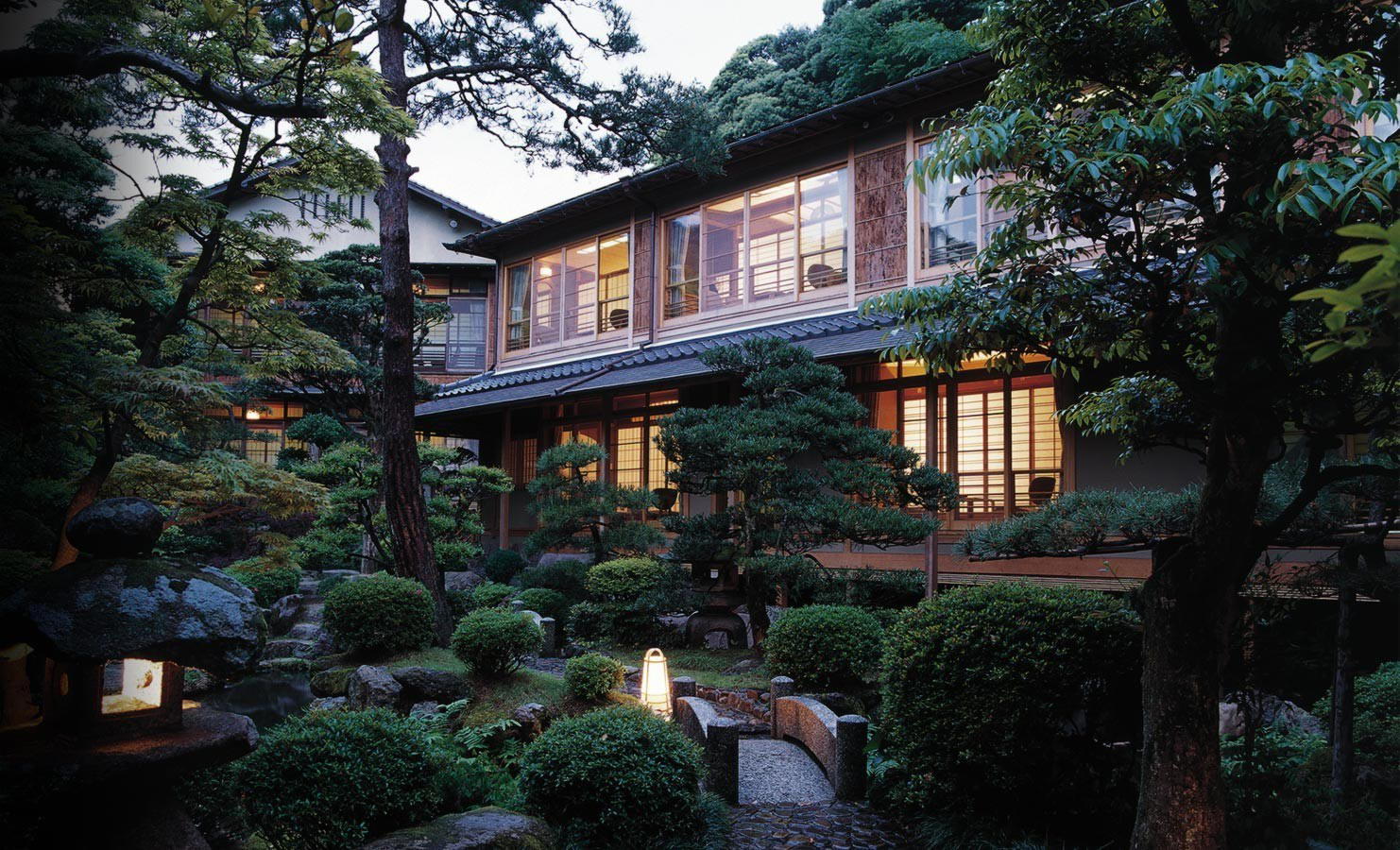
Torinago brings Kyoto’s chicken-cuisine tradition into a house-restaurant setting in Fukuchiyama, with nabe and izakaya formats carrying the meal rather than formal kaiseki theatre. Its 2025 Tabelog 100 selection for chicken cuisine places it in a nationally watched category, while the room’s tatami and sunken seating keep the experience closer to regional gathering than destination tasting counter.

Pearl is the En Primeur Club membership app, where members save venues, book tables and use the concierge.
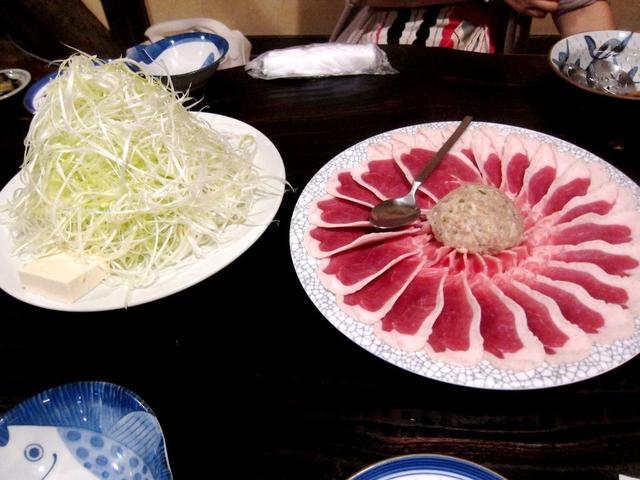
The menu
What to order
- Kamo-suki (duck hotpot)
- Tori-suki (chicken hotpot)
- Assorted yakitori
- Fried chicken
Approach the meal as a change of Kyoto tempo. The city’s dining reputation is often filtered through counters, sweets, and polished special-occasion rooms, but Kyoto also has a quieter grammar: family groups, hot pots, chicken cookery, and a room built for lingering rather than choreography. Torinago sits in that register, a Kyoto restaurant where the appeal is less about theatrical rarity than about a table organized around poultry, heat, broth, and drink. The point is not to force the meal into a luxury shorthand. It is the older pleasure of a shared format that feels direct, useful, and rooted in a specific category.
Chicken cuisine with the logic of a regional gathering
Japan’s chicken restaurants split into several tribes. Some prize sequencing, sauce management, and the cook’s control over heat. Mizutaki and other nabe traditions turn the bird into broth and shared pacing. Izakaya-style chicken rooms often borrow from both without presenting themselves as fine-dining temples. Torinago belongs to that broader chicken-and-nabe culture: the categories attached to the restaurant are chicken dishes, Japanese hot pot, and izakaya, which tells the reader more than any invented signature plate would.
That category-led angle matters because chicken cuisine is less forgiving than its casual image suggests. A restaurant built around poultry depends on stock clarity, cut selection, timing, and the ability to make a table feel fed rather than dazzled. Kyoto diners have long understood this distinction. The city can support high-formality cuisine, but it also rewards specialists: places that repeat a focused format until the details become the attraction. Tabelog’s 2025 recognition of Torinago places it within that specialist lane, not among broad-menu restaurants trying to cover every mood.
The comparison with other Kyoto dining helps set expectations. Menya Somie's operates in a different casual frame, while Yanagimachi gives another local point of reference without asking the same thing of the evening. NOMI RESTAURANT occupies a more structured contemporary lane, where the meal is built around progression and precision. Torinago’s appeal is more communal and ingredient-specific. It asks less of the diner’s attention than a tasting menu and more of the table’s appetite for a shared chicken meal.
Why Kyoto changes the meaning of dinner
Kyoto is not one dining mood. Beyond the most familiar visitor circuit, the city also supports restaurants whose value comes from local utility rather than performance. Torinago should be read through that lens: a place whose stated categories point toward chicken dishes, nabe, and izakaya hospitality rather than a chef-centered narrative. This is not the micro-counter economy of a few seats and months of reservation anxiety. It is a format better understood as group-friendly, repeatable, and organized around the table rather than around biography.
The room should therefore be imagined less as a stage and more as part of the meal’s pacing. In this kind of restaurant, the important editorial questions are practical: does the format support conversation, appetite, heat, broth, and drink; does the category focus feel coherent; and does the price make sense for the kind of evening being proposed. Torinago’s published dinner budget of JPY 5,000 - JPY 5,999 puts it in a moderate Kyoto range, giving the meal a different role from a rarefied tasting-menu booking.
There is an editorial trap in treating every Kyoto meal as if it must resolve into refinement. Chicken hot pot and izakaya cookery work by a different standard. The better question is whether the format has enough discipline to justify choosing it over other Kyoto dining rooms. In this case, the recognition signal, the narrow category focus, and the accessible dinner spend create a clear answer: this is a Kyoto specialist for travelers who want the city beyond the most familiar luxury script, not a substitute for a polished formal night.
How to place it within a Kyoto itinerary
Use this meal as a counterweight to the standard Kyoto circuit. A first Kyoto trip still benefits from the classic spread: market snacks, old confectioners, a serious dinner, and one or two bars after dark. The wider EP Club Kyoto map helps with that calibration across other Kyoto dining rooms and our full Kyoto restaurants guide. For the rest of the trip architecture, cross-check our full Kyoto hotels guide, our full Kyoto bars guide, our full Kyoto wineries guide, and our full Kyoto experiences guide.
For readers building a broader Japan food route, the useful comparison is not only within Kyoto. Different cities show how Japanese dining changes when the format narrows: a dish, an ingredient, a drinking occasion, or a single room style can define the whole experience. Within the allowed Kyoto comparison set, Menya Somie's, NOMI RESTAURANT, Yanagimachi, Roan Matsuda Sasayama, and Soban Chi each point to a different way of structuring a meal. Torinago’s lane is clearer when seen against that variety: it is not trying to be all things to all diners.
The editorial read is simple: choose Torinago when the point of the evening is chicken as a Japanese category, not Kyoto as a luxury shorthand. The restaurant’s Tabelog 2025 recognition gives it a credible marker, and the published score of 3.69 adds a useful reference point without needing to overstate the case. The more persuasive signal is structural: a poultry-led category, nabe and izakaya framing, and a Kyoto setting that lets the meal operate outside the most familiar visitor script. For travelers willing to let Kyoto widen, that combination is the reason to pay attention.
Frequently asked questions
What's Torinago's location?
Kyoto.
What does dinner at Torinago typically cost?
Pricing at Torinago is listed as JPY 5,000 - JPY 5,999 View spending breakdown.
Is Torinago reservation-only?
The provided listing does not establish Torinago as reservation-only. It lists Torinago in Kyoto, with dinner priced at JPY 5,000 - JPY 5,999.
What is Torinago known for?
Torinago is known for chicken dishes, nabe, and izakaya-style dining in Kyoto.
How It Stacks Up
Comparable venues for cuisine and category context.
| Venue | Cuisine | Price | Awards | Notes |
|---|---|---|---|---|
| TorinagoThis venue (the venue you are viewing) | Traditional Japanese chicken & Kyoto duck izakaya | $20–30 | Tabelog 100 #72 | Not listed |
| 八起庵 | Kyoto Bird Cuisine | $20–30 | Not listed | Shimogyo-ku |
| Sobanomi Yoshimura (蕎麦の実よしむら) | Traditional Handmade Kyoto Soba | $20–30 | Not listed | Shimogyo-ku |
| とんかつ山本 | Traditional Tonkatsu | $30–50 | Tabelog 100 #66 | Nakagyo-ku |
| Nakae | Cozy Kyoto Izakaya & Japanese Seafood Tavern | $30–50 | Tabelog 100 #91 | Shimogyō |
| Grill & Coffee Hasegawa | Kyoto yoshoku hamburger steak grill | $20–30 | Tabelog 100 #48 | Kita |
Recognition history
Dated appearances from independent guides and award organizations, with the underlying list record or original source where available.
Tabelog 100 #72 · No. 72
Tabelog · Tabelog 100 - Chicken cuisine - 2025
Continue exploring
More in Kyoto
Restaurants in Kyoto
All restaurants in Kyoto →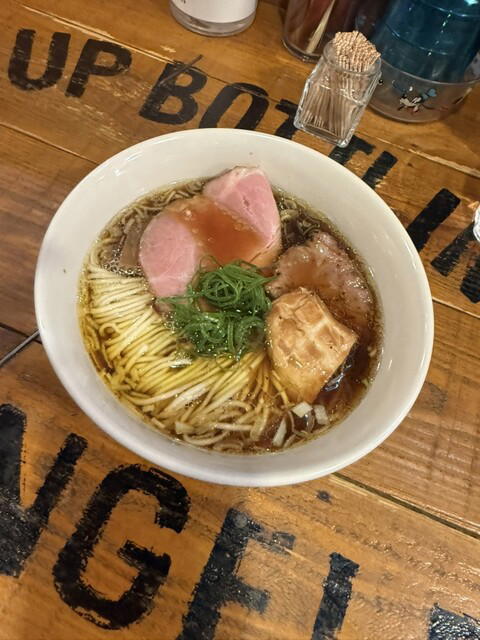
Details
- Cozy
- Classic
- Rustic
- Casual Hangout
- After Work
- Group Dining
- Family
- Date Night
- Historic Building
- Standalone
- Sake Program
- Beer Program
- Local Sourcing
- A La Carte
- Small Plates
- Family Style
- Sake
- Beer