
Tabelog 100 #6
Our verdict
Menya Somie's puts Fukuchiyama into the Kansai ramen conversation without the Kyoto-center price theatre. Its Tabelog Ramen WEST 100 selections, counter-led 16-seat format, and sub-¥1,000 listed budget make it a serious regional stop rather than a casual station-area fallback.

Pearl is the En Primeur Club membership app, where members save venues, book tables and use the concierge.
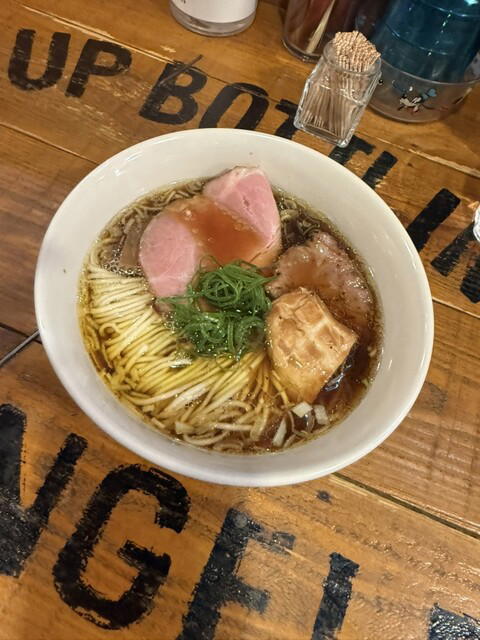
The menu
What to order
- Chicken & gyokai ramen
- Tori paitan ‘Crema’ ramen
- Kara-age (fried chicken)
- Donburi rice bowls
Kyoto’s dining scene has more than one rhythm: beyond the familiar temple-side corridors and reservation-led meals, there are everyday formats built around lunch traffic, solo diners, and quick decisions. Menya Somie's belongs to that practical ramen culture, where timing, pace, and appetite shape the meal as much as the bowl. In a city often discussed through kaiseki, wagashi, and reservations, this is Kyoto seen through a more casual, ramen-led format.
The useful comparison is not with Kyoto’s polished dinner rooms. Torinago and Yanagimachi sit in a different spend bracket, while NOMI RESTAURANT occupies an entirely different tier. Menya Somie's sits at the opposite end of the market: a ramen, kara-age, and donburi venue listed for 2025 Tabelog Hyakumeiten recognition, with a Tabelog score of 3.69 and pricing shown at - JPY 999 - JPY 999. That combination is the point. Kyoto ramen credibility does not always arrive with long menus, design theatre, or metropolitan pricing.
Kyoto ramen, judged by recognition rather than Kyoto-centre gloss
Ramen in Japan has become a broad field, with specialist shops competing across broth style, noodle texture, side dishes, and queue culture. Tabelog’s Hyakumeiten recognition is useful because it cuts across the field rather than rewarding only the densest dining districts. A Kyoto shop appearing on that list signals a different kind of draw: enough consistency to matter beyond convenience, without becoming a luxury-format restaurant.
The menu categories also place the meal in a recognisable everyday register. Ramen anchors the visit, while kara-age and donburi keep the format close to casual Japanese dining rather than chef-counter ceremony. That matters for travellers planning Kyoto beyond the usual central assumptions. The decision is not whether this replaces a reserved dinner; it is whether the itinerary has space for a short, focused meal that shows how serious ramen culture can operate outside the city’s more photographed dining narratives.
For readers building a wider Kyoto food map, this sits apart from other Kyoto dining rooms, casual regional staples, counters, and old sweet traditions. Those categories sketch the range of Kyoto eating without reducing the city to a single style. Menya Somie's adds the ramen layer that many Kyoto restaurant lists miss.
A focused casual format puts pace ahead of ceremony
The ramen-shop category gives the experience its working logic. Small casual restaurants often depend on coordination rather than ceremony: ordering, cooking, payment, and turnover happen with practical efficiency. There is no need to over-romanticise that arrangement. It simply means the meal is best understood through operational pace and directness rather than through a luxury-service lens. In this category, that often matters more than a named chef biography.
The restaurant belongs to the ramen economy rather than the appointment-dining economy. That distinction changes how to read the recognition. Awards can increase demand, but the format remains fundamentally direct: arrive, wait if needed, eat, and move on so the next diner can be served. Ramen venues have long given single travellers a serious meal without the friction of formal service or group minimums.
Practical details also keep the visit grounded in Japan’s small-restaurant habits. The listed budget is notably accessible, with lunch and dinner both shown at - JPY 999. That affects how visitors should frame the meal: not as a ceremonial destination dinner, but as a focused stop where the value lies in timing, appetite, and the core categories of ramen, kara-age, and donburi.
Where it fits in a broader Kyoto itinerary
Kyoto travel often splits into two dining modes: destination meals that require advance planning, and smaller local formats that reward precise timing. Menya Somie's belongs firmly to the second camp. It is not competing with long-form Japanese cuisine or private-room dining; it is a focused ramen stop with enough recognition to justify attention from travellers already building a broader Kyoto food itinerary.
That makes the surrounding itinerary important. Use Our full Kyoto restaurants guide for the broader dining frame, then separate ramen runs from the city’s hotel, bar, wine, and experience planning through Our full Kyoto hotels guide, Our full Kyoto bars guide, Our full Kyoto wineries guide, and Our full Kyoto experiences guide. The value here is editorial contrast: Kyoto is not only central-city refinement, and ramen is not only a story of the largest urban dining districts.
For travellers comparing casual Japanese formats across regions, the useful parallels are category-based rather than stylistic. Other casual and mid-casual dining scenes vary by city, format, and price expectation, and Japanese formats abroad raise a different question: how familiar everyday foods change once they leave Japan’s infrastructure of small shops, quick meals, and regular local use. Menya Somie's is best read within that practical context rather than as a luxury comparison point.
The editorial verdict is simple: this is a ramen venue for travellers who care about regional signal, not dining-room spectacle. The 2025 Tabelog Hyakumeiten recognition provides the trust marker; the accessible budget and focused categories explain the appeal. Build the visit around timing and transport, not ceremony.
Frequently asked questions
Where is Menya Somie's located?
Kyoto.
What time does Menya Somie's open and close?
Published hours are not provided here; check directly before visiting Menya Somie's.
What price level is Menya Somie's?
Pricing at Menya Somie's is listed as - JPY 999 - JPY 999, with both dinner and lunch budgets shown as - JPY 999.
What do critics highlight about Menya Somie's?
Menya Somie's is listed with 2025 Tabelog Hyakumeiten recognition, a Tabelog score of 3.69, and categories of ramen, kara-age, and donburi.
Can Menya Somie's accommodate dietary restrictions?
The published details point to a focused lineup of ramen, kara-age, and donburi. Diners with dietary restrictions should plan around those core categories and confirm directly before visiting.
A Minimal
Comparable options at the same price tier.
| Venue | Cuisine | Price | Awards | Notes |
|---|---|---|---|---|
| Menya Somie'sThis venue (the venue you are viewing) | Creative ramen | $10–20 | Tabelog 100 #6 | Not listed |
| Torinago | Traditional Japanese chicken & Kyoto duck izakaya | $20–30 | Tabelog 100 #72 | JPY 5,000 - JPY 5,999 View spending breakdown |
| Yanagimachi | Kyoto Duck Hot Pot / Japanese Regional Cuisine | $20–30 | Tabelog 100 #20 | JPY 5,000 - JPY 5,999 JPY 1,000 - JPY 1,999 |
| Soban Chi | Not listed | Not listed | Not listed | JPY 4,000 - JPY 4,999 JPY 2,000 - JPY 2,999 |
| NOMI RESTAURANT | Seasonal Japanese Kaiseki | $200–300 | Tabelog Silver #93 | Japanese Cuisine, Innovative, JPY 30,000 - JPY 39,999 JPY 30,000 - JPY 39,999 |
| Roan Matsuda Sasayama | Michelin-Starred Soba Kaiseki | $100–150 | Tabelog Bronze #373 | Not listed |
Recognition history
Dated appearances from independent guides and award organizations, with the underlying list record or original source where available.
Tabelog 100 #6 · No. 6
Tabelog · Tabelog 100 - Ramen - WEST - 2025
Continue exploring
More in Kyoto
Restaurants in Kyoto
All restaurants in Kyoto →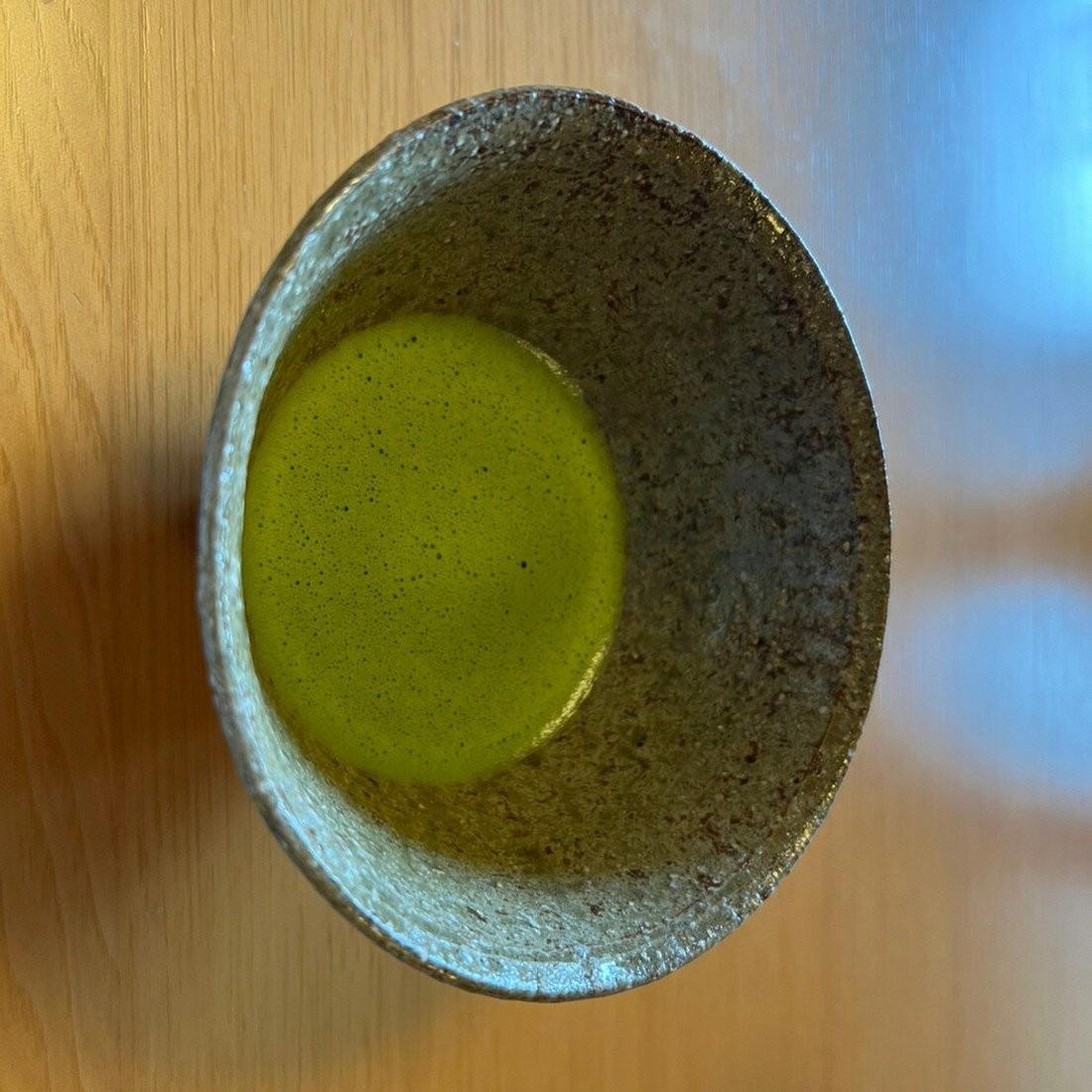
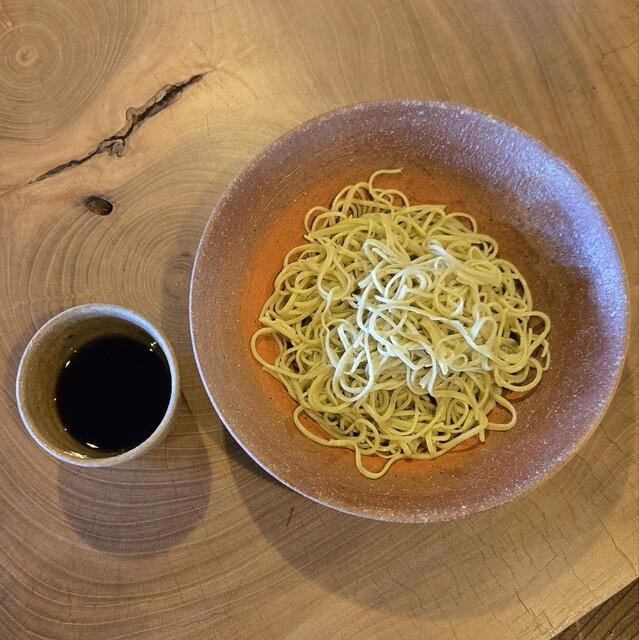
Details
- Cozy
- Intimate
- Solo
- Casual Hangout
- Chefs Counter
- Standalone
- Local Sourcing
- A La Carte
- Counter Dining
Current opening hours
- Monday
- 11 AM–1:45 PM
- Tuesday
- Closed
- Wednesday
- Closed
- Thursday
- Closed
- Friday
- 11 AM–1:45 PM
- Saturday
- 11 AM–1:45 PM
- Sunday
- 11 AM–1:45 PM
Hours can change for holidays and private events. Hours as of .
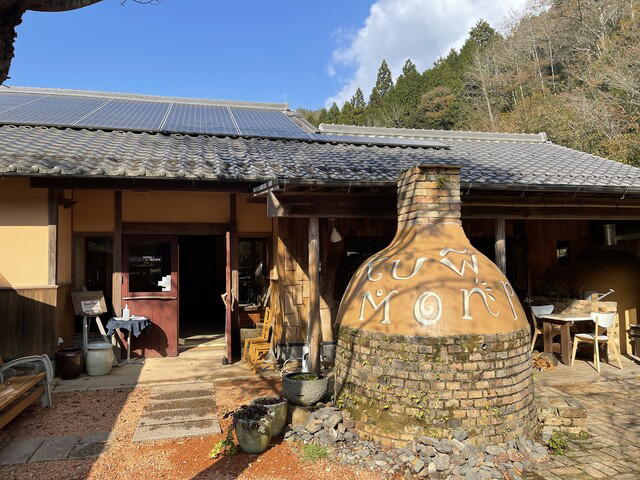
A small, non-smoking neighborhood ramen shop with counter-focused seating, simple decor, and a relaxed, conversational atmosphere centered on the craft of the bowl rather than design or buzz.