Our verdict
On Ogunlana Drive in Surulere, Yakoyo Abula Joint represents the kind of neighbourhood eating that defines Lagos at its most direct: abula-centred, community-facing, and rooted in a part of the city that has been feeding working Lagos for generations. Positioned well outside the fine-dining corridor of Victoria Island, it serves a tradition that the city's newer restaurant wave has largely left alone.

Pearl is the En Primeur Club membership app, where members save venues, book tables and use the concierge.
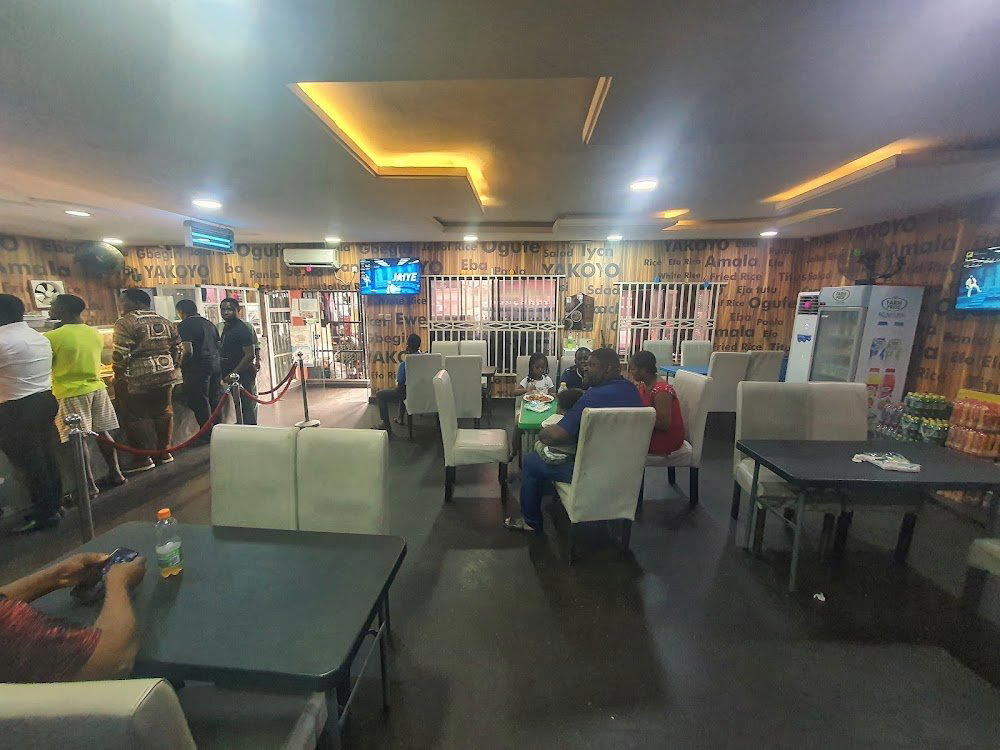
The menu
What to order
- Amala with Gbegiri and Ewedu
Surulere and the Geography of Everyday Lagos Eating
Ogunlana Drive sits in the middle of Surulere, one of Lagos's older residential and commercial districts, and the street has long functioned as a corridor for the kind of eating that does not require a reservation, a dress code, or a journey to the island. The neighbourhood preceded Lagos's current restaurant boom by decades, and the spots that have survived here tend to do so on the strength of consistency and community loyalty rather than social media positioning. Yakoyo Abula Joint operates in that tradition, at 107 Ogunlana Drive, in a part of Lagos where the reference point for a good meal is typically the plate rather than the premise.
Understanding Surulere matters for understanding what kind of experience Yakoyo Abula Joint offers. This is not Victoria Island, where venues like Al Sud and Avenida have built their reputations on modern plating and international audiences. And it is not the refined Nigerian-cuisine positioning of newer operations like Ìtàn Test Kitchen or NOK by Alara. Surulere is older Lagos, and what it offers is a different kind of credibility: the kind earned over years of feeding the same community, not over press cycles.
Abula as a Category, Not Just a Menu Item
The name signals the format. Abula is a Yoruba soup combination, typically built around gbegiri (a smooth bean-based soup), ewedu (a mucilaginous leafy soup made from jute leaves), and a stew base, often served together over amala, the dark yam-flour swallow that has become one of the most recognisable dishes in the Yoruba culinary canon. The combination is a staple of the Ibadan food tradition that spread across Lagos as the city absorbed successive waves of migration from the southwest. An abula joint, by definition, specialises in this combination rather than offering a broad menu, and the quality of any such operation is judged primarily on the texture and seasoning of these three elements, and on the quality of protein served alongside.
Across Lagos, abula specialists compete on very specific variables: the smoothness of the gbegiri, the viscosity of the ewedu, the depth of the stew, and the tenderness of meat options ranging from assorted offal to ponmo (cow skin) to smoked fish. The eating public in Surulere is not easily impressed by novelty in this format. Regulars know what they want and return when they find it. That dynamic, where repeat patronage rather than first-time curiosity drives traffic, tends to produce operations that are disciplined about their core product over time.
The comparison is not to Le Bernardin or Atomix, but to the wider ecosystem of Yoruba food specialists that quietly sustains daily eating in the mainland districts. In that context, a working abula joint on Ogunlana Drive is as structurally important to the city's food culture as any tasting-menu counter.
Mainland Lagos and the Case for Going North of the Bridge
Lagos visitors whose itineraries are anchored to Lekki or Victoria Island often miss the mainland entirely. This is partly a traffic calculation (crossing the bridges at peak hours is its own commitment) and partly a function of where hotel infrastructure is concentrated. But Surulere's Ogunlana Drive is accessible from central Lagos without the island-bound congestion that can stretch short distances into long journeys, and the area rewards the effort for anyone interested in the city's everyday food culture rather than its export-facing restaurant scene.
For context, the mainland abula and amala tradition is also represented in further-flung parts of the Lagos metropolitan area. Stella's Place in Ikeja and operations in outer areas like Mie Mie Taste in Badagry reflect how the city's eating culture spreads across its sprawl. Surulere, sitting closer to the old commercial core, offers a somewhat more central access point to this tradition than the outer districts. Those planning around Surulere specifically would do well to combine a visit to this part of Ogunlana Drive with other stops in the neighbourhood rather than treating it as a single-destination journey.
Lagos's contemporary dining scene has attracted attention for operators like Danfo Bistro and Camilo, which engage with Nigerian food culture through a different register. What Yakoyo Abula Joint represents is the foundation that those conversations are built on: a format that existed long before Nigerian cuisine became a subject of international editorial interest, and that continues operating on its own terms.
Planning a Visit: What to Know Before You Go
Operations of this type in Lagos typically run through lunch and into the early evening, with supply of certain proteins or soup combinations sometimes running out before closing. Arriving at midday, when the kitchen is at full output, is generally the practical approach for this category of eating.
Dress code is not a consideration at a joint of this type. The practical variable is timing relative to traffic: Ogunlana Drive, like much of Surulere, moves more freely in the morning and early afternoon than in the post-work hours when the district's density makes movement slower. Those travelling from the island should account for bridge traffic in either direction.
No awards or critic recognition appear in the record, which is consistent with the fact that Lagos's formal dining recognition infrastructure has largely focused on the island-facing, modern-cuisine segment rather than mainland abula specialists. The absence of a Michelin entry or a 50 Best mention does not reflect on the food; it reflects on where the international critical apparatus has directed its attention. For a broader view of where this fits in the city's eating scene, the full Lagos restaurants guide maps the range from street-level specialists to the island's contemporary operators.
Visitors whose Lagos trip is built around restaurants should also note that the city's quick-service segment, including Leading Shawarma and comparable operators, covers a different part of the eating spectrum, while internationally referenced operations elsewhere, from Lazy Bear in San Francisco to HAJIME in Osaka to Reale in Castel di Sangro, share no meaningful comparison point with an abula joint in Surulere. The value proposition here is entirely different: proximity to a living culinary tradition in the neighbourhood where it has always operated.
Frequently asked questions
What part of town is Yakoyo Abula Joint in?
Yakoyo Abula Joint is located at 107 Ogunlana Dr, Surulere, Lagos 101241, Lagos, Nigeria, Lagos.
Is Yakoyo Abula Joint on the Lagos mainland worth the trip from Victoria Island or Lekki?
For anyone serious about Lagos food beyond the Island's restaurant circuit, Surulere is where the argument gets made. Ogunlana Drive sits in one of the city's older districts, and a specialist abula joint there represents the mainland's everyday food culture at a register that no Lekki dining room replicates. The crossing from Victoria Island involves real traffic time, so planning arrival before the midday rush is the sensible approach.
What should I order at Yakoyo Abula Joint?
The name answers the question: abula is the format, and at a dedicated abula joint on Ogunlana Drive in Surulere, that means the classic Yoruba combination of gbegiri (smooth bean soup) and ewedu (mucilaginous leaf broth) served over amala. These three components define the menu's logic. Arriving and ordering anything else would miss the point of the venue entirely.
How far ahead should I plan for Yakoyo Abula Joint?
The practical approach is to arrive before midday, as this format of Lagos eating typically runs from morning through early afternoon rather than evening service.
What has Yakoyo Abula Joint built its reputation on?
The venue's reputation rests on format specificity: Ogunlana Drive in Surulere has functioned for decades as a corridor for everyday Lagos eating, and a joint that anchors its identity to abula signals that it is cooking one thing with accumulated focus. In a city where abula is a meaningful cultural category, not a side dish, that specialisation carries its own credibility on the mainland.
Can Yakoyo Abula Joint accommodate dietary restrictions?
The abula format is built on bean-based gbegiri and ewedu leaf broth, which are plant-derived soups, though preparation at any given kitchen may include stock or protein additions. Anyone with specific dietary requirements should verify directly on arrival at 107 Ogunlana Drive, Surulere.
Compact Comparison
Comparable venues nearby, for context on price, style, and recognition.
| Venue | Cuisine | Price | Awards | Notes |
|---|---|---|---|---|
| Yakoyo Abula JointThis venue (the venue you are viewing) | Authentic Nigerian Abula (Amala Joint) | $1–10 | Not listed | Not listed |
| Best Shawarma | Shawarma | $10–20 | Not listed | Surulere, Shawarma |
| The Place | Nigerian | $1–10 | Not listed | Ikeja GRA, Nigerian |
| Ilé Eros | Modern Nigerian / West African dining | $30–50 | Conde Nast Hot List Restaurants | Lekki Phase 1, Modern Nigerian / West African dining |
| Ocean Basket Nigeria | Ikeja GRA, Mediterranean Seafood & Sushi | Not listed | Not listed | Not listed |
| Iya-Eba Restaurant & Bar | Traditional Nigerian Yoruba | Not listed | Not listed | Lagos Island, Traditional Nigerian Yoruba |
Continue exploring
More in Lagos
Restaurants in Lagos
All restaurants in Lagos →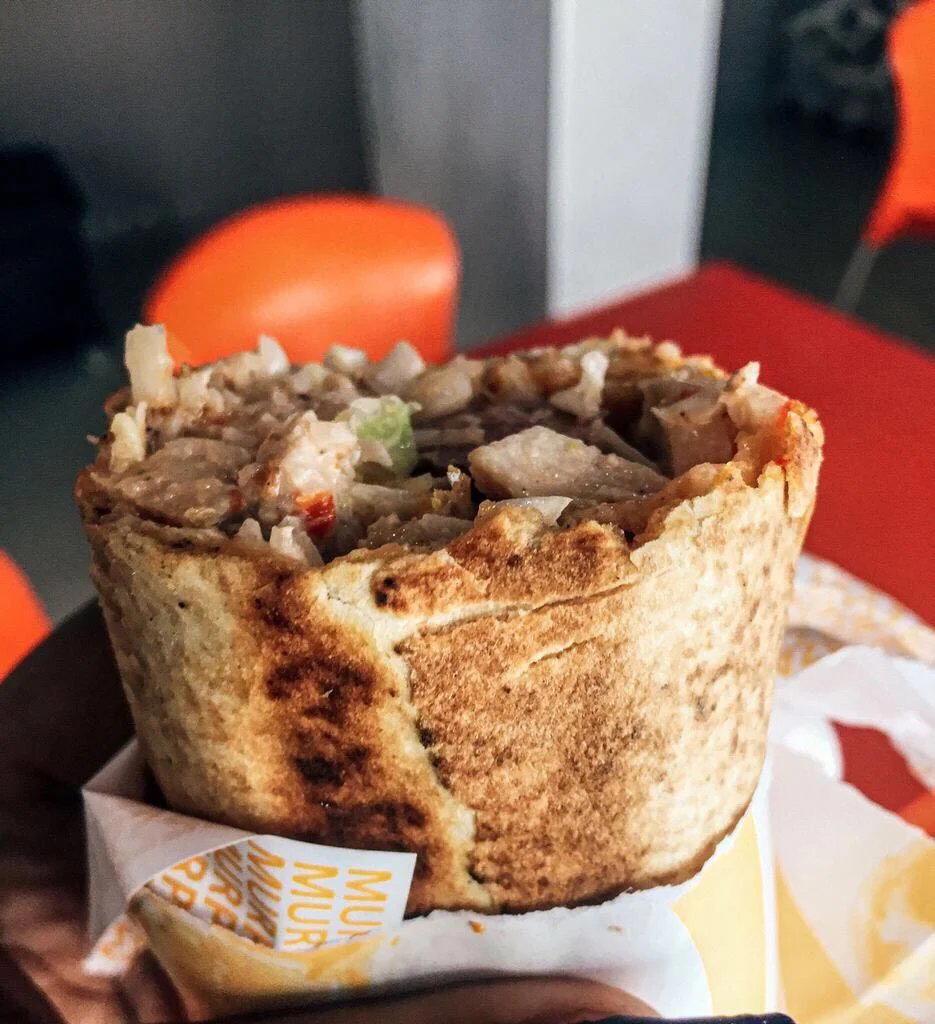
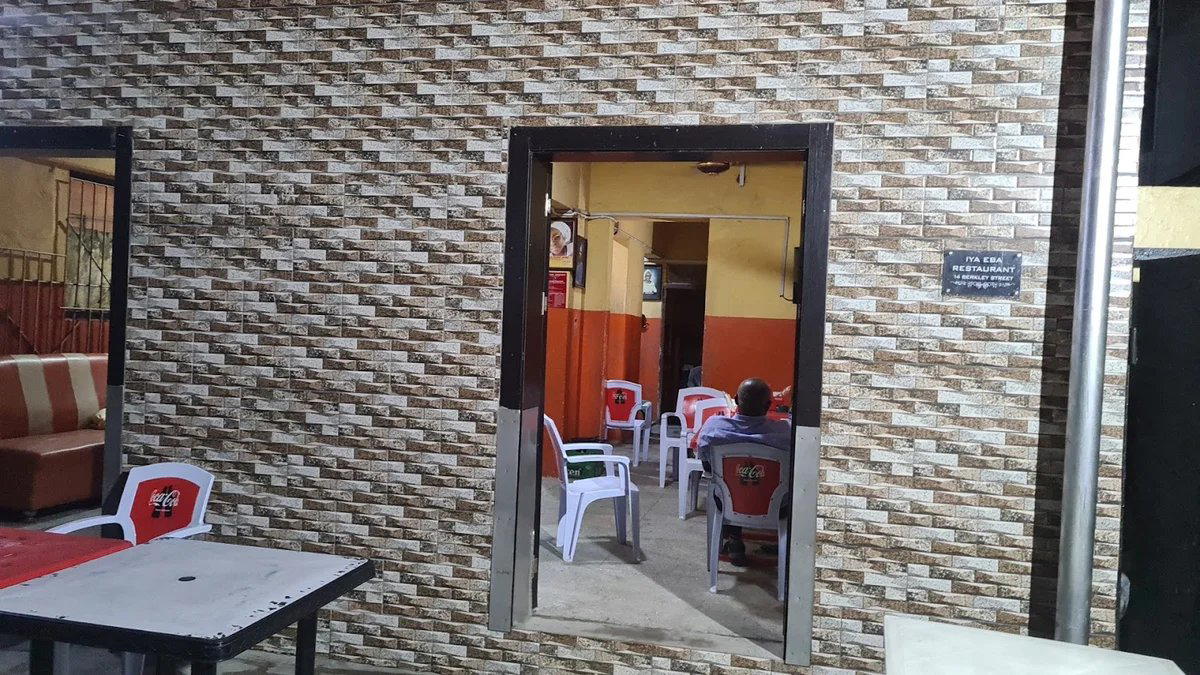
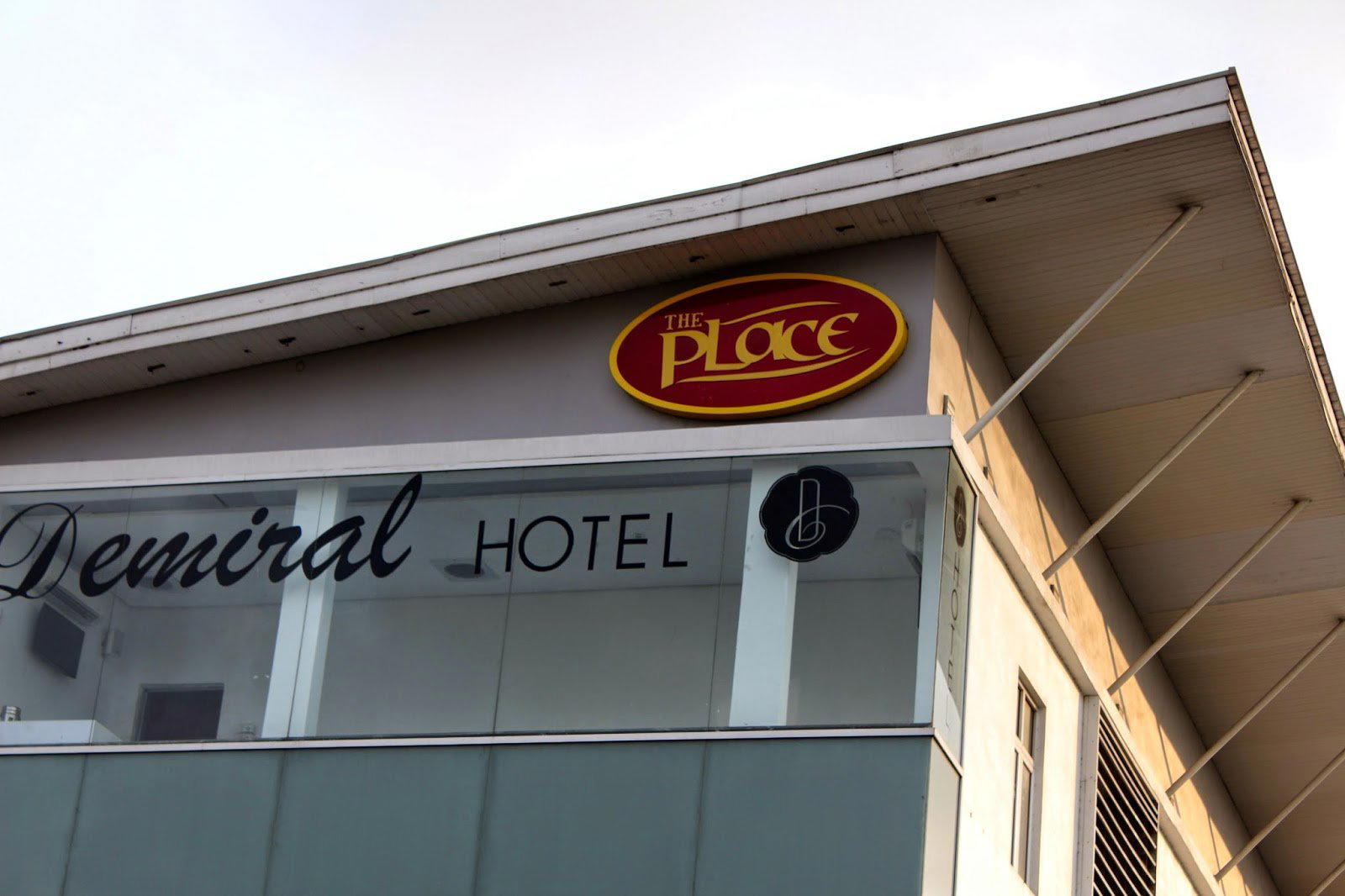
Bars in Lagos
All bars in Lagos →
Details
- Lively
- Casual Hangout
- Family
- A La Carte
Current opening hours
- Monday
- 8 AM–10:30 PM
- Tuesday
- 8 AM–10:30 PM
- Wednesday
- 8 AM–10:30 PM
- Thursday
- 8 AM–10:30 PM
- Friday
- 8 AM–10:30 PM
- Saturday
- 8 AM–10:30 PM
- Sunday
- 8 AM–10:30 PM
Hours can change for holidays and private events. Hours as of .
Lively and inviting atmosphere.