Our verdict
Stella's Place (Kitchen and Events) operates from Ikeja GRA, one of Lagos's more composed residential districts, where the event-dining format has grown into a recognisable tier of its own. The address on Oba Akinjobi Way places it within a neighbourhood that draws both corporate and private entertaining, and the kitchen-and-events structure suggests a format built as much around occasions as around walk-in dining.

Pearl is the En Primeur Club membership app, where members save venues, book tables and use the concierge.
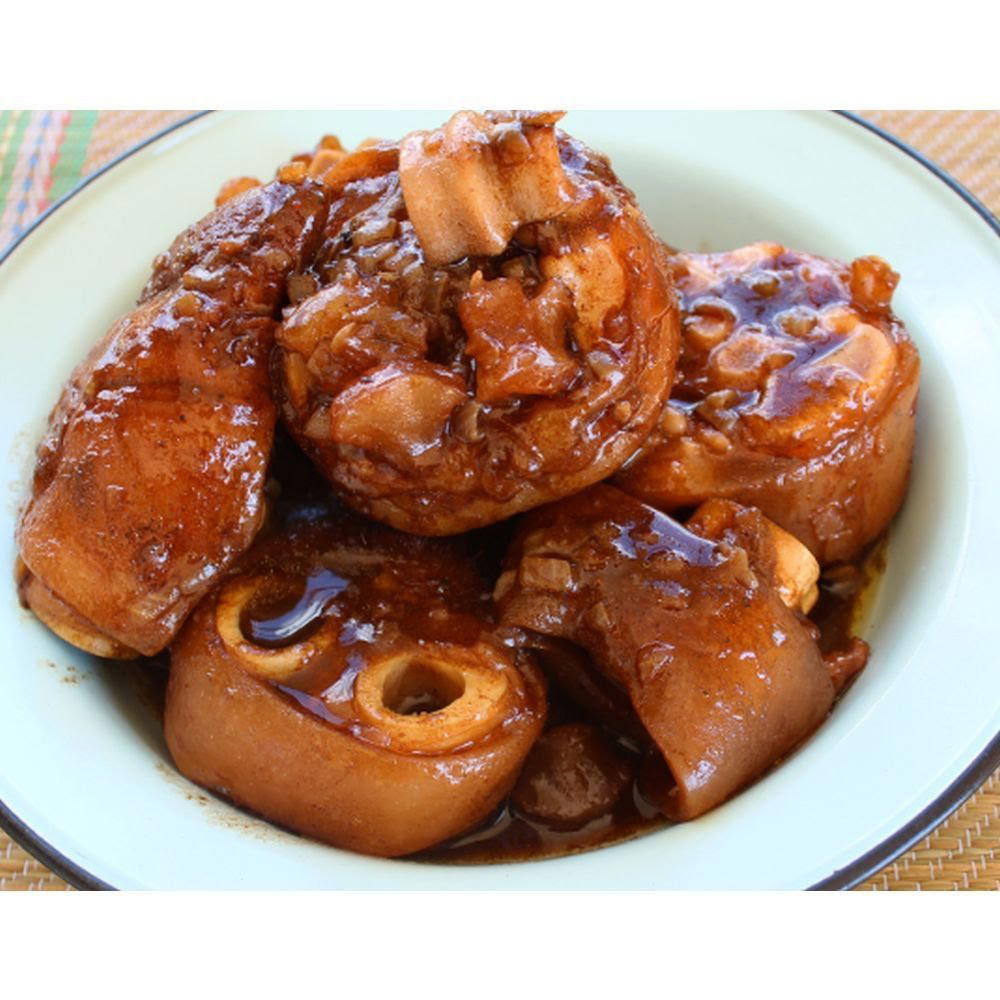
The menu
What to order
- Pounded yam
- Egusi soup
- Goat meat
- Amala
- Gbegiri
- Ewedu
Ikeja GRA and the Event-Kitchen Format
Oba Akinjobi Way runs through the quieter interior of Ikeja GRA, a district that trades the noise and density of Lagos Island for wider roads, compound walls, and a demographic that skews toward corporate headquarters, senior civil servants, and the kind of residential calm that makes it possible to run a kitchen without the logistics chaos of Victoria Island. Within this geography, the kitchen-and-events format has become a coherent dining category. Lagos has long had a gap between formal restaurants and full-scale event catering, and venues that occupy the space between the two, offering a dedicated kitchen alongside configurable event space, answer a real demand. Stella's Place sits within that structure, operating from a GRA address that already signals a particular kind of clientele and occasion type.
For context on what this address means in practice: Ikeja GRA is approximately 30 minutes from Victoria Island in off-peak traffic and under 10 minutes from the domestic terminals at Murtala Muhammed Airport, which makes it a logical location for post-arrival dinners, corporate hospitality, and events tied to the city's commercial calendar. That logistical position is not incidental. Much of the event-dining trade in the area runs on exactly those rhythms. Our full Ikeja restaurants guide maps the broader neighbourhood across price tiers and formats.
Sourcing and the Lagos Ingredient Question
The ingredient-sourcing context for any Lagos kitchen deserves attention, because the city sits inside one of West Africa's most agriculturally diverse supply corridors. Vegetables and proteins move through Lagos from Benue, Plateau, and Ogun States; seafood arrives from Atlantic coastal communities; and a parallel tier of imported dry goods, cooking wines, specialty fats, processed dairy, circulates through import-facing wholesale networks concentrated around Mile 2 and the trade zones near Apapa. How a kitchen positions itself along that spectrum, leaning into local market sourcing versus import-dependent menus, determines as much about the food as any stated cuisine type.
In Ikeja specifically, proximity to Oyingbo, Agege, and the sprawling Mile 12 market gives kitchens meaningful access to fresh produce that a restaurant on Lagos Island might receive a day later and at higher cost. That structural advantage tends to express itself most clearly in kitchens that build menus around Nigerian cooking traditions, where the freshness of stockfish, palm oil, iru (locust bean), and leafy vegetables matters in a way that import-dependent continental menus sidestep entirely. Venues like Iya-Eba Restaurant and Bar in Lagos demonstrate how a direct relationship with local ingredient supply can define a venue's market position as clearly as any award.
At the more ingredient-forward end of the global spectrum, the argument for sourcing specificity has been made convincingly by institutions like Atelier Moessmer Norbert Niederkofler in Brunico, whose entire program is built around Alpine regional sourcing, and Uliassi in Senigallia, which treats the Adriatic coast as both pantry and narrative. The Lagos version of that argument is being constructed incrementally by kitchens across the city, and the GRA event-kitchen tier is not absent from that conversation.
The Event-Dining Tier in Context
Lagos dining operates across several parallel tracks that rarely intersect: high-volume street food, mid-market sit-down restaurants, aspirational fine-dining venues on Lagos Island, and the event-kitchen category that Stella's Place represents. This last tier has expanded significantly over the past decade, partly because the economics of a Lagos event, where guest counts, catering, and space often come as a package, reward venues that can handle all three simultaneously rather than outsourcing any element.
The kitchen-and-events structure also allows for a menu flexibility that fixed restaurant formats cannot easily match. Corporate bookings may require passed canapes and buffet stations; private celebrations want plated courses; community gatherings need volume over refinement. A venue built around this format calibrates its kitchen accordingly, which means the food reads differently depending on the occasion type. Comparing that kind of operation directly to a fixed-menu destination restaurant like Lazy Bear in San Francisco or Atomix in New York City, both of which run tightly controlled, single-format programs, illustrates how different the structural logic is. The event-kitchen model trades menu specificity for format range, which is a reasonable trade in a market where occasion-based dining represents a large share of total spend.
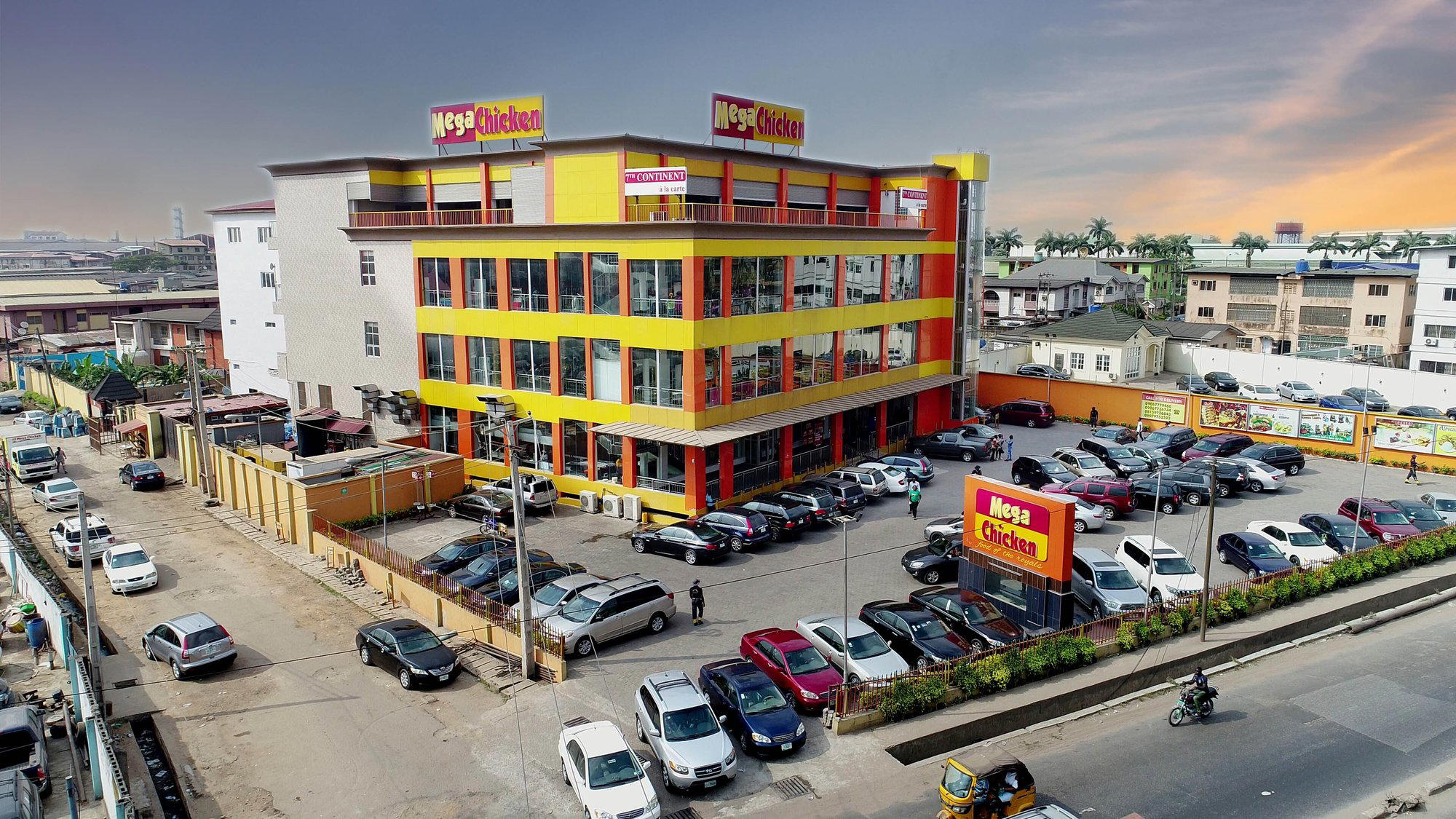
Within Ikeja, Mega Chicken represents a very different point on the same district's dining map, a high-volume fast-casual operation that serves the volume end of the market rather than the occasion end. The distance between those two formats illustrates how segmented the Ikeja dining offer actually is, even within a relatively compact GRA footprint.
What to Expect and How to Plan
Because Stella's Place operates a combined kitchen-and-events model, the most direct path to a reservation or booking inquiry is through the venue directly via the Oba Akinjobi Way address. This is not unusual for event-kitchen venues in Lagos, where capacity and availability depend heavily on what is already committed to private bookings.
The surrounding neighbourhood offers practical context for anyone planning around the venue. Ikeja GRA is well served by ride-hailing services, and the airport proximity makes it a reasonable first or last stop for visitors arriving or departing via the domestic terminal. Comparable event-and-dining venues in the district tend to run busiest on weekends and during corporate calendar peaks in Q1 and Q4. If the kitchen-and-events format sounds relevant to a specific occasion, early inquiry is advisable, as private bookings can lock out walk-in or table capacity.
For those building a broader Lagos dining itinerary, the city's eating options extend well beyond the GRA. Iya-Eba Restaurant and Bar represents the more accessible, market-driven Lagos dining tradition. Further afield, Mie Mie Taste in Badagry and Shawarma Heaven in Abeokuta show how the broader Southwest Nigeria food corridor extends beyond Lagos proper.
Frequently asked questions
Is Stella's Place (Kitchen and Events) a family-friendly restaurant?
Stella's Place operates a combined kitchen-and-events model on Oba Akinjobi Way in Ikeja GRA, a residential district known for its quieter, compound-style setting. That format tends to suit family gatherings and private events more naturally than high-turnover casual dining. For specific seating arrangements or family booking options, check the venue's official channels through their listed address.
Where is Stella’s Place (Kitchen and Events) in Ikeja?
Stella’s Place (Kitchen and Events) is located at 6 Oba Akinjobi Way, Ikeja GRA, Lagos 101233, Lagos, Nigeria, Ikeja.
Do I need a reservation for Stella’s Place (Kitchen and Events)?
Reservations are recommended for Stella’s Place (Kitchen and Events) in Ikeja. Confirm current policy via the venue's official channels.
What's the vibe at Stella's Place (Kitchen and Events)?
Set inside Ikeja GRA, a district that trades Lagos Island's density for wider roads and residential calm, the venue carries the measured tempo of that neighbourhood. The kitchen-and-events format suggests a space oriented toward hosted occasions rather than walk-in dining, so the atmosphere shifts depending on what's being held on a given day.
Quick Comparison
| Venue | Cuisine | Price | Awards | Notes |
|---|---|---|---|---|
| Stella’s Place (Kitchen and Events)This venue (the venue you are viewing) | Traditional Nigerian Cuisine | $1–10 | Not listed | Not listed |
| Ìtàn Test Kitchen | Nigerian Modern | Not listed | Not listed | Not listed |
| NOK by Alara | Contemporary Pan-African Fine Dining | $50–100 | La Liste Top Restaurants | Nigerian Cuisine |
| Mega Chicken | African Fast Food | Not listed | Not listed | Not listed |
| Iya-Eba Restaurant & Bar | Traditional Nigerian Yoruba | Not listed | Not listed | Not listed |
| Mood Lagos | African-International Fusion | $30–50 | Not listed | Not listed |
Continue exploring
More in Ikeja
Restaurants in Ikeja
All restaurants in Ikeja →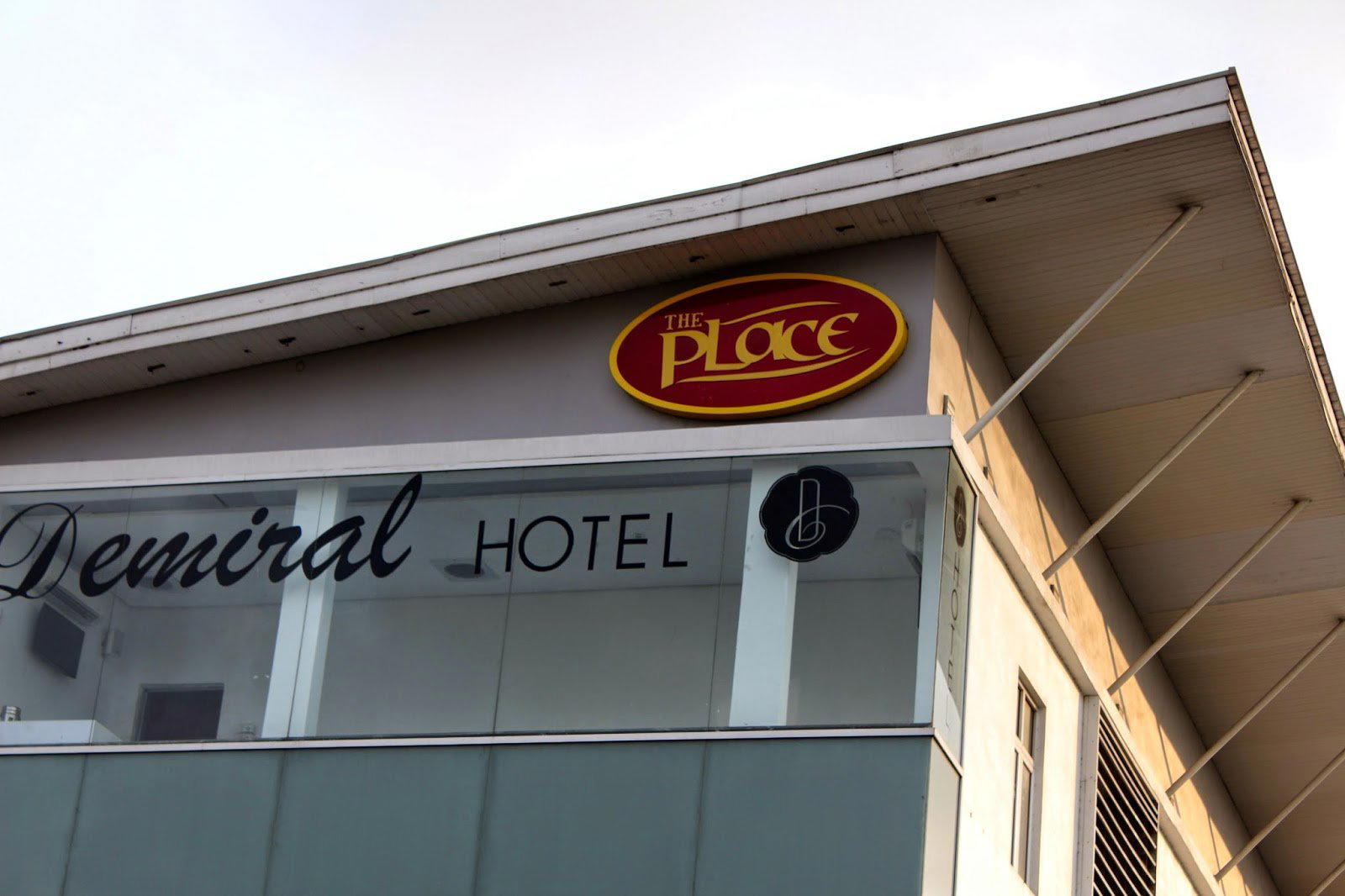
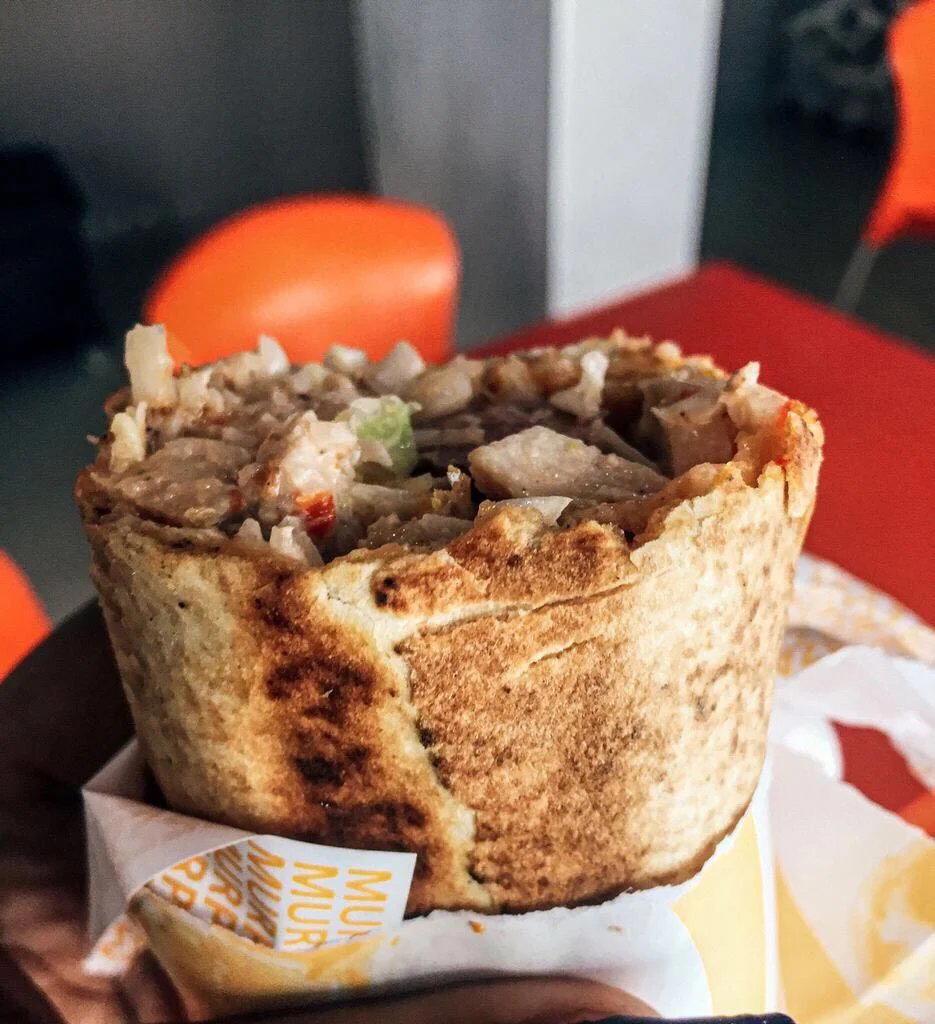
Bars in Ikeja
All bars in Ikeja →
Details
- Lively
- Cozy
- Casual Hangout
- Group Dining
- Private Event
- Celebration
- Live Music
- Standalone
- A La Carte
Described by guests and venue posts as having good ambience, a beautiful atmosphere, warm service, and a cool, serene environment.