Seafood in a City Built on the Water Lagos is not a city that approaches food quietly. From the smoke rising off suya grills along Carter Bridge to the open-air pepper soup joints that anchor neighbourhood life in Surulere and Gbagada, eating in...

Pearl is the En Primeur Club membership app — saves, bookings, and concierge access live there. Same editors, same standards.
Seafood in a City Built on the Water
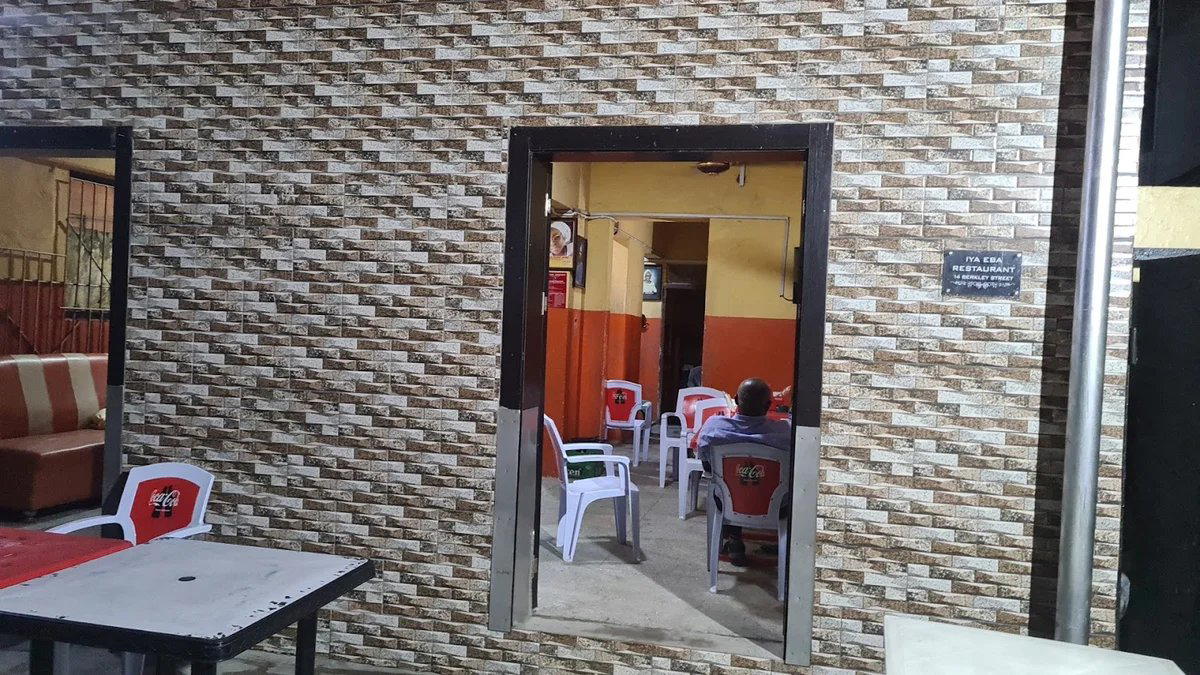
Lagos approaches food with confidence. From the smoke rising off suya grills along Carter Bridge to the open-air pepper soup joints that anchor neighbourhood life in Surulere and Gbagada, eating in Lagos is a communal, sensory, and deeply territorial act. Seafood has always been central to that story. The Atlantic coastline, the Lagos Lagoon, and the creeks threading through the Niger Delta have shaped the city's palate for generations, long before formal restaurant culture arrived. Fresh tilapia, catfish, crayfish-thickened broths, and grilled whole fish eaten with your hands on a plastic chair by the waterside are not a novelty here, they are the baseline.
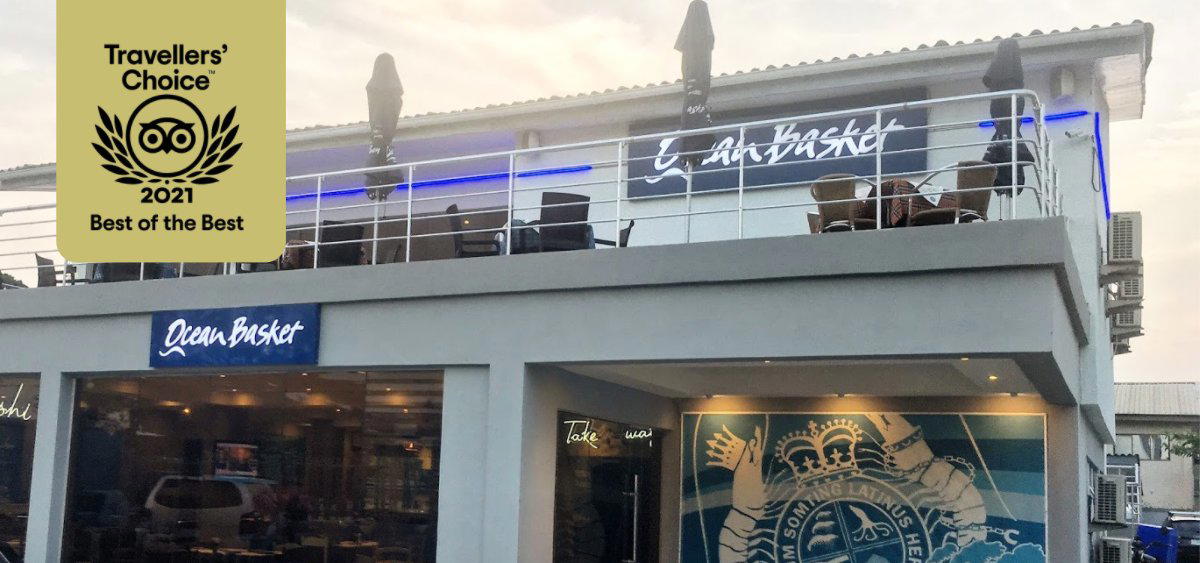
Ocean Basket Nigeria is the Lagos outpost of a South African seafood chain. The brand's presence in Lagos places it in an interesting position: a structured, sit-down seafood format operating in a city with extraordinarily deep informal seafood traditions. Understanding what Ocean Basket offers Lagos diners means understanding that tension, between the casual coastal authority of local fish spots and the standardised accessibility of a regional chain model.
The Broader Chain Format and What It Signals
Across its African network, Ocean Basket has built its identity around accessible seafood in a casual, family-oriented format. The model is Mediterranean-influenced: grilled fish, calamari, platters designed for sharing, and a menu architecture that prioritises legibility over experimentation. That format travels reasonably well to Lagos, where the demand for reliable, family-friendly dining in a clean, air-conditioned environment is real and underserved at certain price points.
The chain context matters when placing Ocean Basket relative to Lagos's wider dining scene. On one end, you have Ikoyi and Victoria Island addresses like Al Sud, where creative plating and European technique command €€€€ pricing, or Avenida, which sits at a €€ mid-range with a modern cuisine approach. On the other end, the city's informal seafood economy operates at a price point and with a spontaneity that no chain format can replicate. Ocean Basket sits between those poles: more structured than the roadside grill, more accessible than the fine-dining fish counters, and drawing a different kind of customer from either.
For context on how different cities handle the seafood-restaurant format at the formal end of the spectrum, the gap between a Lagos chain seafood experience and something like Le Bernardin in New York City is significant. That comparison is not a criticism; it simply illustrates that the chain seafood format and the tasting-counter seafood format are different propositions entirely, serving different needs.
Lagos's Seafood Culture and Where It Lives
The cultural depth of Lagos seafood is worth mapping in some detail, because it provides the context that any restaurant operating in this space either works with or works against. The Yoruba tradition of egusi soup with dried fish, the pepper soup served in clay pots across the mainland, the smoked catfish sold at dawn at Mile 12 market, these are not background noise. They are the culinary grammar of the city.
Beyond Lagos itself, seafood dining extends into the surrounding region. Mie Mie Taste in Badagry is one example of how waterside dining operates at the edge of Lagos State, closer to the fishing communities that actually supply the city's markets. That kind of proximity to source is not something a chain format can claim, but it shapes what Lagos diners understand seafood to mean.
Within the city, the restaurant tier that Ocean Basket operates in sits alongside casual full-service dining options across the mainland and Island. Places like Mega Chicken in Ikeja occupy a comparable position in the casual dining segment, though with a different cuisine focus. The informal end of the market includes addresses like Leading Shawarma and Danfo Bistro, which draw on street-food traditions. None of these are direct competitors to a seafood chain, but they illustrate how densely competitive the Lagos casual dining segment is.
What the Chain Model Does and Does Not Offer
The South African chain model that Ocean Basket brings to Lagos is built on consistency. That is both its commercial proposition and its limitation. In cities across the continent where the chain operates, including markets in South Africa, Kenya, and beyond, the core offer is a predictable, well-executed seafood platter in a family-accessible environment. The Mediterranean framing gives the menu a mild internationalism without being inaccessible.
What the chain model cannot offer is the kind of editorial edge or cultural specificity that distinguishes Lagos's more interesting newer restaurants. Camilo and the Nigerian Modern kitchen approach represented by venues informed by local ingredient sourcing are doing something quite different: they are trying to build a cuisine vocabulary that reflects Lagos specifically. Ocean Basket is not in that conversation, and it does not try to be. The pitch is different: reliability, accessibility, and a seafood-centred menu in a city where formal seafood restaurants are not as common as the informal fish tradition might suggest.
For internationally-oriented diners curious about how the Lagos scene compares to what they might encounter at Alinea in Chicago or Lazy Bear in San Francisco, restaurants that operate around highly specific, authored menus, Ocean Basket represents a fundamentally different kind of proposition, one where the authored element is the chain's Mediterranean-lite seafood format rather than any single kitchen's creative point of view.
Planning a Visit
Ocean Basket branches in Lagos operate within the standard casual dining framework of the city's commercial districts, and reservations are recommended. Lagos traffic patterns mean that timing matters considerably, a lunch visit on a weekday will involve a different journey than a weekend dinner, particularly if travelling between the Island and the mainland.
Those looking to extend seafood dining beyond Lagos might consider Shawarma Heaven in Abeokuta as part of a wider southwest Nigeria food itinerary, though the cuisine focus there is different.
Cost and Credentials
Comparable venues nearby, for context on price, style, and recognition.
| Venue | Cuisine | Price | Notes |
|---|---|---|---|
| Ocean Basket NigeriaThis venue — the venue you are viewing | Ikeja GRA, Mediterranean Seafood & Sushi | $$$ | Not listed |
| Mood Lagos | Not listed | $$$ | Lekki Phase 1, African-International Fusion |
| SOUTH Eatery & Social House | Not listed | $$$ | Victoria Island, New Orleans-Inspired Southern American Gastropub |
| Ilé Eros | Not listed | $$$ | Lekki Phase 1, Modern Nigerian / West African dining |
| Best Shawarma | Surulere, Shawarma | $ | Not listed |
| Danfo Bistro | Ikoyi, Nigerian Fusion Bistro | $$ | Not listed |
Continue exploring
More in Lagos
Restaurants in Lagos
Browse all →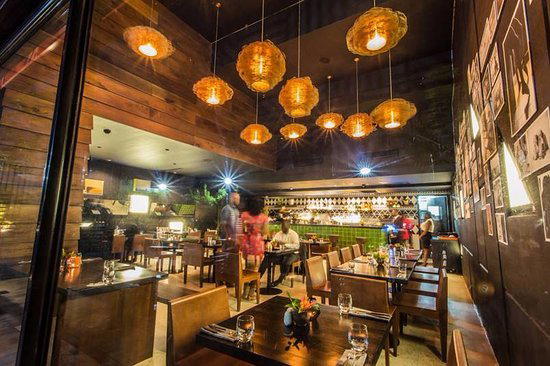
At a Glance
- Lively
- Modern
- Family
- Group Dining
- Casual Hangout
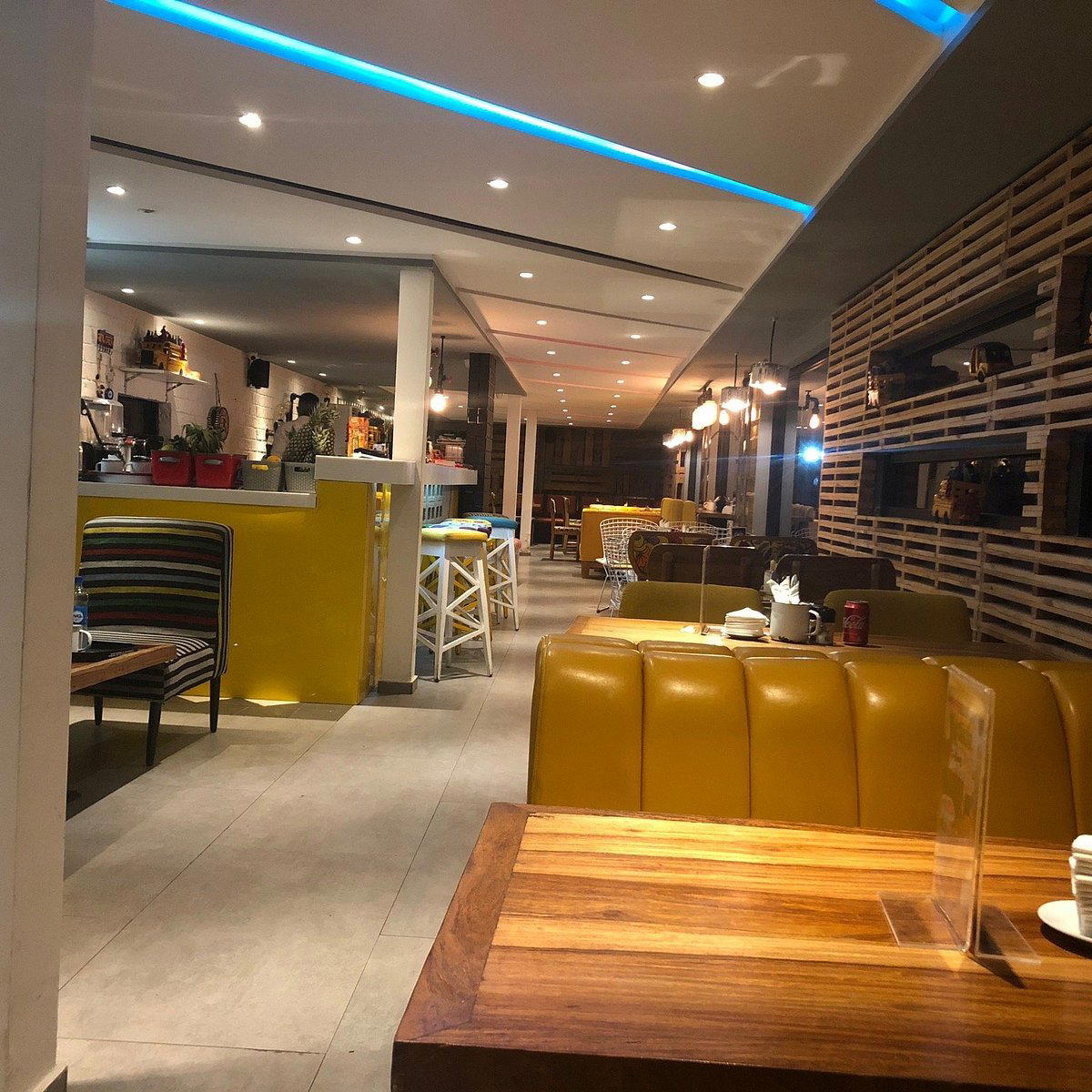
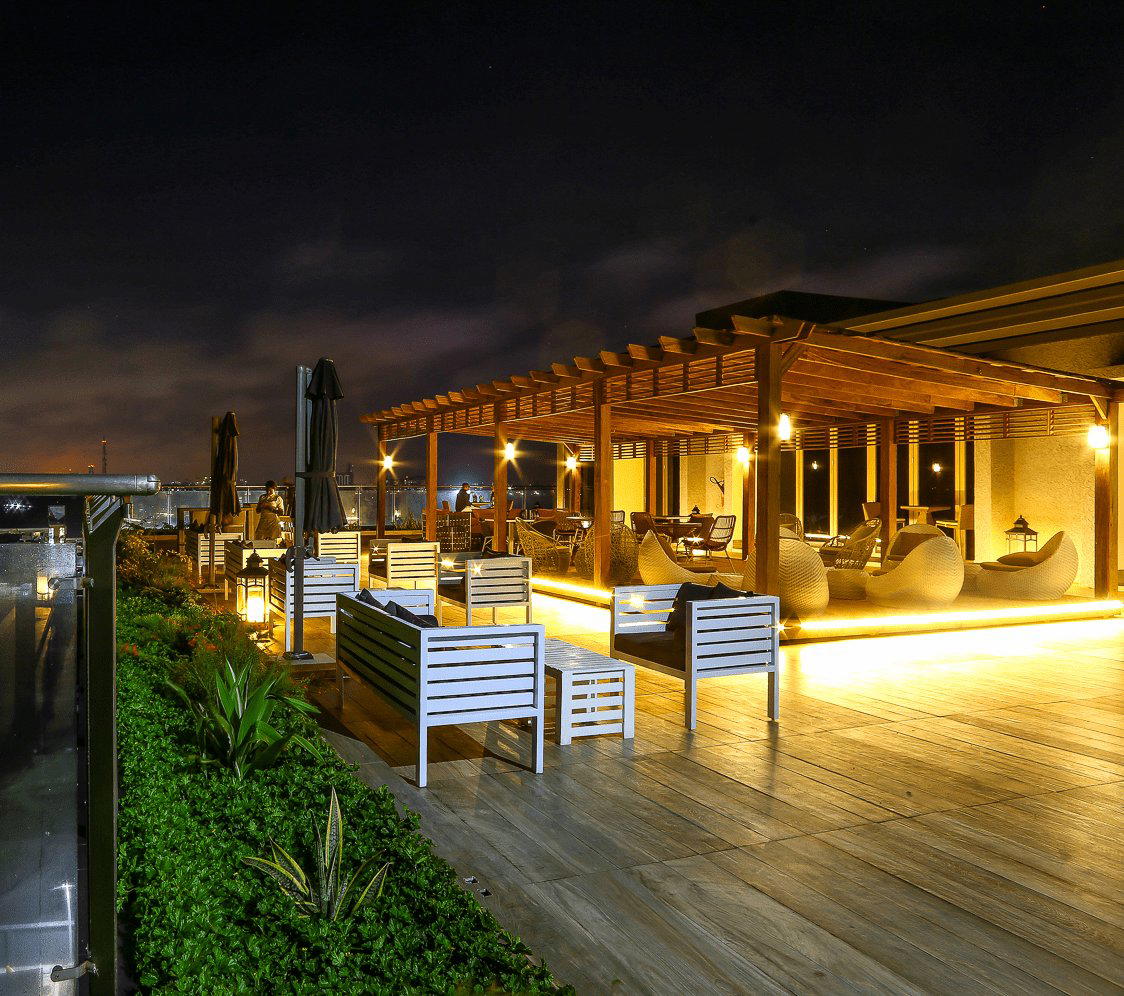
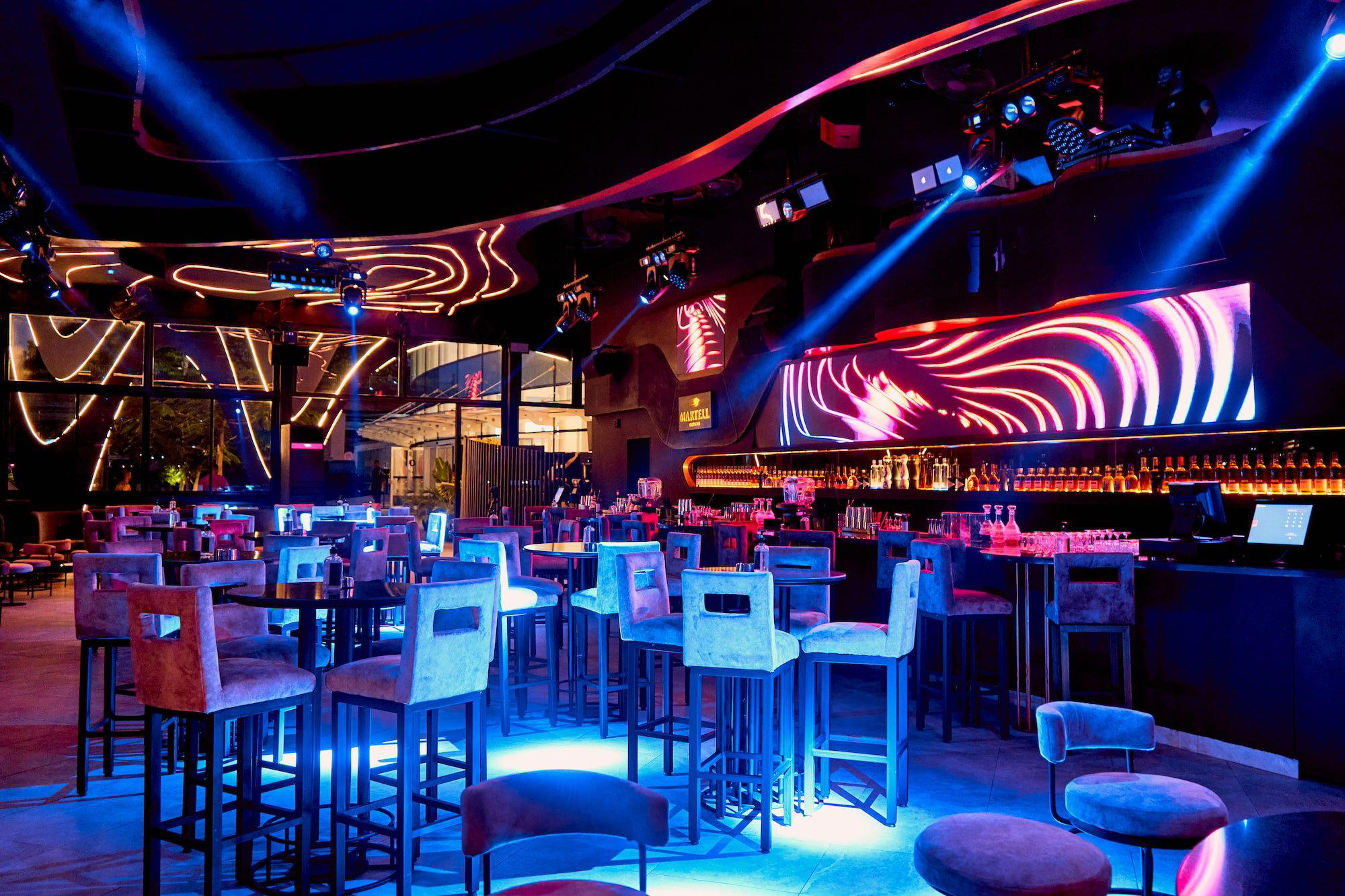
Lively and modern atmosphere with cheerful, helpful staff creating a welcoming family-friendly dining experience.