
Conde Nast Hot List Restaurants
Our verdict
Ilé Eros places modern Nigerian cooking inside a design-led Lagos room, using regional references rather than imported luxury cues as its main argument. The point is not novelty for its own sake, but a sharper reading of jollof, plantain, pepper, rice, texture and ceremony in a city whose dining culture is moving beyond simple casual-versus-formal categories.

Pearl is the En Primeur Club membership app, where members save venues, book tables and use the concierge.
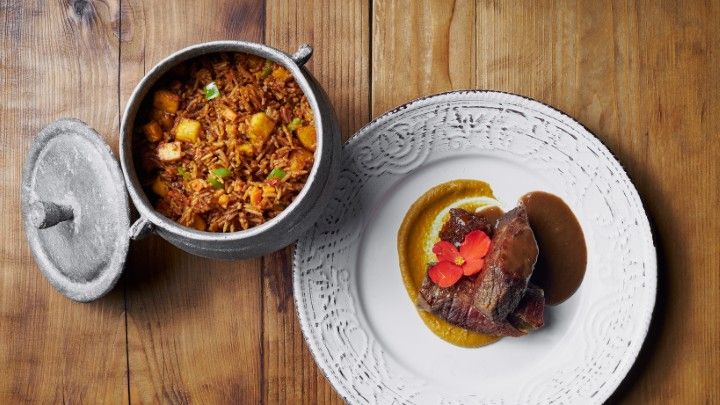
The menu
What to order
- Unity Jollof with slow-cooked short ribs
- Nigerian king prawns with creamed corn and cucumber relish
- Fried fish fillet with coconut curry
- Yam croquettes
- Signature cocktails inspired by Nigerian flavours
Ilé Eros enters the Lagos dining conversation as a restaurant with enough profile to make travellers look beyond a simple meal stop. In a city where restaurants can range from high-volume social rooms to polished international formats, Ilé Eros belongs to the premium end of the map: a Lagos venue presented with contemporary ambition and a clear sense of place. The important point is not to over-describe the room or invent details around the menu, but to read it as part of a broader moment in which Lagos dining is being taken seriously by visitors who want more than a generic night out.
Regional memory, framed through a contemporary Lagos lens
Lagos has become one of West Africa’s more ambitious restaurant cities not because it copies one outside model, but because its stronger dining rooms now treat local context as a subject with enough depth for interpretation. The stronger comparison is not between local food and imported cuisine; it is between different ways of staging identity in a Lagos restaurant. Danfo Bistro works from the visual language of Lagos street culture, while Ìtàn Test Kitchen and NOK by Alara sit closer to the modern Lagos conversation. Ilé Eros occupies the refined, design-forward end of that spectrum, where local references are edited rather than overstated.
The clearest signal is the restaurant’s confidence in treating West African context as material for a more formal room. Instead of presenting place as a decorative accent, Ilé Eros frames Lagos as central to the experience. That gives the meal a cultural argument as well as a visual one: Lagos dining can be polished, contemporary and outward-facing without needing to hide the memories and references that make it legible in the first place.
That approach places the restaurant apart from Lagos venues that lean primarily on mood, volume or imported status markers. For travellers comparing modern dining across the city, other Lagos dining rooms show how broad the city’s restaurant range has become, from polished creative cooking to everyday comfort formats. The useful question is not which address is more glamorous; it is which one explains Lagos through hospitality rather than decoration alone.
Public profile matters here, but the stronger story is Lagos itself
Public profile and storytelling help explain the restaurant’s reach, but they are not the main event. The more interesting development is that Lagos now has enough confidence to let local and West African references carry the full weight of a flagship restaurant: design, service, narrative and interpretation all working from local cues rather than imported templates. That makes Ilé Eros useful not just as a meal, but as a reading of where the city’s premium dining culture is heading.
This is where the restaurant’s Lagos context becomes more than background. Texture, pacing, social energy and the tension between familiarity and restaurant polish are not garnish-level details in a city like this. They help define the architecture of the experience. A venue that refines those elements without flattening them gives visitors a cleaner read on what makes Lagos dining compelling in 2026: speed, confidence, high ambition and a willingness to treat local references as serious material.
The Lagos setting also matters. The city has become shorthand for affluent, style-conscious dining, but it is not a single-note market. It can support late social dinners, polished casual rooms, destination kitchens and hybrid spaces where design is part of the ticket. For a fuller read on the city around this restaurant, use our full Lagos restaurants guide, then widen the trip planning with our full Lagos hotels guide, our full Lagos bars guide, our full Lagos wineries guide and our full Lagos experiences guide.
How to read it against Nigeria's wider dining map
For visitors building a Nigeria itinerary, Ilé Eros makes sense as a Lagos counterpoint to more direct casual or city-specific formats elsewhere. Across the country, everyday restaurants, casual rooms and local dining cultures point to the breadth of eating out. The Lagos flagship format asks a different question: how far can a restaurant rooted in its city travel when the room, presentation and public narrative are built for a global audience?
That question also links Lagos to broader international conversations about regional food in premium settings. The comparison is not culinary likeness, but format: specialist venues in other global cities show how tightly framed food traditions can work when a venue commits to specificity. Lagos does not need to imitate those cities. Its advantage is a dining culture with strong everyday roots and enough local tension to sustain serious reinterpretation.
The editorial reason to pay attention is simple: this is not a restaurant using place as a decorative theme. It is part of a Lagos movement treating local context, memory and West African perspective as material for a more formal dining language. That shift is still uneven across the city, but here the argument is legible: the future of premium dining in Lagos will be more persuasive when it starts from its own sense of place.
Frequently asked questions
Is Ilé Eros good for families?
Yes, for families that want a sit-down meal in Lagos rather than a purely formal tasting room. The restaurant’s Lagos setting suits a shared meal and a wider age range.
Is Ilé Eros better for a quiet night or a lively one?
It can suit either, depending on when you visit and the mood of the room. Earlier meals are the safer choice for a quieter plan, while later dinners in Lagos can feel more social.
Is Ilé Eros award-winning?
Yes. Ilé Eros was recognised in the 2026 Hot List by Condé Nast Traveler.
When is Ilé Eros open?
Check Ilé Eros directly for current opening hours before you go, as schedules can change.
Where do I go for Ilé Eros?
Lagos.
In Context: Similar Options
Comparable venues by cuisine and price in the same metro.
| Venue | Cuisine | Price | Awards | Notes |
|---|---|---|---|---|
| Ilé ErosThis venue (the venue you are viewing) | Modern Nigerian / West African dining | $30–50 | Conde Nast Hot List Restaurants | Not listed |
| Iya-Eba Restaurant & Bar | Traditional Nigerian Yoruba | Not listed | Not listed | Lagos Island |
| NOK by Alara | Contemporary Pan-African Fine Dining | $50–100 | La Liste Top Restaurants | Victoria Island |
| Yakoyo Abula Joint | Authentic Nigerian Abula (Amala Joint) | $1–10 | Not listed | Lekki Phase I |
| SOUTH Eatery & Social House | New Orleans-Inspired Southern American Gastropub | Not listed | Not listed | Victoria Island |
| Z Kitchen | Modern Lebanese-Inspired Fusion | $20–30 | Not listed | Victoria Island |
Recognition history
Dated appearances from independent guides and award organizations, with the underlying list record or original source where available.
Conde Nast Hot List Restaurants
Conde Nast
Continue exploring
More in Lagos
Restaurants in Lagos
All restaurants in Lagos →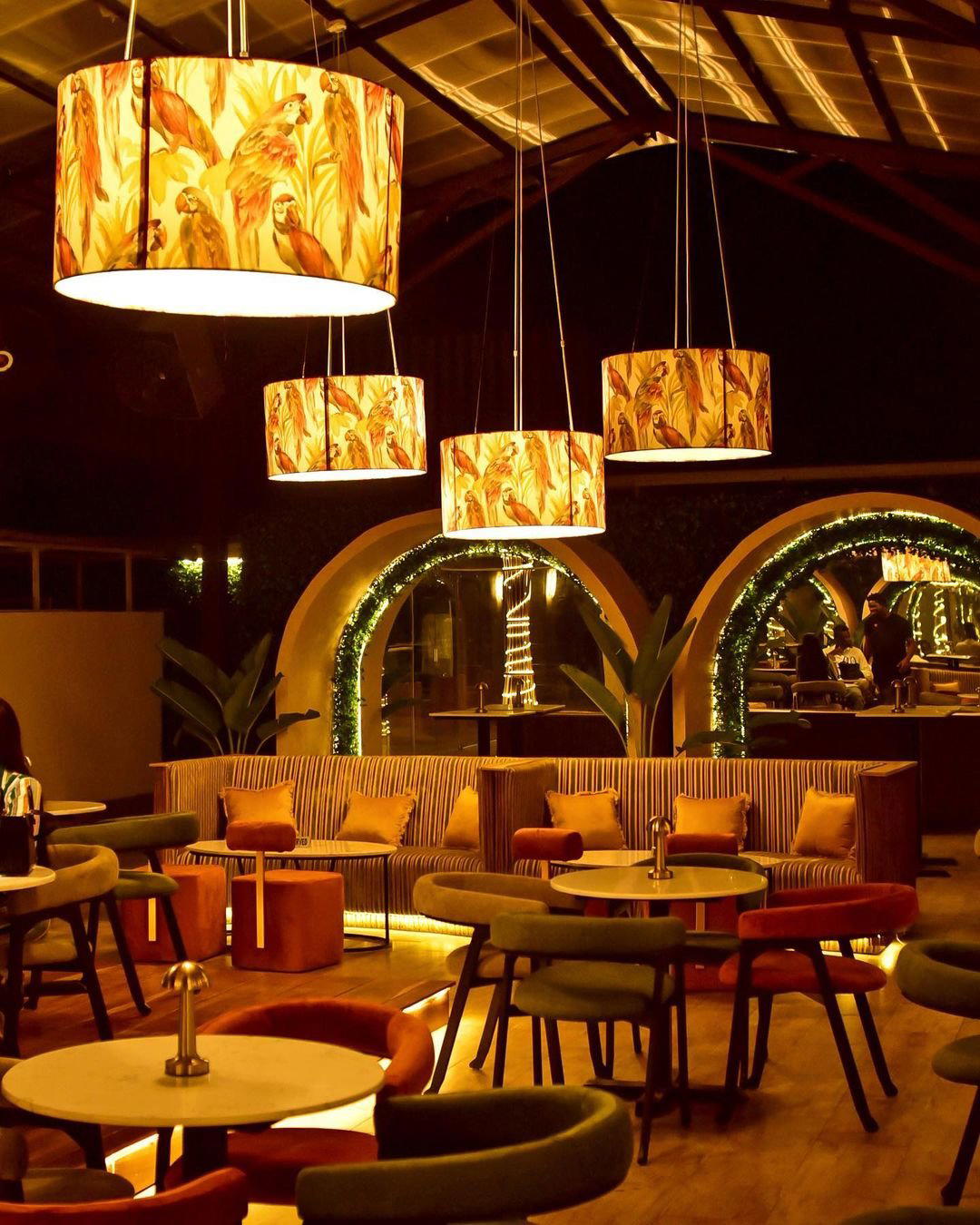
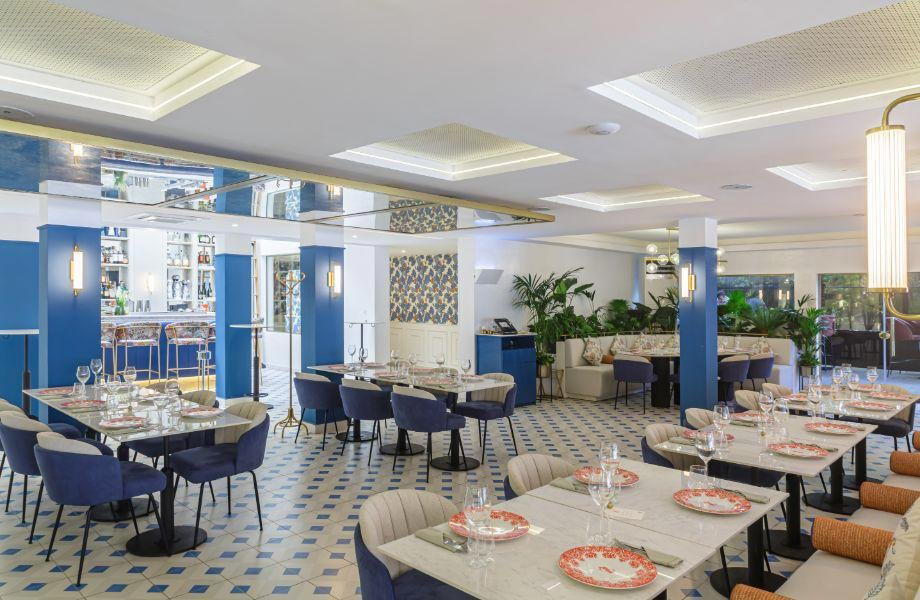
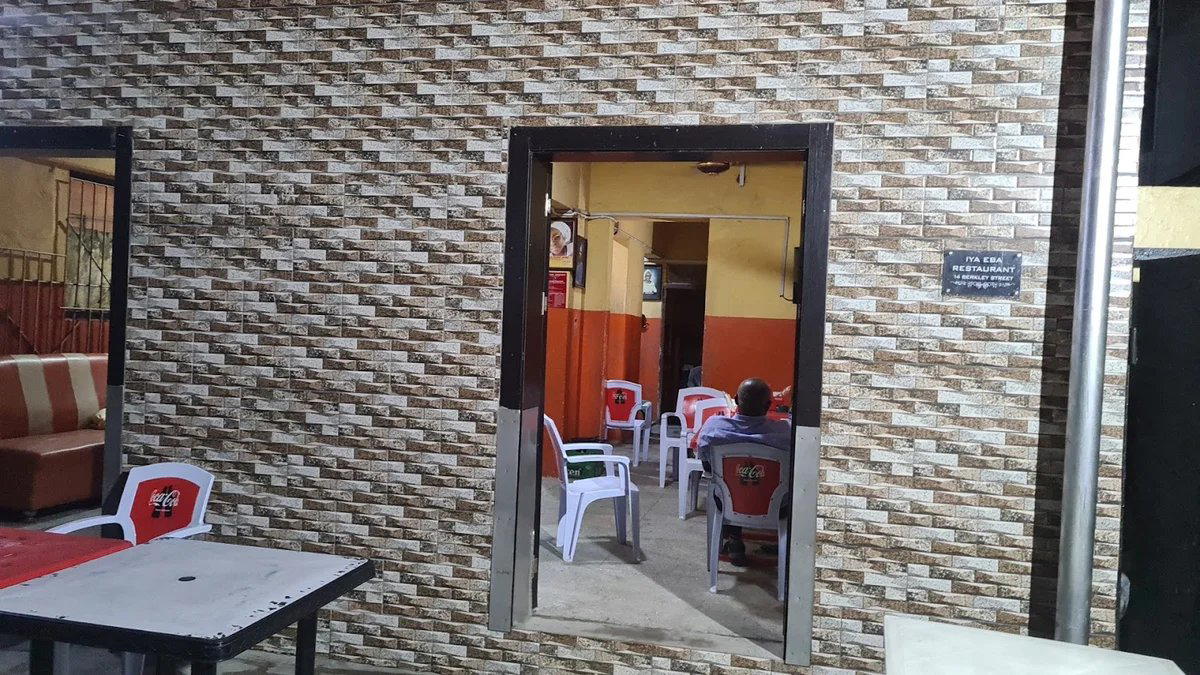
Bars in Lagos
All bars in Lagos →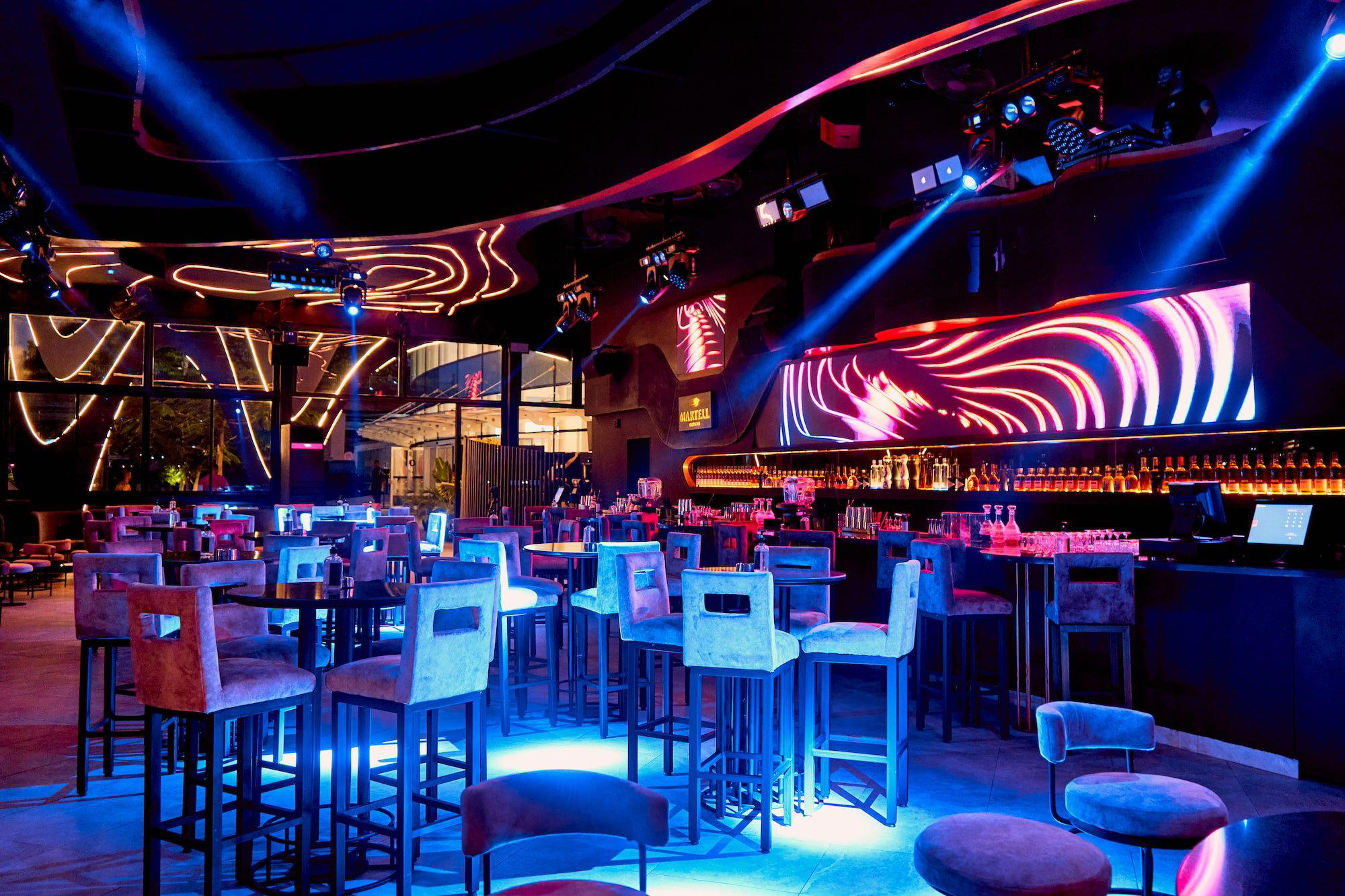
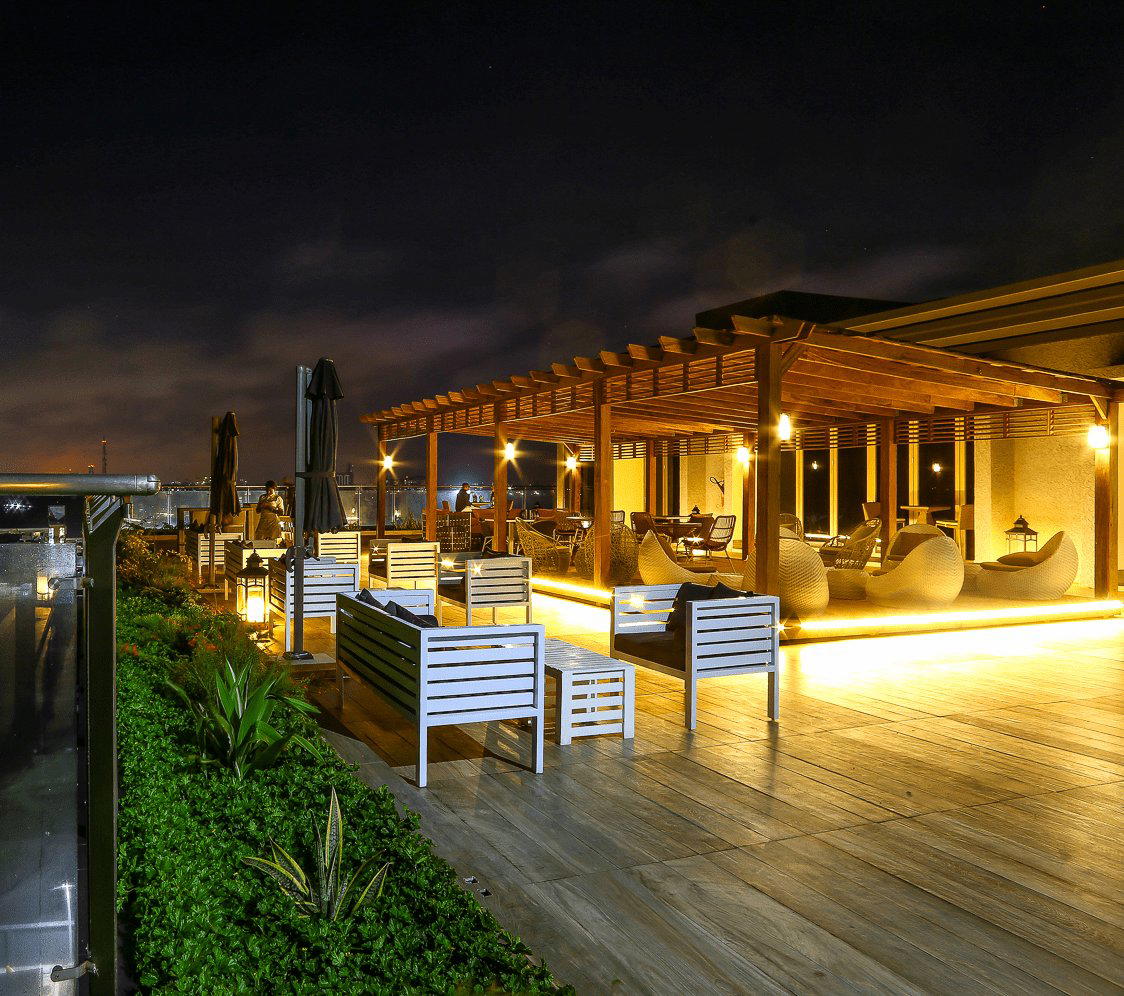
Details
- Modern
- Elegant
- Cozy
- Intimate
- Trendy
- Date Night
- Celebration
- Group Dining
- Special Occasion
- Business Dinner
- Private Event
- Design Destination
- Standalone
- Private Dining
- Open Kitchen
- Craft Cocktails
- Local Sourcing
- A La Carte
- Tasting Menu
- Small Plates
- Craft Cocktails
- Spirits
- Beer
- Wine
- Halal
- Vegetarian Friendly
Current opening hours
- Monday
- 12–10 PM
- Tuesday
- 12–10 PM
- Wednesday
- 12–10 PM
- Thursday
- 12–10 PM
- Friday
- 12 PM–12 AM
- Saturday
- 12 PM–12 AM
- Sunday
- 12–10 PM
Hours can change for holidays and private events. Hours as of .
Warm, intimate, and design-forward, with a home-like layout inspired by an old Benin house, modern Nigerian decor, and a relaxed yet upscale feel suited to date nights and special gatherings.