
Xinrongji in Linhai, Taizhou holds a Black Pearl 3 Diamond award for 2025, placing it among the more formally recognised tables in Zhejiang province. The restaurant anchors itself in the Taizhou culinary tradition, a cuisine defined by coastal seafood, precise knife work, and restrained seasoning. For travellers making a serious detour into eastern China's less-covered dining circuit, Xinrongji is the primary reference point in the region.
Pearl is the En Primeur Club membership app — saves, bookings, and concierge access live there. Same editors, same standards.
- Address
- 33 Donghu Rd, Linhai, Taizhou, Zhejiang, China, 317000
- Phone
- +86 576 8511 6777
- Website
- xinrongji.com
- Directions
- Get directions
 Saves & bookings on Pearl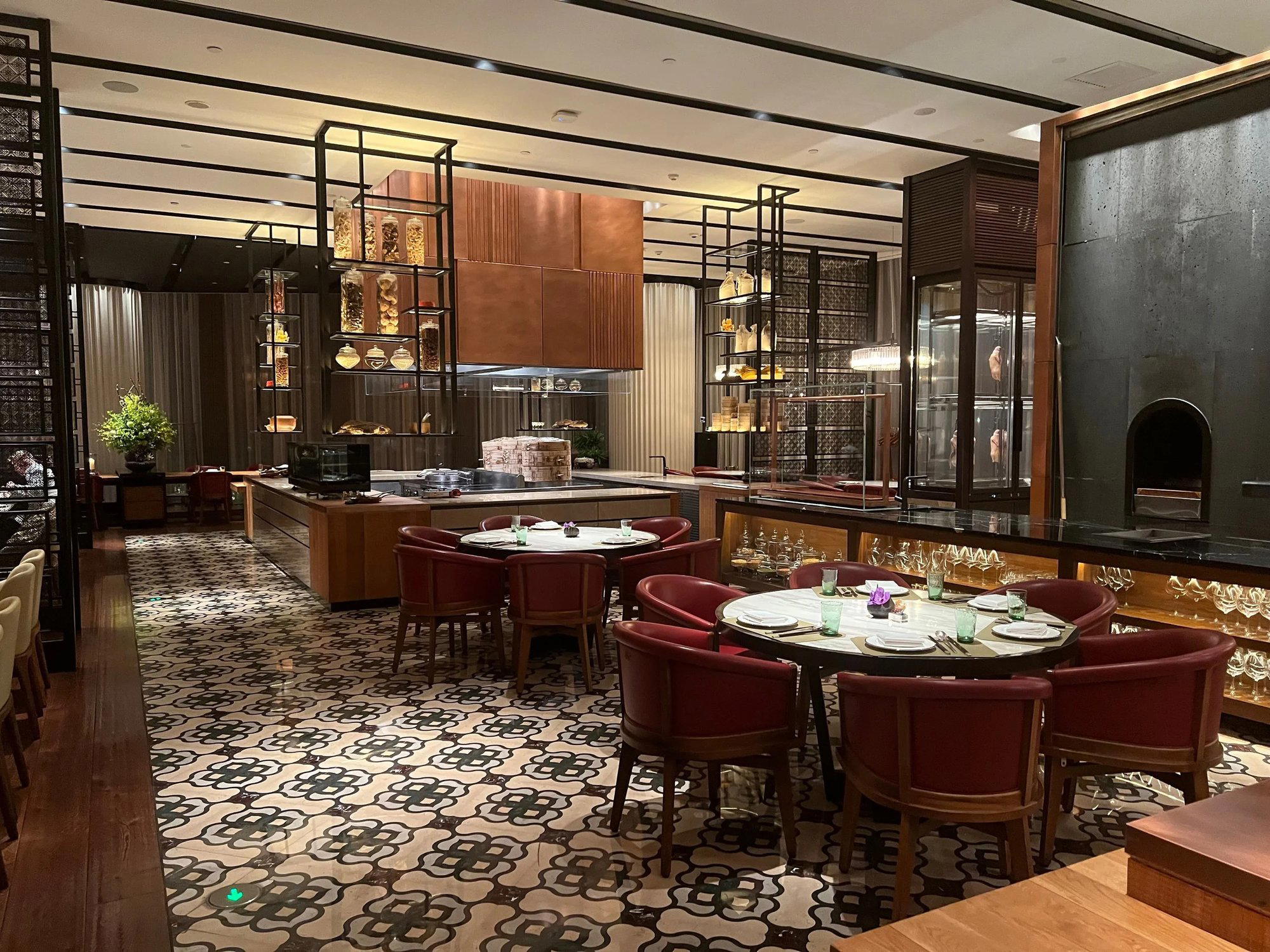
Arriving in Linhai: The Weight of a Quiet Address
Linhai is not the Taizhou most visitors picture. The city's administrative centre gets the infrastructure; Linhai, the older county-level city to the northwest, holds the history. Walking Donghu Road toward number 33, the surrounding architecture is low-rise and unhurried, a physical reminder that this part of Zhejiang operates on a different register than Shanghai or Hangzhou. The approach to Xinrongji carries that same quality: no theatrical entrance, no doorman theatre. What greets you instead is the quiet confidence of a restaurant that earned a Black Pearl 3 Diamond in 2025.
Black Pearl, the Chinese fine-dining guide, distributes its three-diamond tier sparingly. That Xinrongji achieves this standing from Linhai is one significant thing about it.
What Taizhou Cuisine Actually Is
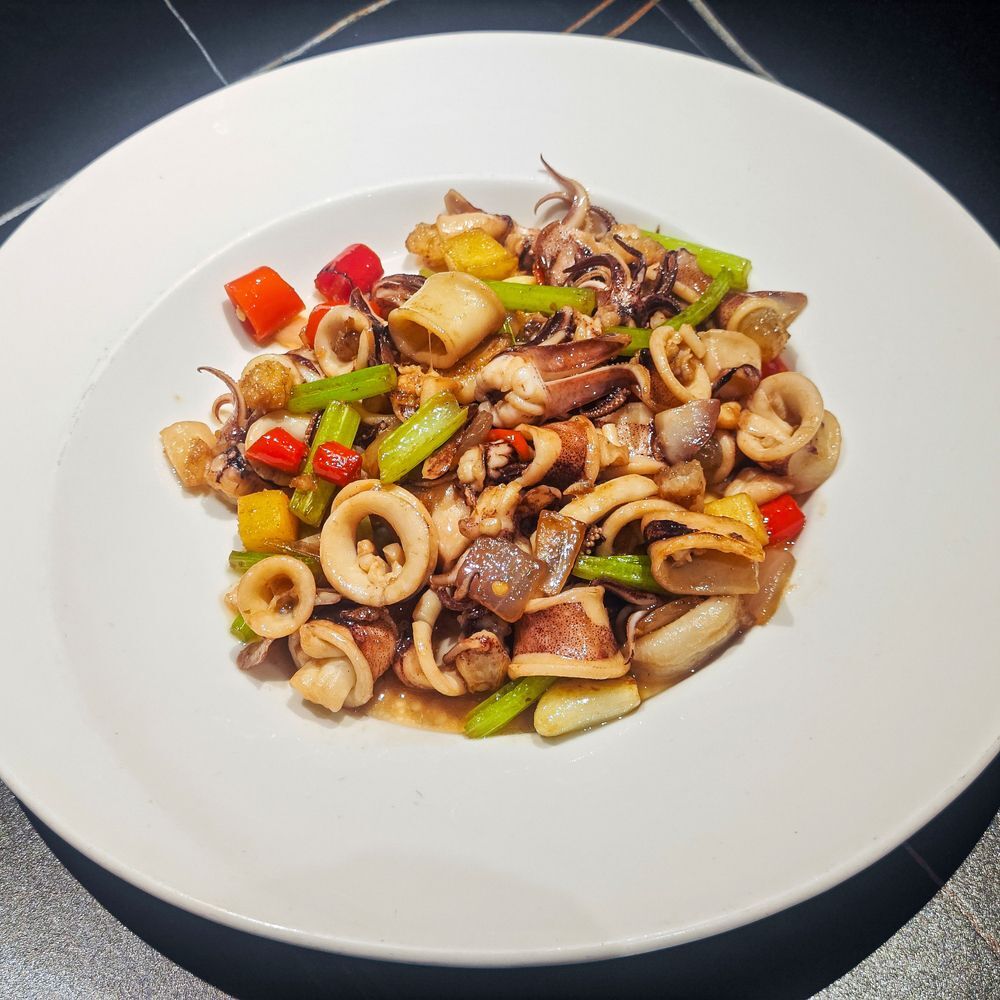
To understand the meal at Xinrongji, it helps to understand what Taizhou cuisine is, and what it is not. It belongs to the Zhejiang school of Chinese cooking, a family that includes the lighter, vinegar-tinged traditions of Hangzhou and Ningbo's salt-forward seafood preparations. But Taizhou has its own character: the prefecture sits on a coastline exposed to the East China Sea, and its kitchen vocabulary has long been shaped by what comes off fishing boats rather than from inland farms. Seafood is not an accent here; it is the structural language of the cuisine.
Taizhou cooking tends toward restraint in its seasoning and precision in its technique. Where Cantonese cuisine, represented at the formal end by restaurants like Imperial Treasure Fine Chinese Cuisine in Guangzhou or Dai Yuet Heen in Nanjing, pursues freshness through minimalist preparation, Taizhou cooking layers that freshness with a regional confidence in fermentation, curing, and slow-braising methods passed through generations of coastal households. The cuisine is simultaneously local and deeply specific, which is precisely why it has proved difficult to transplant convincingly. The restaurants that get it right are almost always in Taizhou itself.
The Architecture of the Meal
Chinese formal dining at this tier follows a ritual structure quite different from the tasting-menu format that dominates fine dining in Europe or New York. There is no fixed procession of courses handed down by the kitchen alone. Instead, the meal is shaped through a collaborative process: a host or senior guest leads the ordering, guided by the restaurant's recommendations for the season and what the kitchen can execute that day. Dishes arrive at the table in a sequence that balances texture, temperature, and intensity rather than following a strictly chronological script.
At a three-diamond venue like Xinrongji, that process is managed with visible care. Cold preparations tend to open the meal, creating a register against which the warmer, more complex dishes that follow can be read. Seafood, given the regional tradition, is likely to occupy the structural centre of the table. Soups appear not as a starter in the Western sense but as a palate-clearing interval. Rice or congee, when it comes, signals the meal's approach to its close. Understanding this rhythm, rather than waiting for a menu to direct you, is part of what makes eating at this level in China a different kind of literacy than Western fine dining trains you for.
For comparison, the Korean fine-dining format explored at restaurants like Atomix in New York City or the French-influenced precision of Le Bernardin in New York City each have their own ritual grammar. Taizhou banquet dining at this level has its own, and it rewards those who arrive prepared to follow it rather than to override it.
Taizhou's Wider Dining Circuit
Xinrongji does not exist in isolation. Taizhou has a small but coherent fine-dining tier, and two other addresses worth knowing are KeLongYiHao and Lao Bian Jin jia. Across Zhejiang and the surrounding region, the pattern of serious Chinese dining rooms operating outside the major metropolitan centres is worth paying attention to. Dingshan·Jiangyan (Xiangcheng) in Suzhou and 102 House in Shanghai each represent versions of this regionalist ambition at different points on the formal spectrum. Further afield, the precision-driven format at Chef Tam's Seasons in Macau and the innovative register of Fleurs Et Festin in Xiamen show how differently Chinese fine dining can express itself across regional contexts.
Planning a Visit
Xinrongji is located at 33 Donghu Road in Linhai, Taizhou, Zhejiang, 317000. Linhai is accessible from Taizhou city by highway in under an hour, and from Hangzhou by high-speed rail with a connecting transfer. Given the venue's Black Pearl 3 Diamond standing for 2025, booking ahead is advisable; at comparable venues in Chinese cities, weekend tables at this tier can fill weeks out. Reservations are recommended.
Style and Standing
Comparable venues nearby, for context on price, style, and recognition.
| Venue | Cuisine | Price | Notes |
|---|---|---|---|
| XinrongjiThis venue — the venue you are viewing | Taizhou Cuisine | $$$ | Not listed |
| 新荣记(临海灵湖店) | Taizhou Seafood Chinese | $$$ | 灵湖 |
| Xin Rong Ji Taizhou (Ling Hu ) - 新荣记(灵湖店) | Taizhou Cuisine | $$$$ | Linghu Park area |
| KeLongYiHao | Traditional Taizhou Regional Cuisine | $$ | Taizhou |
| Lao Bian Jin jia | Zhejiang Coastal Seafood | $$ | HuangYan District |
| GuiYu Restaurant | Refined Zhejiang (Hangzhou) cuisine in a garden villa setting | $$$ | Xihu |
Recognition history
Dated appearances from independent guides and award organizations, with the underlying list record or original source where available.
Black Pearl 2 Diamond
Black Pearl
Black Pearl 3 Diamond
Black Pearl
Black Pearl 3 Diamond
Black Pearl
Continue exploring
More in Taizhou
At a Glance
- Elegant
- Scenic
- Sophisticated
- Classic
- Business Dinner
- Special Occasion
- Group Dining
- Open Kitchen
- Garden
- Private Dining
- Farm To Table
- Local Sourcing
- Sustainable Seafood
- Garden
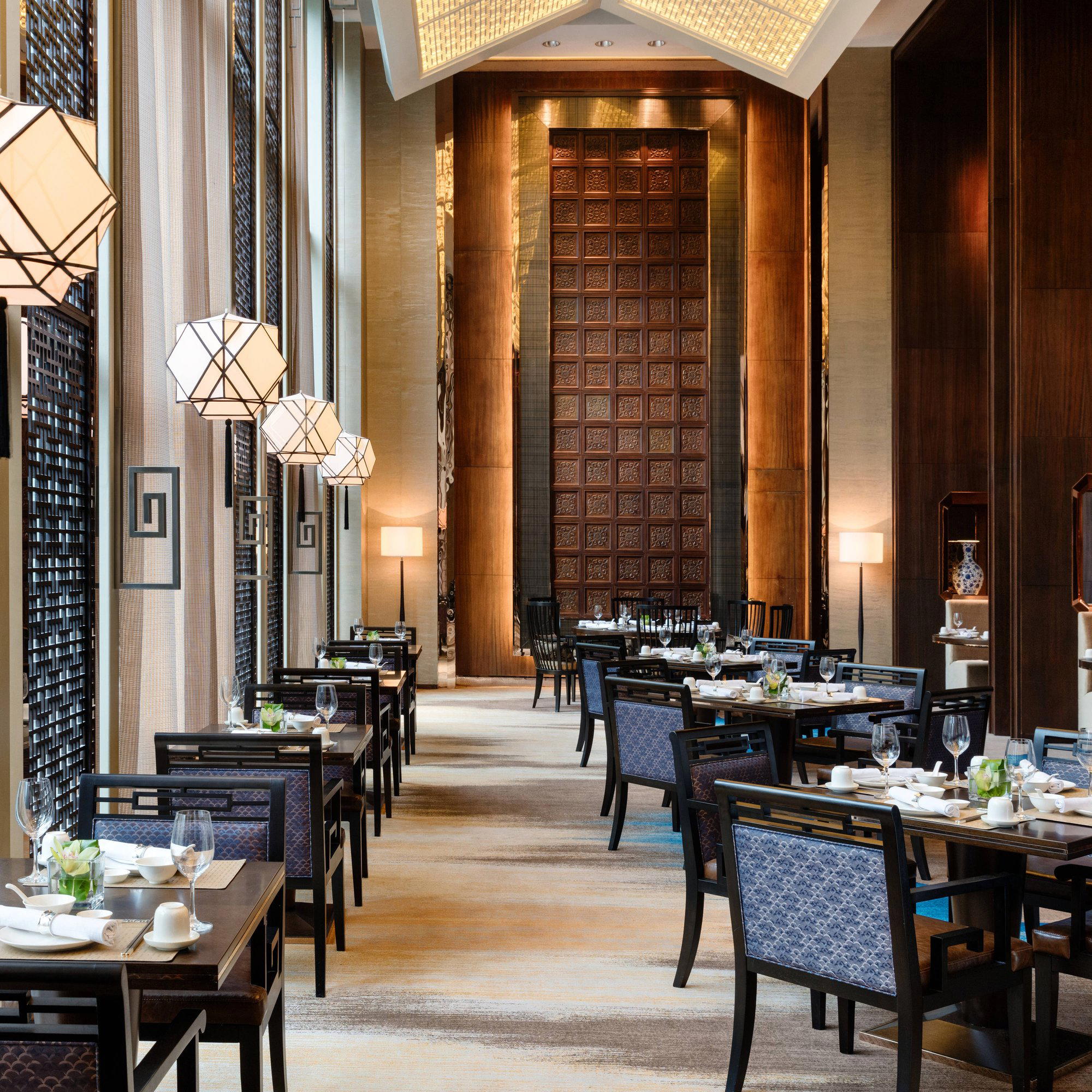
Understated elegance with charming garden surroundings, subtle lighting, open kitchen views, and refined decor that creates a sophisticated yet relaxed dining atmosphere.