
Black Pearl 1 Diamond
Our verdict
KeLongYiHao holds a Black Pearl 1 Diamond (2025), placing it among a small group of recognized dining addresses in Taizhou, a coastal Zhejiang city whose seafood tradition runs deeper than its national profile suggests. The restaurant sits on Huangyan Shiji Avenue and draws on the region's proximity to the East China Sea, where ingredient sourcing defines the kitchen's identity as much as any technique.

Pearl is the En Primeur Club membership app — saves, bookings, and concierge access live there. Same editors, same standards.
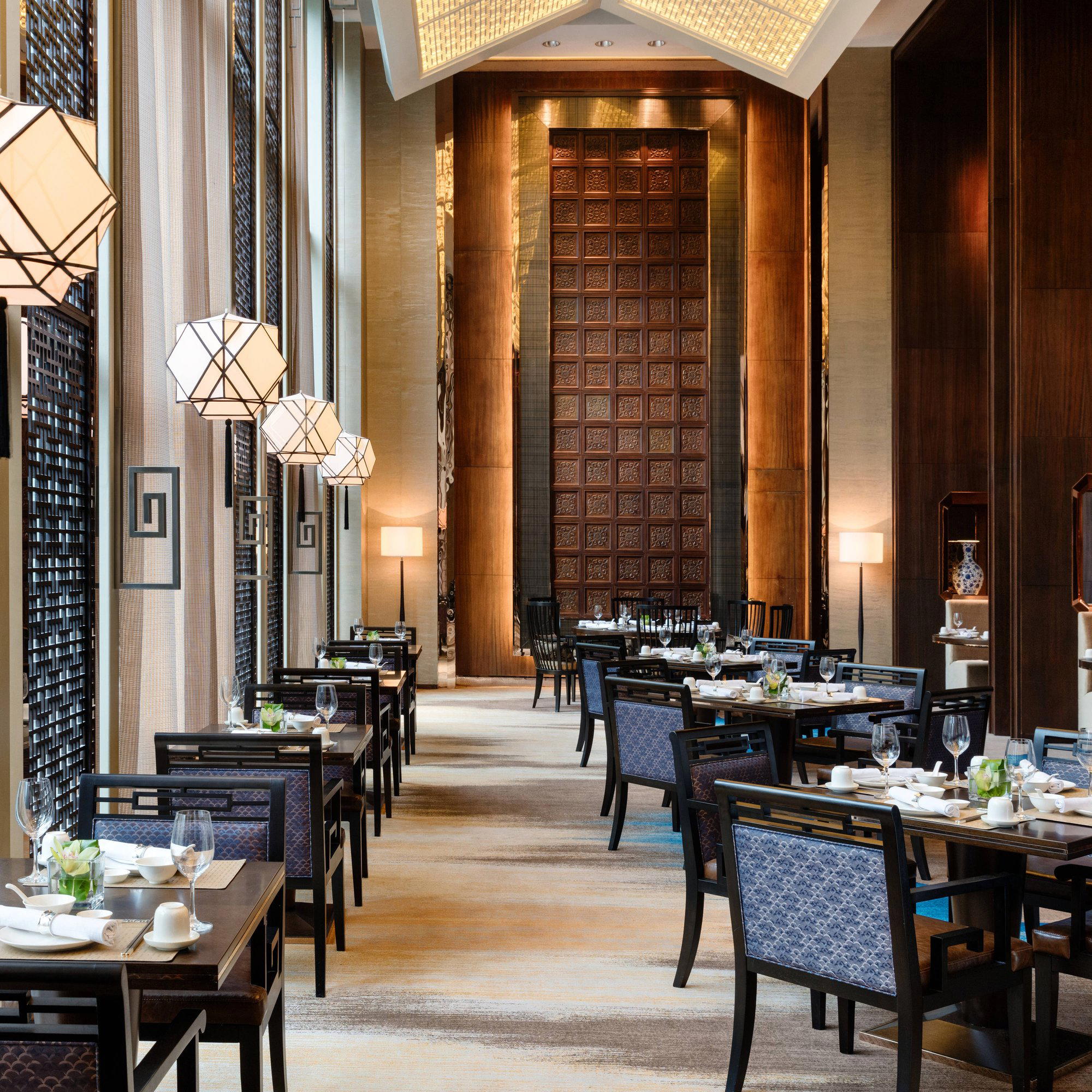
The menu
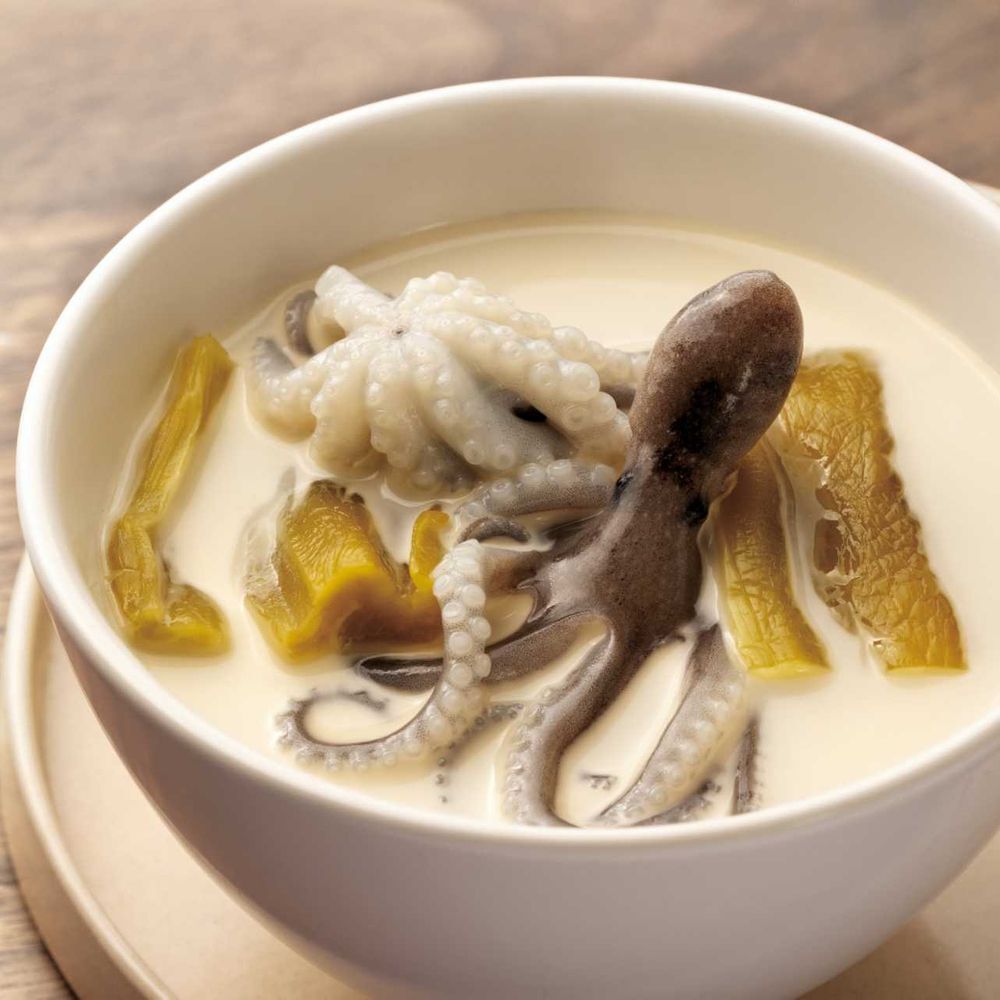
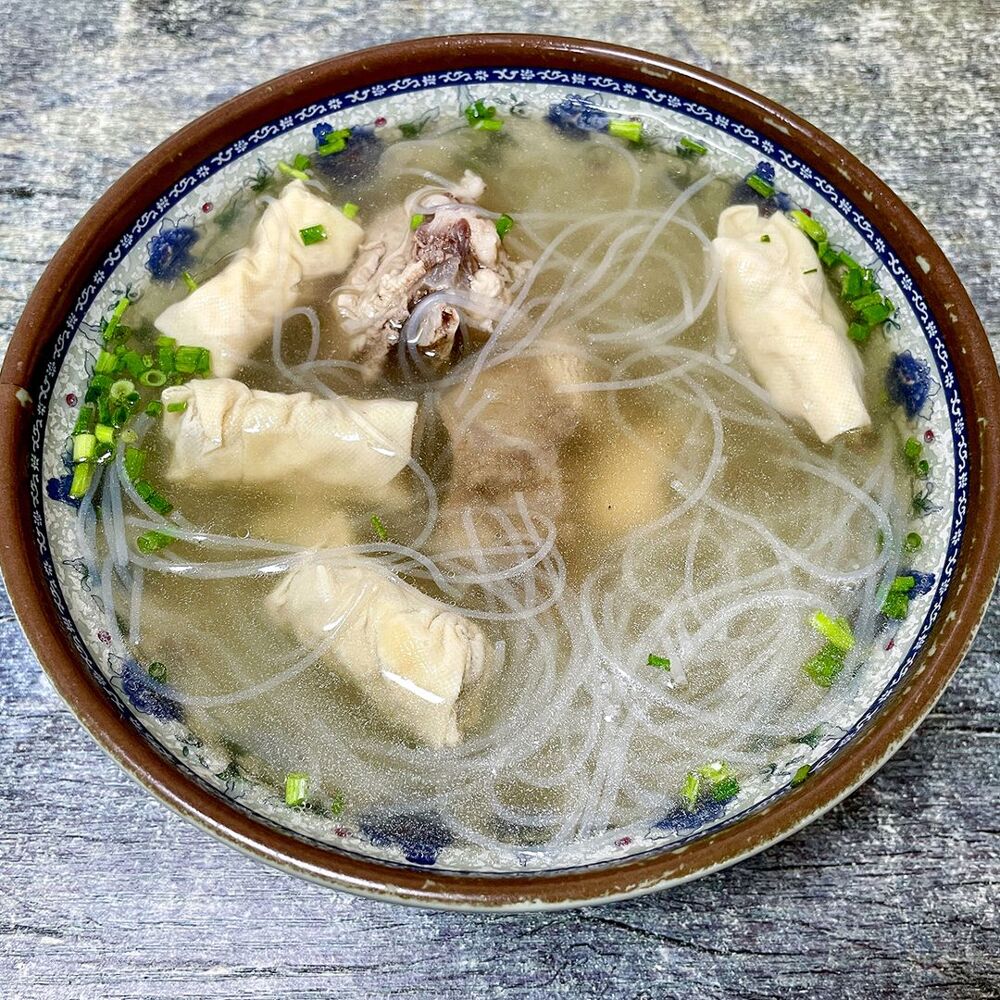
What to order
- Preserved meat radish rice with smoked fish
- Handmade yogurt with lime-infused cold drinks
Where Taizhou's Seafood Culture Earns Formal Recognition
Taizhou sits on the Zhejiang coast between Wenzhou and Ningbo, and its relationship with the East China Sea is not incidental — it is the organizing principle of the city's food culture. The fishing ports here feed some of China's most ingredient-driven kitchens, where the quality of a meal is determined largely before a cook touches it. KeLongYiHao, at No.
The Black Pearl Restaurant Guide, published by Meituan, functions as the primary Chinese-language benchmark for fine dining across mainland China. A 1 Diamond award signals a kitchen that reviewers judge to meet a consistent standard of culinary craft and experience quality. For a Taizhou address to earn that designation puts it in direct conversation with recognized tables in much larger cities — among them Xin Rong Ji (Xinyuan South Road) in Beijing, 102 House in Shanghai, and Chef Tam's Seasons in Macau, and suggests that the kitchen's sourcing discipline and execution have been measured against more than a regional standard.
Sourcing as the Kitchen's Core Argument
The eastern Zhejiang coastal belt produces seafood that occupies a distinct tier in Chinese culinary thinking. Hairy crabs from nearby lake systems, yellow croaker pulled from the East China Sea, mantis shrimp and razor clams from intertidal zones, these are not generic commodity ingredients. Their value depends almost entirely on provenance and handling, which is why kitchens in this region tend to compete on supply chain access as much as on cooking method. In that context, a restaurant operating under a name that references a kelp or marine farming site is not marketing shorthand; it is a statement of where the kitchen's priorities begin.
This sourcing-first logic connects Taizhou dining to a broader Zhejiang tradition that also surfaces in places like Ru Yuan in Hangzhou and Xinrongji in Taizhou itself, where the discipline around raw material selection shapes the character of the food more than elaborate preparation ever could. The contrast with cuisines that use technique to transform or refine ordinary ingredients is instructive. Here, technique is largely in service of preservation, keeping a crab tasting like the sea, a fish tasting of its own fat and mineral content.
That philosophy places KeLongYiHao in a different competitive register than, say, Fleurs Et Festin in Xiamen, where a European-influenced kitchen applies considerable technique to regional produce, or Dingshan·Jiangyan (Xiangcheng) in Suzhou, where the story is garden-to-table in an entirely different agricultural idiom. The eastern Zhejiang coastal kitchen is its own category.
Taizhou's Position in the Zhejiang Dining Map
Taizhou rarely appears on international food itineraries, and even within China it sits below Hangzhou and Ningbo in dining visibility. That gap between culinary quality and public profile is partly structural: the city lacks the tourism infrastructure of Hangzhou, and its seafood tradition, while deep, has not been packaged for export the way Cantonese or Shanghainese cuisine has. What that means in practice is that the recognized addresses here tend to serve a local clientele that knows the product, holds the kitchen to a demanding standard, and does not need a brand story to understand what it is eating.
For comparison, Imperial Treasure Fine Chinese Cuisine in Guangzhou and Dai Yuet Heen in Nanjing operate in cities with substantial international dining traffic, where recognition partly functions as a signal to non-local visitors. In Taizhou, a Black Pearl award speaks primarily to a domestic audience, residents and business travelers who understand the local standard and are using the designation to confirm which table is holding it.
Within Taizhou specifically, the recognized dining tier includes Lao Bian Jin jia, which occupies a different position in the local scene. The city's geography, split between coastal districts and an inland core, means that ingredient access is not uniform across its restaurants, and location relative to supply routes carries real significance.
Reading the Award in Context
The 2025 Black Pearl vintage is worth reading carefully. The guide's annual cycle means that a current-year listing reflects a recent assessment rather than historical accumulation, distinguishing it from legacy rankings where momentum sometimes outpaces current performance. For visitors using the 2025 award as a planning signal, it is more current than, for instance, consulting older Michelin data from a different city. Regional Chinese guides like Black Pearl also tend to weight ingredient quality and regional authenticity more heavily than Western-originated frameworks, which can favor technical showmanship. That weighting aligns well with a kitchen whose strongest argument is sourcing rather than transformation.
For further reference on what the regional dining tier looks like across eastern China, Xin Rong Ji in Chengdu demonstrates how a Zhejiang-adjacent kitchen can carry regional seafood sensibility into a landlocked city, and how much changes when the supply chain lengthens. The comparison clarifies why coastal proximity, in a cuisine this ingredient-dependent, is not a minor variable.
Planning a Visit
KeLongYiHao is on Huangyan Shiji Avenue in the Huangyan district of Taizhou. Taizhou is accessible by high-speed rail from Hangzhou and Ningbo, and the city's dining culture runs toward lunch-heavy service patterns common to coastal Zhejiang, where market-fresh catches inform daily menus and midday bookings often reflect the best of that morning's supply. For broader context on what the city offers across categories, see our full Taizhou restaurants guide, our full Taizhou hotels guide, our full Taizhou bars guide, our full Taizhou wineries guide, and our full Taizhou experiences guide.
Frequently asked questions
Is KeLongYiHao okay with children?
Family dining is culturally embedded in Taizhou's seafood restaurant culture, particularly for banquet-style formats where shared plates are the norm. A 2025 Black Pearl 1 Diamond venue operates at a level where the dining room likely expects a degree of composure, though no formal policy is confirmed. Calling ahead is the practical step before arriving with young children.
Is KeLongYiHao better for a quiet night or a lively one?
The 2025 Black Pearl 1 Diamond places KeLongYiHao in Taizhou's more formal dining tier, which in this region tends toward composed seated service rather than the convivial noise of a seafood hall. Expect a room calibrated for conversation, not one that generates its own energy.
Has KeLongYiHao won any awards?
KeLongYiHao has received recognition including: Black Pearl 1 Diamond (2025).
What should I eat at KeLongYiHao?
Ordering around what is fresh on arrival is the approach that makes sense here.
What's the address for KeLongYiHao?
KeLongYiHao is located at No.1-1 Huangyan Shiji Avenue, Taizhou, China, Taizhou.
Should I book KeLongYiHao in advance?
The 2025 Black Pearl 1 Diamond award raises the profile of any Taizhou address considerably, and coastal dining rooms at this tier often have daily availability tied to catch and supply.
What's KeLongYiHao best at?
The 2025 Black Pearl 1 Diamond points to a kitchen whose argument rests on ingredient quality within the Zhejiang coastal tradition. Taizhou's position on the East China Sea gives its restaurants access to a sourcing tier that Hangzhou and inland Zhejiang kitchens cannot replicate, and KeLongYiHao appears to be working that material at a level the guide found worth recognizing.
At-a-Glance Comparison
Comparable venues nearby, for context on price, style, and recognition.
| Venue | Cuisine | Price | Awards | Notes |
|---|---|---|---|---|
| KeLongYiHaoThis venue — the venue you are viewing | Traditional Taizhou Regional Cuisine | Not listed | Black Pearl 1 Diamond | Not listed |
| 新荣记(临海灵湖店) | Taizhou Seafood Chinese | $50–100 | La Liste Top Restaurants | 灵湖 |
| Xin Rong Ji Taizhou (Ling Hu ) - 新荣记(灵湖店) | Taizhou Cuisine | Not listed | Not listed | Linghu Park area |
| Xinrongji | Taizhou Cuisine | $100–150 | Black Pearl 2 Diamond | Taizhou |
| Lao Bian Jin jia | Zhejiang Coastal Seafood | Not listed | Black Pearl 1 Diamond | HuangYan District |
| Harmony Garden | Modern Fujian Fine Dining in Private Villa Rooms | Not listed | Not listed | Gulou |
Recognition history
Dated appearances from independent guides and award organizations, with the underlying list record or original source where available.
Black Pearl 1 Diamond
Black Pearl
Full recognition history (2 entries)
Black Pearl 1 Diamond
Black Pearl
Continue exploring
More in Taizhou
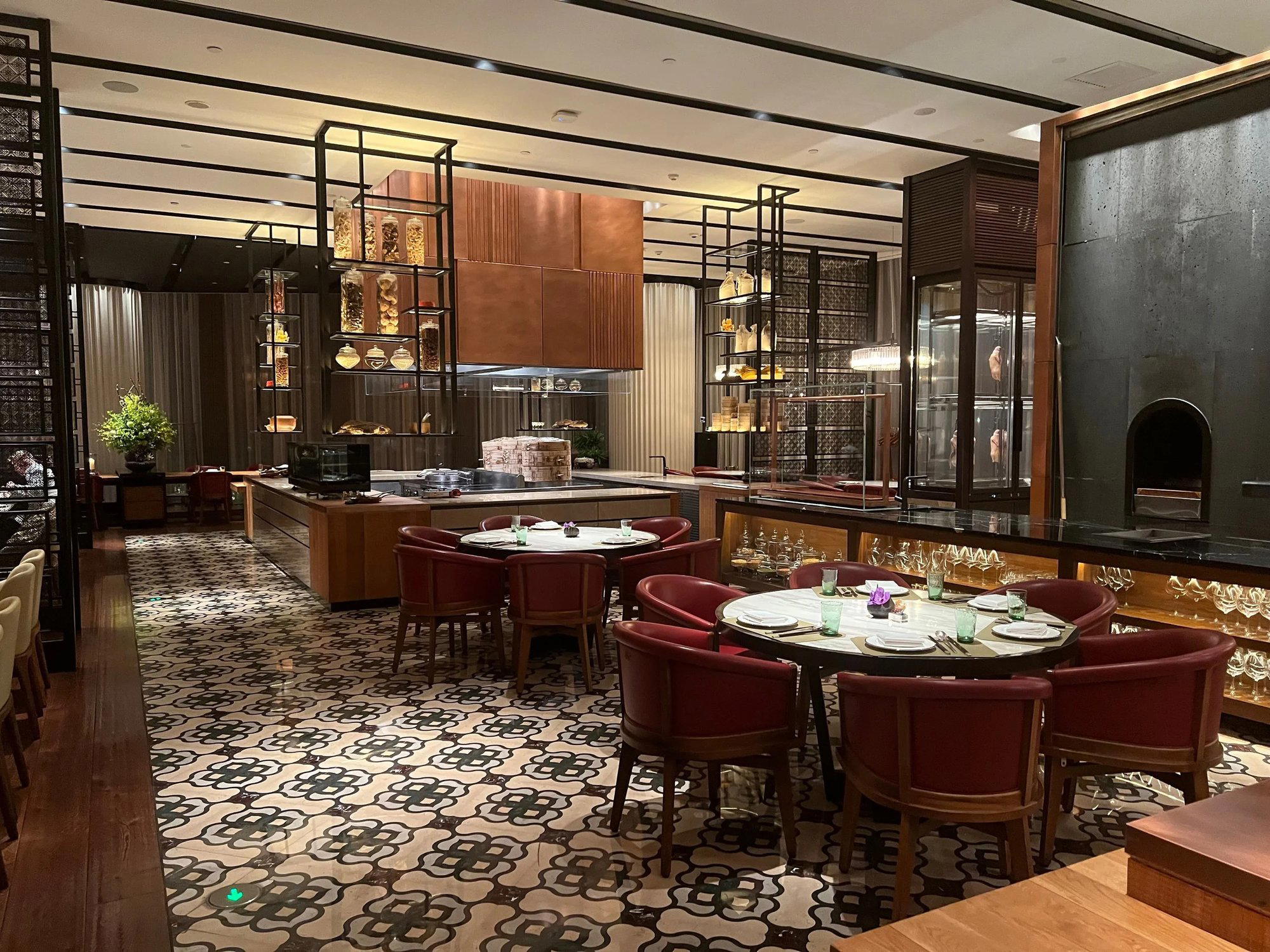
Details
- Lively
- Casual
- Casual Hangout
- Group Dining
- After Work
- A La Carte
- Family Style
Bustling summer market atmosphere with smoky aromas and warm evening vibes