
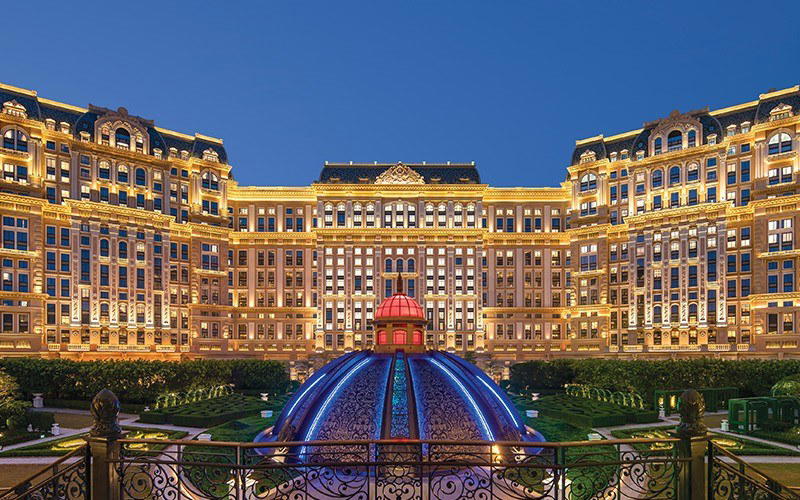
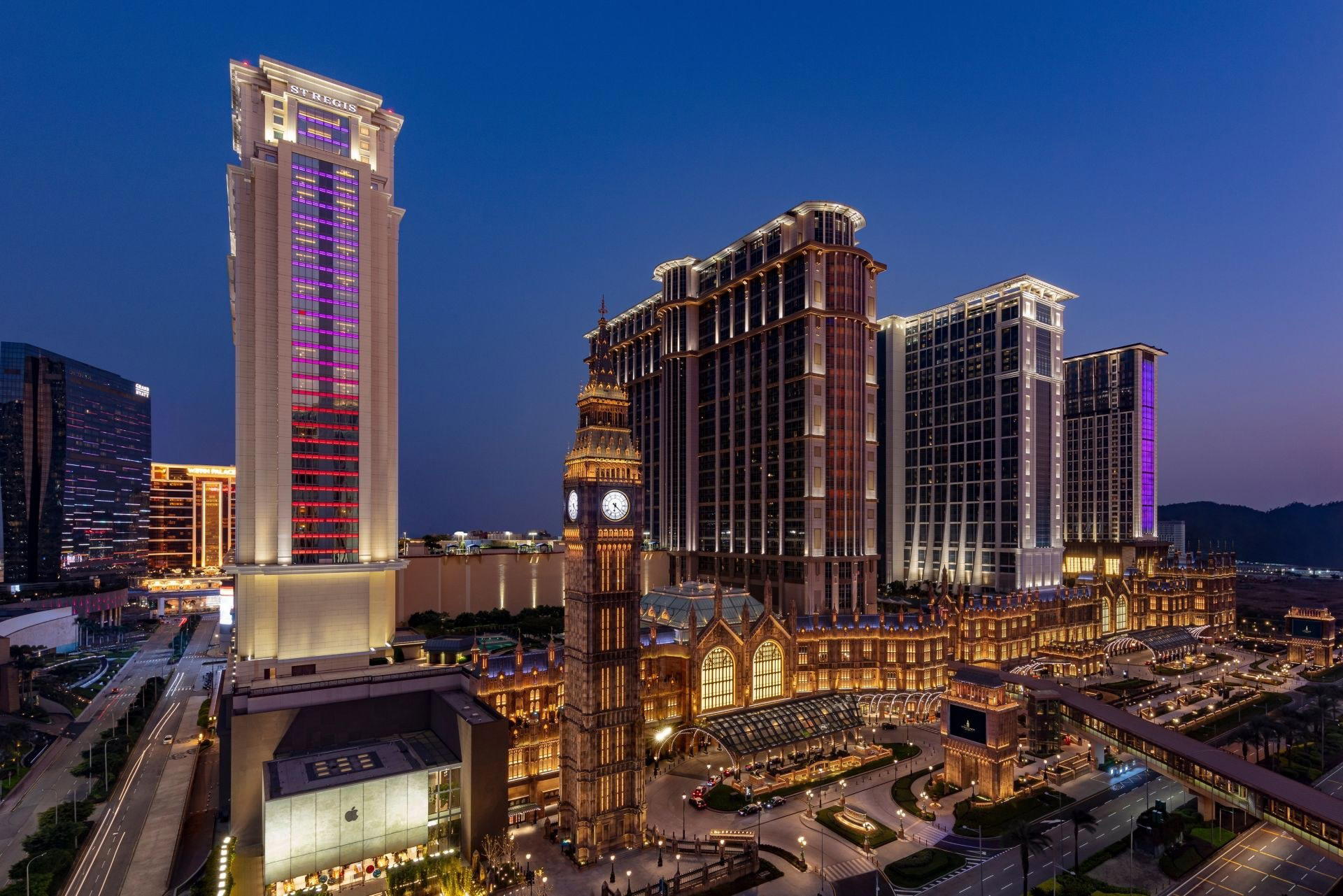
Golden Flower at Wynn Macau occupies a distinct tier in the city's fine-dining circuit, where Northern Chinese, Sichuan, and Shandong traditions are treated as serious culinary disciplines rather than casino-hotel afterthoughts. Under Chef Henry Zhang, the kitchen has built a reputation grounded in technical precision across multiple regional Chinese styles. For visitors looking beyond Macau's dominant Cantonese offer, it represents a deliberate alternative.
Pearl is the En Primeur Club membership app — saves, bookings, and concierge access live there. Same editors, same standards.
- Address
- Macau, China
- Phone
- +853 2888 9966
- Website
- wynnresortsmacau.com
 Saves & bookings on Pearl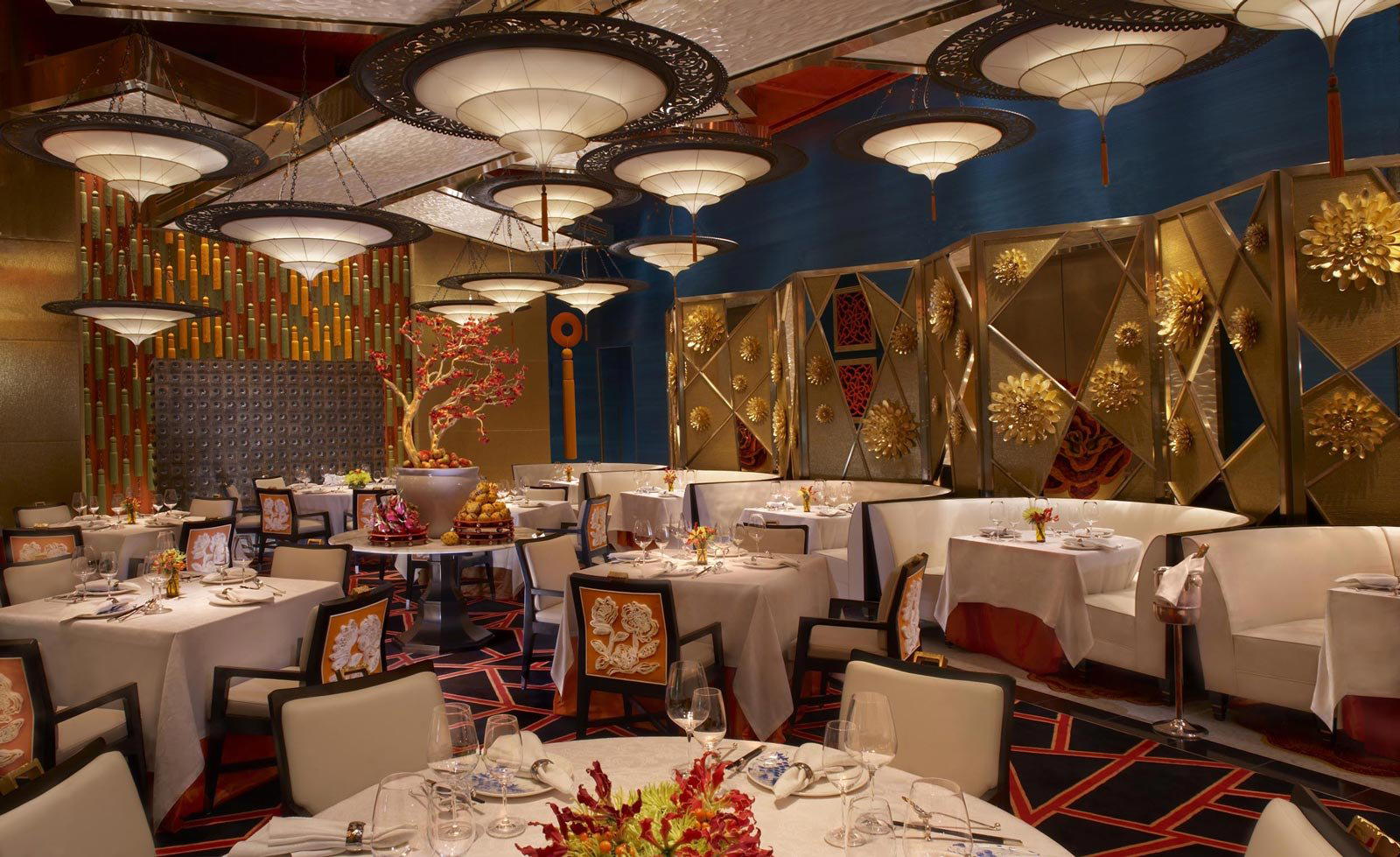
Where Northern Chinese Cooking Holds Its Ground in a Cantonese City
Macau's premium restaurant tier skews heavily Cantonese. Walk the upper floors of any major integrated resort and you will find, reliably, dim sum programs and Cantonese counters: Chef Tam's Seasons and Jade Dragon define that bracket. Golden Flower at Wynn Macau operates in a different register entirely. Its kitchen runs on Northern Chinese, Sichuan, and Shandong traditions, cuisines that carry distinct technical demands and regional identities, and it does so inside one of the territory's most recognizable luxury properties. That combination, serious northern Chinese cooking inside a resort environment dominated by Cantonese and European dining, has defined the restaurant's position.
The Room Before the Menu
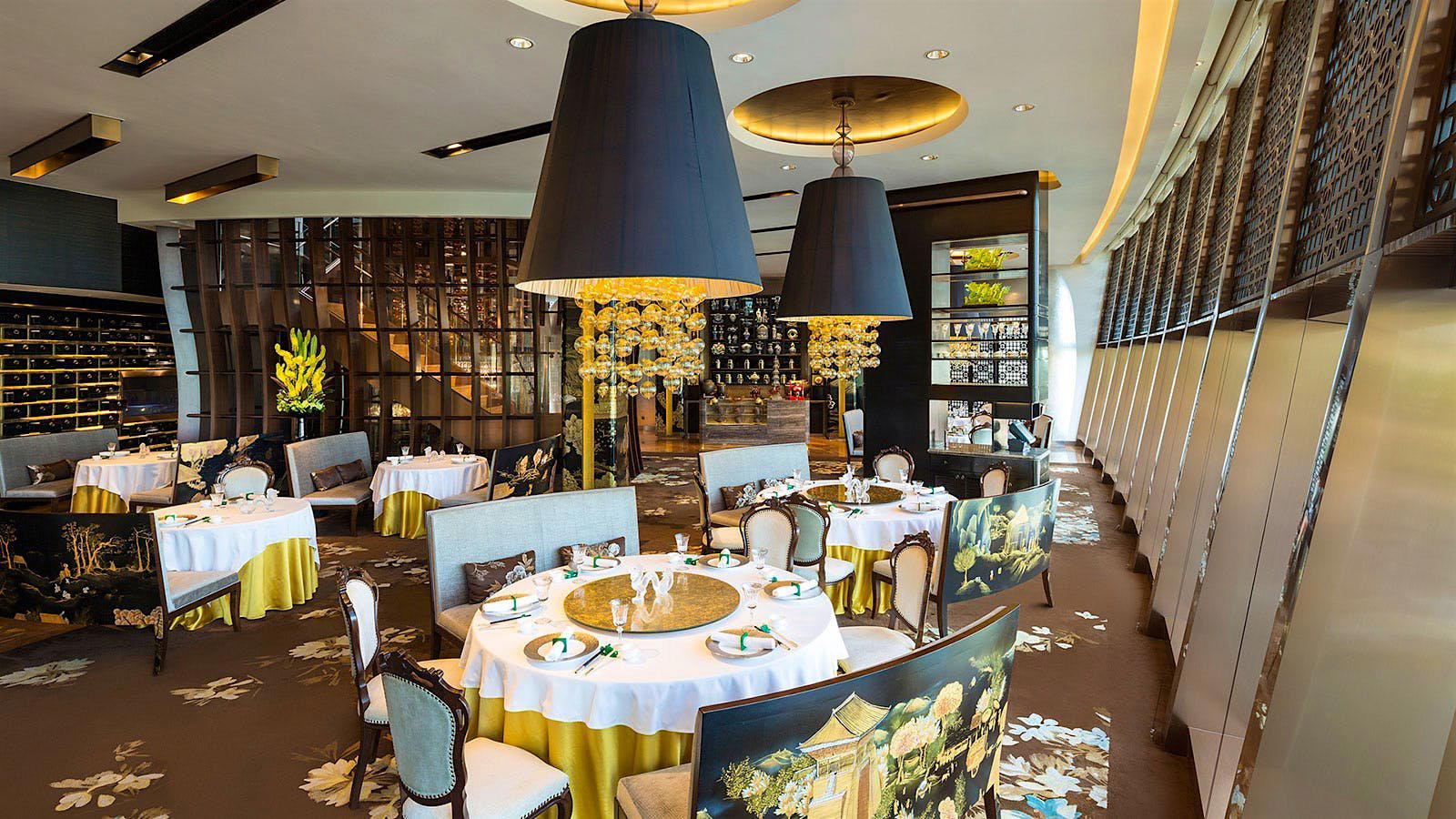
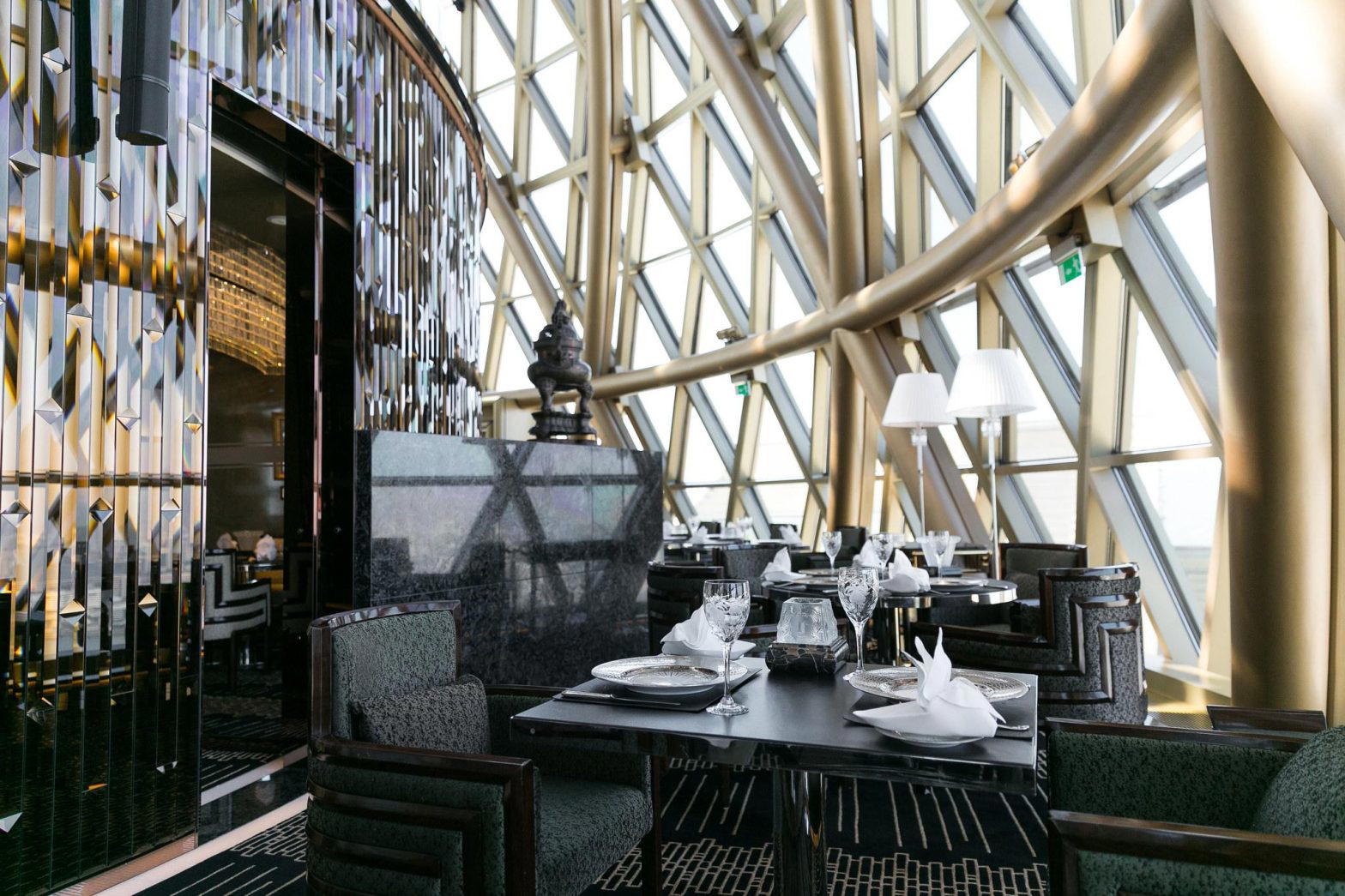
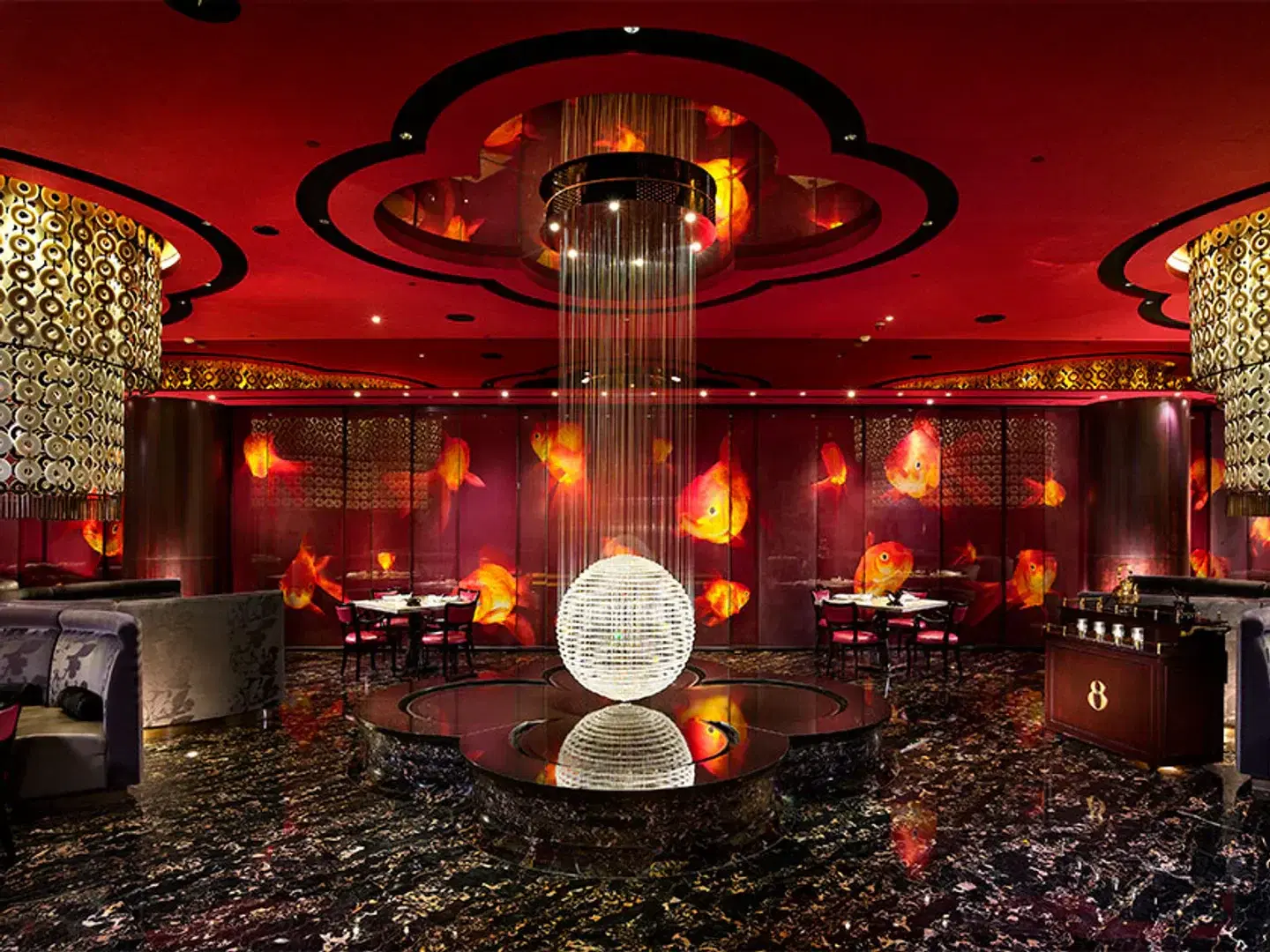
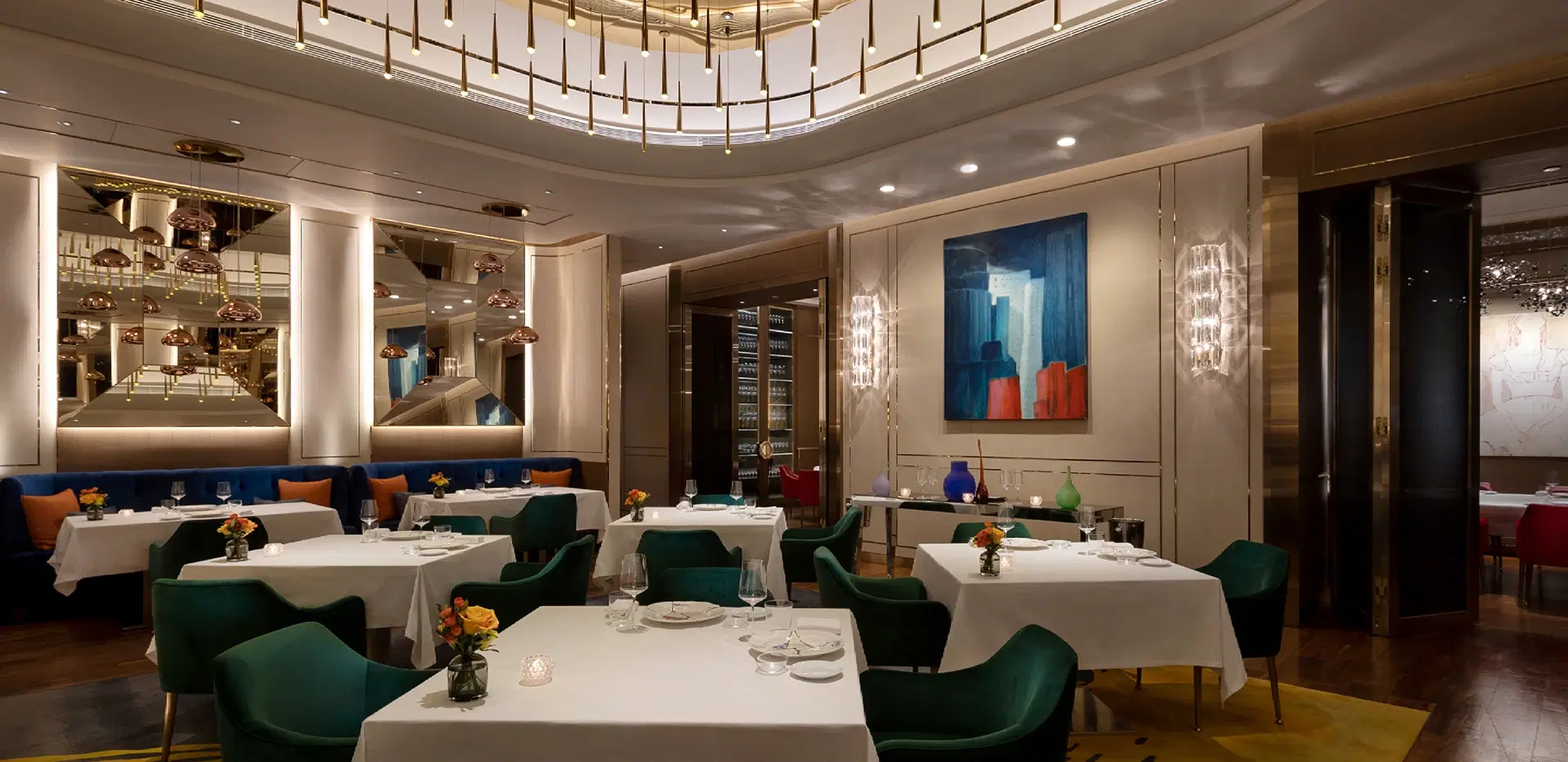
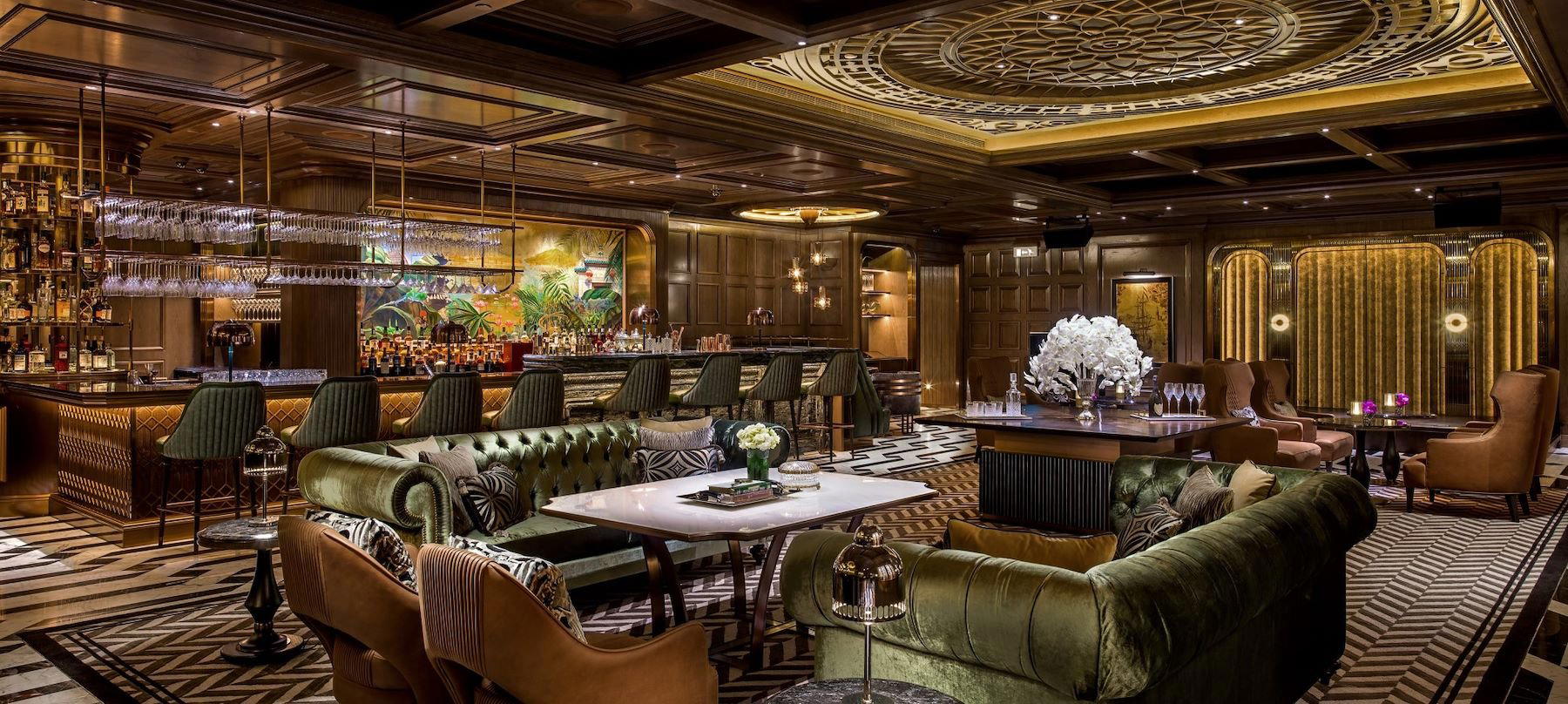
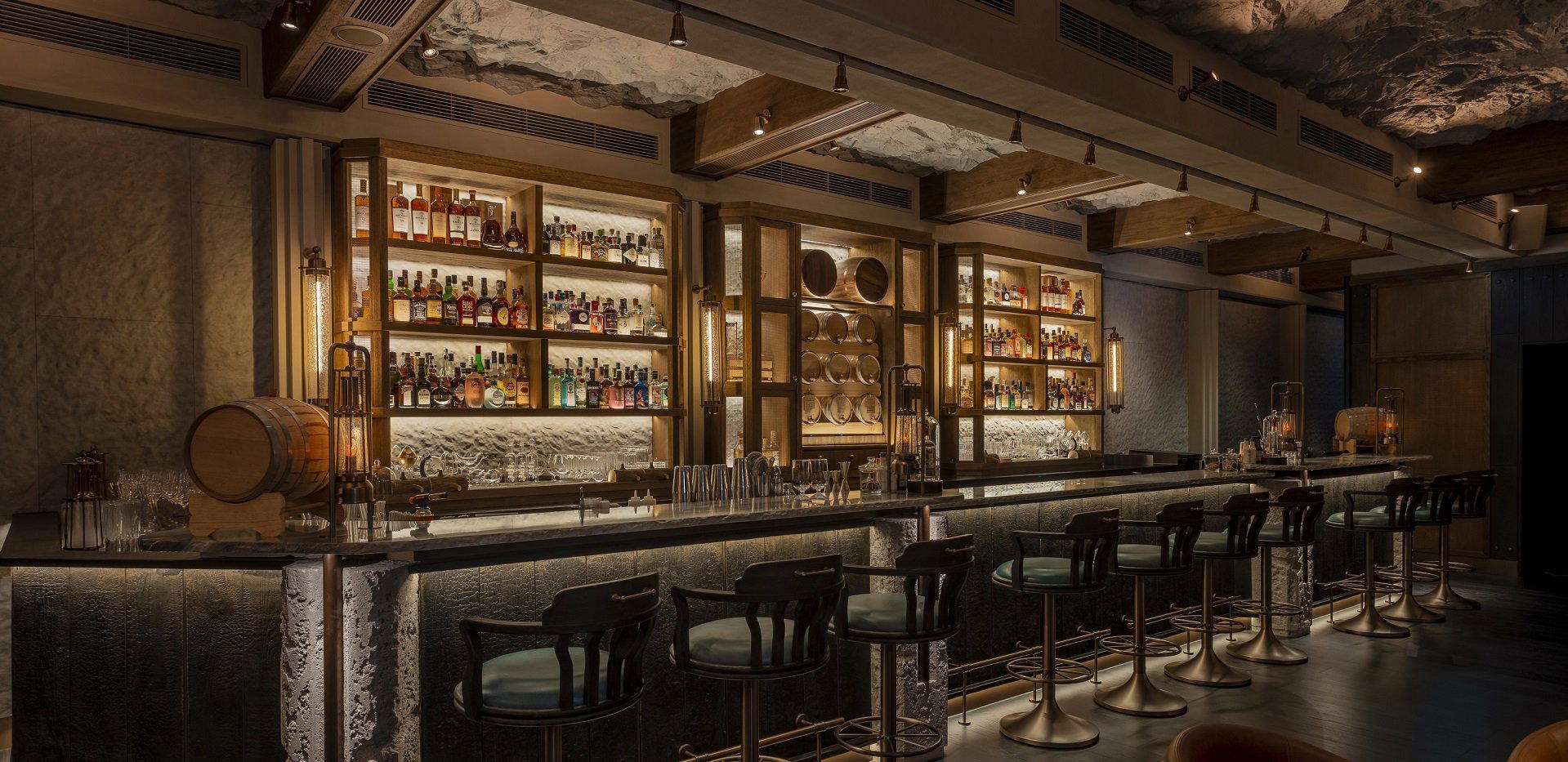
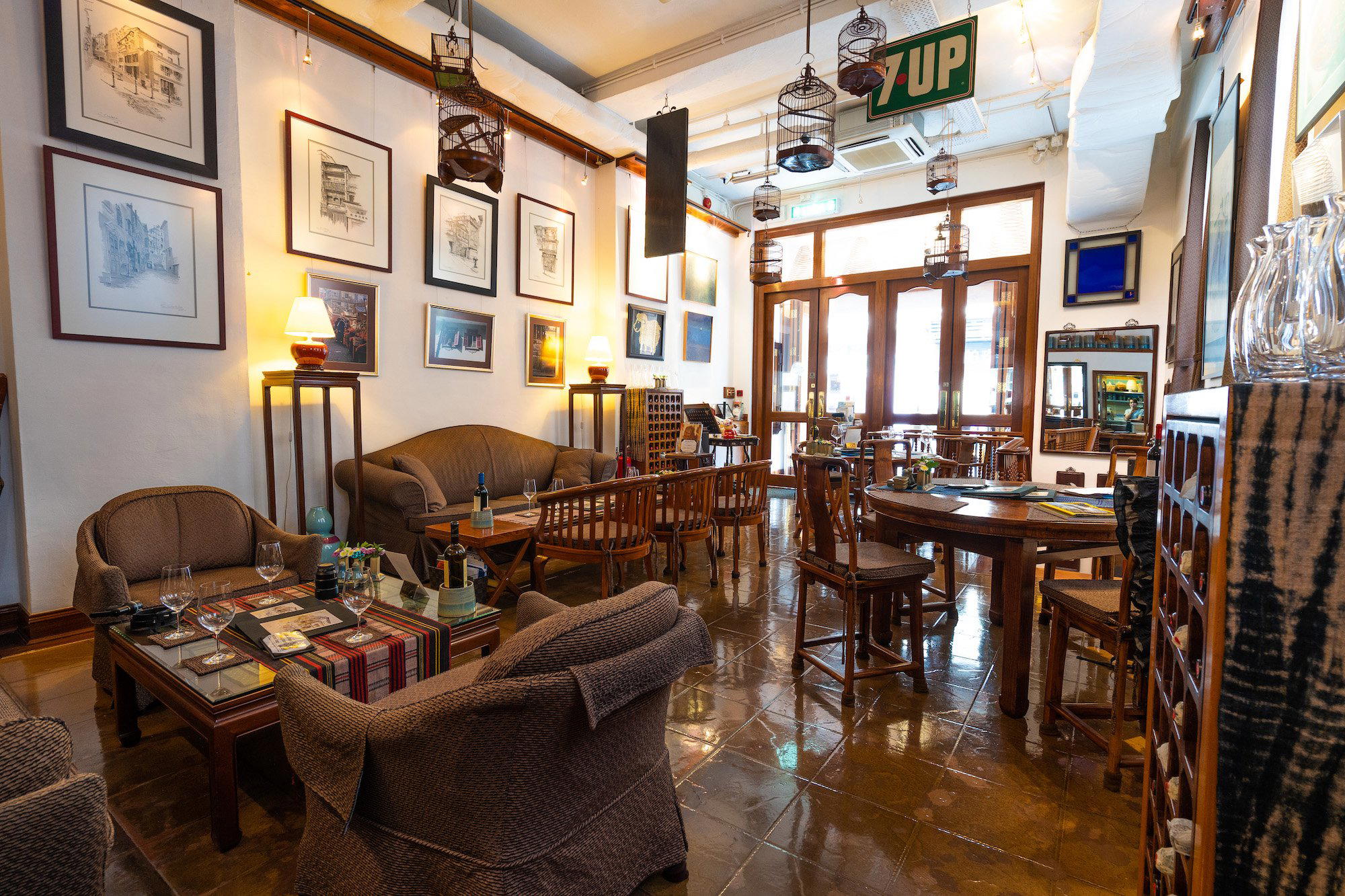
The dining room signals its intentions before any dish arrives. The interior at Golden Flower draws on classical Chinese decorative vocabulary interpreted through a luxury-hotel lens: lacquer, fine joinery, and a considered approach to light and enclosure that separates it from the louder visual language common elsewhere in Macau's gaming-resort restaurants. The result is a room that reads formal without feeling static, which is the right register for cuisine built around the kind of ceremonial northern Chinese traditions that have shaped state banquet cooking for centuries.
That formality is worth arriving prepared for. Reservations are essential.
Chef Henry Zhang and the Technical Range of Northern Chinese Cuisine
The question of what a northern Chinese fine-dining kitchen actually does is more complex than it first appears. Unlike the homogenous international luxury-dining model exported from Paris or Tokyo, northern Chinese cooking is not a single tradition but a cluster of related regional ones. Shandong cuisine (Lu cai) is often cited as the oldest and most technically demanding of China's classical styles, historically shaping imperial court cooking from Beijing outward. Sichuan traditions, now globally familiar through the spread of mala flavor profiles, demand their own mastery. Northern Chinese cooking, in the narrower sense, encompasses the braising, roasting, and wheat-based repertoires associated with Beijing and its surrounding regions.
Chef Henry Zhang holds recognized standing across all three of these disciplines. His credentials span Northern Chinese, Sichuan, and Shandong traditions, which is an unusually wide technical range to hold simultaneously at the level of serious institutional recognition. That breadth positions Golden Flower differently from the more focused single-region specialists found elsewhere on the mainland: venues like Xin Rong Ji (Xinyuan South Road) in Beijing or Xin Rong Ji in Chengdu, which operate with tighter regional identities. In Macau's dining context, where fine Chinese cooking defaults to Cantonese and the alternative European offer is anchored by Robuchon au Dôme and Alain Ducasse at Morpheus, Zhang's multi-regional command is a structural differentiator rather than a marketing point.
How the Restaurant Has Shifted Over Time
Fine Chinese dining inside international luxury hotels has undergone a significant recalibration over the past decade. The model that dominated the 2000s and early 2010s, where hotel Chinese restaurants operated largely as amenities for non-Chinese guests who wanted something familiar, has given way to a sharper competitive pressure from standalone specialist restaurants and from increasingly sophisticated regional Chinese dining scenes on the mainland. Cities like Shanghai, Hangzhou, and Guangzhou now produce serious fine-dining Chinese restaurants operating entirely outside the hotel model: venues such as 102 House in Shanghai, Ru Yuan in Hangzhou, and Imperial Treasure Fine Chinese Cuisine in Guangzhou.
This broader shift has pushed hotel Chinese restaurants in Macau to sharpen their propositions. Golden Flower's response has been to lean harder into the specialist credentials of its kitchen rather than broaden toward a crowd-pleasing regional Chinese greatest-hits format. The Sichuan dimension of the menu sits in direct conversation with what dedicated Sichuan specialists offer elsewhere in the city, including Feng Wei Ju, which operates at a more accessible price point with a Hunan-Sichuan focus. Golden Flower's claim is not on accessibility or value but on technical ambition and the prestige framing that the Wynn Macau address provides.
That evolution also reflects a wider truth about how northern Chinese cuisine is being reassessed. Shandong cooking in particular has attracted renewed critical attention on the mainland as a reference tradition for Chinese fine dining, with its long-established techniques and court-cooking lineage providing a set of credentials comparable, in Chinese culinary terms, to classical French technique in European contexts. A restaurant that can credibly draw on Shandong technique operates with a different kind of authority than one built primarily around contemporary innovation.
Where Golden Flower Sits in Macau's Wider Dining Picture
Macau's restaurant scene in 2024 and into 2025 is more competitive across the upper tier than at any previous point. The arrival of new concepts, continued Michelin attention, and the emergence of specialist operators across multiple Chinese regional cuisines have all tightened the competitive set. For visitors building a serious dining itinerary, the choice between Cantonese specialists, French fine dining, and a northern Chinese kitchen with Zhang's credentials is a genuine one rather than a default.
Golden Flower occupies a position that has no direct equivalent elsewhere in the territory. The closest analogues for multi-regional Chinese fine dining of this technical character are found in mainland China rather than in Macau itself, which is part of what defines the restaurant's relevance for visitors arriving from outside the Greater Bay Area. Travelers who have experienced venues like Dai Yuet Heen in Nanjing or explored what serious Chinese regional cooking looks like in its home contexts will find Golden Flower occupying a recognizable tier, translated into Macau's resort-city format.
Planning Your Visit
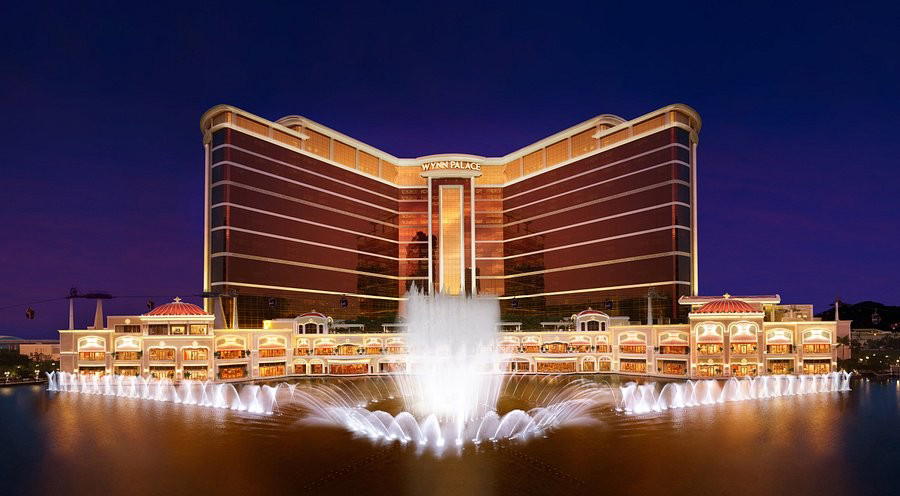
Golden Flower is located within Wynn Macau on the Macau Peninsula. Reservations are essential. Dress code is business casual.
City Peers
Comparable venues nearby, for context on price, style, and recognition.
| Venue | Cuisine | Price | Notes |
|---|---|---|---|
| Wynn Macau Hotel - Golden FlowerThis venue — the venue you are viewing | Tan Cuisine Fine Dining | $$$$ | |
| Blossom Palaces | Modern Peking Duck & Cantonese Fine Dining | $$$$ | Cotai |
| Ying at Altira Macau | Michelin-Starred Cantonese | $$$$ | Taipa |
| Chún – MGM Cotai | Modern Cantonese Fine Dining | $$$$ | Cotai |
| Imperial Court | Lingnan / Cantonese Fine Dining | $$$$ | NAPE |
| Fontana | International Buffet | $$$ | Cotai |

At a Glance
- Elegant
- Opulent
- Sophisticated
- Intimate
- Special Occasion
- Business Dinner
- Date Night
- Hotel Restaurant
- Private Dining
- Sake Program
Opulent and elegant with silk lanterns, mosaic flooring, oversized tassels, golden flowers, and fresh blossoms creating an intimate, luxurious atmosphere.