
Wu Modern Chao holds a Black Pearl 1 Diamond (2025), placing it among a select tier of restaurants redefining Chaozhou cuisine in its home city of Shantou. Located on Huashan North Road in the Longhu District, it represents a modernist approach to one of China's most technically demanding regional traditions. For serious diners tracking Guangdong's evolving fine-dining circuit, it warrants attention.
Pearl is the En Primeur Club membership app — saves, bookings, and concierge access live there. Same editors, same standards.
- Address
- China, Guangdong Province, Shantou, Longhu District, Huashan N Rd, 华山北路
- Phone
- +86 754 8836 4349
- Website
- xinmeiyuan.cn
- Directions
- Get directions
 Saves & bookings on Pearl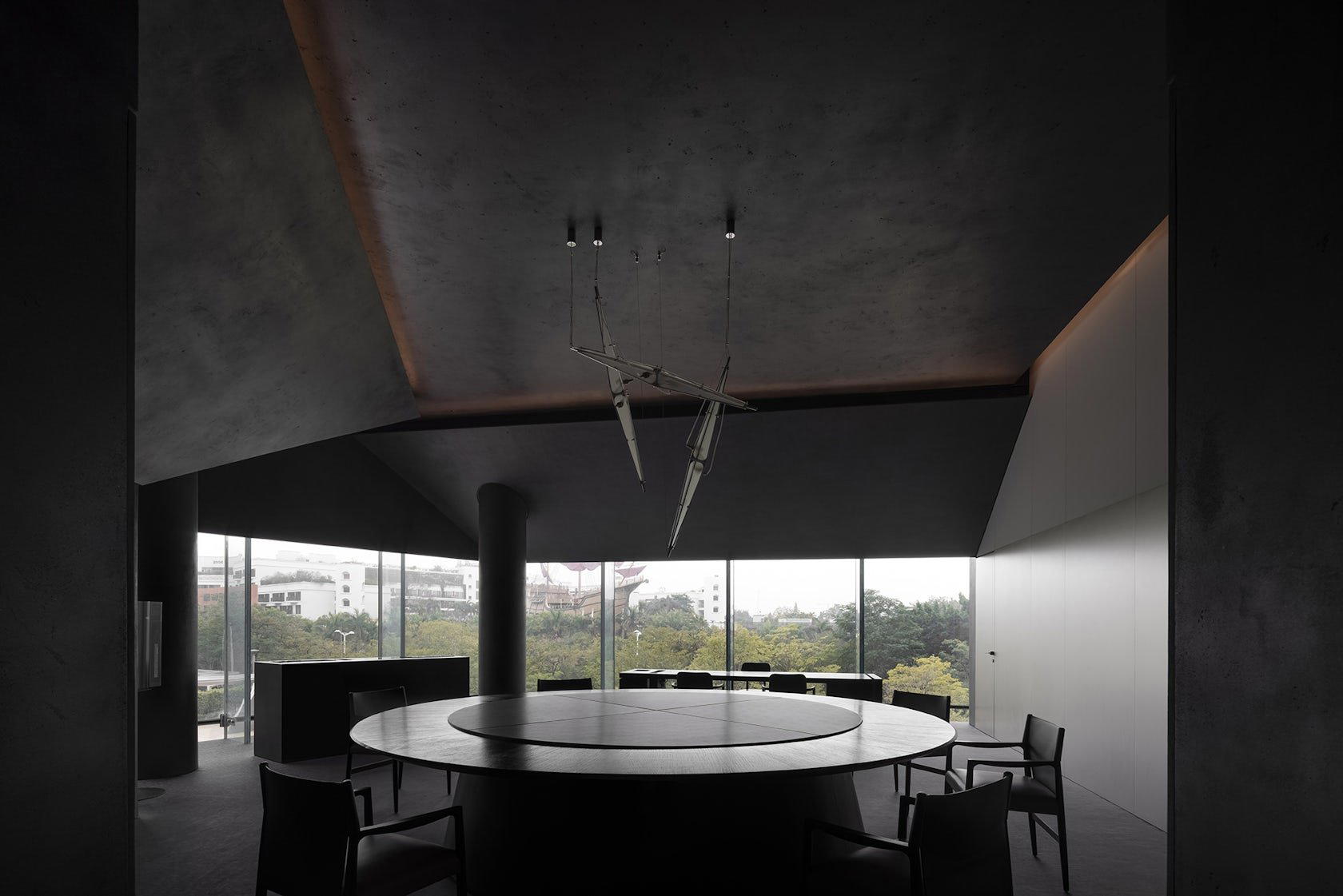
Chaozhou Cuisine and the Architecture of Restraint
Wu Modern Chao is a restaurant in Shantou, Guangdong Province, serving Modern Chaozhou Fine Dining and holding a Black Pearl 1 Diamond in 2025. There is a particular quality to entering a serious Chaozhou restaurant in Shantou that differs from the more theatrical entry points of, say, high-end Cantonese in Guangzhou or the banquet halls of Beijing's northern Chinese tradition. The register is quieter. The signals of craft are embedded in the details: the temperature of the broth, the precision of a braised dish, the silence between courses that says the kitchen is not in a hurry. Wu Modern Chao, on Huashan North Road in the Longhu District, belongs to this tradition, and its Black Pearl 1 Diamond recognition in 2025 confirms it has earned a seat at the table of Shantou's serious dining circuit.
Chaozhou cuisine, often rendered as Teochew in overseas contexts, is one of the few Chinese regional traditions that prizes subtlety over intensity. Where Sichuan builds flavour through compounding heat and numbing spice, and Shanghainese cooking leans into sweetness and umami richness, Chaozhou cooking works through reduction, precision, and an almost disciplinary restraint. The result is food that reads as understated until you understand its grammar. Wu Modern Chao's framing as a modern interpretation of this tradition places it in a growing cohort of restaurants across China that are applying contemporary technique and presentation to deeply regional culinary logic, without abandoning the logic itself.
The Black Pearl in Context
The Black Pearl Restaurant Guide, now in its seventh edition and published by Meituan, has become one of the more credible domestic recognition systems for Chinese fine dining. A 1 Diamond placement is not a consolation tier, it denotes a restaurant that has cleared a meaningful threshold of kitchen quality, service consistency, and dining experience design. Across China's wider fine-dining circuit, 1 Diamond holders range from technically rigorous regional specialists to modern Chinese rooms with international ambitions. The restaurant's 2025 placement puts it in measurable company with other Black Pearl-recognised restaurants in the Pearl River Delta region and beyond.
For comparative context, diners familiar with Imperial Treasure Fine Chinese Cuisine in Guangzhou or Chef Tam's Seasons in Macau will have a reference point for what Black Pearl recognition means at the level of craft and presentation. The distinction at the restaurant is geographic and culinary: Shantou is where Chaozhou tradition is not an imported style but the native dialect, and that proximity to source matters in how the food reads.
The Ritual of a Chaozhou Meal
Understanding how to eat at a restaurant like Wu Modern Chao requires understanding how a Chaozhou meal is structured. This is not a cuisine that announces itself. The traditional Chaozhou banquet moves through cold dishes, braised preparations, seafood courses, and rice or congee at the close, a sequence that rewards patience and penalises rushing. Diaoyu rice congee (fish congee) and braised goose are totemic dishes in the tradition, though what appears on the menu at any given modern Chaozhou table depends on season, sourcing, and the kitchen's current focus.
The pacing matters. A Chaozhou table is not a place to order quickly and leave. The meal is designed to accumulate, each dish building on the last in a way that only becomes apparent at the end of a long table. Modern Chaozhou kitchens like Wu Modern Chao's interpret this structure rather than replicate it literally, often tightening the sequence and refining presentation while preserving the underlying logic of restraint and accumulation. The result is a dining format that sits closer to a tasting menu in its discipline, even when it doesn't carry that label.
Gongfu tea service is often part of the Chaozhou meal's framing, particularly in high-end contexts. The ceremony of small cups, high-temperature brewing, and sequential pours is as much a palate-clearing ritual as it is a hospitality gesture, and its presence signals a kitchen that takes the full arc of the meal seriously.
Shantou's Dining Circuit
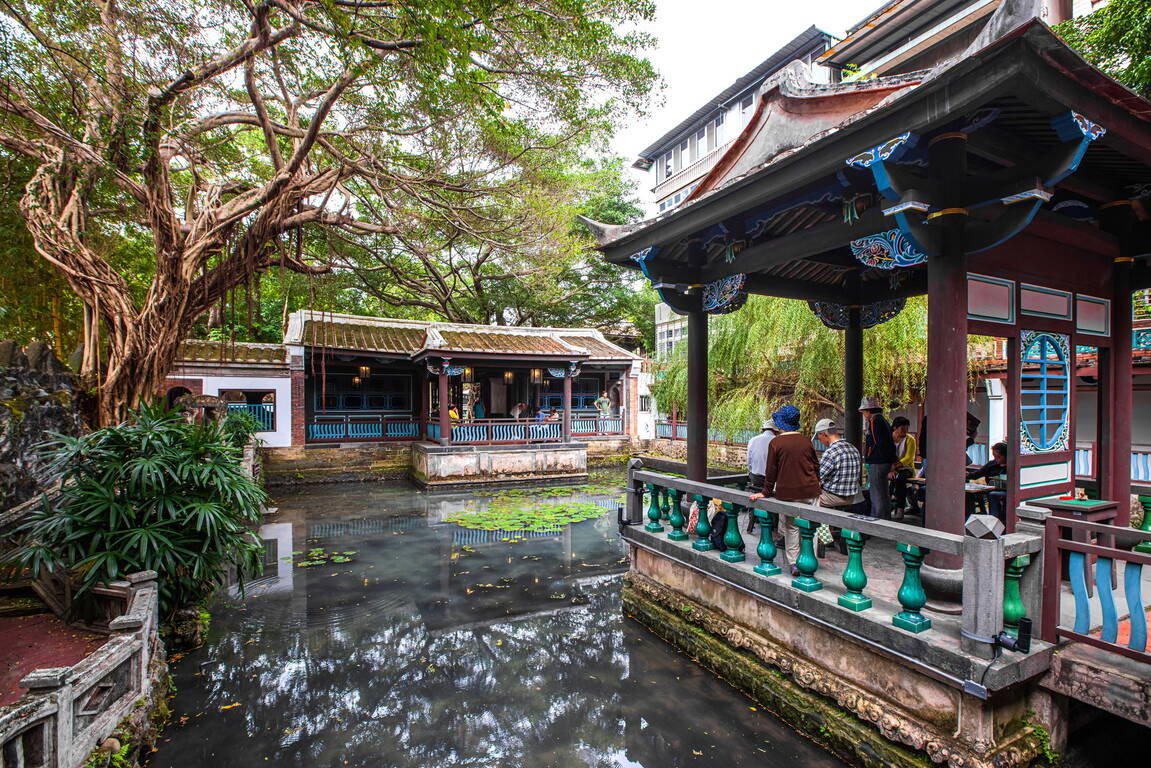
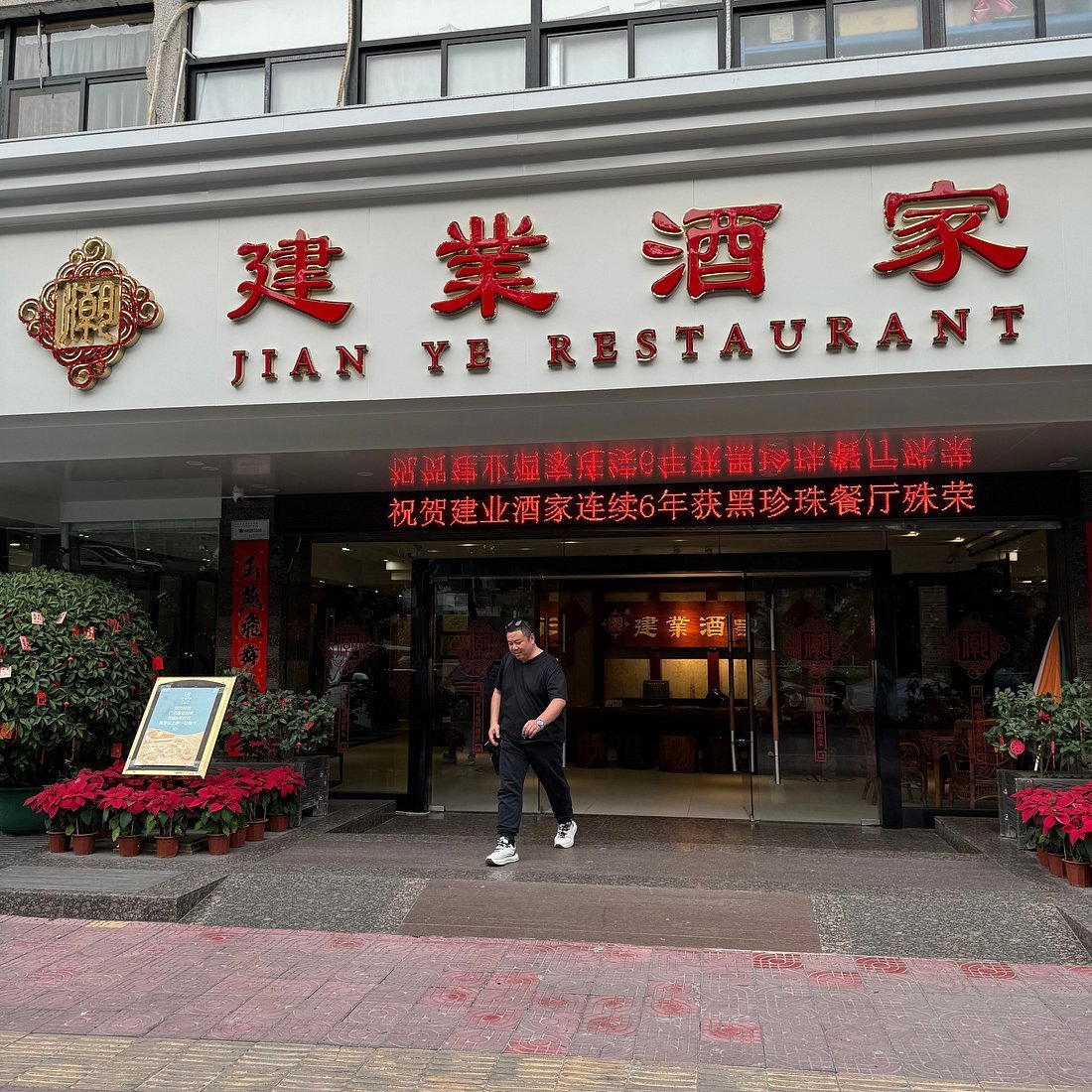
Shantou remains one of the more underreported cities on China's fine-dining map, particularly for international visitors. The city's status as the origin point of the Teochew diaspora gives it a culinary identity that is simultaneously hyper-local and globally dispersed, Chaozhou-style restaurants exist in Bangkok, Singapore, Paris, and New York, but particularly technically grounded versions of this cuisine are still found in Shantou and the surrounding region. The restaurant occupies the upper tier of that local circuit alongside peers like JianyeResturant, LIN MANSION, and Zhuhai.
Across China's regional fine-dining landscape, the pattern of cities with deep culinary heritage producing a small cluster of serious modern-traditional restaurants is consistent. You see it in Hangzhou with restaurants like Ru Yuan, in Suzhou with Dingshan·Jiangyan (Xiangcheng), and in Chengdu with Xin Rong Ji. Shantou is following a similar curve, with a handful of restaurants beginning to formalize what has always been a notable street-level food culture into a more considered, bookable dining experience. The restaurant sits at that intersection. For diners building a broader itinerary of Chinese regional fine dining, Xin Rong Ji (Xinyuan South Road) in Beijing, 102 House in Shanghai, and Dai Yuet Heen in Nanjing offer useful points of reference at the serious end of Chinese dining. Internationally, the precision-driven service philosophy at rooms like Le Bernardin in New York City or the tasting menu rigour of Atomix in New York City speak to a similar commitment to sequenced, deliberate dining, even across entirely different culinary traditions.
Planning Your Visit
The restaurant is located on Huashan North Road in Shantou's Longhu District, which sits in the newer, more commercially developed part of the city. Reservations are recommended, especially on weekends and public holidays.
Cuisine Lens
Comparable venues nearby, for context on price, style, and recognition.
| Venue | Cuisine | Price | Notes |
|---|---|---|---|
| Wu Modern ChaoThis venue — the venue you are viewing | Modern Chaozhou Fine Dining | $$$$ | Not listed |
| JianyeResturant | Traditional Chaozhou Cuisine | $$$ | Longhu District |
| LIN MANSION | Modern Teochew Fine Dining | $$$ | Longhu District |
| Chaoshan Taste Zhuhai | Modern Chaoshan (Teochew) Cuisine | $$$ | East Coast Area |
| Zhuhai | Modern Chaoshan (Teochew) Cuisine | $$$$ | East Coast Area |
| Meet the Bund Skyline | Modern Fujianese Fine Dining | $$$$ | North Bund |
Recognition history
Dated appearances from independent guides and award organizations, with the underlying list record or original source where available.
Black Pearl 1 Diamond
Black Pearl
Black Pearl 1 Diamond
Black Pearl
Continue exploring
More in Shantou
At a Glance
- Modern
- Elegant
- Sophisticated
- Intimate
- Business Dinner
- Special Occasion
- Private Event
- Private Dining
Current opening hours
- Monday
- 11 AM–9 PM
- Tuesday
- 11 AM–9 PM
- Wednesday
- 11 AM–9 PM
- Thursday
- 11 AM–9 PM
- Friday
- 11 AM–9 PM
- Saturday
- 11 AM–9 PM
- Sunday
- 11 AM–9 PM
Hours can change for holidays and private events. Last verified .
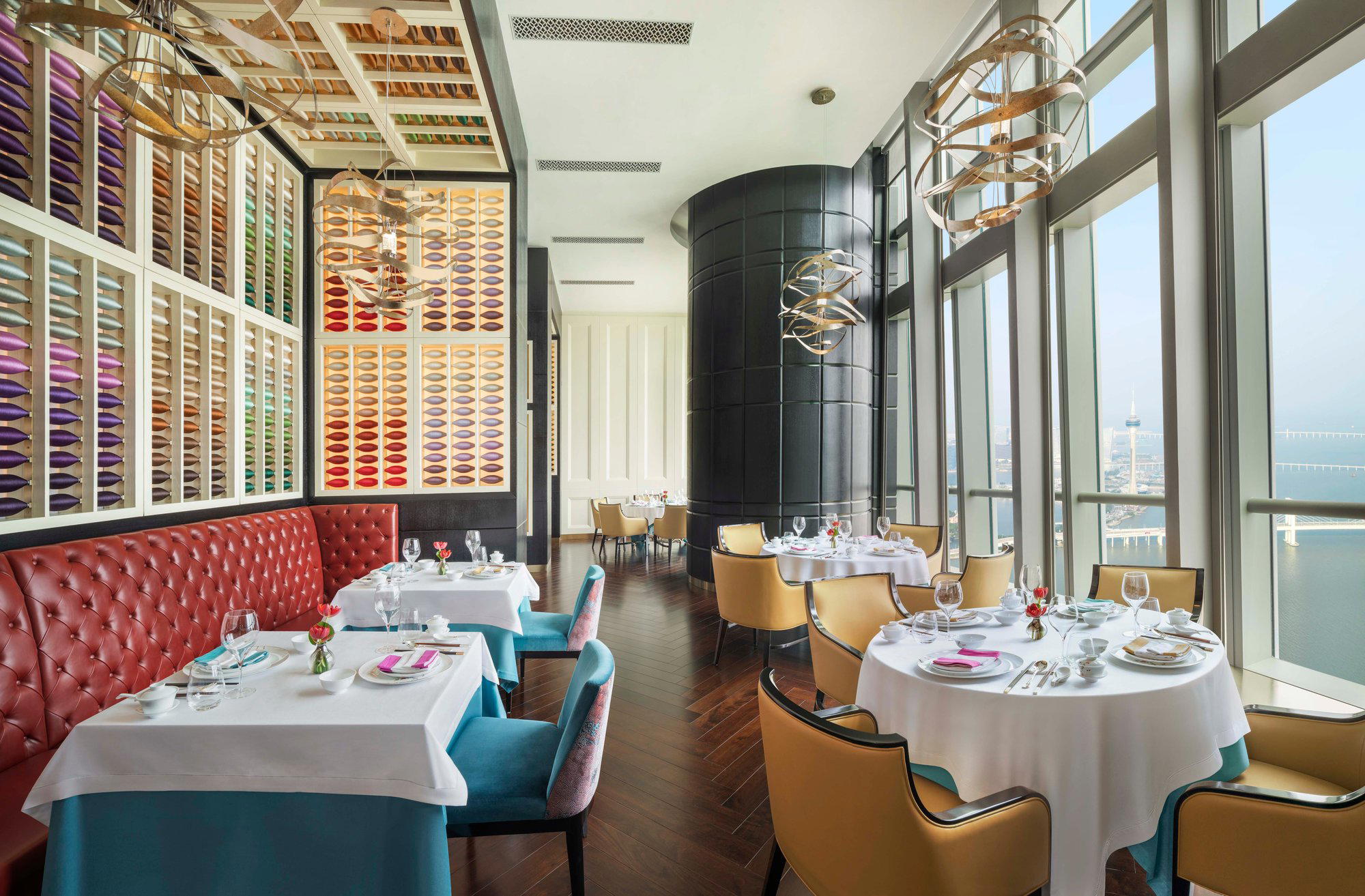
Dark and luxurious with intimate lighting creating good privacy and a formal yet comfortable atmosphere.