Wren & Wolf
Our verdict
Wren & Wolf occupies a ground-floor address at 2 N Central Ave in downtown Phoenix, positioning itself inside the city's evolving fine-dining corridor. The format suggests a progression-driven dining experience in a market that has grown considerably more ambitious over the past decade. Current details on booking, hours, and menu format should be confirmed directly with the venue before visiting.

Pearl is the En Primeur Club membership app, where members save venues, book tables and use the concierge.
The menu
What to order
- Bone marrow
- Beef carpaccio
- Duck confit poutine
- Wild boar ragu
- Australian wagyu
- Butter cake
Downtown Phoenix and the Case for Progression-Driven Dining
Central Avenue in downtown Phoenix tells a particular story about where the city's restaurant ambitions have landed. The corridor runs through a district that, over the past decade, has shifted from a daytime business address into something that holds its own after dark, with a cluster of restaurants operating at price points and format levels that would have seemed implausible in the Phoenix of fifteen years ago. Wren & Wolf sits at 2 N Central Ave, suite 101, anchored in that conversation. The address alone places it in dialogue with the broader question of what downtown Phoenix dining is becoming, and whether the city has built enough of a dining culture to sustain venues that ask something of their guests before the first course arrives.
That question matters because Phoenix has historically diffused its dining energy across a sprawling metro rather than concentrating it. The emergence of a genuine downtown corridor changes the calculus, creating the density of foot traffic and critical attention that serious restaurants require. Wren & Wolf, positioned at a street-level Central Avenue address, occupies that newer geography deliberately.
The Arc of the Meal
In cities where multi-course progression formats have taken root most firmly, such as Lazy Bear in San Francisco or Alinea in Chicago, the meal is understood as a structured argument: early courses establish a register, mid-meal courses carry the intellectual and textural weight, and the final sequences resolve the logic set in motion at the start. The sequencing disciplines the kitchen as much as the diner. It demands that each plate earns its position in the order rather than simply existing on the menu as an option.
Venues operating in that format sit in a specific competitive tier, one that prices against experience-led restaurants nationally rather than against casual options locally. That is the frame in which serious progression dining in a secondary American market should be understood. Comparable operations elsewhere, from Single Thread Farm in Healdsburg to Addison in San Diego, demonstrate that the Southwest and West Coast have developed the audience for this format outside of the primary coastal markets. Phoenix, with its growing population of visitors and transplants from Los Angeles and the Bay Area, has an increasingly relevant guest base for that proposition.
The physical entry to a venue sets expectations before any food arrives. A suite-level address on Central Avenue, at street grade, means the approach is urban and direct, without the remove of a hotel lobby or the theater of a hidden entrance. That kind of transparency in format is consistent with where serious American fine dining has moved in the past several years, away from the mystification of the speakeasy era and toward environments that communicate confidence through material and light rather than obscurity.
Phoenix in the Broader American Fine-Dining Conversation
For context, the American fine-dining tier that Wren & Wolf appears to aim toward is anchored by institutions: The French Laundry in Napa, Le Bernardin in New York City, and Blue Hill at Stone Barns in Tarrytown represent the upper register of the form. At the regional level, venues like Providence in Los Angeles, Emeril's in New Orleans, and The Inn at Little Washington in Washington show that ambitious tasting formats have found durable audiences well outside New York and San Francisco. Atomix in New York City and 8 1/2 Otto e Mezzo Bombana in Hong Kong extend the comparison internationally, illustrating how much geographic range the format now covers.
Phoenix's own fine-dining lineage runs through places like Vincent Guerithault on Camelback, which established that the metro could support French-informed technique applied to Southwestern ingredients over an extended career. That foundation matters: it proves the market has a longer memory than critics sometimes credit. More recent entrants like Bacanora and Lom Wong demonstrate that the city's appetite has diversified considerably, moving well beyond the steakhouse-and-resort model that dominated for decades. Even beloved casual anchors like Pane Bianco and 5 & Diner reflect how broad the city's dining culture has become across price points.
Planning Your Visit
Given the limited publicly available operational detail on Wren & Wolf at the time of this writing, the most reliable path is direct contact with the venue before planning around it. Downtown Phoenix's Central Avenue address is accessible from the city's light rail network, which simplifies arrival from the airport corridor and surrounding neighborhoods without requiring a car for the evening. Guests accustomed to the booking windows common at progression-format restaurants in larger markets, typically two to four weeks for most slots, longer for weekend prime times, should apply similar planning discipline here. Confirmation of hours, current menu format, and reservation availability directly from the venue will give the clearest picture before committing travel plans. For a broader read on where Wren & Wolf sits within the Phoenix dining scene, our full Phoenix restaurants guide maps the city's options across formats and neighborhoods.
Frequently asked questions
What is the signature dish at Wren & Wolf?
Is Wren & Wolf reservation-only?
How does Wren & Wolf fit into downtown Phoenix's fine-dining scene compared to other ambitious restaurants in the city?
Cuisine Lens
Comparable venues nearby, for context on price, style, and recognition.
| Venue | Cuisine | Price | Awards | Notes |
|---|---|---|---|---|
| Wren & WolfThis venue (the venue you are viewing) | Modern American Steakhouse | $50–100 | Not listed | Not listed |
| Steak 44 | Modern American Steakhouse | $150–200 | OpenTable Top 100 Restaurants | Camlback Corridor |
| Durant's | Classic American Steakhouse | $50–100 | Not listed | Encanto |
| Quiessence | New American Farm-to-Table | $100–150 | Wine Spectator Award of Excellence | Cimarron |
| T. Cook's at Royal Palms Resort & Spa | Modern Mediterranean | $50–100 | Not listed | Camlback Corridor |
| Dahlia Tapas Tequila & Wine | Spanish-Mexican Fusion Tapas | $50–100 | Not listed | Encanto |
Wren & Wolf
Featured Guides

Continue exploring
More in Phoenix
Restaurants in Phoenix
All restaurants in Phoenix →
Bars in Phoenix
All bars in Phoenix →


Details
- Elegant
- Sophisticated
- Modern
- Whimsical
- Energetic
- Lively
- Date Night
- Business Dinner
- Group Dining
- Celebration
- Special Occasion
- After Work
- Design Destination
- Open Kitchen
- Standalone
- Craft Cocktails
- Extensive Wine List
- A La Carte
- Small Plates
- Craft Cocktails
- Wine
- Vegetarian Friendly
- Vegan Options
Current opening hours
- Monday
- 7 AM–9 PM
- Tuesday
- 7 AM–9 PM
- Wednesday
- 7 AM–9 PM
- Thursday
- 7 AM–9 PM
- Friday
- 7 AM–11 PM
- Saturday
- 10 AM–11 PM
- Sunday
- 10 AM–9 PM
Hours can change for holidays and private events. Hours as of .
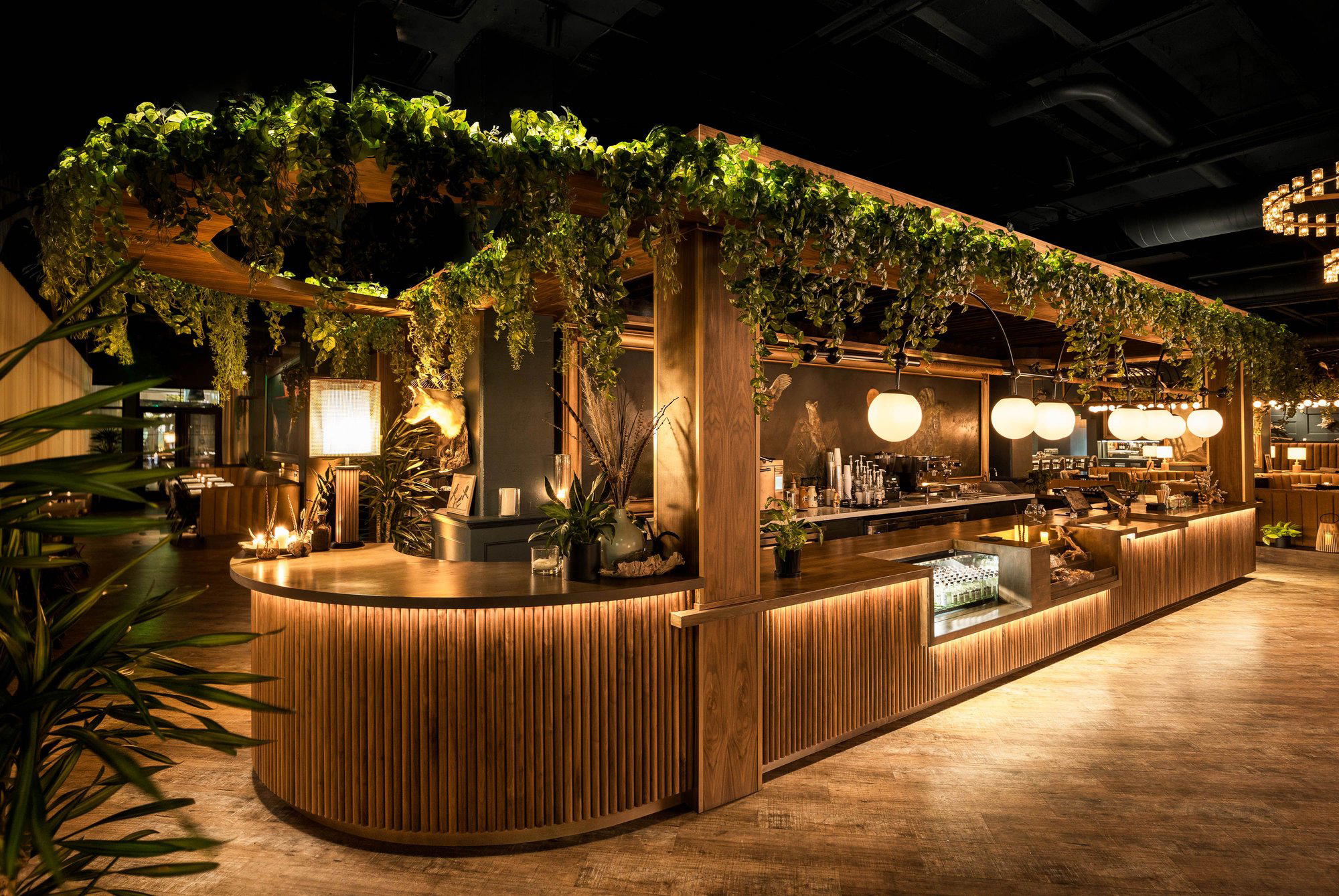
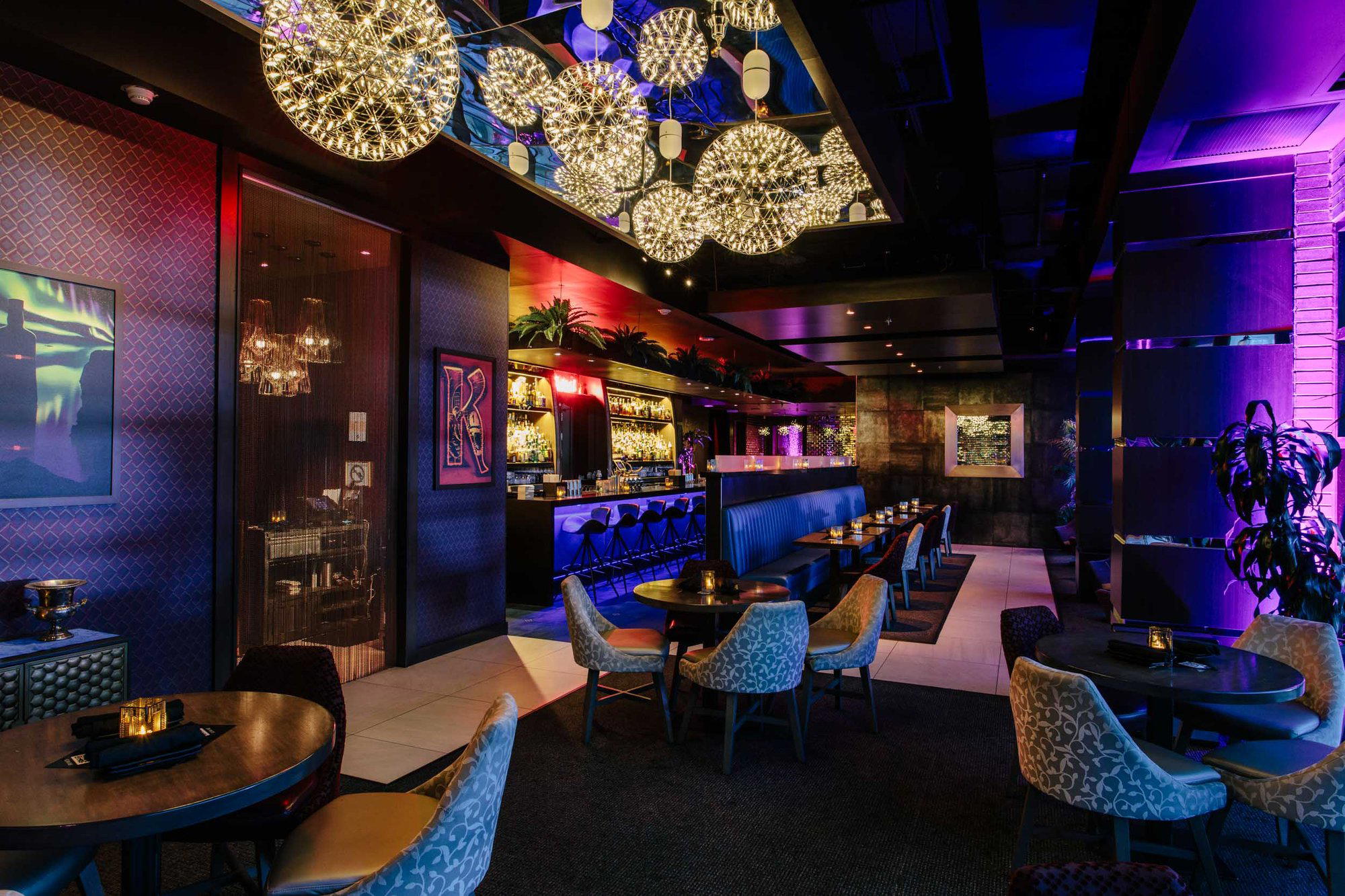
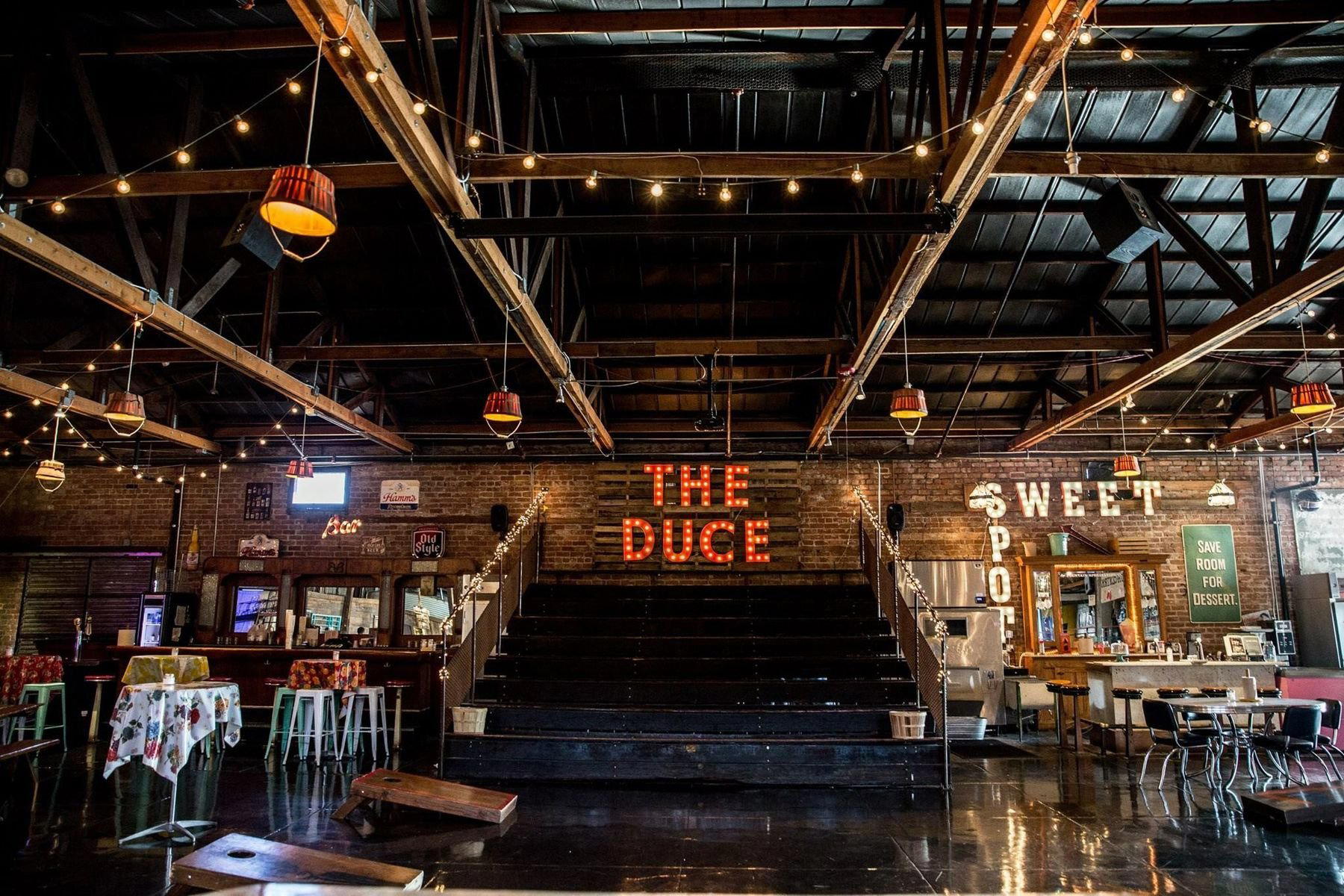
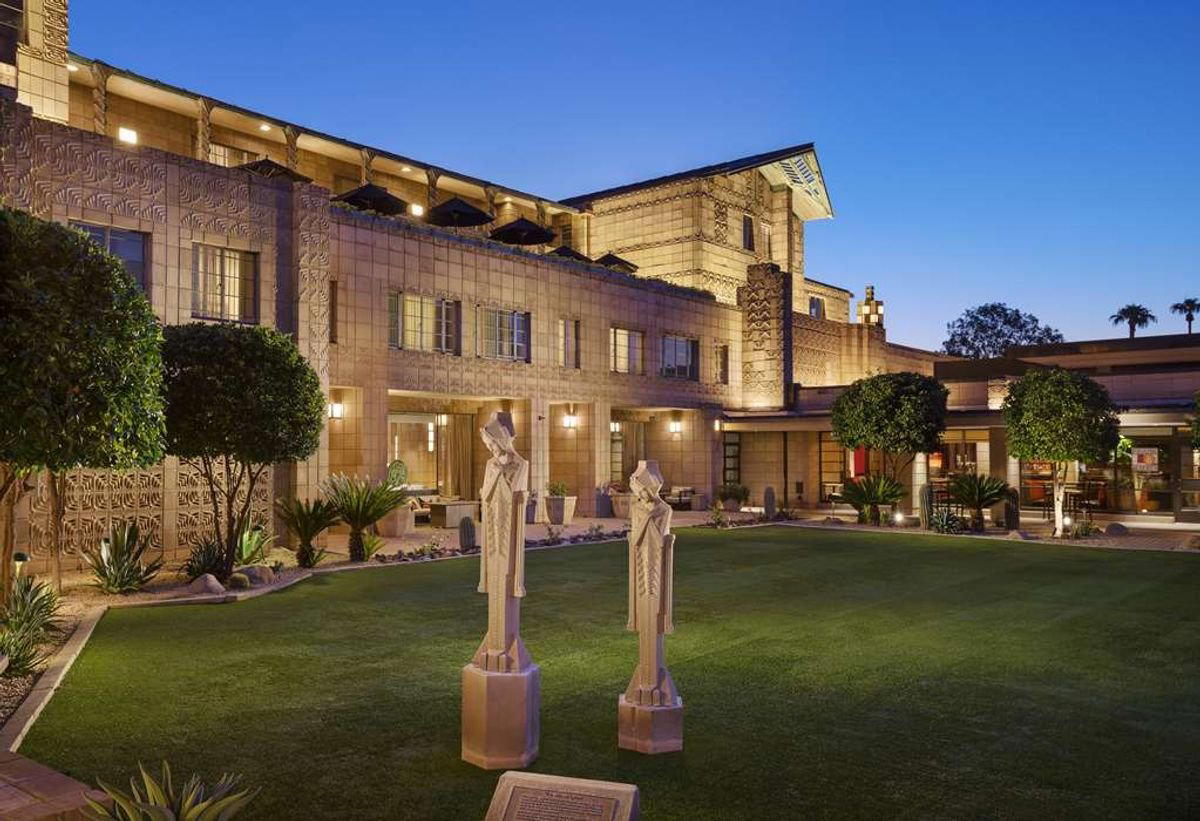
Dimly lit cavernous space with striking design, warm wood tones, rich materials, and otherworldly taxidermy decor that evokes fairytales and Darwin; transforms from stylish daytime coffee destination to moody, high-energy supper club by night.