T. Cook's at Royal Palms Resort & Spa
Our verdict
T. Cook's at Royal Palms Resort & Spa occupies one of Phoenix's most atmospheric dining rooms, a Spanish Colonial property on Camelback Road where the architecture and desert garden setting do as much work as the kitchen. The restaurant operates within a resort tradition that prizes unhurried, occasion-led dining, placing it in a different competitive tier from Phoenix's standalone fine-dining scene.

Pearl is the En Primeur Club membership app, where members save venues, book tables and use the concierge.
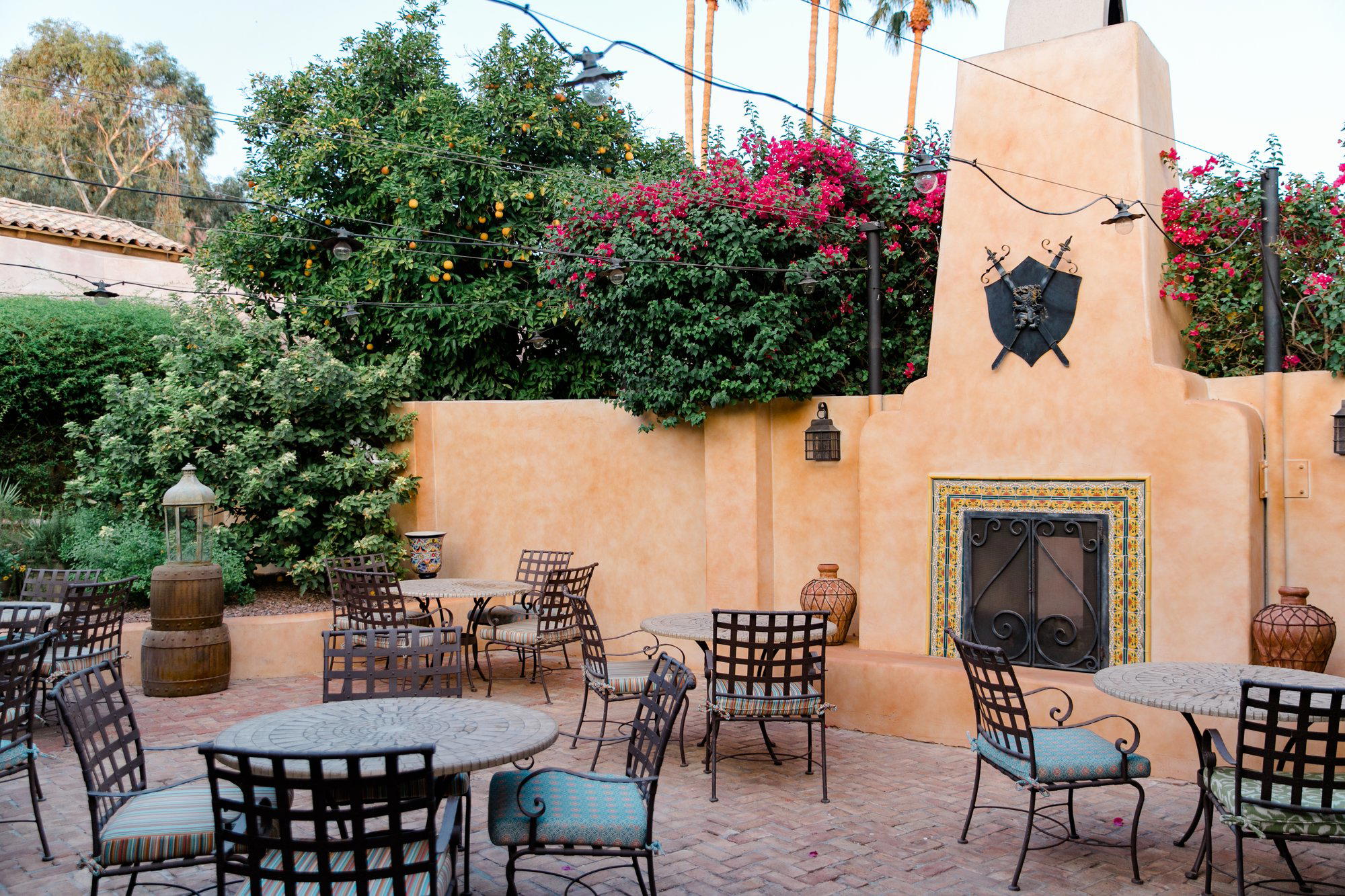
Where the Desert Architecture Does the First Work
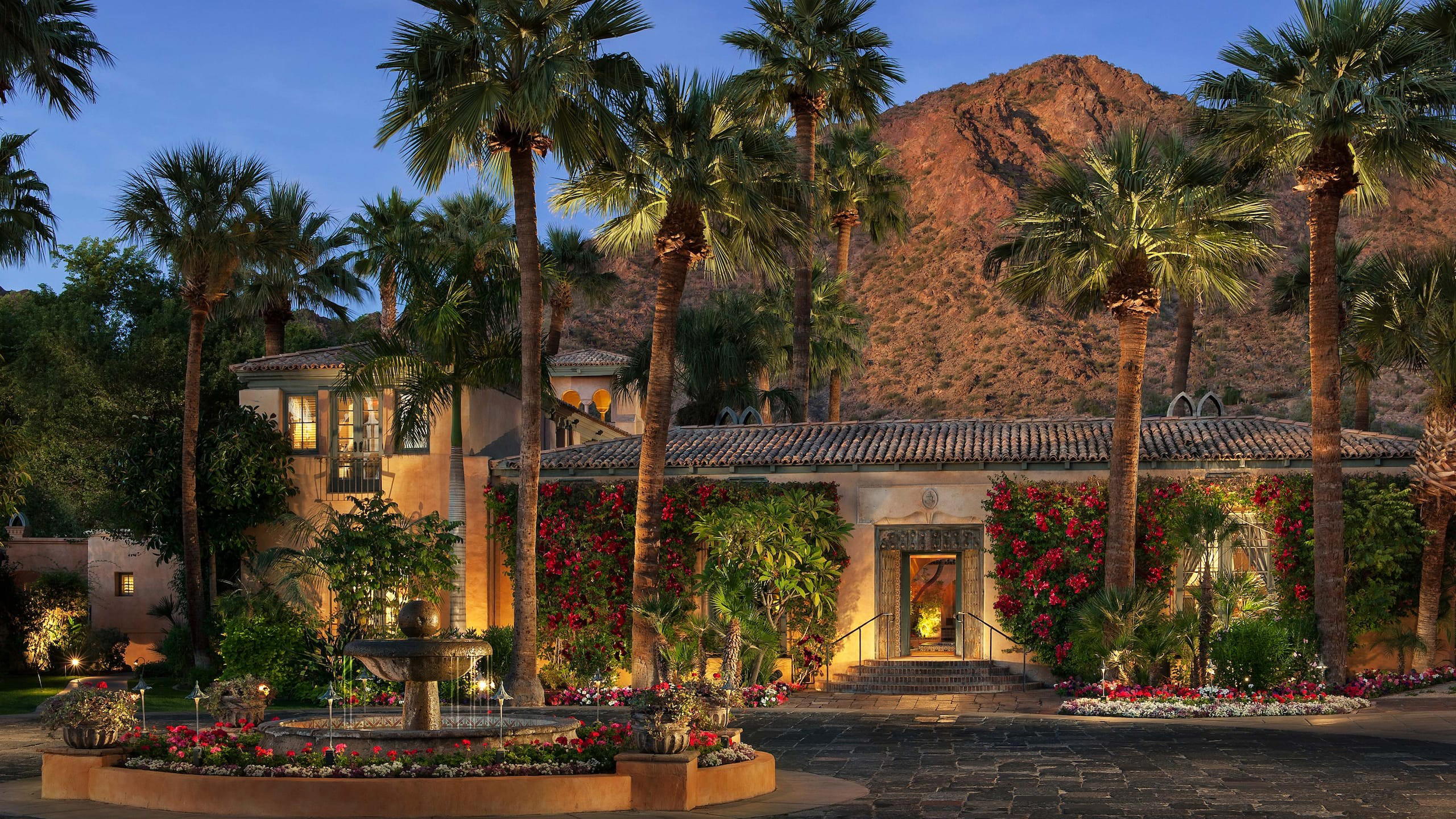
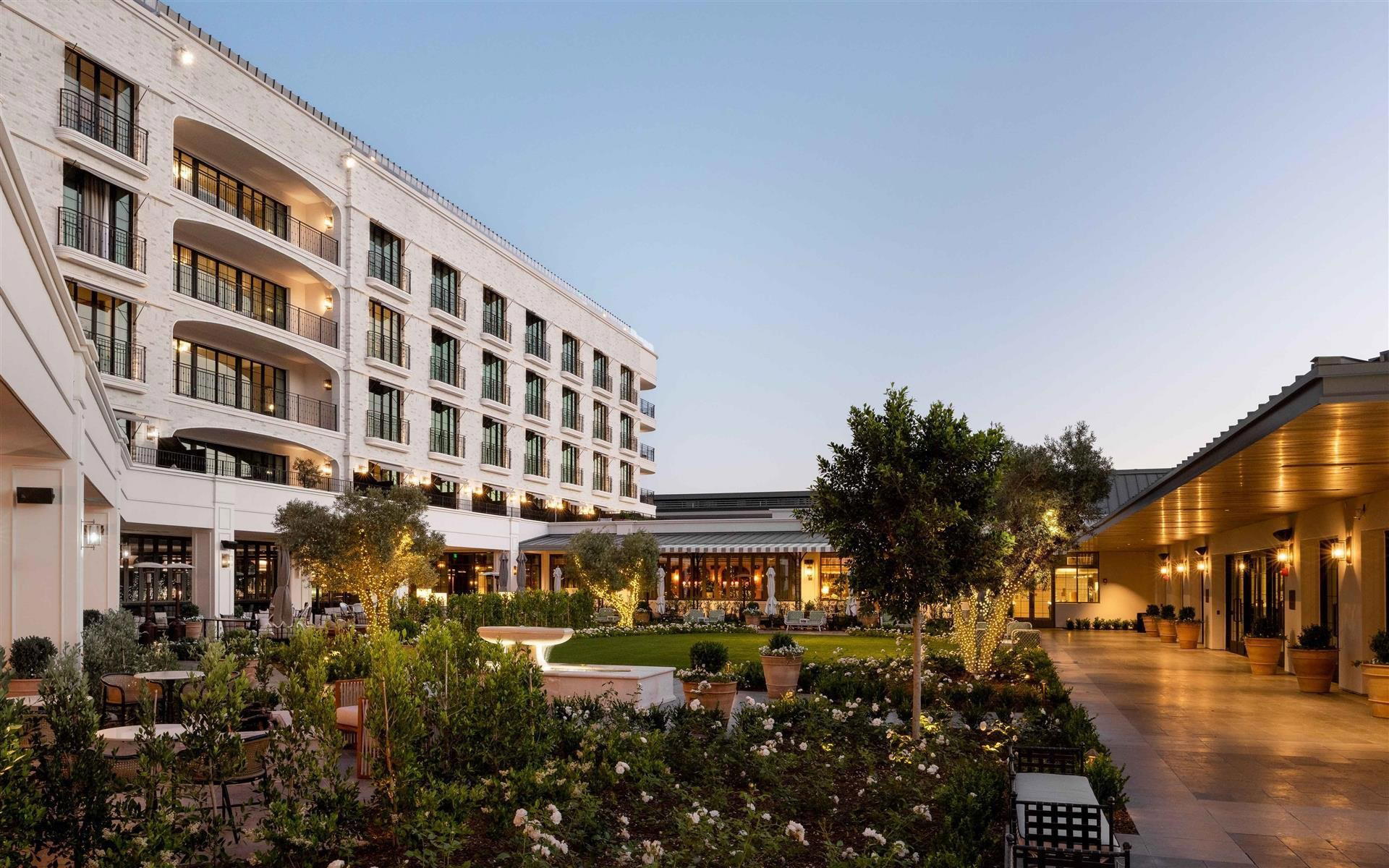
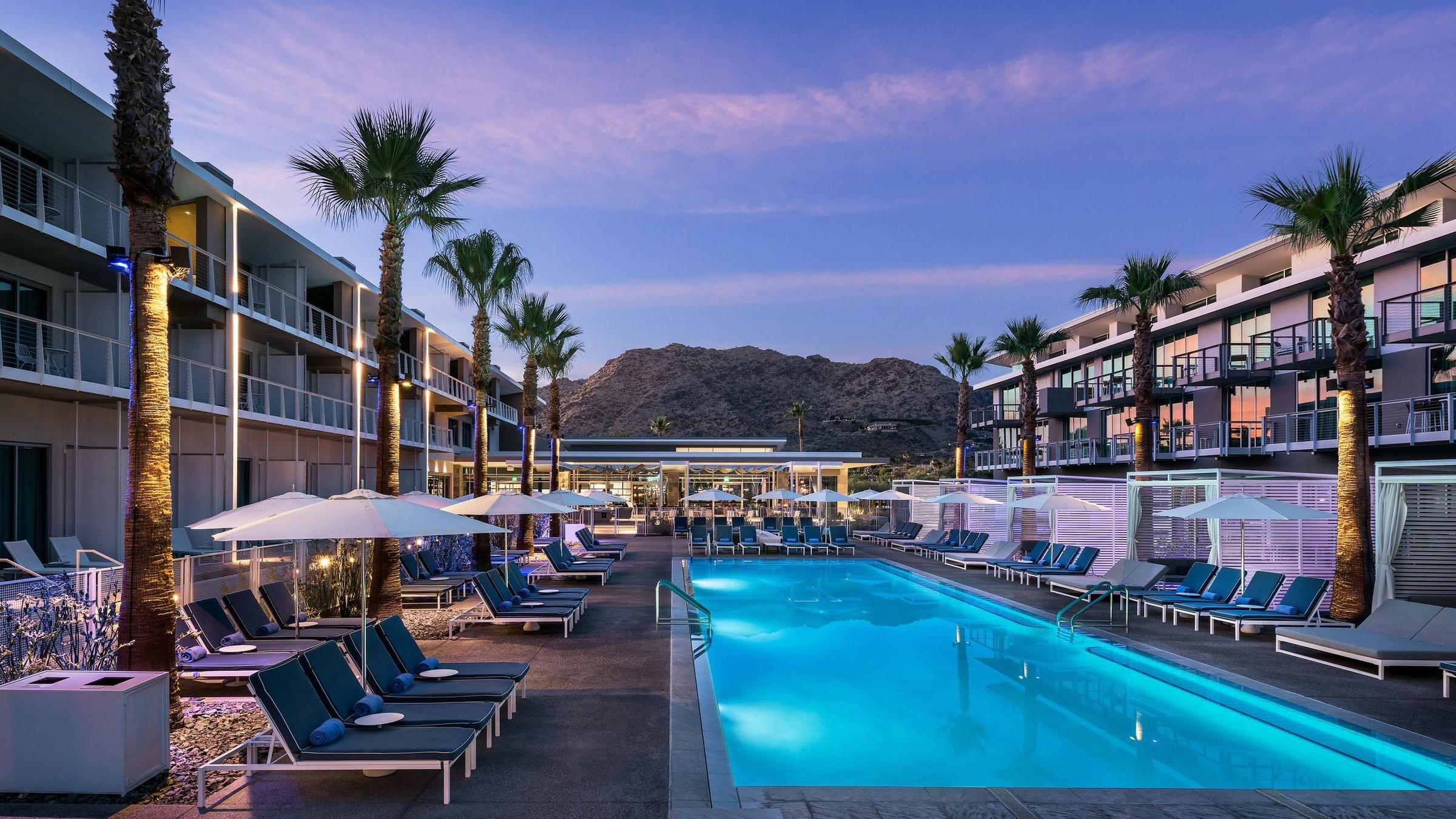
On the eastern flank of Camelback Mountain, where the rock face catches late afternoon light in shades that shift from amber to deep rust, the Royal Palms Resort has been setting a particular kind of mood since the 1920s property was converted into a hotel. T. Cook's, the resort's main restaurant, inherits all of that atmospheric weight. Arriving along East Camelback Road, past the date palms and the terracotta-tiled rooflines, you understand before you've seen a menu that this is a room built for occasions that don't rush. The Spanish Colonial architecture, with its arched doorways, hand-forged ironwork, and thick adobe walls, channels a particular desert-Southwest formality that very few Phoenix dining rooms can replicate through design alone.
Inside, the dining room works on the logic of resort fine dining: enough visual warmth to feel celebratory without tipping into the self-conscious. Warm stone, open fireplaces for the cooler winter months, and a terrace that faces the mountain make the physical environment one of the most considered in the city's upper dining tier. In a Phoenix restaurant scene that increasingly prizes the stripped-back and the informal, a room this deliberately designed occupies its own atmospheric register.
Phoenix Fine Dining, Resort Edition
Arizona's premium dining scene has long operated on a split model. On one side, standalone destination restaurants like Vincent Guerithault on Camelback, which carved out a French-Southwestern niche that reflects the region's border-crossing culinary identity. On the other, resort dining rooms that serve a captive audience of hotel guests while competing for local occasion diners against the standalone tier. T. Cook's sits firmly in the latter category, which shapes everything from its format to its pacing.
Resort restaurant dining at this level in the Southwest tends to lean toward American contemporary menus with regional gestures, a format that allows broad appeal across a hotel guest demographic while still signalling culinary seriousness to local diners. The challenge for any resort restaurant in this tier is earning the repeat patronage of the local dining public, who have no obligation to return the way overnight guests do. Phoenix's food culture has grown considerably more demanding over the past decade, with the city's independent scene developing serious depth across categories including Sonoran-inflected cooking at places like Bacanora and Thai cooking at Lom Wong. Against that backdrop, resort dining rooms earn local loyalty through consistency, setting, and occasion-format reliability rather than boundary-pushing cooking.
Seasons and the Desert Calendar
The timing question matters significantly for any Phoenix dining experience framed around outdoor or architectural atmosphere. T. Cook's terrace, with its direct sightline toward Camelback Mountain, reads very differently in January than in July. The winter months, roughly October through April, constitute Phoenix's primary dining season: evenings are cool enough for outdoor seating, the mountain catches golden-hour light with particular clarity, and the resort occupancy that fills the dining room with out-of-state visitors peaks during this window. Visitors arriving from colder cities during the winter months find the terrace dining format almost theatrical in its contrast to what they've left behind.
The summer months bring a different calculus. Phoenix temperatures above 110°F in June and July push the dining experience almost entirely indoors, and resort occupancy drops, which can affect the energy of a dining room that performs leading when full. For first-time visitors, the October-to-April window is the season when the setting earns its keep most fully. Planning around that window also aligns with peak event programming at the resort, which often includes seasonal dinners and private event formats.
Where T. Cook's Sits in the Wider Fine-Dining Conversation
Nationally, resort-integrated fine dining has evolved into a serious tier. Properties like Single Thread Farm in Healdsburg and The Inn at Little Washington demonstrate what happens when a resort dining room aspires to compete directly with the world's most recognized destination restaurants. At those properties, the accommodation exists partly to support the dining experience. T. Cook's operates on a more traditional resort model, where the dining room serves the broader resort identity rather than the other way around.
That distinction matters for how you frame the visit. Travelers who come to Phoenix for dining at the caliber of Le Bernardin, The French Laundry, Lazy Bear, or Smyth will calibrate expectations accordingly. T. Cook's is not operating in that competitive set. Its peer comparison is resort dining rooms that prize setting, service consistency, and broad menu execution over avant-garde cooking: properties where a table by the fireplace or on the terrace is as much of the point as what arrives on the plate.
Within Phoenix specifically, the restaurant's position on Camelback Road places it in a corridor that has historically concentrated the city's higher-end dining. The address and the resort context both signal a price point and formality level that distinguishes T. Cook's from the more accessible end of the city's dining options, including the casual counter culture represented by Pane Bianco or the diner format of 5 & Diner. Other US fine-dining comparisons worth considering for broader context include Providence in Los Angeles, Addison in San Diego, Blue Hill at Stone Barns, Emeril's in New Orleans, and internationally, Atomix in New York City and Atelier Moessmer Norbert Niederkofler in Brunico, each representing the range of what serious destination dining looks like at different points on the ambition spectrum.
Planning Your Visit
T. Cook's is located at 5200 E Camelback Rd, Phoenix, AZ 85018, on the grounds of the Royal Palms Resort and Spa. As a resort restaurant, it is accessible to non-hotel guests, though securing a reservation in advance is advisable during the October-to-April peak season, when the dining room serves both resort guests and local occasion diners simultaneously. For special events and holiday periods within that window, lead time of several weeks is a reasonable expectation. The resort setting means valet parking is available, which simplifies arrival on a property that prioritizes the approach experience. For a full picture of where T. Cook's fits among Phoenix's broader dining options, see our full Phoenix restaurants guide.
Frequently asked questions
Where exactly is T. Cook's at Royal Palms Resort & Spa?
T. Cook's at Royal Palms Resort & Spa is located at 5200 E Camelback Rd, Phoenix, AZ 85018, Phoenix.
Is T. Cook's a good option for dining at Royal Palms Resort without staying overnight?
T. Cook's accepts outside reservations, making it accessible to Phoenix residents and visitors not booked into the Royal Palms Resort & Spa. The restaurant sits within the resort grounds on Camelback Road, and non-guests can access the property for dinner service. This dynamic places T. Cook's alongside Phoenix resort restaurants like elements at Sanctuary that have built independent dining reputations separate from their hotel context.
What's the signature dish at T. Cook's at Royal Palms Resort & Spa?
Specific menu details for T. Given the restaurant's location within the Royal Palms Resort at 5200 E Camelback Rd, Phoenix, the kitchen has historically drawn on Southwestern and Mediterranean-leaning preparations suited to Arizona's desert produce calendar. For the current menu, contacting the resort directly is the most reliable approach.
Should I book T. Cook's at Royal Palms Resort & Spa in advance?
As the principal dining room of the Royal Palms Resort & Spa on Camelback Mountain, T. Cook's serves both hotel guests and outside reservations, which compresses available covers during Phoenix's high season from October through April. Weekend evenings and holiday periods fill earliest. Booking at least two to three weeks ahead during the winter months is a practical baseline for non-guests.
What is T. Cook's at Royal Palms Resort & Spa known for?
T. Cook's occupies a distinct position in Phoenix's fine-dining split between standalone destination restaurants and resort dining rooms. Situated on the eastern flank of Camelback Mountain at the Royal Palms Resort, the restaurant is associated with its architectural setting and terrace service, where the mountain backdrop and desert light shape the atmosphere as much as the kitchen does. It competes in the same conversation as other Arizona resort dining programs that have moved well beyond hotel-standard cooking.
Do they accommodate allergies at T. Cook's at Royal Palms Resort & Spa?
Allergy accommodation policies at T. Cook's are not detailed in available venue records. Resort restaurants at this tier in Phoenix generally handle dietary restrictions through advance notice at the time of reservation. Contacting the Royal Palms Resort directly at 5200 E Camelback Rd, Phoenix, AZ 85018 before arrival is the recommended course of action for guests with serious dietary requirements.
Cuisine-First Comparison
Comparable venues nearby, for context on price, style, and recognition.
| Venue | Cuisine | Price | Awards | Notes |
|---|---|---|---|---|
| T. Cook's at Royal Palms Resort & SpaThis venue (the venue you are viewing) | Dining | $50–100 | Not listed | Not listed |
| Durant's | Classic American Steakhouse | $50–100 | Not listed | Encanto |
| The Compass | New American with International Influences | $50–100 | Not listed | Copper Square |
| Christopher's at Wrigley Mansion | Modern French Fine Dining | $300–500 | Michelin Plate | Wrigley Mansion |
| Dahlia Tapas Tequila & Wine | Spanish-Mexican Fusion Tapas | $50–100 | Not listed | Encanto |
| The Stockyards Steakhouse | Classic Arizona Steakhouse | $50–100 | Not listed | Minnesota Court |

Continue exploring
More in Phoenix
Restaurants in Phoenix
All restaurants in Phoenix →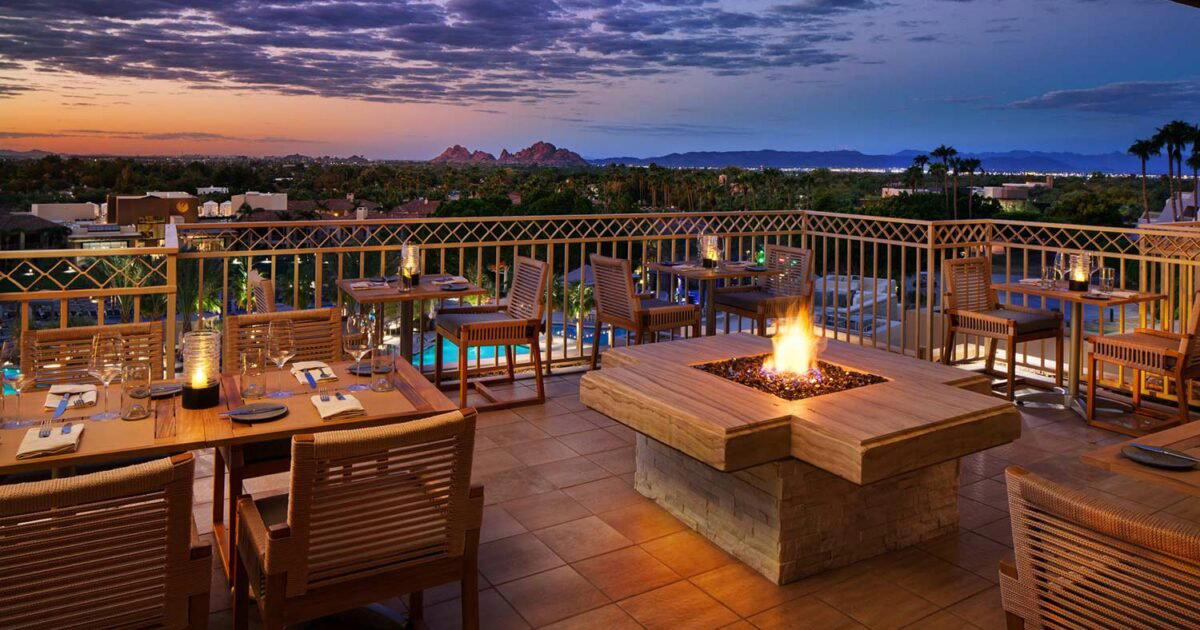
Bars in Phoenix
All bars in Phoenix →
Details
- Romantic
- Elegant
- Sophisticated
- Intimate
- Classic
- Date Night
- Special Occasion
- Garden
- Terrace
- Hotel Bar
- Mountain
- Garden
Current opening hours
- Monday
- 6:30 AM–1:30 PM, 5:30–9 PM
- Tuesday
- 6:30 AM–1:30 PM, 5:30–9 PM
- Wednesday
- 6:30 AM–1:30 PM, 5:30–9 PM
- Thursday
- 6:30 AM–1:30 PM, 5:30–9 PM
- Friday
- 6:30 AM–1:30 PM, 5:30–9:30 PM
- Saturday
- 6:30 AM–1:30 PM, 5:30–9:30 PM
- Sunday
- 6:30 AM–1:30 PM, 5:30–9 PM
Hours can change for holidays and private events. Hours as of .
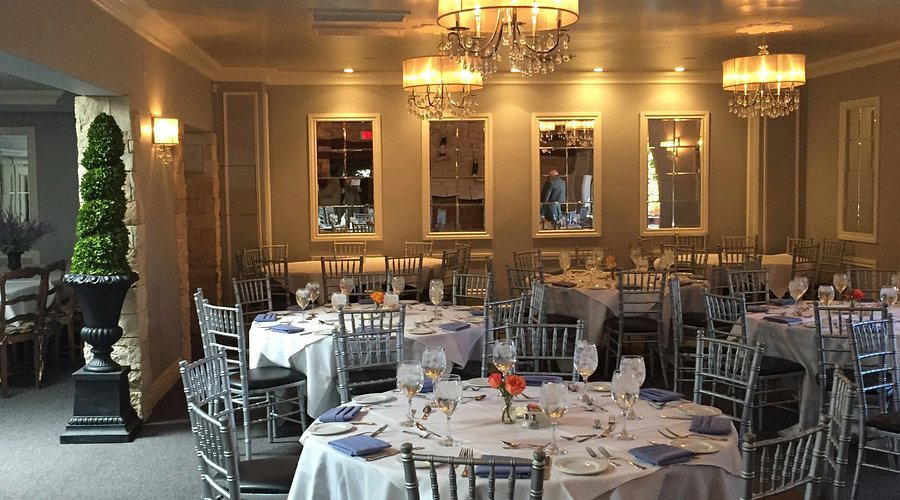
Intimate atmosphere with soft lighting from wrought iron chandeliers, vaulted wood-beamed ceilings, rich earthen tones, and floor-to-ceiling windows overlooking lush gardens and mountains.