Wingboy Parramatta sits on Church Street in Sydney's western commercial centre, where the city's most diverse dining population converges on a strip that punches well above its postcode in variety and value. The venue operates in a category where sourcing decisions and format discipline matter as much as the food itself, placing it inside a broader western Sydney story about what casual dining can look like when it takes its ingredients seriously.
Pearl is the En Primeur Club membership app — saves, bookings, and concierge access live there. Same editors, same standards.
- Address
- 279/281 Church St, Parramatta NSW 2150, Australia
- Phone
- +61291284440
- Website
- wingboy.com.au
- Directions
- Get directions
 Saves & bookings on Pearl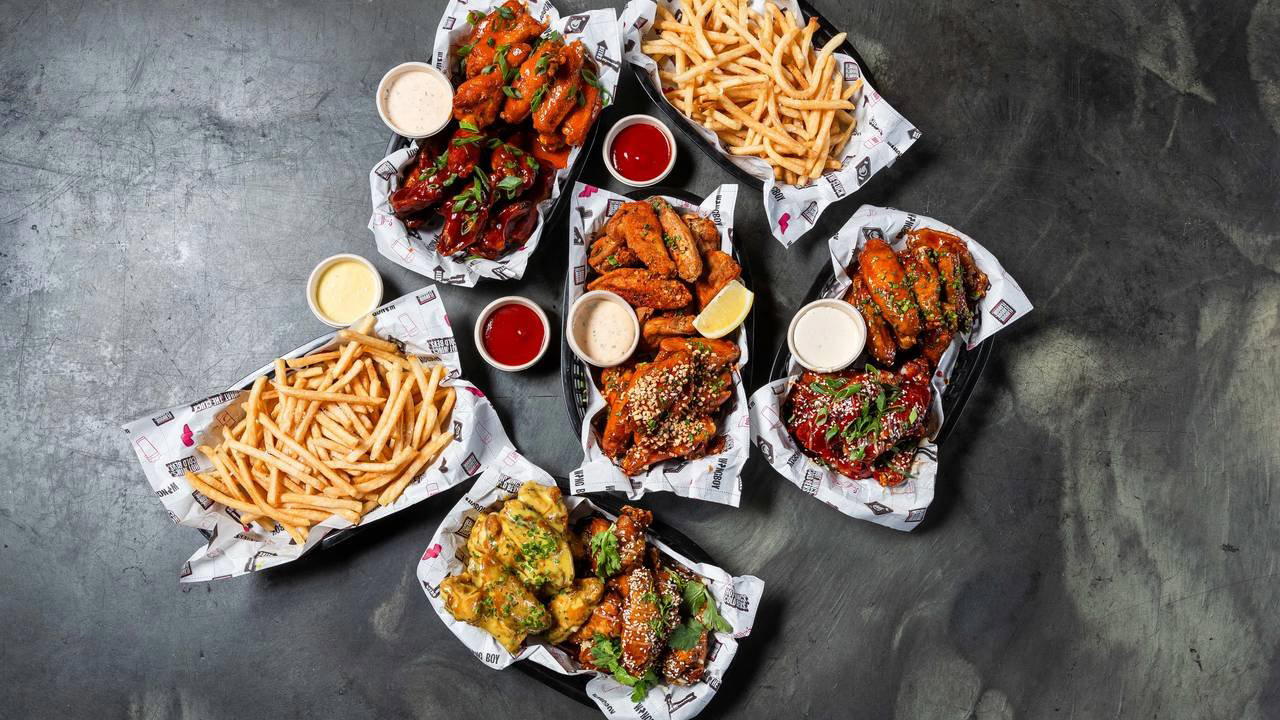
Church Street in a New Season
By the time summer crowds thin and Parramatta's office lunch trade settles into its autumn rhythm, Church Street operates at a register that most inner-city diners don't think to look for. The strip at 279–281 is a stretch where Vietnamese bakeries, Lebanese charcoal kitchens, and Korean fried chicken counters exist in close proximity, each competing on specificity rather than spectacle. It is in this context — western Sydney's genuinely plural food culture, rather than the curated multiculturalism of, say, Surry Hills — that Wingboy Parramatta sits.
The physical approach is consistent with how much of this part of Church Street presents: street-level, direct, without the design theatrics that signal ambition in inner-Sydney dining rooms. What matters here is what arrives on the table and where it came from, a question that the better operators on this strip take more seriously than the neighbourhood's broader reputation tends to suggest.
The Western Sydney Casual Dining Shift
Parramatta has moved through several dining identities in the past decade. For much of the 2010s, the suburb's food story was told almost entirely through its migrant-community restaurants, the Bangladeshi kitchens near the station, the West African spots tucked into Church Street's side streets, the Cantonese seafood restaurants running banquet formats for Saturday families. That story remains intact and, in many places, has deepened. What has changed is the layer sitting alongside it: a generation of casual-format venues that have absorbed the ingredient-consciousness that, a decade ago, lived almost exclusively in fine dining.
Venues like Rockpool and Saint Peter set an expectation about Australian produce sourcing and ethical supply chains at the premium end of Sydney dining. The more interesting current development is how those expectations have filtered into casual formats across the city's west, including venues operating at the kind of price points that make them genuinely accessible to a broad dining population. Wingboy Parramatta sits inside that shift.
Across Sydney more broadly, the casual chicken-focused format has become a useful lens for reading sourcing ethics. These signals matter in a category where the economics of scale tend to push operators toward the cheapest available input.
Sustainability as Format Discipline, Not Marketing
The broader casual dining category in Australia has arrived at a moment where sustainability claims require more than a line on a menu board. The venues that have built genuine ethical sourcing into their operations, Attica in Melbourne at the fine dining tier, Brae in Birregurra in the farm-to-table register, demonstrate that the commitment requires operational changes, not just language changes. At the casual end, where margins are thinner and volume is higher, those changes are harder to make and therefore more significant when they exist.
In western Sydney, the food population this affects most directly is the one that eats out most frequently, working families, shift workers, the large student population clustered around Parramatta's education precinct. For that population, a casual venue that sources with care is not an aspirational choice; it is part of a daily food infrastructure. That context gives the sustainability question at venues like Wingboy Parramatta a different weight than it carries at destination restaurants reviewed in the weekend press.
For comparison, consider how Johnny Bird in Crows Nest approaches the chicken-forward casual format in a more affluent northern Sydney context, or how bills in Bondi Beach has built a loyal following around transparency and ingredient quality in a coastal casual register. The western Sydney version of that story has different economic pressures and a different audience, which makes the format choices more constrained and the ethical ones more consequential.
Parramatta in the Sydney Dining Conversation
Sydney's dining conversation has historically been shaped by venues operating within a rough triangle defined by the CBD, the eastern suburbs, and the inner west. Venues in that geography, 10 William St, 10 Pounds, 1021 Mediterranean, attract a disproportionate share of critical attention relative to their actual share of Sydney's eating population. Parramatta, by contrast, feeds a much larger and more diverse population with far less editorial coverage.
That gap is slowly closing. The opening of Parramatta's cultural precinct, the growth of the Westmead health and education cluster, and the residential densification of the broader area have pulled a new dining demographic westward. The effect on the food strip along Church Street has been gradual but visible: the venue mix has expanded without displacing the community restaurants that gave it character in the first place.
For diners oriented toward Sydney's inner dining circuit, venues like Bayly's Bistro in Kirribilli or Bar Carolina in South Yarra represent familiar reference points for casual quality. Parramatta operates in a different register, where the competitive set is defined more by value density and sourcing transparency than by design finish or wine list depth. That is not a lesser standard, it is a different one, shaped by a different city.
Regional comparisons are instructive here. Kulcha Restaurant in Wollongong and Hungry Wolfs in Newcastle both operate in regional centres where the dining narrative is being written against a backdrop of commuter populations and strong community food cultures. Parramatta is Sydney's version of that story, a city centre in its own right, not a suburb waiting to be discovered. Our full Sydney restaurants guide covers the broader context for where western Sydney sits within the city's dining map.
Know Before You Go
Address: 279/281 Church St, Parramatta NSW 2150, Australia
Getting There: Parramatta Station (T1 Western Line) is within walking distance of Church Street. Bus connections from Blacktown, Penrith, and the Hills District all terminate near this stretch.
Ideal time to visit: Church Street operates at full capacity on Friday evenings and Saturday afternoons. Midweek lunch offers a quieter entry point into the strip.
The Church Street casual tier generally runs between $15–$35 per person for a full meal.
Continue exploring
More in Sydney
Restaurants in Sydney
Browse all →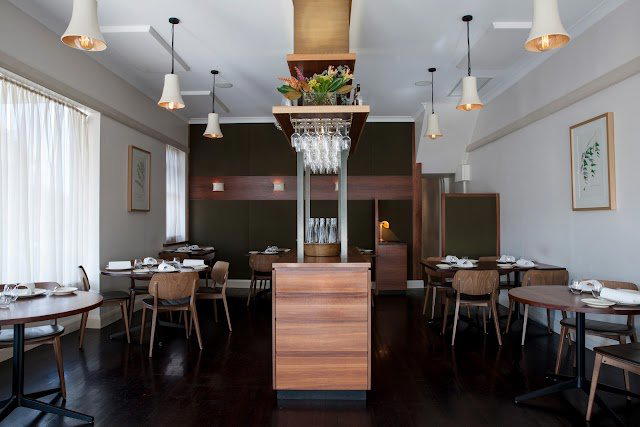
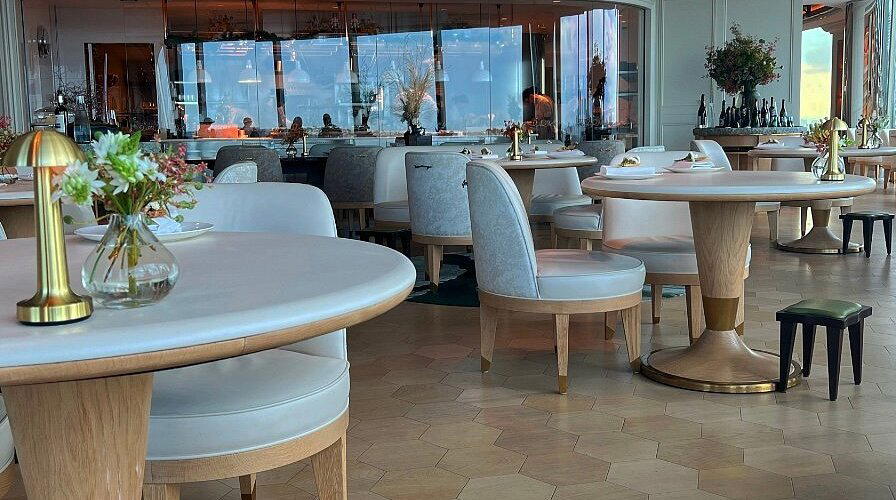
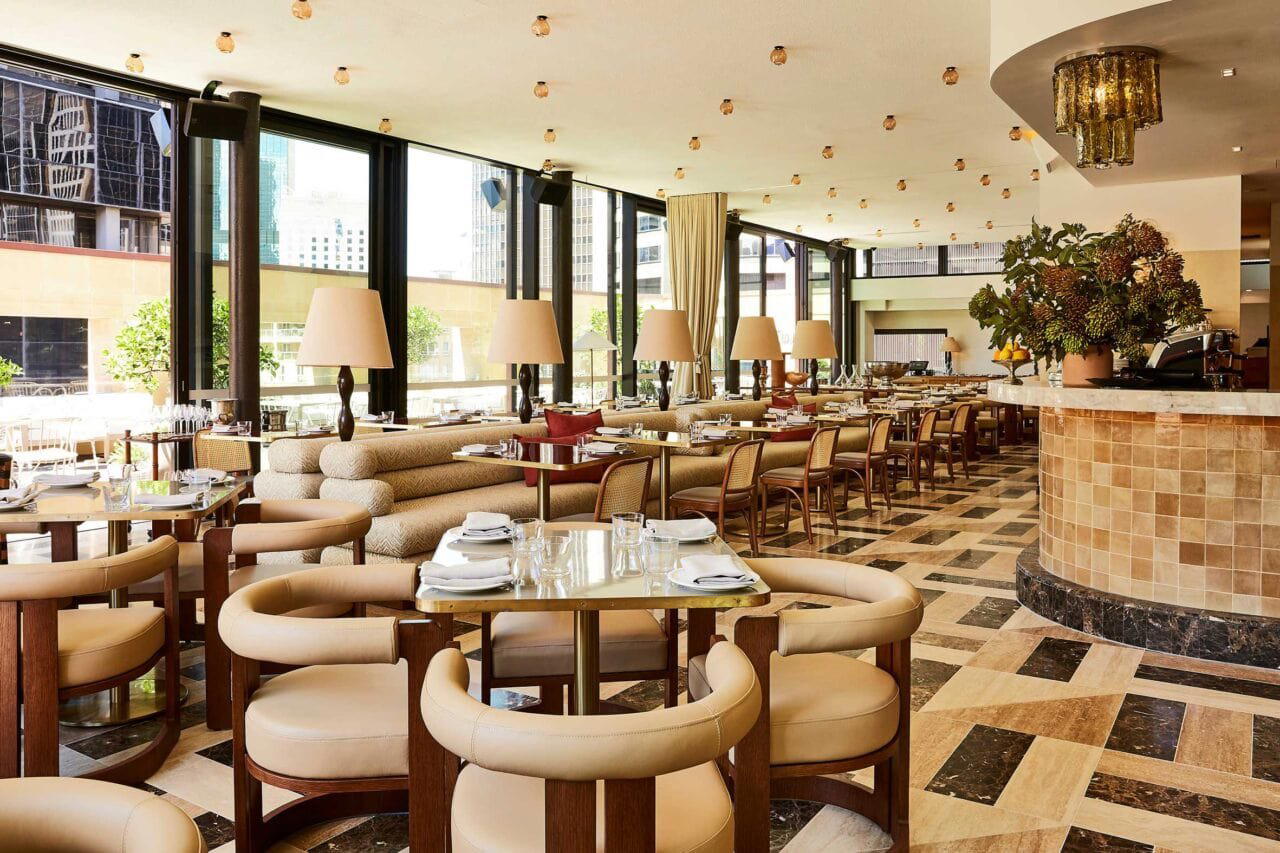
Bars in Sydney
Browse all →
Hotels in Sydney
Browse all →

At a Glance
- Lively
- Energetic
- Trendy
- Group Dining
- Casual Hangout
- After Work
- Beer Program
Current opening hours
- Monday
- 11 AM–9 PM
- Tuesday
- 11 AM–9 PM
- Wednesday
- 11 AM–10 PM
- Thursday
- 11 AM–10 PM
- Friday
- 11 AM–11 PM
- Saturday
- 11 AM–11 PM
- Sunday
- 11 AM–10 PM
Hours can change for holidays and private events. Last verified .
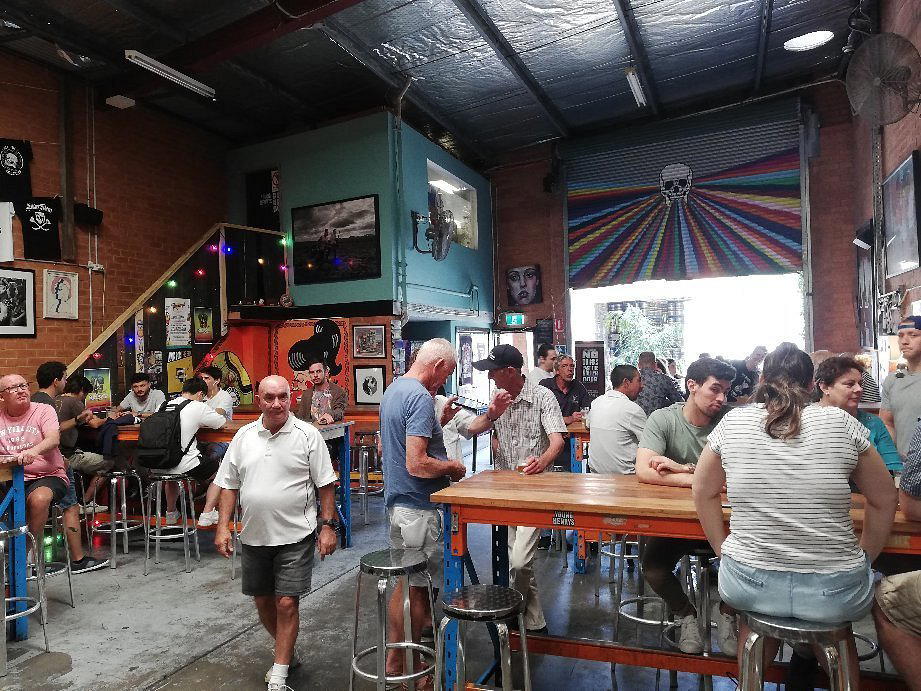
Electric atmosphere with big flavors and friendly casual service.
Know Before You Go
- Getting there
- 279/281 Church St, Parramatta NSW 2150, Australia