JUNE sits in Winston Hills, a suburban Sydney address that puts it outside the inner-city circuit without diminishing its seriousness. For diners willing to travel west, it offers a different register from the harbourside dining room.
Pearl is the En Primeur Club membership app — saves, bookings, and concierge access live there. Same editors, same standards.
- Address
- shop 3/4/7 Lomond Cres, Winston Hills NSW 2153, Australia
- Phone
- +61280003730
- Website
- junewinstonhills.com.au
- Directions
- Get directions
 Saves & bookings on Pearl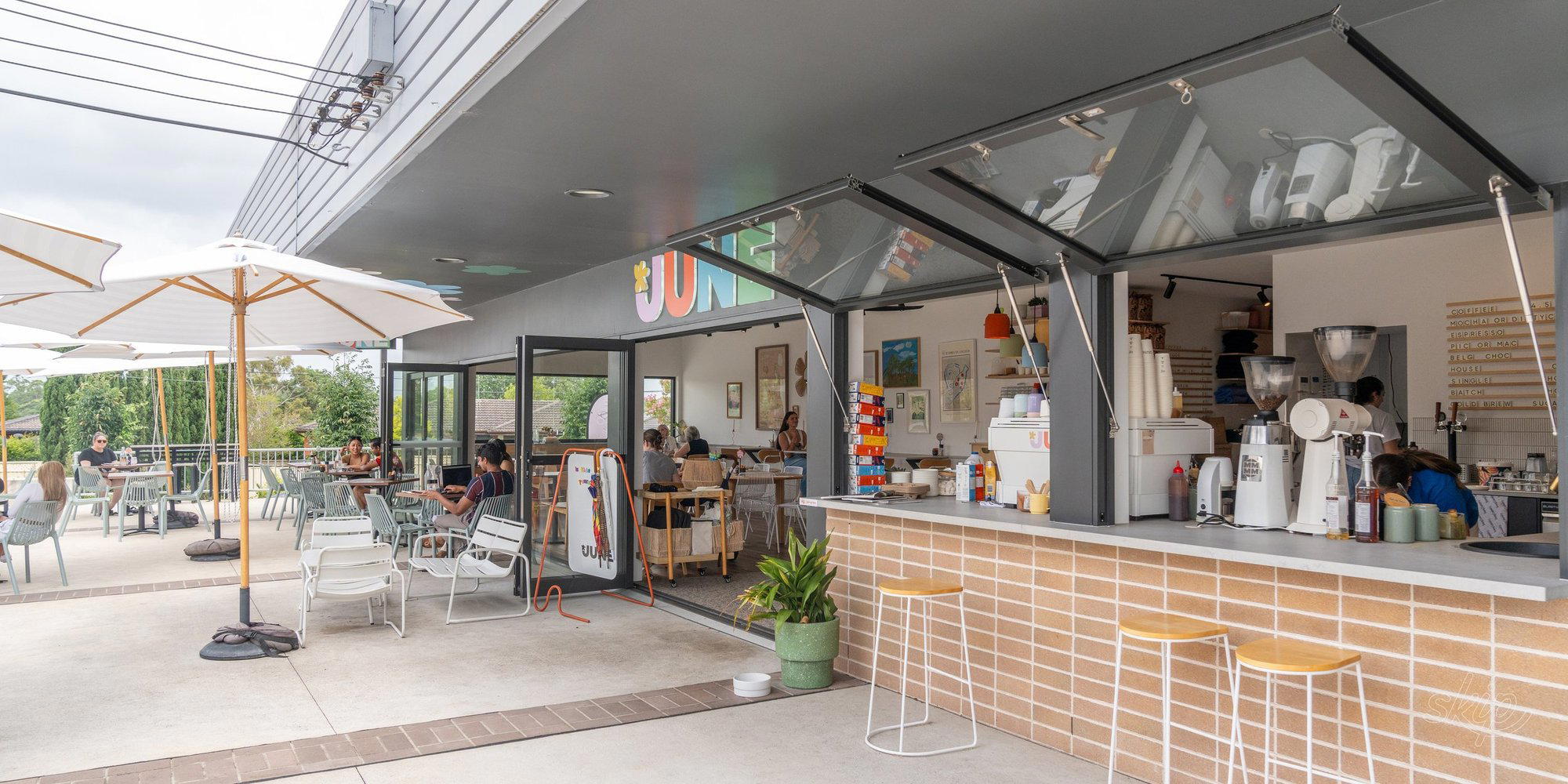
Western Sydney's Quieter Dining Register
Sydney's restaurant conversation tends to collapse around a handful of harbour-adjacent postcodes, which means a venue operating from a Lomond Crescent shopfront in Winston Hills is, almost by definition, working against the current. That positioning is not a liability so much as a signal: kitchens that set up in suburban Western Sydney without the foot traffic, tourism spend, or visibility of the CBD are generally there because the rent structure allows a different kind of focus, one oriented toward the plate rather than the view. JUNE occupies that quieter register, and the question for any diner considering the drive is what that register actually delivers.
Western Sydney's dining scene has matured considerably over the past decade. Neighbourhoods that once sat at the periphery of serious food conversation now host kitchens that draw on the region's multicultural produce networks, its market gardens, and its proximity to supply chains that inner-city venues access only at greater cost and distance. The Hills District, in particular, sits close enough to regional growing areas that ingredient sourcing can be a genuine operational advantage rather than a marketing position. Whether JUNE uses that geography in a deliberate way is worth examining in the context of how Australian restaurants at this level are increasingly expected to account for where their produce comes from.
Ingredient Provenance and the Australian Kitchen
The sourcing conversation in Australian fine and near-fine dining has shifted from optional narrative to expected practice. Restaurants like Saint Peter in Paddington have built their entire identity around traceable, often underutilised Australian seafood, and Rockpool has long anchored its red meat program to specific producers. At the more committed end of this spectrum, Brae in Birregurra operates its own farm, treating provenance as a structural condition of the menu rather than a point of difference. Attica in Melbourne has pushed further still, building menus around native Australian ingredients in ways that connect the plate to a specific ecological and cultural argument.
These are the terms of the current conversation, and they matter because they define what serious Australian cooking is expected to do. A suburban kitchen in Winston Hills does not need to compete directly with these references, but any restaurant that positions itself as a dining destination rather than a neighbourhood convenience is implicitly entering the same broad discussion about what food means in Australia in 2024. The sourcing decisions a kitchen makes, from which farms it calls, which markets it attends, which species it treats as worth cooking, are as telling as any award or review.
For diners accustomed to tracking this conversation through venues like 10 William St or bills in Bondi Beach, the interest in a place like JUNE lies partly in whether a Western Sydney kitchen can make those same arguments with the same conviction. The postcode matters less than the commitment.
The Suburban Format and Its Trade-offs
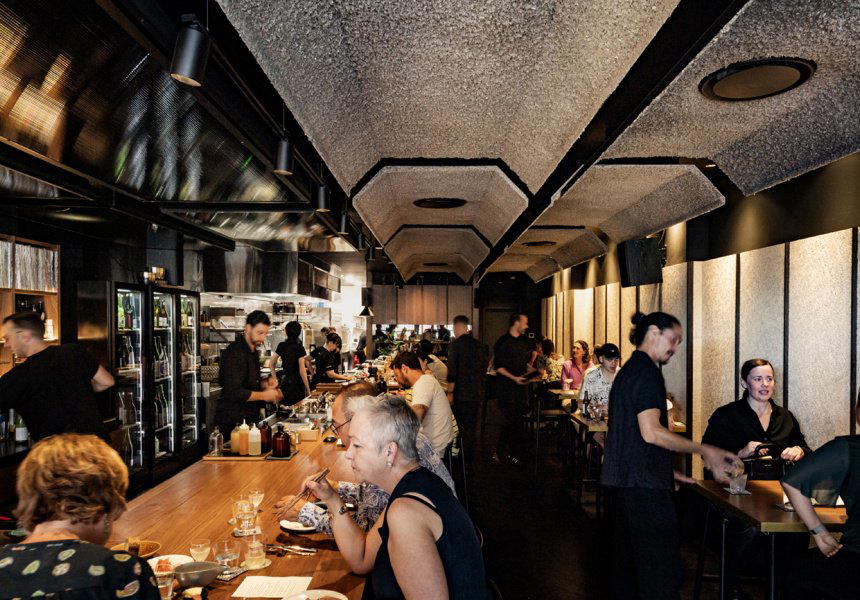
Shop 3/4/7 on Lomond Crescent is a commercial strip address, the kind of location that requires no theatre from its surroundings because there is none. What that format tends to produce, when it works, is a room focused entirely on what arrives at the table. There is no harbour glitter, no sandstone heritage room, no rooftop drama. The experience is transactional in the leading sense: you are there for the food, the service, and the conversation, and the room removes itself from the equation.
This is not an unusual format for serious suburban dining in Australian cities. Venues like Bayly's Bistro in Kirribilli and Johnny Bird in Crows Nest operate from similar strip-retail footprints, and both have built reputations that travel beyond their immediate neighbourhoods. The pattern holds across Australian cities: Barry Cafe in Northcote and Bar Carolina in South Yarra follow comparable logic in Melbourne. The format favours regulars, rewards repeat visits, and tends to produce menus that evolve with the season rather than the tourist calendar.
The practical consideration for JUNE is access. Winston Hills sits roughly 30 kilometres west of the Sydney CBD, making it a destination rather than a drop-in. Public transport options to this part of the Hills District are limited, which means most visitors will arrive by car. That driving commitment tends to self-select the room: the tables fill with people who made a deliberate choice to be there, which changes the energy of a dining room in ways that are difficult to quantify but easy to feel.
Reading JUNE Against the Sydney Scene
Sydney's restaurant field is sufficiently deep that a venue without a Michelin star, a Good Food Guide hat, or a 50 Best placement can still operate at a genuinely high level, particularly in categories that awards programs have historically underweighted. Western Sydney dining, in particular, has long punched above its recognition in multicultural and casual formats, from the Lebanese and Vietnamese kitchens of Lakemba and Cabramatta to the more recent wave of Korean, South Asian, and Middle Eastern venues spreading through Parramatta and its surrounding suburbs.
Venues in different format categories offer useful comparison points. 1021 Mediterranean and 10 Pounds each operate in Sydney with distinct culinary identities that travel on word of mouth rather than institutional recognition. At the international end of the spectrum, kitchens like Le Bernardin in New York City and Atomix represent what sustained awards recognition does to a venue's booking structure and price tier, a trajectory that most suburban Australian restaurants neither pursue nor need. The more instructive comparison is regional: how does JUNE sit relative to venues like Kulcha in Wollongong or Hungry Wolfs in Newcastle, kitchens that operate outside Sydney's core but draw from the same broader New South Wales dining conversation?
The answer, without current verified data on JUNE's menu format, price tier, or awards history, is that it occupies the category of venue that rewards direct investigation. Our full Sydney restaurants guide maps the city's dining by neighbourhood and format, which provides a more complete frame for placing JUNE within the wider field. Venues like Jaani Street Food in Ballarat demonstrate how regional and suburban kitchens can develop strong identities independent of metropolitan recognition structures.
Planning a Visit
JUNE is located at Shop 3/4/7 Lomond Crescent, Winston Hills NSW 2153. The address is in a commercial retail precinct and is most practically reached by car from central Sydney. Given the venue's suburban location and the likelihood that it operates with a smaller team than city-centre restaurants, contacting the venue directly before visiting is the sensible approach for confirming hours, booking availability, and any dietary requirements. Diners with accessibility requirements or specific dietary needs should similarly confirm arrangements in advance, as suburban kitchens at this scale often handle such requests on a case-by-case basis.
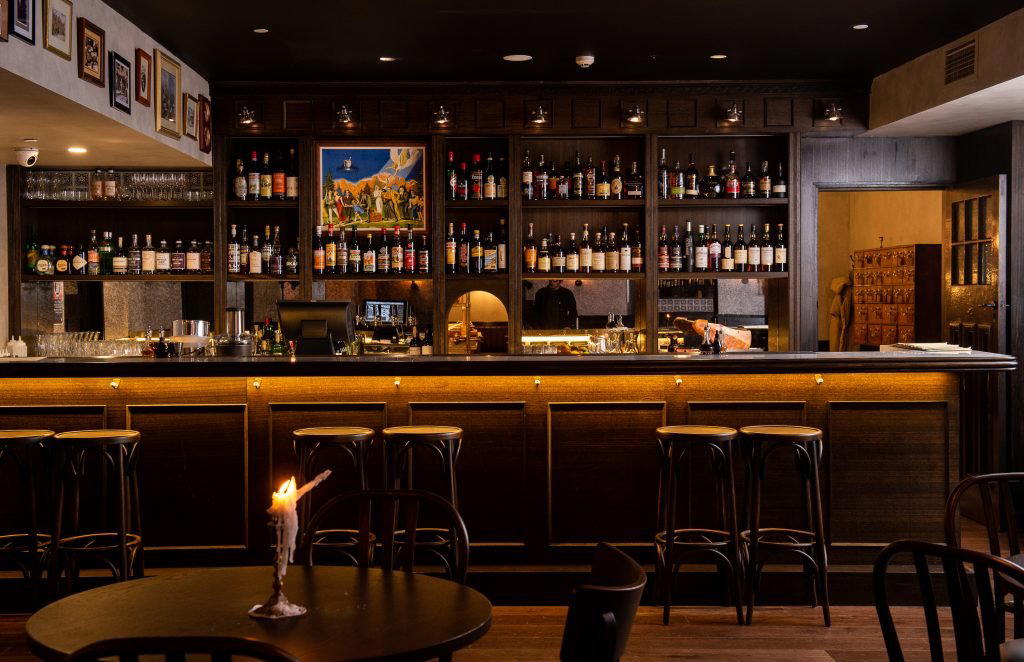
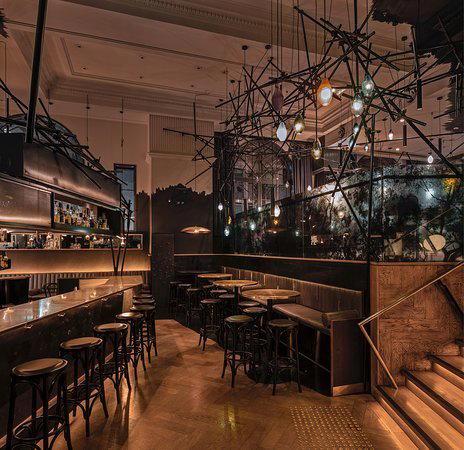
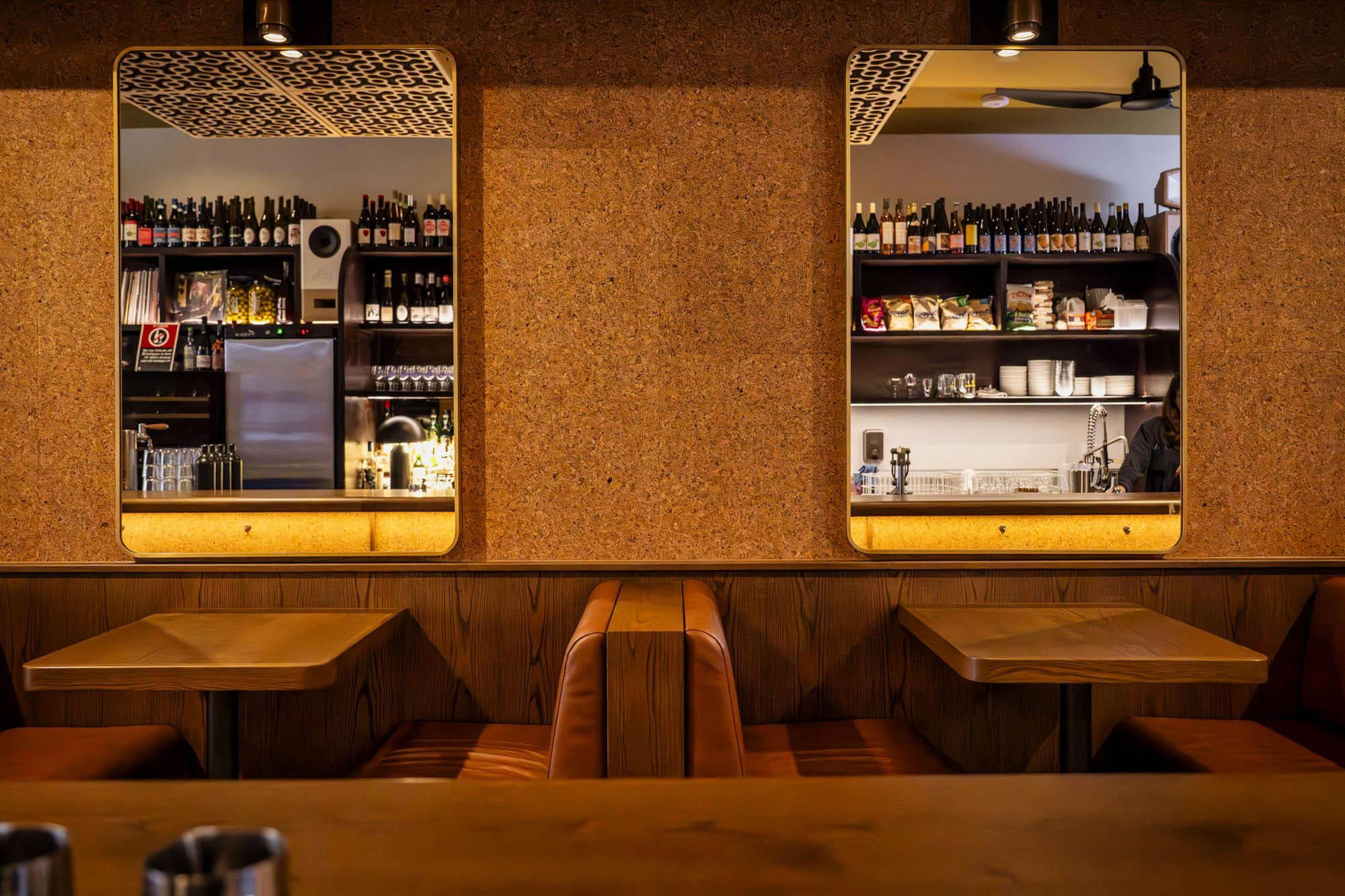
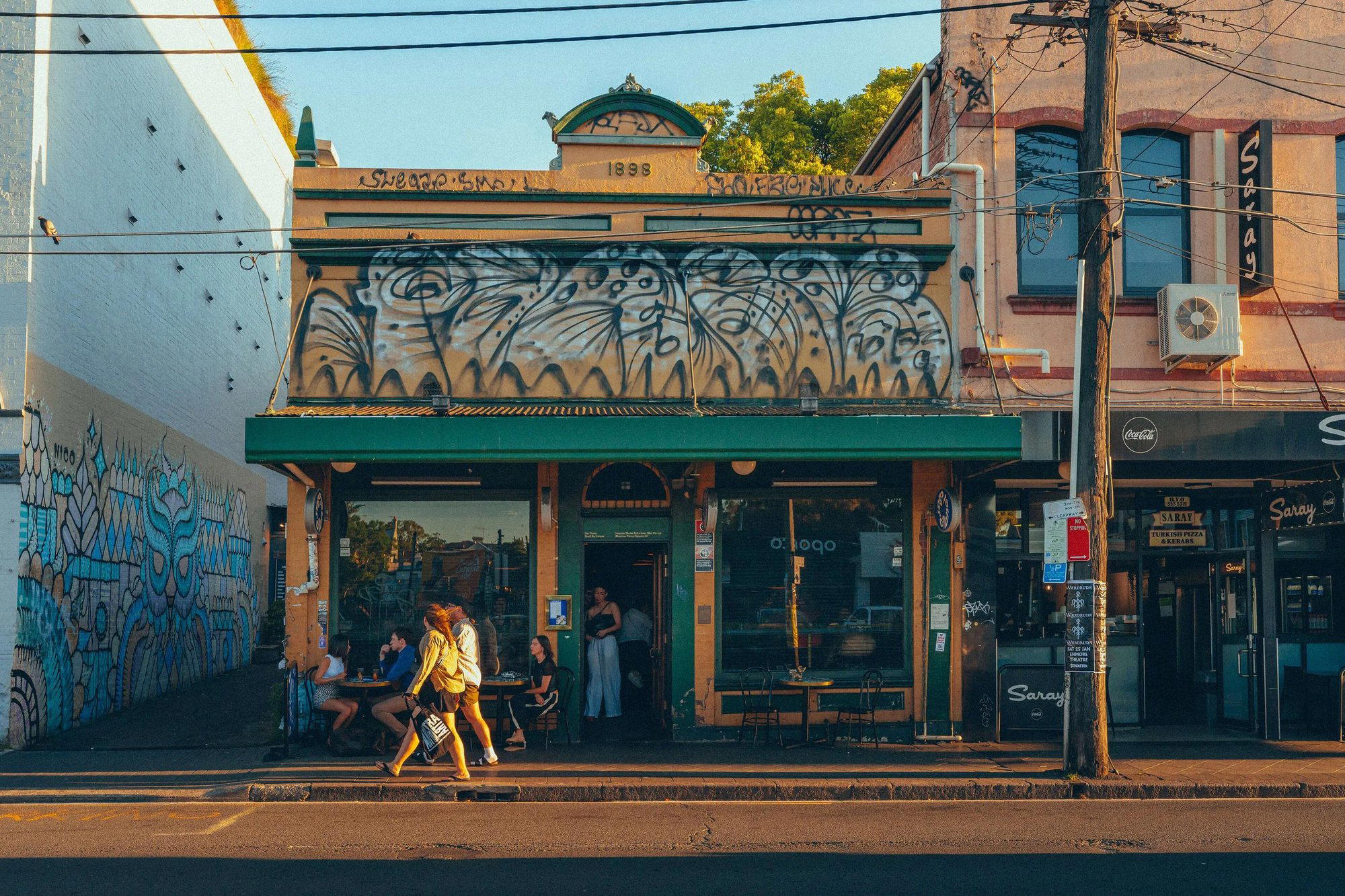

At a Glance
- Casual
- Lively
- Modern
- Trendy
- Brunch
- Casual Hangout
- After Work
- Craft Cocktails
Current opening hours
- Monday
- 6:30 AM–4 PM
- Tuesday
- 6:30 AM–4 PM
- Wednesday
- 6:30 AM–4 PM
- Thursday
- 6:30 AM–4 PM
- Friday
- 7 AM–10 PM
- Saturday
- 7 AM–10 PM
- Sunday
- 7 AM–3 PM
Hours can change for holidays and private events. Last verified .
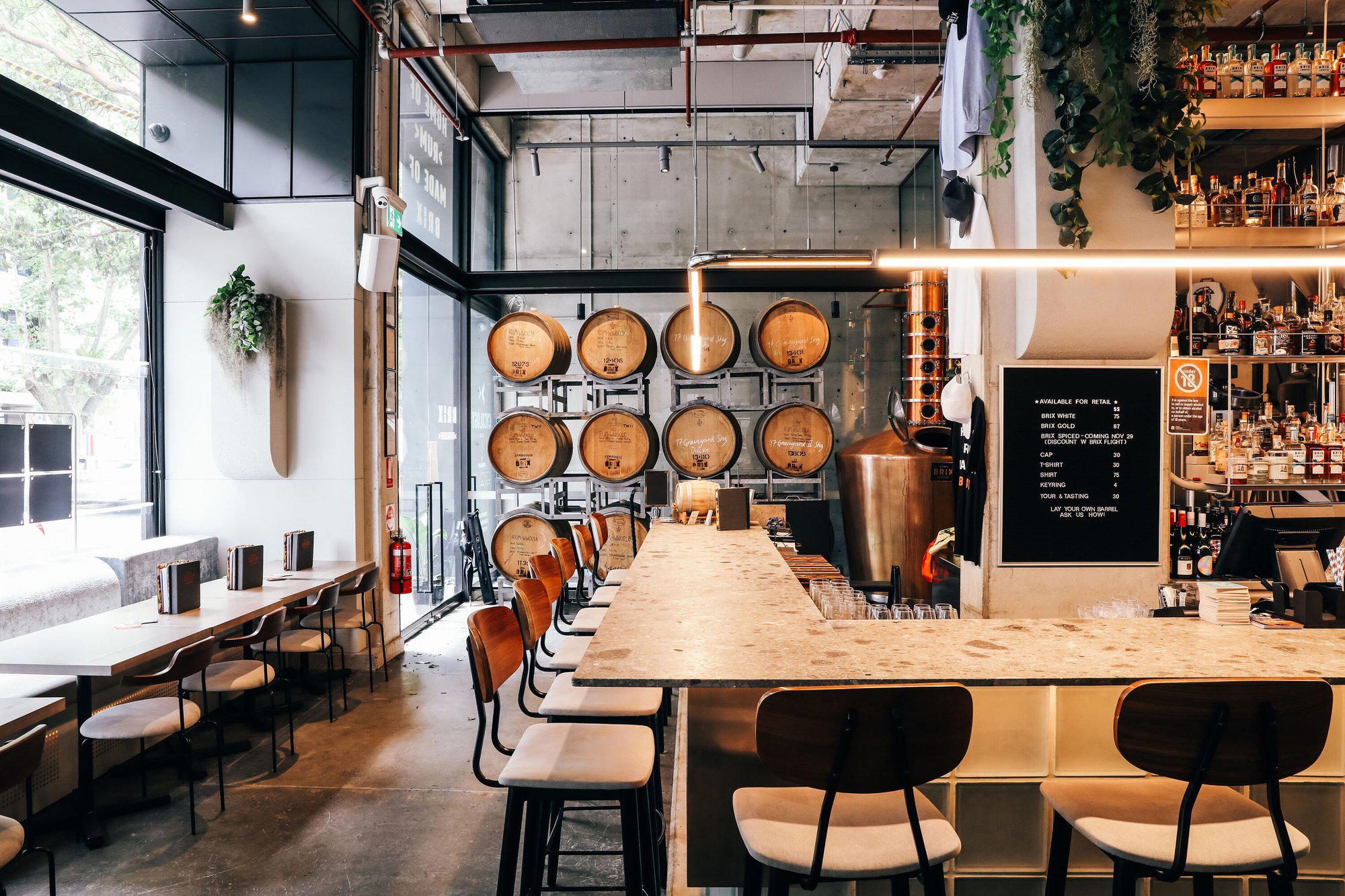
Light-hearted and bright yellow café with a sunny, welcoming atmosphere well-suited for quick breakfast and lunch service.
Know Before You Go
- Getting there
- shop 3/4/7 Lomond Cres, Winston Hills NSW 2153, Australia