


A wine shop first and a restaurant second, Wine in the City on Place Reine Astrid in Jette holds a Michelin Plate and ranks 437th on Opinionated About Dining's 2025 European Classical list. Chef Eddy Münster runs a compact kitchen alongside a carefully curated global bottle selection. Priced at €€€€, it occupies a specific niche: serious wine retail paired with precise modern cooking in a residential Brussels quarter.
Pearl is the En Primeur Club membership app — saves, bookings, and concierge access live there. Same editors, same standards.
- Address
- Pl. Reine Astrid 34, 1090 Jette, Belgium
- Phone
- +32 2 420 09 20
- Website
- wineinthecity.be
 Saves & bookings on Pearl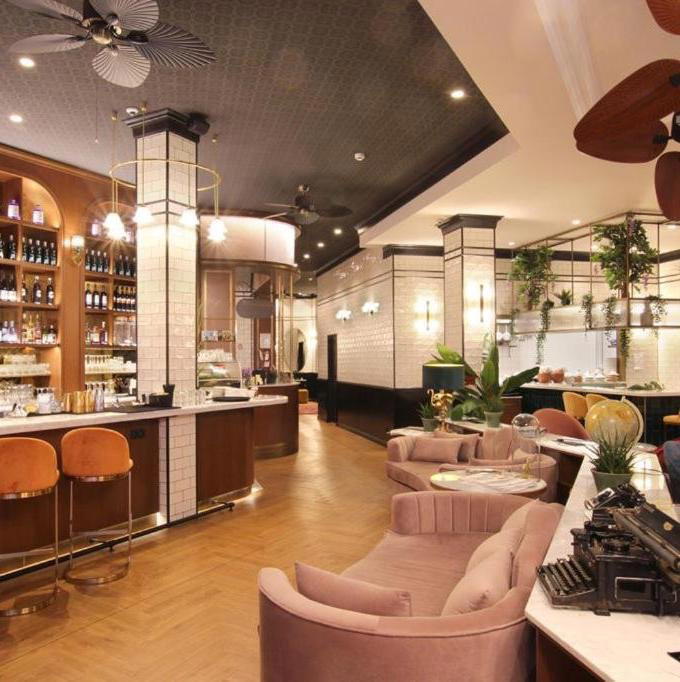
A Shop Counter in a Square: How Jette Built a Wine Destination
Zilte in Antwerp and Boury in Roeselare attract international attention and Michelin's full scrutiny. Jette, a quiet residential commune in the northwest of the Brussels Capital Region, operates at a different register. Place Reine Astrid is a neighbourhood square, the kind that local residents cross daily without treating it as a destination. That ordinariness is precisely what makes the presence of Wine in the City worth examining: serious wine curation and a Michelin Plate kitchen have taken root somewhere most dining guides overlook entirely.
The format here follows a logic that has become more visible across European cities over the past decade. Wine retail and hospitality have been converging at the premium end, producing hybrid venues where the shop floor and the dining room share the same ambition. The bottle selection drives the identity; the kitchen serves as an argument for why the bottles deserve this much attention. Wine in the City sits firmly in that model, with a global selection described as carefully chosen and priced, and a small restaurant operation running alongside it. The address is Place Reine Astrid 34, 1090 Jette.
The Sourcing Logic Behind the Bottle List
In the hybrid wine shop-restaurant format, the bottle list is the editorial statement. What a venue chooses to stock, and at what price, tells you more about its philosophy than any menu description. At Wine in the City, the selection is global in scope, which in this context means it is not anchored to a single region or appellation identity the way many Belgian wine specialists are. Belgian consumers with serious wine habits have historically leaned toward France, Burgundy and Bordeaux in particular, as their default reference points. A shop that reaches beyond that to curate bottles from wider European and international producers is making a deliberate argument about what good wine looks like today.
The pricing is noted as careful, which in a €€€€ venue signals that the selection is weighted toward quality over accessibility without tipping into the kind of margin-heavy restaurant markup that discourages bottle exploration. That balance matters in a hybrid format: if the retail prices feel punitive, the shop component loses its credibility, and the whole proposition unravels. The fact that Wine in the City has maintained its position on the same awards tier as other serious Belgian tables, earning a Michelin Plate in both 2024 and 2025, suggests the sourcing discipline holds across both sides of the operation.
Chef Eddy Münster and the Kitchen's Role in the Concept
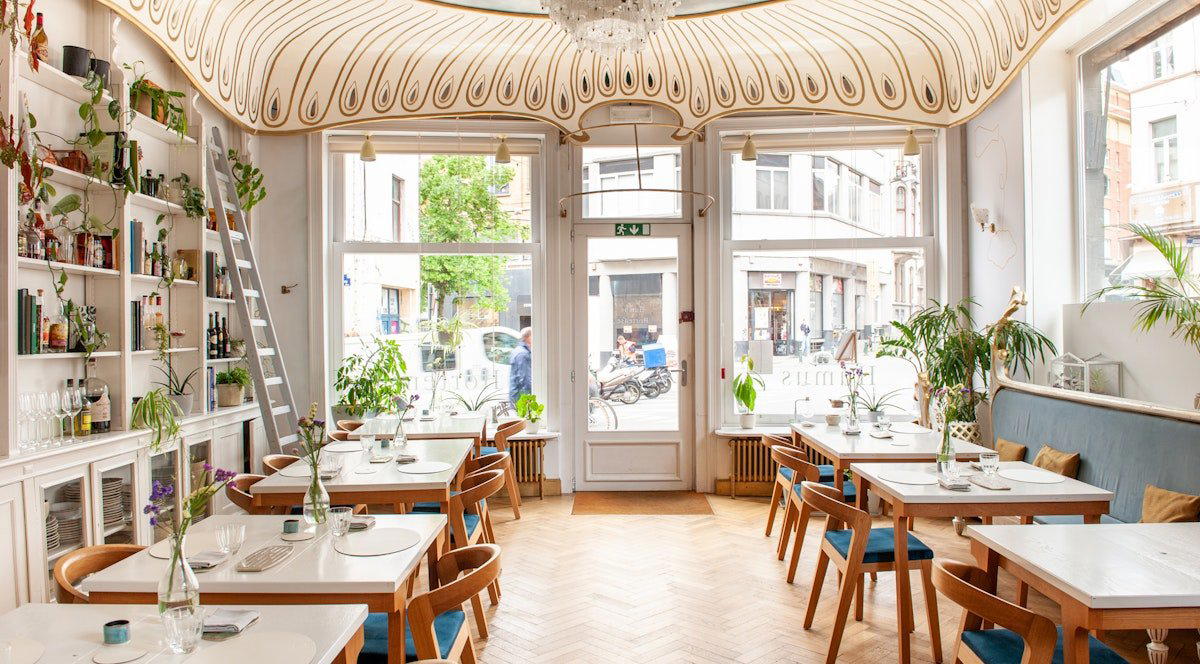
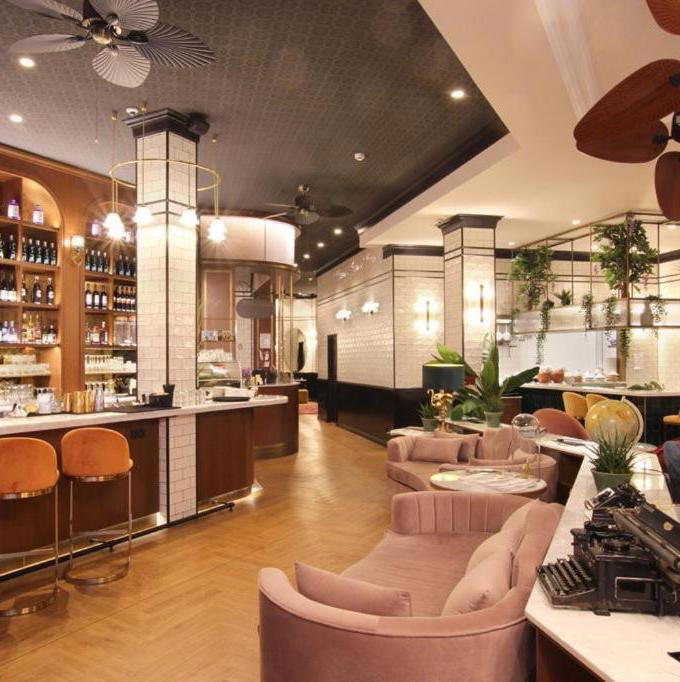
Belgium's €€€€ tier is well-populated with formal tasting menu restaurants, from the creative Flemish traditions found at addresses like Hof van Cleve to the French-Belgian classicism of venues like d'Eugénie à Emilie and L'Eau Vive. In that context, the restaurant's kitchen reads differently. The space is described as a tiny restaurant, which suggests a seat count that prioritises intimacy over covers. Chef Eddy Münster operates within a modern cuisine designation, placing the food in the broad contemporary European register rather than within a specifically regional or technique-defined school.
The kitchen's function within the concept is to provide a reason to stay, and to demonstrate that the bottles on the shelves are worth pairing with serious food. This is a different brief from a standalone restaurant, where the menu carries the entire experience. Here, the cooking supports the wine argument. Michelin's Plate recognition, awarded in both 2024 and 2025, confirms that the food meets a baseline of quality that justifies the €€€€ positioning, even if the format is not built around the kind of extended tasting menu structures found at comparison venues like La Durée or Ralf Berendsen.
For readers familiar with wine-led dining at the international level, the model has precedents. The convergence of retail and restaurant ambition appears across European cities and beyond, from London to Copenhagen to Stockholm, where venues in the modern cuisine space increasingly treat the cellar as the primary editorial voice and the kitchen as its interpreter. Frantzén in Stockholm and FZN by Björn Frantzén in Dubai represent the far end of that ambition. The restaurant operates at a more contained scale, but the structural logic connects them.
Opinionated About Dining and What the Ranking Signals
Appearing on the Opinionated About Dining (OAD) Classical in Europe list at rank 437 in 2025 is a specific kind of credential. OAD rankings are driven by a community of experienced diners whose voting patterns tend to reward depth, consistency, and a clear point of view over novelty. A classical ranking, as opposed to a progressive or natural wine designation, places the restaurant in the company of venues that are being measured against a tradition of craft and quality rather than trend alignment. For a hybrid format in a residential Brussels commune, that placement confirms the operation is being taken seriously by an informed peer audience, not just rewarded for novelty.
The Michelin Plate, held across two consecutive years, adds a second validation layer. The Plate recognises kitchens producing good cooking without the elaboration of a starred programme, which fits the compact format described here. Together, the two signals position the restaurant within Belgium's broader table of serious dining addresses, sitting alongside starred restaurants in terms of intent and quality of sourcing, if not in terms of format or scale. See also Bartholomeus in Heist and Bozar Restaurant in Brussels for the range of formats that populate Belgium's recognised dining tier.
Planning a Visit: What to Know Before You Go
The restaurant sits on Place Reine Astrid in Jette, a square that is accessible by public transport from central Brussels. The venue's hybrid nature means it functions as both a shop and a restaurant, and the small restaurant component implies limited covers. The price positioning at €€€€ is consistent with the serious wine retail context: expect the bottle selection to account for a meaningful portion of the spend.
French Kiss on the meats and grills end of the spectrum offers a different register. The full picture of what the commune offers is in our Jette restaurants guide, with further coverage across hotels, bars, wineries, and experiences in Jette.
Budget and Context
Comparable venues nearby, for context on price, style, and recognition.
| Venue | Cuisine | Price | Awards | Notes |
|---|---|---|---|---|
| Wine in the CityThis venue — the venue you are viewing | Dining | $$$$ | Michelin Plate | Not listed |
| French Kiss | Not listed | $$ | Bib Gourmand | Jette, Classic French-Belgian Brasserie with Grilled Meats |
| Maxime Colin | Not listed | $$$$ | Michelin Plate | Kraainem, Modern French-Belgian Fine Dining |
| Komaf | Not listed | $$$$ | Michelin Plate | Wommelgem, French Contemporary Fine Dining |
| L'Horizon | Not listed | $$$$ | Michelin Plate | Chaumont-Gistoux, Modern French Fine Dining with Global Influences |
| Vintage | Kontich, Modern French Fine Dining | $$$$ | Michelin Plate | Not listed |
Recognition history
Dated appearances from independent guides and award organizations, with the underlying list record or original source where available.
Star Wine List
Star Wine List
Michelin Plate
Michelin
Opinionated About Dining Classical in Europe Ranked #437
Opinionated About Dining
Michelin Plate
Michelin
At a Glance
Current opening hours
- Monday
- 9 AM–4 PM, 6–9 PM
- Tuesday
- Closed
- Wednesday
- Closed
- Thursday
- 9 AM–4 PM, 6–9 PM
- Friday
- 9 AM–4 PM, 6–9 PM
- Saturday
- 9 AM–4 PM, 6–9 PM
- Sunday
- 9 AM–4 PM, 6–9 PM
Hours can change for holidays and private events.