Wildweed




James Beard Award Semi Finalist · Bon Appétit The 20 Best New Restaurants #13 · New York Times America's Best Restaurants
Our verdict
Wildweed occupies a specific and convincing position in Cincinnati dining: a farm-to-table restaurant rooted in Midwestern foraging and freshly milled grain that also happens to be one of the region's most serious Italian kitchens. Recognised by Esquire as one of 2024's best new restaurants in the country and.

Pearl is the En Primeur Club membership app, where members save venues, book tables and use the concierge.
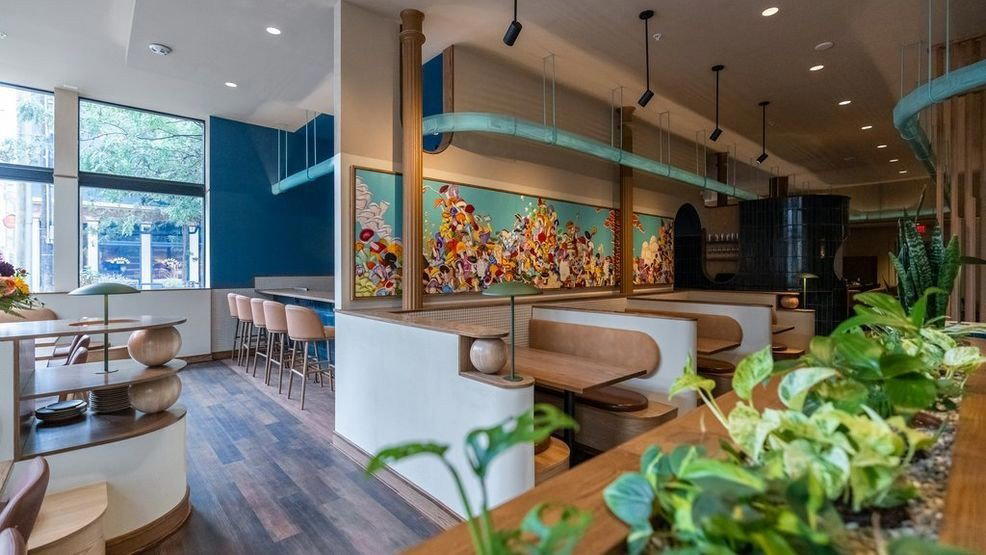
Where Southwest Ohio Meets the Chef's Counter
The address on Walnut Street places Wildweed squarely in Cincinnati's urban core, and the room carries the focused intensity that tends to accompany chef's counter formats: close sightlines to the kitchen, an environment where the work happening in front of you is part of the experience rather than concealed behind a pass. This is not incidental design. The counter format in American fine dining has become a vehicle for a particular kind of cooking theatre, one that collapses the distance between preparation and consumption and asks diners to engage with process as much as product. Wildweed uses that format in service of a kitchen whose sourcing logic is unusually literal: foraged ingredients, freshly milled grain, wildcrafted local produce, and house fermentation are not talking points here but structural elements of the menu.
That places Wildweed in a relatively small cohort of American restaurants where the farm-to-table premise is executed with genuine technical ambition rather than deployed as positioning language. For comparison, restaurants like Single Thread Farm in Healdsburg or Lazy Bear in San Francisco operate in this same register: hyper-local sourcing married to serious kitchen craft, served in formats that ask something of the diner. Wildweed is doing that work from Cincinnati, which matters both as context and as signal about how Midwestern dining has shifted over the past decade.
The Collaboration Behind the Counter
The editorial angle that makes Wildweed legible is not a single chef's vision but a working partnership. David and Lydia Jackman own the restaurant together, and the operation traces back to a pasta pop-up they ran starting in 2018, six years before Wildweed opened in July 2024. That timeline is worth noting: this is not a concept that arrived fully formed. The pop-up format gave the team years to refine handmade pasta technique, understand their ingredient sourcing, and develop the wildcrafted identity before committing to a permanent address. The result is a kitchen where the handmade noodle program and the seasonal cocktail list read as extensions of the same sourcing philosophy rather than separate departments running in parallel.
What distinguishes collaboration-led restaurants from chef-centric ones is often legible in exactly this kind of coherence. When front-of-house and kitchen share a common vocabulary about ingredients and seasonality, the experience of eating becomes less about receiving a dish and more about understanding a set of decisions. The descriptions accompanying each course at the chef's counter are built around specific actions: foraging, gardening, fermenting, sourcing. That level of narrative is easy to produce and easy to hollow out. The test, as Wildweed demonstrates, is whether the dish in front of you rewards the description, whether the silky quality of lake perch or the structural precision of marcona almond tofu with raw tuna and pickled ramps actually justifies the story being told around it. By the evidence of its 2024 recognition, it does.
Italian Cooking Through a Midwestern Lens
The detail that most complicates a neat category placement is this: Wildweed is also, by credible assessment, one of the Midwest's most serious Italian restaurants. That is not a contradiction but it does require some unpacking. Italian-American dining in the United States covers an enormous range, from neighbourhood red-sauce staples through to technically rigorous pasta houses and full tasting-menu operations with Italian architectural DNA. Wildweed sits toward the latter end of that range, where freshly milled grain informs the pasta's texture and character in ways that commodity flour simply cannot replicate.
The Italian frame also helps contextualise why the foraging and wildcrafted ingredient program reads as coherent rather than eclectic. Italian regional cooking has always been grounded in what the land immediately around a kitchen produces, from white truffles in Piedmont to the bitter greens of Puglia. Transposing that sensibility to Southwest Ohio means working with lake perch, ramps, and local forage rather than Italian equivalents, but the underlying logic is the same. Restaurants like 8 1/2 Otto e Mezzo Bombana in Hong Kong demonstrate how Italian cooking travels and adapts through a local lens; Wildweed does something structurally similar from inside the American Midwest.
For those plotting a Cincinnati dining itinerary, the city offers enough range to merit a proper stay. Boca sits at the formal end of the city's dining spectrum. Nolia Kitchen represents the Southern and Creole current in Cincinnati's restaurant culture. Camp Washington (Chili) remains a reference point for the city's most distinctly local food tradition, while Jeff Ruby's Steakhouse anchors the classic steakhouse tier. Pepp & Dolores rounds out a city scene that has developed genuine range. Browse our full Cincinnati restaurants guide for broader coverage across all price points and categories.
Recognition and Where It Places Wildweed
The external validation is specific and recent. Esquire ranked Wildweed at number 26 on its Leading New Restaurants list for 2024, a national list that covers the full range of American dining formats and price points. For a restaurant that opened in July 2024, the density of that validation within its first year is notable.
The comparison set that Esquire's list implies is instructive. That list has included restaurants like Alinea in Chicago and venues in the orbit of Le Bernardin in New York City and Atomix in New York City over its history. Landing at number 26 in its opening year places Wildweed in a conversation that extends well beyond regional recognition.
Planning Your Visit
Wildweed is located at 1301 Walnut St in Cincinnati's 45202 zip code. The chef's counter format means seating is inherently limited, and given the concentration of press attention the restaurant received through late 2024 and into 2025, booking ahead is not optional for the counter experience specifically. The restaurant operates both a tasting menu and an à la carte format, with the tasting menu running at roughly half the item count of the à la carte, which gives it a tighter editorial focus. For visitors combining a Wildweed reservation with a broader Cincinnati stay, our Cincinnati hotels guide covers the accommodation range near the Walnut Street corridor. The city's bar and drinks scene, covered in our Cincinnati bars guide, has developed alongside its restaurant culture in ways worth exploring. Those interested in Ohio's wine production can find context in our Cincinnati wineries guide, and for cultural programming around a visit, our Cincinnati experiences guide maps the city's specialist offerings.
Frequently asked questions
Which chef is Wildweed associated with?
The chef associated with Wildweed is Hannah Ryder.
What dish is Wildweed famous for?
The handmade pasta program is the clearest point of identity, built on freshly milled grain and six years of pop-up development before Wildweed opened in July 2024. David Jackman's foraging and fermentation work shapes the broader menu, producing dishes such as marcona almond tofu with raw tuna and pickled ramps that have drawn national attention from Esquire and Pearl.
Where is Wildweed in Cincinnati?
Wildweed is located at 1301 Walnut St, Cincinnati, OH 45202, Cincinnati.
What awards or recognition does Wildweed have?
Wildweed has received recognition including: The descriptions accompanying each course served at Wildweed’s chef’s counter are filled with action. The protagonist is David Jackman, a chef who you’ll learn is also a forager, gardener, fermenter and more. It’s common for restaurants to ….
What's the best way to book Wildweed?
Check Wildweed's current booking channel at 1301 Walnut St, Cincinnati, and plan to reserve several weeks ahead.
What's Wildweed best at?
The kitchen's defining strength is running a genuinely regional Italian program through a Midwestern foraging and fermentation lens rather than keeping those identities separate. Esquire's 2024 Best New Restaurants placement and Pearl's 2025 recommendation both cite this coherence: sourcing logic and Italian technique arriving on the same plate without friction.
At a Glance
| Venue | Cuisine | Price | Awards | Notes |
|---|---|---|---|---|
| WildweedThis venue (the venue you are viewing) | New Midwestern Pasta | Not listed | James Beard Award Semi Finalist · Bon Appétit The 20 Best New Restaurants #13 | Not listed |
| Camp Washington | Cincinnati-Style Chili Diner | $10–20 | Not listed | Chili |
| The Refectory | Classic French Fine Dining | Not listed | Star Wine List · Wine Spectator Best of Award of Excellence | French |
| Nolia Kitchen | Modern New Orleans Southern | $50–100 | James Beard Award Nominee · Esquire Best New Restaurants #41 | Southern/Creole |
| Boca | Modern American Fine Dining | $100–150 | Wine Spectator Award of Excellence · World's Best Wine Lists Awards WBWL 2-Star | Not listed |
| Jeff Ruby's Steakhouse – Cincinnati | Classic Steakhouse | $100–150 | Star Wine List · Wine Spectator Award of Excellence | Not listed |
Recognition history
Dated appearances from independent guides and award organizations, with the underlying list record or original source where available.
James Beard Award Semi Finalist
James Beard Award
Bon Appétit The 20 Best New Restaurants #13
Bon Appétit
New York Times America's Best Restaurants
New York Times
Esquire Best New Restaurants #26
Esquire
Continue exploring
More in Cincinnati
Restaurants in Cincinnati
All restaurants in Cincinnati →
Bars in Cincinnati
All bars in Cincinnati →


Details
- Lively
- Trendy
- Modern
- Sophisticated
- Date Night
- Special Occasion
- Celebration
- After Work
- Chefs Counter
- Open Kitchen
- Standalone
- Local Sourcing
- Farm To Table
- A La Carte
- Tasting Menu
- Counter Dining
Current opening hours
- Monday
- Closed
- Tuesday
- 5–10 PM
- Wednesday
- 5–10 PM
- Thursday
- 5–10 PM
- Friday
- 5–10 PM
- Saturday
- 5–10 PM
- Sunday
- Closed
Hours can change for holidays and private events. Hours as of .
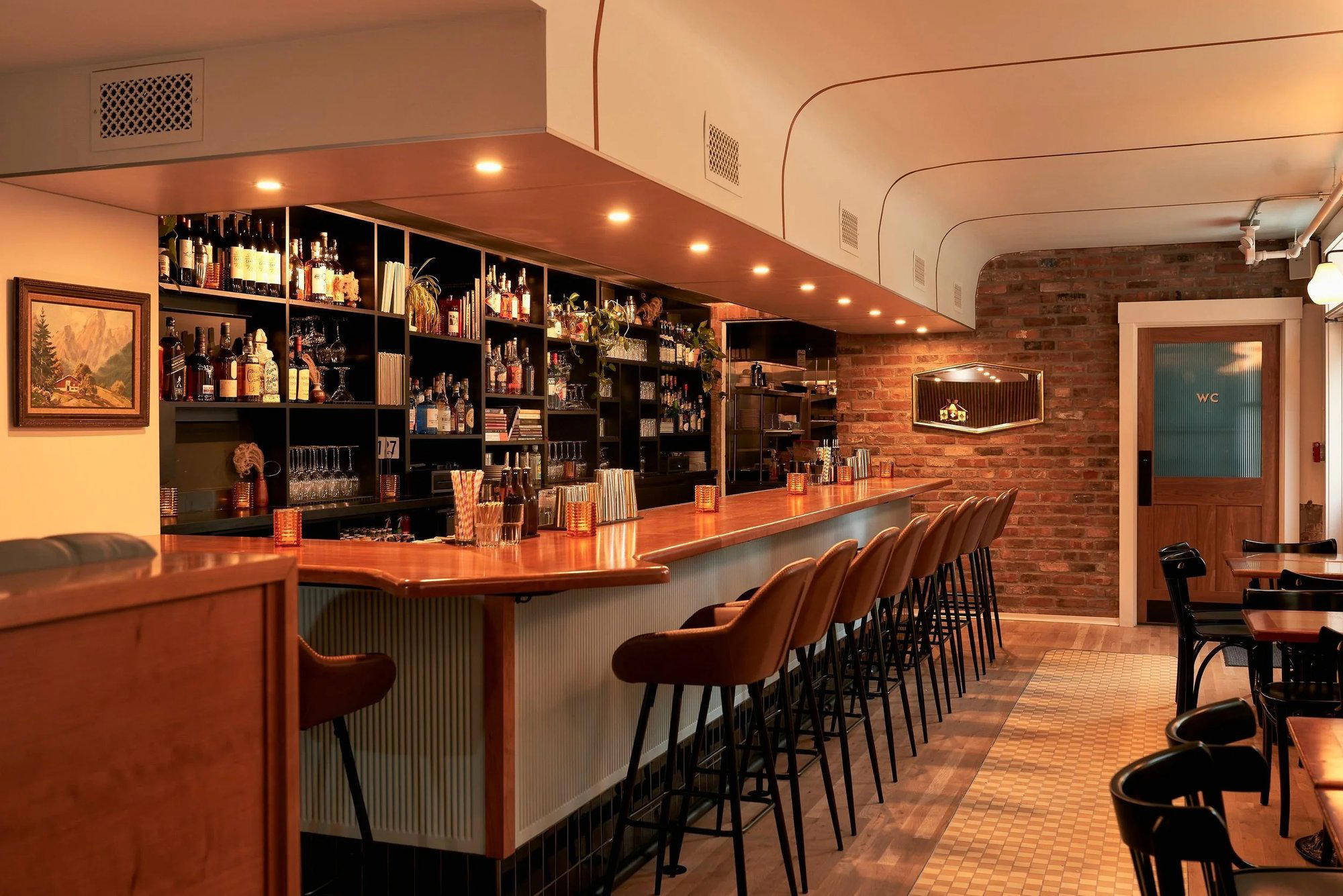
A lively, upscale-casual dining room with loud music and an energetic, contemporary feel.