New Riff Distilling

New Riff Distilling, based in Newport, Kentucky, earned a Pearl 2 Star Prestige rating in 2025, placing it among a select tier of American craft distilleries gaining serious critical recognition. Operating from the banks of the Ohio River, the distillery represents the contemporary Kentucky tradition of grain-forward spirits production with an emphasis on transparency and craft integrity.
Pearl is the En Primeur Club membership app — saves, bookings, and concierge access live there. Same editors, same standards.
- Address
- 24 Distillery Way, Newport, KY 41073
- Phone
- +1 859-261-7433
- Website
- newriffdistilling.com
 Saves & bookings on Pearl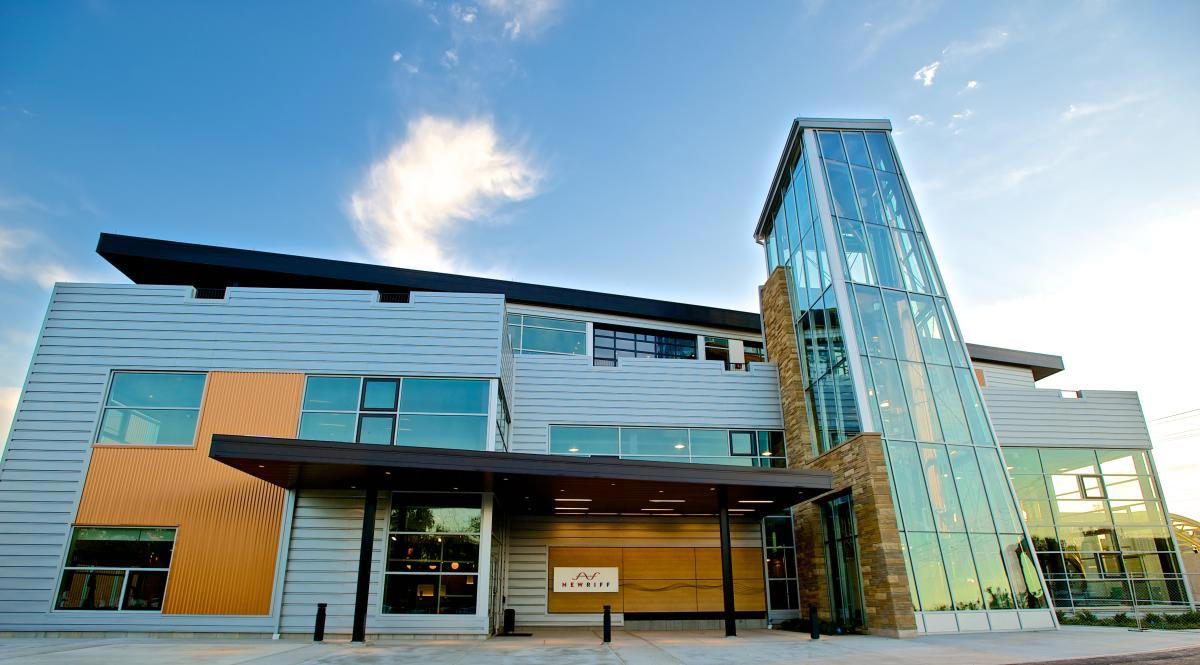
Kentucky Bourbon Country, Across the River
Newport, Kentucky sits on the southern bank of the Ohio River, separated from Cincinnati by a few hundred feet of water and a considerable cultural distance. The city's identity has long been shaped by its proximity to a major urban center while retaining the grain-belt character of the Bluegrass State beneath it. That geographic tension, urban adjacency, rural raw materials, is precisely the condition in which serious American whiskey production has historically taken root, and it frames what New Riff Distilling represents within the current craft spirits conversation.
The Kentucky distilling tradition is, at its core, a terroir argument. Limestone-filtered water from the region's aquifer systems, the humidity cycles that drive spirit in and out of new charred oak barrels across four seasons, and the specific mineral character of local grain supplies all contribute to what distinguishes Kentucky-made bourbon from production elsewhere. New Riff operates within that tradition directly, at 24 Distillery Way in Newport, and its 2025 Pearl 2 Star Prestige recognition confirms it has earned a position in the upper tier of the American craft distillery field.
Where New Riff Sits in the American Craft Distillery Tier
The American craft spirits sector has matured considerably over the past decade, sorting itself into recognizable sub-tiers. At the bottom sit high-volume NDPs (non-distiller producers) sourcing bulk spirit and applying their own labels. In the middle are sincere but inconsistent operations still finding their production voice. At the leading, a smaller cohort has built genuinely distillery-driven programs with house yeast strains, specific grain sourcing, and patient maturation approaches that produce spirits with identifiable character year over year.
New Riff belongs to that upper cohort. A Pearl 2 Star Prestige rating, awarded in 2025, is not distributed casually. Within EP Club's framework, Prestige-level recognition signals a combination of production integrity, sensory distinction, and competitive positioning that sets a venue apart from peers at a similar price and scale. For American craft bourbon producers, that kind of external validation matters because the category is crowded, and the gap between marketing-led operations and genuinely craft ones can be difficult for consumers to parse without trusted signals.
For context on how distilleries at this recognition level compare across the broader American artisan spirits and winemaking scenes, it helps to look at what drives credibility in comparable craft production categories. Producers like Adelaida Vineyards in Paso Robles and Alban Vineyards in Arroyo Grande have built reputations through site-specific focus and long-term consistency, the same logic that separates serious distilleries from opportunistic ones. Across the winemaking world, terroir-committed producers like Adelsheim Vineyard in Newberg and Andrew Murray Vineyards in Los Olivos demonstrate how regional character can be the organizing principle of a serious production program rather than an afterthought.
The Terroir Case for Northern Kentucky Bourbon
Terroir is a concept the wine world owns by default, but it applies with equal force to bourbon. The limestone shelf that runs through Kentucky determines the mineral profile of the water used in mashing and dilution. That water chemistry, low in iron, high in calcium, is not incidental to flavor. It shapes fermentation character and yeast health from the first stage of production. The climate of Northern Kentucky, where temperature swings between summer and winter can exceed 100 degrees Fahrenheit, accelerates the wood interaction cycle in ways that a more temperate climate cannot replicate. Barrels breathe the spirit deep into the char during summer heat and contract it back out during winter cold, building the caramel, vanilla, and spice architecture that defines the regional style.
Newport's position on the river adds humidity variables specific to the Ohio Valley that differ from distilleries further south or west within the state. These are not abstract distinctions. They produce measurable differences in spirit at the point of bottling, and they are the reason that Kentucky-produced bourbon cannot simply be replicated by moving the same recipe to another state. New Riff operates within all of these conditions, and its Prestige-level recognition suggests those conditions are being managed with enough precision to produce consistent, distinctive results.
The parallel to wine terroir is instructive. Producers like Accendo Cellars in St. Helena and Aubert Wines in Calistoga have built critical reputations around site-specific Cabernet and Chardonnay that express their origin with legibility. The same framework applies to a distillery that takes its regional raw materials seriously. Across more international examples, producers like Aberlour in Scotland and Achaia Clauss in Patras demonstrate that place-based production logic translates across spirit and wine categories alike.
Visiting Newport: The Distillery in Its City Context
Newport is a working river city on the Ohio River, which gives it a practical setting for visitors. The city functions as a more grounded alternative to Cincinnati for people looking to access the Ohio River corridor without the scale and noise of the larger metro. The distillery address at 24 Distillery Way places it in a post-industrial zone that has become a natural address for craft production facilities requiring space, water access, and infrastructure that older commercial districts rarely provide.
For visitors building a trip around the distillery, the broader Kentucky bourbon trail provides natural context. Newport is an accessible first or last stop on a circuit that extends south and west through the Bluegrass. The region's distillery infrastructure has developed sufficiently over the past fifteen years that a multi-day itinerary can be built around production visits without significant logistical strain. Booking visits directly through the distillery's own channels is recommended.
Visitors interested in the full spectrum of American craft production, from spirits to wine, will find useful comparative material in exploring what producers across categories have built at a similar level of critical recognition. Artesa Vineyards and Winery in Napa, Alpha Omega Winery in Rutherford, Alexander Valley Vineyards in Geyserville, Au Bon Climat in Santa Barbara, Babcock Winery and Vineyards in Lompoc, and B.R. Cohn Winery in Glen Ellen all represent producers where regional character and production discipline have translated into sustained critical recognition.
Fast Comparison
Comparable venues nearby, for context on price, style, and recognition.
| Venue | Cuisine | Price | Notes |
|---|---|---|---|
| New Riff DistillingThis venue — the venue you are viewing | corn, rye | $$ | |
| Jim Beam | Kentucky | $$ | Clermont |
| Bulleit Frontier Whiskey | Winery | $$$ | Shelbyville |
| Pappy Van Winkle | Winery | $$$$ | Frankfort |
| Willett Distillery | Winery | $$ | Bardstown |
| Wild Turkey | Kentucky | $$ | Wild Turkey Hill |
At a Glance
- Industrial
- Modern
- Scenic
- Group Outing
- Celebration
- Corporate Event
- Family
- Barrel Room
- Estate Grounds
- Waterfront
- Historic Building
- Private Tasting
- Sustainable
- Waterfront
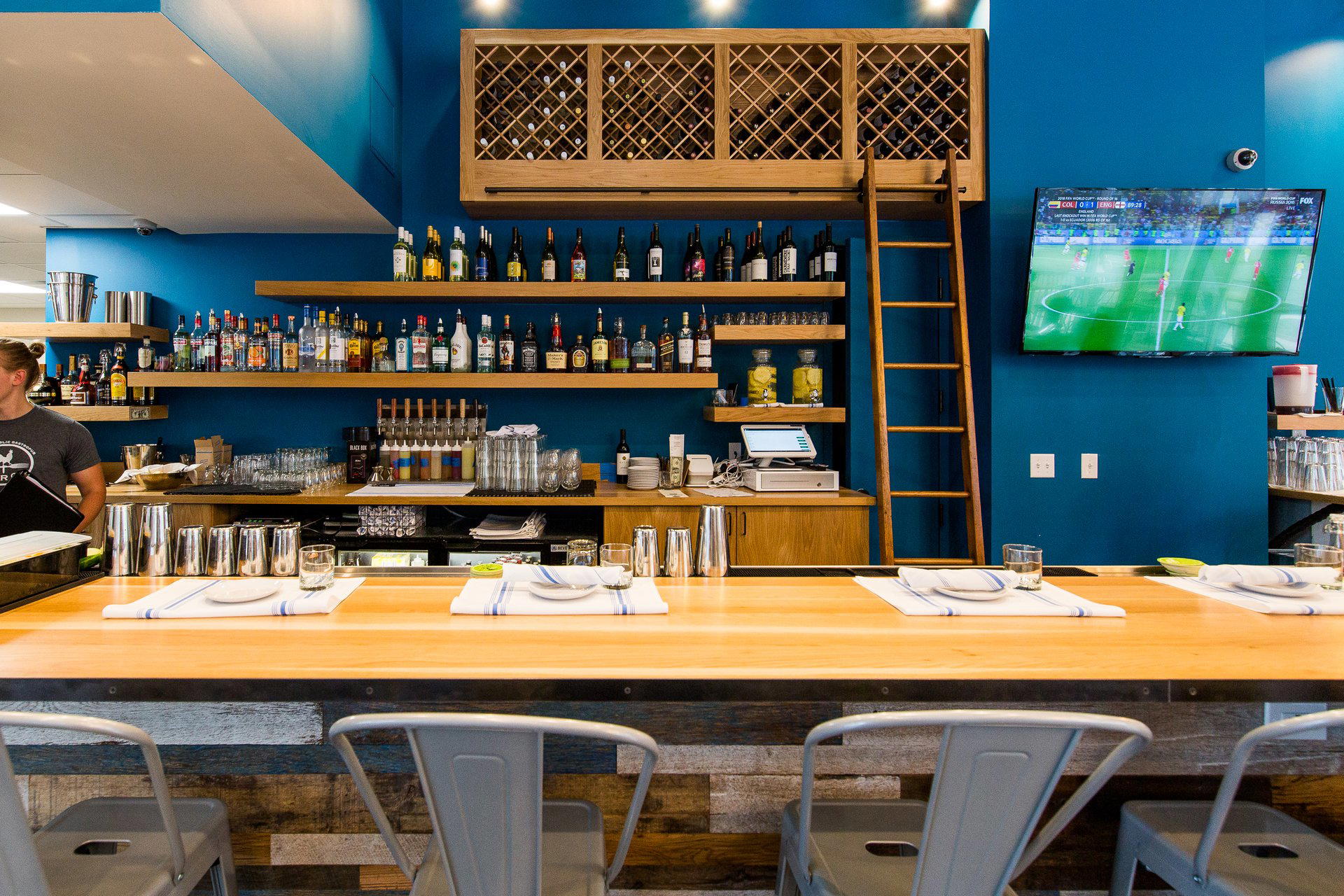
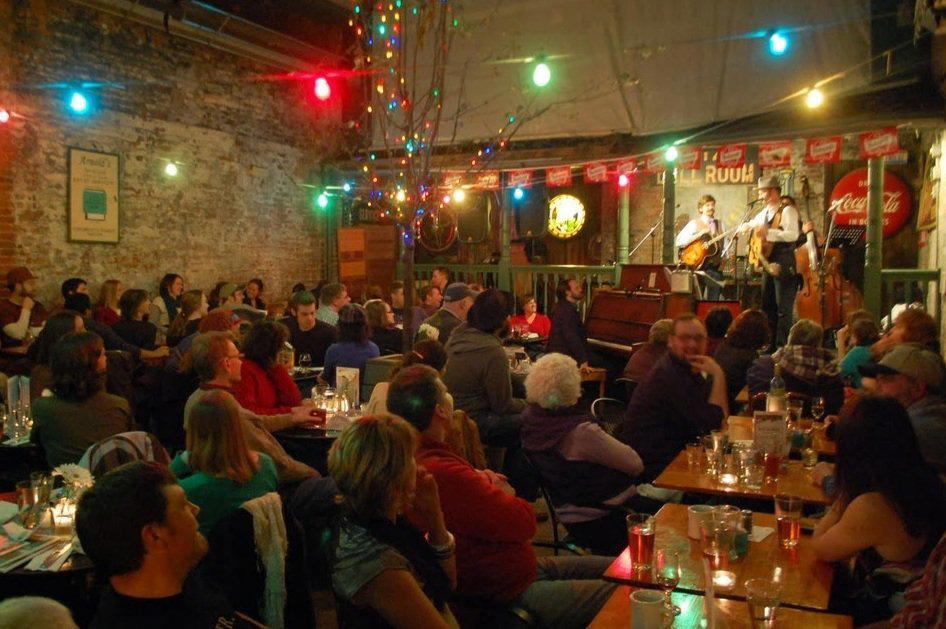
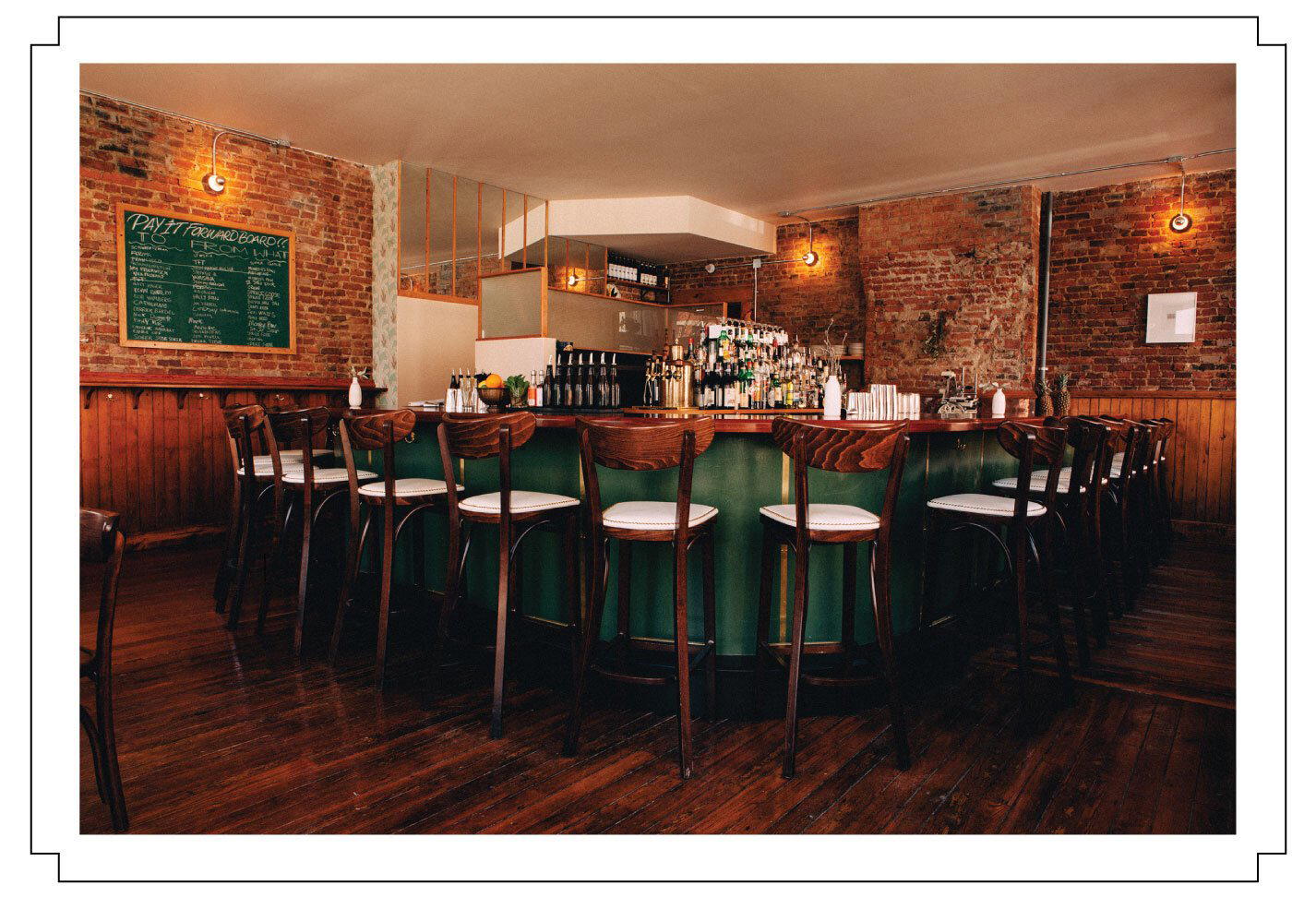
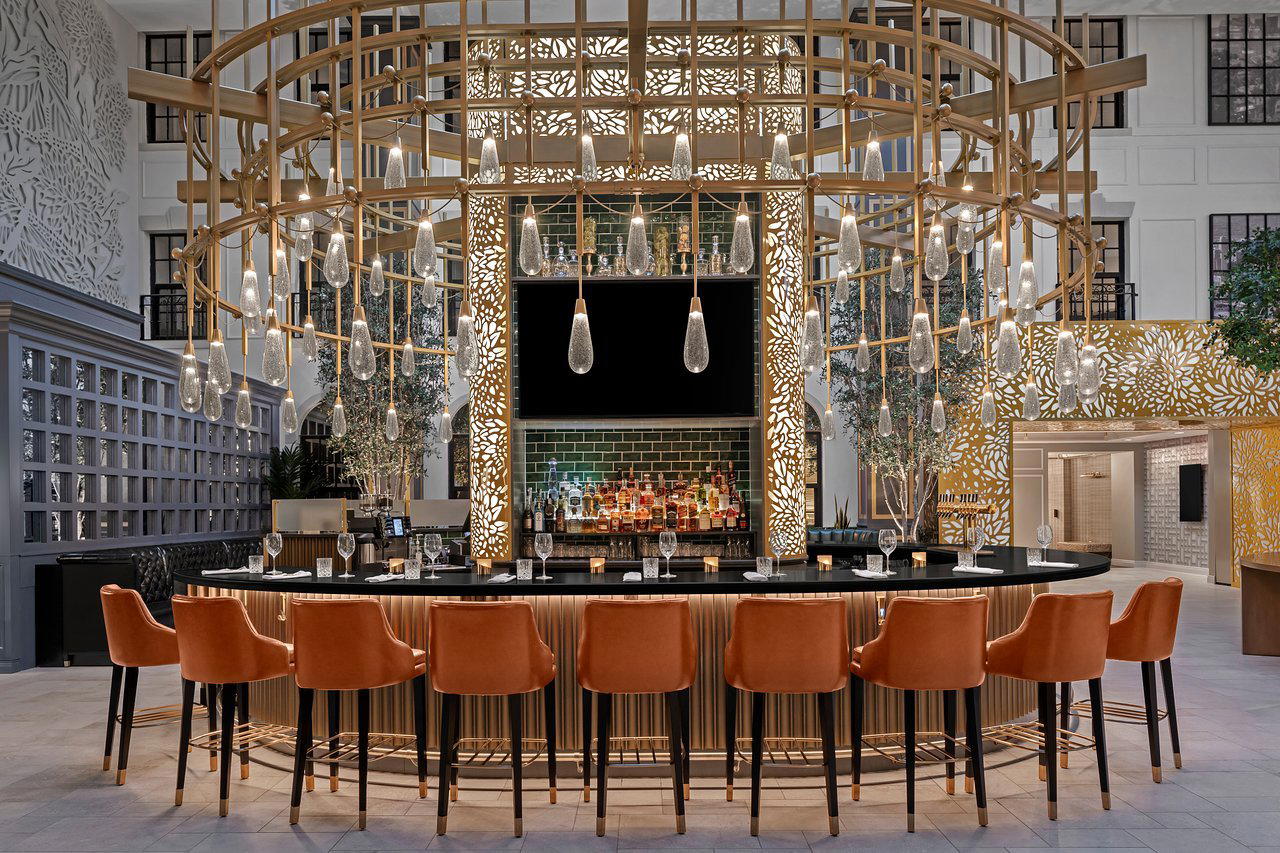
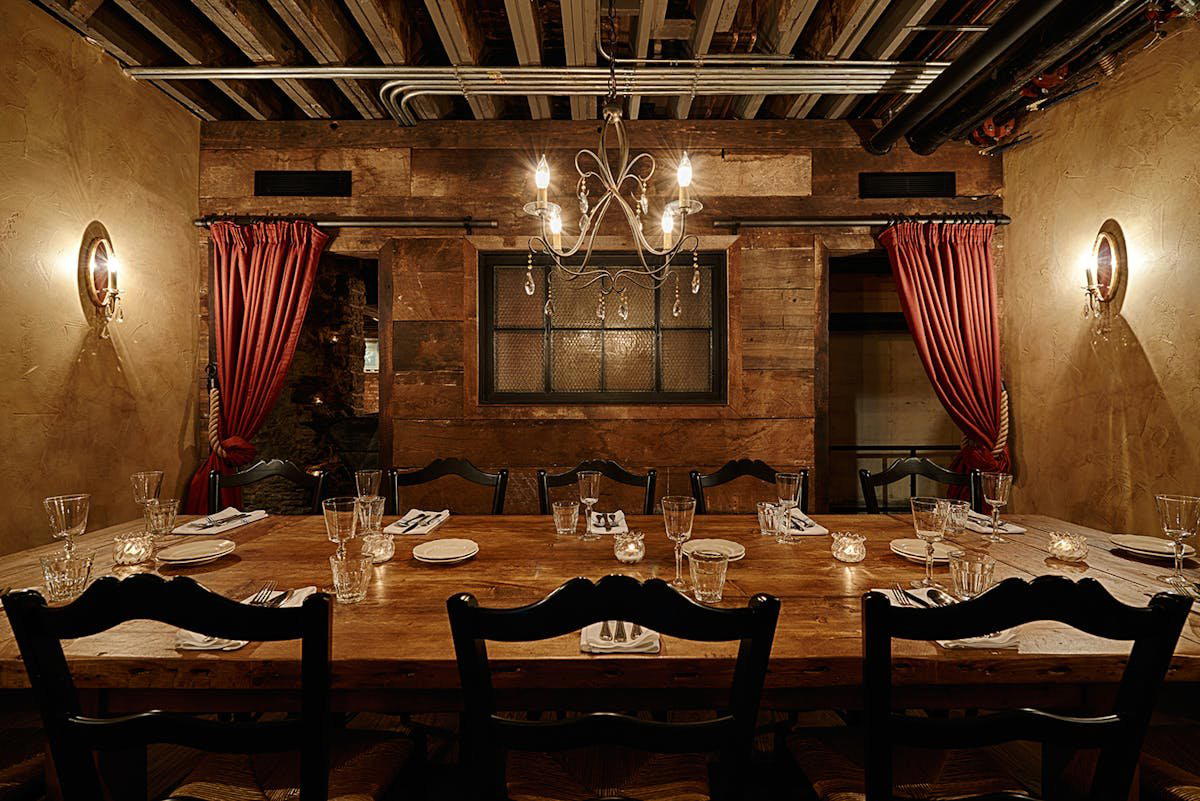
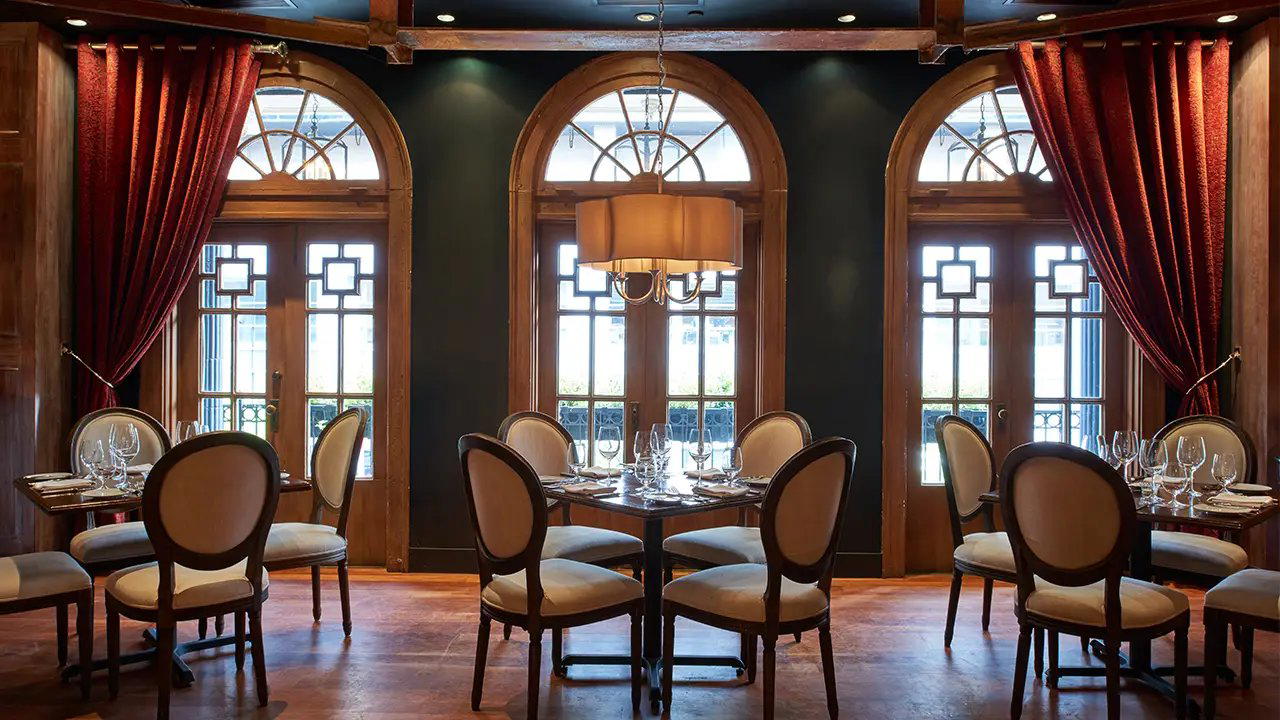
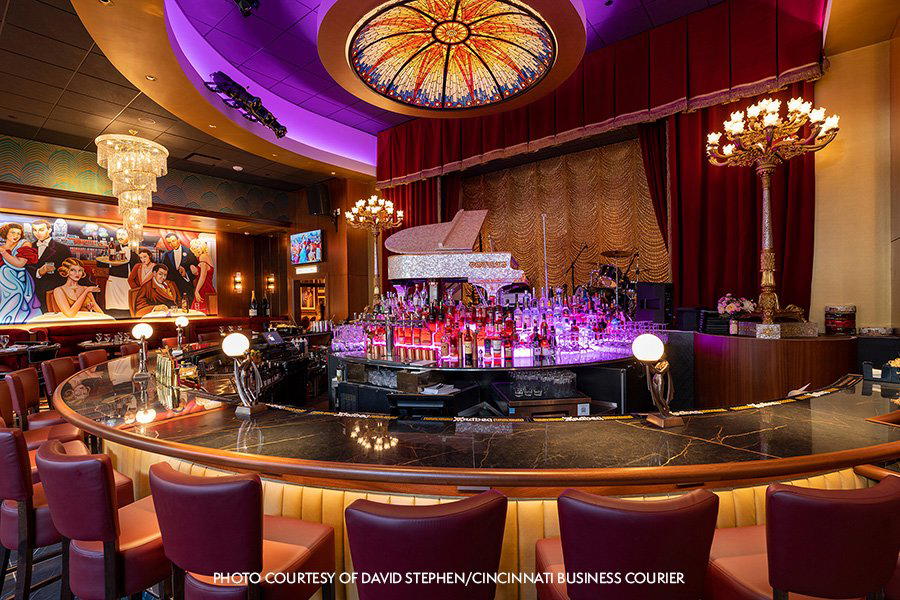
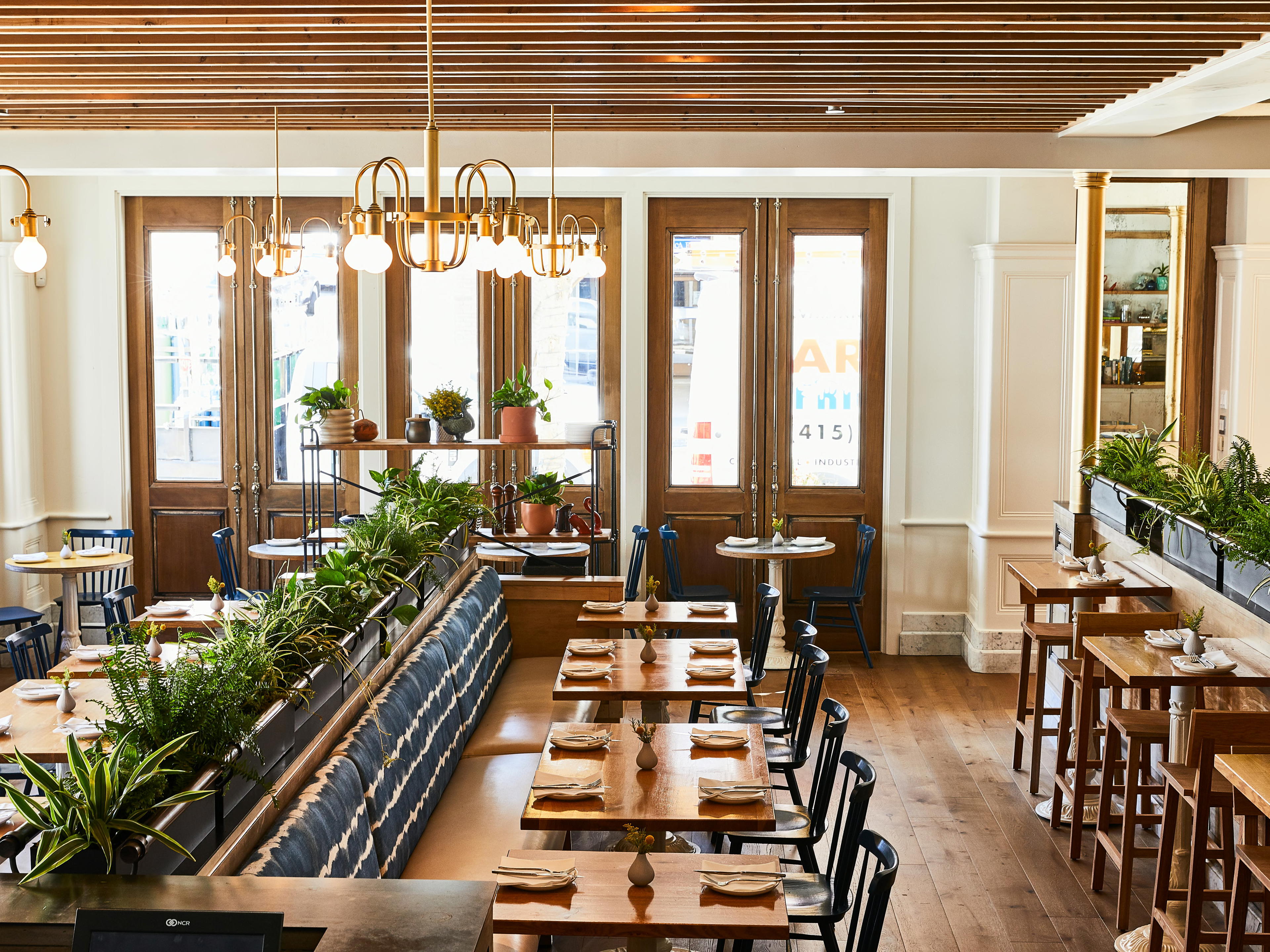
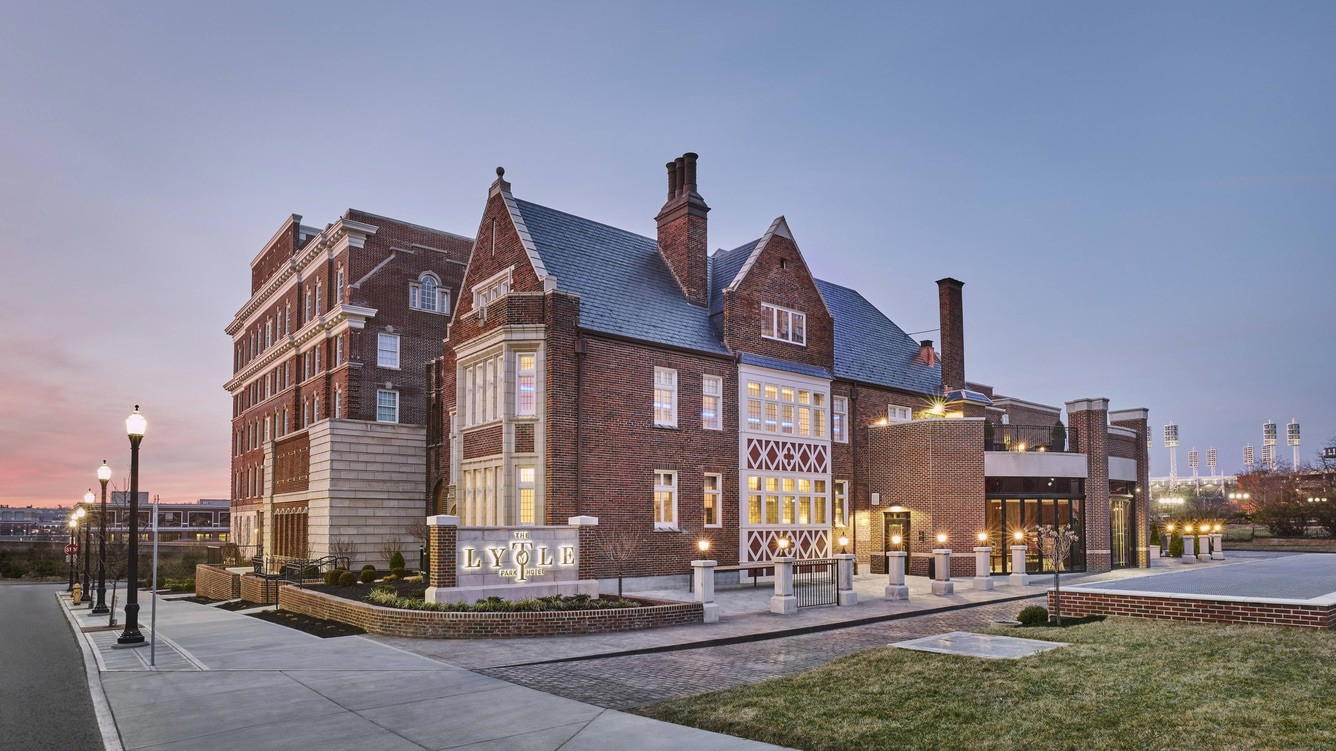
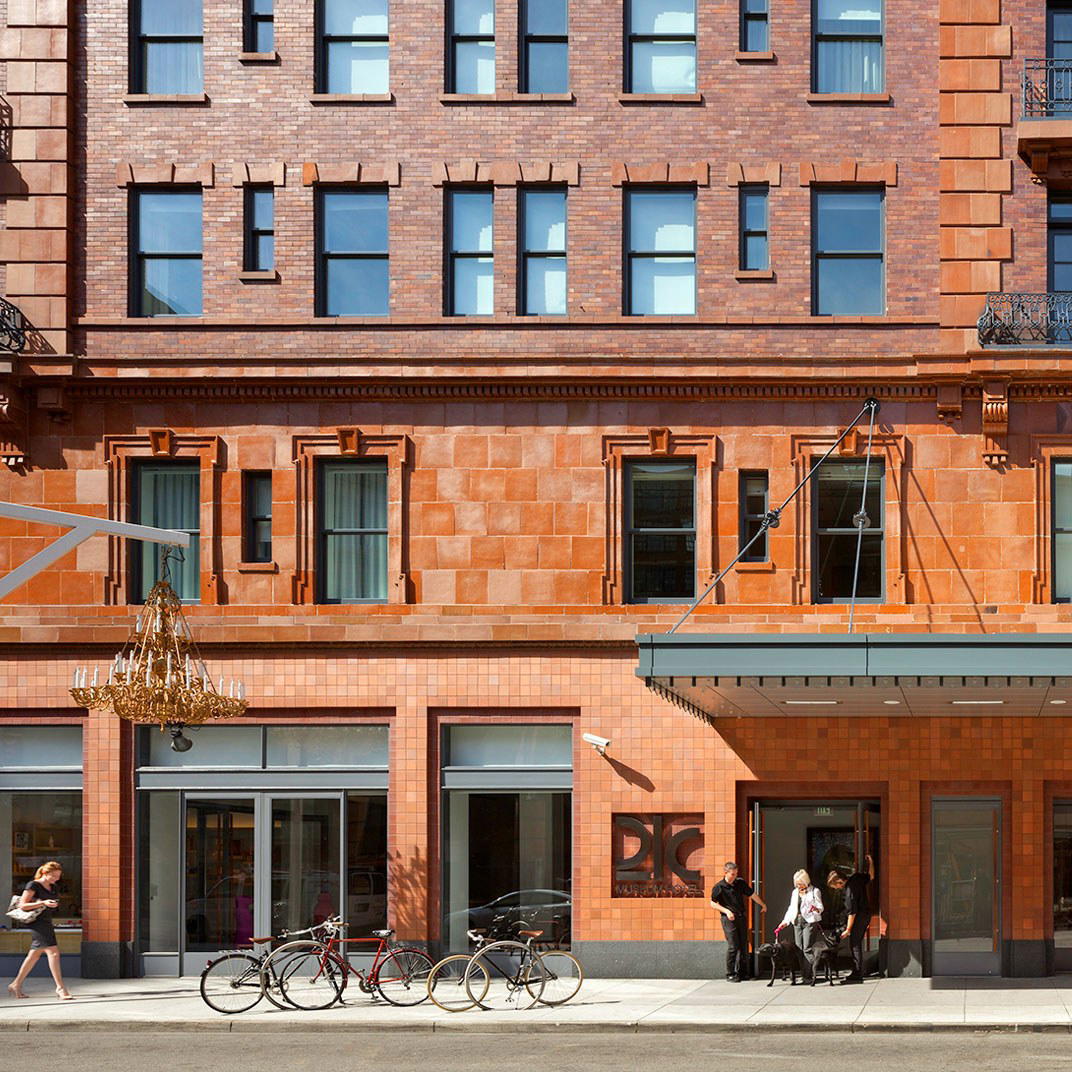
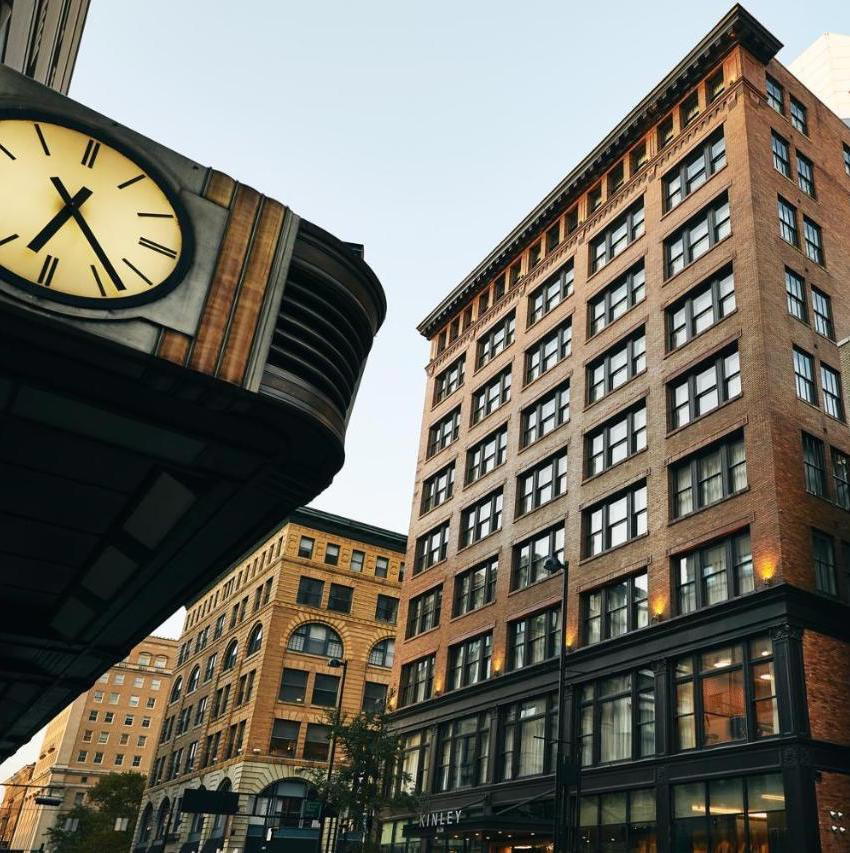
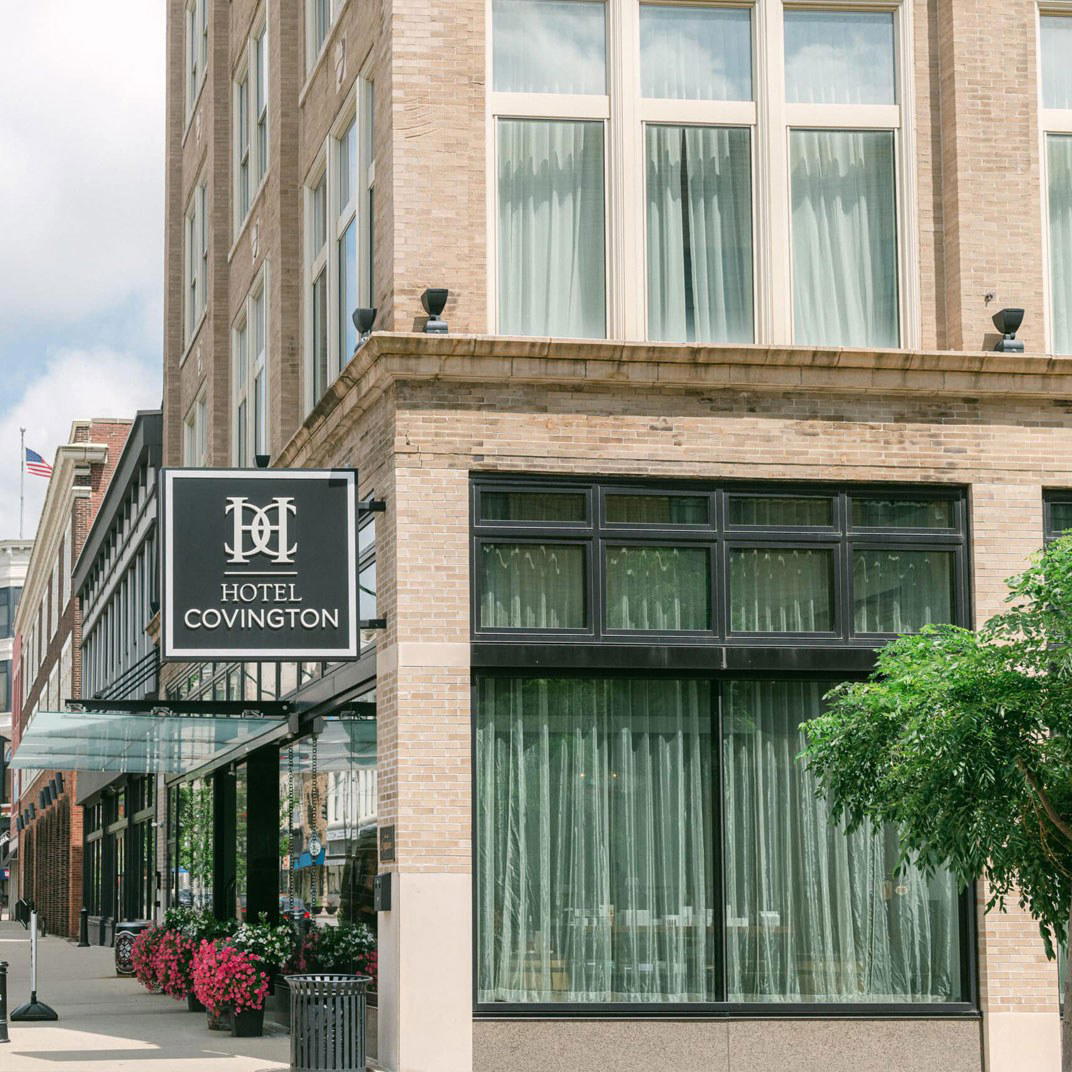
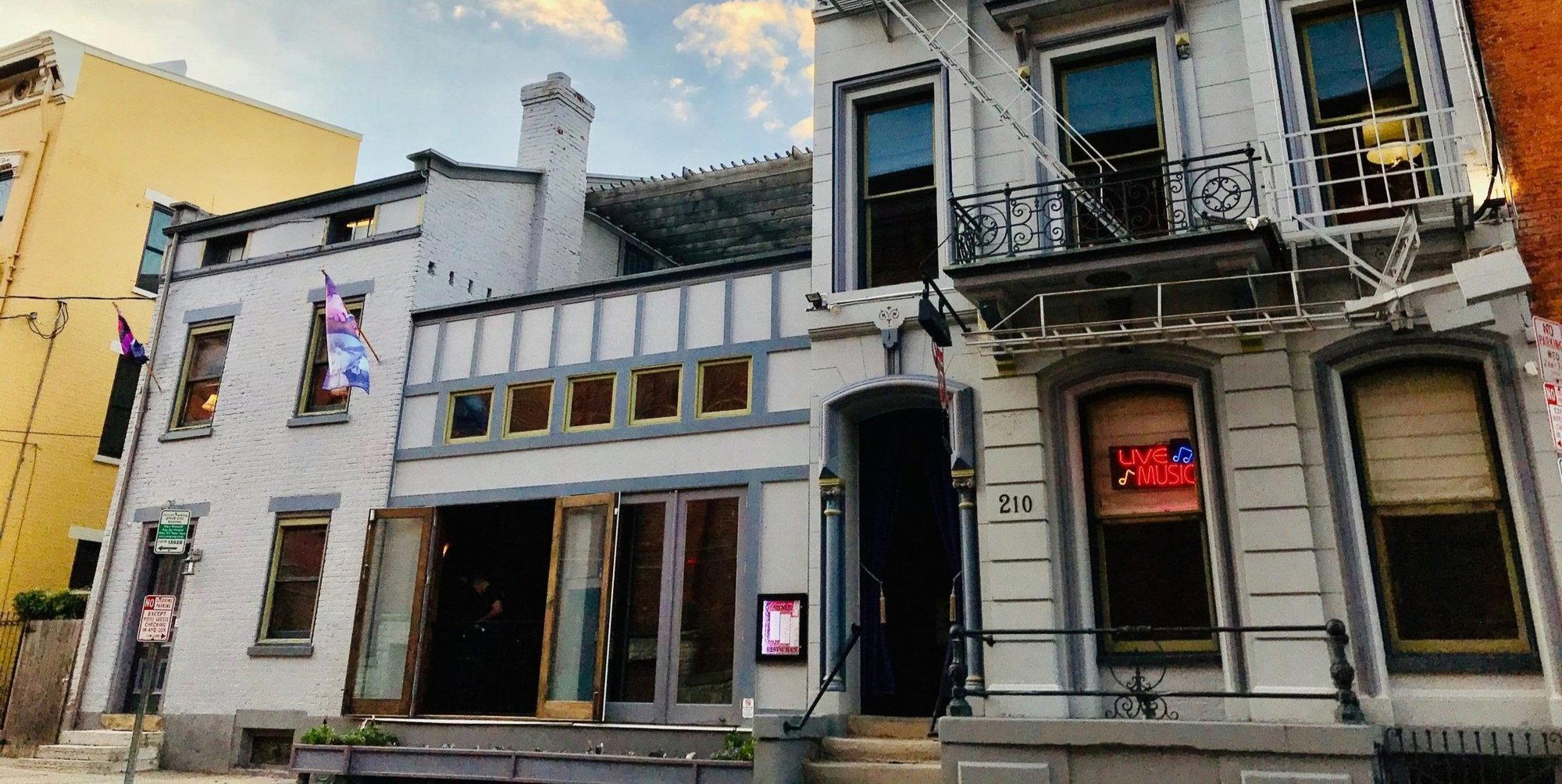
Modern industrial setting with bright, welcoming spaces; rooftop areas with river views; event spaces designed for gatherings and celebrations.