1215 Wine Bar & Coffee Lab
On Vine Street in Cincinnati's Over-the-Rhine corridor, 1215 Wine Bar & Coffee Lab operates at the intersection of two drink cultures that rarely share real estate: serious wine curation and specialty coffee. The format positions it within a growing tier of American bar programs that treat both disciplines with equal rigor, making it a practical anchor for afternoon and evening visits alike.

Pearl is the En Primeur Club membership app, where members save venues, book tables and use the concierge.
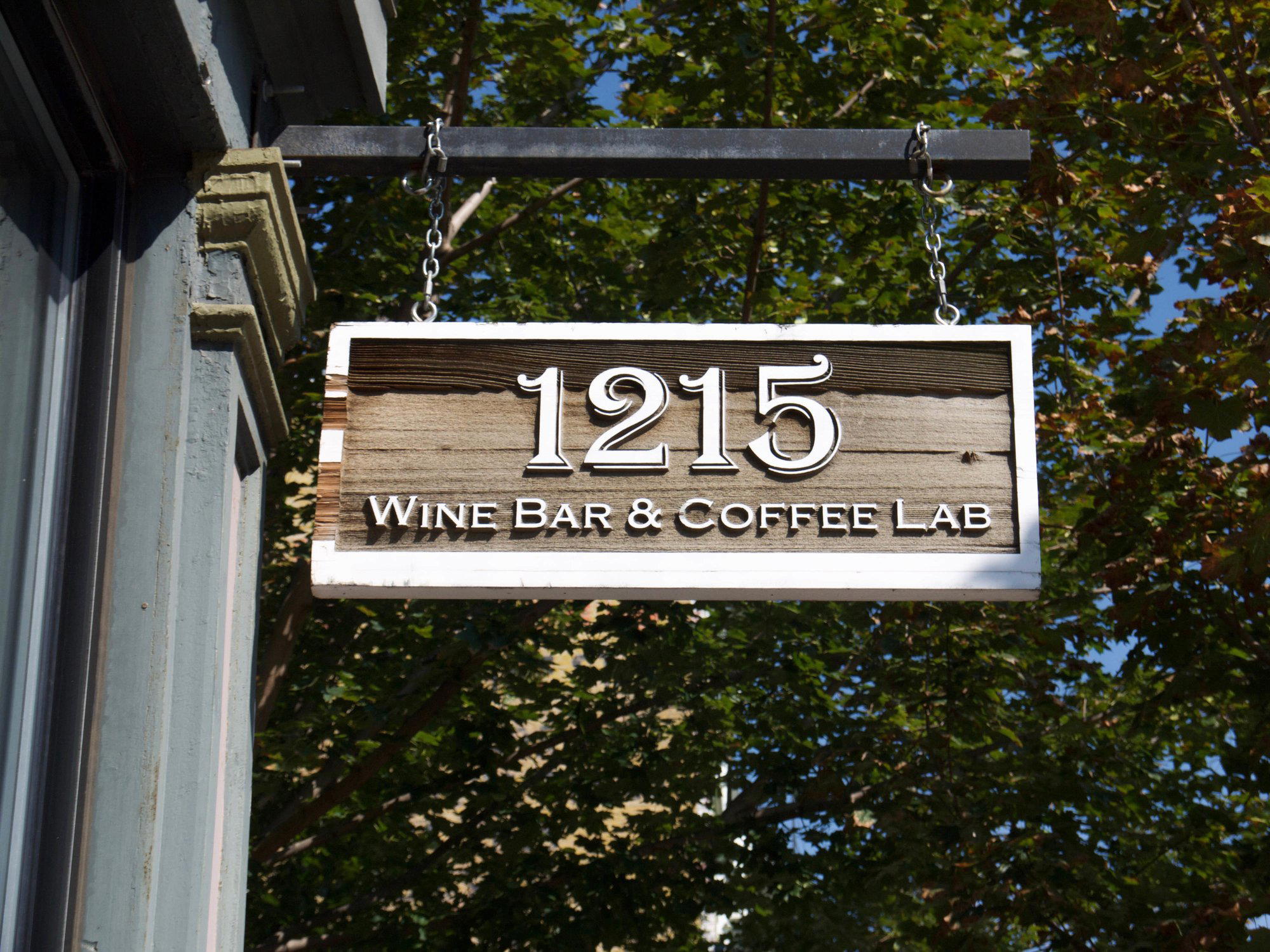
Where Vine Street Meets Two Drink Cultures at Once
Over-the-Rhine has spent the better part of a decade sorting itself into tiers. The neighborhood's 19th-century brick storefronts now house everything from craft brewery taprooms to cocktail bars, and the corridors between them carry a kind of restless ambition that distinguishes OTR from most American urban revival stories. Within that context, the concept at 1215 Vine Street occupies a specific and relatively uncommon position: a room designed to hold wine and coffee with equivalent seriousness, shifting between the two across the day without treating either as a secondary offering.
That dual-program format is not as common as it might seem. Most American cities have wine bars that serve espresso as an afterthought, and specialty coffee shops that keep a few bottles behind the counter for evening hours. Venues that invest in both as parallel programs, each with its own sourcing logic and service standards, represent a smaller subset. Places like Kumiko in Chicago and Bar Leather Apron in Honolulu demonstrate how tightly structured drink programs can anchor a room's identity across different dayparts; 1215 applies a version of that logic to the wine-and-coffee axis specifically.
The Pairing Logic: Food as a Supporting Architecture
In bar programming terms, the food menu at a wine bar functions differently from a restaurant kitchen. Its job is to extend the drinking occasion rather than compete with it, which means the selections need enough character to complement a range of wine styles without overwhelming the palate or pulling attention away from what's in the glass. This is a discipline that many wine bars get wrong, defaulting either to generic charcuterie arrangements or to a full small-plates format that tips the balance back toward food.
The strongest food-and-drink pairing programs in American bar culture share a few structural traits: they tend toward restraint in portion size, specificity in ingredient sourcing, and flexibility across flavor profiles, so the same table can move from a light white to a structured red without the food working against either. Venues like Jewel of the South in New Orleans and ABV in San Francisco have built reputations partly on this kind of calibration, where the bar food earns its place through deliberate design rather than convenience. The same standard applies to what a serious wine and coffee space needs to do with its food program in order to hold that dual identity credibly.
For a venue that spans morning coffee service and evening wine, the food architecture carries additional weight. A pastry or grain-based item that works alongside a bright, acidic natural wine also needs to hold up against a well-extracted single-origin espresso. That overlap zone, where food functions across both drink disciplines, is a specific design challenge, and venues that solve it tend to build the kind of loyal daytime-to-evening patronage that makes a small-footprint bar sustainable in a neighborhood where competition for regular customers is high.
Cincinnati's Bar Scene and Where 1215 Sits Within It
Cincinnati's bar culture has matured considerably in the last several years, with OTR functioning as the main laboratory. The neighborhood now produces a range of formats: craft beer-forward taprooms like Alcove by MadTree Brewing, historically rooted institutions like Arnold's Bar & Grill, spirits-focused programs at Bakersfield OTR, and neighborhood rooms like Arthur's that function more as social infrastructure than destination dining. Each of these occupies a distinct lane, and the market has become sophisticated enough that a new entry needs a clear identity to find its footing.
A wine bar with a genuine coffee program addresses a gap in that lineup. The midday and early-afternoon hours in OTR have historically belonged to coffee shops and casual lunch spots, with the evening hours claimed by cocktail bars and restaurants. A venue that holds both ends of that window, under a single concept, captures a different kind of dwell time and attracts a different visitor pattern than either category alone. That positioning has worked in other American cities: Superbueno in New York City and Julep in Houston both demonstrate how a tightly defined concept can carve out a specific audience in a crowded urban market, even without the largest footprint or the longest pedigree.
Internationally, the wine-and-coffee hybrid has found more traction in European cities where the distinction between café and wine bar has always been more fluid. The Parlour in Frankfurt on the Main is one example of a room that holds both identities without collapsing into either. Cincinnati's version of that concept, anchored to a specific address on Vine Street, brings that sensibility into a Midwestern urban context that is increasingly receptive to it.
Planning a Visit
1215 Vine Street sits in the active stretch of OTR's commercial corridor, walkable from the neighborhood's main concentration of restaurants and bars. For visitors building an evening around the area's options, the venue functions naturally as an opening or closing act: early enough for a glass before dinner, or late enough for a final pour after. The coffee program makes it a reasonable morning anchor as well, which is an efficient option for visitors who want to cover the neighborhood across a full day.
The dual-program format also means the visit logic shifts depending on time of day. Arriving mid-afternoon puts you at the intersection of both offerings, which is when the menu holds up as a bridge between coffee service and wine service.
Comparable Venues
Comparable venues nearby, for context on price, style, and recognition.
| Venue | Cuisine | Price | Awards | Notes |
|---|---|---|---|---|
| 1215 Wine Bar & Coffee LabThis venue (the venue you are viewing) | wine_bar | $20–30 | Not listed | Not listed |
| Fireside Pizza | pub | Not listed | Not listed | Walnut Hills |
| Incline Public House | pub | $20–30 | Not listed | East Price Hill |
| Urban Artifact | beer_bar | $20–30 | Not listed | Northside |
| The Turf Club | pub | $20–30 | Diners, Drive-Ins and Dives Featured Bar | Linwood |
| Alcove by MadTree Brewing | beer_bar | $20–30 | Not listed | Over-the-Rhine |
Continue exploring
More in Cincinnati
Bars in Cincinnati
All bars in Cincinnati →
Restaurants in Cincinnati
All restaurants in Cincinnati →
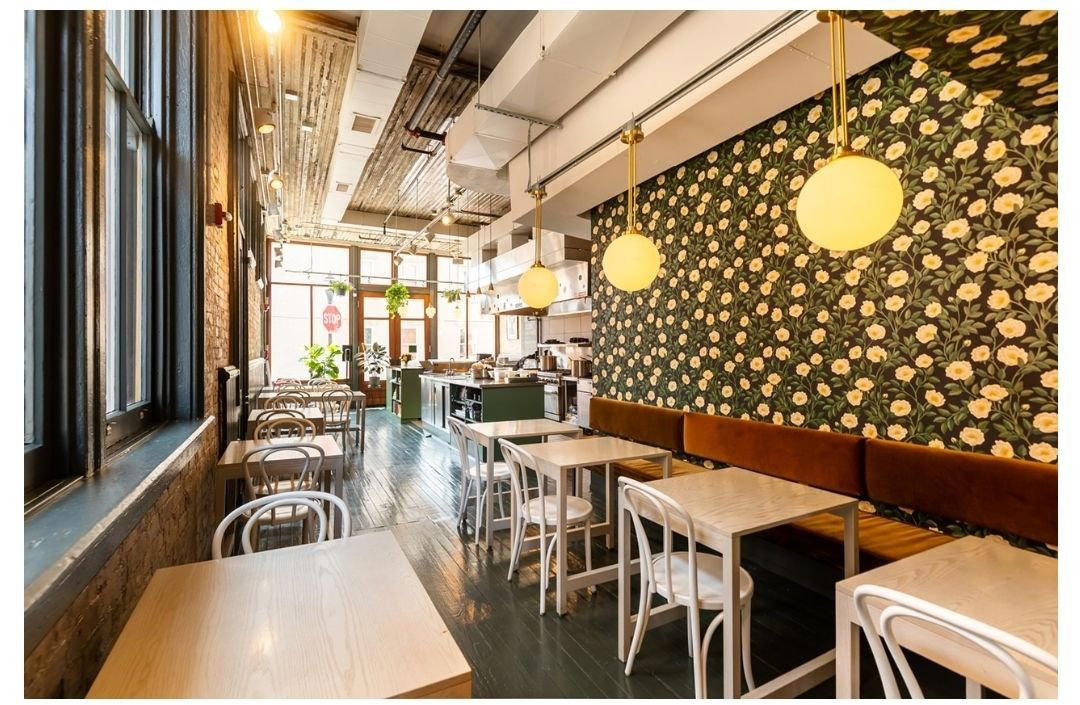
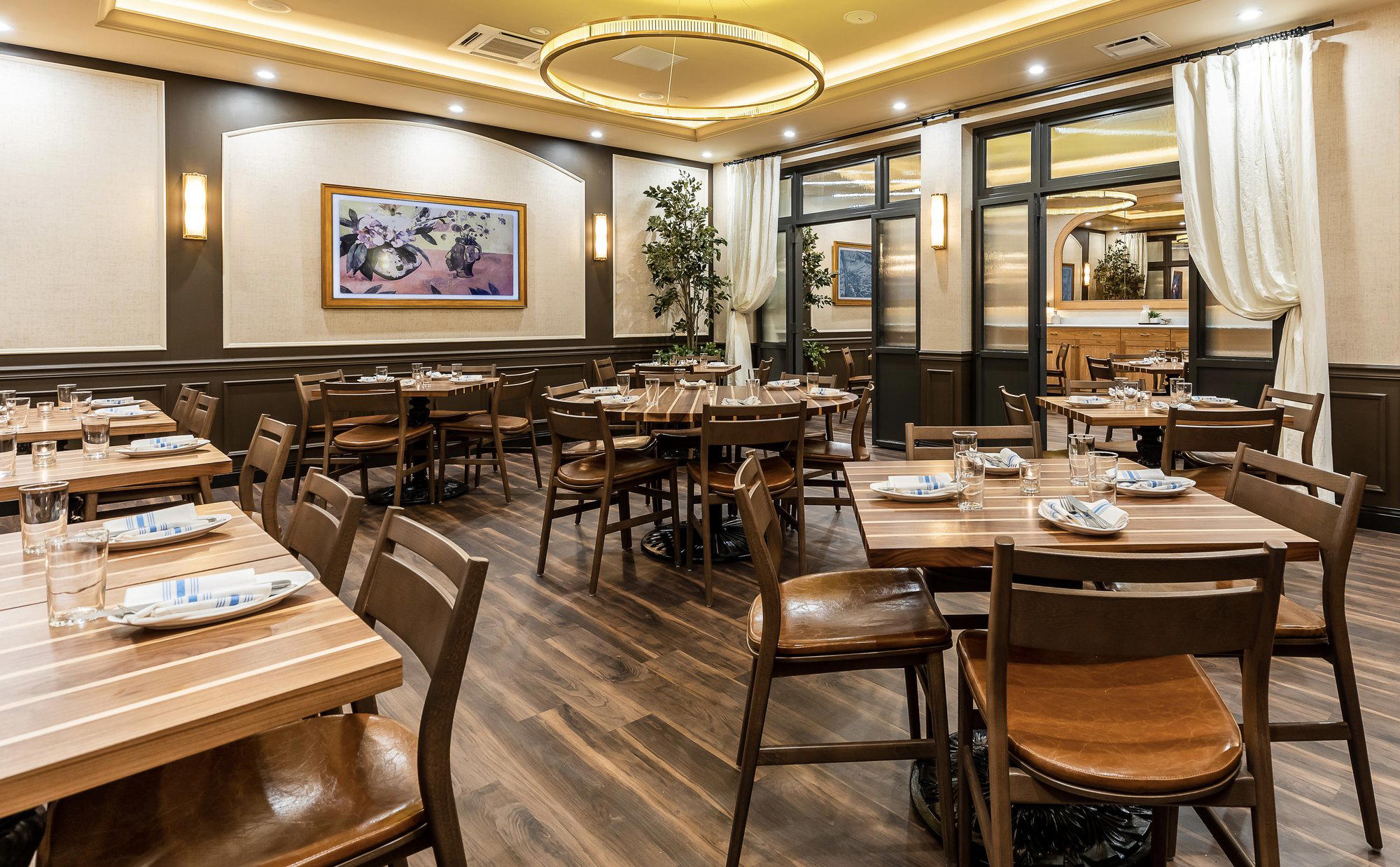
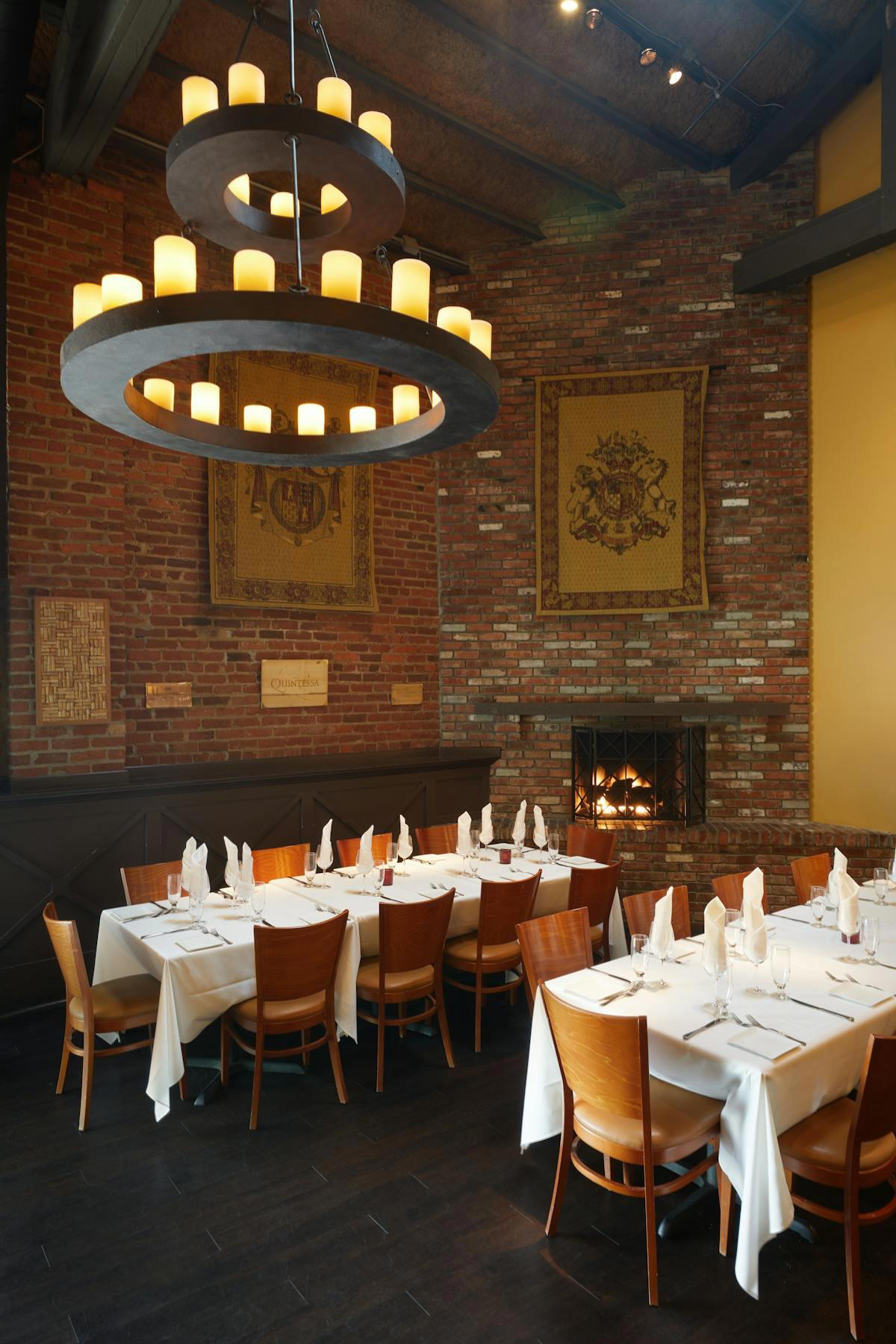
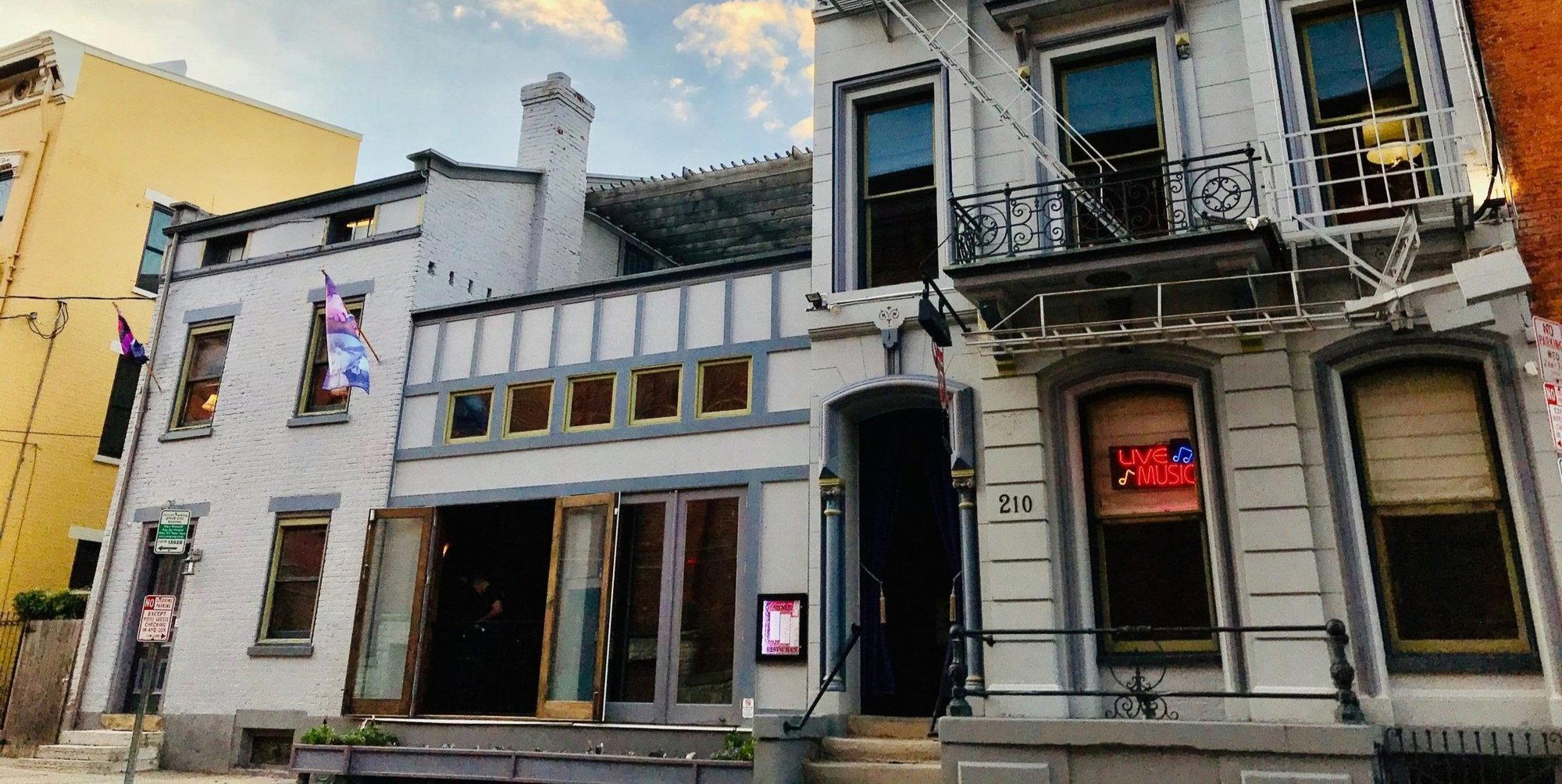
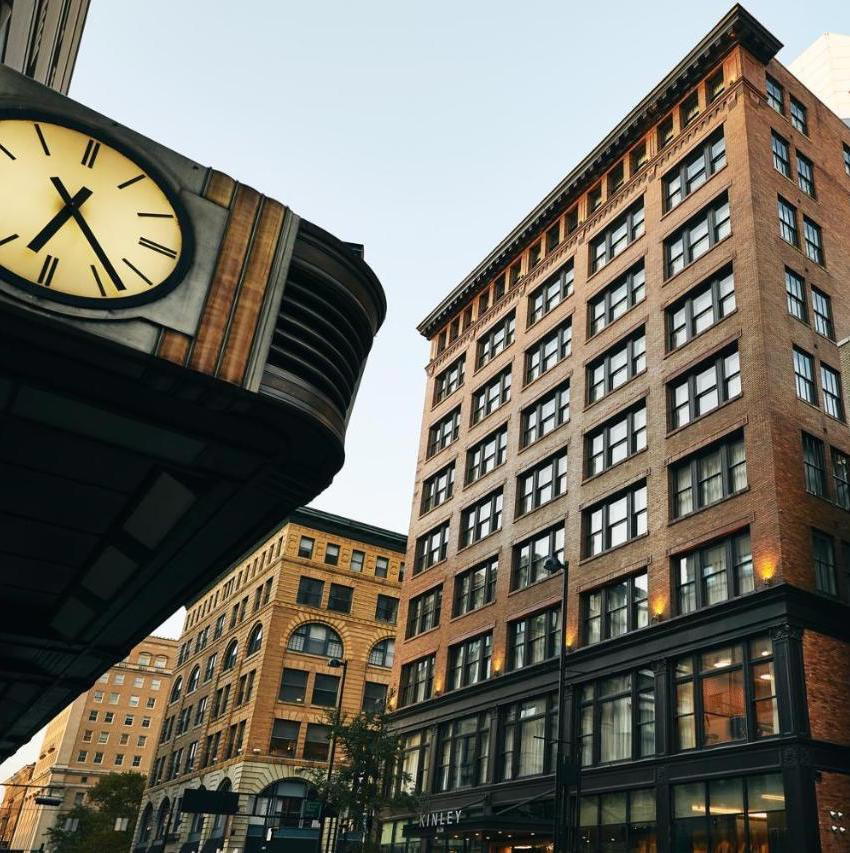
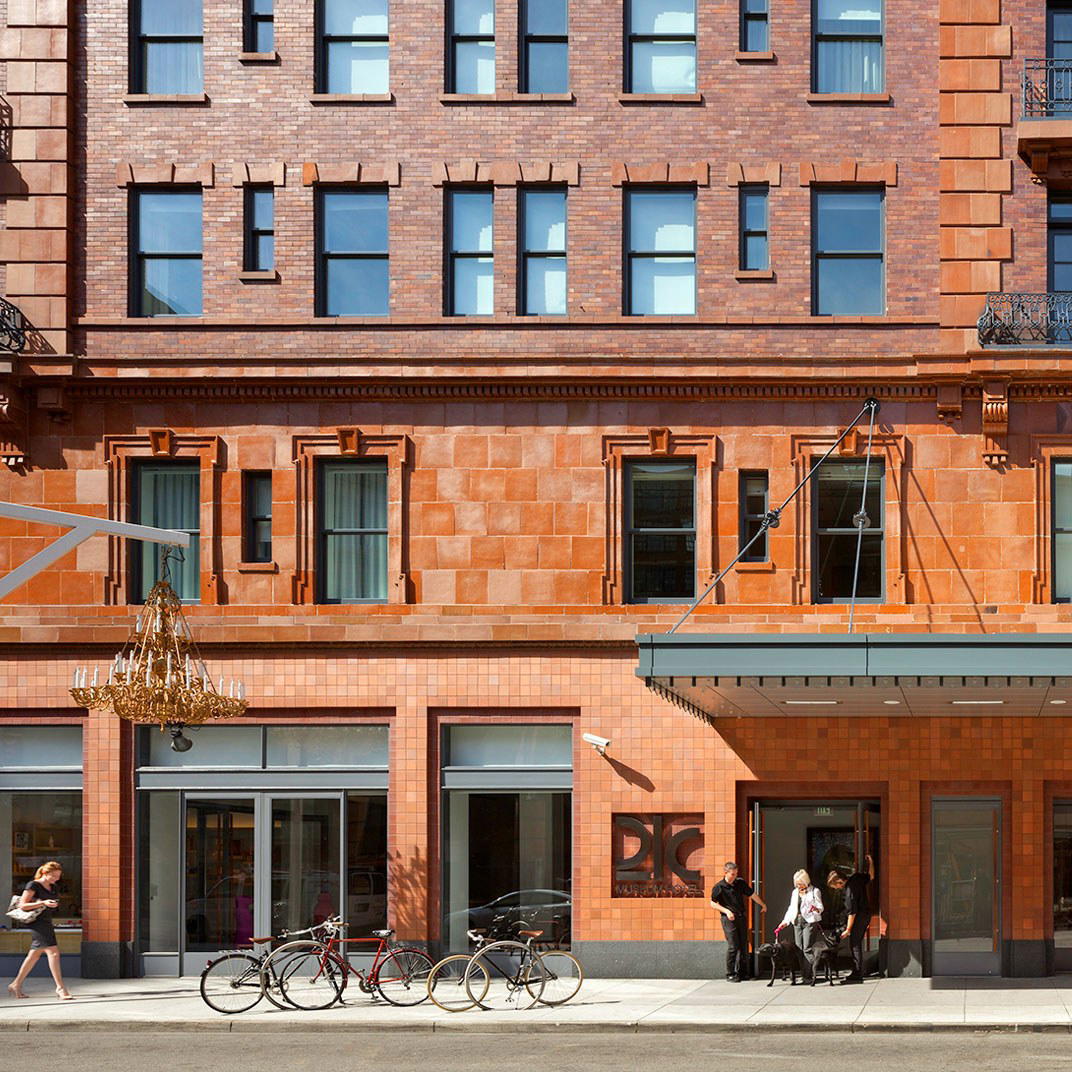
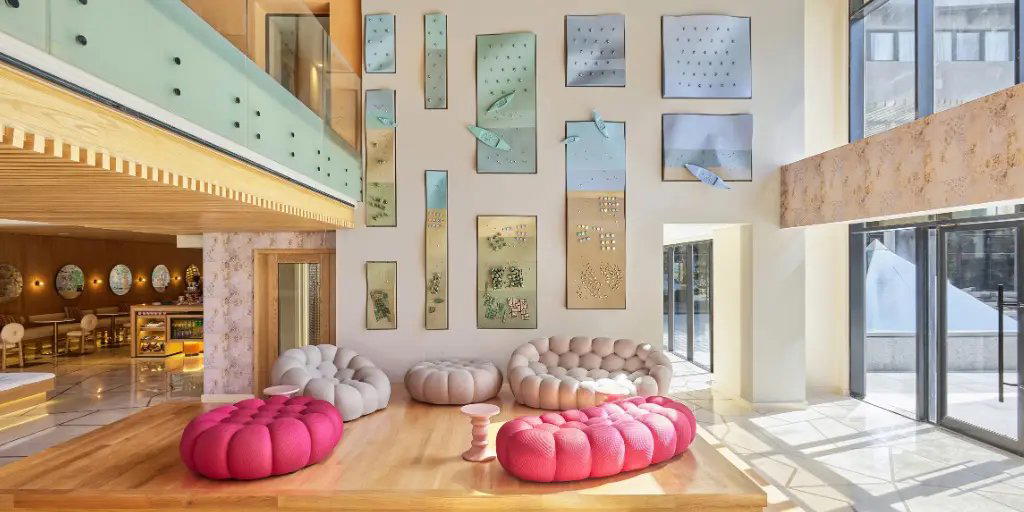
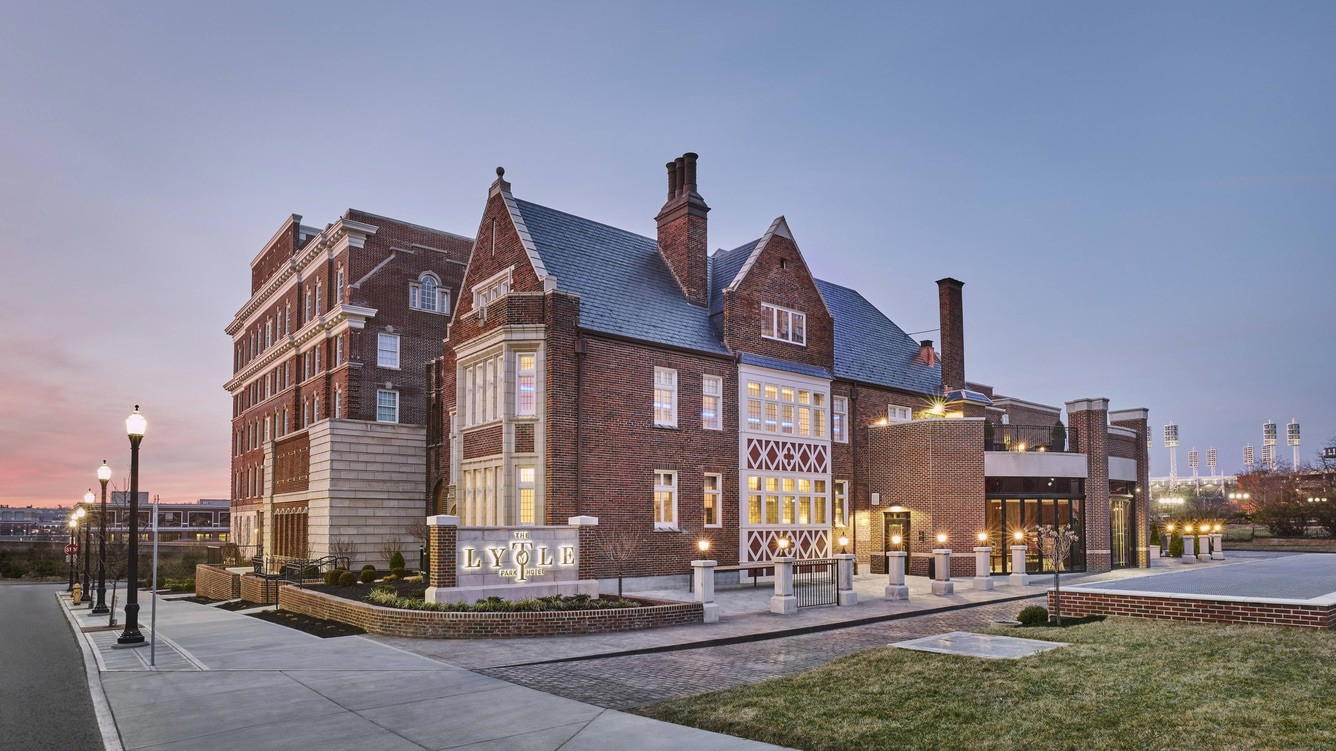
1215 Wine Bar & Coffee Lab
The drinks
- Craft cocktails
Signature drinks: Ethiopia Shantawene pour over, white chocolate latte.
Details
- Cozy
- Intimate
- Date Night
- Casual Hangout
- After Work
- Standalone
- Seated Bar
- Lounge Seating
- Outdoor Terrace
- Conventional Wine
- Craft Cocktails
Current opening hours
- Monday
- 7:30 AM–8 PM
- Tuesday
- 7:30 AM–8 PM
- Wednesday
- 7:30 AM–8 PM
- Thursday
- 7:30 AM–8 PM
- Friday
- 7:30 AM–10 PM
- Saturday
- 8 AM–10 PM
- Sunday
- 12:30–7 PM
Hours can change for holidays and private events. Hours as of .
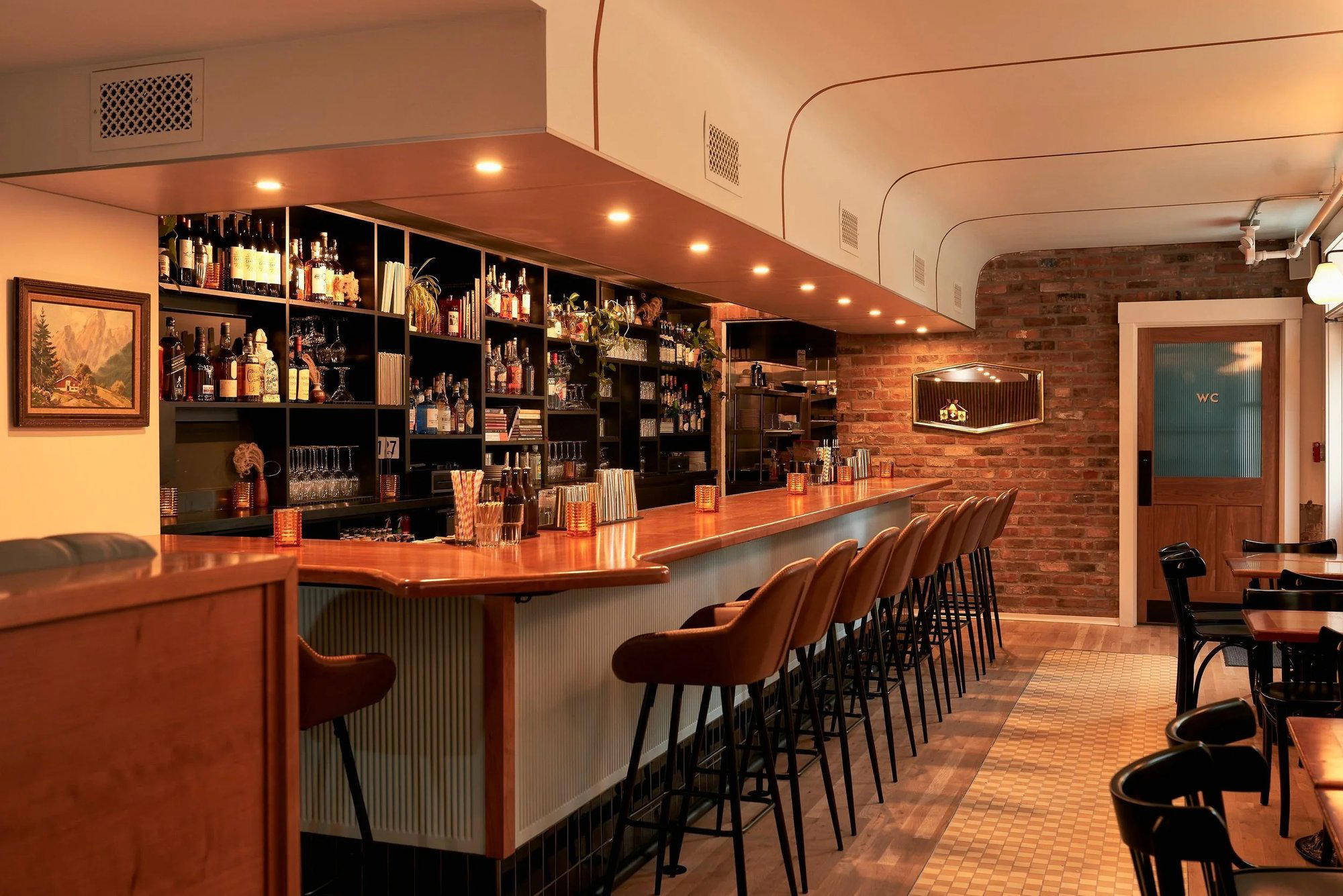
Cozy and laid-back with a welcoming atmosphere, featuring instrumental jazz music on select evenings.