Google: 4.7 · 1,226 reviews
Boca


Boca anchors Cincinnati's mid-tier European dining scene with a wine program that punches above its price bracket: 1,200 bottles across France, Italy, and California, overseen by Wine Director Heather Brady. Owner-chef David Falk keeps the format focused on dinner, positioning Boca as one of the city's more considered choices when you want Old World cooking with a well-curated glass to match.
 Discover on Pearl
Pearl is the En Primeur Club membership app — saves, bookings, and concierge access live there. Same editors, same standards.
- Address
- 114 E 6th St, Cincinnati, OH 45202
- Phone
- (513) 542-2022
- Website
- bocacincinnati.com
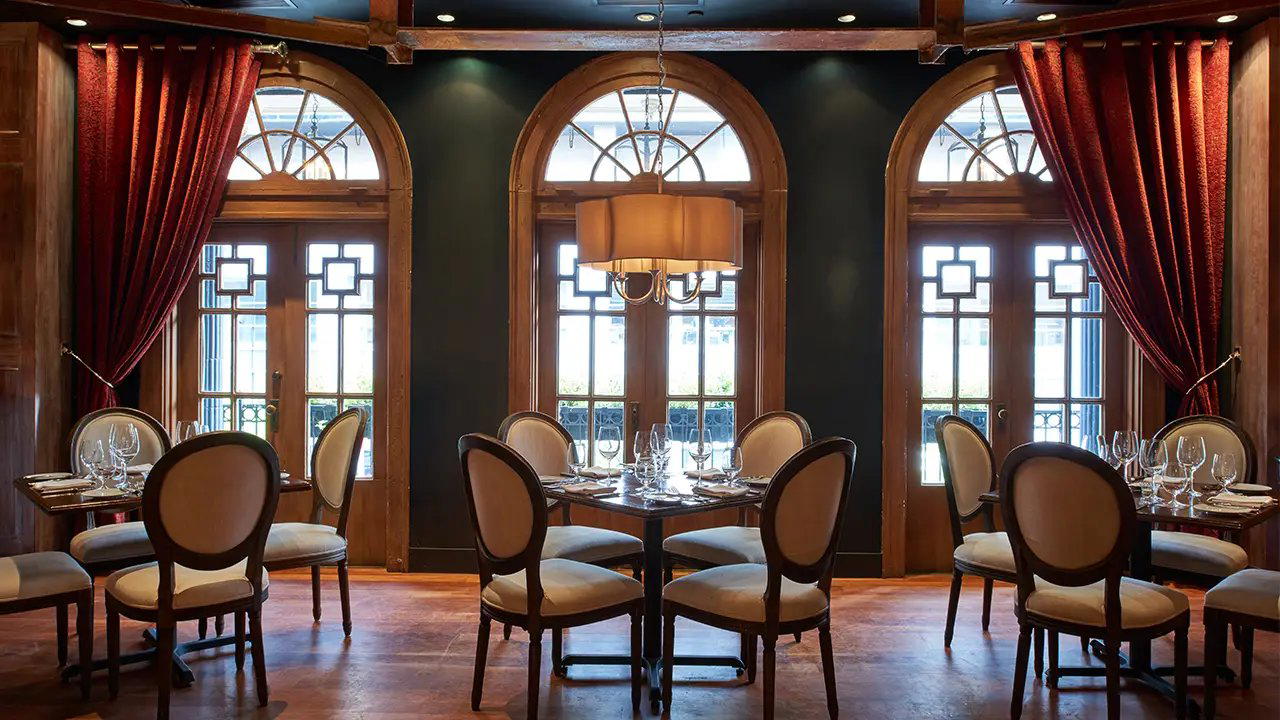
Where Cincinnati's European Dining Tradition Holds Ground
Downtown Cincinnati has never quite resolved the tension between steakhouse grandeur and more restrained European cooking. Walk along East 6th Street after 6pm and that tension becomes visible: the block carries the low hum of a city that takes dinner seriously but rarely shouts about it. Boca, at 114 E 6th St, occupies that quieter register. The room telegraphs a European sensibility before the menu arrives, and the wine list confirms it once you open the cover.
The broader context matters here. Cincinnati's dining scene has been quietly diversifying for the better part of a decade. Camp Washington (Chili) represents one pole of the city's food identity, a regional institution built on a specific, hyper-local tradition. At the other end, Jeff Ruby's Steakhouse anchors the high-ticket, occasion-dining tier. Boca occupies the space between those poles: European technique at a price point that keeps it accessible without sacrificing the depth of cooking or the seriousness of the wine program.
The Sourcing Logic Behind European Cooking in the Midwest
European cuisine in American cities tends to follow one of two sourcing philosophies. The first reaches backward toward classical French or Italian tradition, treating provenance as a matter of technique and lineage rather than geography. The second attempts to translate European sensibilities onto local Midwestern produce, using regional farmers and seasonal cycles to stand in for what a European address might supply naturally. The more interesting restaurants hold both impulses simultaneously.
Boca's European classification points toward the former approach, though the kitchen's exact sourcing commitments are not publicly documented in granular detail. What the format does confirm is an alignment with dinner-only service, which in practice concentrates the kitchen's attention. A restaurant that serves only dinner is making a statement about pace: it is not trying to cover every daypart, which means the team's energy isn't spread across breakfast service or a midday rush. For ingredient-forward cooking, that discipline tends to show on the plate.
This connects to a wider Midwestern pattern worth noting. Ohio sits within reach of serious agricultural networks: the Ohio Valley, the farmland belts of the state's central and southern regions, and a growing number of small producers supplying Cincinnati restaurants directly. The city's farm-to-table conversation has matured past the novelty stage, with places like Wildweed pushing a specifically Midwestern farm-to-table identity. European-focused kitchens in this environment tend to make a choice: import the classicism or root it locally. The more durable restaurants find a way to do both.
Across the EP Club Cincinnati portfolio, the farm-sourcing conversation appears in different registers. Nolia Kitchen approaches sourcing through a Southern and Creole lens, while Pepp & Dolores and Sotto bring different European entry points to the same city. The range illustrates how much of Cincinnati's mid-market dining energy flows through European and European-adjacent traditions, each one navigating that sourcing question in its own way.
A Wine List That Changes the Conversation
The wine program at Boca is the most objectively documented dimension of the restaurant, and it earns attention on its own terms. Wine Director Heather Brady oversees a list of 230 selections backed by a cellar inventory of 1,200 bottles. The geographic strengths run to France, Italy, and California, which together represent three of the most codified fine wine regions in the world. That combination is not accidental: it maps onto the classical European cooking tradition that the kitchen draws from, while the California inclusion acknowledges the American context without over-indexing on domestic wines.
The pricing tier sits at the mid-range double-dollar bracket, meaning the list carries a spread of price points rather than concentrating at either extreme. Compared to single-dollar lists that cluster under $50, this range suggests Heather Brady is building a list intended for exploration rather than just table convenience. A corkage fee of $75 applies for guests who bring their own bottles, which positions the list as the preferred path for most diners.
For reference against the national field: European fine dining restaurants with wine lists of this depth and a cellar inventory above 1,000 bottles tend to take their wine programs as seriously as their kitchens. You see that approach at places like Le Bernardin in New York City, The French Laundry in Napa, and at the intersection of tasting menus and serious cellars that characterizes places like Alinea in Chicago or Atomix in New York City. Boca is not at that tier in format or price, but the wine infrastructure reflects a similar underlying commitment. For a mid-price dinner in Cincinnati, a 1,200-bottle inventory is a meaningful signal.
If you want to understand the contrast, consider that most mid-price American restaurants in this category carry fewer than 100 labels. The step up to 230 selections, with deep inventory behind it, is not a cosmetic move. It means the sommelier can offer vertical options, make recommendations across a real range of producers, and support a dinner that evolves through multiple glasses without retreating to the same tier throughout.
What to Know Before You Go
Boca serves dinner only, which means planning around evening availability rather than a flexible daypart. The cuisine pricing at the double-dollar level places a typical two-course meal between $40 and $65 before beverages and tip, which for European cooking in a downtown setting is mid-market in the national context but represents genuine value against the depth of the wine program on offer. Owner-chef David Falk runs the kitchen, and Wine Director Heather Brady manages the cellar.
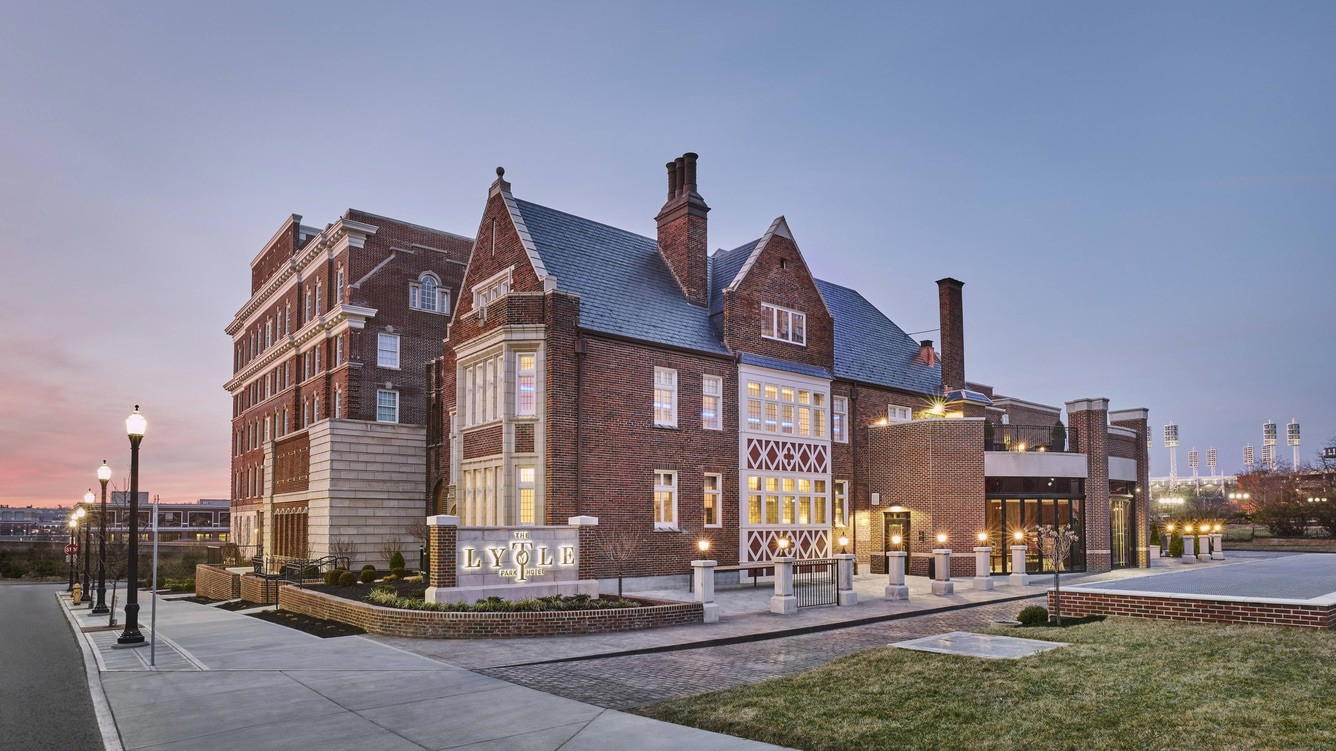
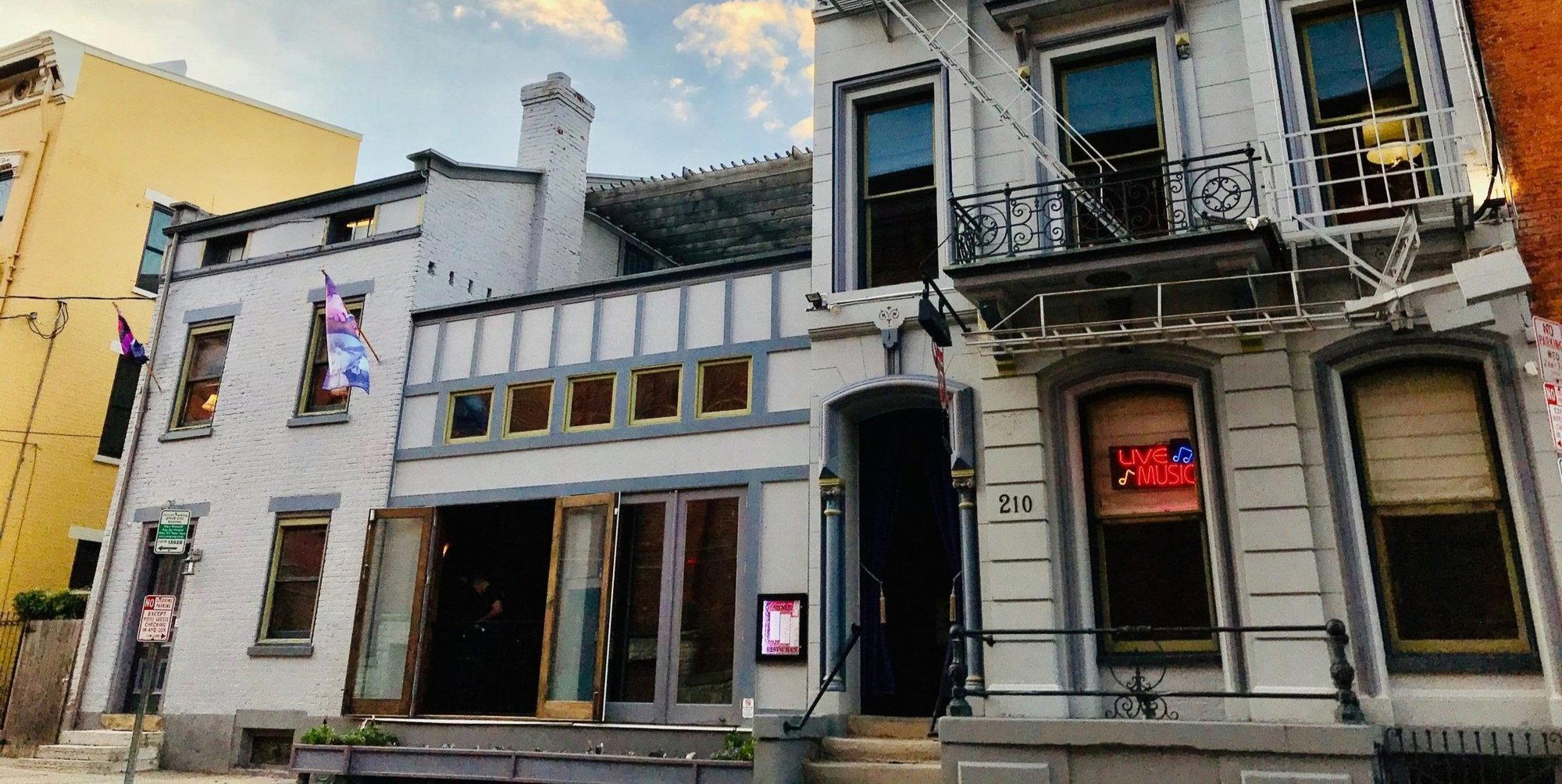
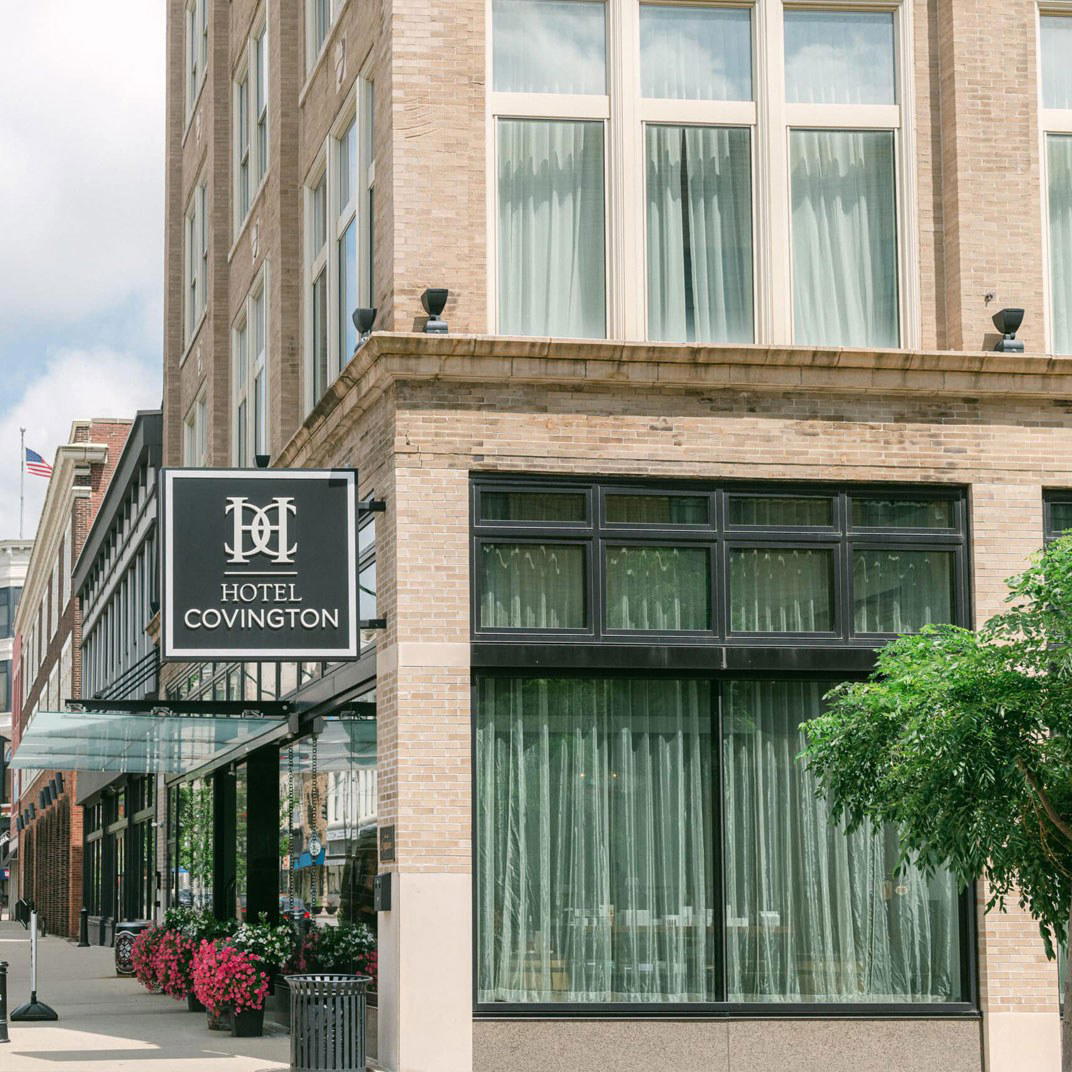
The restaurant sits at 114 E 6th St in Cincinnati's downtown core, which keeps it accessible from most of the city's central hotel stock. For accommodation options near the restaurant, our full Cincinnati hotels guide covers the downtown bracket in detail. If you want to extend an evening into cocktails or a post-dinner drink, our full Cincinnati bars guide maps the options. For a fuller picture of where Boca sits within the city's dining scene, the full Cincinnati restaurants guide provides the editorial context, alongside entries for experiences and wineries in the region.
For those building a broader trip around serious eating, the wider EP Club US portfolio includes Single Thread Farm in Healdsburg, Lazy Bear in San Francisco, and Emeril's in New Orleans, as well as international reference points like 8 1/2 Otto e Mezzo Bombana in Hong Kong, each one illustrating how European culinary traditions travel and adapt across very different urban contexts.
Fast Comparison
Comparable venues for orientation, based on our database fields.
| Venue | Cuisine | Price | Awards | Notes |
|---|---|---|---|---|
| Boca | WINE: Wine Strengths: France, Italy, California Pricing: $$ i Wine pricing: Base… | This venue | ||
| Camp Washington | Chili | Chili | ||
| The Refectory | French | French | ||
| Wildweed | Midwestern Farm-to-Table | Midwestern Farm-to-Table | ||
| Nolia Kitchen | Southern/Creole | Southern/Creole | ||
| Jeff Ruby's Steakhouse – Cincinnati |
Continue exploring
More in Cincinnati
Restaurants in Cincinnati
Browse all →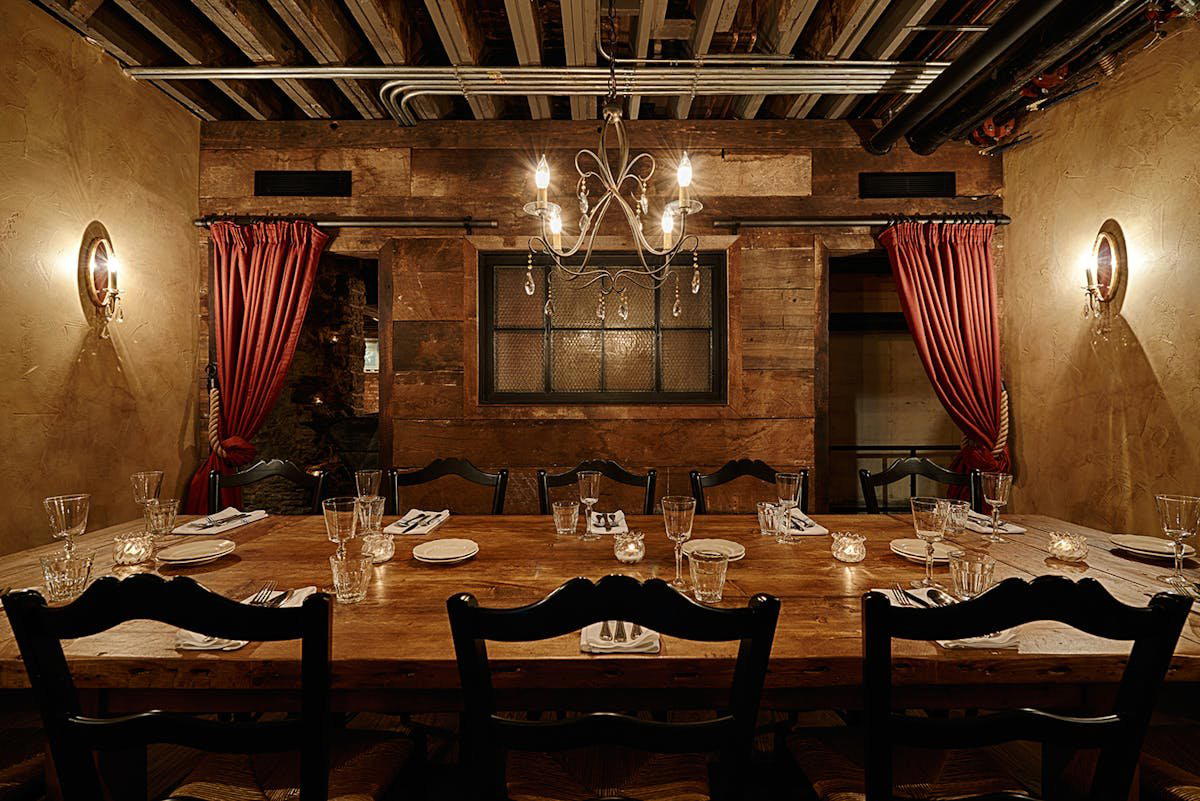
Bars in Cincinnati
Browse all →
Hotels in Cincinnati
Browse all →

Wineries in Cincinnati
Browse all →
At a Glance
- Elegant
- Sophisticated
- Intimate
- Classic
- Special Occasion
- Date Night
- Celebration
- Open Kitchen
- Craft Cocktails
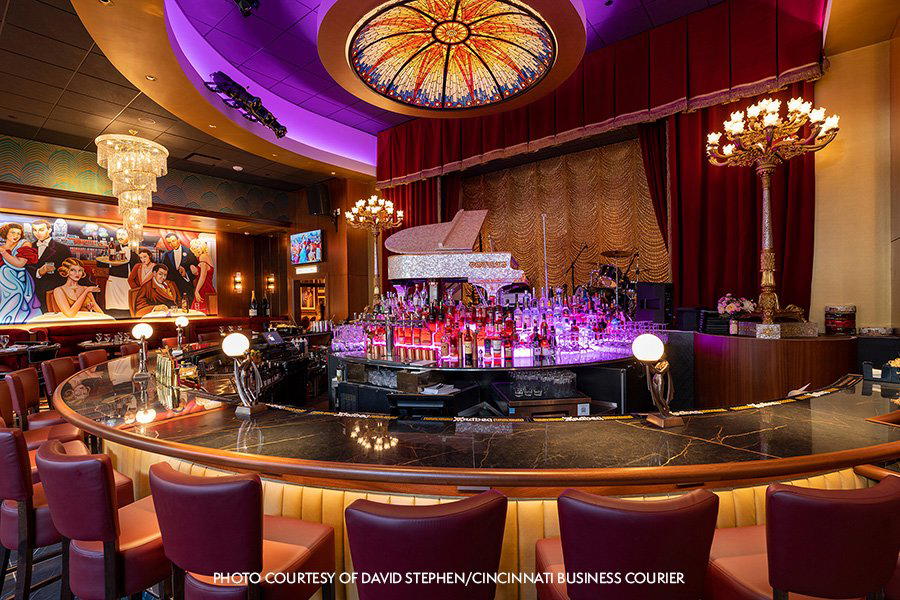
Elegant and classy with open concept kitchen, backlit bar, and beautiful dramatic atmosphere perfect for special occasions.