Symphony Hotel & Vivaldi's Restaurant
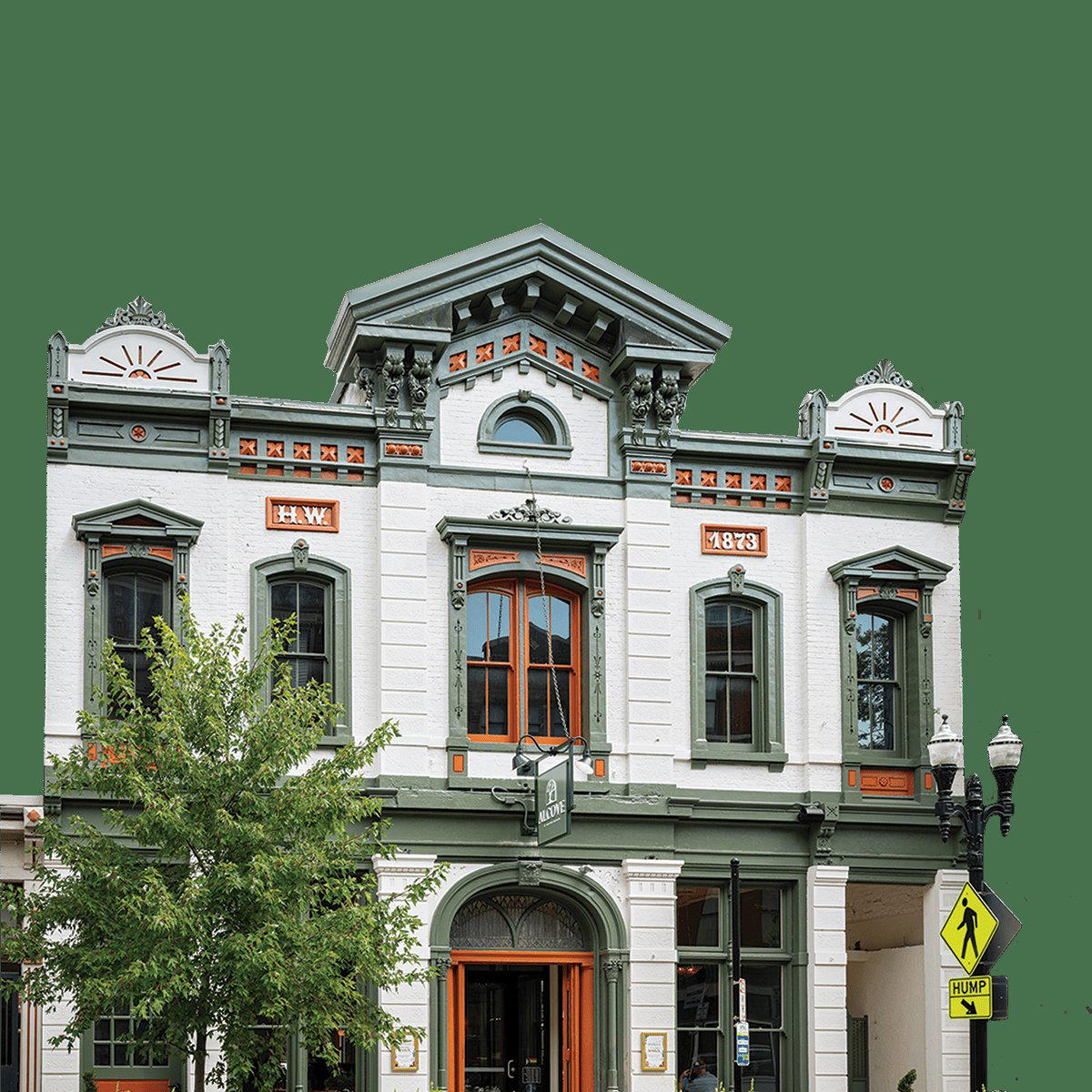
A converted Victorian-era structure on West 14th Street in Cincinnati's Over-the-Rhine-adjacent corridor, Symphony Hotel pairs boutique accommodations with Vivaldi's Restaurant in a building whose architectural bones do most of the storytelling. For travelers who treat the hotel itself as part of the itinerary, this address occupies a distinct tier among Cincinnati's character-driven properties.

Pearl is the En Primeur Club membership app — saves, bookings, and concierge access live there. Same editors, same standards.
- Address
- 210 W 14th St, Cincinnati, OH 45202
- Phone
- (513) 721-3353
- Website
- symphonyhotel.com
- Directions
- Get directions
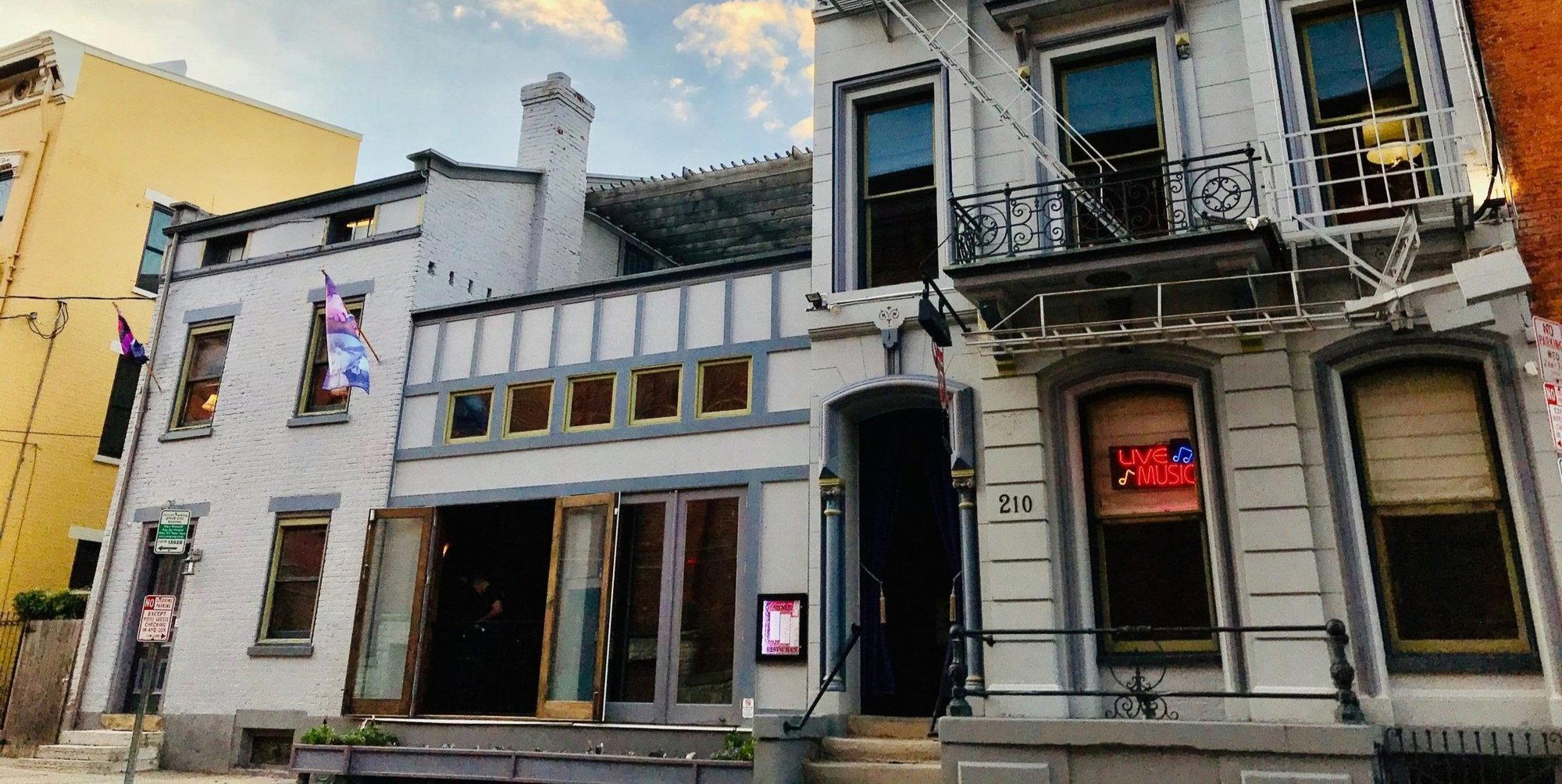
Where the Building Sets the Agenda
There is a category of American boutique hotel where the architecture is not decoration but argument. Symphony Hotel, at 210 W 14th St in Cincinnati, belongs to that category. The structure's Victorian-era bones — the kind of masonry and proportion that mid-century development largely erased from Midwestern cities — frame every experience inside it, from the way light moves through the upper-floor rooms to the atmosphere that gathers in the dining room Vivaldi's Restaurant occupies at street level. In a city that has spent the past two decades recovering architectural confidence, this address reads less like a lodging choice and more like a position on what Cincinnati's built environment can still offer.
The Over-the-Rhine neighborhood, a short distance north, has drawn the bulk of media attention for Cincinnati's renovation story, with its dense concentration of Italianate commercial buildings now repurposed into bars, restaurants, and creative offices. The streets around Symphony Hotel represent a quieter, less-trafficked extension of that same impulse: preservation as hospitality, rather than preservation as spectacle. Travelers who have stayed at adaptive-reuse properties elsewhere, the Chicago Athletic Association in Chicago is a useful reference point for scale and intention, will recognize the operating logic immediately.
The Architecture as Spatial Experience
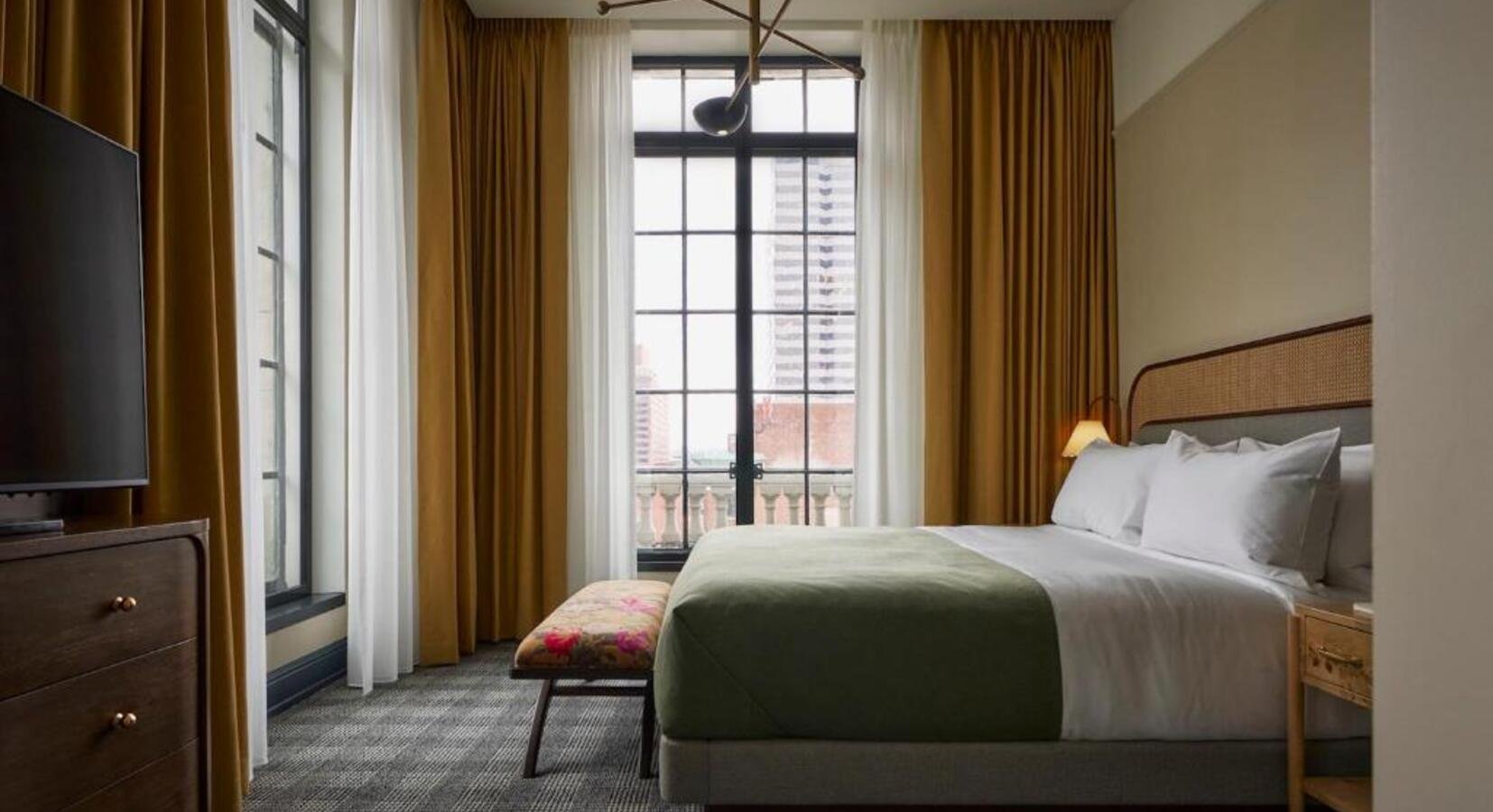
Victorian domestic architecture in Ohio tended toward verticality, bay windows, and an insistence on ornamental detail that functioned as social signaling for the original owners. What that means for a guest today is ceilings with more presence than a standard hotel room, spatial proportions that feel earned rather than engineered, and the kind of material weight, plaster, woodwork, original flooring where it survives, that newer construction cannot replicate on any budget. The design category here is preservation-led rather than renovation-led: the instinct has been to work around the building's existing logic rather than impose a contemporary aesthetic on top of it.
That approach places Symphony Hotel in a specific peer conversation. At the higher end of the character-hotel spectrum, properties like The Fifth Avenue Hotel in New York City or Raffles Boston deploy their historic fabric as part of an explicitly luxury positioning. Symphony Hotel operates at a different scale and price register, one more comparable to the intimate, owner-operated boutique tier that cities like Cincinnati support precisely because their real estate economics allow smaller operators to hold onto significant buildings. For visitors who want genuine architectural character without the formality of a grand hotel, that positioning is the point.
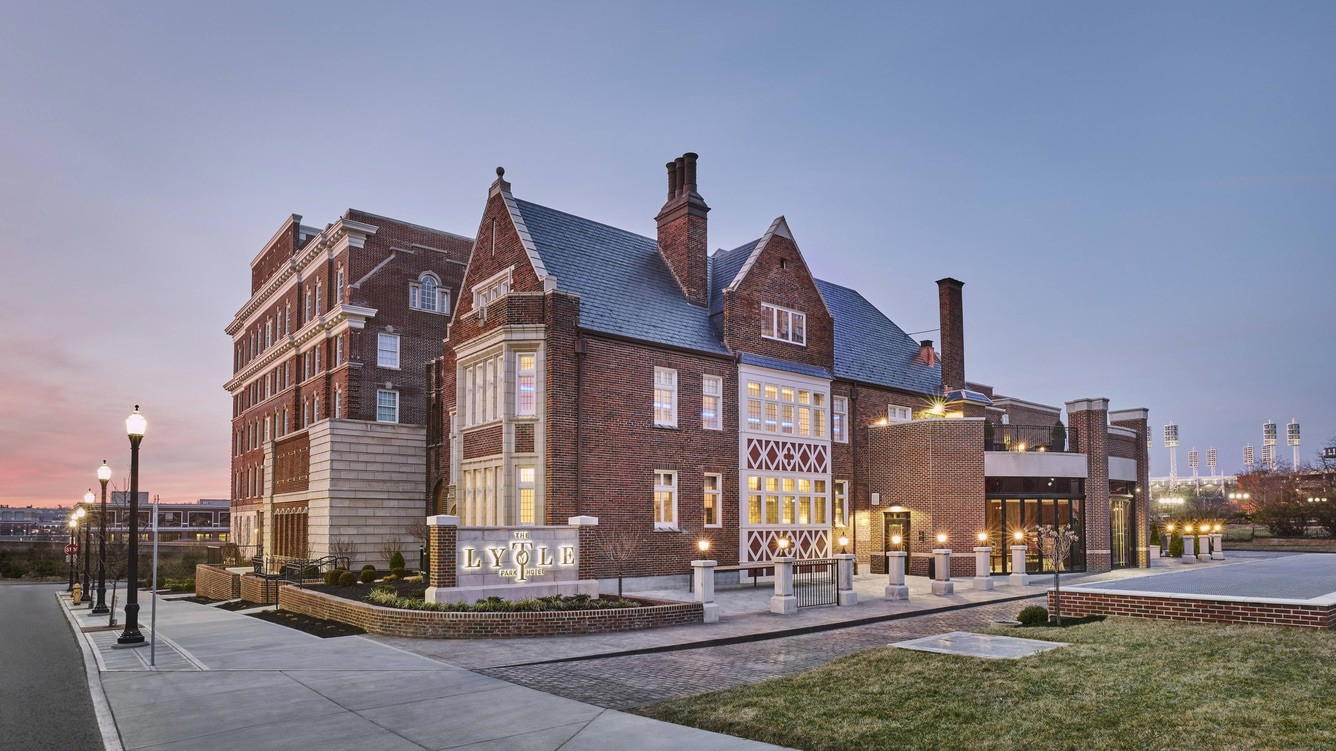
Within Cincinnati's own accommodation market, the comparison set is small but defined. The Lytle Park Hotel, Autograph Collection represents the city's more explicitly restored historic tier, while The Summit Hotel occupies a different quadrant entirely. Symphony Hotel's boutique scale, combined with the in-house restaurant, puts it in a niche that suits a specific kind of stay: extended, exploratory, and organized around neighborhood rather than amenity list. See our full Cincinnati restaurants guide for how Vivaldi's fits into the broader dining picture.
Vivaldi's Restaurant: Dining Inside the Structure
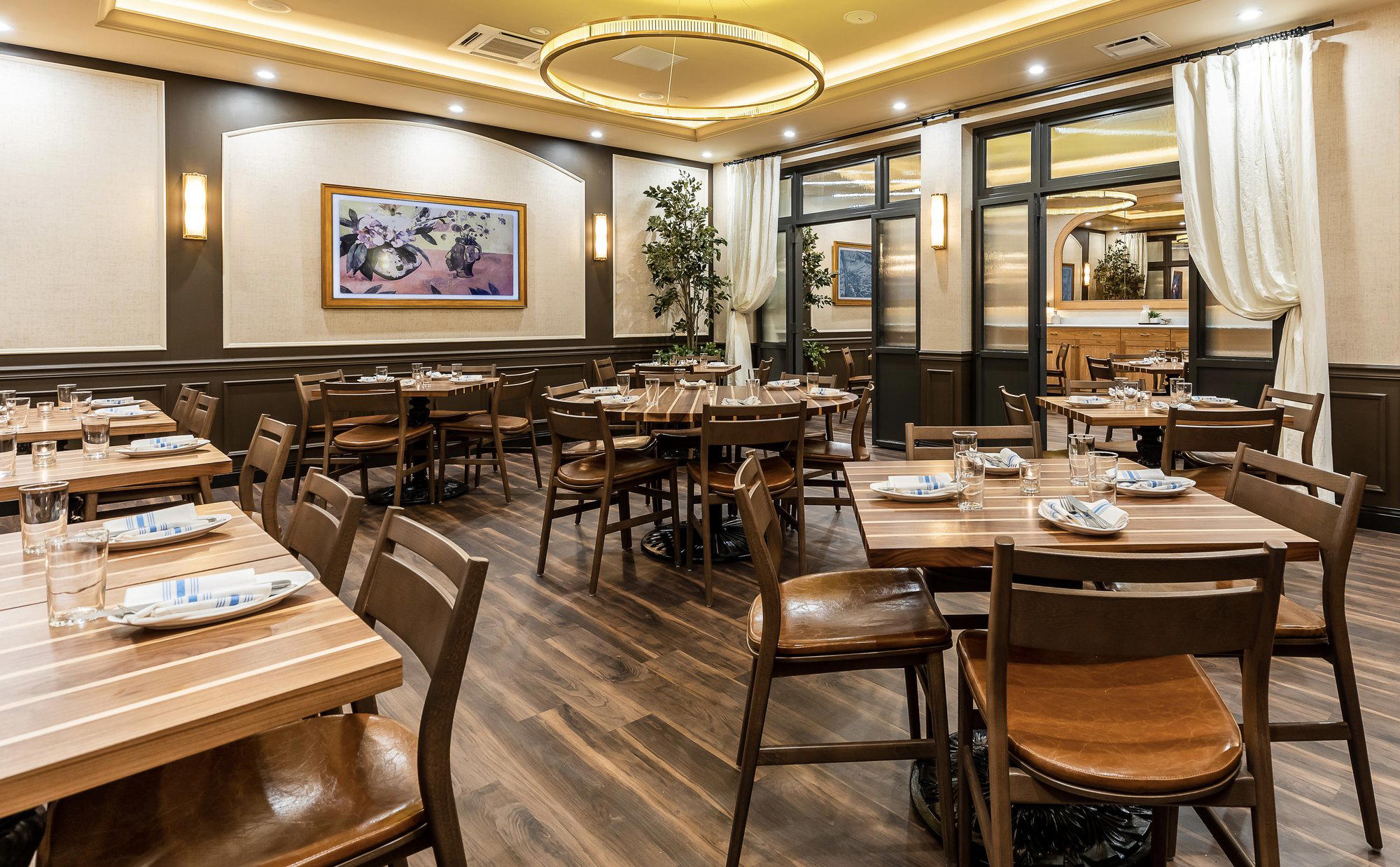
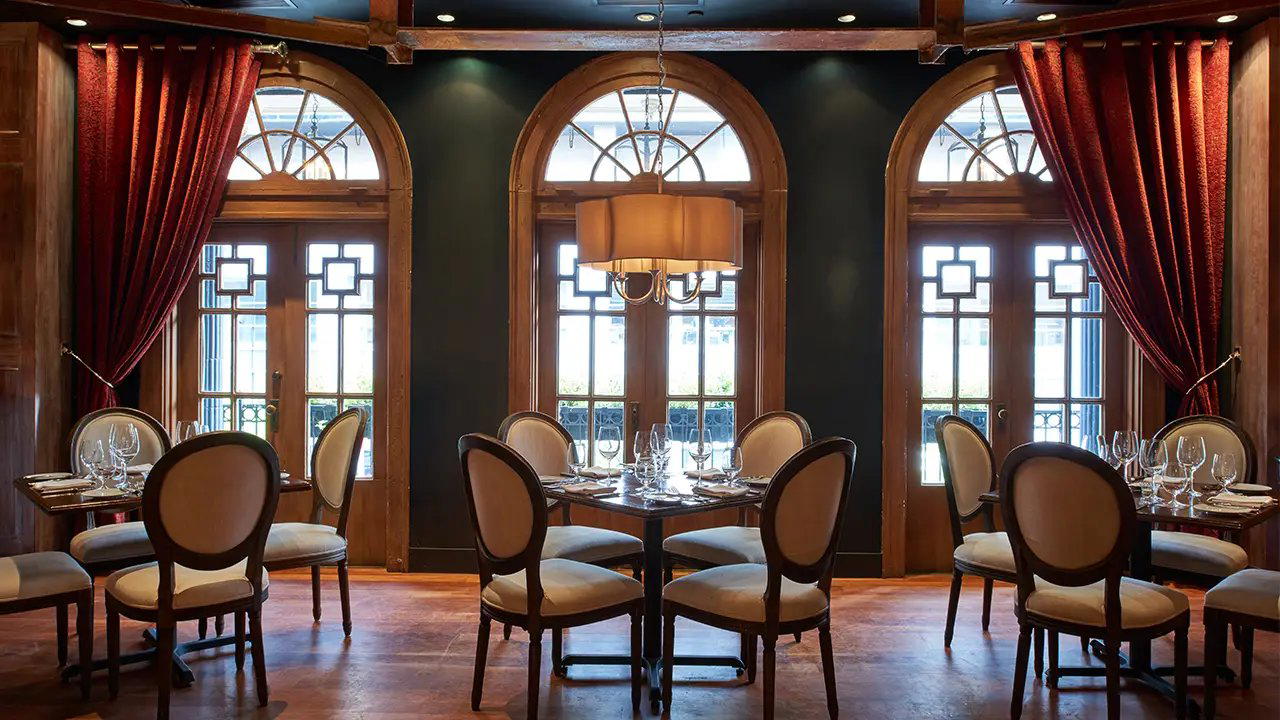
In-house hotel restaurants in the boutique tier face a structural tension: the kitchen must serve guests for whom it is the path of least resistance while also giving neighborhood visitors a reason to arrive specifically. Vivaldi's Restaurant at Symphony Hotel occupies that dual role, with the dining room's character derived directly from the building around it. The spatial context, the ceiling height, the proportions, the material palette of an older structure, does work that no amount of interior design budget can manufacture in a new-build space.
The restaurant name references the Baroque composer, which places the property in an explicit relationship with Cincinnati's strong orchestral tradition: the Cincinnati Symphony Orchestra operates out of Music Hall, a National Historic Landmark less than a half-mile away, and the hotel's identity is clearly calibrated to that cultural geography. For visitors in town for performances at Music Hall or the Aronoff Center further south, the proximity and thematic coherence of the hotel-restaurant pairing is a practical and atmospheric asset.
The specific menu format and current kitchen team at Vivaldi's are not documented in detail here, and EP Club does not speculate on those specifics. What the architectural and locational data does support is a clear editorial read: this is a dining room where atmosphere precedes the plate, and where the building earns its billing before any dish arrives.
Planning a Stay
Symphony Hotel sits on West 14th Street in Cincinnati's lower Mount Auburn corridor, within reasonable walking distance of both the Over-the-Rhine concentration of dining and drinking options and the cultural institutions of Music Hall and Washington Park. For travelers arriving by car, the address is accessible from I-71 without significant complexity, and street and garage parking are available in the immediate area. For those accustomed to the room-count and amenity infrastructure of larger properties, the kind of full-service scale represented by, say, Four Seasons at The Surf Club in Surfside or Auberge du Soleil in Napa, the expectations should be reset accordingly. A boutique property in a Victorian building operates on different terms: fewer rooms, less standardization, more architectural incident per square meter. That trade-off is not a compromise for the right traveler; it is the entire offer.
Booking is best confirmed directly through the property. Phone and web contact details were not available at the time of this publication; EP Club recommends a direct search for current availability and rate structures before planning around this address. Given the limited room count typical of properties at this scale, advance planning is advisable, particularly during Cincinnati's orchestral season and the summer festival calendar.
For travelers building a wider American itinerary around design-led or architecturally significant stays, the comparison set extends well beyond Ohio: Troutbeck in Amenia, SingleThread Farm Inn in Healdsburg, and Post Ranch Inn in Big Sur each represent a version of the same underlying proposition: accommodation where the physical environment is load-bearing, not cosmetic. Symphony Hotel makes that argument for Cincinnati, at a scale and price point the city's hospitality market can actually support.
Fast Comparison
| Venue | Price | Awards |
|---|---|---|
| Symphony Hotel & Vivaldi's RestaurantThis venue — the venue you are viewing | $100–200 | Not listed |
| Aman New York | Not listed | 3 Michelin Keys · World's 50 Best #87 |
| Amangiri | $1,000–1,500 | 3 Michelin Keys · World's 50 Best #45 |
| Hotel Bel-Air | $750–1,000 | 3 Michelin Keys · World's 50 Best #57 |
| The Beverly Hills Hotel | Not listed | 3 Michelin Keys · World's 50 Best #65 |
| The Carlyle, A Rosewood Hotel | $1,500–2,500 | 2 Michelin Keys · World's 50 Best #64 |
Details
- Romantic
- Elegant
- Intimate
- Classic
- Sophisticated
- Romantic Getaway
- Anniversary
- Weekend Escape
- Historic Building
- Garden
- Private Dining
- Wi Fi
- Restaurant
- Business Center
- Room Service
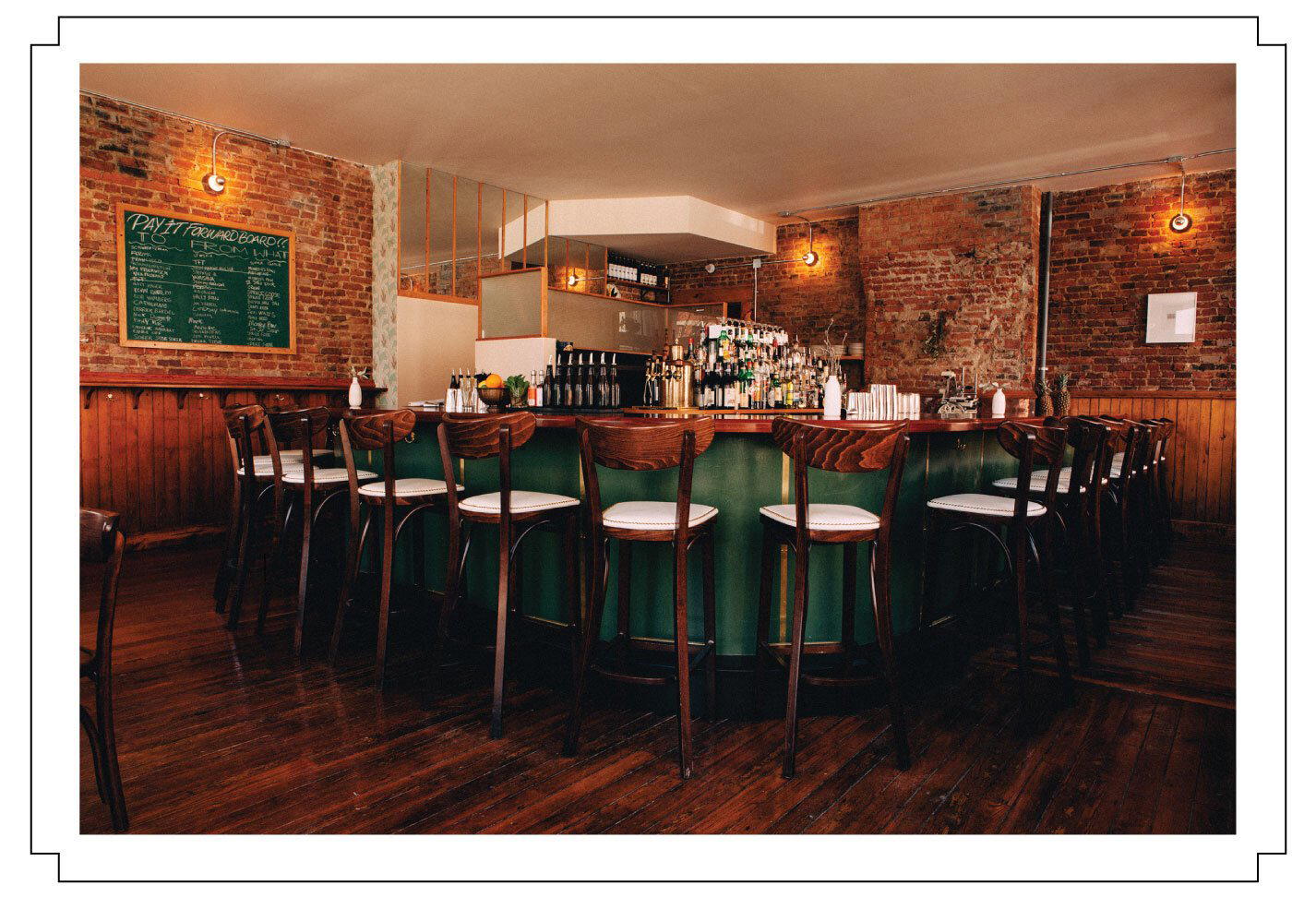
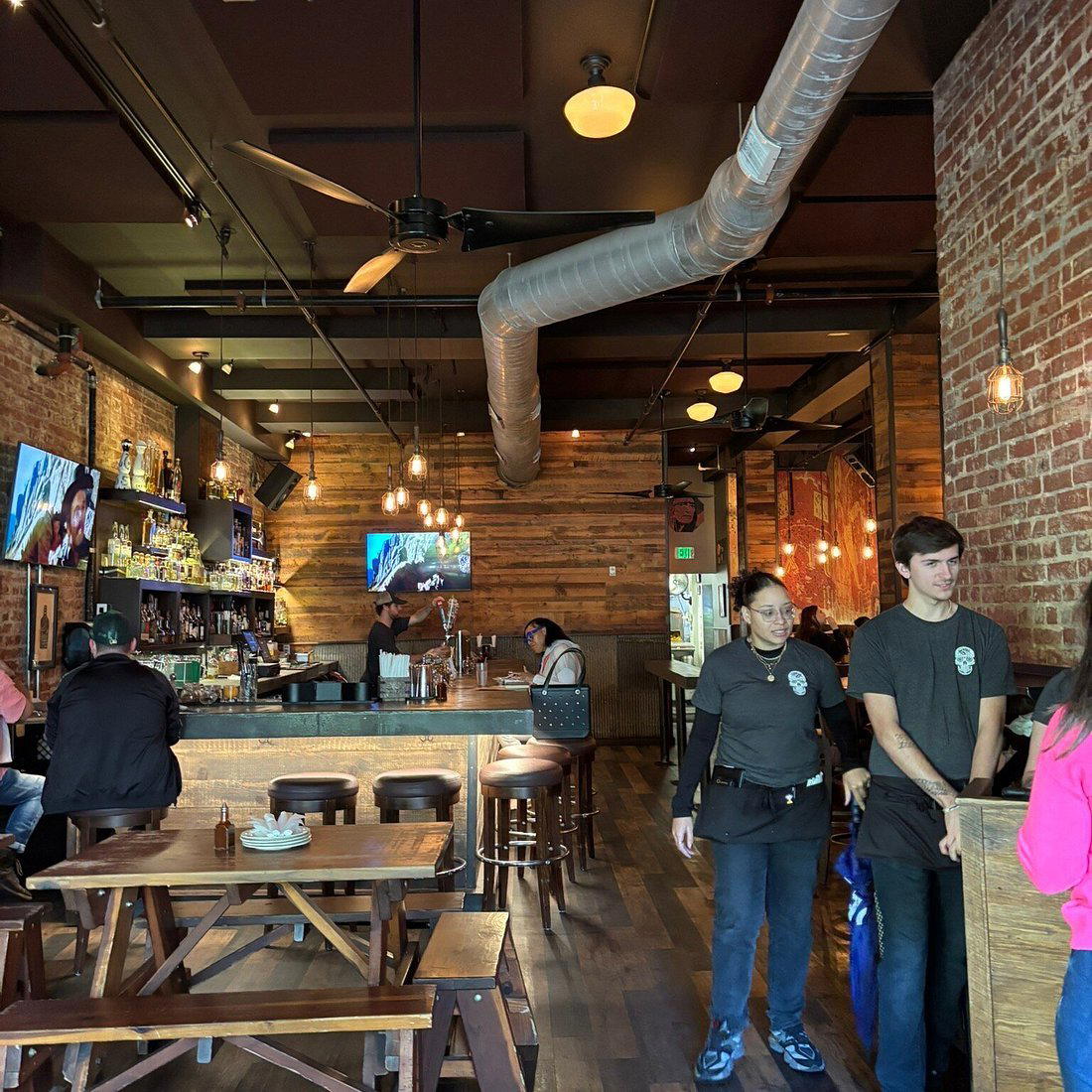
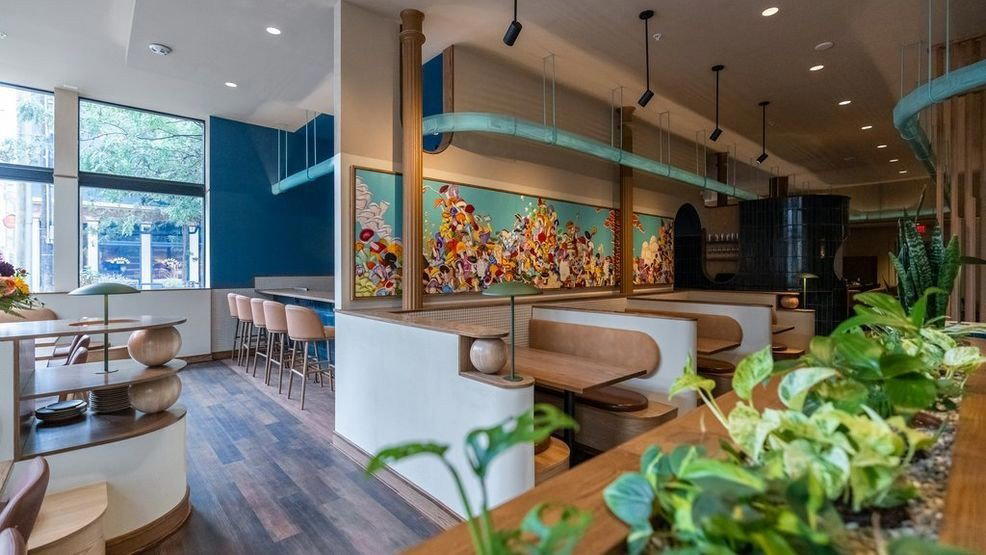
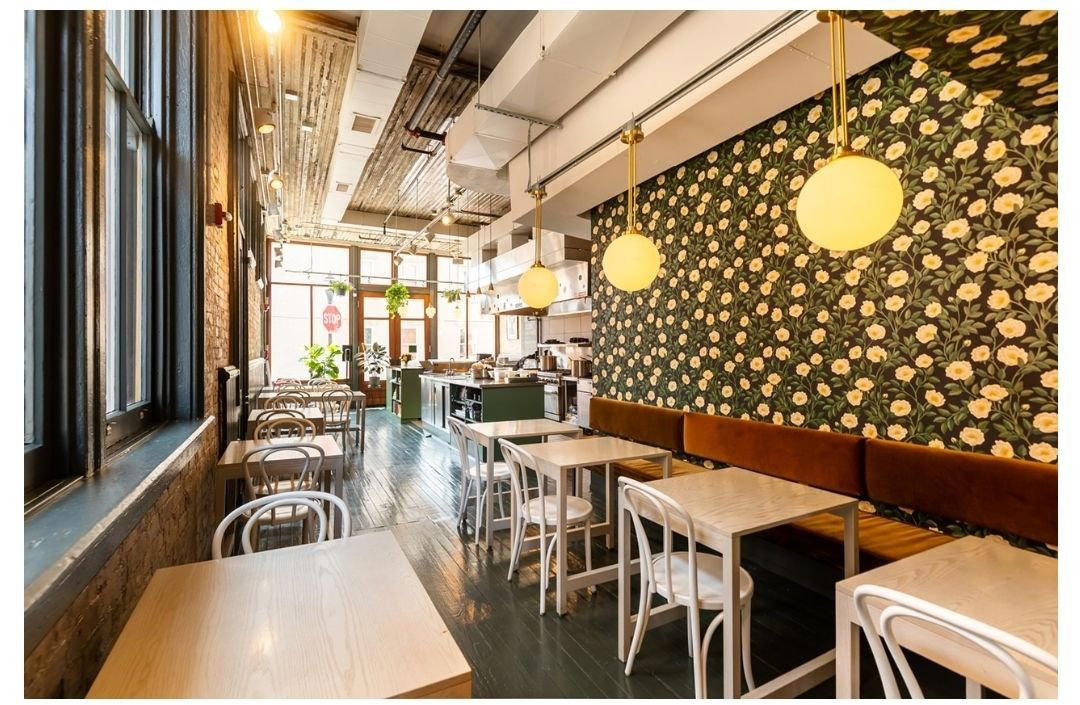
Elegant Victorian atmosphere with period architecture, antiques, and musical artifacts; sophisticated lounge with live jazz performances creating an intimate, refined ambiance.