Google: 4.3 · 5,102 reviews
Camp Washington

At Camp Washington, Cincinnati’s most storied chili parlor is recast with poise and polish, marrying heritage recipes with a quietly elevated sensibility. The hum of stainless steel and the soft glow of vintage neon frame a menu that honors the city’s signature chili—silky, cocoa-tinged, warmly spiced—paired with meticulously sourced toppings and house-baked breads. For the well-traveled gourmand, it’s an intimate journey into regional flavor: five-ways presented with immaculate balance, coneys dressed with precise finesse, and sides that whisper of American diner nostalgia—refined, never fussy. Here, service is swift yet gracious, hospitality is genuine, and every plate tells a story of place. Late-night hours and counter seating lend an insider’s allure, inviting guests to linger at the crossroads of comfort and craft.
 Discover on Pearl
Pearl is the En Primeur Club membership app — saves, bookings, and concierge access live there. Same editors, same standards.
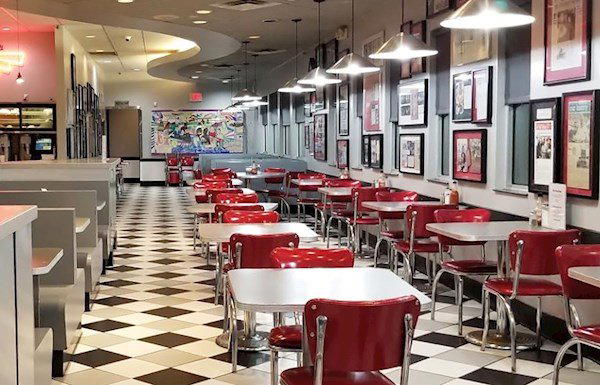
The Counter That Cincinnati Built Its Identity Around
Pull up to 3005 Colerain Avenue on any given weekday and you will find Camp Washington operating with the same matter-of-fact rhythm it has maintained for decades. The room is a classic American diner format: counter stools, laminate surfaces, fluorescent light that makes no concessions to atmosphere. What draws people here is not the setting but the thing served inside it, which happens to be Cincinnati chili, one of the more debated regional food traditions in the country.
Cincinnati chili occupies a category of its own in the American regional canon. It is not the bean-heavy, tomato-forward stew of Texas tradition. It is a thinner, spice-driven sauce, frequently seasoned with cinnamon, allspice, and sometimes chocolate, served over spaghetti or piled onto hot dogs in a lexicon of "ways" that locals recite without a menu. The ingredient list and technique reflect the city's Greek and Mediterranean immigrant heritage from the early twentieth century, when the form was codified at small chili parlors across Cincinnati. That heritage is not incidental. It is the reason the dish tastes the way it does, and it is the reason Cincinnati chili cannot be reasonably compared to what most Americans mean when they say chili.
Where Camp Washington Sits in the Cincinnati Chili Hierarchy
Cincinnati has a dense network of chili parlors, from the Skyline chain that covers the region in franchise locations to smaller independent spots scattered across the city's neighborhoods. Camp Washington operates firmly in the independent tier, and that distinction matters to the city's food culture the way a specific boulangerie matters to a Paris arrondissement. Within that tier, the parlor has accumulated external recognition that distinguishes it from the broader field: Opinionated About Dining, the critical platform whose Cheap Eats rankings apply serious editorial standards to low-cost dining across North America, has listed Camp Washington consecutively in 2023, 2024, and 2025, with a ranked position of #602 in 2025 and #605 in 2024. That kind of sustained recognition from a credible specialist source is worth reading carefully. OAD's Cheap Eats methodology leans on experienced evaluators, not aggregated public scores, which means Camp Washington is being measured against a continental field of low-cost restaurants and still placing.
The Google review score of 4.3 across nearly 5,000 reviews provides a different data layer: volume without curation. A score at that level, sustained across that many data points, reflects a consistent product rather than a moment of press-cycle attention. Taken together, the two signals tell the same story: this is not a parlor operating on local nostalgia alone.
The Ingredient Logic of Cincinnati Chili
The editorial angle that makes Camp Washington worth examining closely is not fame but sourcing logic. Cincinnati chili, at its most traditional, is built around a spice profile that traces back to Macedonian and Greek immigrants who brought Mediterranean seasoning conventions to a midwestern beef-and-sauce format. The result is a dish where the quality floor is set by spice freshness and the consistency of the meat-sauce ratio, not by premium ingredient sourcing in the conventional sense. This is a tradition that democratizes the ingredient conversation: when cinnamon, clove, and bay leaf are central to the dish's identity, the integrity of the supply of those aromatics matters more than the provenance of the beef.
That is a different model from what you encounter at farm-to-table midwestern operations or Creole-influenced kitchens like Nolia Kitchen, where sourcing stories are front-of-house talking points. At a traditional chili parlor, the sourcing logic is encoded in the recipe rather than narrated at the table. The discipline is in the repetition: a chili parlor that has served the same dish across decades has, by definition, refined the sourcing and preparation to a defensible standard, because inconsistency in that context would be obvious and punished immediately by a local clientele that has a strong working memory for what the dish should taste like.
How the Format Works
For readers encountering Cincinnati chili for the first time, the ordering system requires a brief explanation. A "two-way" is chili over spaghetti. A "three-way" adds shredded cheddar. A "four-way" incorporates either onions or beans. A "five-way" includes all of the above. Hot dogs dressed in the same manner are called coneys. This is the vocabulary of the category across Cincinnati, and Camp Washington operates within it. The format is quick-service by design: counter seating, direct plating, no tasting menus or timed seatings.
This places Camp Washington in a different category from Cincinnati's destination dining circuit entirely. Restaurants like Boca, Sotto, Pepp & Dolores, or Jeff Ruby's Steakhouse occupy a price tier and format category with no meaningful overlap with a chili parlor. Nationally, the gap is even wider: the tasting-menu fine dining at Alinea in Chicago, the seafood precision of Le Bernardin in New York City, or the farm-integration model at Single Thread Farm in Healdsburg represent a different axis of restaurant experience entirely. Camp Washington earns its recognition on its own terms, and those terms are regional specificity, consistency, and accessibility.
Planning a Visit
Camp Washington is open 24 hours Monday through Saturday, closing only on Sundays, which makes it a rare option for late-night or early-morning eating in Cincinnati. The address at 3005 Colerain Ave puts it in the Camp Washington neighborhood on the city's west side, a short drive from downtown. No booking is required or possible; the format is walk-in counter service. The price range falls firmly in the cheap eats tier, consistent with its OAD category classification, making it one of the lowest-cost options for a credibly recognized dining experience in the city. For a fuller picture of where to eat, drink, and stay across the city, see our full Cincinnati restaurants guide, our full Cincinnati bars guide, our full Cincinnati hotels guide, our full Cincinnati wineries guide, and our full Cincinnati experiences guide.
Cost Snapshot
A small comparison set for context, based on the venues we track.
| Venue | Price | Awards | Notes |
|---|---|---|---|
| Camp Washington | Opinionated About Dining Cheap Eats in North America Ranked #602 (2025); Opinion… | This venue | |
| The Refectory | French | ||
| Wildweed | Midwestern Farm-to-Table | ||
| Nolia Kitchen | Southern/Creole | ||
| Boca | |||
| Jeff Ruby's Steakhouse – Cincinnati |
Continue exploring
More in Cincinnati
Restaurants in Cincinnati
Browse all →
Bars in Cincinnati
Browse all →
Hotels in Cincinnati
Browse all →
Wineries in Cincinnati
Browse all →
At a Glance
- Classic
- Cozy
- Iconic
- Casual Hangout
- Family
- Late Night
- Historic Building
Classic 1950s diner with comfortable, nostalgic lighting, clean spacious seating, and welcoming middle-America feel.