Wildseed
Wildseed occupies a plant-forward position on Union Street in San Francisco's Cow Hollow, operating within a city that has made sustainability-driven dining a structural commitment rather than a marketing posture. The restaurant draws from California's ethical sourcing tradition, placing it alongside a cohort of Bay Area kitchens where environmental consciousness shapes the menu from the ground up rather than appearing as an afterthought on a printed page.
Pearl is the En Primeur Club membership app — saves, bookings, and concierge access live there. Same editors, same standards.
- Address
- 2000 Union St, San Francisco, CA 94123
- Phone
- +1 415 872 7350
- Website
- wildseedsf.com
- Directions
- Get directions
 Saves & bookings on Pearl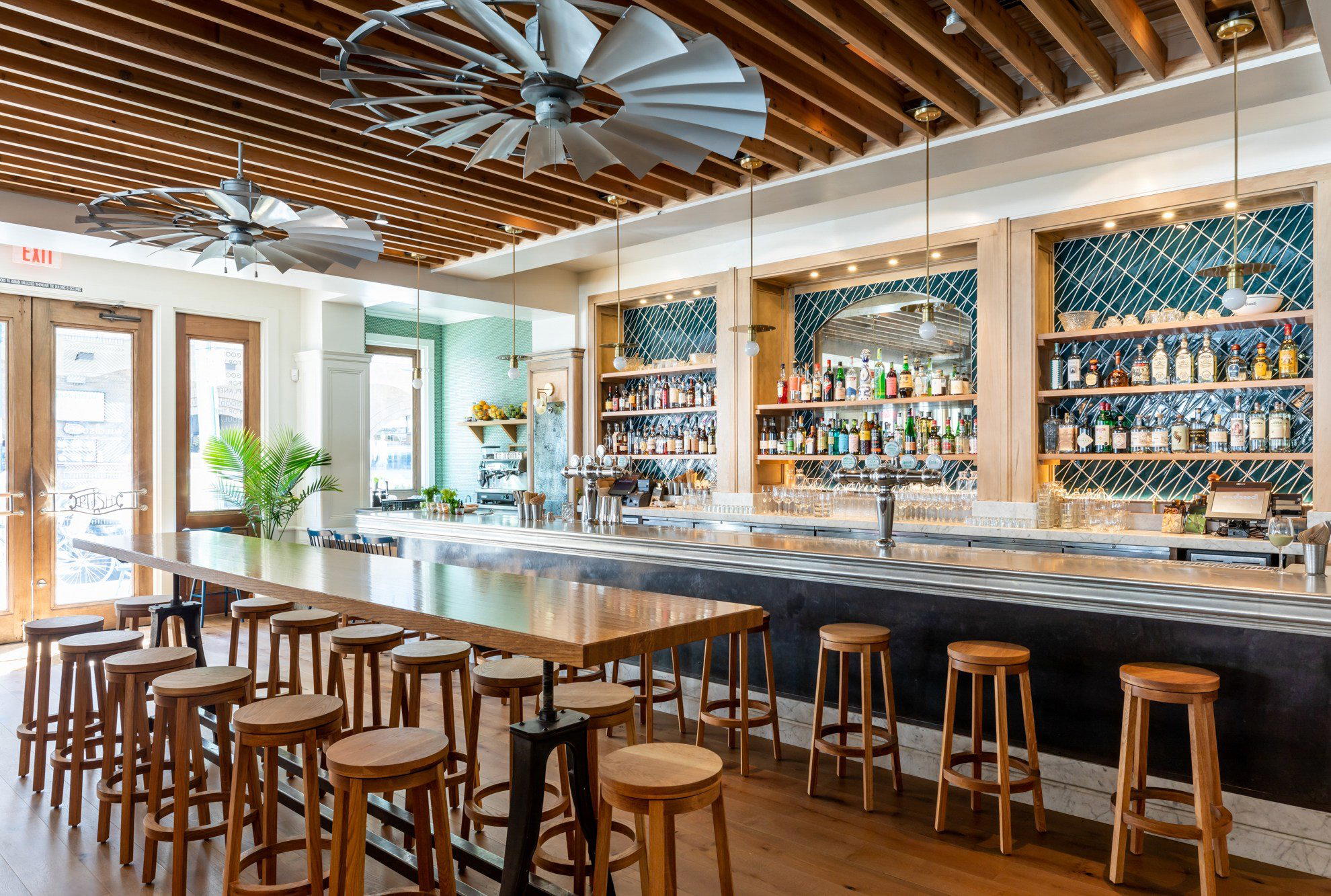
Where Union Street Meets a Serious Sustainability Argument
Wildseed is a plant-based restaurant at 2000 Union St in San Francisco's Cow Hollow neighborhood. This stretch of San Francisco runs quieter and more residential than SoMa's tasting-menu corridor, and the distinction matters: Wildseed sits in an area where dining tends toward the convivial rather than the ceremonial. The physical space reflects that register, pulling guests into an environment that reads as considered without tipping into austerity. San Francisco's plant-based dining scene has matured considerably since the early aughts, when meatless restaurants were either aggressively utilitarian or self-consciously theatrical. Wildseed operates in the generation that followed both.
The Sustainability Argument California Has Been Building
California's farm-to-table infrastructure gives restaurants here an advantage that their counterparts in other American cities have to work harder to replicate. The proximity to Sonoma, Marin, and the Central Valley means that sourcing seasonally and locally is logistically plausible rather than aspirational. Wildseed's plant-forward position places it within a tradition that includes Single Thread Farm in Healdsburg, where the kitchen operates from an on-site farm, and Blue Hill at Stone Barns in Tarrytown, the reference point for farm-integrated fine dining in America. Neither of those operates at Wildseed's price tier or neighbourhood register, but they define the standard against which ethical sourcing claims are measured in serious dining circles.
The sustainability story in Bay Area kitchens has developed its own internal hierarchy. At the leading sit operations like Saison, where open-fire cooking and forager relationships have been part of the founding premise since the beginning. Atelier Crenn removed meat from its tasting menu in 2018, a move that repositioned what the city expected from a three-Michelin-star kitchen. Wildseed operates below that top tier in terms of format and price signalling, but draws from the same regional commitment to sourcing integrity that those addresses helped establish as a local norm.
Plant-Forward Dining and What It Actually Means in Practice
Plant-forward is a category that requires some unpacking. At its most diluted, it means a strong vegetable section on a menu that still centres proteins. At its most committed, it means a kitchen that has built its entire creative logic around what grows, what is seasonal, and what can be sourced without the environmental cost of industrial animal agriculture. The distinction matters because it separates kitchens genuinely rethinking their sourcing chain from those using sustainability language as positioning.
Across American fine dining, the plant-based conversation has moved from niche to mainstream with notable speed. Le Bernardin in New York City has expanded its vegetable tasting options without abandoning its seafood identity. Providence in Los Angeles operates with a deep commitment to sustainable seafood certification. Atelier Moessmer Norbert Niederkofler in Brunico has built an entire culinary philosophy around Alpine regional ingredients, earning recognition for an approach that treats locality as a non-negotiable rather than a preference. These are different expressions of a shared argument: that what a kitchen sources, and how, is as central to the dining proposition as what it puts on the plate.
Where Wildseed Sits in San Francisco's Dining Structure
San Francisco supports a dense concentration of serious restaurants relative to its population. The Michelin-starred tier includes Benu, Quince, and Lazy Bear, each operating within the $$$$ bracket and requiring advance booking. Wildseed's Union Street address and neighbourhood character place it in a different register: more accessible by format and geography, drawing a crowd that includes residents of Cow Hollow and the Marina alongside visitors working through the city's dining map. That accessibility is itself a kind of editorial choice. Sustainability arguments only reach as far as the audience willing to sit down for them, and a neighbourhood restaurant format creates a different kind of reach than a destination tasting-menu counter.
Seasonal Eating as Structure, Not Style
The seasonal argument matters most in winter and early spring, when California's growing calendar contracts and kitchens relying on local produce have to make harder decisions about what appears on the menu. A restaurant genuinely committed to seasonal sourcing shows that commitment most clearly in February, not in August when the region is abundant. The Wildseed model, positioned around plant-forward eating on a street that sees year-round neighbourhood traffic, faces that test as clearly as any comparable address in the city.
This is the same test that operations like Smyth in Chicago face in the Midwest, where seasonal constraints are more severe, or Frasca Food and Wine in Boulder, which has built a regional identity partly through its engagement with Colorado producers. California's advantage is real, but it does not eliminate the discipline required to cook seasonally through a full calendar year.
Kitchens that have committed to sustainability as a structural principle rather than a seasonal marketing angle tend to show that commitment in sourcing documentation, supplier relationships, and menu design decisions that reduce waste across service. The French Laundry in Napa has invested in on-site growing and composting infrastructure that makes its sustainability claims verifiable at a physical level. Addison in San Diego has documented its local sourcing relationships publicly. These are the benchmarks against which sustainability claims in California fine dining get assessed.
The Cow Hollow Context
Cow Hollow occupies a specific position in San Francisco's neighbourhood map. It runs between the Marina and Pacific Heights, close enough to the waterfront to draw a mixed crowd of residents and visitors without the tourist concentration of Fisherman's Wharf or the tech-industry density of SoMa. The dining scene on Union Street leans toward mid-range neighbourhood staples with occasional higher-ambition outliers. Wildseed's plant-forward positioning sits as one of the more considered dining propositions on the street, drawing from a city-wide conversation about food ethics rather than just serving the local block.
For reference points outside California, Emeril's in New Orleans and The Inn at Little Washington in Washington represent American fine dining traditions with deep regional sourcing identities of their own. Atomix in New York City demonstrates how rigorous sourcing and seasonal discipline operate within a tasting-menu format at the summit of the market. Each of these addresses approaches the question of ethical sourcing differently, which is partly what makes the plant-forward model Wildseed represents a distinct position rather than just a variation on an existing theme.
Peers Worth Knowing
Comparable venues nearby, for context on price, style, and recognition.
| Venue | Cuisine | Price | Notes |
|---|---|---|---|
| WildseedThis venue — the venue you are viewing | Plant-Based Global Fusion | $$ | Not listed |
| Judahlicious | Raw Vegan | $$ | Sunset/Parkside |
| Le Charm | French Bistro | $$ | SoMa |
| El Lopo | Dining | Not listed | San Francisco |
| Mariposa Cafeteria | Authentic Peruvian Rotisserie | $$ | SoMa |
| bibim bar | Korean Bibimbap Specialist | $$ | Financial District |
Continue exploring
More in San Francisco
Restaurants in San Francisco
Browse all →
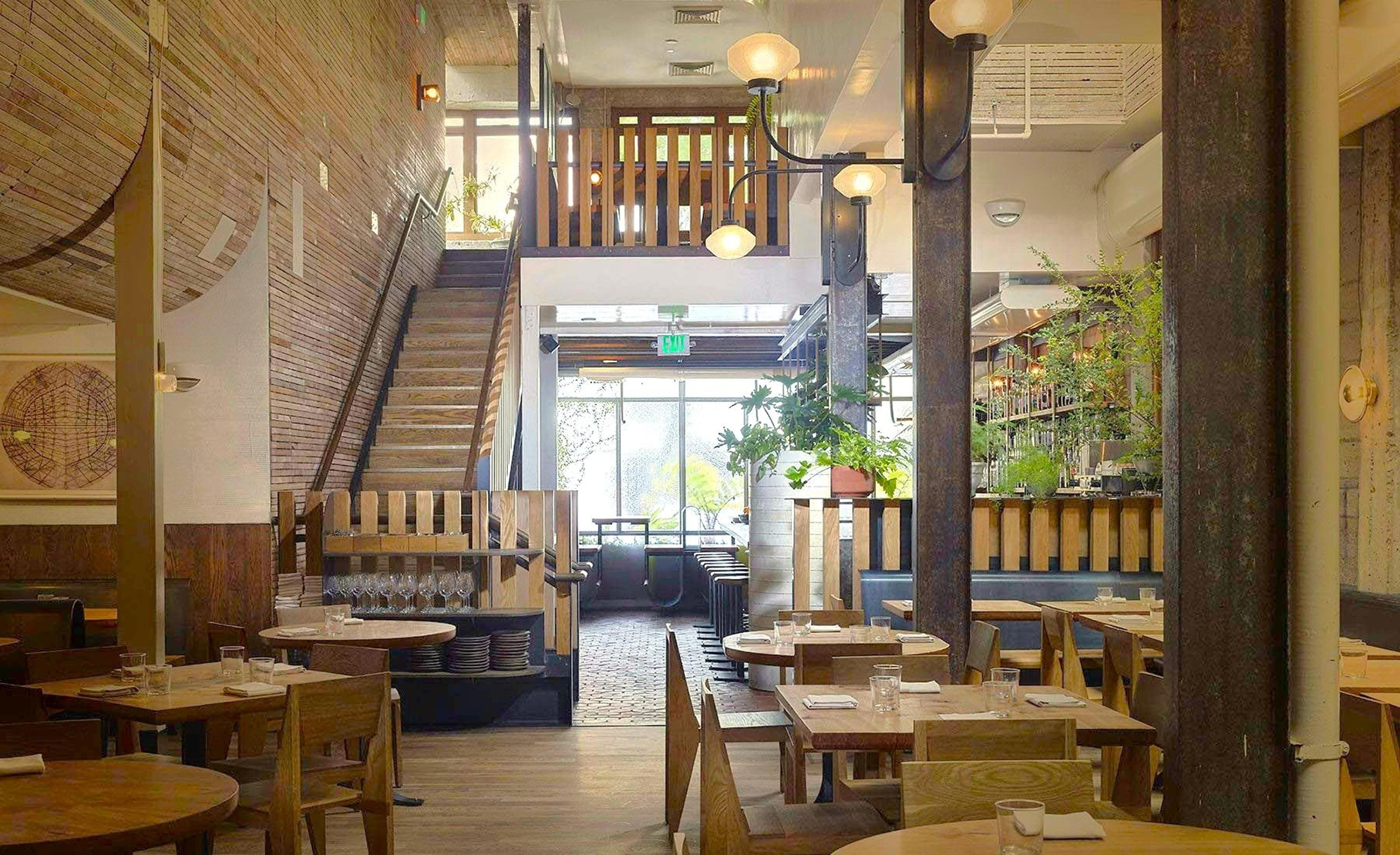
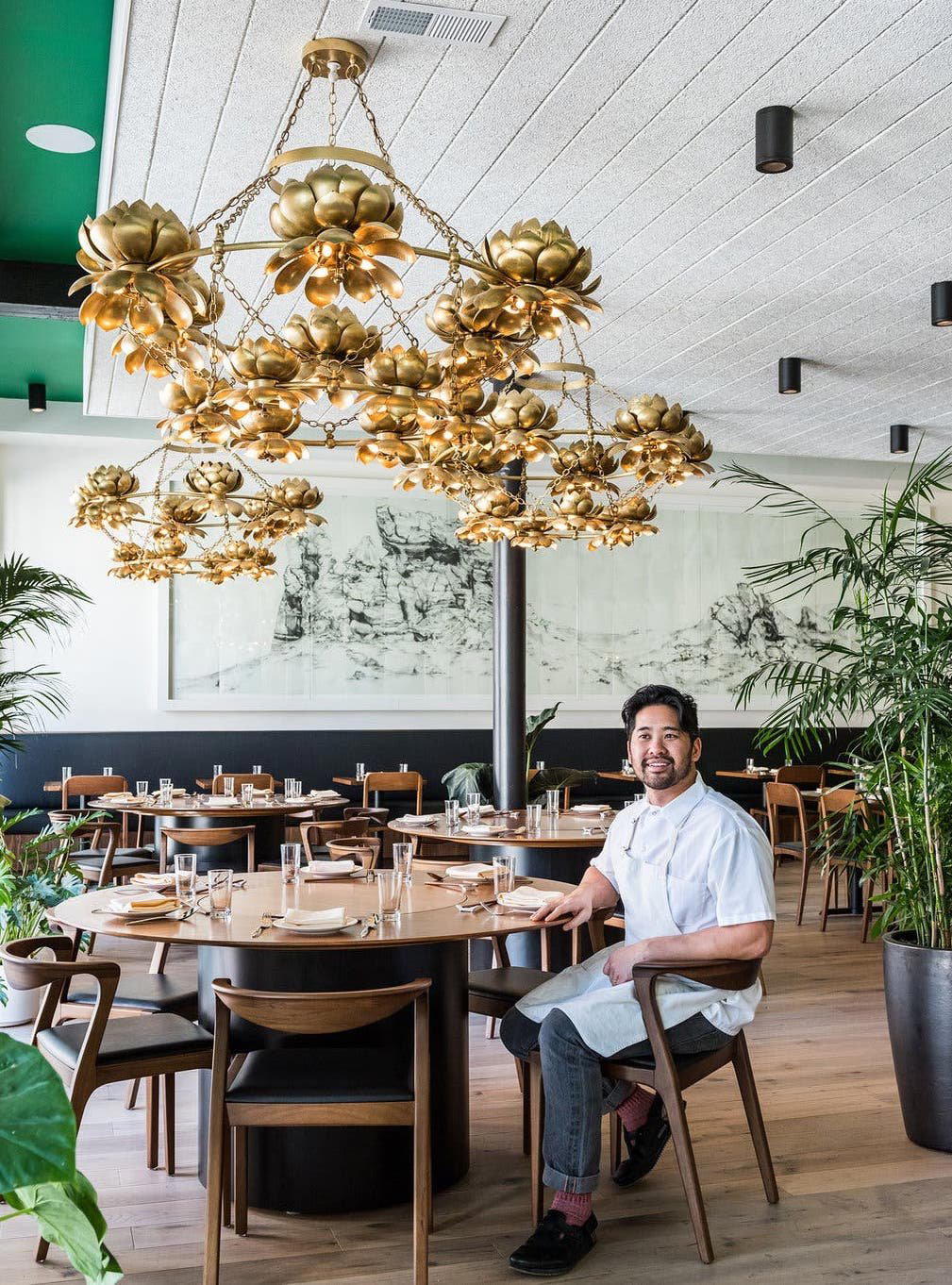
Bars in San Francisco
Browse all →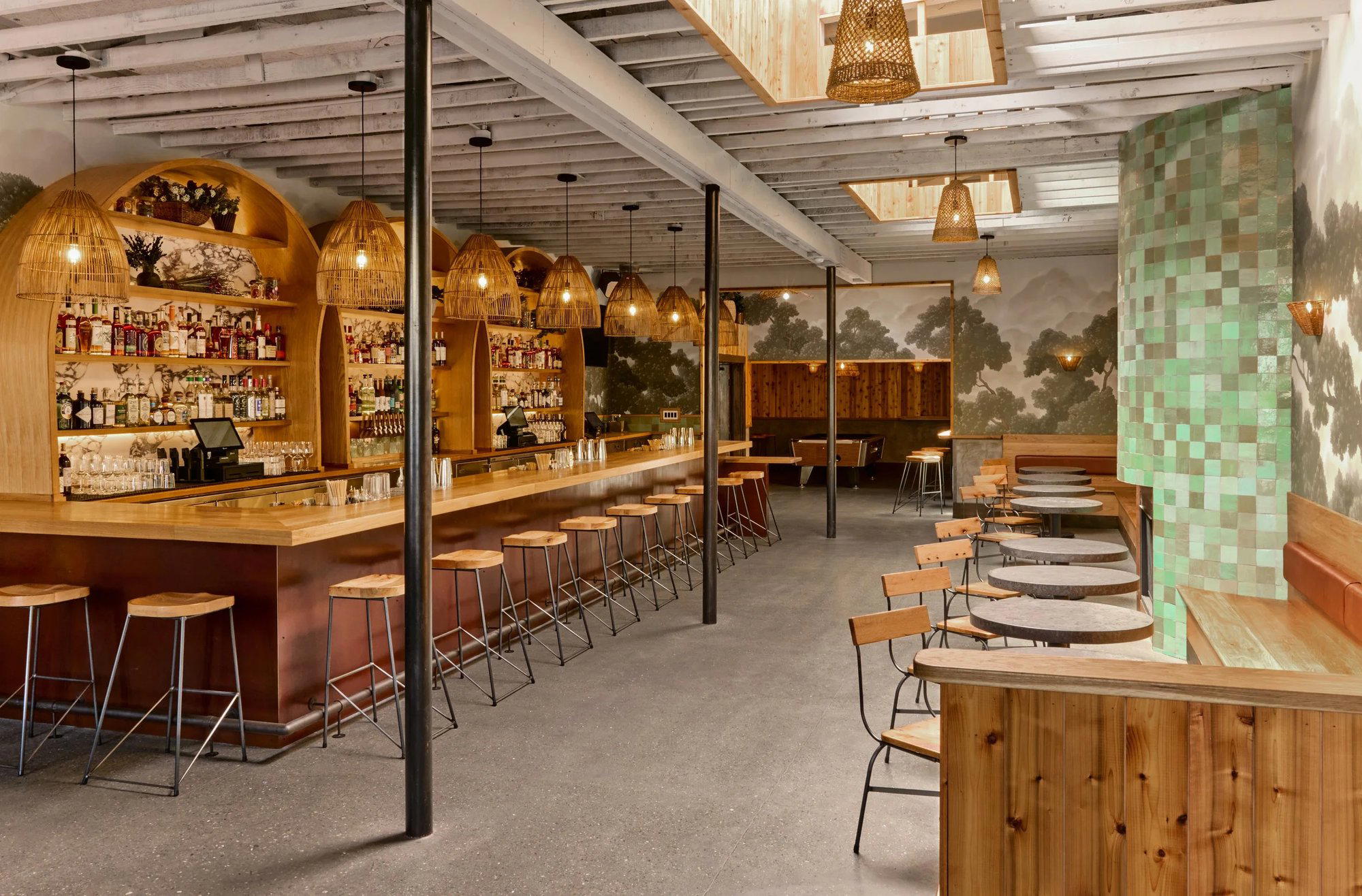
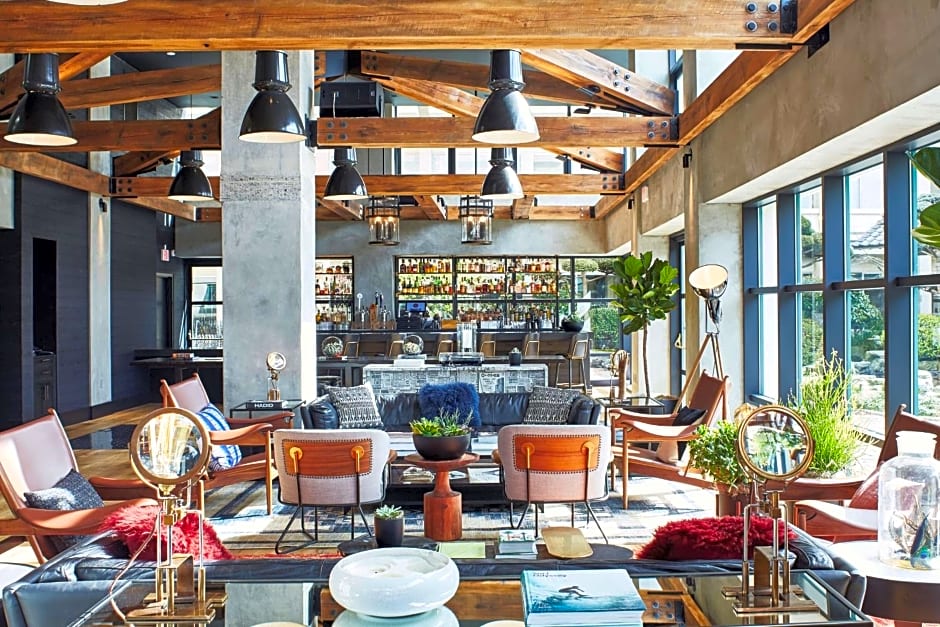
Hotels in San Francisco
Browse all →
At a Glance
- Trendy
- Cozy
- Lively
- Modern
- Casual Hangout
- Group Dining
- Date Night
- Standalone
- Craft Cocktails
- Natural Wine
- Beer Program
- Farm To Table
- Organic
- Local Sourcing
- Biodynamic
Current opening hours
- Monday
- 11:30 AM–9:30 PM
- Tuesday
- 11:30 AM–9:30 PM
- Wednesday
- 11:30 AM–9:30 PM
- Thursday
- 11:30 AM–9:30 PM
- Friday
- 11:30 AM–10:30 PM
- Saturday
- 11 AM–10:30 PM
- Sunday
- 11 AM–9:30 PM
Hours can change for holidays and private events. Last verified .
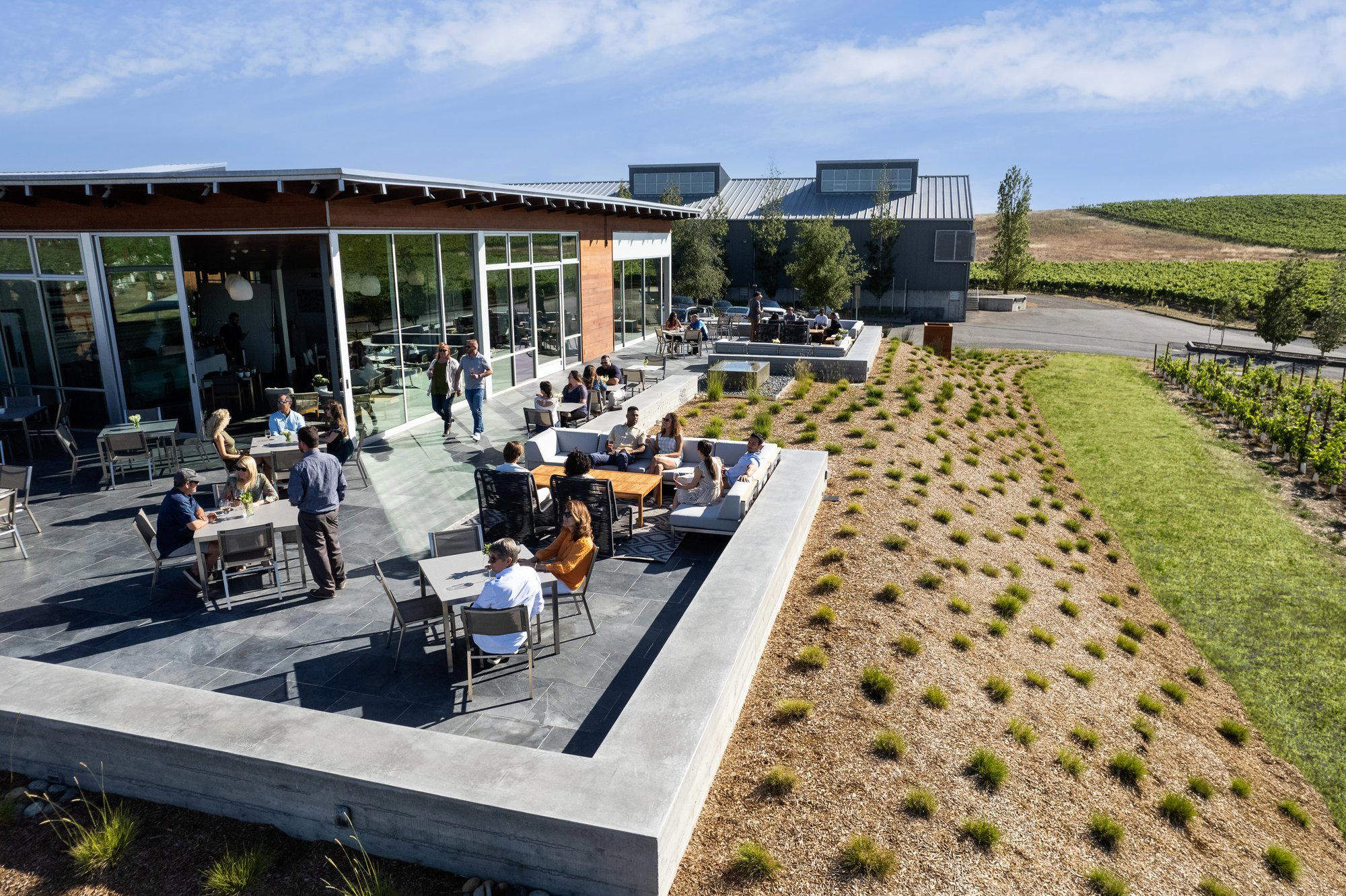
Breezy and inviting with the buzz of conversation, clink of craft cocktail glasses, and aroma of fresh herbs and sizzling garlic; set among yoga studios and wellness shops on Union Street.