Our verdict
Wildebeest is a Gastown fixture in Vancouver's contemporary dining scene, where the format leans into multi-course progression and ingredient-led cooking that reflects the broader Pacific Northwest pantry. The room sits within that cohort of Vancouver restaurants occupying a serious but unstuffy register, positioned alongside peers like Kissa Tanto and AnnaLena in the city's upper-mid tier.

The menu
What to order
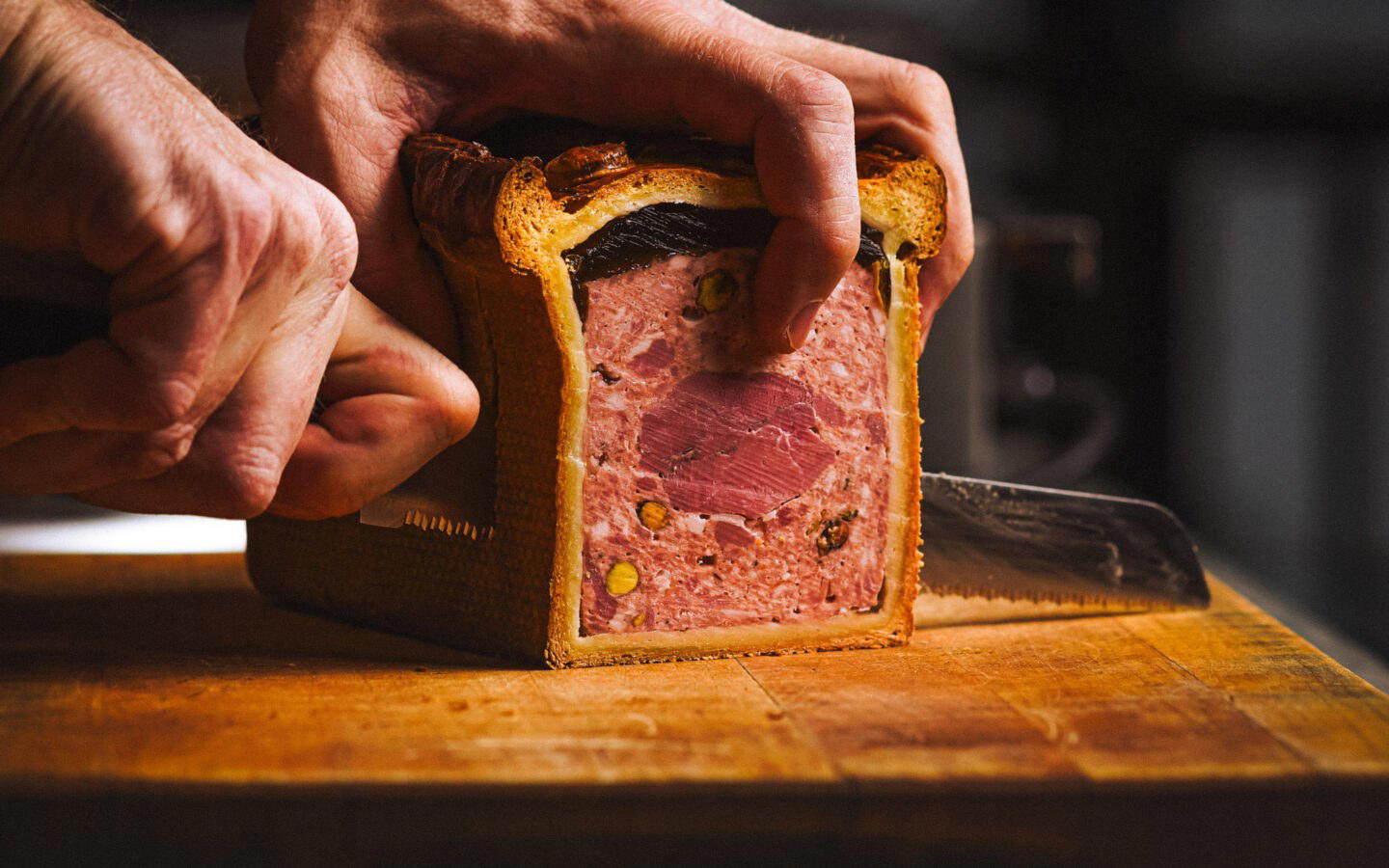
- Bone marrow
- Bison carpaccio
- Horse tartare
Gastown's Appetite for the Serious and the Approachable
Gastown has spent the better part of a decade sorting itself into two distinct dining registers: the tourist-facing and the genuinely ambitious. The neighbourhood's cobblestoned stretch along Water Street once meant souvenir shops and pub grub. What replaced that reputation, slowly and without fanfare, was a cluster of restaurants treating the Pacific Northwest pantry with the same seriousness you'd expect from a city with deeper fine-dining infrastructure. Wildebeest belongs to that second category, arriving in Gastown at a point when the neighbourhood was still deciding what it wanted to be, and helping to settle that question in favour of the ambitious.
The broader Vancouver contemporary dining scene that Wildebeest inhabits is one that has matured considerably. Restaurants like Kissa Tanto and AnnaLena have established that the city can sustain multi-course, ingredient-focused formats without the formality that once defined that kind of cooking. Barbara and Masayoshi anchor the Japanese end of that same tier.
The Arc of the Meal
The logic of eating at Wildebeest is sequential. The kitchen builds a meal with a clear internal momentum, the kind of progression where the first few bites establish a register, restrained, product-led, with protein treated as centrepiece rather than afterthought, and the courses that follow build on that foundation rather than pivot away from it. This is not a menu designed for grazing or for ordering in any order. It has a beginning, a middle, and a conclusion, and the room is structured to support that arc.
Pacific Northwest cooking, at its most considered, works with what the season makes available and treats the supply chain as a creative constraint rather than a limitation. Game, foraged ingredients, and coastal protein all find their way into this category of Vancouver cooking, and Wildebeest has been associated with that tradition since it opened. The name itself signals an orientation toward animal-forward, land-rooted cooking, placing it in a lineage that connects the restaurant to a broader North American movement around nose-to-tail and whole-animal cookery that was running through cities like San Francisco (see Lazy Bear) and New York (see Le Bernardin's opposing but equally rigorous fish-focused register) during the same period.
Within Canada, the conversation around ingredient sovereignty and regional identity in fine dining has been ongoing and sometimes contentious. Restaurants like Tanière³ in Quebec City and Eigensinn Farm in Singhampton have made that regionalism their entire premise. Fogo Island Inn Dining Room takes it to an almost radical geographic extreme. Wildebeest occupies a less doctrinaire position: it draws on Pacific Northwest geography without making that geography the entire argument of the menu.
The Room and What It Asks of You
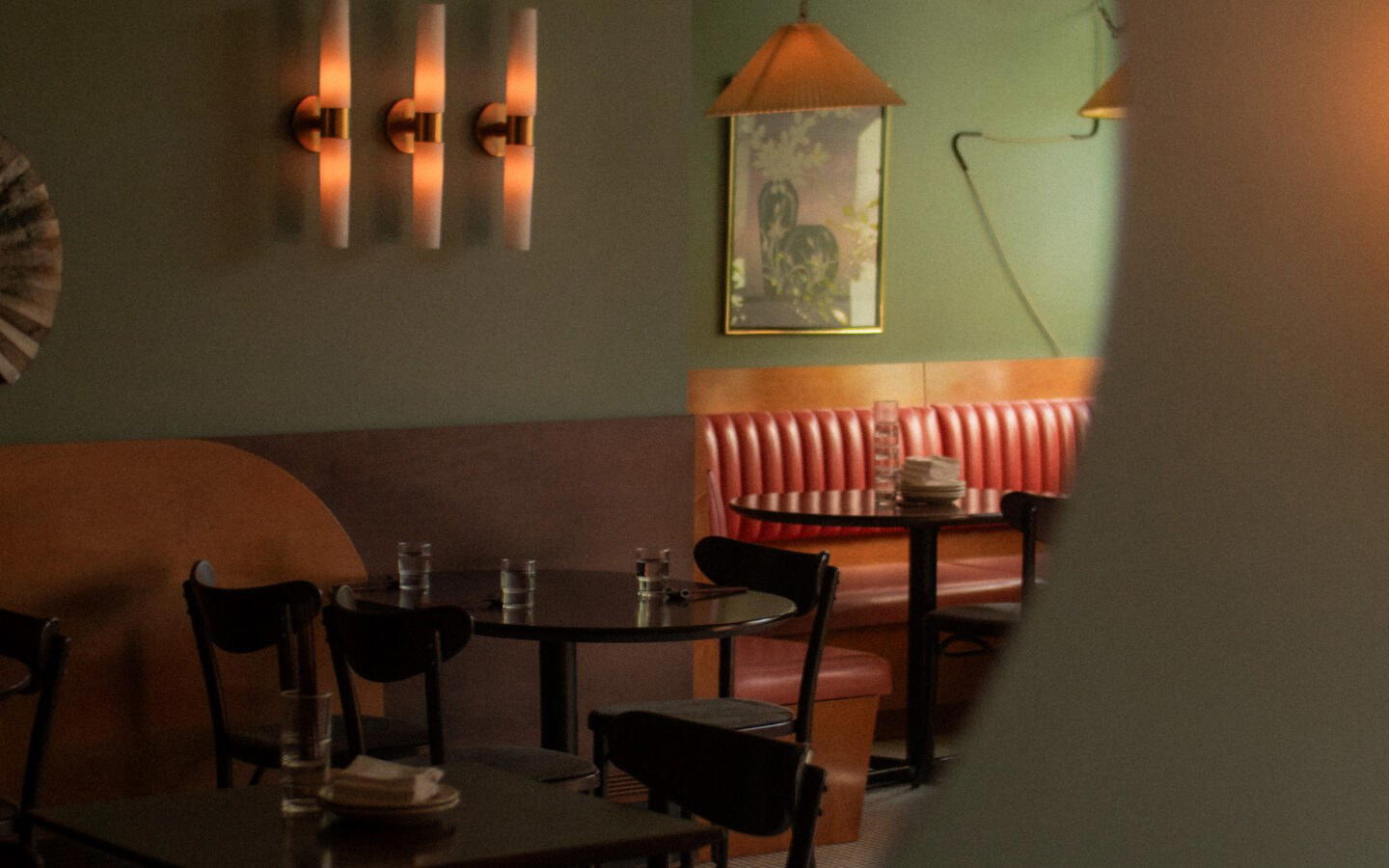
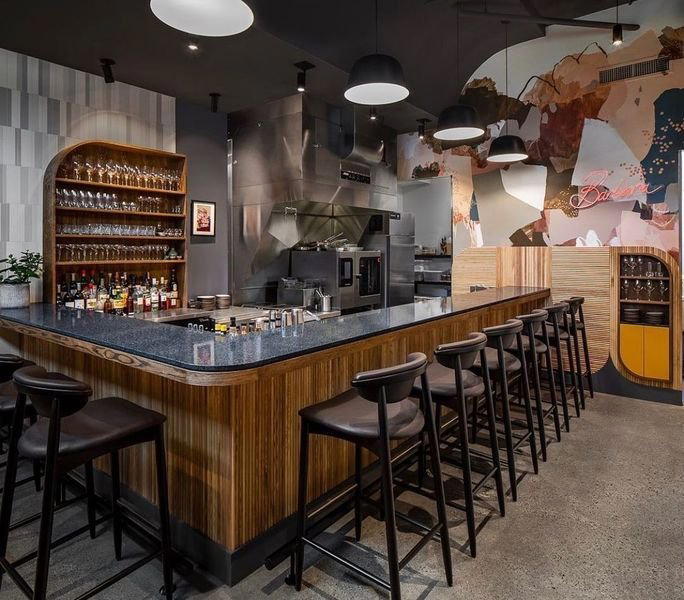
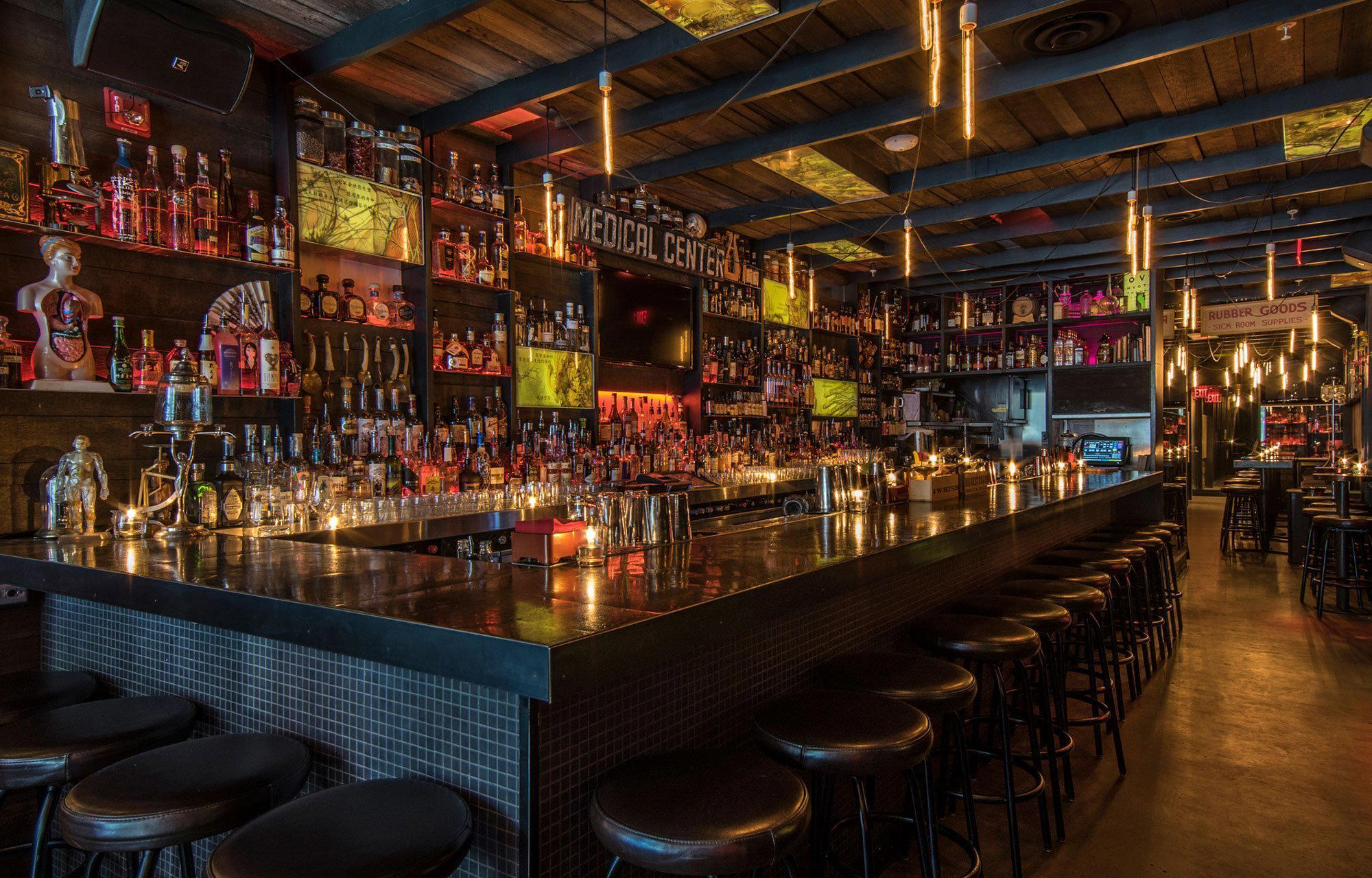
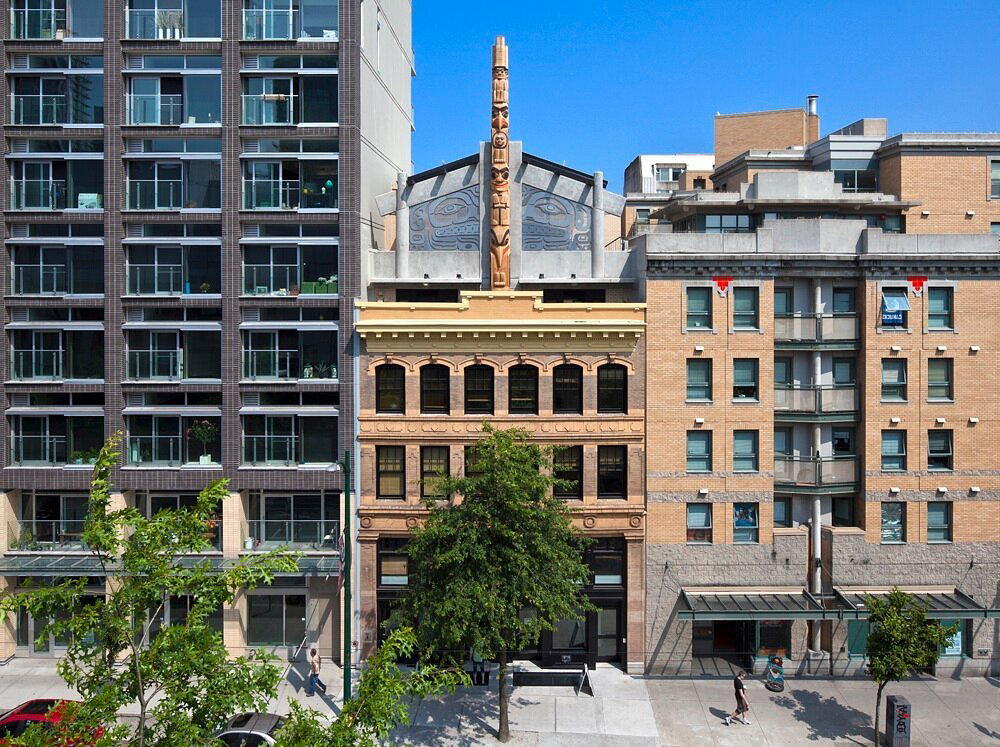
The physical space in Gastown is a converted heritage building, the bones of which are exposed brick and timber in the way that became almost obligatory for Vancouver's wave of serious-but-casual openings in the early 2010s. That format, now widespread enough to read as neutral rather than distinctive, has the advantage of absorbing a certain amount of noise without losing intimacy. The lighting leans warm. The bar runs long. There is a sense that the room was designed to make multi-course eating feel earned but not punishing.
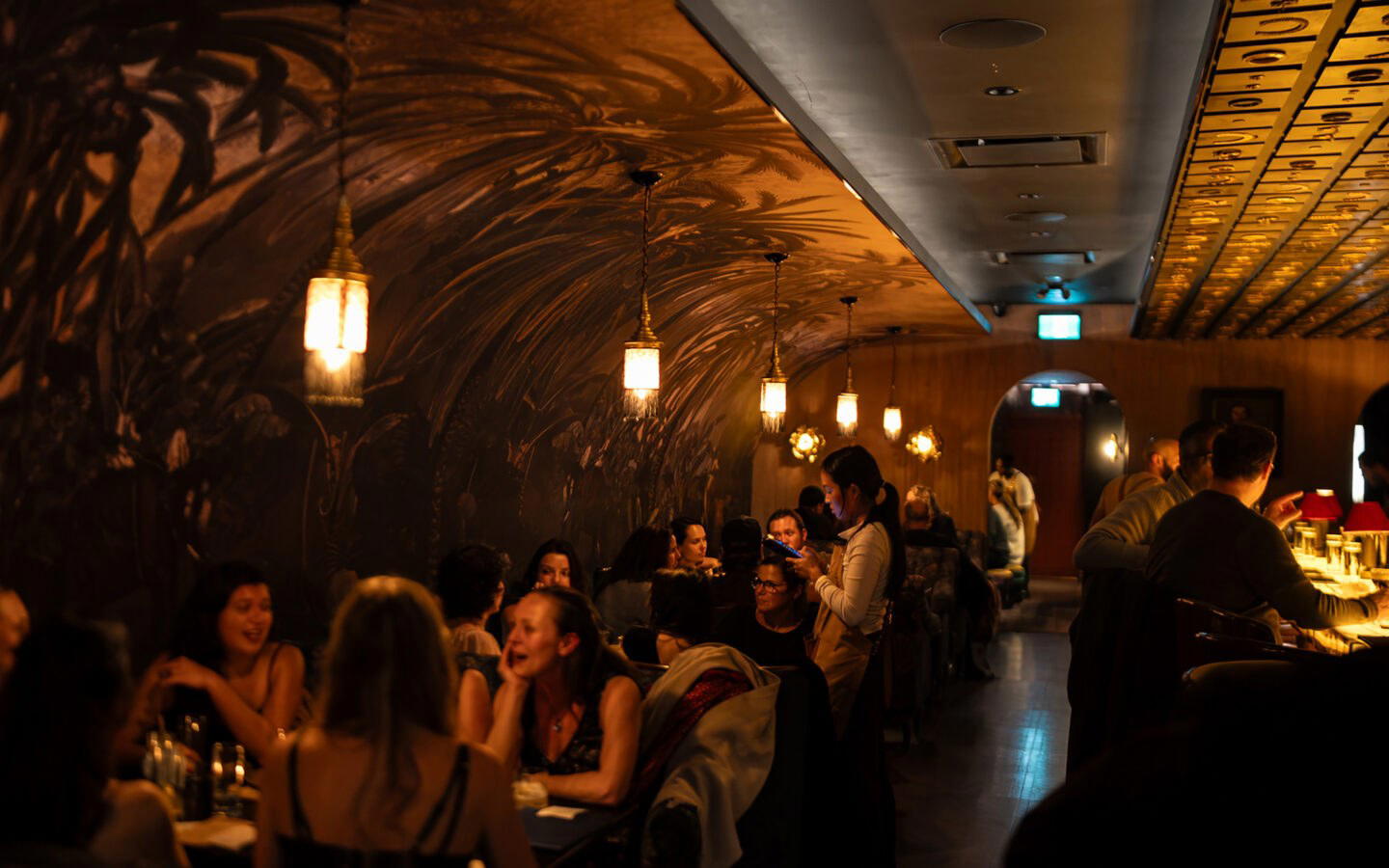
The energy at Wildebeest sits closer to the bar-restaurant hybrid than to the hushed tasting-room format. Conversation travels. The room does not demand silence or a particular posture. This positions it differently from, say, Alo in Toronto or the deeply structured experience at Restaurant Pearl Morissette in Lincoln, where the formality is load-bearing. At Wildebeest, the cooking carries the weight, and the room lets you relax while that happens.
Where It Sits in Vancouver's Price Tier
Vancouver's upper-mid dining tier has become genuinely competitive. The arrival of iDen & QuanJuDe Beijing Duck House expanded the field of serious multi-course experiences to include Chinese fine dining formats. The result is a city where the $$$$ bracket now contains a wider range of cuisines, formats, and philosophies than it did a decade ago. Wildebeest competes in that bracket and prices accordingly, which means the investment per head reflects the kitchen's ambitions and the room's operating costs in one of Canada's more expensive restaurant markets.
For comparison across British Columbia, Cafe Brio in Victoria operates in a similar register with a lower price ceiling, partly because Victoria's cost structure is different. For those exploring Canada's broader serious-dining circuit, Jérôme Ferrer - Europea in Montreal, Narval in Rimouski, and Busters Barbeque in Kenora each represent distinct regional points on a map that Wildebeest also occupies, however different the cooking traditions.
See our full Vancouver restaurants guide for the complete picture of the city's dining tier and how Wildebeest fits within it.
Know Before You Go
- Location: Gastown, Vancouver, British Columbia
- Cuisine: Contemporary Pacific Northwest, animal-forward
- Format: Multi-course progression; bar seating and main dining room available
- Booking: Reservations recommended; walk-ins possible at the bar depending on the night
- Dress: Smart casual; the room does not enforce formality but the cooking warrants some acknowledgment of the occasion
- Leading for: Multi-course meals where the sequence matters; not a grazing or late-night format
Frequently asked questions
Is Wildebeest suitable for children?
Wildebeest is oriented toward adults eating sequential, multi-course meals in Vancouver's upper-mid dining tier. The format, pacing, and room energy are calibrated for that experience rather than for families with young children. Most visits are better suited to groups who want to work through a full progression of courses.
How would you describe the vibe at Wildebeest?
The room occupies a converted Gastown heritage building with exposed brick and timber, and it runs lively rather than hushed. This is not Vancouver's quieter fine-dining register. Expect a space that absorbs noise and energy from a full room, which suits the kitchen's direct, animal-forward cooking better than a reverential atmosphere would.
How does Wildebeest compare to other serious dining options in Gastown?
Gastown has split into two clear registers over the past decade: venues oriented toward visitors and those with genuine culinary ambition. Wildebeest sits in the second group, distinguished by its Pacific Northwest sourcing focus and nose-to-tail cooking approach at a time when Vancouver's upper-mid tier has grown competitive with arrivals like iDen & QuanJuDe. For a first serious meal in the neighbourhood, it offers a useful reference point for the city's contemporary direction.
What do regulars order at Wildebeest?
Regulars tend to anchor repeat visits around the protein-forward dishes that reflect the kitchen's Pacific Northwest sourcing. Animal-forward cooking has been the consistent thread at Wildebeest since opening, so the plates built around that premise are where the kitchen's point of view is clearest. Ask the floor staff what's arrived recently from local producers.
Do I need a reservation for Wildebeest?
Book ahead, particularly for weekend evenings. Gastown has matured into a reliable dining destination within Vancouver, and restaurants operating in this tier with a clear identity fill their rooms predictably. Arriving without a reservation on a Friday or Saturday is a reasonable way to lose your evening.
What's the signature at Wildebeest?
Animal-forward cooking drawing on Pacific Northwest sourcing has defined Wildebeest's menu since the restaurant opened in Gastown. Rather than a single fixed signature dish, the kitchen's identity is built around this through-line: meat-led plates, ingredient provenance, and a meal that builds sequential momentum course by course.
Can Wildebeest adjust for dietary needs?
Check the venue's official channels before your visit to discuss any dietary requirements. Communicating needs in advance gives the team the best chance of accommodating them.
Cost Snapshot
A quick look at comparable venues.
| Venue | Cuisine | Price | Awards | Notes |
|---|---|---|---|---|
| WildebeestThis venue (the venue you are viewing) | Meat-Centric Gastropub | Not listed | Not listed | Not listed |
| AnnaLena | Modern Canadian Tasting Menu | $100–150 | 1 Michelin Star · World's 50 Best #35 | Contemporary |
| iDen & QuanJuDe Beijing Duck House | Beijing Roast Duck Fine Dining | $100–150 | 1 Michelin Star | Chinese |
| Kissa Tanto | Japanese-Italian Fusion | $100–150 | 1 Michelin Star · La Liste Top Restaurants | Fusion |
| Masayoshi | Modern Japanese Omakase | $200–300 | 1 Michelin Star | Japanese |
| Published on Main | Contemporary Canadian | $150–200 | 1 Michelin Star · World's 50 Best #17 | Contemporary |
Continue exploring
More in Vancouver
Restaurants in Vancouver
All restaurants in Vancouver →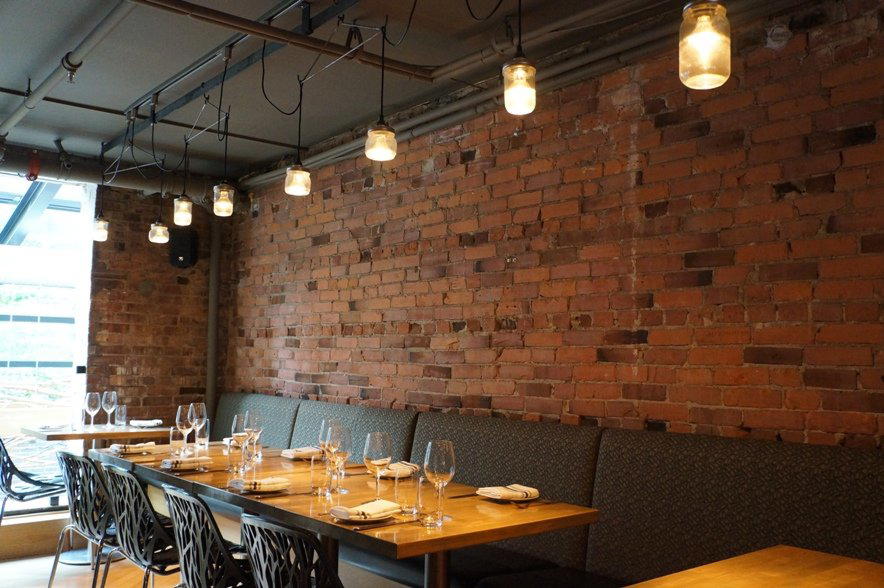
Bars in Vancouver
All bars in Vancouver →
Details
- Rustic
- Industrial
- Cozy
- Group Dining
- Special Occasion
- Date Night
- Open Kitchen
- Craft Cocktails
- Farm To Table
- Local Sourcing
- Family Style
- A La Carte
- Small Plates
- Vegetarian Friendly
Rustic industrial space featuring brick walls, bare bulbs, rough wood, open kitchen, and custom floral arrangements under single-bulb hanging lights.