Wild Cabin
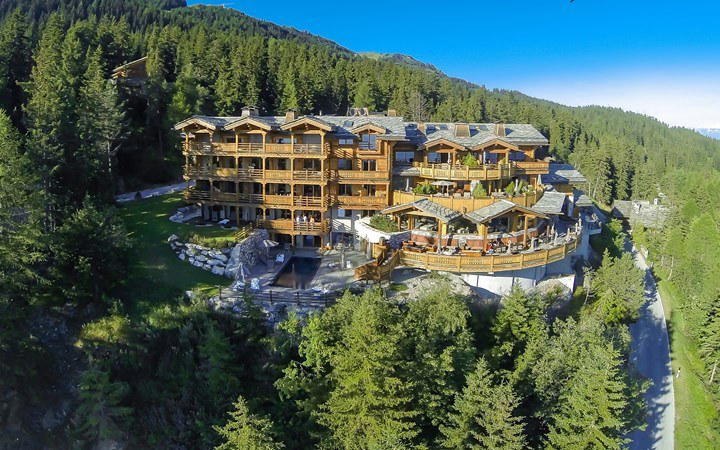
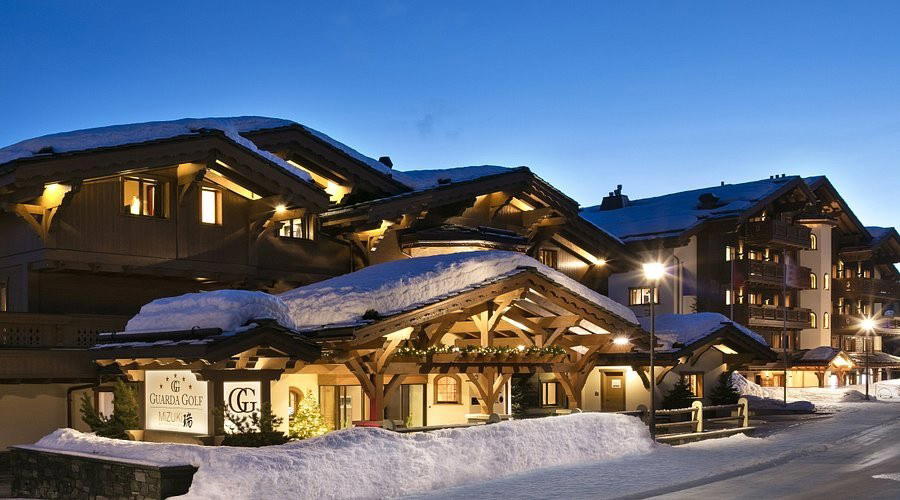
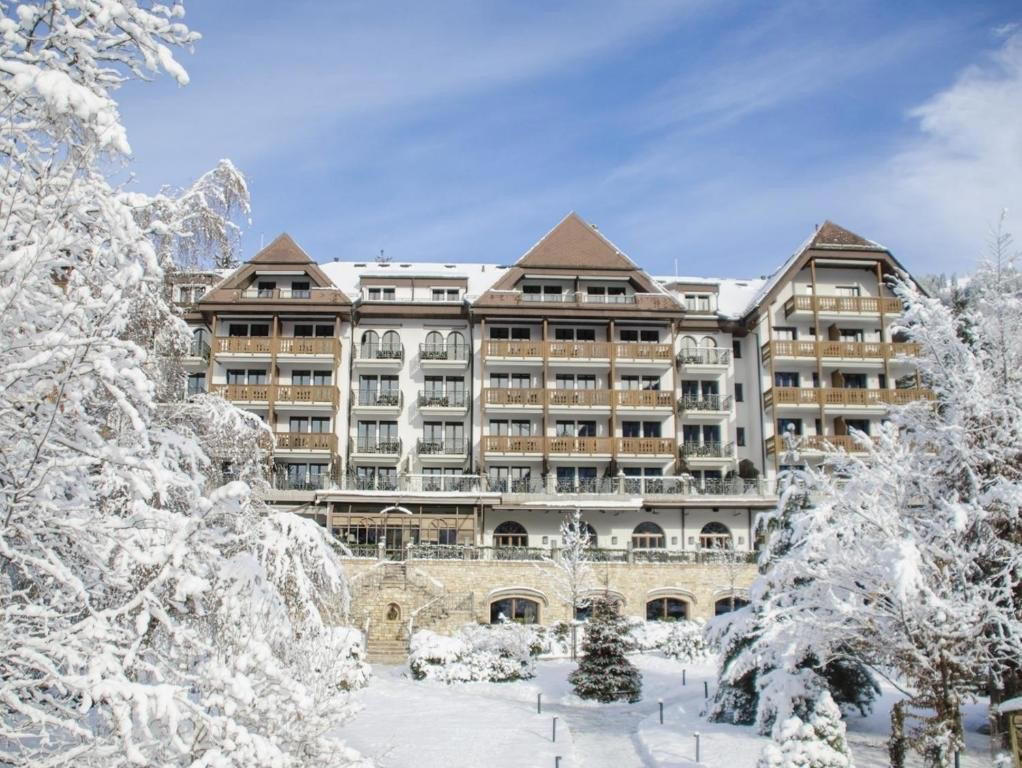
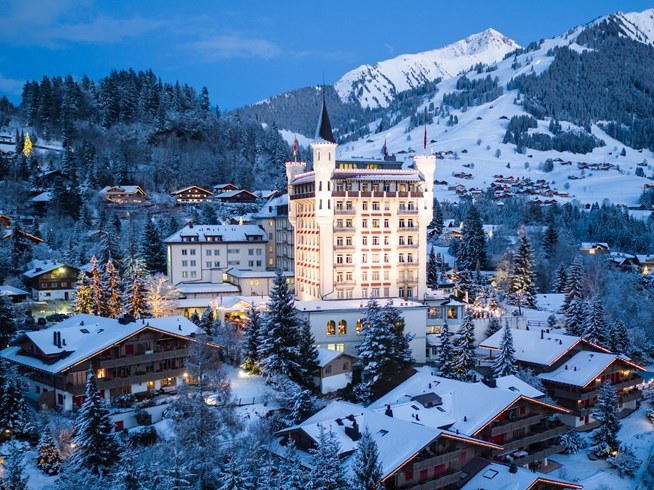
Wild Cabin sits on Route des Téléphériques in Crans-Montana, positioned at the intersection of Alpine atmosphere and mountain dining culture. In a resort where altitude shapes everything from the wine list to the pace of service, Wild Cabin represents the cabin-dining format that Crans-Montana does with particular seriousness. Visitors planning a table should cross-reference with our full Crans restaurants guide for seasonal availability and local context.
Pearl is the En Primeur Club membership app — saves, bookings, and concierge access live there. Same editors, same standards.
- Address
- Rte des Téléphériques 60, 3963 Crans-Montana, Switzerland
- Phone
- +41794680350
- Website
- sixsenses.com
- Directions
- Get directions
 Saves & bookings on Pearl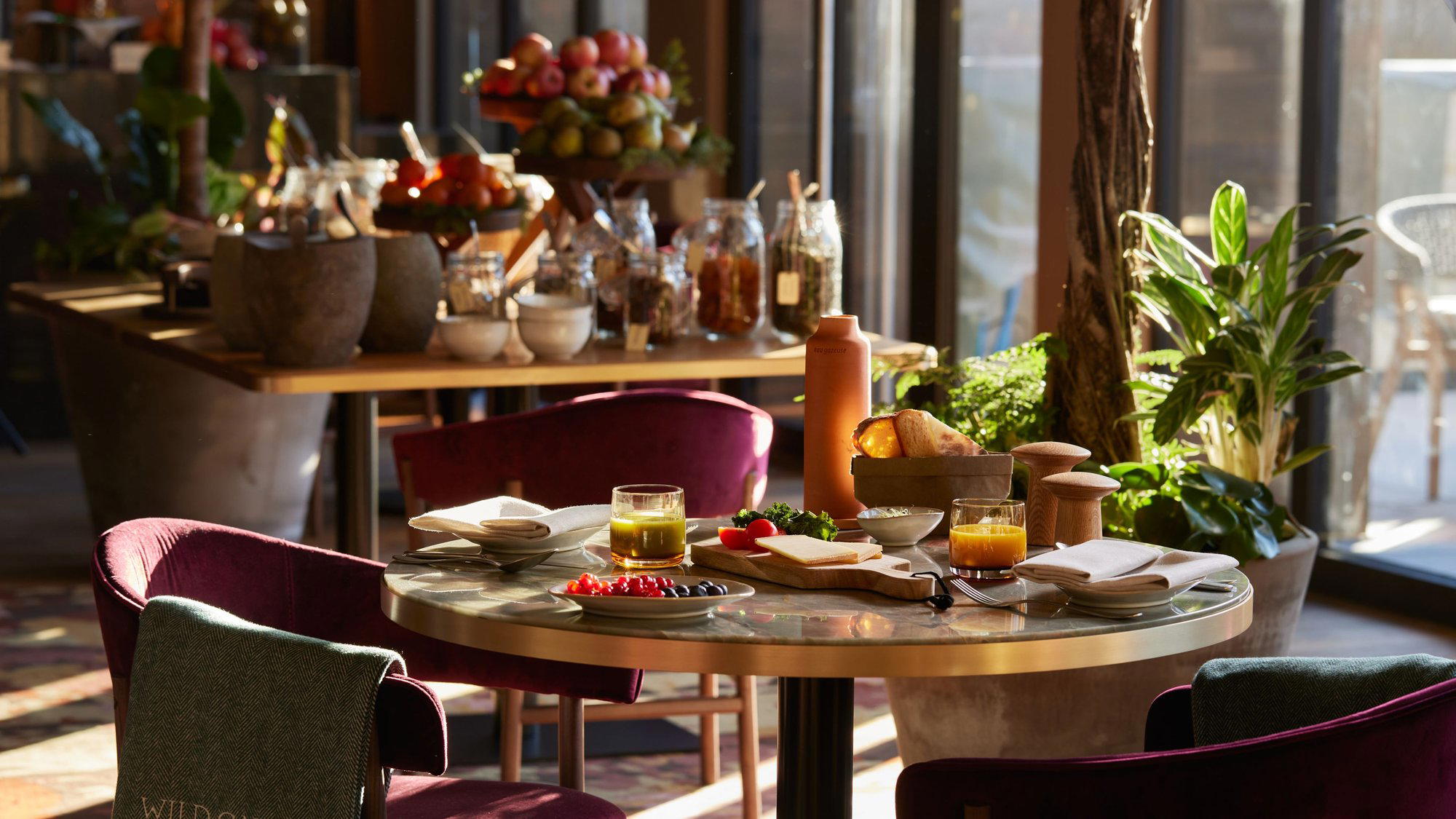
Mountain Dining in Crans-Montana: Where Altitude Shapes the Table
Crans-Montana sits at roughly 1,500 metres above sea level in the Valais canton, and the altitude does more than thin the air — it defines an entire register of hospitality. The resort's dining scene has split, over the past decade, into two recognisable tiers: high-production Alpine lounges aimed at après-ski volume, and smaller, more considered venues that treat the mountain setting as context rather than costume. Wild Cabin, on Route des Téléphériques, occupies the latter category. Its address places it on the cable-car corridor that connects the resort's base to the higher slopes, meaning it sits at a natural intersection point for both ski-day traffic and the quieter evening trade that sustains Crans-Montana through its shoulder seasons.
The cabin format itself carries cultural weight in the Swiss Alps that outsiders occasionally underestimate. A chalet or cabin dining room in this region is not simply a rustic aesthetic choice — it references a specific tradition of mountain hospitality rooted in Valais farmhouse culture, where the warmth of the interior (wood, fire, close quarters) was a functional response to the environment before it became a design language. The leading examples of this format in the Swiss Alps treat that heritage seriously, letting the architecture and material palette do narrative work without over-theming the experience. In Crans-Montana specifically, where international money has pushed some properties toward a more neutral luxury idiom, venues that hold to the cabin register offer a different proposition.
The Crans-Montana Dining Context
For visitors calibrating expectations, it helps to understand where Crans-Montana sits within Swiss resort dining more broadly. Switzerland's formally recognised fine dining addresses, including Hotel de Ville Crissier in Crissier, Schloss Schauenstein in Fürstenau, and Cheval Blanc by Peter Knogl in Basel, are concentrated in the country's urban and lowland settings, where year-round covers and institutional infrastructure support Michelin-level operations. Mountain resort dining operates under different constraints: a compressed high season, a clientele that is often international and unfamiliar with local producers, and a physical environment that makes supply logistics genuinely complicated. Places like Memories in Bad Ragaz and 7132 Silver in Vals have demonstrated that serious cooking is achievable in resort contexts, but they operate within very different infrastructural conditions than an Alpine village address like Crans-Montana.
Within Crans-Montana itself, the dining range runs from high-altitude terrace restaurants accessible only by lift, Berghotel Chetzeron being the most cited example at 2,112 metres, down to village-level spots that serve a local and regional clientele alongside the seasonal tourist trade. Kaizen Japanese Cuisine illustrates the international range that a resort of Crans-Montana's profile now sustains. Wild Cabin sits within this village-level tier, where the competitive question is less about tasting-menu credentials and more about whether the room, the cooking, and the sourcing all pull in the same direction. For a fuller picture of how these addresses relate to one another, the full Crans restaurants guide maps the scene by category and season.
Alpine Cabin Cuisine and Its Cultural Roots
The cultural logic of cabin cooking in the Valais is worth examining separately from any individual venue. Valais is Switzerland's largest canton by area and one of its most distinct food regions, Raclette de Valais AOP, air-dried beef (Walliser Trockenfleisch), and a wine tradition built on indigenous grape varieties like Petite Arvine and Cornalin give the region a larder that doesn't need supplementing from outside to be interesting. The challenge for any Alpine dining room that claims connection to this tradition is specificity: it is easy to gesture at mountain provenance and harder to source with genuine regional discipline. The venues that carry this off, whether in Crans-Montana or in comparably positioned resorts across the Valais, tend to be those where the menu structure reflects seasonal reality rather than a fixed idea of what mountain food should look like.
For reference across Switzerland's broader contemporary restaurant scene, operations like Colonnade in Lucerne, Einstein Gourmet in Sankt Gallen, and focus ATELIER in Vitznau demonstrate how Swiss kitchens at the serious end of the market are handling local-produce sourcing with increasing rigour. The expectation that a mountain cabin restaurant engages with its regional larder at a comparable level of seriousness has become a reasonable one for informed visitors to hold.
What to Expect When Planning a Visit
Wild Cabin is located at Rte des Téléphériques 60, 3963 Crans-Montana, on the main cable-car route through the resort, which makes it direct to incorporate into a day that begins or ends on the slopes. Crans-Montana is accessible from Sierre via the funicular railway (a 12-minute ascent) or by road from Sion, the Valais cantonal capital. The resort operates two distinct high seasons: the winter ski season (December through April) and a summer season (June through September) built around golf, hiking, and the Omega European Masters. Visitors arriving outside these windows should confirm current operation before building an itinerary around any specific venue, as mountain resort restaurants frequently operate on reduced schedules or close entirely during inter-season weeks.
For visitors comparing across the broader Swiss Alpine luxury tier, Da Vittorio in St. Moritz represents the highest-investment end of resort dining in the Swiss mountains, while IGNIV Zürich by Andreas Caminada and La Table du Lausanne Palace in Lausanne anchor the urban Swiss fine dining conversation. If your reference points are more international, say, Le Bernardin in New York City or Atomix in New York City, calibrate expectations accordingly: Crans-Montana cabin dining is a regional, seasonal proposition, not a globally-benchmarked tasting-menu operation, and it is more interesting for being exactly that. The parallel holds for Asian-influenced formats in the Swiss market: L'Atelier Robuchon in Geneva and La Brezza in Ascona each operate in more cosmopolitan lakeside settings where the international reference frame is explicit; mountain venues operate by a different logic.
How Wild Cabin Crans compares with similar nearby venues.
| Venue | Cuisine | Price |
|---|---|---|
| Restaurant Gastronomique l'Ours | Creative cooking | Not listed |
| Le Bistrot des Ours | Traditional Cuisine | €€€ |
| L'OURS | Modern Cuisine | €€€€ |
| Hostellerie du Pas de L’Ours | Swiss Alpine | Not listed |
Continue exploring
More in Crans
Restaurants in Crans
Browse all →
Bars in Crans
Browse all →
Hotels in Crans
Browse all →
At a Glance
- Cozy
- Rustic
- Scenic
- Group Dining
- Family
- Casual Hangout
- Open Kitchen
- Terrace
- Hotel Restaurant
- Sommelier Led
- Local Sourcing
- Mountain
Current opening hours
- Monday
- 7–10:30 AM, 12–3 PM, 6:30–9:30 PM
- Tuesday
- 7–10:30 AM, 12–3 PM, 6:30–9:30 PM
- Wednesday
- 7–10:30 AM, 12–3 PM, 6:30–9:30 PM
- Thursday
- 7–10:30 AM, 12–3 PM, 6:30–9:30 PM
- Friday
- 7–10:30 AM, 12–3 PM, 6:30–9:30 PM
- Saturday
- 7–10:30 AM, 12–3 PM, 6:30–9:30 PM
- Sunday
- 7–10:30 AM, 12–3 PM, 6:30–9:30 PM
Hours can change for holidays and private events. Last verified .
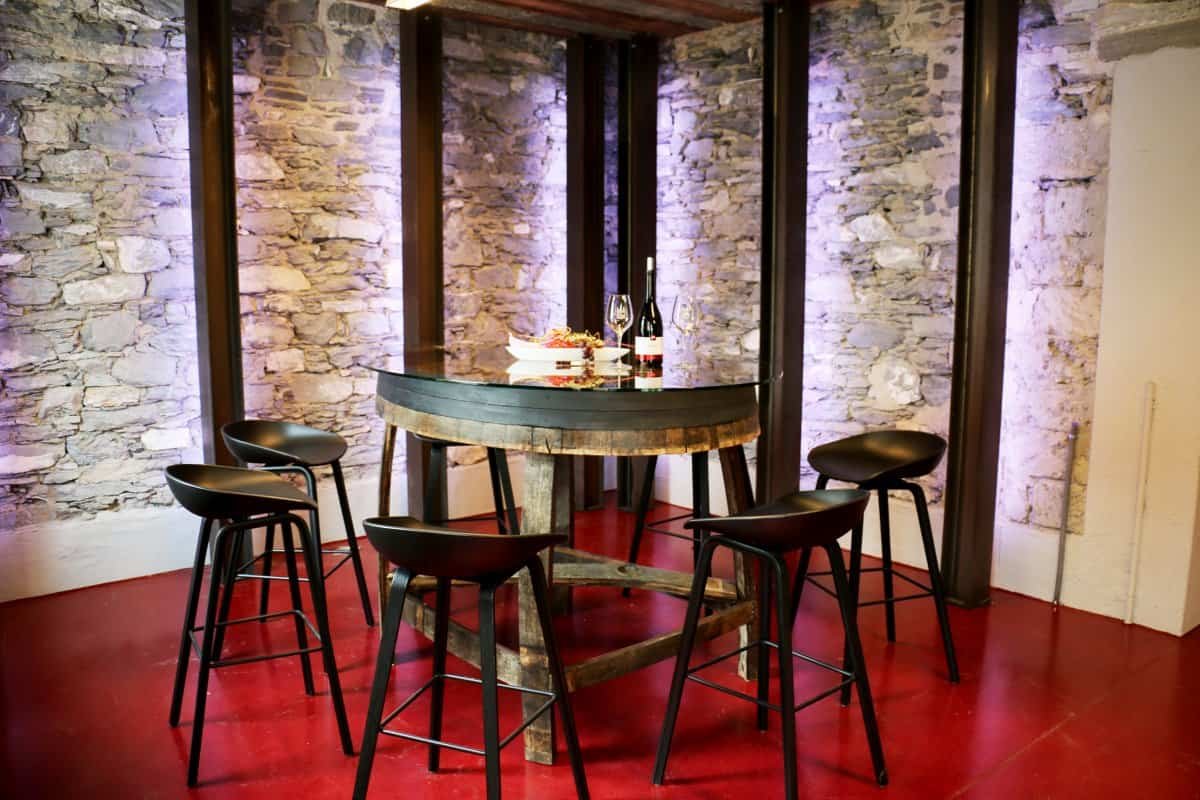
Calming ambience with light-filled spaces, relaxed Alpine atmosphere, and an open kitchen, transitioning to lively bar music in the evenings.
Know Before You Go
- Getting there
- Rte des Téléphériques 60, 3963 Crans-Montana, Switzerland