Kaizen Japanese Cuisine
Japanese cuisine in the Alps occupies a specific and increasingly credible position in Crans-Montana's dining scene. Kaizen Japanese Cuisine, located on the Route Lens-Crans, brings a kitchen tradition built on precision and sourcing discipline to a resort town better known for raclette and rösti. For visitors seeking a counter to the valley's Franco-Swiss defaults, it represents a considered alternative.
Pearl is the En Primeur Club membership app — saves, bookings, and concierge access live there. Same editors, same standards.
- Address
- Rte Lens-Crans 70, 3963 Crans-Montana, Switzerland
- Phone
- +41275653380
- Website
- kaizenrestaurant.com
- Directions
- Get directions
 Saves & bookings on Pearl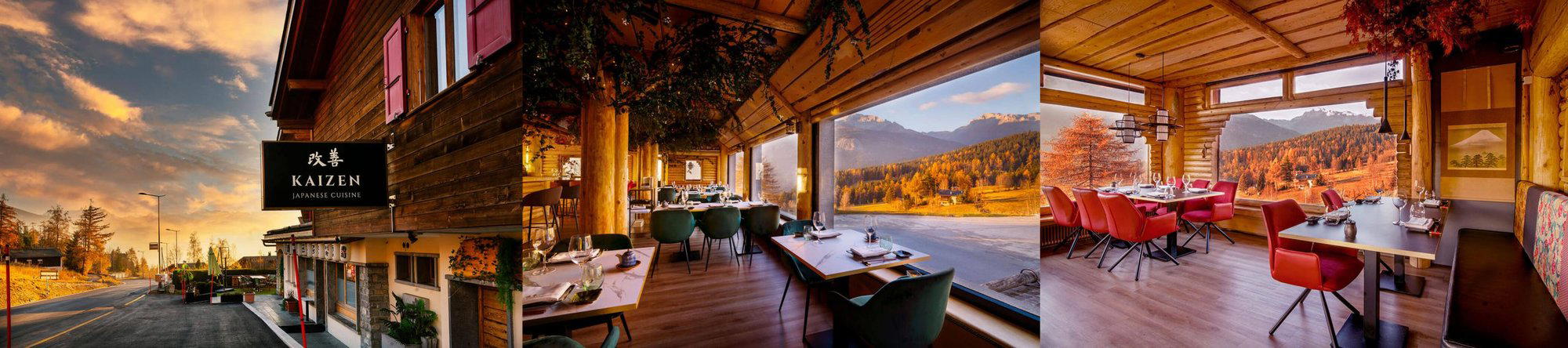
Japanese Precision in an Alpine Resort
Crans-Montana's dining identity has long been shaped by its altitude and its clientele: a Franco-Swiss culinary default, a rotating cast of international resort visitors, and a handful of ambitious kitchens trying to hold their own against the scenery. The resort sits at roughly 1,500 metres in the Valais canton, and the restaurants that endure here tend to do so either by leaning hard into Alpine tradition or by offering something specific enough to earn a separate conversation. Japanese cuisine in this context is not an obvious move. It is, however, a defensible one.
Kaizen Japanese Cuisine occupies a position on Route Lens-Crans that places it in the flow of Crans's main resort corridor, accessible from the central village without requiring the kind of vehicle logistics that complicate dinner reservations in more dispersed parts of the mountain. The name itself — kaizen, the Japanese concept of continuous improvement through incremental refinement — sets an expectation that the kitchen takes its reference points seriously. In resort dining, that kind of philosophical framing often goes unexamined. Here, it frames what the kitchen is trying to do: not approximate Japanese cuisine for an Alpine audience, but practise it.
The Sourcing Question in a Landlocked Canton
The central challenge for any serious Japanese kitchen outside Japan is ingredient sourcing, and in a landlocked Alpine canton that challenge compounds. Japanese cuisine's most technically demanding registers, sushi, sashimi, kaiseki, are built on fish quality, and fish quality in the Alps depends entirely on supply chain discipline. The gap between what arrives at a coastal restaurant in Tokyo or Osaka and what reaches a kitchen in the Valais can be significant, and the better Japanese restaurants in European ski resorts have learned to close that gap through direct import relationships, careful species selection, and honest menu calibration that doesn't overreach its supply.
This is the editorial reality that contextualises Kaizen's kitchen: the Alpine Japanese restaurant that earns its place does so not by pretending proximity to the sea, but by sourcing intelligently and letting the menu reflect what is actually available at the required standard. Switzerland's broader fine dining network, represented at the upper tier by kitchens like Schloss Schauenstein in Fürstenau and Memories in Bad Ragaz, has demonstrated that sourcing ambition is not confined to coastal geography. The question for a Japanese kitchen in Crans is whether that same discipline applies to its fish, its rice, its condiments, and its secondary ingredients.
Switzerland's position as a high-purchasing-power market with strong logistics infrastructure does give Alpine kitchens genuine access to quality imports. Japan-sourced wagyu, premium Japanese rice varieties, and specialist Japanese pantry items are available to Swiss restaurateurs willing to pay for them and to build supply relationships. Whether Kaizen has pursued that infrastructure is a question the kitchen's menu composition will answer more directly than any external assessment can.
Where Kaizen Sits in Crans-Montana's Dining Picture
Crans-Montana supports a dining range that skews toward the accessible middle: mountain restaurants, resort hotels with attached dining rooms, and a cluster of international-inflected kitchens that serve the resort's cosmopolitan winter and summer clientele. At the more destination-oriented end, Berghotel Chetzeron has built a reputation as a serious kitchen at altitude, and Wild Cabin occupies a distinct position with its own format and character. Kaizen operates in a different category from both: not an Alpine experience per se, but a cuisine-specific kitchen that happens to operate in an Alpine resort.
That positioning is increasingly common in mature European ski destinations. Verbier, Zermatt, Courchevel, and St. Moritz all host Japanese or Japanese-adjacent kitchens that serve the international segment of their guest populations, visitors from Geneva, Zurich, London, and the Gulf who eat Japanese regularly at home and expect to continue doing so on holiday. Da Vittorio in St. Moritz illustrates how international cuisine formats can establish a durable position in Swiss resort dining when the execution matches the ambition. For Kaizen, the comparable dynamic is whether its kitchen meets the standard its name implies.
For Swiss dining context beyond the resort tier, the country's most decorated kitchens, including Hotel de Ville Crissier in Crissier, Cheval Blanc by Peter Knogl in Basel, focus ATELIER in Vitznau, IGNIV Zürich by Andreas Caminada, Einstein Gourmet in Sankt Gallen, Colonnade in Lucerne, La Brezza in Ascona, and La Table du Lausanne Palace in Lausanne, operate in a formally recognised fine dining tier. Kaizen does not carry that designation, but resort kitchens are not always measured by the same criteria as city restaurants: regularity of clientele, seasonal intensity, and a more varied guest profile all shape what a mountain kitchen prioritises.
For international reference points on what a technically serious Japanese kitchen looks like in a Western city, Atomix in New York City represents the Korean-Japanese fusion end of the spectrum, while Le Bernardin shows how seafood sourcing discipline anchors a kitchen's credibility over decades. The standards those kitchens set are useful benchmarks, even at significant remove from what a Crans resort kitchen is attempting.
Planning a Visit
Kaizen is located at Route Lens-Crans 70 in Crans-Montana, within the main resort area. Crans-Montana operates on a seasonal calendar that concentrates visitors during winter ski season (December through March) and a shorter summer period, with shoulder months being considerably quieter. Booking ahead during peak season is prudent for any Crans restaurant that maintains a regular local following; the resort's limited resident population means that dining rooms that fill during high season can shift significantly in the off-months. Visitors arriving by train typically transfer at Sierre in the Rhône valley, with a connecting service up to Crans-Montana. Confirm current hours, pricing, and booking directly with the restaurant before visiting, as resort restaurant schedules shift meaningfully between seasons. For a broader view of what the town's dining scene offers, the full Crans restaurants guide maps the range from Alpine tradition to international formats. And for those considering L'Atelier Robuchon's approach to Japanese-French technique at the Geneva end of the Swiss arc, L'Atelier Robuchon in Geneva provides a useful point of comparison.
How Kaizen Japanese Cuisine Crans compares with similar nearby venues.
| Venue | Cuisine | Price |
|---|---|---|
| Hostellerie du Pas de L’Ours | Swiss Alpine | Not listed |
| L'OURS | Modern Cuisine | €€€€ |
| Le Bistrot des Ours | Traditional Cuisine | €€€ |
| Restaurant Gastronomique l'Ours | Creative cooking | Not listed |
Continue exploring
More in Crans
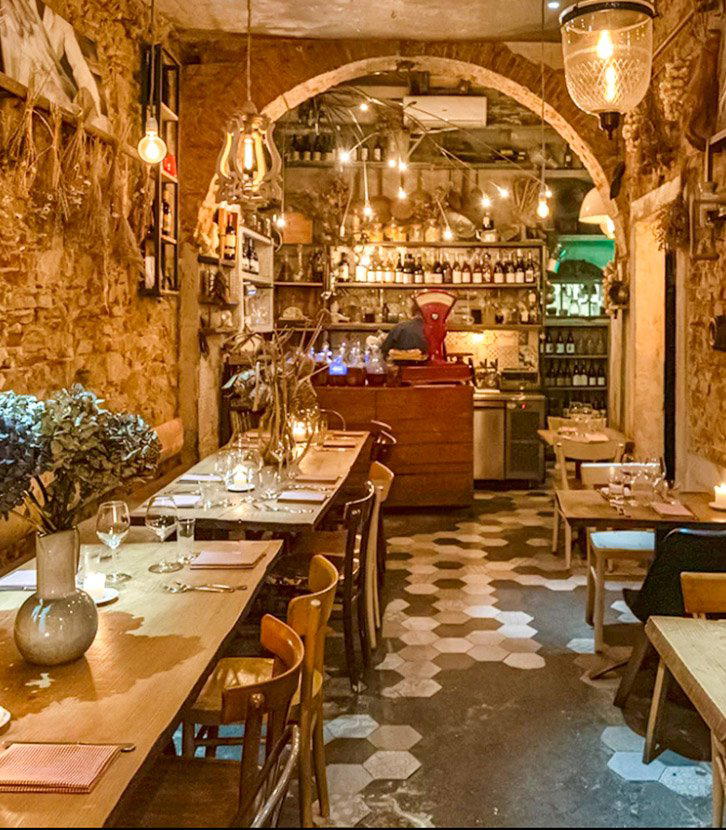
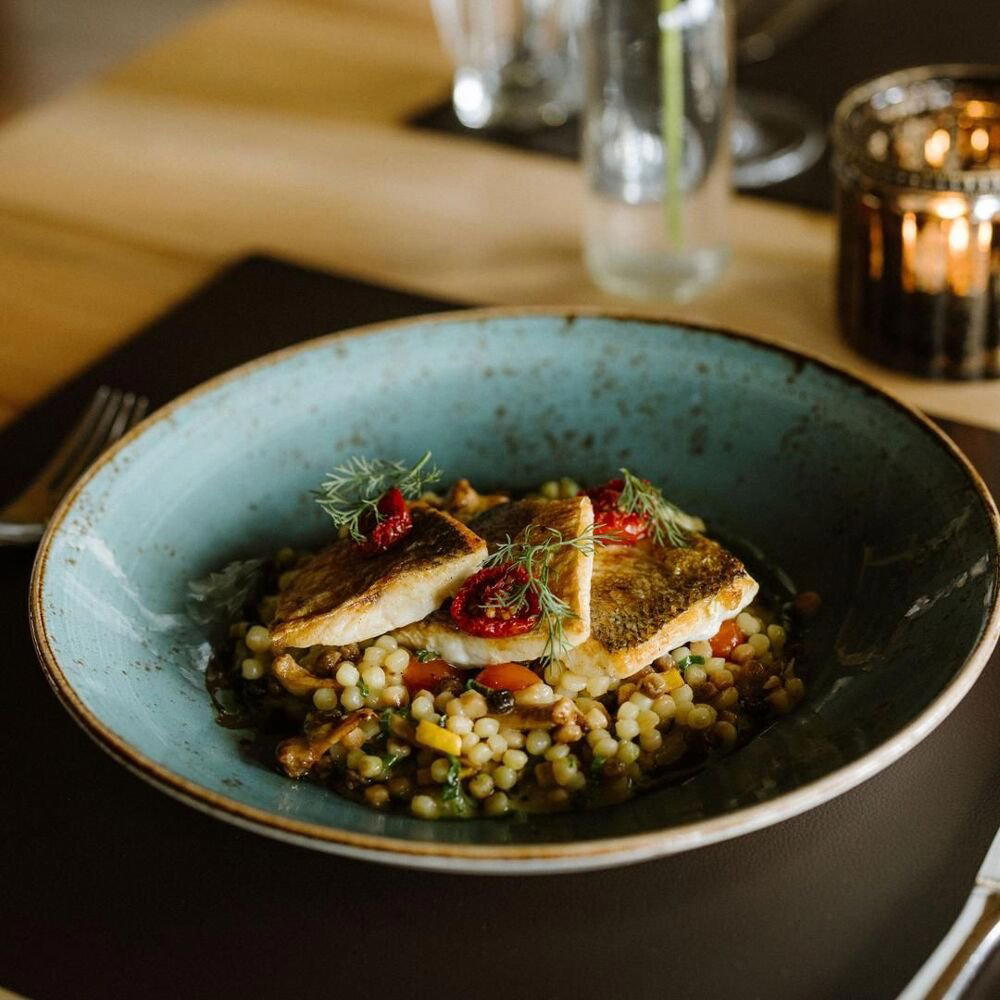
Restaurants in Crans
Browse all →
Bars in Crans
Browse all →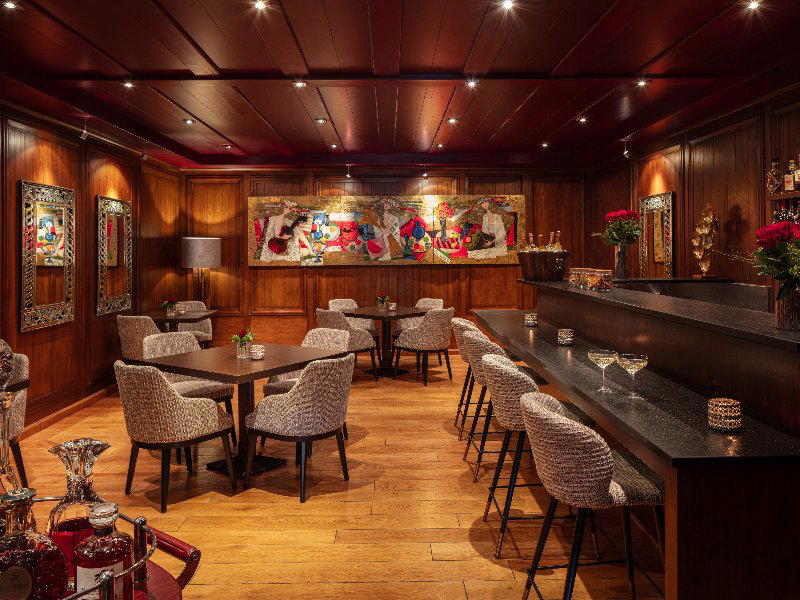
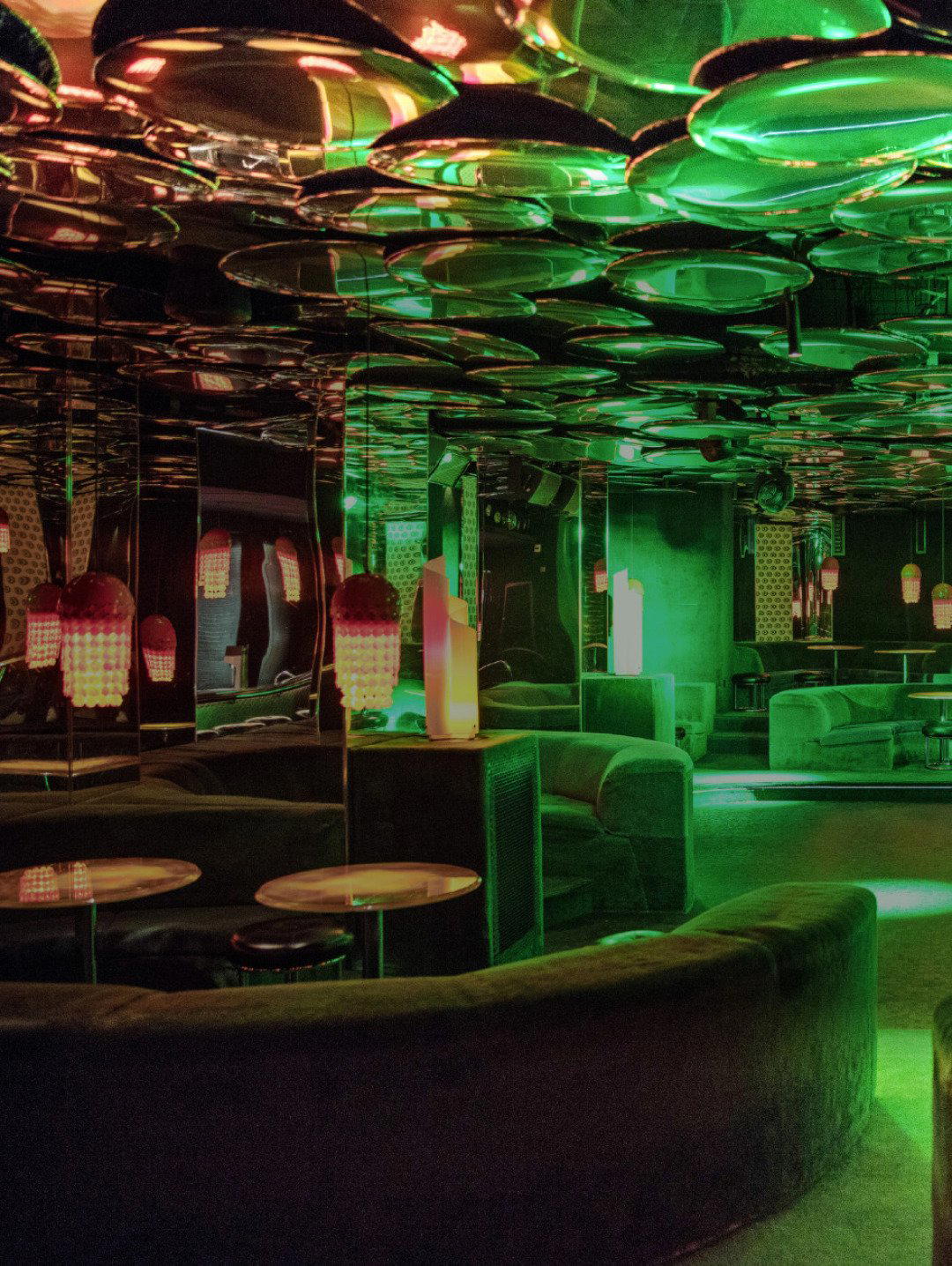
Hotels in Crans
Browse all →


At a Glance
- Elegant
- Scenic
- Sophisticated
- Intimate
- Date Night
- Celebration
- Special Occasion
- Business Dinner
- Group Dining
- Panoramic View
- Private Dining
- Terrace
- Standalone
- Extensive Wine List
- Sake Program
- Sommelier Led
- Sustainable Seafood
- Local Sourcing
- Mountain
Current opening hours
- Monday
- 12–2 PM, 6:30–10:30 PM
- Tuesday
- 12–2 PM, 6:30–10:30 PM
- Wednesday
- 12–2 PM, 6:30–10:30 PM
- Thursday
- 12–2 PM, 6–10:30 PM
- Friday
- 12–2 PM, 6:30–10:30 PM
- Saturday
- 12–2 PM, 6:30–10:30 PM
- Sunday
- 12–2 PM, 6:30–10:30 PM
Hours can change for holidays and private events. Last verified .
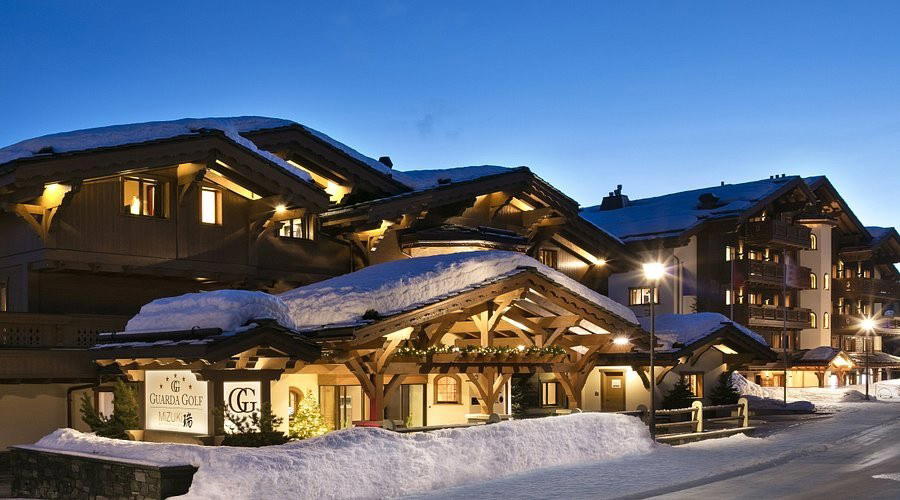
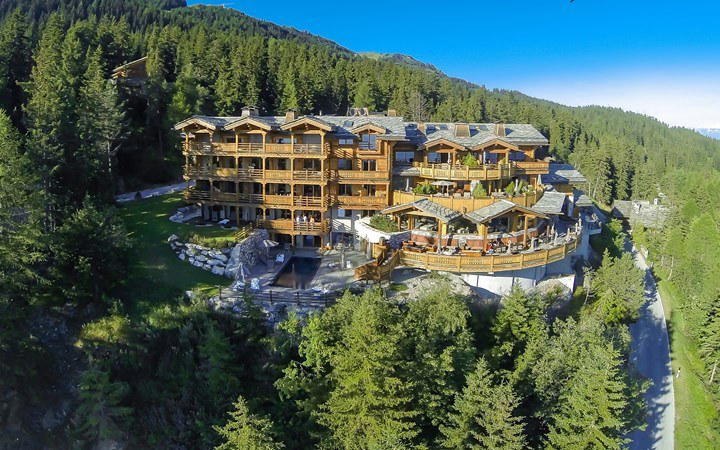
Stylishly minimalist dining room with warm chalet aesthetics, cozy yet refined atmosphere enhanced by mountain vistas and attentive service.
Know Before You Go
- Getting there
- Rte Lens-Crans 70, 3963 Crans-Montana, Switzerland