Skip to Main Content
← Collection
CuisineRegional Cuisine
LocationFrasdorf, Germany
Michelin

Westerndorfer Stube holds both a Michelin Plate (2025) and a Bib Gourmand (2024), placing it in a small tier of Frasdorf restaurants that combine regional Bavarian cooking with recognised quality at a moderate price point. In a village where the dining scene ranges from Alpine mountain huts to high-end creative cuisine, this is the address that makes a case for honest, place-rooted cooking at an accessible price.

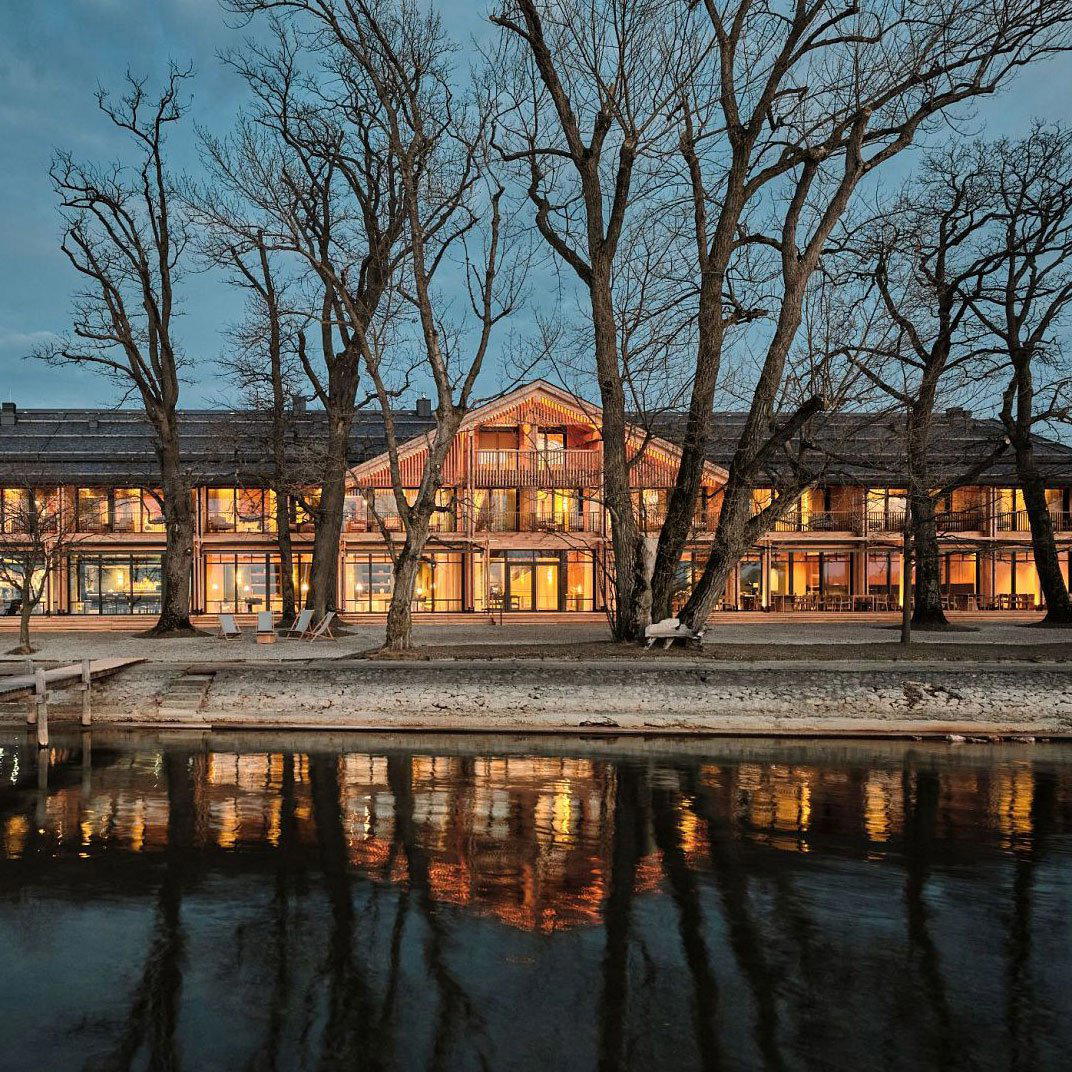
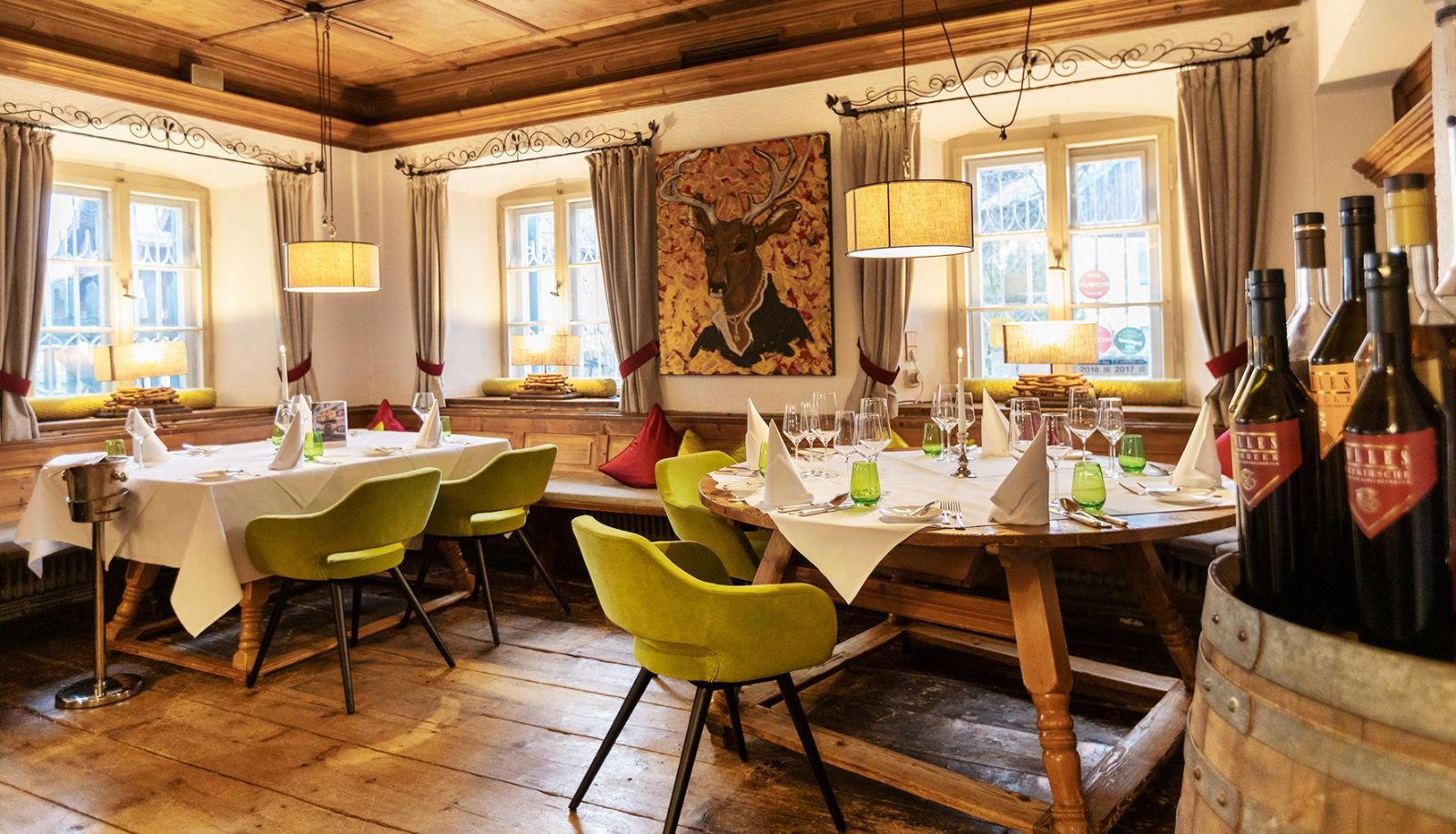
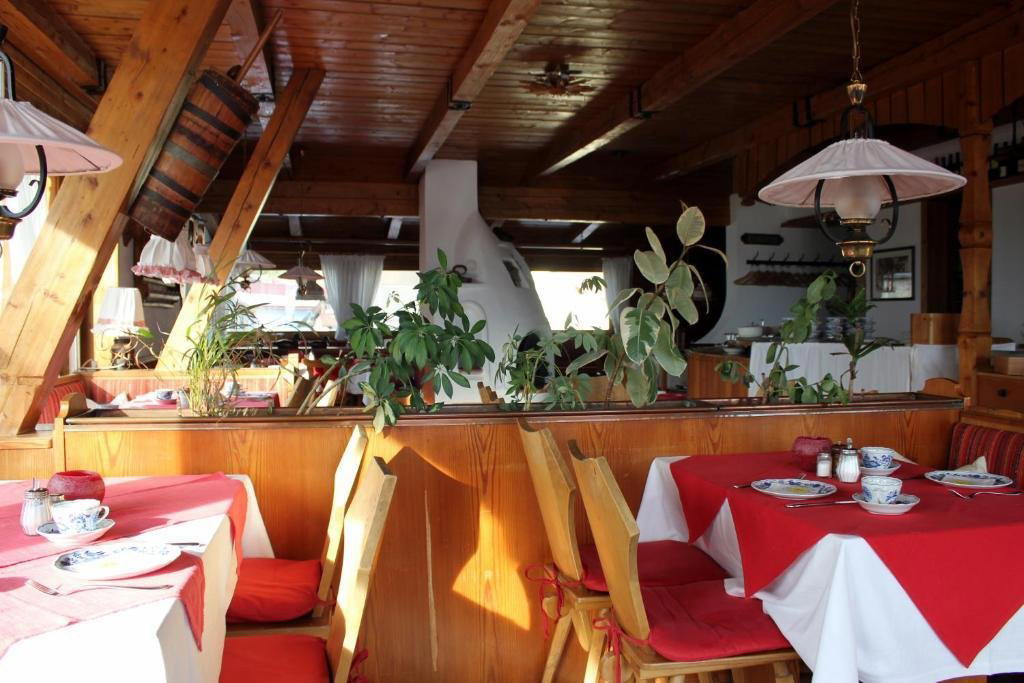
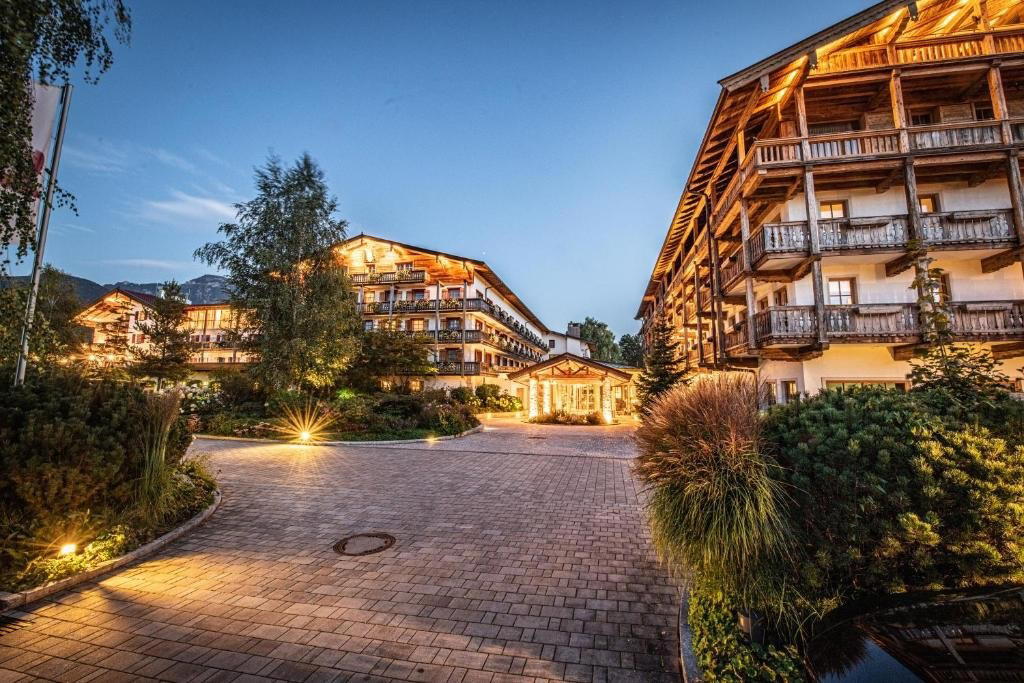
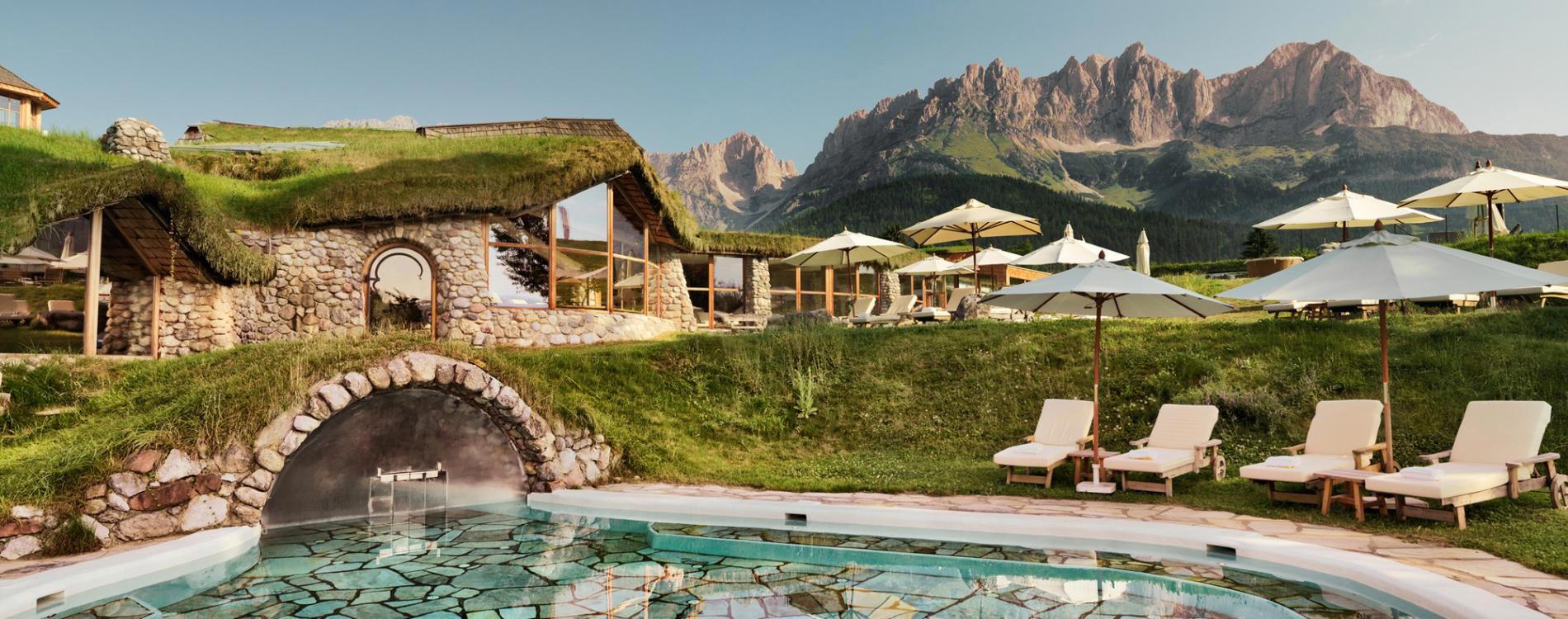
Westerndorfer Stube restaurant in Frasdorf, Germany
About

A Village With More Than One Dining Register

Frasdorf is a small Chiemgau village in Upper Bavaria that few international visitors plan a trip around, yet it punches well above its size when it comes to recognised dining. The local restaurant scene covers several distinct registers: Michaels Leitenberg operates at the €€€€ tier with modern cuisine, Restaurant Karner brings creative cooking at the same price point, and STUBN in der Frasdorfer Hütte positions itself in the Alpine tradition at €€€. Westerndorfer Stube sits below all three on price and operates in a different mode entirely: regional cuisine at the €€ level, with Michelin recognition confirming the kitchen's seriousness without the overhead of a destination-dining experience.

That pricing distinction matters. In German gastronomy, the Bib Gourmand category was specifically designed to mark restaurants where quality outpaces cost, and the fact that Westerndorfer Stube carried the Bib Gourmand in 2024 before moving to a Michelin Plate in 2025 places it in a well-defined position within Michelin's own hierarchy. The Plate designation signals food worth eating; the Bib Gourmand previously confirmed value. Together, those two consecutive years of recognition indicate a kitchen that has been cooking consistently enough to attract and hold the Guide's attention.

What Regional Cuisine Means in the Chiemgau

Regional cooking in Upper Bavaria carries specific weight. The Chiemgau sits between Munich to the northwest and the Austrian border to the southeast, and its culinary tradition draws on both Alpine and lowland influences: cured meats, freshwater fish from the lakes, game from the surrounding forests, and a preference for cooking methods that reflect the season and the larder rather than the trend cycle. Restaurants working in this tradition are not attempting to replicate what a fine-dining kitchen does with local ingredients; they are applying craft to a set of regional ingredients and techniques that have their own internal logic.

That distinction separates Westerndorfer Stube from the more ambitious creative operations in Frasdorf. It also places it in a broader German conversation about what regional cuisine can accomplish when taken seriously. Across Germany, a handful of kitchens have demonstrated that staying inside a regional framework does not limit ambition. Fahr in Künten-Sulz and Gannerhof in Innervillgraten represent comparable commitments to regional identity in their respective areas. At the higher end of the German dining spectrum, addresses like Schwarzwaldstube in Baiersbronn, Aqua in Wolfsburg, and Vendôme in Bergisch Gladbach show where that ambition can lead when resources and scale increase. Westerndorfer Stube is not competing in that tier, nor does its recognition suggest it is trying to.

The Address and What It Signals

Nußbaumstraße 6 is a residential-scale address in a Bavarian village, and that setting shapes the experience before any food arrives. Frasdorf's dining scene is not built around a pedestrian restaurant quarter or a tourist strip. Arriving at a Stube in this context means choosing a room that reads as local and rooted rather than designed for visitors passing through. The word Stube itself is part of that framing: it is the German term for a warm, furnished sitting room, and it carries a domestic register that distinguishes this category of restaurant from a gasthaus or a weinstube. In Bavarian usage, a Stube implies something closer to a hearth than a dining room.

For visitors travelling from Munich, the Chiemgau is reachable in under an hour, which makes Frasdorf viable as a day trip or a base for exploring the broader region. Those interested in the full range of what the village offers can consult our full Frasdorf restaurants guide, as well as our guides to Frasdorf hotels, bars, wineries, and experiences in the area. The concentration of Michelin-recognised restaurants in a village of this size is unusual by any regional standard, and it reflects a local food culture that supports serious cooking at multiple price points.

Where Westerndorfer Stube Sits in the Wider German Picture

Germany's restaurant scene has become more internally differentiated over the past decade. The concentration of starred and recognised kitchens in major cities, from JAN in Munich to CODA Dessert Dining in Berlin and Restaurant Haerlin in Hamburg, is matched by a quieter pattern of recognition for smaller, place-specific operations in rural and semi-rural settings. Schanz in Piesport and ES:SENZ in Grassau (notably close to Frasdorf in the Chiemgau) represent a similar dynamic: serious cooking operating outside urban density, where the local context is part of the offer rather than something to be overcome.

Westerndorfer Stube belongs to that pattern. Its recognition is not a consolation prize for restaurants that cannot compete in the city; it is an acknowledgment that the Chiemgau has its own culinary logic, and that a kitchen working within that logic, at a moderate price, can produce food that earns a place in the Guide. The Bib Gourmand-to-Plate trajectory over two consecutive years suggests the kitchen has found a stable register rather than peaking and retreating.

Planning a Visit

Westerndorfer Stube is at Nußbaumstraße 6, 83112 Frasdorf. The €€ price point means a full meal here costs considerably less than at Frasdorf's other Michelin-tracked addresses, which makes it a practical anchor for a longer day in the region rather than the sole destination. Current hours and booking availability are not listed centrally; given the venue's size and the level of recognition it carries, booking ahead is the sensible approach, particularly on weekends when regional visitors from Munich and the surrounding area are most likely to be present. There is no dress code on record, and the Stube setting implies an informal register consistent with the regional cuisine format.

FAQ

What's the signature dish at Westerndorfer Stube?

No specific signature dishes are documented in publicly available records for Westerndorfer Stube. The kitchen operates in the regional Bavarian tradition, which typically draws on Chiemgau ingredients including game, freshwater fish, and seasonal produce from the surrounding agricultural area. The consecutive Michelin recognitions (Bib Gourmand 2024, Michelin Plate 2025) indicate consistent kitchen output, but specific dish details would require direct contact with the restaurant or an up-to-date menu check before visiting.

The Short List

A compact peer snapshot based on similar venues we track.

Collector Access

Need a table?

Our members enjoy priority alerts and concierge-led booking support for the world's most difficult tables.

Access the Concierge