.png)
Weingärtnerhaus sits at Schloßstraße 1 in Kaisheim, a small Bavarian market town where dining options are few and Michelin recognition is correspondingly rare. The kitchen has held a Michelin Plate in both 2024 and 2025, signalling consistent cooking quality at a mid-range price point. The international menu draws a local and regional crowd looking for something beyond the standard Gasthof formula.
Pearl is the En Primeur Club membership app — saves, bookings, and concierge access live there. Same editors, same standards.
- Address
- Schloßstraße 1, 86687 Kaisheim, Germany
- Phone
- +49 9097 485980
 Saves & bookings on Pearl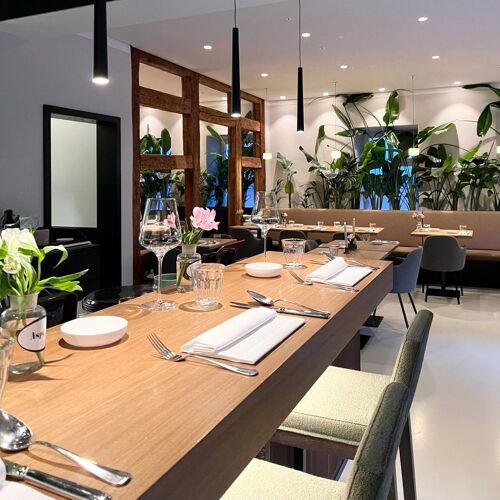
Kaisheim's Dining Context: Where Weingärtnerhaus Sits
Weingärtnerhaus is a restaurant in Kaisheim, Germany, serving Seasonal German Fine Dining at about $78 per person. The culinary gravity in this part of southern Germany pulls toward Munich, where restaurants like JAN in Munich anchor a dense fine-dining tier, or toward the Alpine corridor stretching into Austria, where places like ES:SENZ in Grassau draw destination diners from across the region. Kaisheim, a municipality of a few thousand people in the Donau-Ries district, sits well outside that circuit. That makes Weingärtnerhaus's consecutive Michelin Plate recognitions in 2024 and 2025 a meaningful local signal: inspectors found cooking here worth flagging, in a town where the comparison set is mostly traditional Gasthöfe rather than ambitious contemporary kitchens.
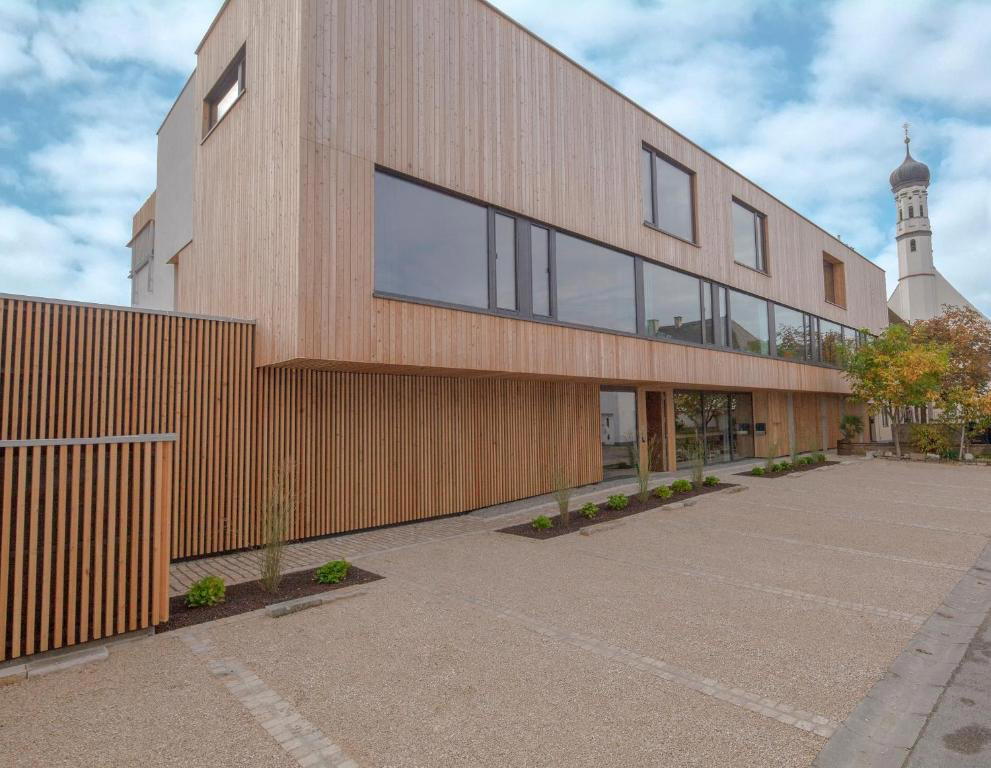
The address, Schloßstraße 1, places the restaurant directly adjacent to the former Cistercian monastery that defines Kaisheim's architectural identity. The monastery complex, now repurposed as a correctional facility with a preserved baroque church, gives the street a quiet, institutional weight. Approaching the restaurant, visitors encounter stone rather than neon, silence rather than foot traffic. The physical setting frames expectations before a guest crosses the threshold: this is not a buzzy urban bistro. It operates in a different register entirely.
The Michelin Plate and What It Signals in a Rural German Context
Germany's Michelin-recognised restaurant tier spans an enormous range in price and ambition. At one end, three-star kitchens like Schwarzwaldstube in Baiersbronn, Aqua in Wolfsburg, and Vendôme in Bergisch Gladbach operate tasting-menu formats at premium price points. At the other, the Michelin Plate, awarded to restaurants where inspectors find good cooking without the additional criteria required for star status, covers a far wider geographic and price band. Weingärtnerhaus sits in the latter category, at a mid-range price point (€€), which in the German context typically means main courses in the €15 to 30 range rather than multi-course menus priced above €100.
The Plate's value here is partly about geographic context. In a city like Hamburg, where Restaurant Haerlin anchors a competitive fine-dining tier, a single Michelin Plate might be unremarkable. In Kaisheim, it functions as a quality marker in a market with few competitors at any level of ambition. The restaurant's 4.0 Google rating from 12 reviews is a small sample, but it aligns with the venue's positive local reception.
International Cooking in a Region Defined by Bavarian Tradition
The kitchen's international orientation is worth examining as a positioning choice. Bavaria's culinary default is heavily regional: roast meats, dumplings, pork preparations, and locally brewed lager as the assumed pairing. Restaurants that step outside that framework in rural settings are making a deliberate bet that a local audience either wants something different or that the restaurant can draw visitors from surrounding towns and the wider Donau-Ries area.
International menus in this context often function as a vehicle for ingredient diversity rather than strict national cuisine. Where a Bavarian Gasthof kitchen is constrained by regional tradition in its sourcing vocabulary, an internationally framed menu can pull from a broader set of produce categories, different proteins, different vegetable preparations, different sauce traditions. In a region with access to both alpine and lowland agricultural production, that flexibility can translate into genuine sourcing range. The Donau-Ries district sits at a crossroads between the Swabian highlands to the west and the Bavarian lowlands stretching east toward Augsburg and Munich, giving kitchens in the area access to both livestock farming and arable agriculture without long supply chains. The menu format gives the kitchen room to work with a wider range of produce and preparations.
For comparison, similar mid-range international kitchens operating outside Germany's major urban centres, places like Haubentaucher in Rottach-Egern and Loumi in Berlin, tend to anchor their identity in produce flexibility rather than tasting-menu spectacle. That mid-range international format has a different competitive logic than the destination kitchens further up the price tier, like Waldhotel Sonnora in Dreis or Victor's Fine Dining by Christian Bau in Perl.
Planning a Visit to Weingärtnerhaus
Kaisheim sits approximately 15 kilometres north of Augsburg and is accessible by road from the A8 motorway. The town itself is small, and Schloßstraße is central; arriving by car is the practical option for most visitors, as public transport connections in this part of Donau-Ries are limited. Booking is essential, and the restaurant is best contacted directly for reservations. Given the small size of the town and the limited volume of reviews on record, the dining room is unlikely to require weeks of advance planning in the way that destination restaurants in German cities typically do, though for group bookings or weekend evenings, confirming availability in advance remains sensible. The €€ price positioning means a dinner for two with drinks should fall comfortably within a moderate budget, making it a practical option for anyone staying in the Augsburg or Donau-Ries area who wants a Michelin-recognised meal without travelling to the city.
Fast Comparison
Comparable venues nearby, for context on price, style, and recognition.
| Venue | Cuisine | Price | Awards | Notes |
|---|---|---|---|---|
| Weingärtnerhaus | Seasonal German Fine Dining | $$$ | Michelin Plate | Kaisheim |
| Forsthaus Ilkahöhe | Modern Bavarian Fine Dining | $$$ | Michelin Plate | Tutzing |
| Edda Brasserie | Modern German-French Brasserie | $$$ | Michelin Plate | Stadtmitte |
| Kirschner Stuben | Bavarian Regional with International Influences | $$$ | Michelin Plate | Rottach-Egern |
| Bachmaier | Modern German Fine Dining | $$$ | Michelin Plate | Heilbronn |
| Lazarus Stube im Oberschwäbischen Hof | Swabian Regional Cuisine | $$$ | Michelin Plate | Schwendi |
At a Glance
- Romantic
- Elegant
- Cozy
- Classic
- Intimate
- Scenic
- Date Night
- Special Occasion
- Celebration
- Business Dinner
- Historic Building
- Wine Cellar
- Private Dining
- Terrace
- Garden
- Standalone
- Extensive Wine List
- Sommelier Led
- Farm To Table
- Local Sourcing
- Vineyard
- Garden
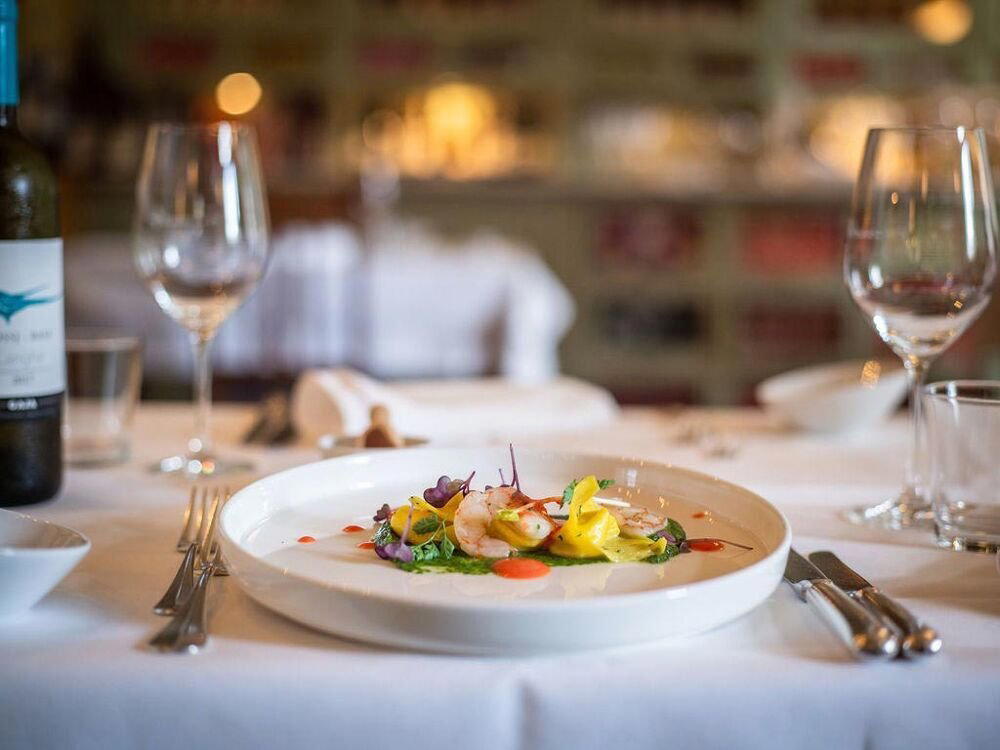
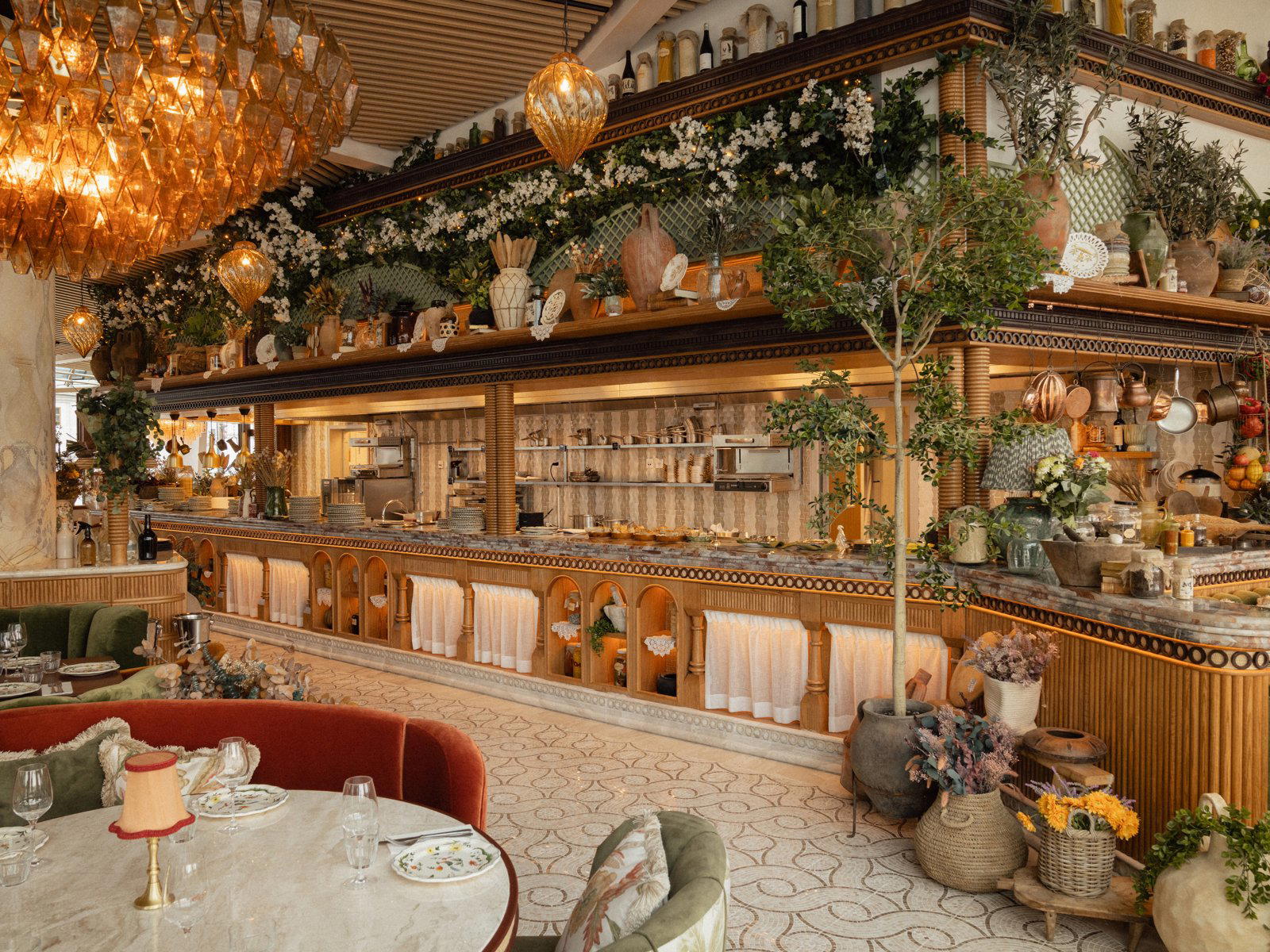
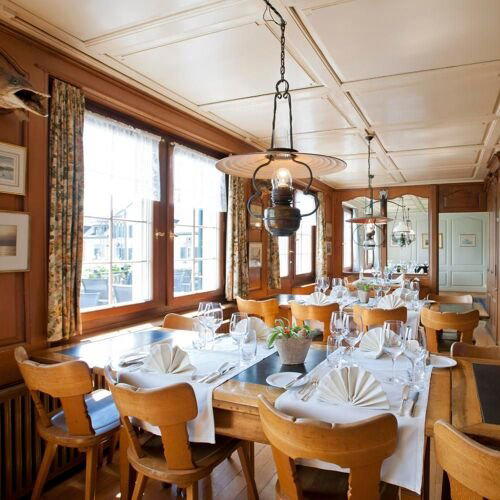
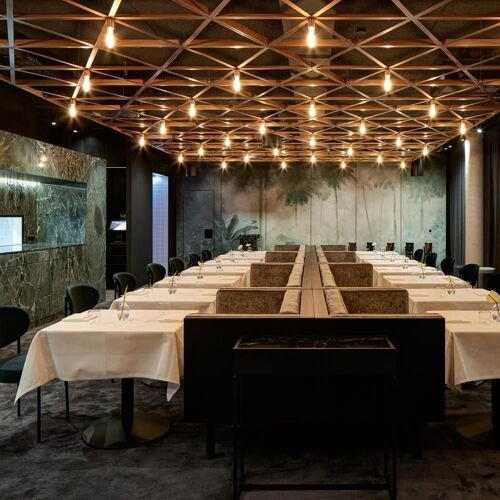
Warm, candlelit interior with timbered ceilings and historic stone, complemented by contemporary linens and understated tableware; intimate and unhurried atmosphere that honors the building's Renaissance heritage.